If I were a brand new insurance agent, I’d do this first…
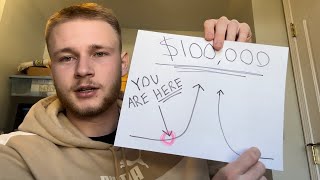
A YouTube video by Timothy Schucker advising brand-new insurance agents to prioritize finding a solid mentor/trainer to shortcut two main learning curves—sales and insurance product/underwriting knowledge. Schucker outlines mentor selection criteria (track record, ethics, and training involvement) and emphasizes learning from experienced, ethical agents to avoid mistakes and accelerate earnings.
Chapters
Alright, so in this video I'm going to be talking about what you should do if you are a brand new insurance agent starting out. So my name is Tim Shooker. I've been in the industry for about 3 years now. In my first 6 months as an agent, I wrote 100k in sales face to face. Right now I'm building a insurance agency. I've coached and trained hundreds of different agents. So that's kind of my qualifications to talk about this. I've seen a lot of people fail. I've seen a lot of people succeed. And I can say without a doubt this is the number one most important thing that you can do to help with your success and, you know, kind of safeguard against imminent failure. Right? So I got this little graph right here. Most agents tell me their goal is to make 100 grand. The most common thing I hear is how do I make 100 grand, how do I make 250k? Those are like the two most common goals. So I just put 100 grand here, for example, and we're basically, this is going to represent success to us, right? And so basically when you get started, there are two learning curves in the industry, right? Number one is the sales learning curve. Number two is the insurance learning curve, right? And so basically whenever you get started, you are somewhere along the sales learning curve. Maybe you're here, maybe you don't have a ton of sales experience, maybe you have no sales experience, maybe you have quite a bit of sales experience. That's awesome. Whatever, it doesn't really matter where you are on the sales learning curve. This other one right here is the insurance learning curve, right? So this one on the right is the insurance learning curve. And so everyone starts out here on this learning curve, right? And the faster that you shortcut and overcome these learning curves, the quicker you get to success or 100 grand or 250 grand or whatever your goal is, right? So basically your goal is as fast as possible to go from here to here and to go from wherever you are on this side to here, right? So how do you actually do that and what should you do if you're a new agent to shortcut those learning curves? Because we've already established the best way to see success is to overcome those learning curves. How do you actually do it? Well, as with anything, the fastest way to see results and see success is to replicate something that's already working, right? So the most important thing you need to do and the first thing that you should do as an agent is find a solid trainer or mentor. Right. Because that is the person that is going to help you move across these learning curves. Let's say we're talking about the sales side. This is practicing objections with you, training you on objections, training you on the script, role playing, listening to your calls, doing all of these different things that help to improve your sales skillset, right? Your rate of learning, so to speak. Same thing with insurance, right? We're talking about underwriting, right. We're talking about product knowledge, we're talking about the different medicines that people have. We're talking about dealing with this carrier, that carrier, how to say this or say that, and how to compliantly do whatever, right? It's not even the things that you know that you don't know. It's the things that you don't even know exist that you don't know. Right? And those are the things that can really hurt you and result in you having a lot of chargebacks. So it's very, very critical that the first thing you do, like, as you're getting into this industry, everything should be based off of you being trained. Everything should be based off of you getting mentorship. And everything should be based off of you learning from somebody with experience. So how do you go about finding a good mentor? What does that actually look like? Well, there's a couple of things that you need to consider, and the first one, I'm just gonna write them down on the sheet of paper. Finding a mentor, right? The first thing you need to look for is track record, right? And this is basically what they have done in the industry. If you're like, what happens a lot of times is these big IMOs, they'll go out and they tell anyone that has any bit of success, like if you sold one policy, and now you need to start going and recruiting people. So there's a good chance the person that recruited you into this business is not actually successful. If your mentor is making 40 grand a year, they are going to be able to teach you how to make 40 grand a year. If your mentor is making a hundred grand a year, they will have the ability and they will have the knowledge to teach you how to make a hundred grand a year. Whether or not they'll actually give you the time is something else we'll talk about. But you need to have somebody that actually has results so that they can teach you how to do that, right? So that's a super important thing to know the track record. Find somebody that's already walked the path you want to walk so that they can actually show you how to Walk that path, because if not, you're just. It's the blind leading the blind, which nobody gets anywhere. So look for someone with a track record. The second thing is ethics, right? And this is like all ethics, whatever, you might be rolling your eyes, but not. No, this is something very, very serious that you seriously need to consider and weigh heavily when you're trying to pick somebody. When I picked my upline, the first time I got in the business, I did it completely the wrong way. I just went with a person who recruited me and I got led astray and ended up in a bad situation. But the second go round, I went and drove around the country interviewing in person, like feeling people out to see how they actually were, right? Would I trust this person with my career, with my livelihood? Because ultimately, when you're picking an upline, when you're picking an agency, you're basically getting married, right? You're getting married when it comes to the career, because you are betting the success, your livelihood and your family's livelihood on this person's ability to lead you and train you. And that person needs to be an ethical person. Otherwise you're going to be in a lot of hot water. They'll throw you under the bus for five bucks. And there's a lot of shady people in the industry, so make sure the ethics are there. Also, they need to be not only ethical with you, the agent, but also ethical with the clients. Because the way that you learn to sell is the way that you're going to be selling and the way that you're going to train other people how to sell. So if you learn the wrong way, if you learn to only push one product that pays the highest commission, if you learn to twist people's arm and just get them signed up at all costs, that's going to haunt you for the rest of your time in the industry. So you really need to find somebody that has good ethics, that sells the right way, that, that treats people the right way, treats their agents the right way. And it's. I can't stress the importance of that. Now, the third thing is actually their involvement in training you, because there's a lot of super successful agents and mentors that maybe have good ethics, but they're not actually going to be involved in training you because they're so busy doing other things. The rate of learning, the speed at which you can overcome these two learning curves will determine your success in this industry. Meaning if it takes two days for you to get text back from your upline, that is very low involvement in training you. If your upline never listens to your sales calls, that is very low involvement in training you. If your upline doesn't give you a script, doesn't teach you the script doesn't work, role play with you doesn't teach you objections, that is low involvement. So you need to find somebody that's going to be very involved with training you, with helping you. Because in the beginning, like you don't know what you don't know. And the faster that you can shortcut that rate of learning, the more success you'll see. So if I were a new agent, the first thing I would do before I go and try and contract with an agency, before I pick a script, before I try to find a lead source, before I decide if I'm doing telesales or face to face, which I'll go ahead and decide it for you. Do telesales. But before I do any of that, the first thing I'm going to do is pick the person that I want to learn from. With that being said, thank you guys so much for watching. Hit that like button if you got value from it and hit the subscribe button down below for more content like this. I will see you guys in the next one. Take care. Peace.










