Lessons We Learned Scaling An AI Agency To $500k/mo
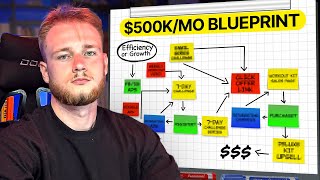
Timothy shares how he scaled an AI agency to $500k/mo. He pays editors $50-$70 per video, hires from Philippines and Eastern Europe, uses GoHighLevel for sales funnels, and is building a 100+ slide course covering niche selection, sales scripts, and service delivery.
Chapters
Hell yeah, brother. So we should have some people jumping in. I got a Couple Q&As on my post inside of the school community. But basically what we're going to be talking about in this video, or live, I guess it is, is the biggest lessons that we've learned. Going from zero in my basement in North Carolina.
In a house we didn't run, the heat all winter, to scaling a business that we've had a little bit of, like, revenue dippage over the last couple months, but we're getting back on track. But at our peak, we did 500k in a month and we've consistently been.
We haven't dipped below like 250, 300. So, yeah, we've learned a lot along the way, made a lot of mistakes, done a lot of things right. And so what we really want to do here is kind of just like recap to you guys the biggest lessons we've learned.
And everything else and what we would do differently. Starting over. So, Julian, I don't know how to do that. So. No, we're just going to do it on my channel for now. But yeah. Do you have any thoughts? I know for some people watching this is probably the first time that they've seen you or. Or we've introduced you, but Julian's basically my business partner. Partner in crime. We've pretty much built this entire business together. We have built this entire business together. And so he has just as much insight as I do, if not more on different sides of the business. And. And you know, what it takes to be successful doing what we do. So cool. You want to kind of just give, like a brief overview of, you know, who you are and we can describe what our business does for the people that are newer to the channel.
Yeah, for sure.
So for your.
If you're watching this channel for the first time, my name is Julian Polito and I'm Tim's business partner. As he just said, my role in the business is basically sales and like people management, I would say. So, like, basically like recruiting management and sales is more or less my responsibility. So I built up that whole side from scratch, more or less. And the way that our business works is we serve the finance niche. So. So we run ads for them. We do like, AI integration where we pull different types of ways that we can integrate AI into their business. And so we help them sell more financial products at higher tickets. And ultimately they sell. They end up once they come working with us, going from maybe not doing so well selling to just anybody to only selling exclusively to rich people using our AI selling system. So that's pretty much what we do. I don't know if there's anything you want to add to that, Tim, before we kick things off.
No, I think. I think the way we should format this is basically, I'll kind of ask you some questions, and then you can ask me some questions, and we can both, you know, share our thoughts and input on whatever questions. But if you were to start this business over, let's say, hey, you know, we go back to my basement in 2022, and we're like, cool, we got to build an AI agency from scratch. You know, we're younger. I'm 21, you're 22, as opposed to as. As old as we are now. And we're like, well, we got to rebuild this thing from scratch. But you get to keep all the knowledge that you have currently, but you literally just go back in time. What would you do differently than we've done? What would you change?
There's so many things. I think the first one, trying to figure out how to go live on my own channel here, guys. But I guess it's just. We're going to be the. The solo dolo here today on Tim's.
But we'll drop a link. For sure.
For sure. I think the biggest thing that I would do differently is I would. I would definitely. I'll definitely pick a different niche. So.
Did you say it? Did you say why?
Yeah, I said why.
Yeah. Great question. So one of the things that I've learned, having been in this business for a while now, we've been doing this for several years, is.
Your business is going to always be a reflection of your customer. And so a lot of the money that you make is going to be reflective of the money that you bring to the customer that you have. But there's a caveat to that. The skills that your customer has are also a reflection of the money that they make. And so, like, for us, we serve basically people.
It's almost a little.
It's almost biz opy in a way where it's like they come in newer to an industry, and then they have to learn everything from zero. Right? And that is more difficult to scale because it requires you as the AI agency owner, to be better, deliver better systems, deliver better trainings, deliver better everything. And so, like, I would if I could go back and redo everything, I don't regret anything that we've done, but I would go back and pick an established business niche of people that already have a Like predisposed set of skills and they already have revenue, preferably recurring. If I could get like my hands on a recurring revenue business where, or even reoccurring just something where they like, they're constantly selling customers, they're making money and like I don't have to do anything except for poor gas on the fire, that would be like the perfect world. Because you can charge more, they'll stay longer, they complain less. That would be mine. The differences.
Yeah, I think that's great. What, what, like how would you go about picking a niche? And I think this will be helpful too. I've done a couple like calls with people who have just, you know, slid into my DMS and handed me money for a call. I'm like, cool, whatever, I'll take it. I, I'll give you some game. And one of the things that they've kind of asked me is everyone has that, that, that thought of like, is it my niche? You know, should I serve somebody different? Like everyone always asks that question about am I in the right market? And some people, I talk to them, I'm like, yeah, you are. Other people, I talk to them like, yeah, that sounds pretty dumb. How would you go about picking a niche and how do you kind of decide like, is this a good niche, is this a bad niche? I have my own thoughts and I made a whole video about it and I'm making more videos about it. But I want to hear your thoughts because I don't think we've like, I think we're probably on the same page, but I don't know if we've had ever had like a full on established conversation about niches.
Yeah, that's, that's a super interesting topic. I'm actually in the, in the process of making like a free AI agency course, which I think you're also doing. So.
Don't plug your shit on my channel, bro.
No, no, no. Shameless plug. Shameless plug. But I'm, I'm making a course and I was, this is actually something I was pouring deeply into because it was like I was trying to figure out how to find, how to find these niches. And I think I, I boiled it down to a few things. First is you got to figure out what type of game you're playing. There's two games in business. There's Sales Velocity, which is you sell a bunch of units, right? This is typically what biz op people do. Or there's the LTV game, which is typically what? AI agency, SMMA owners, people who are basically selling to businesses. Software companies play this game and the goal is to keep them forever for as long as possible, not to sell as many as possible. Right. You typically are going to have a little bit of a smaller client base, but you're going to have a overall more stable revenue source. And so like first, when you figure out how to play that game or which game you want to play, I should say that's when you can decide how to filter them through this framework, which I call the mirror framework, which is money established question mark experience or recurring slash reoccurring. And so those four things are pretty simple. Are they making money? Right? Do they have like consistent income or irregular income? And do they have a business or financial obligation? Do they have business financial obligations? So like do they have a lease, do they have overhead, do they have a staff? Like, are they paying things out on a month to month basis? This is almost like a way for you to like do like a credit check on your, on your niche essentially. It's like I'm trying to make sure like does this person fit the bill to be able to take on another expense? More or less. Right? Alex Hermos, he talks about a guy.
That.
Used to sell to unemployed people to try to help him find a job. And he like didn't, he didn't do well at all despite the fact that he was like a level 10 entrepreneur because he just was selling to people who were unemployed. Right. Which leads me to the E in mirror, the second letter, which is experience. Right. Do they have customers? Do they have systems and processes? Are their reviews terrible? Right, because if you, especially if you're doing like what we do, which is like an AI agency with a marketing component, if you're trying to market a business that everybody hates, you know, just going to get more haters and that's going to make your job way, way harder as the business owner. So are they established? Are they experienced? The second Ian Mir, what skills do they have?
Right?
Like are you trying to teach someone how to run their own business from scratch? Right. Have, how long have they been in business? Five years, five minutes. What were the prerequisites?
What's that, five seconds?
Yeah, five seconds. How long have they been in the business and what type of prerequisites do they have to get in the market? Like for example, I would rather work with somebody who has to go through like a doctorate level of training because they're going to be more committed to a long term career versus like, I don't know, somebody who could just start a lawn Care business, as long as they have a lawn mower and a blade of grass to cut down.
Yeah.
And then the last one is going to be R, which is recurring or reoccurring. Is the problem that they solve, not you, the problem that your customer solves, is it a real recurring issue for their customer? So like for example, if they do lawn care, do they have to continue to cut lawns on multiple basis or do they solve the problem one time and it's fixed forever? Because that's going to tell you how stable that business is. What is their revenue like in terms of recurring? What are their accounts receivable like and their word of mouth referral business like, is it systematic or irregular? And this was kind of like how I measured out the stability of a niche. And this is the framework that I think through when I'm looking at analyzing them.
Yeah, I think that's game. Honestly, I think that's game. One of the things that all I talk about too when it comes to picking a niche is.
I think it's really important to sell to people that are selling high ticket. You know, like, oh yeah, people will get into and say, dude, I didn't even consider this, but I talked to a guy the other day who was.
He was doing an AI agency for people that hang Christmas lights. And I was like, dude, like that probably crushes for like two weeks. And then you're right, you know, and so like seasonality is a real thing too. I didn't, I hadn't considered that. Because seasonality is not a huge thing in our business. It is for certain types of insurance, but not most. And so like you don't want to pick something where like it only works for a few months. But what I think is really important is, you know, as a baseline, the. I, I usually give like three things. And I think the mirror is good too. Like, I think a lot of those things are important.
But I say like they got to be doing high ticket. So like they, they should be selling something that's $5,000 or more. Like they make $5,000 or more from each transaction. This is like a perfect niche, a dream niche, right. The next thing I would say is a boring business. Right? Like, I think realistically, if you try to go and do AI agency or marketing or whatever for a business like E Commerce, you know, like E commerce business owners, they have to be dialed in on marketing and it's so competitive. Like, I remember when we first got into our industry and it's changed a lot. We have a lot More sophisticated competition. But when we first got in, I was like, holy, this is the way they're doing marketing. We're gonna clean up, you know, and so like, if you can go into an industry where, like, they're just so far behind and you can arbitrage that difference of, like, I can just look at what, you know, e commerce and info is doing and then take it back to this industry. There's a lot of money made in that gap.
That's huge.
Yeah, like, dude, softwares and info businesses and ecom, like, they're way better at marketing than like, tax professionals for sure. You can just look at what is ecom doing. I would say ecom's like five years ahead of every other industry.
Like, they, they were doing UGC before anyone else was doing ugc. Like, UGC wasn't a thing in Legion until like three or four years ago. That's crazy. They didn't do it. Yeah. So that and then also re. Recurring or reoccurring is big. So. Okay, so if you were to start over, what niche would you. Do you think you would pick?
Ooh, I was thinking about this the other day and I, I think what you said about the boring businesses is probably like, nail on the head, man. Like, if I could bring fire to the, to the people that don't know what fire is, I'm going to be way farther ahead than the people that, like, I'm trying to tell them fire is warmer than their fire.
It's not.
Not going to go as well if.
I want to show somebody what a Facebook ad is.
Yeah, I, If I were to go after a niche, I would probably go after something in either probably in like home services.
Maybe like electricians or like H vac, something where it is like super high ticket. And then the. I would try to find. Because I don't know a ton about like, home services, to be to be clear. I would try and find one that has like, preferably a high ticket front end. And then they have to either service it, so they have to charge you to get recurring or they have to do other things that cause that. Cause them to have recurring payments. So that I could find like a stable, established business. Yeah, that would be, that would be my goal. And I would look for. I would look for like an employee count of probably over 5 in something like that. I don't want to work with the handyman that like, he fixed his brother's garage last week and now all of a sudden he owns an H Vac company. And you know, he's like not. He's like doing everything under the table. He's not even certified. Like I don't want to deal with that. But I'd probably go after something in home services. What about you?
I think I would do like.
I.
The thing I like about financial services is like it's just so high ticket and you can make so much money. But I'd probably do like tax advisor tax advisors because there's not that we did the financial advisor thing for like a month and the, there's so much compliance and everything that goes into it. But with tax advisors is not nearly as much compliance and so they, they can make so much money. Not CPAs, but tax advisors, like they basically help rich people save money on taxes. That's probably. And we're gonna do some of that within our business too. And we have some dope ways to monetize on that end. But I think, I think like that is where I would, where I would focus.
Realistically.
But I would, I think unique advantages are good.
I wouldn't do real estate agents. I wouldn't do.
Like land landscapers. If you're doing like, you know, what is it called? Like hardscapes. Like you're big helping people build like a big ass, huge backyard and it's like a six figure project. Yeah, I would do that. But like lawn mowing. No, I wouldn't do that. It's got to be high ticket where you know, I could run an ad for them and they get one customer, it pays for like three months of service. That's what I'm looking for.
Yeah, I think in a perfect world too, one thing that we, you and I actually did really well in our niche selection was specific knowledge. There's few and far between people that can compete with us in our niche in terms of like our specialty. Like they're, they're the reason why people like us so much and the reason why we earn so much business from other companies is, is due to the fact that like we just know things they don't.
Yes.
100 anytime you can get like a competitive edge in that, in that sense. Like if you were a. What'd you call it? A hardscaper. So you call it.
Yeah, yeah, yeah. Hardscapes. Yeah.
Hard skates. If that's what you did, if you did hard skates like bro, let's, let's get you into the hardscaping niche for high ticket. Like if that's what your specialty is, if that's what you've done in your career, if you're maybe a little bit older. If you're a younger guy and may, like, you know, you're like. We were. We had literally no experience doing much of anything except for, you know, selling insurance and mowing lawns and couple bracelet stores. Basically.
Yeah.
You know, different story.
So I got another question for you. I'm curious if you had to go from. Okay, so we started our business in like, literally the beginning of 2022. Right. And it took us two years. We hit our first 100k month in 2024, right?
Yep.
And then 2025, we didn't have a single month below 100k, obviously. And we also were able to hit 500k in a month. Yep. Right.
If you had to do everything that we did, you know, we've been running this business for like three, four years. Basically, if you had to do it again, but you had to get here in 18 months.
Differently, like, do you think you could shortcut it? If we were to rebuild this business, could we shortcut it and do it faster?
Yeah. And this is assuming I have no resources. I'm brand new to AI agencies and I. But I have the same skills.
You have all your knowledge. You just don't have any connections or any of them. No asset skill sets and the same knowledge.
Got it.
YouTube channel. Nothing.
Got it.
Okay.
Yeah. I mean, I think we could definitely do it faster.
What would you do? How would you do it?
Well, I would go after.
I would go after.
I would.
First, I would go through my niche, my niche method, my framework of mirror.
And I would go through and look at, you know, what's out there in the market. I wouldn't get super attached to any one niche off the rip. Like, if you guys are watching this and you're like, holy, I need to get into H Vac right now or hardscaping. Like, let me, let me pump the brakes for you there, buddy. Let's slow it down. Do the research, man. Take it through the framework. See if it works. Don't get too attached.
Right.
Like, it doesn't matter. It's literally just like, it's all a game of economics. And so you do your research. But once I found my niche that I was working with, I would literally, if let's say I have no staff, no money, nothing, I would cold call every single freaking business.
In.
My state, and I would drive around to each of those businesses and show up there in an attempt to establish a connection and work for them for free. I would cold call. Now, I mean, I will say, like, driving around is super labor intensive. But like you're also going to establish strong connections that way. So like if you're really committed and it's like a brick and mortar business, that's way easier to do. But cold calling is also like the most efficient, least expensive.
You know what I think you should do instead of that?
What's that?
And this is, I haven't made a YouTube video about this yet, but this is coming in my. The free course I'm putting together should be like a 10 hour free course.
By the way, guys, channels plug.
But I call it the podcast method. So this is really good for actually for getting clients too, but also just like establishing con getting connections in your business.
But basically you and you create a YouTube channel and then you reach out and invite people in your industry to come onto your channel for free, like a free podcast with them, you talk to them, you interview them, you ask them a bunch of questions, you establish the relationship which as you're going through this process, you're also able to learn more about your industry. Because like Julian was saying.
Sorry guys, I'm just overcoming a cold. But like Julian was saying, the money is really made when you know the niche better than anyone else and you know how to scale those businesses better than anyone else. Like, and you, the money's made in the nuance, right? I'll talk more on that in just a moment. But like that you're able to get a lot of that info talking to people. Like, you just gotta become, I, I, I, for lack of a better term, I call it going balls dip balls deep in an industry. Like you got to go balls deep in an industry, you got to know what makes money, what doesn't make money, what do people like, what don't they like? And there's nothing better.
No better way to do that than just speaking to people. And then you make all these connections, you're getting them on the podcast, which everyone wants to jump on a podcast and talk about themselves. And then at the end of it you can ask them, hey, do you know anyone that would let me do this, this and this in exchange for this result? Right? So if you do the podcast method, you don't have to drive, you're not exclusively stuck with people in your state.
And you can just talk to the highest level people. Everyone wants to go on a podcast. If you reach out to enough people, you'll literally talk to the highest, highest level people in your industry.
Yeah, I think that's super fired. That's also free too.
Yeah, it's Free.
You don't have to. Yeah, you don't have to do any, anything. That's, that's super crazy there in terms of like setting up a, we got a studio or anything either we got.
A sixty thousand dollar client from this. Yeah, it's crazy.
I don't know why we're not doing more of that to be honest. Kind of stupid that we're not.
Yeah, we do need to do more of that. But that's. I, I agree. I think that's what I would do. So once you, once you get your niche, then what are you going to do? You said podcast method to get your first client.
Yeah, podcast method.
I would probably incorporate some level of cold calling just because that's my whole background. But I think the podcast method would probably be a little bit more friendly to a beginner if you don't have sales skills.
So I would highly recommend that. Yeah, once, once you're, once you're doing this, I'd work for free to get the case study.
Why? Because a lot of people are going to hear this and be like, I don't want to work for free.
Well, it's like when you're working for free, like you're really motivated to get results fast because.
You need that case study to make money. So like if I could go back and redo it, I would just tell them like, hey, I want to, I want to help you out for free. And if you want to pay me, I only want you to pay me on performance. So you don't have to pay me. But if you wanted to, I only want 10 of what I bring in. So everything above what you're.
Or per show or something.
Yeah, or, or something like that or per sale. It just depends on whatever you're doing. But I would, I would try to set it up where it's like, hey, I'm working for free. But once I get your results, this will also give you more then more confidence in you by the way, because some people get a little bit sketched out. If you're like, dude, I'll work for free, bro. They're like, I don't know about that. If I can say, hey, I'll start by working for free. And once you see what's actually going on here and we, and we get some results together, feel free to pay me and performance at, you know, X amount.
But in exchange for me not charging you up front once you do get results, I need you to agree to, to film a, just film a podcast with me about your experience with this and.
Basically just tell other people about what we're doing. If we're cool on those two things, then I'm happy to get started right now. And I would make sure you get an agreement to that because we've also had clients in the past that have told us they were going to give us a case study that didn't. And that's not super common. But I will say, like, I would definitely make sure that you have a strong commitment. I mean even, even preferably in writing so it seems more official. You don't want to seem like some kid out of his basement starting his first business. Want to come off as like sharp and certain and confident. So I would want to get like a, an agreement together that's like, hey, I'm going to work for free plus performance if I get X amount of result or beyond. And then that way you can just start farming up case studies.
And yeah, I think the. Dude, the case study is huge. Like if you look at our business every, anytime we've had an inflection point in the business, it's because we got a case study that increase the believability that we were going to get somebody the result. Like literally every time.
Like when we first started, we were trying to sell our services via like DMS on LinkedIn. I think sold like one person in like three months. And then all of a sudden we were like, okay, fuck this, we're going to go work and get some results and get a case study. And then we did a launch to a list and I think we did like 10k in a week or something.
Which was crazy, right?
And so then what took our business from. I think we were doing like 20k a month. We got to 20k a month pretty fast. 20k a month to. We did like 80 grand in a month the first November we launched the business. We launched it in July of 2022 and then did 80k in.
November of 2022. What got us there was we had this crazy case study and this kid just was sending us a bunch of referrals and he was crushing with our system. But we did it for free at first. So like don't let anyone convince you or don't convince yourself that you're too good to do free work in exchange to prove yourself when you're getting started.
I think there's something you said that's.
How you develop the skill and you figure out what you need to do.
Yeah, I think there's something that you said there that was super huge. That like kind of maybe could have gotten brushed over. If I'm watching this and I'm at home, maybe I'm taking notes or whatever, and I'm like, oh, dude, this is awesome. Work for free, right? But you said something there that I think was so big, where it's like your case study can also send you referrals. And the reason why we got to 80k per month so fast, despite the fact that we didn't know anything about anything, like we were vegetables at the time, in terms of business knowledge, we thought we were big shit popping doing a measly 80k a month too. But one of the things that was a huge game changer for us was my ability to sell, which translated into me getting referrals from that case study, because he didn't just volunteer them. I asked him for them constantly. And then the people that came in, I asked them for referrals too. And then, you know, we had one other guy kind of helping us out, doing some sales and stuff, and that was cool. But the referrals is actually what kept us at such a crazy profit margin. And it all stemmed from one of the case studies that we had. So don't be afraid to. To ask for referrals because it'll drive crazy profit, but it'll also build a really strong, tightly knit community if they all know each other. So I thought that was just something that's, like, super valuable.
Yeah. I think also.
One of the best things that you can do is create a cold friendly offer. So, like, we didn't have a cold traffic friendly offer until.
Probably last year, if I'm being honest. Like, most of our business came from our channel, our email list. We would do affiliate or referral partnerships, and then we used to have, like, a Facebook group. We would run ads to a Facebook group and then just set out of the Facebook group, which is cool. But, like, realistically, if you want to scale and make money fast, you have to get your offer dialed. Like, that's that. I would have done that so much faster. I would have sat down and intentionally said, cool. How can I sell something where someone has never met me and I can get them to pay me 8 grand on a Zoom call and, like, one or two calls? And that really just comes down to having a cold friendly offer.
Do you want to kind of talk through, like, what actually goes into creating this and how you would create a cold friendly offer? I mean, I think, like, I can kind of start, and then you can kind of jump in and anything. But I think realistically, like, when you're first making an offer, if you don't have a ton of track record, you just gotta have a guarantee. Like, there's just no way around this. Like, you just have to have a guarantee.
Yeah, there's no world in which. Yeah, there's no world in which you can, you can get around without that. It doesn't even have to be a money back guarantee is the thing that I think is interesting. A lot of people get hung up on like having a money back guarantee and like, those are good.
Yes.
But you can have a guarantee of the outcome as well. Yeah. In some form or fashion. So, like, I don't want like somebody who's watching this. I used, I remember all of our mentors used to say, like, if your guarantee doesn't keep you up at night, if it doesn't keep the founder awake in bed at night, it's not good enough. Yeah, you're an idiot. It's not good enough. Yeah, you don't have to do that. It just needs to be, it needs to be good and believable is the other thing.
Yep.
Because if it's not believable, then it's just the whole point of the risk reversal, which is the guarantee is completely null and void if it's not believable.
Yeah.
You know, like if you have a $5,000 product and you're like, hey, I guarantee you're going to get, you know, I don't know, five appointments with this AI system or I'll wire you 100 grand, it's like, dude, shut up, nobody's going to believe you, you know?
Yeah, yeah. I think, like, the thing is this seems so simple, but most people don't really, like, actually do. This is like the closer you can get, like what you offer.
To what they want. Right. Let's say this is what they want.
Let's say this is offer one and then this is offer two.
Offer two is going to convert better every single time. Right. This is, let's say this is like a continuum, like a line. The closer you can get what your offer is to what they want, this one's going to convert higher. So if you can literally just take your guarantee.
And then align your guarantee with the outcome that they actually want, your offer is going to convert at a really high level. So what does that actually mean? Right. Well, for example, I can say, hey, I'm going to make. I guarantee that I will create you some ads and some automations and help you get leads. Okay. That's probably closer to like this, right? Let's say the second offer is like, hey, I guarantee you that I'll get you X number of qualified leads. Okay? That might be closer to here. If I say, hey, I guarantee you that I'll get you X number of qualified booked appointments, that's here. And if I can say, hey, I guarantee you that I'll get you X number of showed qualified appointments, that might be here. If I say I literally guarantee that you will close X amount from this amount of leads that I send you, then that might be like here, and this one's going to convert the highest.
But what you want to do is.
This is why I recommend, like doing it for free first. Right? Just getting your initial case study and you can kind of get some metrics of like what's doable and what you can actually accomplish. Because if you go out there and you spend like, let's say you spend ten grand on ads, you sell like five clients or ten. Let's say you sell ten clients and you can't deliver for any of them and you have to give them a refund. You've just basically yourself. So you don't want to be like crazy with guarantees, but you want to have your guarantee based off of numbers you know you can actually deliver on. So that's why I recommend like, get your case study, figure out what your metrics are and then build your guarantee based off of that and align it to what the market actually wants in different niches. And different markets want different things too. That's something you have to consider as well. Like, one industry might care about showed appointments. Another industry might actually want leads more. They want more qualified leads. They don't want you to book them on their calendar. You know, really just depends.
Yeah, I think it should be spoken in there in the tribal language of that client base as well. Like, for example, if I was selling to car salesmen, I'd want to. If I was selling them appointments, for example, with like a, an AI mechanism, I'd want to be like, we guarantee are the zero. The zero tire kicker guarantee. Right? Like, and so the title, like, even if it's, even if they do get someone who comes in and kicks a tire, like, whatever, right? But the, the title is in their language and it's something that they can relate to. And so it's like, you know, that's something that is also going to be super attractive because it'll help the niche see that you understand them. Because it's not only about, with an offer, getting it to as close as what they want, but it's also about getting it as, as saying it in a way that they know you know what they want. Because that makes your believability in terms of being able to actually convert the offer into a solution for them so much higher.
Right.
Like if somebody comes to me and they're like, hey, I'm going to help you out, I'm going to help, like I had a. I gave this example in my video yesterday that I filmed. This guy came to apply for a job here as a high ticket closer. Let me get some closure. He's making some serious money. So he comes in and he's like, dude, I love what you guys are doing.
I, I can't believe I've never seen you guys before. I love what you're doing in the real estate niche. Immediate turn off. I was like, oh, what a clown. Didn't even know who we were. And he was just trying to impress me with something that was just a blatant lie because he didn't do research basically. And like he got it kind of, it was kind of close. But like, imagine if I had, if that guy had then tried to pitch me something for like anywhere between five and 15 grand on that same call, imagine how that would have gone. And so like going into it and speaking in their language is just so powerful, especially with your guarantee in the ads or in the sales calls.
100%.
What are the biggest mistakes that we made in scaling to 500k? Biggest overall in our business? Like, what do you feel like are the biggest mistakes we've made? Mishires. Mishires. In what way? For sure.
We hired people that we shouldn't have based off of.
Liking them as a person, not, not based off of their competence.
The culture is important.
But within reason. That was one of the biggest learning lessons I ever had is like I slapped this one on there too. Standards on top of that with the people that you hire.
Yeah.
Because if you do these two mistakes. Oh man.
Yeah. It'll get dark fast. And this is something like, you know, we're not perfect about this by any means. You know, it's something we work on every day. And I think like, it's one of those things where the.
The type of people you can attract and the standards you can uphold at like a, you know, 10k a month business versus when you already are established and you have a track record and people want to work with you. You can hold people to a much higher standard because you have more options. You know, it's like if you only have one girl in the entire world who's interested in you, you can't really hold her to a high standard because you don't have other options. So it's like. But when you have, you know, abundance, tons of people that want to work for you, tons of girls that are interested in you, you know, you can tolerate less. And so this is just something. As you continue to grow, you just constantly raising your standards, it gets so much easier.
Like, I remember hiring closers when I was the only guy closing.
Yeah.
And, like, I mean, I remember our first setter that we ever hired. There was no standard. He set the standard he had, and he's still with us today. He's actually a manager now, and he's a monster. So shout out to him. But there was no standard, right? And then we brought people in and, like, we just thought, oh, maybe he's a special snowflake, a special unicorn. And I mean, to be fair, he still holds, like, all the company records because he's an absolute machine on the setting team. But now we hold people to standards after having hired, you know, dozens and dozens and dozens of people to see what good looks like against bad. And bad's pretty freaking obvious, pretty quick. And so, like, you know, the standard just weeds those people out faster. I. I've heard so many mentors say, like, higher slow, fire fast. I feel like fire fast. Just literally cannot be, like, stressed enough. And if you're going back and forth and you're like, man, but he's such a good guy. He's. He's a culture fit. Like, if. Oh, but, dude, I love him, man. He was there at my family's, you know, my family's. The funeral, whatever, Right? If you're in that situation, but you're like. You're like, damn, dude, this guy's just not cutting it first. Check yourself before you wreck yourself and ask yourself, did I give this guy clear direction and communication? And if not do that first, then if you did and you still didn't get it done, or she didn't get it done, it might be time to have that conversation. And when I say it might be, it is time to have that conversation. I'm speaking to my past self here because I literally have drugging out. I've drug out working relationships months by doing this and just not just making these mistakes, basically.
So what else? I think another thing, too, I would say is, like, it's easy to let expenses get too high. Yep.
I would agree with that. We always had that problem, to be honest.
Yeah.
We overpaid or did stuff like that.
Yeah, I agree. There's a book that I bought and I started reading, but I haven't fully read it. I think it's called Profit first or something. Yeah, yeah, I think we should read that 100% because, like, the. What you guys will realize is it's easy to make money, but it's not easy to keep money, especially when you start making more. And I don't even have like a high personal lifestyle bill by any means. It's higher now because I moved into, like, a nice apartment. But, you know, before, I probably spend like 3 to 4k a month max. Like, max. You know, I don't buy like expensive shit.
I eat out a lot.
But like, you know, reasonable restaurants. But within the business, it's very easy to just pack on a bunch of softwares and, you know, payroll get out of hand if you bring on people. Like, you really got to be careful. And like, I think one thing that we'll probably do more moving forward is just like setting out budgets for the business.
We definitely will do this more.
We're not going to spend more than X amount on softwares. We're not going to spend more than X amount on payroll. And here's what we're projecting to do. Here's what we want to do in profit margin. I think this has been a continuing mistake we've made. You can do a million, you know, you can do a million a month. You can do whatever your goals are. But if you don't get this under control, if you're not paying attention to this, it doesn't even matter. Like, I know people that do a million a month unprofitably.
Yeah, gross.
Which is just worse than doing 10k a month. I'd rather do 10k a month than do a million a month unprofitably.
So it's less headache.
Super important. Yeah, for sure.
I got another one.
What's up?
Scale. Don't just scale to scale. Don't do Chad scaling. One of the biggest things that I think I've learned from this experience, the. The one thing I'll tell you is like, you can't let scaling and making mistakes burn you to the point where you're unwilling to, like, trust Again, in the process of scaling because it is stressful as a founder when you're scaling because, like, you're. You're throwing money out. You're spending more and more and more. You're hiring on people. Things are breaking, everything's failing. Your customers are asking Questions, you know, who is this guy? I thought I was working with you. Whatever. And it can get super stressful and it's easy to think in your mind, like, oh man, like, I should just stop doing this and just go back to the old me where I was making a measly 10k a month and you know, I was just doing it and it was just me and it was a one man show and I got it all right myself. Right. Like that. You don't want to do that. But the, the complete opposite, the Chad scale is also just as bad or worse where it's like you're just literally like you're running a 0.5 ROAS and you're just like more ads. Like you're just going to run wreck yourself into a wall if you do that.
And we haven't. We haven't done that.
No, we haven't done that. But that would be the other extreme. But my point is that when you're focusing on scaling, you should be scaling with a plan. So like, I learned about like this last year. I learned about like financial modeling, I think it was from Jeremy Haynes, where Tim and I will basically now jump on a meeting. When we're talking about scaling, it's like, okay, cool, what do we need to spend? What do we need to make? How much are we going to do that? What is this all projected to look out like? And then what's interesting is that if you start scaling and it stops. So like let's say I spend 100 on ads, 100k on ads and I make 400k. It's like, okay, cool, I got a four row as. What if we double it? Well, if I double it and I only go to 500k, that doesn't make sense. Let me turn it back, right? Let me, let me, let me trim that back there and figure out what was the inefficiency or the mistake. Oh, okay, cool. There's only, you know, 100 roofers in the state. Let me go to another state. Let me add all the states. Let me do nationwide. What about another country? Right. You can start thinking through and looking at other solutions there. But you're only going to know to do that if you have a model built out to help you understand how to scale so you're not just literally throwing money at the wall and hoping that something happens.
Yeah, 100%. 100%. Yeah. I think also too, like.
I think you really got to just continue to dial in your offer because, like offers fatigue, you know.
Yep.
Offers fatigue and like you always want to, like, you gotta be constantly testing. Constant.
Yeah, everything too.
But also you have to be constantly testing, but you have to have controlled tests.
Oh, this was a big one that I, that I learned this year.
You want to be testing, but you, you want to actually test. You don't want to just, you know, blow things up. Like, I made a video about this to of you guys probably seen it. The I lost 200k from horosi advice or whatever.
Basically, we just took advice and then instead of testing the advice, we just did the advice. And like, when you have something that's established and something that's working, a test is you'd say, hey, I'm going to take X number of resource and allocate it towards this. Right? So I'm going to allocate it towards this. If this doesn't work, I'm going to like, no longer do it. What we did is we just took like all of it and then tried to just pivot the entire business. And if the test fails, which most tests fail, then you're just, you know, screwing yourselves. So I think you have to constantly test, but you need to have controlled tests and you need to have a system for how you test things. And you need to decide in the beginning what the test is going to be, how long you're going to let it run, and what classifies as success versus failure. I think that's huge.
The other thing I think is super important too, about this controlled test thing is this is my biggest takeaway, because testing is super important, but you have to isolate variables. And so when you're testing things, it's not only about what Tim mentioned. All of those things are super important, but it's also about all of that within the subset that you are solving for one problem at a time. Because the mistake that we made that cost us over 200 grand. And this is, by the way, when you're, when you make mistakes at a bigger level, there's a way larger ripple effect. Like if you make a. If you make one test mistake at like 5k a month or 10k a month or 20k a month, it's like, you know, you might feel it, but like, you know, whatever. Maybe you lose a client or two or maybe you, like, you know, it's a couple grand either way. When you're doing it at bigger levels, it's hundreds of thousands of dollars. And now people's jobs are on the line and there's way more that's at stake. And so, like, you have to be methodical about this and the way that I would look through it is like, okay, cool, what problem am I trying to solve? And then what in the chain of re, like the reaction chain that is leading up to this problem, can I try a different thing out? If you try everything out on the reaction chain that leads up to this problem, different at the same time, you don't actually know what worked or what didn't. And so you, you might end up actually hurting yourself more than you help yourself. Which is what we did because we were like, all right Hermosi, let's go off and change everything in our business. When he didn't necessarily say to do that.
Right.
He's like, he had great advice. The problem that we did on our execution of it was the sequence in which we did it because we did it all at once instead of testing one variable at a time. And I thought that was just super worth noting on that last part.
It's also incredibly difficult to give advice from like a two minute sound bite, for sure. Context, you know, and so it's like.
You really need to make sure that whoever's giving you advice has full context on the full picture of your business and knows everything that's going on there. That's.
I think that would say that's another mistake that we made. If you want to write that down is like taking advice.
On this one. I think what's super important is like taking advice from coaches is, is really, really powerful. Has changed our lives entirely. We spend literally like multiple six figures a year on coaching. I can't recommend it enough. It's literally changed everything for us. But.
Without full context, is. Is one thing, but also.
With different goals. So if I'm taking advice from, let's say Tim, his only goal is to have the most revenue in the world and break again his world record and doesn't care about profit. Right. Okay, cool. Well, if I'm asking him for business scaling advice, he's probably going to tell me to just go for as much revenue as possible regardless of what happens versus let's say I talk to another guy or let's call him, you know, Tim Shuckey. And Tim Shuckey the business owner is like, you know what? You should only only optimize for profit. Don't scale at all costs, don't ever do anything. And then you're just stuck with a paralysis by analysis because you never actually start the business because they're like, take no risks. Right? There's a, there's a healthy balance that has to take place.
Here.
And Tim and I were actually having a conversation, I want to say about four months, four months ago, three months ago, two months ago. And he was like, dude, what would you do to scale this business to a million a month in the next 30 days? And I gave him one answer and he said, what if you had to do it the next year? And I gave him a different answer and then he said, okay, cool, what about 3 million a month? And then I gave him a different answer and then he was like, what about 3 million a month in the next 30 days? And I gave him a different answer again. And so the biggest thing that I want to make a point of with that little, you know, sound bite that I just gave you is that the goal that you're optimizing for is where you need to get the advice. And you want to get advice from people that have done what you want to do. Because if you're taking advice from someone, like if you're watching videos right now about how to build an AI agency from some kid who never built an AI agency, I can tell you how that's going to go. It's going to be very, very poorly done and you're going to be looking sick and wondering why it's not working. Right. But if you go and look at people like, you know, Tim, myself, there's other guys out there on the Internet that are, have actually been successful with it, you're probably going to get a lot further along. But even myself, Tim, or those other people that are successful in this industry will give you bad advice if you don't tell them the right goal or if you don't give them the full context. And that's why like we spend so much money on mentors that are worth like hundreds of millions of dollars for one on one coaching as well as masterminds, because you get different perspectives and you're able to learn from others that way.
Correct? Yeah, 100%. Dude. You want to open it up to do some Q and A? We had some people in the school group ask some questions.
Yeah, let's do that.
Cool. Let me.
Stop here.
I gotta fly to Brazil here shortly, ladies and gentlemen. So we're going to rip these and riff it and then get rolling out of here.
Cool. All right, so first question is from.
Elias Vargas.
Local business owner doing 8k. Mrr. I do all the sales, marketing and automations operator got sick. I'm about to pivot into setting up a agency doing acquisition systems for home service businesses.
Let's go.
I'll tweak their attraction offer, set up meta static for local area, tweak their landing page, set up VoIP and all sales automations.
Tweak their sales script sales process. Give them one to two hours of training of the new sales script copy. I'm considering 10 free bookings. December challenge for home service business owners.
Is that there's two lines of the copy.
Okay, yeah, it looks, it looks like it.
Then I'll do a 28 day, 599 challenge. In order to get their money back, they have to call all leads within four minutes, memorize script, be on time to all calls, spend 250 a week on ads and do a few more things. So I'm not exactly sure what the question is here. Good context. At day 14 to 17 when they close their first couple of deals, I'll upsell on continuity for my first agency offer. Can I get this to 3k mrr in 60 days? I mean 3k mrr is nothing. So you could do that in like a day or like an hour or a week. But I think realistically the biggest thing, like you have your niche down. I would get more specific on who and what type of home service businesses you're actually going to serve and then I would come up with an offer.
I don't think I would do the challenge thing, honestly, because one like 5.99 for all of this stuff is, is definitely underpriced to start off. I mean, I think you just, you need to figure out like, okay, so you're gonna get them 10 free bookings. Why are they free bookings would be my first question. Because they're going to be paying money on ads, so they're not free bookings. But I would come up with like, okay, cool, here's my guarantee.
And you need to find somebody that you can basically like validate this process with. Right? Maybe that's you. I don't know what your local business was, but maybe this is home services. If so, cool. But what you want to do is like you want to find one guy or a couple guys where you can prove out that you can deliver whatever outcome you're trying to deliver, which it sounds like is a certain number of bookings or a certain number of appointments.
And then I would recommend doing it for free. I think that that makes sense. That's what worked for us. Anytime that we've tried to break into a new niche, we'll usually take someone on for free or a discounted rate. Right. And essentially I don't think you need to do all of these things, you know, like you're doing like.
Yeah, It's a lot.
12 different things here. Right. So you should determine, like, what do you actually need to do in order to get them that outcome and then package that into an offer that you can sell via either cold outreach or paid ads. Right. And whoops, balloons. And if you do that, book the sales calls, take the sales calls, close the deals and sell them your offer. Which I think realistically, if you're going to be running ads for them and getting them appointments, this to me sounds like a 1,000 to $1,500 a month offer. In the beginning, I'd like to be charging more. But when you're first starting out, you do want to have, you know, have some less friction, more, more throughput into your business.
And then you just need to basically book calls and put together your offer and pitch it on a call. But yeah, I mean, your goal of 3k mrr in 60 days is not unrealistic at all. I just think you need a case study or some form of proof so this can be easier for you to sell it moving forward.
Anything to add on that, Julian.
In this call?
No.
I have a video that I'm posting. If you follow me in the school, you can find my YouTube channel easily. You can message me there too, if you need, if you have any additional questions. But I, I filmed a video last night that basically breaks down how to build a pitch. So one of the things that I'm noticing here is you're telling us all about your features and I'm not really even sure what the benefits are or why you're special.
Right.
Because the, the number one thing that you'll hear me talking about in that video is that we don't, we do not sell AI. We sell an outcome that is achieved using AI. And so when we talk through their, the problems that they're running into and the solutions that we're going to give them, it's not about all of the little details and features you're going to give them, like tweaking their offer metastatic for local area, landing page, tweaking VoIP sales. Like, I'm not going to go through and tell them about all that stuff. I'm going to sell them on the outcome and help them realize why their current state is a problem. And then that's how you're going to be able to transition into selling premium pricing. Because people that buy stuff pay less, people that buy outcomes pay more. And that's how you're going to be able to get that up to, I mean, minimum 3k a month in MRR in 60 days, I'd want to, I'd want to see that number a little bit higher. So definitely keep us looped in. I want to hear how that goes. And if you have any questions, feel free to reach out to us.
Yeah, I think also like this, we, we try to do a little challenge thing as well. I think that's great for like, fitness. I've never seen that work for, like an agency offer.
I would either you're either going to do it for free for the case study or you're going to do it at full price. But like a challenge where they get their money back if they see results. They just don't believe that why would they even do it, you know, and if you're charging 600 bucks to a home service business owner, they're just not going to take it seriously, you know? So I think you either make it easy where it's like, hey, and there's a specific way you want to frame the case study. Like, you don't want to be like, hey, I want to beta test this on you, or I want you. Yeah. Oh, God. That'll. That'll literally guarantee that you don't get anyone to agree to work with you even though you're doing it for free. I forget the exact. Julian, do you remember, like, the wording that we used on how to do it? I think what you want to do is actually, here's what it was. You basically talk about all of your experience doing this in other, other markets. Right. Like you said, you do all the sales and marketing automation and just say that we're trying to, we're opening up a new vertical to do this specifically for insert whatever niche. And so what I'm looking to do is just take on a few people as a case study where I, I'll help you get the results. And then in exchange, all I need from you is just a testimonial and a case study talking about the result, the results that I was able to help you achieve. But I'm going to do it complimentary. Don't say free. Complimentary for the first 30 days to help you get this result. And then all I ask in exchange is just for a testimony.
Anything to add to that, Julio? Yeah, I think that's pretty much how.
We, I, I actually, I, if I could go back and redo it back in the old days, what I would actually do is pitch them on the price and then offer them a Scholarship. So I'd be like, yeah, dude. So usually this is.
Hey Tim.
Like usually this is three grand. But we're offering a special scholarship to the first three people that come on and work with us for the next 30 days to get XYZ outcome. And all we ask in return is that you give us a testimonial so that we can honor our end of the scholarship. If that's something I want to do for you. Is that something you're able to do today? Bam. And then it's just like a normal close, but now it has a tangible value instead of like, damn, dude, you're gonna blow my business up. Why should I trust you?
It's.
Oh wow. Like I'm getting this $3,000 product for free.
This is awesome. Yeah, I like the scholarship a lot. That's fine. Cool. So from Nicola, how to sell the offer to first clients if you don't have proof that it works. And how should I go about pricing such an offer? Biggest thing is just, you know, get up, get a case study for free. Realistically, like just do it.
Bite the bullet and do it.
Yeah, because if you charge them, it also depends on your skill level, you know, like for me, if I was going to go into like a brand new industry.
I wouldn't do it for free.
But that's also because I, I could lean on the experience of doing this in the insurance industry and I would be like, hey, I'm just gonna be able to do the same thing just for you. It's not gonna be a problem at all. I might do it at a discounted rate to get the case study. But like if you have no idea what you're doing, if you've never done this before and we, we can help coach you guys through like how to do the fulfillment as well. I have no problem doing that because that's like, that's really where people get stuck, right? Is everyone, everyone always talks about how to actually sell these things, then no one tells you like how to fulfill and then you just have a bunch of people that hate you. But no, like the fulfillment's super important so I can make videos about that. And if you guys jump in the school community as well, it's completely free. We'll put out some more content in here and you can ask us questions. But yeah, I mean just get, get the initial, initial, like initial throughput from doing it for free or discounted and then you can leverage that to get your higher paying clients. Like for us, we, we basically were doing like LinkedIn DMS for months with no results. Then we got a case study. We went on with a. A popular influencer in our space. And then we had people, like, literally just hitting us up left and right to do work for them. We had a guy who sent us $7,000. We didn't even have a clear offer. He was like, I just like you guys and I think you can deliver.
Well, he, like, wired it to us too.
Yeah. So it's like the, the case study just makes all the difference, especially if you promote it in the right way, which we can help you do.
So we didn't even pitch him at seven grand. He just asked us how much he could get for that. It was crazy.
Yeah.
At the time we weren't even selling them or anything. Like, we didn't even know what we were doing. And it was like that at the time, that seven grand was like life or death for us in terms of the impact that it had and our ability to scale that business. So, like, forever shout out and thankful to him who will remain unnamed.
But yeah, I mean, it was. That was super cool. But it did only come from the case study. So, yeah, I think that was.
If we were. If we were just trying to pitch. Pitch that guy in something.
Yeah.
Random, we never would have gotten it. So cool. What other questions you guys have? Those are the ones we have from Scott School. If you guys have questions, drop them in the chat here and we'll answer them in the remaining time that we have again.
Yeah, one of the things I've also noticed that. And I'll just kind of riff some stuff off here while we're finishing up the live. But one of the things that I've seen is that there's a lot of people specifically in the AI agency space that are like, talking about AI automation and how to build them. So it's funny, like, in a lot of the old school, like SMMA world, there was a lot more stuff around selling it, which is why I'm building out all that stuff for us as AI agency owners, so that you guys have someone that you can look up to that actually has done it and can give you a real validated process. But I'm noticing there's a lot of guys that are actually only talking about fulfillment, where it's like, here's how to use N8N or whatever. And that stuff is super valuable. But I would also, like realign you guys that are watching this with the fact that as a business owner, your job is to drive revenue and ultimately profit. And so I would focus on how to sell it and then if I could go like if I didn't have Tim as my business partner I would literally just go hire someone online to build out the fulfillment of it. Like I would go hire an inaden specialist, let them build it out if I was going to do like some AI automation thing and then I would just bring in whatever my skill sets are. For me it's sales. So that's what I would do.
Right.
I would just focus on acquiring clients and then upselling them and doing all of that while somebody builds out the automations for them or whatever the business model is. But you should also lean on your own skill sets, right? Like maybe you're not a sales guy, right. And that's okay, you don't have to be to sell stuff but I would find out whatever you're good at. But just because you own an AI agency or want to start one doesn't mean you need to be like a super techie person. Like I think that's a little bit of a misconception.
Yeah, we got a question here and the in the comments first one was did you guys create a 25 to 50k based offer from the Hormozi call? No, we didn't. Honestly I don't really think our, our avatar.
Especially cold traffic that would not convert a cold traffic 25k to 50k offer I don't think would convert or what we're.
That's a backend, backend offer for our market for sure.
Yeah, I mean I can. We can talk about what our plans are with our business. If William has a few extra minutes we can go through it but no we didn't.
How much innate in knowledge did you have to learn that is integrated into your white label CRM? Literally none. I just hired someone that knows how to do it. You can find really talented people on upwork that all they do is in it in and have them do all the work in your business. I mean I, I have a lot of zapier knowledge but like if you you asked me personally to build out some complex in a to and automation I would just stare at you. But I think now a lot of what you can do and realistically like we don't use a ton of N8 in in our service delivery we probably could include it in different things and with a new offer that we're launching we definitely will be but we use it more internally and to manage things within our business. But the more simple you can keep your fulfillment the better. And like What I found is like, if you try to build all these complex automations for people, most of the time it just like things just break, you know, Especially if you're trying to do it yourself and you have no experience. Like, I think you're better served learning marketing and learning sales and learning leadership and how to structure and run a business and how to create an offer than you are learning AI automation. Because if you have those skills that I just talked about, you can just find somebody for, you know, 20, 30, 40 bucks an hour, depending on the skill level you want to pay for that can do all the N8N. So like, why would you learn N8N automation? It doesn't make sense.
Makes sense. I think there's actually an advantage to not knowing how to do N8N also because, and this is coming from, from me. And for those of you that don't know me, I refuse to touch anything that is like where I have to like click buttons and try to figure out how to put something together. Like if I have to do a YouTube video to figure out how to use some type of automation builder, whatever, I'm just not going to do that. I'm going to go hire someone to do it. I outright refuse to do it because I'm good at my lane and I want to stay in that lane because I know that I can have a way bigger impact. And so one of the advantages of that though is I can come to these guys that are like in IT in specialists and I can ask them questions with what I think are hypothetical examples of something that would actually work really well in the business. And it's things that nobody else can think about because they're too busy thinking about the confines of the code within N8N and their ability to use it. And so I'll come in and say something that's like totally off the wall, like, hey, you know, can we scan the keywords off of this sales call, have that tag and you know, use an automation to tag in the CRM and ultimately like, you know, follow up with them to infinity and beyond using this automation sequence. If we're pulling the transcript off the call and they're like, I've never seen anybody do it. But yeah, it's totally possible. I can 100% do that. And all of a sudden they're like, why didn't I think of that, right?
So yeah, now the money made in learning in a ton automation is learned from.
It's learned from teaching people how to do it on YouTube and then selling a School community. Realistic. Yeah, like for sure I've. I can find somebody that is 10 times better than you at it on Upwork for $25 an hour guaranteed. And they've been doing it and they're a developer and they've been doing it for 10 years. Like they were doing that kind of work and development before N8N was even a thing. And then they spend all day working on nn. Like you're telling me as someone who's trying to learn how to make money online, you're going to go and become more of a specialist in that software than them. But they might not have any business savvy. They might not understand how to structure and build an offer. You know, like, these are all things that, like these are all things that really you just like those are the highest value skills. It's like, how do you run a business? How do you structure and put together an offer? How do you get customers to want to pay you and how do you close them and then how do you lead a team to fulfill and bring in more people? And if you can learn those skills, AI is just a tool. N8N is just a tool. Eventually N8N will literally just be. And it's already pretty close to there. I can just type into my computer what I want it to build and it builds it for me. So why would I waste time learning that skill? Doesn't really make sense.
Yeah, it doesn't make any sense. I think the other thing too is to consider is like when you're looking at a lot of these cats that are like, especially the guys that are perpetuating that you need to learn how to do this code or get into tech or whatever. There's going to be two types of people in the future. There's going to be basically what are.
There's.
They're basically like the people who learn how to do AI automation and like learn how to build all the tech side stuff out, those guys are going to basically be like the equivalent of. They're going to be like the equivalent of the people that are in the world right now doing H Vac and roofing and stuff like that. Because they're the like laborers that are basically building the infrastructure on the Internet right now for the people that are learning how to sell it, run businesses and do that. It won't matter if they're in H Vac and it won't matter if they're an AI agency or an SMMA or Amazon, FBA or real estate or whatever. The people that have Those skills that can lead, recruit, sell and market build an offer. Those things, those are evergreen skills that regardless of the business climate or the hot software, hot tech stack that's out there at that time are going to be forever useful. Like I don't need to know how to use N8N for myself because I know how to recruit, I know how to hire, I know how to lead, I know how to sell, I know, I know how to manage. And those things are going to serve me long term versus like, like Tim said, if in it and just turns into a little word prompt.
I mean I could go into any of those school communities that you know, people teach in a day and automation comment posts saying hey, I'm looking to hire someone as a job which they're, you know, I'm going to pay them hourly or pay them per project so they're selling their time for money and I can go find somebody that will out compete you on price and probably do better work. Yeah.
You know, so that's kind of the bigger, biggest thing. Do you guys do any one on one mentoring or coaching? I have had a few people that have, you know, hit me up for it and we don't have like an official offer or anything but if you want.
To do a coaching call, my time is worth a thousand an hour. That's what, you know, revenue I would bring into the business if I wasn't doing coaching. So I just, you know, 500 bucks for 30 minutes or a thousand dollars for an hour. I've done like five or six of them. Some people have said it's like the best call that they've ever had. I'm not just making that up. They've actually said that.
Oh, there he is, there he goes.
I'm dead. I'm joking. I'll get, I'll get the videos, I swear. But clip it. No, I, if it is something you want to do, it's not something I'm like actively pushing. But if people ask happy to help out, I can give you some good insight and help you accelerate whatever you're trying to achieve. So I might end up making a link where you can just buy it on like my YouTube description or something. But for now just shoot me a DM and I'll help you set something up. Cool. Let's see which part of your system actually creates the moat, ads backend or niche specific ip. And if you were starting from scratch today in a totally different niche, what would you rebuild first? That's a good question.
Do you have to jump like Literally right now.
Yeah, I gotta jump. I was gonna see if we can.
Okay.
Because I gotta head to the airport. I was gonna see if we can do like a quick little outro thing or if you want to answer that last question and I, we can roll from there.
Yeah, I, I It looks like we got some more questions coming in, so I want to answer these real quick.
You want to get rapid fire?
Yeah. So what, which part of our system actually creates the moat? And then if we were in a totally different niche, what would we rebuild first? I'll give my answer on that and then you can give yours.
I would say it's a lot of things. I think the biggest thing is this is actually something I had a call with a guy the other day of like, how do you actually like differentiate yourself? Because he was worried about saturation and niches, which some of you guys are probably worried about. Saturation doesn't matter because most people suck, right? Like most people in any given niche are what I call niche gypsies. Like they just jump from niche to niche and they don't actually stay with anything long term and so they don't actually understand like the nuances of what makes those businesses work. So for example, for us in insurance, I know what types of insurance to sell to actually make money. I actually know how to sell those insurance products. I've built, I've made scripts for pretty much every insurance product you can sell. I've run ads for every insurance product you can sell. I know how to maximize the money model for them to make the most amount of money. I know what types of ads get good clients. I know what type of automations get responses versus don't. I know what the show rate is. I know how to get people to show up. I know why people don't show up. Like I know all of the, I know everything that goes into it. And I also know all of the top people in the industry or at least a lot of them, right? Like maybe not every single person, but I know a lot of them. I know people that are making seven figures doing different things. Like it really just, it's all of the, all of, all of it in combination. Like you just need to understand your industry and why, how it works better than everyone else. Like your ads need to be better. Like if you were to come into my industry, you would run ads that would get leads, but they would get shitty leads because you wouldn't know the, the nuance. Same thing if I were to go and try to sell do bathroom remodeling is like, I don't really know what actually gets people that are actually interested and not just tire kickers and bathroom remodeling. So it's like the layer deeper is what separates you from everyone else.
And so I think like, if I were to come into a niche, what would I rebuild first? The best thing, the first thing that you really need to get dialed in is how do you run ads and get them clients that are good and qualified. And so the best way to do that is finding someone that you trust that you know is already successful and good at sales and will give you real feedback so you can dial in your offer and your marketing and your ad creatives. Like how do you make the ad creatives that actually get qualified people? What angle produces those versus others? And that's not really a moat because anyone can copy it, but that's what sets you apart. And then it's just building off of that. Like, cool. How do I make my funnels better? How do I make my automations better? How do I make my AI better? Like everything that goes into it. And then like each niche is going to need different AI automations. So if you're selling AI automations as a service, which is awesome, you can just hire someone else to fulfill it for you. You need to know what are the automations this niche would need versus another niche and how would I actually need to build them to make it better? So like the way you create a moat is just becoming a student of the game. Balls dip balls deep in an industry. That's the way that you build your moat. Realistically, anything to add to that?
Nope. Specific knowledge is number one.
Yeah, specific knowledge, exactly. Okay, I'm not good yet with sales. Should I hire a closer for my first clients or should I be focused to learn sales? I'm better at marketing.
I mean I would say if it were me, I would learn the sales. You're not going to know how to manage a closer. Closers are a different breed. They're everyone and their cousins a closer. Right now on the, on the Internet, everyone's a high ticket closer. They're all high ticket closers and most of them have never closed anything. You're not going to know how what a bad or a good closer looks like. And you're not going to know how to manage a closer if you've never closed. And they'll never respect you if you.
Don'T know how to.
Yes, like any. Anytime I'm managing or recruiting or hiring people, one of the first questions they'll ask me oftentimes is like, if I have experience in sales. And one of the number one things that I continuously hear feedback from my team on is the fact that they love working with me because I've actually done what they're doing and I'm not just giving them canned advice that I got on the Internet from things that I've never tried, done, or gotten experience with. And then anytime the business needs me to, I can just jump in and bail us out or, or, you know, get more sales over the line or come in and close it for like, if a closer's on the got a deal on the fence, I can jump in and rip it right there. I can call somebody back and get them fence if I see that it was someone that was on the line. And so there's never. I'm never like in a place of scarcity or in need of reliance on someone else. Having like, sales ability is like the equivalent of, you know, in the streets having jiu jitsu skills. Like, you know what I mean? Like, I'm always good type of deal.
Sales is like the, the core skill you need for business because you got to sell clients, you got to sell employees on working for you. You got to sell your clients on why they should keep working with you after they're working with you. You need to know sales to be good at marketing. Like, just learn sales, period. Honestly, like, if I could go back and tell myself something when I was 12, I'd be like, get into sales sooner. But realistically, a good hack is like, I'm good at sales. Julian's like, that's his thing. Like, he's built for sales. If I was like, not good at sales and just total introvert, I would probably like, find a business partner that was sales. Like, we got blessed with a partnership. Neither of us are very ops minded, to be honest. That's like the biggest weakness in our partnership. Ops. Yeah, right. But like marketing and sales, we got that down, you know, and like product creation and offer creation, like, we understand that at a high level. But I think like, you just got to learn sales. Like I've learned sales even though Julian's my business partner, because you just need it.
You gotta jump. But I'm gonna answer the remainder of these questions here. If you guys are already subscribed to Julian's channel, let me drop a link here in the commies. And by commies, I mean comments, not communists.
He posts a ton of stuff on sales. He was involved in our, our entire sales breakdown that we made a couple weeks back and we're both putting together many courses on how to start an AI agency that we'll be posting on YouTube. So go ahead and subscribe to him for the sales game. Honestly, that's what most of you guys need. I've done the coaching calls with you guys. Sales is the weak point for sure. So definitely check out Julian's channel.
Cool deal. Appreciate the love. Just saw some people subscribe to the channel shout out to you guys.
Cool. Well, I gotta jump. Thanks for everything Tim. Always appreciate it. Always a pleasure. Man. I gotta go fly and travel for the next 20 hours straight. So if you want to ask me any questions, don't do it until next week because I'm going to be brain dead for the next 72 hours. But other than that, you'll have a good one. Happy Thanksgiving. I'll see you on the next one.
Let's go. Cool. I'll answer the remainder of these questions and I'm going to jump here. We might do these like once a week or once every two weeks or once a month or something. Seems like we got some good engagement here.
Seems like your backend already behaves like a micro SaaS. If you built your automations and qualification engine directly into a true SaaS layer, do you think it would let you scale? Yeah, I mean it kind of is a SaaS to some extent. I would say it's more like a productized service.
It's like a, like there's a software component and then there's a service component. So like we build everything on go high level so when a new client comes on I can just copy the snapshot, everything's built and then we do the custom stuff on top of that and then it's 97amonth. Like we make 20 grand a month in profit just from our go high level.
White label. So it's kind of already built into a system SaaS. I think it makes more sense to just do it on go high level than like build something from scratch. Maybe AI will change that but that's what I do currently.
Pass the agency ceiling without needing more setters closers for from a stuff. Yeah. So what we're going to get to eventually and I think like.
If you're in the right niche this makes sense is we're going to kind of shift from doing like done for you marketing to selling appointments and selling leads.
Because I think that that is a, that is like the next level. I have a mentor who sold a pay per call business and a legion business for $70 million. So we paid him for coaching to kind of help us do that. And so what we're going to do is actually kind of have the agency. This is our plan now. I mean, plans change, but this is the current one. We're going to do pay per show and then build a actual insurance agency that sells insurance within the business. And so when the leads come in, we can just cherry pick the ones that we want to take, sell them ourselves, earn a commission on that, and then sell the other leads to other people. Like, I have a client who made $80,000 in commission in one month working our leads. And so I'm like, dude, imagine if we just sold some of these leads yourself. So basically it'll be like one brand that we're running the ads from. Well, then have the leads come in. We'll probably use some sort of AI to figure out where each person goes, where to route them, and then.
The leads, we would basically take a certain, certain leads, sell them ourselves, sell annuities to them, which you can earn tons of commission from one annuity sale. And then the other ones will sell as appointments. So Instead of running 100 plus ad accounts for our clients, we would basically just have our own one ad account, one brand. So we're building a brand and then sending them off to different people. Hopefully that makes sense. Probably better to explain that in a full YouTube video, but let me know if you have questions about that.
Tanner says, if you were in my position, what would you do to scale ddm? Dude, I don't know what y' all are doing and what you're trying to scale to, but that would dictate my answer. Just call me, bro. We can, we can talk. It's been a minute, so hit me up. We can talk. I'm sure you got good advice for me too. In the intent stage, how many questions are there to ask in every single sales call and what should I do if they somehow just answer everything too quick? I don't really know what you're asking. By intent stage, like discovery questions.
And for discovery questions, like.
It depends on the niche. It really does. Like, you really gotta. Hopefully Julian's video that he puts out, we'll talk a lot about that. But like, your discovery questions are going to depend on your niche. Like, that's where the nuance comes into play. Usually, you know, you're asking them like a base outline, like a skeleton of a sales script. It's like, what is your goal? What are you doing currently? What's stopping you from getting there?
Like how is that affecting you not being at your goal? Right. Like these are like the normal discovery questions.
But you want to basically like kind of get through those and then you tailor the pitch based off of what they say. Right. But then there's also going to be other discovery questions you'll ask based off of what you know about your niche and what you need to ask. For example, for us, if we're talking to insurance agents, I need to know, do they already know how to sell this product that we're going to help them market? Are they at a agency? Are they already contracted? Right. Do they, are they already able to sell insurance?
What's their compensation rate? So I can kind of determine is this even going to make sense for them. So there's like the discovery questions are based off of your individual offer, but generally you're getting goal pain point. What's stopping them from hitting the goal? What happens if they don't hit the goal? Right.
Probably already answered this, but I just got on. If you were to start from scratch, what would your first 90 days look like at a high level? That's a good question. Actually making a YouTube video about that right now. I'll give you a teaser.
So this is coming, coming soon. This is going to be a YouTube video I'm putting together. Set a goal, pick a niche, set up your business, craft your sales pitch, create your offer, analyze the market, get a case study, run ads, hire a team, build systems and scale. So.
This is like a video that I put together. So that's basically what I would do. Wait till the video comes out, I'll give you all the like in depth things, exactly what I would do. But realistically, like picking your niche, grading your offer, get a case study, get your first few clients. Those would be my goals for my first 90 days. How do you determine the right price to charge for a pay per show model in a new niche? And in your experience, is it better to collect the fee up front or only monthly starting out? So I personally wouldn't start with a paper show model because here's the thing, there's so much that can go wrong when you do that. Like if your costs are out of whack, you can actually lose money. Like you could lose money. You could say, I'm going to charge you X per show, but then your cost per show is actually higher than what you're selling for. So I would always start off with retainer. It's low risk for you. And if you do a retainer with a guarantee, you're going to be able to. If you have a retainer, a guarantee and a case study you should still be able to push volume through and get, get sales. Right. Like we, we do it. We didn't have a guarantee when we did 500k in August so. But we had a lot of case studies, proof and our offer was positioned differently and better than other people. The only time I would want to switch to pay per show is when I know my numbers and I know what a showed appointment is going to cost. Like even still with that data, when we first launched it we were selling $2,000 per showed appointment. We were guaranteeing that would have a certain number of assets based off the product we were doing the appointments for.
And.
Yeah, I mean it was hard to convert because it was $2,000 per show but we didn't lose money on fulfilling it. And we sold like three people. One guy paid us 15k and got.
Like.
I think he, it was 15k but he got like a weird number of shows. One guy paid us 7800, don't ask me how that happened. And then one guy paid us 12k and got like six shows so, so we sold like 36, 34k on that offer, stopped it at three to get more in depth numbers and now we're going to relaunch it at a lower price because we know that we can sell it for less so we'll get more throughput but we know we're not going to lose money with pay per lead or pay per show. You really need to know your numbers because we've had times in our business where we did a pay per lead model and when you factored in us running ads to get the clients.
And then fulfilling on the clients and then all the other expenses that come up, we would like lose money sometimes in a month, especially during like Q4 when the costs get out of whack and like there's a lot that goes into it. You don't want to just do pay per show or pay per lead. You don't already have like a solid track record of knowing your numbers. Easy to sell, very easy to sell. But you don't want to just work for free. So from your experience, how big is the difference?
Go high level actually makes it lead nurture compared to a regular agency that does basic follow up or ads. It's huge. It's huge because if you have the automations already built out for them, especially if you're doing it for one niche. Now if you're like a generalist you can't really white label Go High level for people but if you're doing one niche and you know that these automations work.
It'S huge, it's massive and it's a nice little profit center that just works like I'll show you guys, I have my team put together a report every month on what we make on our Go High level.
I want to show you guys. So this is June of 2024. We had shut it off for a few months and then we had turned it back on. So June of 2024, July of 2024, August 2024, September 2024, October 2024, November. I don't know why I was down. December.
January, fe.
April, May, June, July, August, September.
October. And then November is obviously not up to date but we make like 20 grand a month in profit just from having people use our Go High level. So that's huge. You know. And for you guys what I'm gonna do is I'm making a base level snapshot so that I can, so that you guys can just build off of off of it for whatever your niche is. And then I'm gonna have you guys sign up for my Go High Level affiliate when you sign up and I'll earn 40% of what you pay to go High Level for life. And in exchange you guys will get the snapshot that I use. So you can just do what I just showed you in your own business because a lot of people will just include Go High Level for free for their clients which doesn't make sense because you're just literally leaving money on the table and it's like 97amonth, they don't really care. So. Yeah, but yeah, I mean those little affiliates, the little, the little signups, like those things add up, you know, that could be the difference between you having a 10 margin and a 20%, 30% margin. Just the little tiny Go High Level subscription. So it's huge and it works really well. If you build out something that you know is solid, you can just duplicate it over and over for every client and it makes it 10 times easier to set up and do the fulfillment. How do you know if they're a qualified lead or something to sell that.
Qualified lead does completely dependent on the industry. So that's why like I'm telling you guys.
You just have to know like you just have like you have to obsess over your niche and just learn everything you can. Like I go to events, I have probably 200 people in my industry in my contacts list, maybe more. I have a YouTube channel about it so I can get people on and do interviews and ask them questions. And I'm just constantly learning about it. I know a guy who makes $50 million a year selling a certain type of insurance that like, no one else is selling. So I'm gonna go and sell that type of insurance and add that on to what we do. So it's like, how do you know what a qualified lead is? You talk to people in your industry and you find out what they what they want in terms of their leads. Like, if I were to go and talk to a bathroom remodeler or a roofer, I couldn't tell you what a qualified lead is until I got balls deep into the industry and figured out what they want. Right. Like Julian said, the specific knowledge, that's what really matters.
What else, guys? Any other questions?
I'm having fun. I enjoy this, so I'm happy to keep going.
Okay, my Italian courses. Ecom is finally profitable since I added a high ticket offer. Should I obsess on this further or do Legion for real estate agents? Dude, it honestly depends on what your goal is. I mean, if it's profitable and the offer works and you want to scale that, then scale that. If you want to try to do something different, try to do something different. But I wouldn't recommend doing Legion for real estate agents.
Really any. Like, solopreneur is usually going to be a bad market to serve. Like what we were saying before, we serve insurance agents and agency owners as well, but mostly, like, it's a lot of individual agents. If I were to start over, I wouldn't like, do that specific industry for me now it makes sense because it's opened up other opportunities. And had I not gotten into this industry.
I wouldn't have found different opportunities that are really big. Right. Like, the industry I'm in is good, but like, the niche is not that great. Right. And most of the higher level people in my industry want to do pay per view, pay per employment. So that's kind of why we're shifting in that direction. But I wouldn't do. So here, let me just see if I can kind of explain this. So like, you have B2B.
You have B2C, and you have B2SoloPreur. Right?
Draw this out for you guys.
Okay, so you have B2B.
B to C and B to solopreneur. Right, Solo. So a real estate agent is a solopreneur. Okay, so what does that actually mean? Well, basically a solopreneur means they like Kind of own their own business.
But it's like just them.
Right. So B2B, this is obviously business to business. B2C is like business to consumer.
And then B2C is business. Yeah. So B2SoloPreneur is like kind of in the middle of the two. You want to be here, right? You can be here, but it's not going to be as good. Like you're going to have more instability in your market. Right. So.
Like for us, 92% of insurance agents leave the industry every five years. Meaning if I do everything right, a percentage of the clientele are just going to literally just leave. They just fail. Like one of the biggest reasons people churn from our service is they'll just say, I'm no longer in the insurance industry. I'm not even doing the same anymore. You're gonna have the same problem with real estate agents. So I wouldn't recommend doing something like that. I would find people that are businesses, they have like employees, multiple employees.
You know, they have already invested in marketing in the past.
You know, already invested in marketing before. And they have a business owner mindset. Right. A lot of my clients don't even have LLCs, which is kind of crazy that we've gotten to the level we have serving the market that we, we do and we sell them like fifteen thousand dollars and eight thousand dollar packages. So like when you guys tell me, oh, I can't get a, you know, I don't know, like a roofer to pay 2k a month, I'm like bullshit. You know, I get people that literally have a part time job and sell insurance on the side to pay five grand a month. Like it's all about your offer and your sales ability and everything that goes into it. So this is why like, you know, one of the first things that we talked about in this business, again, I will not change my niche because I'm so deep into it and there's good opportunities outside of just running ads for people and doing automations within my business and I'm making moves to get into those. So, you know, I could have a nine figure business within my industry, but if I was starting over, I would do B2B and I would not touch B to solar program. Hopefully that helps.
Okay.
Someone with knowledge in multiple areas but expertise in none. What are some markets that you see have potential? If you're asking about niches.
Let me pull up my list.
I have like, I made a whole YouTube video about the different niches that I think are solid.
We just pull it up let's see.
What do we have?
So I like.
Law firms, accounting and tax firms.
Plastic surgeons and like cosmetic, like anything. Kind of like med spa or like plastic surgery. Surgery surgery, dentists, orthodontist.
Fertility clinics, like trt, like hormone replacement, chiropractors, dermatology, roofing companies, high ticket home services, like custom home builders, bathroom remodelers.
Those would be kind of the things that I would look at in terms. I think those are big opportunities. A lot of people really like.
Yeah, a lot. A lot of people do really like the home services industry because they're not going to be replaced by AI. And those guys are going to make so much money because everyone wants to be a nerd. Like you know, like, like us, right? Talking on a computer and just clicking buttons all day. No one wants to get dirty and you know, actually sweat during their job. And so the guys that are willing to do that are just going to make cuckoo bucks.
Okay, if you were doing the home service agency I brought up earlier in the Q and A, how would you approach cold outreach?
I have pretty minimal experience in cold outreach, to be totally honest with you. But I really think that that podcast method thing that I was talking about is just absolute game. The reason why is because it's so like low, low friction, right? You're just asking them to jump on a podcast with you and then you can build the relationship and then pitch. So I would really lean into that in terms of the cold outreach because like when you get them on, there's this like law of reciprocity where they jump onto the call, right? You go through and I'm putting together, I'll give you guys a little sneak peek in just a second. I'm putting together like a full course that'll answer like all these questions you guys are asking. It's going to be free on YouTube and then you guys are going to pay me by just signing up for the affiliate links, right? Like the Google, the go high level thing, everything else if it goes viral. I saw there was another guy who he did like a course on drop shipping, a free course, and he was making like 300k a month just on affiliates. So that's kind of my secret evil plan with giving you guys free value with that course. Just make sure you sign up for the affiliates. Cause it's taking me a long time to put together. But anyway, one of the methods I talk about is called the podcast method. And so some of the biggest people in our space are doing this. Alex Hermosi does this. This is how they. This is their cold outreach method. Cole Gordon does this as well. And basically you set up like a podcast, a YouTube channel, and then you reach out to people, get them on the podcast, go through a whole interview, and then at the end you recommend, hey, you know, we help people solve this exact problem that you mentioned that you're having on the podcast. Are you down to have a quick call to go over everything and see how we could put it together? Obviously you say it a little bit different than that, but that's what I would do for cold outreach.
What's your biggest aha moment early on in your business?
I think the biggest thing I would say, I mean, you're going to have to be more specific, like, aha moment for what?
What's the one thing you wish you could automate but your current tech stack doesn't let you?
I mean, I'd say AI appointment setter would be pretty sick. I'm actually white labeling one. We'll see how that goes. But like, I'm always a little skeptical about any of the AI appointment setter, AI dialer stuff. But if there was one that worked like, really well, which I think I might have found one, they're very early on in setting it up, but I'm going to white label them to my clients. If you could sell that, that would be the easiest service in the world to sell. Okay.
What would you say are the best services to offer these niches? AI lead generation, for sure. AI lead generation. What metric do you concern yourself with the most to keep churn low. It really, I mean, the biggest thing is just like, if you have stable clients and then you get them results, they won't churn.
They won't turn. Like, if your clients are stable business owners and they're consistently making sales and getting results and your communication with them is good, you're not going to have a problem with churn. So metrics that I concern myself with to keep churn low, I don't really know, to be honest.
I mean, you can do MPS scores, those are good. But like, realistically, if you're talking to someone, you kind of know if they're gonna churn. It's really like of a more of a human element than like, if you're talking about overall with everyone, like all of your clients, not one person.
The average cost per book deployment or average cost per call is a pretty good indicator. Like, know, over the last few weeks we had a bunch of ad rejections. And then during Q4, so people's like, CPL's a little higher than we would want it to be. So that obviously is a leading indicator for Churn.
But yeah, that, that's what I would say. Prediction 100k subs in 12 months. Content quality is great. Appreciate it bro. Got that on my vision board so we'll definitely hit that.
All right. Ran ads for a week with a client, made him 40k since a month he's saying he has not closed them yet. I'm taking 10% of revenue. I make him. What would you do?
How do you know that he actually closed them? And how do you know he's lying to you? That's the thing. Like with Rev shares, I wouldn't do Rev shares unless it's with people you actually trust. And I have a Rev share deal with a with a client of mine where we get 10% of their revenue. But I had also had a previous working relationship with them so it wasn't like I trusted him for me to do that. But you need to make sure you have a contract and you need to make sure you have a way and a source of truth that you can actually see.
What is going on with their revenue and with their profit. Otherwise people will lie. With Rev shares related to your back end, what part of your follow up and qualification system actually moves the needle the most? Where do you see diminishing returns with deeper automation.
Follow up? I would say like I talked about this in the other video I made or.
This one.
This whole doc is in the free school group by the way. If you guys aren't there you should jump in. So.
AI lead nurture. What I would recommend is you want to have a new lead appointment booking bot.
An appointment reminder sequence to get people to show up, a no show follow up sequence for when they don't show up and then a new client referral and review sequence. And then based off of your niche you might add different things, right? So like with insurance agents if someone doesn't pay their premium they lose the commission and they get what's called a chargeback. So we added like a chargeback follow up sequence. But what I found also is when you over automate things, automations just have a way of breaking and so you gotta like make sure you don't over automate things because then people will just complain about the automations breaking.
What would be your process for a beginner to learn and master AI Legion?
That's a great question. It all comes down to your creative and your marketing, right? The ad creative is literally the most important thing.
When it comes to running ads. So.
That'S. That's a good question. I can make a YouTube video about that if you guys want. I mean, guys, tell me what YouTube videos you want me to make, because I'll make, you know, I'll make whatever comes to mind. I'll tell you some of the ideas that I have. But, like, you know, for example, I don't know what I would title that, but that sounds like a good idea for a video. Like, how do you actually make ads that convert and get good clients? What I've found.
Really the best way to do this is you want to go on the ads library.
You want to go in the ads library, and you want to find what other people are already running successfully inside of your industry, all right? And then you need to basically take those ads, test them for yourself, and make it better, right? So, for example, what I see actually drives results when it comes to, like, Legion is you find an angle, right? It's all about finding just a couple angles that just rip, all right? You're not actually making that many, like, new things. You find a few things that work that, you know, get quality leads, and then you just make a shitload of variation, right? So, for example, I might find an ad. Actually, I'll give you guys a perfect example from our own business, our own industry. So when we first got started, we had a course where we taught people how to do lead gen and automation with our go high level. And it was called the secret to 77 cent Facebook leads. Right.
The secret to 77 cent Facebook leads. So basically the whole course was about how to get the cheapest possible leads. And so we would run ads like, get covered.
For as little.
As $1 per day.
Right? Get insurance for as little as a dollar a day. And then in the image, I would literally, this is not legal, but I would do this. You take a photo from, like, a movie. So, like, there's a movie called Medea, Medea family funeral or something. And I took a screenshot where Medea is, like, in front of the casket. And then it was like a red banner with a headline that says, get, Get. See if you qualify for life insurance as low as $1 per day. Right. To pay for your burial or whatever. And that got a lot of leads for a very good cost, but the lead quality was utter and complete. Dog.
Dog leads, Right? But again, if you were to come into an industry, you would probably see an ad like that.
And then be like, oh, I'm going to copy that. And then you run that for your Clients and then they complain that all the leads are dog. Where you really get to the next level with your service delivery is you're testing different things and you find angles that produce leads that actually get good people. So, for example, we found another angle. This is all advertising life insurance, by the way.
We found another angle that was like.
See if you qualify.
For insurance with no two year wait. All right?
And basically, to give you guys some context on that, what basically happens is like the specific type of insurance we're helping people with and helping them sell was called final expense. Terrible, terrible market. But we did it. And basically the whole concept is it, it pays for a burial or a funeral for somebody if they don't have enough money to pay for themselves. A lot of people don't have $10,000 when they die. So they got to get this insurance. And if you're unhealthy and they think that you're going to die sooner. Right? Because insurance companies, they basically just, they basically just bet on risk. They're like Vegas, but on people's lives, right? And so they know, hey, if this person has this health condition, the likelihood that they die is higher. Right? So they would give them what's called a two year wait, where if they passed away in the first two years, their family would only get what they had actually paid into the policy. They wouldn't get the full face amount. So people would go and take a bunch of calls like, and they would get offered insurance with a two year wait. Right? And so a lot of these insurance companies would just automatically give you a two year wait. And obviously that's less, it's, it's worse insurance than if you get covered immediately. Right. Hopefully that makes sense. So we would run an ad saying, see, if you qualify for insurance with no tier weight, even if.
You have this health condition, this health condition, this health condition, this health condition like diabetes, maybe you had a heart attack.
Maybe you had a stroke. And these are all health conditions that if they had this, they could still get approved for a day one insurance policy. But all of these people that had these health conditions were super interested. And so we would get leads that were like very high intent and would just convert like crazy. And this is an idea. We didn't even come up with this. We saw someone else running this ad and then we, we took the idea and then ran with it and made it better, right? We made it better. So the skill that you want to learn is coming up with angles. This is why, like you got to be nuanced. You Got to understand the industry, right? You. You copy other people's ideas, but then you make them better, and you come up with your own ideas. But the skill is really in making.
Good ads, right? So what are the sub skills that actually come into this? Copywriting.
Right? Copywriting. You gotta be able to understand how to make ads. You can do a lot of this with AI, but you do need to fundamentally have the skill copywriting. You need to understand, like, what makes a video ad good.
Copywriting what makes a video ad good, and then understanding.
Of awareness levels. Okay, so what do I mean by that? Well, there's a book that I would recommend you guys all reading read, and it's called Breakthrough Advertising. And they basically talk about what's called the five stages of awareness. Right? For example, you have unaware.
You have problem aware.
You have solution aware.
You have product aware.
And then most aware. Okay, now what does this mean? Well, basically means what is somebody's awareness of the solution you're solving. So unaware is like, let's say.
All right, I have incense right here. Okay? So we're just gonna use this as a product for the example. So someone who's unaware would have no idea what is the problem that incense solves, and they don't even think they have a problem. Like, they literally just existing and living their life. Somebody who is problem aware would be like, oh, wow. You know, like, sometimes my room gets a little musty because I sit in here all day. So it would be cool if there was a product where I could, you know, have it and have it, you know, help my room smell better, but it doesn't give me cancer. Like, candles, like, that would be pretty cool. So they're aware of the problem. Candles give them cancer or something. I think that's the thing. But they don't know that there's a product that solves it yet. Right? Solution aware means they know that there's a product that solves it, but they don't quite know what it is. I go, there's gotta be something other than candles that would make my room smell nice. But I don't know what it is. Product aware is like, they know what incense is like. Oh, yeah, I've heard of that. You know, they burned that a bunch in, like, Asian countries, but I don't know what it is. Like, I kind of know what it is, but I'm not quite sure why I should buy it. And then most aware means they're literally just looking for, like, the best place to buy it. Right? Does that make sense? You Guys understand five stages of awareness. Some of you might have heard of that before.
Cool. So what you're really looking for when you run an ad is you want to go here.
And down. This is how you get high intent quality leads for your clients. This is what you want to focus on. You don't want to focus on unaware because it's too difficult, costs too much to turn them into a qualified lead and make them interested. You don't want to focus. You can do problem aware, but you more so want to focus on people that are solution aware, product aware and most aware in your ads. This is how you get high intent quality leads. So if you understand those things because they're already interested in the product, you don't have to sell them on the product, you just have to sell them on why they should do it now and why they should do it with your client versus someone else. And you know how to do copywriting and you know how to make a good video ad, you're going to crush your competition. And then if you can just look and see what's currently working, let me test these angles and find angles that are good and then ruthlessly not run ads that are bad, then you just end up becoming better than everyone else in your market.
So that's. Those would be the process of what I would try to figure out and master with AI Legion. Now the AI component and like understanding the automations.
I didn't take like a course on go high level. I kind of just got in there and figured it out trial by error.
But that could be something. I'll probably add that as a component inside of the free course I put together of like how to actually build the automations. But it's pretty simple. I mean in my opinion like building automations, especially with like zapier go high level and those kind of things. It's pretty intuitive, it's pretty self explanatory. When you start doing N8N, it gets more complex but you really just want to like what you're looking for is.
What.
And a lot of it's testing and trial and error. But like if my goal is to get appointments, what messages need to be said to somebody to get them to book an appointment or respond or show up to the appointment. A lot to cover in like a quick, quick live stream but hopefully that helps.
Do you recommend forming partnerships? If so, how do you find them? Business partnerships or like affiliate partnerships? That would depend in terms of a business partnership. I don't. Unless you find the right person.
I do. If you find the right person. And what I like the way that I think about that, the way that I would try to find a business partner is realistically.
My business partnership started as a friendship. So Julian met him, he sold me a gym membership which you know, you guys saw Julian makes a lot of sense, right? He sold me a gym membership and then we started selling insurance together. We built like a strong bond because we were doing like door knocking in person in like Section 8, selling insurance to old people. And I realized that he was like a down, which you need to find someone that's like down and is on the same goals as you. So like if you're going to do a business partnership, the foundation is like first and foremost is like what are their morals and ethics? Because the problem is if you start a business partnership with someone that's like a shitty person, you're.
Beyond that once you suss them out for morals and ethics is goals.
And values.
What do they want to achieve out of life? We both want to achieve similar things. Then you want to go for work ethic.
Right? This kind of ties into values. Honestly, work ethic does. But like if Julian was lazy and I was super hard working or vice versa, he just wouldn't work.
And then you want to look for skill set.
And then I would say lastly is like personality.
So these are kind of the. And I'm just doming this but this is, this is what I kind of looked for is like your moles and ethics are the most important thing. Then the goals and the values, like do they want the same thing out of life as you? And with the business, are they hardworking? You can't, you can't save a lazy B business partner. And then are their skill sets complimentary?
Like if you guys have the exact same skill sets, it doesn't make sense to be a business partner with them. If your specialty is sales and you partner with someone whose specialty is sales, it doesn't make any sense. Like you're just going to be doing the same thing. And then last of all is like, lastly is like do you guys get along and do you enjoy each other's company? If all these things line up, that's where I think it makes sense to partner with somebody. And I think a partnership can make you 10 times as fast in your business. But you don't want to just partner with someone for no reason. It's got to be a really like, it's got to be a really special thing. You know, you don't want to force it. But I Would say a good place to find them is like find them in places where you think they, where you think the ideal person would be. So like for example, you might find your business partner in my free school group. You might find your business partner at a mastermind. You might find them on this live right now. They're probably also interested in building the same type of business you are. They're probably spending their Friday afternoon watching a live stream, learning about how to build a business as opposed to like fucking off. So you're going to find them in the same places that you are. Right? So just reach out, be social, make connections and you may find your business partner somewhere like that.
Okay. Aha moment. Early on I'm thinking what helped you cut through the noise early on in your business when it's very easy to be scattered and have shiny objects object syndrome.
What helped me cut through the noise? I'm constantly cutting through the noise. Honestly, it's not like something that you really ever master truly. You just get better and better at it. But I would say like shiny object syndrome is.
A tough one because there's a, there's two things can be true at once, right? Like if you have a great, if you, if your opportunity is better, it makes everything else easy. But sometimes you need to stick it out. And so like you know, Warren Buffett talks about, he tells the story of like some guy he went to college with who was just as smart, just as hard working, but made tremendously less money because he was in like steel refinery. And Warren Buffett went into investments. So is that shiny object syndrome or is that just picking the right opportunity vehicle? And so I think.
Again I don't really know how to answer that question. I would say I've committed to the same business for going on four years now that I've been doing insurance in some way shape or form, either selling it or doing marketing and automation for it. And I think just committing to an industry and committing to a, to a business like hey, I'm gonna do this and make this work in some way and you just get compound over time like that would that that's kind of the best way I can answer that question. What's the biggest mistake business owner beginners make when launching an ad in a new niche? Good question.
I would say the biggest problem is.
They don't care about quality of lead. They're just trying to get cost per lead down and that ultimately makes their customers leave in churn.
And so like the best thing you can do honestly is either you just Call the leads yourself, work them yourself for like a week or you get someone that you can trust that you know won't about lead quality if it's not actually a lead quality problem and you have them work the leads and you get live feedback until we can refine it until it's good.
I think you starting from scratch not use language skills but role playing as a noob and still closing a deal for the sales calls you being dumb. Got it. Love it.
What piece of your VSL slash pre call indoctrination process increased the close rate the most? That's impossible to measure. It's really like you just do a bunch of things.
And you just do a bunch of things and they, they add a little bit of a lift. It's not like one thing. But if I were to say like what's the one thing that will increase your off your close rate the most? Is just the offer. The offer is king.
Like right now one of the reasons we're looking at rolling out our.
Pay per show offer is just the, it's just a more attractive offer than a retainer model. With what we do currently.
What would you say? What would you say?
What would you say? What AI tools make a Legion agency into an AI legion agency? I would say like yeah, using the Go High Level chat bot, which is like it's okay. Honestly, it could be better. I haven't tested too many other things, but yeah, I mean I would say the, the Go High Level chatbot.
Is, is good. That makes a huge difference. And then also, also.
I would say like utilizing the meta pixel to train it to get higher quality leads. I'll be fully transparent with you guys. I think a lot of the like AI the reason I title my videos AI agency is so you guys will click on them and hopefully you've gotten value from clicking on them. But like.
An a. AI is just a, a tool that you use to deliver a service. It's AI is not a service. Right? Like an AI automation agency is just an automation agency that uses AI. Like you're just helping people install systems and processes into their business. So like.
Eventually every business will be an AI business. It's just there's a lot of people interested in starting an AI business right now. So if you put AI in the title of the video, it's going to get more clicks. But fundamentally if you use the chatbot and if you train Meta's AI to find higher quality leads, I would consider that an AI Legion agency. But these are all terms that people are just Self defining. So what point is it? Just a lead agency versus an AI Legion agency? Who the. Does it even matter? No, just make money.
Are your clients ever concerned about you working with other competitors? There's so many people in the world that if someone's worried about their competitors, they're probably just a dumbass. Like there's no possible way that they're going to sell every single person. An insurance policy or like a roofer is going to sell every roof. Now if you're doing local areas, you could sell territories and I think that makes a lot of sense. But we do nationwide stuff.
Very easy to overcome. Do you know how many people are on Facebook? No. A billion monthly active users on Facebook. Do you think you're going to sell a billion people? No. Don't worry about competition.
What valuation multiple do you think an agency like yours could sell for? Honestly, I don't really think my current business could sell.
That's why I think that's why I'm trying to get more into like owning like one brand, like running the ads on my. On one account, my account and then selling the appointments or the shows. I wouldn't have started that way though, honestly, because I think there's too much risk. But I think if we, if we do that and then we're also selling insurance to our best leads that come in.
I think we could get to a very, very nice multiple and have some opportunities there. And then I'll probably do like this kind of consulting stuff like you know, talking about the business that I'm running.
And then I'll probably, eventually I'll probably launch some sort of a product about like an AI agency and just use that as cash flow while I'm building the main thing.
But yeah, no, I mean, I don't really know my goal is to sell it for nine figures.
But I think it's, it needs to be more so of like a centralized brand than just like a, like if you're going to sell a marketing agency, you need to have like enterprise level clients and high level clients. And our industry is not really designed for that.
On Facebook Ads library. When trying to look for your competition in your niche, how do you go about searching for them? You just search terms. So like for example, here, I'll just show you.
So give me a niche.
Let's just say home services, right? So I might go H Vac.
And then I use a tool called foreplay. F O R E, P, L A Y. So I can go here. Okay, there we go. I know swapping out your Furnace heat pump now. Sounds kind of dumb, right? I mean, it's already getting cold, but that's smart.
So I use a tool called Foreplay. Again, it allows you to save and make a swipe file of competitor ads. I recommend you guys using it. I'll send you my affiliate link. I think you guys get a discount, and I get paid a little bit of money for putting you on game. I'll drop it in the chat. Give me, like, two seconds.
There you go. So again, what it allows you to do is you build a swipe file. So I'm not going to actually log in, but I would just click here and save it to a board. So there's one. This ad is.
Helping people scale their H Vac business. So this would still be interesting to check out.
Yeah.
And then I'm. I'm going to basically look for keywords. So, like, for example, heating and air is probably a keyword. So I would duplicate this, and then I would also look for heating and air.
And then I'm just going to find different keywords.
Most of these are people. Okay, here we go. Furnace repair. Keep your home comfortable and safe this winter. Free estimate to diagnose what is wrong with your furnace. So there we go. Like, maybe furnace repair is another one. We're proud to help techs who educate while I work. Waking up to a home that's freezing because your furnace or heat pump barely works. You don't have to deal with that anymore. Get your free estimate today.
See.
This looks like a pretty good ad to me. Right? And you're targeting people that already have something wrong. I might even do an ad where it's like, you know, hey.
Talking about how, like, I saw one ad that was really good where it was. They were, like, showing the inside of a heat pump or a furnace or it might have been an H Vac system. I don't know. I don't really know how that works, but I know it works. They showed the inside of it, and it was, like, all covered in, like, mold. It was like, hey, your pump might look like this, which means it could stop at any point in the winter, and you and your family could be stuck freezing. We're doing free inspections or something. Right. So different things like that. I don't know what offers work for heating and air. I see a lot of, like, discounts here. They're advertising.
There you go. Furnace. Tune up. So, like, this is where, like, understanding your industry is so important because you might jump on a. You know, let's say you do 10 podcast interviews with people who own H Vac businesses. And they tell you like, hey, here's what our offer is. We get new customers by going in, we do a $79 tune up, and then we diagnose and we find different problems with their H Vac and then we sell them different services and we sell them a maintenance plan. I don't know how any of that works, but you will only know that if you talk to people in the industry or do research. Well, like listen. Listening to podcasts, interviewing people and asking them the questions. But like, here I would just go and save a bunch of these ads and now I'm going to have inspiration for how to do it. Right. I can also do furnace repair.
Yeah, like, this probably gets dog shit leads. They're doing an instant form Black Friday deal. Furnace, $29 and a free iPad. Yeah, it sounds terrible. Heater won't turn on. Emergency repair. That might even be a better Google Ad. See, someone asked about Google Ads.
What do you think of Google Ads instead of Facebook ads? Yeah, I mean, that could make sense too. Roofing. Let's see.
So roof. I'd probably do roof instead of roofing. Because you got to think, like, what are they going to say in the ad copy? I don't know why, dude, but these like, these smut ads online are crazy. Like, anything you look up, like they're. I don't know how they run these ads, but anyway.
I don't even see roof. Roof. What the hell?
This is definitely not roofing.
Let's see, like roof repair.
There you go. They're losing thousands by picking the wrong contractor.
Last customer got three quotes for a new roof.
Here.
Fast. Free roof replacement quote for the best value in Rochester. So you're just going to go and like, identify and figure out what are the offers, what are. What is working.
Free roof inspection.
You know, you could talk about how, hey, like, you know, winter's coming up, it rains a lot more winter.
You make sure that your roof is not leaking. Or you could be on a backlog because, you know, people like, it's. It's more expensive to replace a leaking roof than it is to fix one before it leaks. Right? That might be an angle that you could do.
But yeah, what I've usually found is like, if you can focus on.
Bottom of funnel. So like people that are already looking at a new roof. But you could talk about why we're better, right? Why this contractor is better. Like, I like the one of like, don't. Or you could even do an ad like, don't replace your roof before watching this. And then you go over like the three things they need to know before replacing the roof. Right. Or hey, if you haven't replaced your roof in the last five years, make sure this could be the most important video you ever watch. So things like that, how many hours do you think you spent learning related to front end meta ads, Copywriting video ads, starting from zero before you got your first client? Well, it's a little difficult to say because like your skills kind of build on top of each other and stack over time. So like I've been doing marketing through some form or fashion since I was like 16 and I'm 24 now. So like these skills compound and build on top of each other. I used to do ads for an e commerce business that I ran in the past and so I learned ads through that. But you could learn it faster if you have the right resources and you put in the time you. But I mean countless. Countless hours. Countless hours for sure. And you get better at it over time. And you know, you can watch channels like this, watch other channels, read books. Like Breakthrough advertising is a great book to read.
But I would say like, what really matters more is you want to. My lips are like crazy chapped. What you really want to focus on is learning about your industry and the ads that work in your industry.
And then basically like modeling off of that and then you can take other ideas that are working in other industries and then bring them to your industry. So like I might see something that's working for solar and then take it to insurance. Right. Hopefully that makes sense.
Okay, do you offer the same pack of ads to your customers in the beginning, then customize them later on, or do you help them record in the videos? Yeah, so the main offer that we sell now is we basically teach people, we, we help them brand themselves so that we're able to charge more because it's a unique, like value proposition of us branding the ads and putting them in the ads. But we also have like template ones so we. You can have both. I would charge more for the branding depending on your industry. They may not care about that, but that's a great. Like, that blew our business up offering the branding where basically we read the scripts for them, we put them in the ad so they're the trusted expert. That would probably work as well for home services is like if you gave them the script and you're like, hey, we're going to brand you guys as the go to roofer or the go to h VAC company inside of.
Bend, Indiana, South Bend, Indiana or whatever. Right. And they'd probably eat that up and you could sell that for more. So yeah, that, that definitely works in terms of like putting them in the actual videos in the making of the ads, the labor per se. If we disregard business expertise, like we are all going to run a business for the labor and the marketing use.
Yeah, yeah, that counts as labor for sure.
Because you got to pay like UGC or there's a lot of AI tools that you can use as well to help make the ads like vo3make ugc.AI is another good one. So yeah, what other questions you guys have?
And then I probably need to go get some food.
But yeah, really just like becoming a student of the game with ads and what works is like the best thing you can do.
Because if you can consistently get people clients and then you can install automations to help them with those clients.
Then like you're never going to worry about money again. But then you send them a video maker. Some people are just bad at shooting. No, no, we don't. We just teach them how to do it. You know, it's like hey, get a tripod, hold up your phone, read off a teleprompter. And good editing can go a long way. You'd be surprised.
But most of the people that are going to buy into that.
They'Re gonna have some knowledge. But you still gotta coach them through it. Like we tell them, hey, you need these mics, you need this camera. You can film on your iPhone, but it'll look better if you do it on this camera. When you read your script, put a teleprompter there, read one line at a time. So it's pretty easy. How much should I pay an editor? Good question. I think ours are.
We do project based. So I think we'll pay like 50 to $70 per video.
Might be less actually I think it's the last or hourly is good too. You just gotta really like if you do, if you pay someone hourly, like you really gotta be on their ass to be honest. Vas. Video editors, if they're hourly, they'll always milk you. So you just gotta be on their ass. But like 10 to 15 an hour for a good video editor. I would go Philippines or Eastern Europe for good video editors. You can even find some good ones in India as well. Upwork is a great place to find online jobs. Ph Fiverr is very hit or miss. Upwork is better than Fiverr in my experience.
Something I wanted to ask someone for A while. When you're using GoHighLevel, do you send the lead in for a phone call with your client or something else? Depends on the industry. For our industry, we will have them book a zoom appointment.
It also depends on the insurance product within the insurance industry. But mostly it's like a zoom appointment.
Or.
Or a phone call.
You tell them how to do the ads, what are the main objections they have to do the ads and how do you overcome.
If they don't want to do the ads, we just sell them the templated version, you know, so they kind of have both options. But a lot of our ads are run on.
A lot of our ads are actually run on the idea of them being in the ads and the personal branding. So most people are interested in that. You have a video on how to train the pixel properly? No, but that's a good idea. I can do that.
Yeah.
Let me open. You can actually do it very easily.
Inside of Go high level. But yeah, I'll make a video on it. It's pretty simple. You use the conversion API.
One second. Let me make this.
Writing this down to make a video about it.
Do you think.
Meta ia you mean meta AI? Possibly.
Why not just make your client call up the lead when filling out the form without the lead having to schedule a meeting? Because clients are lazy and they don't want to call leads.
You haven't learned that yet. You will learn that very soon. And they would rather have appointments or showed appointments than leads.
So that's why. Cool. I'm going to do one more question and then I'm going to jump from here. Hopefully you guys found this valuable. You guys want me to continually do this?
Do more Q and A's?
Hell yeah. Cool. If you guys are not already inside of the school group, jump in here. My business partner and I are answering questions pretty consistently here. And then if you guys want like a one on one call with me, just shoot me a DM on Instagram. It's Tim Shooker on Instagram and I'll, I'll get you hooked up and we can help you, help you make some money and grow your. Grow your agency.
Cool. Cool. All right, going once, going twice. One more question.
Amazing, Amazing. Love the feedback.
Cool. Any other questions?
Give you like 15 more seconds and then we're going to call it.
Absolutely. Happy to help.
Awesome. All right, cool y'. All. Well, if you're not already subscribed, I got some dope content coming for you guys. Again, putting together a multi hour AI agency course. I'll give you guys a little teaser actually before we jump, let me show you this.
So still a work in progress, but it's going to be saucy.
All right.
So going to build a whole checklist of exactly step by step, what to do.
So we're going to start off, it's G me, like a little mindset module, put all this together for you guys.
Like how to focus, how to get everything dialed in so that you can focus and work 12 plus hours during the day on the mindset. How to set your goals, how to pick a niche. So I made this whole tool that's a AI prompt that'll actually do research on your different niche options and help pick it.
It's based off of everything that I basically consider when picking a niche. You literally just come in here, you put in what's your experience and your skill set, what's your network and your connections, like if you know someone in your family that's a roofer or whatever, and then what's your long term vision is in your interests and then it'll go and research all of that to find the best niches for you.
Then I made another prompt for you guys to figure out like your ideal avatar. So you just come in here, what's your niche, what's your ideal avatar, where are they located? And then you go and list five competitors and it goes and builds all of this out for you on like.
Who your avatar is and everything. Then it tells you everything you need to do step by step to like create, create your agency, name what softwares you need, what you need to sign up for, you know, go through like case study, everything else. The podcast method, how to actually reach out to people to get them on the podcast so that you can then upsell them. This checklist is still in progress, but it's gonna be pretty baller. And then also, oh yeah, we're also going to give you guys a template on how to build out your own sales script and make the pitch. The service delivery, like literally all the questions you guys are asking me will be included in like the service delivery section of this. And then you guys be able to get access to the snapshot, how to run ads, how to get qualified leads, how to build your funnel, everything. This is still work in progress. And then also.
This is going to be the full course. Right now it's already a hundred something slides.
We'Re adding more.
How to get a case study, what we did when we first started.
How to do outreach, the podcast method, like literally everything is all going to be here, so hopefully we'll have that out before New Year's. It's a lot of work, as you can imagine. And I'm also running a business, so be patient, but subscribe and it'll be out soon. And yeah, I'm super pumped for that one. It's gonna be crazy cool.
Yeah, if you have a question, just drop it in the chat and I'll answer it.
Oh, yeah. And then with that course, I'm going to be taking a subscriber and then basically helping them build their business using that exact method. So it's going to be game. It's going to be game, babies. It's going to be game. All right, cool.
Any tips on an AI, an agency owner that does 25k to 30k trying to get to 100k?
Depends on what your offer is.
It's funny you asked that. Literally making a video on that right now. I got a lot of stuff in the works.
Let's see.
Let me show you this.
So to get from like 25k to 100k.
You probably just need to scale ads, hire more setters and closers, and then make sure that your offer is cold, traffic friendly and just dialed in. Right. And then also removing yourself from like the day to day fulfillment, those are the big things that I would focus on. If you wanna.
If you wanna book A1 on one call, shoot me a DM on Instagram and I can like look at your specific situation and, and we can talk about how you can get there. But if you're already at 25 to 30k a month, getting to a hundred is easy. It's really just about doing more and making sure your offer is dialed in.
But yeah, like hit me up. I can help you out with it. We can jump on a call and I can show you what to do.
Cool. All righty. Y' all take care. Happy Thanksgiving. Hopefully you guys are making money this Black Friday instead of spending it. Maybe a little bit of both. But if you aren't already in the school community, jump in that if you guys want one on one help, shoot me a DM and we can jump in a call.










