the best life insurance sales training on the internet (proven method)
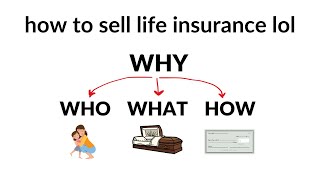
Timothy Schucker presents a comprehensive sales training for selling final-expense (whole life) insurance over the phone. He opens with performance proof (sold $312,971.25 of final-expense premium in six months from 6,000 Facebook leads) and then defines the product (covers end-of-life expenses). The core pedagogical thread treats sales as "transference of belief over a bridge of trust": build conviction in the product, diagnose the client’s identity-driven "why," make clients feel heard, then transfer belief via a systemized script. Practical components include consultative selling, active listening, mirroring, a linked script with objection bookmarks, and specific objection frameworks (AAA: agree–answer–ask; objection ammo; walls/smoke screens/Trojan horse). Schucker emphasizes role-playing, conviction-building (e.g., using GoFundMe to see unmet funeral costs), and that ~80% of buyers voice objections—so objection-handling is where most revenue is won.
Chapters
All right, ladies and gentlemen, in this video, I am going to be showing you guys how we sold $312,971.25 worth of final expense premium in just six months with self generated Facebook leads. Now, I did a previous video that was talking about how we generated those leads. This video is going to be all about how we sold those leads and actually turned them into policy. So this is going to be an entire sales training free course of everything that we did. I'm going to kind of like look at our script and break that down as well so that you guys can basically do this for yourself. Cool. So let's go ahead and jump into it. First off, I always like to provide some proof because I know there's a lot of people that claim a lot of crazy things out there. And so I wanted to show you guys that this is actually legit. Six months ago today is May 30th. This is the first policy we sold was 11, 15, 20, 23. That is about six months ago from today. And in that six months, we've sold 312, 900, 312,970, $21.25 worth of final expense life insurance. Now, if you don't know who I am before I dive into the rest of it, my name is Tim Shulker. I run the life insurance sales channel. And you know, basically we teach insurance agents how to make six figures over the phone working from home. I also have kind of like a coaching program where I help agents do that and kind of like mentor them and, you know, personally help them out one on one. But we can talk about that a little bit later. So let's go ahead and dive into this. So we talked about the sales. This is the leads. 6,000 life insurance leads for $6.69. Almost 60k in ad spend. So when it comes to generating our own leads and closing deals on those leads, we know a thing or two about what we're doing. Great. On that ad that generated us, all those leads, we had people commenting. I'm interested, I'm interested. Give me more information. More information. And basically what I talked about in the lead training, you guys will have to watch it. If you haven't seen it yet, I would recommend watching that before this. So I'll include a link to it below this video to like watch the lead training. Or maybe I'll just have like a card pop up. But basically go and watch the lead training first. That'll show you how we got these leads and this video is going to talk all about how we close them and the sales that goes into it. Cool. So let's talk about what we're going to be covering in this training. First off, we're going to be talking about what is life insurance sales in the first place. In order to do it and to be good at it, you have to actually know what you're doing. So we're going to talk about that. We're going to talk about understanding your client's problem, understanding who your client is so you can actually sell them the different types of clients and the different types of buyers and avatars, how to build conviction. And then we're going to talk about tactics, which is like the systemized sales process and then how to overcome objections. So let's go ahead and dive into it. So first off, what is selling life insurance? Right. And why is this even important? Right. Basically, in order to be good at something, you have to understand what it is. We want to break it down on like a tactical mental model so that you can really, really deeply understand what you're doing. And sales, this is something Alex Hormozi said. Sales is basically just the transference of belief over a bridge of trust. So you guys can see my little, you know, drawing that I made here. This is belief, this is you, right? You.
You, and this is your client. And so basically this is a drawing of sales because you have belief or you should, and you're transferring that belief over a bridge of trust. Right? Now if this trust, if this trust does not exist, right, if there's no trust here, there's no sale. And if there's no belief here, there's no sale. So in order for us to sell policies, we one need to believe in the product and build trust with the client so that we can transfer our belief over that bridge to our client. So that is what selling actually is and specifically what selling life insurance actually is. So now that we've kind of established that, let's talk about what you're actually selling. What is life insurance? Right? What is final expense? And what, like what is this product? What does it do? And then also like, who is our customer? So let's first talk about like what is final expense, really? Right? Well, final expense is basically a whole life insurance product and its purpose or its goal is to cover end of life expenses. Typically that's what it is in a literal sense. It's a whole life insurance product, usually for people in retirement. Right. And is designed to cover end of life expenses that could be burial, that could Be debt. That could be medical, medical expenses, that could be different, Things like that, right? That's essentially what we're selling. That is the. That is the drill bit. But what is the whole. What is the problem that we're actually solving, right? And from an emotional perspective from our client, when we understand this, it allows us to actually close people and sell deals better if we know what problem we're solving and, and what solution we have to solve it with. And so the problem you're basically solving, and I'm going to kind of dive into this, right, with who our customer is, is it's all about an identity, right? Basically, what final expense does is it confirms an identity. That's all that it does. It's an identity confirming product. You're like, what the hell does that mean? I thought this was life insurance. Like, I don't understand what you're talking about. Let me explain. Why would I buy a product that is gonna pay somebody after I die, right? Because in all reality, people only do things out of selfish needs and wants, right? They only do it for selfish reasons. You could say, hey, well, I mean, they're doing it for their kids. They're doing it for their kids, sort of, kind of. And I'm gonna address that in just a second. When people do something for somebody else, they do it because it makes them feel good, right? It makes them feel good. People only do things that make them feel good. People only do things that have a reward and make them feel good. So, for example, you know, I'm not gonna chop my leg off and give it to, you know, my sister just because I love my sister and, you know, I'm just gonna chop my leg off for no reason. But let's say, for example, I give her a gift and she opens the gift and she's like, she, she gives me this reaction and now all of a sudden she's like, oh my God, you're such a good brother, so on and so forth. Now all of a sudden, I got a reward out of doing it, even though I gave it to her. And I did it for her. I really did it for me. I got her a gift for me. So I could see her reaction, right? People give to charity because they want to give to charity, but also because then it makes them feel like they're a good person because they give to charity. And that is the exact same way that life insurance works. They're not actually doing it for their loved one. They're doing it so that they feel like a person who cares about Their loved one. When you really break it down, human psychology, that is what it actually is. And so if we understand that, and we now know that it's not just about, oh, I just want to help my daughter or help my wife, it's about these words here. Husband protecting wife. He wants to pass away with honor, right? He wants to be a husband that plans ahead. He wants to be responsible, right? When they're saying, I don't want to. I don't want to leave them with a burden, what they're really saying is, I don't want to be remembered as somebody who is irresponsible, right? And when they die, it's not like they're going to worry about how they're remembered. They're worrying about how they're remembered when they're alive. So you're buying life insurance to pay when you die, but you really get the benefit of it when you're alive because you get that peace of mind that your identity is confirmed as far as who you want to be, Right? You know, people, people don't brush their teeth so that they have good dental hygiene. They brush their teeth so that people so that they feel like a person that takes care of themselves. And other people, like, confirm that identity as, oh, you're a clean person, your breath doesn't smell bad. They don't do it because they care about their teeth. They do it because they want to be the type of person that cares about their teeth. And same exact thing with life insurance, right? So let's kind of run through this. Husbands, they want to protect their wife, and they're going to use words like honor. I want to pass away with honor, right? I don't want to. I don't want to, you know, put her in a bind. I want to. Don't want to put her in a tough spot. Usually women, wives to husband, when the wife is protecting their husband, they're usually going to say words like, I don't want to be a burden or, I want to be able to keep my dignity. I want to be able to pass away with dignity, right? Things like this. Mother to child, same deal. Burden, dignity, right? Burden, dignity. These are the words they use. Father to child, they're going to use words like legacy or honor, typically, right? And you'll notice that a lot of times men and women use different words when they're describing how they want to be remembered. Grandparent to a grandchild is going to say, I want to leave them a legacy or, I don't want to be a burden, right? People usually don't say, I want to leave a legacy to my wife. That just. It doesn't really, like, you don't really get legacy to wife. This is not a typical thing unless they're like 80 years old and their wife is, like, you know, 19, which is. This is a weird situation. It does happen sometimes, but usually you don't see that. So now that we understand the language that this is, this is the language our customer is speaking in now, we can really start to, like, tap into the pain point and describe what they're feeling back to them, which is going to increase our chances of closing a deal. So this is basically how we build trust. The way that you build trust, right. We talked about what is sales. The way that you build trust is making somebody feel heard. And the way that you make somebody feel heard is by genuinely understanding them. Right? And when you do that, make sales and confetti goes off, which is pretty cool, Right? So again, what you guys are going to notice is men are going to use words like honor, duty, legacy. Women are going to use words like, I don't want to be a burden. Right? I don't want to be a burden. I want to die with dignity, and I want to take care of my blank. Right? So knowing this, now we can kind of speak to our ideal avatar based off of those words. So this is really important so that we understand who we're selling to. Great. So now that we kind of understand our customer, right? It's usually going to be one of those, like, I think I covered. Let's see. One of these, like, five relationships is usually what it's going to be. Husband to wife, wife to husband, mother to father, father to child, or grandparent to grandchild. Usually you're going to be selling to one of these people. So now that we know who our customers are, let's figure out what is their why. Why are they actually doing this? Well, most people will say, you know, oh, well, I want to just cover a burial. I just want to cover a burial. I just want to cover a burial. And then people will stop there, and you ask them, like, okay, why is this person buying insurance? And they'll say, oh, it's because they want to cover a burial. That's not actually why they want to buy insurance. Right? And I'll give you guys an example in just a second. Or, oh, I just want to cover a cremation. No, this is not what it actually is. Oh, I just want to pay off the house. Nope, not true. Oh, I just want to Leave them an inheritance. Bs. Not true. That's not the real reason. Right? So these are not actually their goals. This is just what they tell you. It's the surface level. But what we're looking for is what is source? Why, what is the source? How can we get to the middle, like the core of the earth? That is where the sales at and that's where the money's at. Right? So this is what they tell you. First they say, I just want to cover a burial. And then you say, well why is that important to you? Oh, it's because I want to protect my children from being burdened. Right? Well why is that important to you? Right. And you don't just say why is that important to you? But you ask these probing questions and what you'll really find every single time is it all comes down to my identity. Confirm my identity as a woman or as a mother that cares about my kids to myself. They want to confirm that identity to themselves and then they want to confirm that identity to other people. And that's all anyone cares about is they care about how people think about how they think about themselves first and foremost and how other people think about them. Right? That is why people buy anything, right? That is why people go to the gym. Because they want to feel good about themselves and they want other people to feel good about them. It's not because they want to be healthy. BS every time bs, right? So let me give you guys an example for me, right? One of my goals, I want to build a $100 million company. You're like, oh wow, Tim wants to build a hundred million dollar company, that's cool. But why do I want to do that? Well, if you ask me why, I would probably say because I want to be financially free and I want to travel. But that's actually BS because that's not actually like what it really is, that's just what that's part of it. But that's not the source why that's not where the sales come. The real reason that I want to be financially free and I want to build a travel is to basically be able to be a present father when I have kids. I want to be very active in my kids life when I have them. I'm only 22 now, so I don't have kids, but that's something I value a lot and reach my God given potential, right? I feel like I was put here on the earth for a reason, that I can do a lot and accomplish a lot. And I would hate to like be on my deathbed and feel like I didn't give it my all. Right? And so there it comes back to. It's the identity reach God given potential, give it your all wants to have. Like when you break it down, why do I want to build $100 million company? It's because I want to confirm the identity that I was somebody who like went balls to the wall during life and like actually gave it their all and didn't, you know, coast, right? So that's source why. You could probably even go deeper and deeper and deeper and deeper than that. But these, the yellow zone and if you can get like even like more narrow than this, this is where the sales are, right? Right here. That is where your cash money is at. But most people don't ask these questions because they don't know how and they get uncomfortable doing so. But that is what I've realized from, from running the agency and selling this insurance is this is where the money's at, right? So it's not about what is their why, but it's what is what is their why. And then what is the why behind that why? And then what is the why behind that why behind the why behind the Y source Y. That is where your sales are at. Next thing, we've talked about trust. We've talked about finding their why. The way that you build trust is finding their why and repeating it back to them and fulfilling your promises, right? But now we have to have belief. So my question to you is, do you really believe? Right? And I want you to genuinely ask yourself this because you might tell me you believe, but like really, like think about it. Do you actually believe in the product you're selling? Do you believe in final expense insurance? And do you believe it's the best thing for your customer if you didn't immediately say abso freaking lutely, yes, you are not going to make sales and you don't actually believe. And somebody that is a worse salesperson and a worse agent than you is actually going to make more money than you because they believe, right? That's all it comes down to. If you have the trust, you have the belief that you're going to make this, which is chatter dollar signs, as you guys can tell. I get, I really, really like the drawing feature on this. But basically you have to have that belief and if you don't, you're not going to make sales. So question for you guys. If we need to have belief, we had to build it over the trust, right? This is just the diagram I was telling you about this is a physical representation of somebody with more belief, which is going to make more money, versus a person without much belief. They're not going to make much money. Right now.
A quick way to be able to tell if you believe is this. Do you have a life insurance policy on yourself? The answer is no. You probably don't believe in the product that much, because if you believed in the product, you would buy it for yourself.
Every product that I really believe in, right. That I'm, like, fully selling, I use myself.
Every single one. Every single one. So if you don't have a life insurance policy on yourself right now, you probably don't fully believe. And you might need to do a little bit of work on that, because a convicted agent will always be a skilled agent. Right? So how do you actually build conviction? Well, let me show you guys one of my favorite ways and something that I showed all of our agents that I think has helped a lot. And so this site is called GoFundMe. You guys have probably heard of it before. And it's really sad, actually, if you scroll through this because you'll see a lot of people that, you know, they passed away. Like, this girl looks like super young. This girl's extremely young. It's just such a tragedy that these people pass away so young. But obviously, you know, we're not usually helping younger people with final expense insurance. And what you'll realize is when you come on here is there's a lot of people passing away. A lot. A lot of people passing away, which is very sad. But what's even sadder is that the younger people, right? Like, if a baby passes away.
The funeral and family life transition, they're gonna raise, like, a lot of money, right? Because people naturally kind of gravitate towards that stuff. It's really sad. Like, a kid passes away. It usually gets a lot of money on GoFundMe, right? In memory of this person, like $3 million raises. Insane. But when you scroll down quite a bit, right, like, we'll just go to the next page. We'll keep scrolling down. What you'll see is that a lot of times, like these, these younger or these older people, which are actually our final expense clients, right? Here's an example. This lady looks a little bit older. So if we open this up, this lady. Sudden loss of our loved one, Annette, during this difficult time, we appreciate any help we can get with funeral expenses. The family appreciates anything you can do. Now, they started this. Let's see.
They started this two days ago, and they have to raise 15k, and they've only raised $2,800. Meaning that, you know, when somebody passes away, they have to send them to the funeral home. Like the hospital's, you know, pushing you to get this person out of the hospital. They send them to the funeral home, and you have to pay the funeral home like that, right? You have to pay them fast. Either that or you're putting it on a credit card. So you're putting your loved one's family or your loved one's funeral on a credit card because you don't have the money up front. And they're obviously trying to raise this money, but they're not reaching their goal. And so the family of this lady, Annette, they're going through the tough time of just losing their family member, but not only that, now they're having to go into debt just to bury this. This lady, right? And what you'll find is a lot of times these older people don't actually raise as much money, or if they're not, like, they don't have a ton of friends or, you know, they weren't super popular, like this lady right here.
They started this four days ago. They need to raise 20 grand to bury her, and they've raised 1260, right? And this stuff happens all the time. So if you guys are struggling from a lack of conviction, just imagine that your mom or your dad passes away. You find this out, you get that text that nobody wants to get, and then all of a sudden you're like, oh, my Gosh, funeral is 15 grand. I don't have that money right now. All of a sudden, you're gonna have to go and publicly ask for help on GoFundMe, like all of these families are doing, and people are gonna see that you didn't reach your goal, right? Your loved one, like, they're not enough people cared about this person and supported them to finish their GoFundMe. That's what it actually feels like if you're the family posting this. And so all of this could have been avoided if one of you guys, right, one of you, an agent, helped this guy's, helped this guy and got him coverage. This would not be on GoFundMe. That's what I want you guys to realize is like, this is the true power of what this product does. And what you're actually doing is you are preventing these from popping up. The more work you do, the less of these pop up. The more work you do, the less of these pop up, the less Cheryls have to go, basically. Beg people for donations to bury her loved one. The less Branca and the less Jans have to go beg people, and the less Juliettas have to beg people. That's what it is, begging people for money. And then most of the time, the goal doesn't get raised and they go and they have to take out debt to, you know, bury their level. This is the reality of what actually happens. And so if you guys are struggling with conviction, I want you guys to remember, like, what this product actually does. And I highly recommend. This is something I've done myself. Just go on GoFundMe and just start, like, donating, like, 20, 30 bucks for a few of these GoFundMes. So you really, like, feel the pain and. And you get tied into this situation because this is a major problem, right? Like, maybe. Maybe you have 10 grand set aside, but most people don't. And if something happened to them, like, their family's screwed. So the product we're selling, I'm trying to help you guys build conviction. If you're struggling with it, the product we're selling really solves a problem. And this is something that, like, you guys need to do on a regular basis. Conviction building should be a regular part of your sales training regimen. So just like you should be listening to your calls, just like you should be role playing and practicing objections, you should be continually going back and building conviction, right? We have our agents go and look at GoFundMe, like, before jumping on the phones, because it helps you get into that mindset. It helps you build conviction and build belief. And look at your. Look at, like, your. Your best clients. I highly recommend, like, collecting reviews from people. Go back and look at reviews as well. That will help you build conviction also, right? So now that we've talked about conviction, we've talked about trust, we've talked about finding your customer. Let's talk about some, like, tactic stuff, right? Let's talk about some tactics. So there's basically like five secrets to sales. Number one is you need to solve problems, right? And basically the kind of like the frame I want you guys to approach these calls with, and this is what we've. We've seen has translated to success, is you want to act like a doctor. We call it consultative selling. And so consultative selling is basically where instead of pushing a product, you're solving a problem. You'll see people like Jeremy Miner, Alex Hormozi. I think Jordan Belfort talks about this as well. Jordan Belfort might be more of, like a product pusher. I know Grant Cardone is a big product pusher, but I'm talking about more of like the problem solving way of approaching sales. And so with this, it's basically about asking questions, finding their problem and then diagnosing a solution. Right. So these two kind of both tie into the consultative selling. You want to approach it with a frame of like you're a doctor, so you go on the call, hey, you know, you're basically, you ask the questions as they're, as they're written on the script and you dig deeper whenever they give you a piece of information. So you're asking questions, figuring out what their problem is, what is their source, why, and then you prescribe that solution. Right. Another key, another big thing is called active listening. So a lot of people are really bad at this and they don't even know, like they don't even know to do it because nobody really thinks about it. Some people are naturally very good at this. So active listening is basically, whenever someone's talking, you're going, uh huh. Yep. Ah, got it. Right, yep. No, that makes perfect sense. Okay, yeah, yeah, no, I got it. Nodding your head, giving them those. Mm, yep. Ah, you guys don't realize it, but like these little tweaks like doing the active listening will just skyrocket your sales because you're building trust. Remember, it all comes down to belief, your belief. Transferring that belief over trust. And active listening is one of those things that helps you to build that trust because it makes them feel heard. And that's very important. Everyone just wants to be heard. Mirroring, right? Mirroring is another little like very important tactic to use. And this is basically, it's so simple. You guys are going to love this. You just repeat the last three words that somebody said back to you. So for example, Ms. Jones says, yeah, you know, I'm really just looking for enough coverage to cover a burial and make sure there's a little bit of extra money left over behind. Got it. Okay, so just, just enough money to cover a burial and then a little extra left over behind, Is that right? She just told me that's what it was, but I'm just repeating it back to her and saying, is that about right? Yep. Okay. God. And then just whenever somebody says something, use their words and repeat it back to them. Right? Use their own words and repeat it back to them. You guys notice this all is kind of coming back to like making people feel heard.
And understood. That is what it comes down to is make people feel heard and understood and they will just slap their freaking checkbooks over you, like over the phone. So mirroring, active listening, asking questions, solving problems. And this last one is the biggest thing, which is seek to understand before seeking to be understood. Now, this actually is applicable in all parts of the sales process, especially objections and especially in the beginning of the call. You always have to find out.
What do they want to say. Let them speak first. Figure out where they're coming from before trying to explain yourself. And so I see a lot of people when they're like, overcoming objections, and they'll just start, like, telling me, telling the prospect, like, why they should buy, right? No, that doesn't make sense. Because of this, this, this, this, this, this, and this. And by the point you've started talking, the prospects already checked out mentally, you need to ask questions. Why are they giving me this objection? You have to seek to understand where they're coming from so that you can meet them there and help guide them to where they need to be. Seek to understand before seeking to be understood. So these are some key little tactics I wanted to give you guys before we dive into the meat and bones of this. So systemized sales process. Most people, most agents treat their sale like this. They come into the call and then they start talking, and then they go here and then they go there, and then they do this and then they go that. And it's just like a giant snowball of nothingness and like clutter. It's a total nightmare. And most of you guys are probably doing this. When I say systemized sales process, basically what that means in like, you know, normal language is, I mean, a script, right? Your sales process. If you want consistent results, you need to have consistent actions and a script. A systemized sales process allows you to do that. So you go intro to discovery, where you're asking questions, finding the why, then you repeat the why back to them. This is mirroring. You're labeling their problem, and then you're going to qualify them, right? This is health questions, making sure they qualify. You're going to present the program and present the product. This is actually a very short period of time. Then you're going to go into the pricing, giving them the three options. Then you're going to go for the close, and then you're going to overcome any objections. And then after that, you should be making money. And that's the system. It's always through. It's always the same, and it's always through the same funnel. So the key is to have a systemized sales process. Feel free to pause this. Stop this. If you guys Want to see that again? A systemized sales process is just a script, but you need to make sure that you have a good script. Because if you're going to be doing the same thing every single time, it needs to be good. So let me show you guys our script. So this is basically our script, what we've basically done, and I'll show you guys how you can get your hands on this exact script is we have objections linked throughout the script. So you start with the call intro. Hey, is blank there.
Right? And then you just. The red part is where you just fill in their name. So. Hey, is Jim there? Jim replies, hey, Jim, it's just Tim, I have a request you sent us here about the life insurance plans with no two year waiting period. How's it going? Oh, it's going good. Okay. Were you looking for information for yourself or a loved one? Right. And then now the cool thing is I have my objections linked right here in the script. So if I run into any objections here in the first 30 seconds, what I can do is open this up.
And then based off of whatever objection he tells me, right? Oh, he says, oh, sorry, I'm not interested. Boom. It's bookmarked. I go right here. Yeah, no worries. And when you say that you aren't interested, is it because like you think it might be unaffordable or because you don't think that you can get approved? Wait for apply. And then as you can see here. Right, let me draw right here. If he says it's not affordable, I click there. If he says I can't get approved, I click here. If he says I'm just not interested, I click here. Boom. Let's say he says if it's not affordable. Oh, yeah, no worries. I mean, most of the people that we work with are on a fixed income. Are you like on a fixed income as well? Yeah, I'm on a fixed income. Oh, well, perfect. I mean, Jim, the plans that you requested information on here, they're actually designed for people on a fixed income. I mean, I would just have to ask you a couple simple questions to see if you'd even qualify. Would that be helpful? Yeah, that'd be helpful. Okay, perfect. I click here. Takes me right back to the script, exactly where I need to be, which is discovery. Okay, got it. Just so I know kind of like what to look at for you here, what were you concerned about? Was it just like leaving money behind for family or covering funeral expenses? And as you guys can see, this whole script is systemized out all the Health questions, everything. The E applications are linked here.
Getting upsells, asking for social and banking. If you get objections in social banking we have it like listed here so you can just go straight to it, right? Oh, you know, why do you need my social? Yeah, you know Jim, that's a, that's a great question. And the reason why the insurance company asks for your social is basically just so they can make sure that it pays up to the right Smith family and event something happens to you. So it basically it allows them to locate your family quickly so that they can get paid from the insurance company in a timely manner instead of them having to wait, you know, weeks or months. Does that make sense? No, that doesn't make sense. Yeah, yeah, I totally respect that. You know, you're careful about blah blah, blah, blah. Right. So all of the objections and all of the possible overcomes and possible responses are all scripted out. And realistically guys like that is what you want to have things like, because the more that it's systemized, the more that I already know what I need to say, the more I can focus on how I'm saying it and focus on what they're saying. Right. I only have so much focus. I only have so much bandwidth when I'm on a call. So the more that I can take off of my mind and off of my plate, the more that I can focus on them and the more that I can focus on closing the deal. And that, ladies and gentlemen, is why you need to have a good script and good objection overcomes that are scripted out. If you guys want to see where you can get that, I'll tell you at the end of the video. Awesome. So let's talk about some tactics when it comes to objections. I'm going to show you guys some cool stuff. We have walls, we have smoke screens and we have trojan horses. I'm going to show you guys all this stuff and how it all relates. First, let me tell you guys a statistic. We found that 80% of our clients who buy have objections, right? Meaning 80% of the people that sign up for policies and keep their policy will give you an objection on the call. Meaning that if you don't know how to overcome objections, you are losing about 80% of your sales. And your job starts after the first objection, right? If it's just a lay down sale and the person's going to buy anyway, like you're not doing anything, you're not, you're not doing anything special, your job starts after they give you objections. And if you Aren't role playing and training, objections and preparations, practicing and studying, you are literally losing thousands of dollars per week. We can talk about the lead gen, we can talk about everything else, but if you don't know how to overcome objections, fundamentally, you are losing thousands of dollars every single week. And it's not just because the leads are bad. Right? That's a piece of it. But that's not the only reason. A lot of times you're bad too. I hate to break it to you, but that's the reality. So.
Talk about some objection frameworks so I can give you guys some helpful stuff here. First thing, AAA's. This is how you overcome every objection. First you agree, then you answer the objection, and then you ask a question. So agree. We always want to agree with them, first and foremost. Oh, you know, I'm not interested. Yeah, no worries. I mean, I totally understand that. Right? I agree.
Right. I guess whenever you were, whenever you filled this out like, or sorry, I'm going down the whole wrong track. I'm not interested. Yeah, no worries. I totally understand. Or when you say you're not interested, is it because that you don't think that you can get approved or just it wouldn't be affordable. Right? So I'm agreeing that I'm answering the objection and asking a question and that's it. Triple A. Every single time. It always is the same. Agree, answer, ask now, objection, ammo. This is really important because most people have a one liner. They have one line scripted out, one line memorized. That is so lazy. It's so lazy. And most of the time it's not the agent's fault. It's because nobody gave them a resource, which is what I'm going to show you guys how to get. Nobody gave them a resource that they can use to overcome objections. Right? And they have one line, right? Like they say, oh, you know, I need to think about it. And you know, Ms. Jones, whenever someone tells me they need to think about it, it's usually one of two things or one of three things. The one, they're not a real serious buyer. Okay. Number two, they just don't have the money. Or number three, it's usually maybe they just don't like me. So I guess, like, which of those three things is it? Do you just not like me, Ms. Jones? Right. This is just freaking terrible. They have that one line and then somebody says, no, I just need to think about it. And they memorize that one line and then they go.
All right, well, I'll just call you back on Tuesday, right? That's what happens because you don't have ammo. You don't have multiple bullets in the chamber. You need to have multiple lines scripted out, word tracks created. The blame onion is another thing we'll talk about here. And then sidestepping objections versus confronting objections head on. So sidestepping objections basically means that instead of, like, disagreeing with them, or they say, I need to think about it. And I say, no, you don't. You don't need to think about it. And I tell them why they don't need to think about it. Instead, I'm turning sideways and I'm trying to solve their problem, and I'm guiding them along. I'm like, hmm, okay. Well, I mean, I guess what, like, what are. What were you unsure about? What was unclear? So I'm, like, holding their hand and helping them overcome the objection, and I'm working with them to solve their problem instead of just saying, yeah, no, you don't need to think about it. What do you need to think about? Right. That's confronting it head on. I want to sidestep it. And you guys will see more of, like, what that actually means in just a second. Awesome. So speak of the devil. I need to think about it. What do you guys say when someone gives you this objection? Right? You guys probably say something like this, well, what do you need to think about? What do you need to think about? Well, what happens whenever you say that.
This happens? You get something I like to call the wall of resistance. The wall goes up. The walls of resistance go up. And then you're sitting there like, okay, what do I do now? Because as soon as you, like. Like, as soon as you, like, confront it head on, now there's sales pressure, and now they get uncomfortable. This is what those, like, sales gurus don't really tell you guys is that a lot of times these tactics, they just make people nervous. And when they're nervous, they don't buy. So when the walls of resistance go up, you're screwed. And so basically, let me kind of show you guys. Like, whenever the walls of resistance goes up, this is what happens. Boom.
Boom. Everything that you love out of it's just rejected. Boom. Nope. Walls of resistance are up. So let me show you guys how to kind of break this down. So someone says, I need to think about it. This is kind of our response. Yeah, no, I mean, I totally respect that. I guess. What's. What's kind of like your time frame on getting back to me in the next day or so just to See if I'd be available for you guys. Like what? Why are you setting an appointment here? Well, you'll see. So they say I need to think about it, and then I agree. Yeah, I mean, I totally respect that. I totally understand you want to think about it. What's kind of like your time frame on getting back to me here in, like, the next day or so just to see if I'd be available for you. You set the appointment. Let's say today is Thursday. They set it for Saturday. Okay, perfect. Well, I got you down in here for Saturday. Here's what happens. Notice how this screen is blank? It's because there's no wall of resistance. And so what happens is what I'm about to. What I'm about to show you guys, it just goes straight through. Check this out. So here comes our Trojan horse.
Great. Awesome. So I got you set down here for Saturday. And, Ms. Jones, just so I know what questions to be prepared to answer for you on our call, what was it that you were more curious about? Right, emphasis on. What was it that you were more curious about? Was it the price of the program or how the program works? When I say that. Here's what happened. They're going to either tell me. They're going to tell me the root objection, because now there's no walls of resistance. The Trojan horse can get right in. Because I'm basically just asking just so I can prepare for our call together. Ms. Jones, what was it that you were more curious about? Was it, like, more so the price of the program or how the program works? They'll reply, our Trojan horse comes out. Let's say Ms. Jones says, well, it's just more of, you know, I don't really understand how it works, and I want to shop around. Oh, okay. Yeah. I mean, that perfectly makes sense. What specifically were you unclear on with the program? Was it. Oh, you know, I didn't understand. Like, you know, I thought I was going to get way more coverage for a lower price. Boom. Now we can address and tackle that objection, which is a value objection. And so once we figure out what the real objection is, because I need to think about it as just always like a smokescreen for uncertainty. They're uncertain about something. So we have to find out what are they uncertain about so that we can solve that problem and then progress. So let's look at a different one. Right. And again, set the appointment. Ask that question. You find the root objection, and then you actually attack that root objection. So if it's price, you can just Drop the price. They don't understand how the program works. You just re. Explain the program, and then after you overcome that objection, whatever the root objection was, you just say, yeah. I mean, so besides the price of the program, was there anything else that you were like, a little bit uncle clear about?
No, just the price of the program. Oh, well, shoot. I mean, if that answers all your questions, why don't we do this? Because I want to make sure that I'm able to get you approved first. Let's just go ahead and fill out the application. We'll knock this out for you. I'll make sure I can even get you approved. And then if you have any other questions that pop up as we're going through this, I'm happy to answer this for you here. And then you just get logged in and go. And like, it sounds so simple, but it literally just works, like, most of the time. Time. So I need to talk to my wife, Tim. Yeah, this sounds great, but I just need to talk it over with my wife. Most people say this. Sure. Yeah. Yeah. Is your. Is your wife around right now? Right. I've done so many role plays with agents on, like, interviews and stuff, and they'll just say, yeah, is your. Sure. Is your wife around? No, my wife's not around. Because guess what? It was a smoke screen with the wife. Objection. Most of the time it's a smoke screen. Right. How many times do guys blame things on having to talk to their wife? All the time. Every time. Right. How many times do wife's blame things on having to talk to their husband? All the freaking time. The spouse is an easy one to get out because it usually works. Because usually people say, sure. Is your wife around? No, I mean, she's. She's actually, you know, taking the dog to the swimming pool, man. You know, my dog is. Is a aquatic creature. It's pretty crazy. But she'll be back tomorrow. And then you call them back tomorrow and they never answer and they get off. It's an easy way off the hook, but it's a smokescreen for something else. So here's what we say. Yeah, no, I totally. I totally respect that. I guess. What specifically do you think your wife might not like about the program.
Or. Okay, yeah, I mean, I totally understand that, I guess. Like, Jim, what specifically about the program do you think your wife might not like? And then guess what they're going to tell me now. They'll tell you either what they don't like.
What they don't like, or what they think their wife Won't like.
And then they can blame it on their wife. It's like, oh, man, I'm on board. I mean, I would be cool with this, but, you know, the wife is going to think it's too expensive. Okay. Yeah, I mean, I totally understand. Is it like when you say it's too expensive, is it like, it's out of the budget, or you think that she was kind of expecting more coverage for a lower price, and now you can tackle that objection and move on. And so what you guys. What you guys are seeing in live action here is like, whenever you say this, notice how there's no smoke screen. The smoke is clear. So I can figure out what the target is, what is the real objection, And I can shoot the target.
I can now actually shoot the target because there's no smoke screen. I can hit the target bullseye. Boom, we overcame the objection. And so the key with the. With the wife objection is you have to clear the smoke first so that you can actually overcome the root objection of whatever it is. Right? So tackle the root objection once you clear the smoke. So something to a cool visual I like to kind of like, give you guys is if you've ever, like, loaded, tried to load a page on Google and you've ever seen this little, like, dinosaur, what happens if you press your space bar? It'll, like, enter you into this little game. And if you. There's a button where you jump, and then there's a button where you duck, right? So you can, like, duck where you go down, right? This is an example where you would want to duck. You want to go under this little pterodactyl. And this would be an example where you want to jump over the cactus, right? The problem is people just get used to jumping every single time. It's like, okay, jump. It's always. It's always exactly the same with every objection. Just jump, jump, jump, jump, jump. But in reality, overcoming objections is just a game. And so people are throwing obstacles at you. And depending on what the obstacle is, sometimes you need to duck, and sometimes you need to jump. And that's what it ultimately comes down to is knowing when to duck and when to jump. And part of what makes that easier, again, is like having your word tracks memorized and written out so you can take your focus off of what to say and instead focus on how you're saying it and what your prospect is actually saying. So, again, this was the objection overcome sheet that I was talking about, where we have literally 40 pages, ladies and gentlemen, 40 pages of objection. Overcomes on that sheet. And if you guys want to see how you can get your hands on that sheet, I'm going to explain that in just a few, for just a few minutes right now. So if you guys want to basically learn the exact system that we used, how we did the lead gen, how the sales works, how the automations work, every single thing that we use to sell 300k of life insurance in just 6 months and last month $100k in a month, month in sales without buying a single lead. We did all of this generating our own leads. We're basically looking for five agents right now to take it through the exact same process that these agents went. This is Gina, she was a brand new life insurance agent and sold 15k in one week. This is Michelle. She's already paid off two credit cards in less than two weeks using the same system. And here's a bunch of policies that Michelle wrote. Let me actually see if I can show you guys this a little bit better. Right, right. And here's a bunch of. This is not displaying properly but basically there was another agent working the system who quit his job doing the same thing. And then this agent who is a brand new sales agent, brand new life insurance agent made three sales in one day with those resources that I just showed you guys all of the objection over Kim sheet, the script, all the stuff that goes into that. So if you guys want access to this, this basically what we're looking for right now is we're looking for five agents to personally mentor and teach them the system. Right. So they would learn how to generate their own leads. They would get my help with that personally, you know, jumping on weekly coaching calls with you, showing you the exact ads that we're running to getting to get all of these leads. Right. Remember in the beginning of the training I showed you 6,000 leads for $6.69. I'll just hand you the ads that are performing the best so you guys can copy them. If you guys want to learn more about this. We're looking for five agents right now. There's a video down below in the description that goes into how this whole like training program, coaching program would work so that you guys can apply and see if you'd be a good fit for it. But ladies and gents, that's going to wrap up the video. If you haven't seen the lead Generation one, I'm going to include it link down below in the description. Check that video out and I'll see you guys in the next one. Take care.










