From Training Tom Brady to Tackling Parkinson’s: Tom House’s New Mission
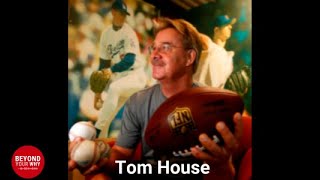
Tom House, the pitching coach who trained Tom Brady and worked with Nolan Ryan, is now developing movement-based protocols for Parkinson's disease. He caught Hank Aaron's 715th home run ball and built his career on biomechanics and mindset training for elite athletes.
Welcome to beyond you'd why Podcast, where we go beyond just talking about your why and actually help you discover and then live your why. You see, we believe that knowing your why, that driving force behind every decision.
You make and every action you take.
Is the essential first step to really knowing yourself. It allows you to move forward faster and have a bigger impact. If you're already a fan of the show, then you know that every week we talk about one of the nine whys, and then we introduce you to somebody with that why so you can see how their why has played out in their life.
This show will be more powerful for.
You if you've already discovered your why. If you still need to do that, head over to whyinstitute.com and discover your why today. It'll only take you about five minutes. Now, let's meet today's guest.
This week we're going to be talking about the why of make sense to make sense of the complex and challenging. So if this is your why, then you are driven to solve problems and resolve challenging or complex situations. You have an uncanny ability to take in lots of data and information. You tend to observe situations and circumstances around you and then sort through them quickly to create solutions and that are sensible and easy to implement. Often you are viewed as an expert because of your unique ability to find solutions quickly. You also have a gift for articulating solutions and summarizing them clearly in understandable language. You believe that many people are stuck and that if they could just make sense out of their situation, they could develop simple solutions and move forward. In essence, you help people get unstuck and move forward.
Forward.
And so today I have a great guest for you. His name is Tom House, and if you've ever heard of a quarterback changing his throwing motion mid season or a pitcher turning to neuroscience for an edge, there's a good chance Tom House was behind it. Tom's story starts in the bullpen. Literally. He was a major league pitcher for nearly and moved forward. In in essence, you help people get unstuck and move forward. And so today I have a great guest for you. His name is Tom House, and if you've ever heard of a quarterback changing his throwing motion mid season or a pitcher turning to neuroscience for an edge, there's a good chance Tom House was behind it. Tom's story starts in the bullpen. Literally. He was a major league pitcher for nearly a decade. He earned his stripes with the Atlanta Braves, Boston Red Sox and Seattle Mariners. But his real calling was never just throwing a ball. It Was understanding human potential. After hanging up his glove, Tom used his two bachelors, two masters. And so today I have a great guest for you. His name is Tom House. And if you've ever heard of a quarterback changing his throwing motion mid season or a pitcher turning to neuroscience for an edge, there's a good chance Tom House was behind it. Tom's story starts in the bullpen, literally. He was a major league pitcher for nearly PhD to become the throwing whisperer, coaching legends like Nolan Robbins for a decade. He earned his stripes with the Atlanta Braves, Boston Red Sox and Seattle Mariners. But his real calling was never just throwing a ball. It was understanding human mind. Drew Brees and Tom Brady. But his genius wasn't just in mechanics. It was in blending science and potential. After hanging up his glove, Tom used his two bachelors, two masters in motion and mindset to help elite athletes unlock what made them great. Then 15 years ago, life threw Tom a curveball. A diagnosis of Parkinson's disease. For most, it would have been a reason to step back. But for Tom, it became the next chapter of his why. Today, Tom channels everything he's learned, decades of sports performance, biomechanics, coaching and mindset mastery into his work with the National Parkinson's association, building movement based protocols that are changing the lives of Those living with PhD to become the throwing whisperer. Coaching legends like Nolan Ryan, Drew Brees, and Tom Brady. But his genius wasn't just in mechanics. It was in blending science, motion and mindset to help elite athletes unlock what made them great. But the disease, his journey, isn't just about sports anymore. It's about legacy, resilience and healing through motion. So today, Tom will unpack the the why behind his relentless curiosity. How Parkinson's gave new purpose to his passion. And why he's more fired up today helping others thrive through movement than he ever has on the mound. Tom, welcome to the podcast. Then 15 years ago, life threw Tom a curveball. A diagnosis of park.
Thank you very much, Gary. That's pretty solid what you just put up there.
I got disease. For most, it would have been a reason to step back. But for Tom, it became the next chapter of his why. Today, Tom channels everything he's learned decades of sports performance, biomechanics, coaching and mindset mastery into his work with the National Parkinson's Association, Building movement based protocols that are changing the lives of those living with.
I got a pallet on you. More. That's awesome.
Well, there's a lot to talk about there, Tom. And I want to get to all of It. But let's go back in your life because there's so much that has happened to you before what you're talking about and dealing with the disease. His journey isn't just about sports anymore. It's about legacy resilience and healing with now.
Right, right, right. Well, so you kind of talked about our dinner table is what it was like when I was growing up. My mom and dad were unique in that as parents, they were supportive of everything that my brother and I did. But the dinner table was always about, what did you do today, how did you do it, and why are you going to do it again tomorrow? So I think both myself and my brother were programmed by my parents to not care so much about the outcome.
As the true motion. So today, Tom will unpack the why behind his relentless curiosity. How Parkinson's gave new purpose to his passion and why he's more fired up today helping others thrive through movement than he ever has on the mound.
Tom, welcome to the process and the why to get to the outcome. And for example, my mom had a rule, no a no play. My brother and I were pretty good athletes growing up and she loved it that we were playing, but she cared more about our grades. And on her deathbed, she asked me when I was going to get a real job. So she never really understood what sports were all about and that they could pay the bills, but she did understand what the value of education and solving problems was. And that was an Isla farm girl that was smart beyond her years. I think the success of my podcast. Thank you very much, Gary. That's pretty solid what you just put up there. I gotta pal. I gotta palate all with you more. That's awesome.
Well, there's a lot to talk about there, Tom, and I want to get to all of it, but let's go back in your life brother is at.
And where success I'm achieving is as much her. Her blending in as it was my dad.
So where did you grow up, Tom?
I grew up in Portland, Oregon. I was actually born in Seattle and my dad's job was Boeing took him from Seattle to Portland.
Because there's so much that has happened to you before what you. What you're talking about and dealing with now.
Right, right, right. Russell, you kind of talked about our dinner table is what it was like when I was growing up. My mom and dad were unique in that as parents, they were supportive of everything that my brother and I did. But the dinner table was always about what did you do today? How did you do it? And why are you going to do it again tomorrow? When I was a second grader and I was in Portland until my freshman year in high school, and then we moved down to the Los Angeles area.
And when did you know baseball was going to be your thing?
Probably when I was five or six years old, going to Multnomah County Stadium in Portland to watch. So I think both myself and my brother were programmed by my parents to not care so much about the outcome as the Triple A team with the Indians at that time, which was the Portland Beavers. And somehow baseball just felt good. And that was just about the time that game of the week with Dizzy Dean. And I'm drawing a blank on Phil Rizzuto. We're on end process in the why to get to the outcome. And for example, my mom had a rule no a no play. My brother and I were pretty good at abc. So the game of the week and this new thing called television kind of mixed together and made sure that I was actually in games even when I is when I wasn't, if that makes sense.
Wow.
And so when you were, you know, take us through if we saw athletes.
Growing up and she loved it that we were playing, but she cared more about our grades. And on her deathbed she asked me when I was going to get a real job. So she never really understood what sports were all about and that they could pay the bills, but she.
You in high school. We're in high school with you now, Tom. What would we have seen?
Well, can I do a little sidebar story? So we came from Portland, Oregon to La Fuente, California, and it was mid semester and the baseball season was just getting started. And my mom did understand what the value of education and solving problems was. And that was an Iowa farm girl that was smart beyond her years. I think the success of my. How she got me in school. And then we went to the baseball coach and she asked the coach if I could join the team. And the coach said, well, it's a little late in the game. We've already picked our team. And my wife said, well, just have a look at him and see what you think. Because we think he's pretty good and he might be able to help you. So I said, okay, Tom, I'll let you throw bang brother his hat. And whatever success I'm achieving is as much her blending in as it was my dad.
So where did you grow up, Tom?
I grew up in Portland, Oregon. I was actually born in Seattle, and my dad's job was Boeing took him from Seattle To Portland when I was a second grader and I was in Portland and took my freshman year in high school and then we moved down to the Los Angeles area.
And when did you know baseball was going to be your thing?
Probably when I was five or six in practice to my seniors. And if you do well, they won't talk about you being on the team. Well, they didn't get a ball out of the infield. I think I struck out seven or eight of them. So George Van Zandt was his name. He said, this is how you do have a kid, a kid that can play a little bit. And he became one of my mentors when he said, okay, you showed up, you showed, you get people out under pressure. Let's see what you can do. And I ended up winning a lot of games for him in high school. And that kind of with good grades got me noticed by years old going to Multnomah County Stadium in Portland to wata USC and coach Rod Dado. And when Rod came to recruit at our house, he looked my mother in the face and said, I can't guarantee he'll play for me. The AAA team with the Indians at that time, which was the Portland Beavers. And somehow baseball just felt good. And that was just about the time that game of the week with Dizzy Dean. And I'm drawing a blank on Phil Rizzuto. We're on. And I can tell you that USC is Southern California. He'll get a degree and he'll pay bills because he's a smart kid. I can't guarantee baseball, but I can guarantee the education is worth it. So that's what my mom said, okay, you're going to fall. Wherever that man goes, you're going to go with it. So you see, things had a chance of working out that way.
So were you always a good problem?
Solc. So the game of the week and this new thing called television kind of mixed together and made sure that I was actually in games even when I is when I wasn't, if that makes sense.
Wow.
And so when you were, you know, take us through. If we saw you in high school. We're in high school with you now, Tom. What would we have seen?
Well, can I do a little sidebar story, sir?
We came from Portland, Oregon Solver, like in high school. Could you figure, did people come to you and say, hey, Tom, you know, I got this going on. I need a little help? Can you, can you help me with this?
Yes. About certain things, I was a goofy left hander. But when it came to school that was, I was a good student and was we like puzzles and like playing cards and my dad would take a bunch of it to La Fauna, California. And it was mid semester and the baseball season was just getting started. And my mom went how she got me in school and then we went to the baseball coach and she asked the coach if I could join the team. And the coach said, well, it's a little late in the game, we've already picked our team. And my mom said, well, just have a look at him and see what you think, because we think he's pretty good and he might be able to help you. So he said, okay, Tom, I'll let you throw batting practice to my seniors and if you do well, they won't talk about you being on the team. Well, they didn't get a ball out of the infield. I think I struck out seven or eight of them. So I, George Van Zant was his name. He said, this is hos. You do have a kid, a kid that can play a little bit. And he became one of my mentors. When he said, okay, you showed up, you showed you get people out under pressure, let's see what you can do. And I ended up winning a lot of games for him in high school. And that kind of with good grades got me noticed by USC and coach Rod Dal. And when Rod came to recruit at our house, he looked my mother in the face and said, I can't guarantee he'll play for me, but I can tell you that USC is Southern California. He'll get a degree and he'll pay bills because he's a smart kid. I can't guarantee baseball, but I can guarantee the education is worth it. So that's what my mom said, okay, you're going to fought. Wherever that man goes, you're going to go with it. So you see, things had a chance of working out that way.
So were you always a good problem solver? Like in high school, could you figure, did people come to you and say, hey Tom, you know, I got this going on, I need a little help. Can you, can you help me with this?
Yes. About certain things I was a goofy left hander, but when it came to school, that was, I was a good student and we liked puzzles and like playing cards and my dad would take a bunch of us to the beach every summer and there were always things going on. But when it was a problem that people were having trouble, I always had an opinion. It may not have been a good one, but I always tried to throw Something in that would help. So, yeah. And my mother said I was oversmarted and under educated, so she tried to flip that when I was going to school. But yeah, both my brother and I always had an opinion on something.
And that's pretty common with the why of makes sense is that you're really good at solving problems. Maybe not have all the information, but you're pretty dang good at it and fast at it, and you can make decisions and let's get moving.
Yeah. Not afraid to screw up.
Not afraid to screw up something.
Then nothing.
Yeah.
Okay, so now you're off at usc, which is my alma mater as well, so fight on. Right?
You got it.
And how did that go for you? What was college like for you?
Well, I love school. In fact, if I could have made a living being a student, I probably would have tried doing that. But it was a challenge that the first bullpen I threw at usc, I'm giving it my best luck when he curve bong fastball, and there's this he man next to me throwing. And it's great stuff. I mean, it's like. And Coach Dato walks up behind me, puts his hand on my shoulder and said, tommy House, what do you think of young Tom Seaver? And I'm going, now, maybe your is doesn't know who Tom Seaver was, but he was like one of the best ever. And I said, rod, if you need me to be him, you've got the wrong left hander. He said, no, no, no, I don't need you to be Tom Seaver. I need you to be Tom House. You throw your curveball and your change up from the left side, let him be the power pitcher that he is. You'll both win games for the Trojans and you'll both play pro ball. And that's exactly what happened.
Wow.
So you were at USC for four years?
I was there actually two full years. And then I was drafted by the Braves and I had some real good years, both in Alaska and for the Trojans. And I didn't see any reason I should come back for my junior senior year. So I went to Ron and said, I got drafted, I'd like to sign. And he said, okay, if you will ask the Braves for your education through your PhD program, I'll give you my blessing. And I said, well, how do you do that? He said, well, it's a different budget and they'll give you your education because nobody ever goes to school after they sign. So I kept going to school Till I was 44 years old. So I made my mom happy and I made Rod happy and that's how I got into the game.
Wow.
Okay, so you said you were first drafted by the Braves. Atlanta Braves. Right. And so how did that. Who was on your team and how did that go for you? Who will be known?
Probably the names that you would recognize would be Dusty Baker and Ralph Gar and that a man who was special in my life named Henry Ayre and you know, kind of behind my back without. But I really know it. They call me the Forrest Gump of sport. So it seems like whatever I was, something good would happen. And going to the Braves, you're old enough to remember it was when he was chasing Henry. Henry Aaron was chasing Babe Ruth. Home run record at that time was 714 home runs. So that was right in the middle of my time with the Braves. And I got to know Henry and you know the story. I ended up catching his 715th home run in the bullpen in Atlanta. And that's the one that was the highlight of my major league career. That's the good news. And the bad news is that's also the highlight of my major league career. So. But it got recognition and gave me a chance to hang around with the hall of Famer and the people that were in his bubble ended up being long term baseball friends too.
So we need to not gloss over that because that's a fascinating story of how you were able to catch that ball because. And tell us the story of how you helped Hank Aaron be able to hit that and then how you knew where the ball was going to go.
You've got a good memory. It's been six months since this started with you. I'm give you a little Gary clap. So Henley had trouble hitting a left handed screwball, which was one of the pitches that I threw. So every spring training he would take me and two or three buckets of balls over to Diamond 6 in West Palm beach and I would throw him screwballs. Fastball. A couple screwballs missing in action. And over that time I noticed that when I hung a screwball or I mislocated a fastball, he would always hit it to left center field. So as he's chasing the record and getting up to where it's actually going to be on a given night, which was April 8, a Monday night, April 8, 1974, the bullpen guys all drew straws and they got to choose what 10 yard territory they could cover behind the fence in the bullpen at Fulton County Stadium. So I had the Second choice with my straw. And I picked left center field. Right under it was a credit card sign. Think of it as money. So left center field right there. And Al Downing was the pitcher that night who was a left handed pitcher. That was me with a little bit better stuff. So when he got the first time, these are all spread out, they walked him. The second time they couldn't walk him because Dusty Baker and Ralph Gar were on base. And it was, I believe it was a 31 count. It was a sinking fastball, change up, screwball out over the plate and up he hit it. And all I can remember is saying to myself, this ball is coming to me. If I would have stood still, it would have bounced off my forehead. It wasn't a great catch, but being there at the right time again, forrescope was a function of all the effort we put in on the Mary Lake diamond straw and batting practice to Henry. So you never know. And my mom was always right. It's the process, not yeah, well.
And then for those of you listening, this is a very, very famous play. This isn't just a play that nobody knows about because I've seen that play now on YouTube many different times, many different people have talked about it. Because you caught that ball and then what did you do with it?
I read it in and put it in his hands at home plate. It was a big crowd of people. It was really a special moment. And you know where this story is going. He was hugging his mom. Both of them had tears in his eyes. I kind of broke through the crowd and put it right in front of his face. And he said, thanks, kid, and took it from me. And people don't realize that. What I thought was a lifesaver moment, the hugging, was really his mob protecting him from getting shot because he had death threats for two years about chasing the record and they had to peel her off of him for the game to continue when it was ready to go. So there was a lot of dynamics going on. But the bottom line was it got me in the hall of Fame. I would have never gotten in any other way. And again, my mom is in heaven smiling right now that even though baseball, she didn't understand it did get me a little notoriety.
And you couldn't have known that in the moment, right, that, oh, if I go give him the ball, I'm going to be in the hall of Fame.
No, I had. All I knew was I could hardly wait to put in his hands. I, I was probably as excited as anybody on the field. And I Truly believe anybody on the field would have done the same thing I did. If it would have gone in the stands, might have been a different story. But it wasn't about me. It was about Henry and his moment. And again, being part of that is one of the best memories of my baseball life.
Wow.
So you also told me a little bit more depth to that story about Sammy Davis Jr.
Okay. You do have a great memory.
What's an amazing story?
Well, Sammy Davis Jr. Was a friend of Henry, and he walked through the clubhouse before the game started and said, hey, you guys in the bullpen, if anybody gets that ball and gives it to me, I'll make Henry. I'll give you 25,000 and I'll make. I'll make Henry come out and do a show with me in Las Vegas, and then I'll give him the ball and he can take then nothing.
Yeah.
Okay, so now you're off at usc, which is my alma mater as well. So fight on. Right.
You got it.
And, and how did that go for you? What was college like for you?
Well, I love school. In fact, if I could have made a living being a student, I probably would have tried doing that. But it was a challenge that the first bulk get to the hall of Fame or whatever he wants to do. So we knew the value of that ball was 25 pounds I threw at USC. I'm giving it my best luck for any curveball and fastball. And there's this he man next to me throwing. And it's great stuff. I mean, it's like. And Coach Dato walks up behind me and puts his hand on my shoulder and said, tommy House, what do you think of young Tom Seaver? And I'm going, now, maybe your is doesn't know who Tom Seaver was, but he was like one of the best ever. And I said, rod, if you need me to be him, you've got the wrong left hander. He said, no, no, no, I don't need you to be Tom Seaver. I need you to be Tom House. You throw your curveball and your change up from the left side grand, which was 5,000 more than I was making as. As a big league pitcher. So. But I. The idea of money and that ball did not occur to me until after it was all over. And here's what's really cool about baseball, people let him be the power pitcher that he is. You're both winning games for the Trojans and you'll both play pro ball. And that's exactly what happened.
Wow.
So you were At USC for four years.
I was there actually two full years, and then I was drafted by the Braves, and I had some real good years, both in Alaska and for the Trojans, and I didn't see any reason I should come back for my junior senior year. So baseball fans, I probably got six to $7,000 in $5 bills and $10 bills from fans around the country that said, hey, we really thought it was cool that you gave Henry the ball. Here's four or five bucks. Buy yourself a hamburger, whatever it might be. So that to me meant way more than a check for. For 25 grand. I went to Ron and said, I got drafted. I'd like to sign. And he said, okay, if you will ask the Braves for your education through your PhD program, I'll give you my blessing. And I said, well, how do you do that? He said, well, it's a different budget and they'll give you your education because nobody ever goes to school after they sign.
So. Wow.
Yeah, you didn't tell me that part. That. That's really interesting. So you now are pitching.
I kept going to school Till I was 44 years old, so I made my mom happy and I made Rod happy, and that's how I got into the game.
Wow.
Okay. So you said you were first drafted by the Braves. Atlanta Braves. Right. And so how did that. Who was on your team and how did that go for you?
Who would be know, probably the names that you would recognize would be Dusty Baker and Ralph Garr. And then a man who was special in my life named Henry Ayre. And, you know, kind of behind my back without. But I really know it. They call me the Forest Gump. I was fort so it seems like whatever I was, something good would happen. And going to the Braves, you're old enough to remember it was when he.
Was chasing him in the major leagues and you've gone to a couple different teams. How did you get into mechanics? How did you get into coaching?
Well, again, lucky me, I hit the crease perfectly between old school baseball and new school baseball. And in that transition, there were things like three dimensional motion analysis and video and force plates and things that were in other sports, maybe track and field, more so than baseball. And what I represented was someone that when I asked another coach, an older coach or whenever I asked someone how I very. Henry Aaron was chasing Babe Ruth's home run record at that time was 714 home runs. So that was right in the middle of my time with the Braves. And I got to know Henry and, you know, the story I ended up catching his 715th home run in the bullpen in Atlanta. And that's. Well, that was the highlight of my major league career. That's the good news. And the bad news is that's also the highlight of my major league career. So. But it got recognition and gave me a chance to hang around with the hall of Famer and the people that were in his bubble ended up being long term baseball friends too.
So we need to not gloss over that because that's a fact.
Seldom could get an answer that really made sense. Oh, it's baseball's way. That's what everybody does. This is what you need to do. Get on top. There were a lot of things, a lot of opinion, but not much science. So I kind of took it on myself as a coach. Wherever I couldn't get an answer to a teach that I thought merited teaching, I tried to figure out a way to determine a better way to teach.
Fascinating story of how you were able to catch that ball because. And tell us the story of how you helped Hank Aaron be able to hit that and then how you knew where the ball was going to go.
And that's what got me into the the four basic things that help elite athletes be good at what they do. Mechanical efficiency, functional strength, mental emotional management and nutrition and sleep for recovery, which I happen to have. You've got a good memory. It's been six months since this started with you. Give you a little Gary Clem. So Henley had trouble hitting a left handed screwball which was one of the pitches that I threw. Those were my degrees from academic side of the equation. So every spring training he would take me and two or three buckets of balls over to Diamond 6 in West Palm beach and I would throw him screwballs, fastball a couple screwballs, Mason and mashin. And over that time I noticed that when I hung a screwball or I mislocated a fastball, he would always wow.
Yeah. And so once you started to learn that and use it, who was your first player that you worked with to help them improve their pitching?
Probably experiment was weak captured anybody that would be. Would it say, okay, you can feel me doing what I do. We had football players in Corbucks in there like golfers. We had Ed hit it to left center field. So as he's chasing the record and getting up to where it's actually going to be on a given night, which was April 8, a Monday night. April 8. Edwin Mo, Edwin Moses, who was a 1974 the Bullpen Guys all drew straws and they got to choose what 10 yard territory they could cover behind the fence in the bullpen. What do they call it? The high hurdles. The 440 high hurdles. He was undefeated for like 12 years. So we wanted to know why he was so good. So we could film at a thousand frames a second and ask questions of the computer that we couldn't see with our eyes. So as good as coaches can be at Fulton County Stadium. So I had the second choice with my straw and I picked left center field, right under. It was a. Having three dimensional motion analysis is a great compliment to cover what you think you're seeing, but you're not. Our eyes lie to us. And a lot, a lot of coaches with credit card sign think of it as money. So less centerfield right there. And Al Downing was the pitcher that night who was a left handed pitcher. That was me with a little bit better stuff. So when he got the first time, we all spread out. They walk in. The second time they couldn't walk him because Dusty Baker and Ralph Gar were on base. And it was, I believe it was a 31 count. It was a. A sinking fastball. Good intentions for giving bad information to their athletes. And my job or I felt like it was my job to kind of take the guesswork out of coaching as best I could. And it really wasn't that well received to start with. Change is hard and especially in a sport where experience in the fact that a guy's in the big leagues and was really good. Sandy Koufax would have more clout talking about what he did than I would about myself. So it took a while for a person like myself with great technology to get it out there and have it accepted by everybody. And part of it was my fault too, because I felt like if they weren't paying attention, they were being stupid. And it may not have been my words, but my body language kind of let them know that I thought they were stupid. So again, it didn't get changed up. Screwball out over the plate and up he hit it. And all I can remember is saying to myself, this ball is coming to me. If I would have stood still, it would have bounced off my forehead. It wasn't a great catch, but being there at the right time again, forrescope was a fun get out there as fast as it could have. So we've been doing motion analysis since 1986 and of all the effort we put in on the Mary Lake diamonds throwing batting practice to Henrietta. So you never know. And my mom was always right. It's the process, not. Yeah, well.
And then for those of you listening, this is a very, very famous play. This isn't just a play that nobody knows about, because I've seen that play.
And I think somewhere you and I have talked. I'm kind of looked at as a.
Father of modern pitch play now on YouTube, many different times, many different people have talked about it. Because you caught that ball and then what did you do with it?
I ran it in and put it in his hands at home plate. It was a big crowd of people. It was really a special moment. And you know where this story is going. He was hugging his mom. Both of them had tears in his eye. Mechanics, too. So it's never a dull moment. Who would have ever thought? Right. A little left. Henny from Bla Pointe, California.
Wow.
So as you continued on this path, more and more people started coming to you for help with their pitching motion, or how would something like that happen? Would they just be in a slump, or would they just want to change something up and say, well, who do I go to get help with this? There's a big. Pretty big egos, I'm. I'm assuming.
Exactly. It had to be word of mouth. What. What really helped me again was having someone on the staff like a Noel and Ryan, and for Nolan Ryan to buy into a pitcher throwing a football or actually getting a motion analysis to see what the hardest thrower in the history of the game.
You caught that ball and then what did you do with it?
I ran it in and put it in his hands at home plate. It was a big crowd of people. It was really a special moment. And you know where this story is going. He was hugging his mom. Both of them had tears in his eyes. I kind of broke through the crowd and put it right in front of his face, and he said, thanks, kid, and took it from me. And people don't realize that what I thought was the lifesaver moment, the hugging, was really his mom protecting him from getting shot because he had death threats for two years about chasing the record, and they had to peel her off of him for the game to continue. When it was, I kind of broke through the crowd and put it right in front of his face, and he said, thanks, ready to go. So there was a lot of dynamics going on, but the bottom line was it got me in the hall of Fame. I would have never gotten in any other way. And again, my mom is in heaven smiling right now that even though baseball, she didn't understand it did get me a little notoriety.
And you couldn't have known that in the moment. Right. That, oh, if I go kid and.
Took it from me and people don't realize that what I thought was the lifesaver moment, the hugging was really his mom protecting him from getting shot because he had death threats for two years about chasing the A record.
Give him the ball. I'm going to be in the hall of Fame.
No, I had. All I knew was I could hardly wait to put in his hands. I. I was probably as excited as anybody on the field and I truly believe had done. Intuitively, this is something we could measure, quantify and come up with teach. So a combination of persistence. Again, anybody that would agree, we would get them in on camera and put them in and evaluate their delivery. It finally got to a point where we had about probably 600. Anybody on the field would have done the same thing I did. If it would have gone in the stands, might have been a different story. But it wasn't about me. It was about Henry and his moment. And again, being pictures in the computer. Maybe 800 hitters, about 150 quarterbacks at all levels, golfers, we have hitters all this day. Part of that is one of the best memories of my baseball life.
Wow.
So you also told me a little bit more depth to that story about Sammy Davis Jr.
Okay. You do have a great memory.
What's an amazing.
And they had to peel her off of him for the game to continue when it was ready to go. So there was a lot of dynamics going on. But the bottom line was it got.
Amazing story.
Well, Sari Darris Jr. Was a friend of Henry and he walked me in the hall of Fame. I would have never gotten in any other way. And again, my mom is in heaven smiling right now that even though baseball, she didn't understand it did get me a little notoriety through the clubhouse before the game started and said, hey, you guys in the bullpen, if anybody gets that ball and gives it to me, I'll make Henry. I'll give you 25,000 and I'll make. I'll make Henry come out and do a show with me in Las Vegas and then I'll give him the ball and he can take it to the hall of Fame or whatever he wants to do. So we knew the value of that ball was 25 grand, which was 5,000 more than I was making as a big lead pitcher. So. But the idea of money and that ball did not occur to me until after it was all over. And here's what's really cool about baseball people, baseball fans. I probably got six to $7,000 in $5 bills and $10 bills from fans around the country.
And you couldn't have known that in the moment, right? That, oh, if I go give him the ball, I'm going to be in the hall of Fame.
No, I had. All I knew was I could hardly wait to put in his hands. I, I was probably as excited as anybody on the field. And I truly believe anybody on the field would have done the same thing I did. If it would have gone in the stands. Might have been a different story. That said, hey, we really thought it was cool that you gave Henry the ball. Here's four or five bucks. And we started getting smarter about putting it together and putting it out there. And the fact that it was good information and not just me promoting it, we had players and other coaches that kind of picked up on it. Buy yourself a hamburger, whatever it might be. So that to me meant way more than a check for 25 grand.
Wow.
Yeah, you didn't tell me that part. That's really interesting. So you now are pitching in the major leagues and you've gone to a couple different teams. How did you get into mechanics? How did you get into coaching?
Well, again, lucky me, I hit the crease perfectly between old school baseball and new school baseball. And in that transition, there were things like three dimensional motion analysis and video and force plates and things. But it wasn't about me. It was about Henry and his moment. And again, being part of that is one of the best memories of my baseball life.
Wow.
So you also told me a little bit more depth to that story about Sammy Davis Jr.
Okay. You do have a great memory. What's an amazing were in other sports, maybe you track and field more so than baseball. And what I represented was someone that when I asked another coach, an older coach, or whenever I asked someone how, I very seldom could get an answer that really made sense. Oh, it's baseball's way. That's what it's finally starting to prove. Really, really valuable across the board. That's where modern analytics have come from in today's game.
Wow.
Yeah. You were the. You were way before your time, right?
Yeah. And again, I'd like to say it was well thought out and planned. It was just to go back to our first sentence. I'm a problem solver and I wanted to know why when someone, when someone couldn't give me an answer that I trusted, I pushed it. And you, you hit something that has been A problem my whole life. I'm not a very patient person when it comes to here's something that works. And when they didn't pay attention to it, I could get a little flippant. And I've learned how not to do that. And that's. I think I'm a different person. As everybody does. This is what you need to do. Get on top. There were a lot of things, a lot of opinion, but not much science. So I kind of took it on myself as a coach wherever I couldn't get an answer to a teach that I thought merited teaching.
Amazing story.
Well, Sari Davis Jr. Was a friend of Henry and he walked through the clubhouse before the game started and said, hey, you guys in the bullpen, if anybody gets that ball and gives it to me, I'll make Henry. I'll give you 25,000 and I'll make Henry come out and do a show with me in Las Vegas and then I'll give him the ball and he can take. I tried to figure out a way to determine a better way to teach it. And that's what got me into the four basic things that help me lead a coach today than I was 15 years ago.
So who are some of the more famous pitchers that you worked with that. That our audience might know?
Well, if you. Up until I. I'm still working with current pitchers. Ah, the athletes B. Good at what they do. Mechanical efficiency, functional strength, metal. Yeah. So that's another thing I've been lucky with. I've been relevant because I've stayed on emotional management and nutrition and sleep for recovery, which I haven't had. Top of the research. And even with some of the issues I had personally, I stayed involved. Those were my degrees and from academic side of the equation.
Wow.
Yeah. And so once you started to learn that and use it, who was your first player that you worked with to help them improve their pitch to the.
Hall of Fame or whatever he wants to do? So we knew the value of that ball was 25 grand, which was 5,000 more than I was making as. As a big league pitcher. So. But I the idea of money and that ball did not occur to me. Pitching probably experimented with wheat until after it was all over. And here's what's really cool about baseball. People captured anybody that would be. Would it say, okay, you can feel me doing what I do. And I still work with elite quarterbacks on the professional level as well as elite. We had football players in Corbecks in there like golfers. We had Edwin Mo Edwin Moses, who was a. What do they call it, the high hurdles, the 440 high hurdle. He was undefeated for, like 12 years. So we wanted to know why he was so good. So we could film at a thousand frames a second and ask questions of the computer that we couldn't see with our eyes. So as good as coaches can be, having three dimensional motion analysis is a great compliment to cover what you think you're seeing, but you're not.
More from Tom



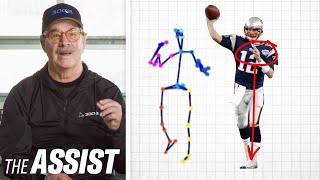
Throwing Guru Tom House Talks Tom Brady, Josh Allen, Mahomes & More with Rich Eisen | Full Interview

Tom House Baseball Pitching Mechanics (Problem Recognition & Solutions) - 1989 Pitching Tutorial
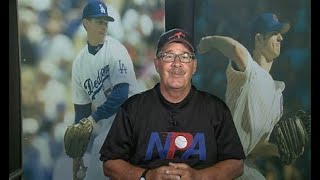
Tom House, Godfather of Pitching/Throwing Biomechanics & Founder National Pitching Association