
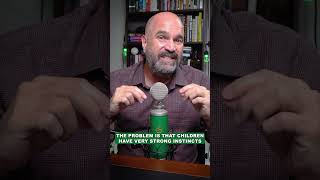
When a Child is Upset: Kim John Payne @simplicityparenting #parentingtips #shorts
21 Nov 2023 · 1 min

0:59
Kim John Payne explains why asking upset children to name their feelings can backfire. Instead, ground them in what actually happened: describe the concrete event, like a sibling taking their toy. This keeps them connected to you while validating what went wrong.
Chapters
More from AI




youtube.com
Top Mistakes Parents Make #parentinginsights #transformativeparenting #parentingtips #shorts
2y ago


youtube.com
Stop Yelling at Your Kids: The Harmful Discipline Mistake #transformativeparenting #parentingtips
2y ago
youtube.com
Building Resilient Kids: Parenting Strategies That Work #transformativeparenting #parentingtips
2y ago
youtube.com
How to discipline without causing more problems #transformativeparenting #parentingtips #shorts
2y ago