Could YouTube Be the Secret to Getting More Traffic to Your Offer
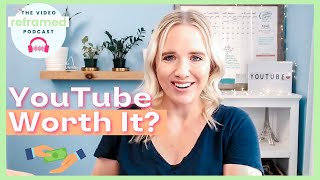
This is a YouTube video titled "Could YouTube Be the Secret to Getting More Traffic to Your Offer" created in August 2021. The content is a detailed solo presentation by Trina Little, who discusses strategies for online business owners to leverage organic traffic through YouTube. She explains the differences between paid and organic traffic, emphasizes the importance of YouTube as a search engine, and provides practical tips on content creation, optimization, and audience engagement to grow business visibility and sales. The video is aimed at coaches, service providers, and course creators looking to increase leads and revenue without relying solely on paid ads.
One of the biggest changes that has been occurring in our online world recently is Facebook ads and how we can't really track people anymore because of the new Apple privacy settings. This was such a huge benefit for business owners and how so many business owners were able to grow so fast. They knew if they put X amount of money in Facebook ads, they would see X amount of roi. But that's no longer happening because like I said, the online business world is always changing. So in today's episode, I'm going to talk to you about the changes you need to make in your business strategy and specifically the change to organic traffic. Welcome back to another episode of the Video Reframe Podcast where we help coaches, service providers, and course creators reframe the way they think about video content to help them drive more leads and more cash to their business without adding more stuff to their to do list. I'm your host Trina Little and I thank you for listening today. Today, like I said, I want to talk to you about getting more organic traffic to your business. Traffic you don't necessarily need to pay for, which is so important if you're just getting started growing your business. First, I want to make sure I'm very clear on what organic traffic is versus paid traffic, because those are two big forms of traffic we talk about in this online space. So paid traffic is any kind of ad you pay for. The biggest one that we know is Facebook ads, which also are Instagram ads. But you can also do YouTube ads, Google Ads, and also Pinterest ads. That's the predominant pieces of paid traffic. Organic traffic is basically what you aren't paying for. So when you do a Facebook Live and you're able to reach more people that way without boosting it or putting money behind it. Instagram by using hashtags or showing up in Google search. Right? Google has been that age old, old organic research piece of the puzzle. But what I've come to realize recently is so many online business owners have kind of put all their eggs in the paid traffic basket and they've lost sight of the organic traffic they should have diversified in as well. Organic traffic is what I like to call old school traffic. We're talking blog writing, which was a huge source of traffic for so many people a few years ago. And the one piece of organic traffic that so many people, so many business owners are missing out on is YouTube. Organic traffic on YouTube can be a huge asset for your business, and I want to discuss why. First of all, YouTube videos are like a pool mentality. Okay, what I mean by pool is you aren't pushing your content on them. Like Facebook ads. If they happen to go to your website or you happen to say something in your home, then they get pushed your ad. Right? Whereas pool means you go over to Google. You're having a problem, you're trying to fix something, you're trying to figure something out. You type something into search and they find your content. You're not slamming them with an ad, they're willingly finding your content. That is a great way to start building that know like and trust with your audience and with potential students and clients. Because again, they pulled your content in, you didn't push it to them. I also want to talk about why YouTube. Well, we don't always remember this, but YouTube is the world's second largest search engine. The only search engine larger than YouTube is Google and Google owns YouTube. YouTube gets over 21 billion visits monthly. I mean, I think you may want to be on there 20 billion visits. There's probably some of your target audience over there. And even if you combine Facebook and Instagram monthly visits, it still doesn't equal what YouTube gets each month. Like I said, you're showing up in that pool mentality. You are showing up for your audience, for your target audience when they need you most. You're solving their problem instead of creepily stalking them with your ads. Think about it. If you're trying to create a content plan or you're trying to figure out Pinterest, you may go to YouTube and type in how to get started with Pinterest or how to grow a Pinterest account. You then may stumble on a video that's talking about Pinterest. You really like what you hear. That video was incredibly helpful for you. So you then look at that YouTube channel as a whole. You may start watching another video or another video and you realize you start to really like this person that's been helping you for free here on YouTube. Then you learn they have a course or pre created templates that's going to make your life easier. And you think, heck yes, I'm going to buy that. If these free videos have helped me so far, I can only imagine what the paid for stuff is going to be. I can't wait to buy that. You see how this journey for your viewer or your possible new client or customer can happen to by starting with YouTube. By starting with YouTube videos showing up on Google. So now your question is, but Trina, how do I take them from being a YouTube viewer to getting to buy my stuff? How do I push them off the platform. That's great. There are quite a few ways that you can do that through YouTube. First of all, in the description box of your video, you can put a clickable link. You can write a call to action to say, buy my templates or check out my course that I have and have a link to to that course. You also can have a link on your channel homepage right at the top where the channel banner is. You can even write the call to action that you want right there on the channel banner. That clicks them right to where you want them to go off of YouTube. And you can add a clickable link on your actual video. Now, you need to make sure you hit certain requirements for YouTube to allow you to link off of the platform, but you can still have a verbal call to action in your video and tell them to click the link on the video. Now, to get your free training, to get your course, to get your lead magnet video can build your trust a lot faster. So like I mentioned before, with the pull mentality, these viewers are very, very warm leads. They're primed to want to work with you. They're primed to want to learn more from you after seeing your video conversions are just going to be higher when you're utilizing video content. Now, you heard me talk about Google, right? Google is the largest search engine in the world with over 75 billion visits each month. You want your stuff, so to speak, popping up on Google, Am I right? With YouTube, not only can you have your videos showing up at the top, because Google always pushes YouTube videos to the top. If you embed your YouTube video to a blog post, not only does your YouTube video have the possibility to showing up at the top, but your blog post to your website does as well. I mean, don't you want two hits on the front page of Google? So now I've got you convinced that YouTube may be the next piece of your content strategy, your growth strategy you need to start focusing on. So what should you do to get started using organic traffic on YouTube? Well, the very first step that you need to do to ensure you're creating the right content that's going to get the traffic to your offers to your business that you want to see is you need to do some preliminary research, preliminary research on what content, what video ideas you should create. This is very simple. All you need to do is go to YouTube, go up to the YouTube search bar and type in something you want to create, what topic you want to create, and YouTube's going to start to Predict what you're going to say. And those are actual words and phrases people are searching on YouTube. You could also go a step further and use a keyword research tool like TubeBuddy. That's going to give you a little bit more information like how competitive that keyword is or how many searches per month that keyword has. Yes, there is competition on YouTube. We know YouTube is a big platform right now, but I will tell you, the ship has not sailed for YouTube. Even if you think you have a competitive niche over on YouTube, there are still ways for you to stand out. So what you should do after you research is start to figure out how to create a long tail keyword or a long tail search term that is a little more specific so you can break out in a crowded audience. So let's take the example how to make chocolate chip cookies. All right, that's pretty competitive. That search quite a bit on YouTube. And if you're just getting started with your YouTube channel, it's going to be hard for you to beat everybody else that has built this authority on YouTube. So you want to create a long tail keyword video. This could be something specific, like how to make eggless chocolate chip cookies. How to make gluten free chocolate chip cookies. Okay, that's just one example. Let's talk about blog writing, another pretty competitive topic over on YouTube. Again, you just want to make this a little bit longer, a long tail keyword, and maybe do a video like how to write a blog that shows up on Google. How to write a blog in 10 minutes or less. Okay, so it's not just how to write a blog. You need to take it a step further. So it's very specific so you know your target audience wants to watch it. With that being said, it's very important to understand you don't want to be creating generic content that's for everyone. The course that you're creating or that you created, the dream clients that you like to work for, they're very specific. Those are the people that you want to see your videos. So you want to think about that avatar, you want to think about that dream client when you are coming up with the title of your videos. Because you want to ensure how you're pitching that video is what your target audience is going to click on. So for example, I talk about YouTube building a YouTube channel, but I'm not for everybody. If you're building a YouTube channel to make money from YouTube, that's not my target audience. My target audience is you that are listening to me, right now the business owner that's figuring out how to get more traffic to their offers, how to get more visible, how to get more eyes on their content so that you can get more clients, more students to buy your course. That's why it's very important to do this research and figure out which videos you should be creating that are going to get the right people, not everybody, but the right people watching your content. The next thing I want to share when you're getting started on YouTube, what you need to do is utilize YouTube optimization. And no, this is not about tags. I want to talk briefly here about tags. Tags are not going to make or break your channel success. You do not need to search hours upon hours to find the best tags, the best SEO keywords. This does not work for YouTube as much anymore. It is a small sliver and how YouTube determines where your video is going to be put and who your video is going to be placed in front of. Instead, you need to focus on more important things like your title. You don't want to keyword stuff it. Remember, we are humans that are watching your videos. We're not robots. So don't just type in there. How to write a blog post, right? How is that video going to stand out amongst all the other videos on YouTube right now about how to make a blog post, Remember, you want to title that video. In a way your audience wants to watch it. All right? The next thing you need to remember when you're optimizing your YouTube videos is your thumbnails. And this tends to be the biggest mistake. I see so many business owners who get started on YouTube. Do you want to ensure you are on your thumbnail and you don't want to clutter it with a lot of text. You want to have three to five words on your thumbnail and you want to think about telling a story. See, people are going to see your thumbnail first because imagery just draws our attention first. So your thumbnail is really your primary marketing material for your video. So you want to be able to show in your picture, in your photo, in your imagery, something that's going to grab your target audience's attention. Then the words you use on your thumbnail should be three to five words. That's going to hook them. Then they're going to look at your title. So you want to start pitching the story, start pitching the value with your thumbnail. Continue that value or that story with the title. Remember a humanized title. That's how you're going to get them into your video. Some other things that you want to think about to really see success on YouTube, if you're thinking about getting started is you want to create binge worthy content. What I mean by that is you can't send people off of YouTube for every single video. Now listen, in my agency, I work with predominantly business owners, but I explained to them we need to make YouTube happy because we're putting our content on that platform. But I understand we need to make your business happy too. So what we do is just about 50% of videos, we pitch the viewer to watch another video. Because what happens is YouTube sees video a is getting people to watch and then watching another video. So YouTube is going to make more money on ads for that viewer because you got that viewer to watch video A and then you got them over to video B. So you're going to see more impressions and more growth from video A. But you also want to get people on your email list to your webinar signups, right? So then another video, you will then have a call to action to send them there. Now listen, you can have any links that you want off of the YouTube platform in your description box, but your actual vocal calls to action in your videos should alternate. One to get them to watch another video and the other call to action on another video to then send them off of the platform where you want them to go. You also need to be adding captions. Reason being we need to think of the deaf and hard of hearing community and also people like to watch and read at the same time. Some people consume content better. That's the primary reason you need to be adding captions. But for the second purpose is when you add captions, you're also giving the YouTube algorithm more information about your content. And then you need to be filling out that description box content as well. Remember I talked about how the thumbnail is hooks people kind of starts that story or that value and then the title continues to pitch that value. Well, the first couple sentence of your description box show up in YouTube search as well. So you need to ensure you're using those first couple sentences in your description box to continue to pitch why that viewer should watch your video. Because they saw your thumbnail, they saw your title. If they still didn't click, they're going to be reading those first couple sentences of your description box. So you need to utilize that as well. Now I actually have a free YouTube success guide that's over 15 pages long that will walk you through all the steps to take to make sure your channel is set up and optimized for success, whether it's brand new, it's been sitting dormant, or you just aren't seeing the results you want on YouTube. The guide will walk you through each step to optimize your channel for organic reach and has video tutorials to show you how to do each steps. You can download that YouTube success guide at trinalittle.com forward slash roadmap. I will have the link in the show notes as well. I want to personally thank you for listening to this episode of the Video Refrain Podcast. If you enjoyed this episode of the Video Refrain Podcast, please leave a review on itunes and I may just shout you out in my next episode to personally thank you for taking the time for leaving a review. Then make sure you're following me over on YouTube for more in depth trainings and tutorials and more behind the scene content of how I I'm managing creating video content on YouTube while running a business and being a mom. You can check out everything that I'm doing over there on my YouTube channel. Thank you again for listening and I'll talk to you in the next episode.
More from Trena







Why Every "Business Guru" Suddenly Went All-In on YouTube (And What NOT to Copy)

