How To Brand Your YouTube Channel For More Subscribers
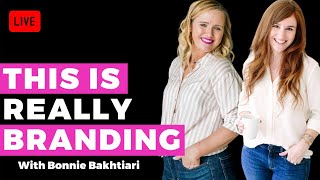
This is a YouTube video titled "How To Brand Your YouTube Channel For More Subscribers" created on March 10, 2020. It features a live discussion between Trena Little and branding expert Bonnie Joy Marie about the deeper aspects of branding beyond just visuals, including brand strategy, voice, and connecting authentically with an audience. They share practical exercises and insights to help content creators develop a clear and effective brand to grow their YouTube channels and engage subscribers.
All right. And I have it up on my computer, so I'm just making sure I see us live. And for those watching the replay, thank you so much for joining us here today. We're going to be talking about branding and getting all things started. Branding.com is a place I'm also making sure that it is working on all ends here. So looks like we are good to go. So thank you, everybody, so much for joining us here today. I have Bonnie here. She is a branding expert, and one of the biggest things that I know a lot of us struggle with here on YouTube is specifically like, how do we differentiate our brand? How do we make our brand stand out and connect? And so I figured why not bring Bonnie on here to talk to us a little bit more about it? I know we were talking a little bit earlier about how I'm working on it as well here at the beginning of the year, so to really hone in on my brand to make that connection. So as you're watching, please drop your name into the chat, let us know what you do and if you have any questions about branding, because we will be circling around to get all of your questions answered. So I'm going to go ahead and let Bonnie introduce herself.
Hey, thanks so much for having me on your channel, Trina. I'm, like, so excited to have this conversation around branding and just getting to hop on and do this live and take questions as we go through. I'm so pumped about it. So a little bit about me. Like you said, I am brand strategist and a brand designer. So I work with creative entrepreneurs to craft elevated visual brands that inspire powerful connection with their ideal clients online and in person. So getting to talk about how you can leverage branding to grow your YouTube channel and inspire that connection with your subscribers and grow your audience is something that I'm super passionate about because I think that branding is such a powerful tool that you can leverage to do what you love and in so many amazing cases, make a living at it. So I'm really excited to have this conversation with you and kind of peel back the layers a little bit on what branding is all about.
Yeah. So I think one of the biggest misconceptions are kind of confusion around branding is, isn't branding just your text and your brand colors?
I'm so glad that you started with this question because that's a. That's a big kind of misconception that I get a lot as well. So I think it's really easy for a lot of us, you know, when you're on Pinterest or even, you know, here on YouTube, like exploring different content around branding. The two main areas where everyone focuses it's all about your colors are all about your copy or your font pairings. And those visuals, yes, they're definitely a big component of your brand. But if we're only focusing on those two components, we're only scratching the surface about what your brand can truly entail. So as a brand designer and strategist, although I do focus on on those visual components like font pairings, color palettes, illustrations, icons and those gorgeous things, I really do believe that your brand is so much more than that. And so we start with brand strategy. Now, brand strategy is going to go deeper than those beautiful things that we might find on Instagram or Pinterest. And that's going to focus more on really the vision and the mission behind your brand. So who you are, what you do, it's going to go deep into who your ideal clients or customers are. In this case, who your ideal subscribers might be, your ideal audience here on YouTube. And it's also going to think through things like your message, so your voice, your Persona. And actually, Trina, you and I, before we even like hit live on this, we were talking about kind of that personality, letting more of that personality shine behind your brand and through your brand. So in terms of like identifying really what goes into your brand, it's so much more than just the text and the colors, for sure.
Yeah, I think kind of the text and the colors are the more tangible, easy things to kind of check that checklist off. But I know for me it's been so hard to kind of dig into that brand message or that brand voice. Because for me, we talked like I am of this very professional button up mindset coming from an MBA and the government, working for the government background. And so it's hard for me to kind of let it out. But I've been making an extra effort, especially the beginning of this year, to really work on how do I work more with my brand, to let more of myself and more of my personality to make that connection with my audience. Because I think sometimes that's what we really forget. We're focusing on creating our authority and making sure people think we're an expert. But the thing that's going to take us that next step is really connecting with, sharing who we are. In as bad of a rap as authenticity gets, being more authentic with our audience is what's really going to start driving that following and that audience that you kind of been Striving for.
I totally agree with what you're talking about right there. I like to think of branding as visual, verbal and experiential. So visual? Yes, definitely. Text, colors, illustrations, website design, like YouTube graphics, all that pretty stuff. Verbal, that's going to be more like what you're talking about, like your messaging, your voice, your copy. But I also think that personality that you were sharing, that can come through in the experiential touch points that make up your brand. So online, I think that the video content that we put out, that's a great experiential touch point where we're kind of inviting subscribers and viewers into more of an opportunity to connect with you a little bit about your approach, your tutorials, your content, like your unique viewpoint. And those are just really fun things.
I think, to think about.
To me, I don't think of that as kind of like an intimidating or overwhelming thing. I like to think of it as how can I kind of like, open up a little bit more and through this brand, share more of who I am and kind of what my personality is about? And a lot of the time, I think that it's easy for us to sort of get in our own heads when we think about taking those first steps, because innately, if we're opening ourselves up and letting some of that personality shine, it's kind of a vulnerable process. And maybe you felt this too, as you've started kind of identifying, like, what components of your personality you want to shine through. But ultimately, if we're choosing to kind of like inspire more of that amazing connection with your ideal clients or your ideal, ideal subscribers online, it does take that little extra step, that little, like, kind of like plunge of vulnerability to share more of your heart, more of your story, more of your personality, because that's really what people want to see and that's what people want to connect with, you know?
Mm. All right, let's take maybe a step back. And what would you say when it comes to branding at the basics, right, the easy, tangible colors and fonts? What would you say is kind of the best practices for that? And what are kind of some of the biggest mistakes you tend to see when people are picking those visual elements for their branding? Because I talk about this a lot when it comes to thumbnails and kind of their channel branding. But I want to hear your perspective, coming from a branding expert, on what you see as kind of those biggest mistakes and how you should take those first steps in determining those visual branding elements.
I love that question. Okay, so probably the biggest mistake that I see people make when it comes to some of those foundational components, so, like picking colors, choosing font pairings, you know, kind of playing around with, like, layout and different graphic elements. Especially when you're creating things like thumbnails, that biggest mistake centers all around designing based on only what you like. Now, I want to say that it is definitely important for you as the person behind your brand to like, to appreciate, to enjoy how your brand looks. But realistically, your brand is for your ideal audience. It's not necessarily all about you. It's kind of. I like to think of it as almost like this Venn diagram where, like, on one side you have this circle of your story, your values, like your voice. And then on the other side you have like your ideal viewer or subscriber, like their needs, their desires, their interests. And then kind of in the middle, like that overlap piece, that's going to be the sweet spot where your brand can really, like, thrive. So when you're choosing colors or exploring fonts or, you know, kind of diving into those visual components, I would really encourage people to think about, yes, like, what speaks to me, but will my ideal viewer respond to this too? Will that catch his or her attention when they are, like, scrolling through everything on YouTube? Is that going to stand out to them? Is that going to inspire trust? Is that going to be something that they think, oh, my gosh, yeah, I love that. Like, I want to click and I want to learn so much more about who this person is and what their videos are all about. So I think that's probably the truly, like, the biggest area where I see a lot of people getting stuck, because I'm sure you've found this to be true as well. It's really easy for us to kind of get inside our own heads and really only focus on what speaks to us. But we have to take it, like, one step further and think about what your people want from you, too.
Yeah, I talk about that a lot to my audience. About if you're targeting teenage boys, obviously your thumbnail imagery is going to be totally different than if you're targeting, you know, DIYers. I'm just thinking of students that I have DIY sewers who are teaching, you know, the 55 plus who are starting it as a hobby now that they're empty nesters. That's going to be a totally different imagery and color palette. Then again, the teenage boy or even the teenage or, you know, college age girl as well. It's going to be totally different. Not based on you, but based on who's going to be watching your content, 100%.
I think that, like, one thing, I always like to encourage my clients when we're going through the custom branding process, I always like to kind of challenge them. Like, if I find that when we're gathering inspiration and, like, working on putting together a mood board and they're coming to me and saying, like, oh, I like this. I don't like that. You know, kind of giving a lot of feedback that's coming from their personal perspective. I like to just kind of gently challenge them or encourage them to think about, okay, yes, that's what you're thinking. That's kind of how you're viewing these options. But your ideal client, your ideal customer, your ideal subscriber, what would they say?
Like, what.
How would they be impressed or how would they feel about these options that we're looking at? So I think that it's, again, just a really awesome opportunity to kind of marry a little bit of what speaks to you. And maybe, you know, colors are fonts that attract you as the owner of your brand with what your ideal audience is going to be interested in, too.
So when it comes to digging down into branding a little bit more, I may personally be asking for my own reference, but what are some exercises or some tasks that you would tell somebody to take to dig in to figure out that brand voice or figure out that brand message a little bit more, what could we do to help ourselves kind of figure it out when we're like, I have nowhere to even start. I can do the colors and the fonts right. I can marry all that up with everything. But when it comes to digging deeper, are there any exercises or things you think we should take to figure that out on our own?
Absolutely. So as a part of my process as a brand designer and strategist, before I even start looking on Pinterest or, like, talking about color palette options with my clients, we focus with brand strategy. And that's kind of like what I was mentioning earlier, this idea of diving into your vision, your mission, your values, your differentiator, your voice, and who your ideal clients are. So if you are just getting started and you're wanting to kind of figure out how you can lay that out more for yourself, some questions that I would really encourage you to think about are, first, kind of identifying, who are you, like, as the person behind this brand, as, you know, the face of this brand that you're building, what do you want to be known for? What's that identity that you want to create. So who are you then? From there I want to kind of build on what do you offer? Are you going to be the go to expert for, you know, maybe moms of toddlers? Are you going to be the go to expert for business owners who are trying to grow their marketing presence kind of through some strategic DIY routes? There's lots of different things we can think through here, but I want to challenge people and encourage them to think about, okay, what do you offer? And so how does that then tie into kind of what you want to be known for? Then take it one step further and identify who is it for. So this brand that we're building, who are you trying to reach? I love how you said, you know, if you're building a brand that speaks to teenage boys, it's not going to be the same kind of brand that speaks to empty nesters. And so we need to be just mindful of that when we're starting to lay out the foundation of this brand strategy so that we aren't, you know, missing the mark and unintentionally building a message or building a set of visuals that does everything except speak to your ideal person. So and then the kind of, the last question that I like to encourage people to think about is how is your offer or your content, how is it different or how does it add value? So what that does is if we start to think about that question, we start to be able to identify that unique value proposition or those differentiators about your content, about your voice, about what it is you're bringing into the world that allows us to understand a little bit more of where you shine brightest. And then because of that, if we have that nailed down, even if it's, this is just like notes you've scribbled to yourself on a post it note or a brain dump in a Google Doc, if you know that, then that is content and information you can leverage to then make some influenced and intentional design decisions when you start to think through kind of the visual component. And also like another just super simple, fun exercise that I love to share when it comes to kind of nailing down that voice a little bit more, I like to think of it in terms of, you know, kind of identifying what your brand voice is and what it isn't. So just a really simple exercise that I like to guide my clients through is kind of this always, never exercise where my brand is always this. So like, my brand is always playful, always sassy, always fun. My brand is never, you know, condescending or patronizing. Or, you know, exclusive, you know, that kind of thing. Like having almost like two little columns where you've got a fun list of just like brain dump. All the things that come to mind when you think about this brand that I'm building, the voice that I want to share my content through, what is it going to be identified with and then also what is it never going to be identified with? And I think that that's just a really, it's a fun practice, but it's also a simple exercise that can, I think, give us a lot of clarity.
I love that exercise. Any kind of exercises that can help me just kind of figure it out. I was at Social Media Marketing World last week and Alex Beaton, who does teacher's Instagram stories, she said to really help figure out what to even share, you know, figure out your kind of message, just write 25 to 50 things down that your audience should know about you. And if two of your followers or two of your fans were to actually meet at some point somewhere, what would they be able to bond over about you? And I was like, oh, that kind of clicked.
Yes. That's genius. I love that advice.
Yeah. So, Bonnie, can you share with the audience where we can find more information about you, how we can. You can just share with us your details?
Yeah, I would love to. So I hang out a lot over on Instagram. So you can find me on Instagram at Bonnie Joy Marie or you can find my website@B is for Bonnie design dot com. I have tons of, tons of content over on my blog. I have like a massive resources page for entrepreneurs. So if you are a creative small business owner or if you are a fellow designer, I have poured a lot of time and energy into just Equipp with some simple, easy to follow guides, tutorials and tools that makes it easy for you to grow the business of your dreams. Because I've been there. I have been an entrepreneur for over eight years now and I know what goes into all the blood, sweat, tears and heart that goes into growing. Truly a brand that honors your story and inspires connection with your ideal clients online. So definitely big fan of cheering you on from Waco, which is where I'm based.
Thank you, Bonnie and you guys. Yeah, definitely make sure you go check her out, go follow her on Instagram, Say hello that you met her from the live stream. I really appreciate you, Bonnie, just taking some time out of your day to share with us, like to understand what really is branding. Because a lot of the time I'm teaching kind of the tactical things like how to get your YouTube thumbnail seen and how to make it work consistently across other platforms. But there's really more to it, and you really gave us some exercises and thoughts on how we can dig deeper to really make sure our branding is clear, to be able to drive a following that, you know, as soon as you post the video, they're ready to go watch it, or they hit the bell notification on a channel because they're like, I want to know as soon as that person video is live. So I really appreciate you coming here to share that with us.
Totally my pleasure. Thanks so much for having me.
Thank you, everybody, for watching.
More from Trena







Why Every "Business Guru" Suddenly Went All-In on YouTube (And What NOT to Copy)

