The YouTube Script That Makes Me Daily Sales
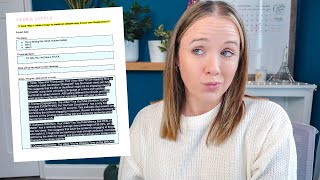
Trena Little breaks down the YouTube script structure she uses to generate daily sales. She covers hooks, click-through rates, content structure, and outros, then shows how a client used it to convert viewers into buyers.
When you publish content as a business owner, you should be making sales when that piece of content is published. In fact, that's the whole reason I create these YouTube videos. And because I have an entire library of content here on YouTube. I make sales every single day. And here's the proof. So if you're posting YouTube videos and you're not seeing sales every day, what's going on? I'm going to share with you the complete breakdown of how to structure your YouTube videos each week. So, so you know you will generate sales from your channel as a whole every single day. Now, this wasn't always how I did YouTube content. Up until 2020. I was just posting YouTube videos to build my email list and you heard me mention 2020. That's when I realized I had to get really strategic about my content because my time to work in my business became cut in more than half. I had a three year old and a five year old home at the time, so I couldn't do the typical things I was doing to sell, like launching. So I took a pause to figure out how I could sell more, was showing up less. That's when it really clicked with me that I needed to stop building my YouTube videos for YouTube and start thinking about my business first when it came to YouTube content. And that's when this shift really happened. When I realized I'm not focused on getting the massive amount of people to my videos. I'm focused on getting the people who want to buy from me to my videos. And that's a different type of content and that's a different marketing pattern package that I need to put my YouTube videos in. Because I don't know about you, I would rather have 100 views on my video and get 20 sales instead of a thousand views on my video and make like three sales. What the majority of YouTube strategists and educators out there teach you is how to go viral, how to basically become a YouTuber. And that's not what I was going for. I wanted to go for more sales in more high ticket clients. This is when I created my video game plan and I haven't turned back since in how I structure my videos. And that's why I'm making sales every single day. What I did with the video game plan is I meshed together what works for the YouTube algorithm because I still had to make the algorithm happy. I was still playing on the algorithm's rules, but it also had to be able to mesh my business strategies, which is getting more email signups, getting more low Ticket sales, getting more clients. Since I've been using this video game plan, not only have I been continuing to grow my email list and get clients into my coaching program, but I've been able to keep my Facebook ads budget relatively low. And yes, I run Facebook ads, but they are incredibly cheap because I'm retargeting people who see something of mine on my site, on my landing pages, on my sales pages, from my YouTube videos. And that's what keeps my ads so low, which isn't typical for business owners. I mean, if they are going to show you how much they they're spending on ads versus how much they're making, that profit margin is very minimal. But I ran some numbers the other day and I spent about $3,000 on ads in the first 15 days of November and I made $10,000. So there's a pretty big profit margin in there. Now, there are five key conversion elements that need to be in every single video. But even before these elements within the content of the video, there's a reason why I'm planning my video specifically in a video game plan structure and not just a SC. When I'm building out my content strategy for YouTube, I'm planning a five video series. And this is what I call my YouTube playlist funnel. And you can learn more about what that is, why it works all in this video right here. But basically it's a funnel for videos. And if you think about a funnel and how it goes down an upside down triangle, right, it is hitting different pain points of potential buyers. So this means that a potential buyer could come in to my funnel, my YouTube playlist funnel at the very beginning stage of their problem and start at video one. And because, because I've structured my videos to flow into each other, this helps them get through more and more videos, feeding the algorithm positive signals to promote my content to more people, but also getting that person to binge watch my content. And what does that do for me? The more they watch my content, the more videos they watch of me, the hotter lead they become and the more chances I have of converting them. This content is also, like I said, focused for my ready to buy viewer. I'm not telling people very beginner YouTube content. I'm structuring my content strategy around problems business owners have for YouTube. And I was only creating one video a week here on my channel because I had this playlist structure mapped out, planned out and knew exactly what each video was going to be every single week. And because I'm planning with binge ability in mind. That's what keeps my channel growing and keeps sending me more leads and more sales. Here are the five key conversion elements that your YouTube video needs to have if you're going to make the algorithm happy and also make you daily sales. First is your click through rate. So before you do any type of content on your YouTube video, you need to know what your title and your thumbnail is going to be. Because if you can't come up with a compelling title and thumbnail curiosity driven title and thumbnail for that content, it's dead in the water. You have to know your title and your thumbnail before you move forward with that video. Because your click through rate will determine if YouTube's going to put your content in front of new people and if people will even watch your videos. The next conversion element is your hook. So let's say you did a good job with your click through rate. You have a 7% click through rate. They start watching your videos. Your first five seconds are essential because if you are losing people, if you are losing 40%, 50%, 60% of people in the first 15 seconds of your video, YouTube is not putting it in front of people. Why? Because YouTube wants to put good content in front of people to keep people on the platform. And if people aren't watching your video and they're leaving after five seconds, you aren't doing what what YouTube wants. So YouTube's not going to push your content anywhere. And if it's not a good hook and you're not getting people past the first 15 to 30 seconds, they're never even going to hear what you have to offer to buy from you. So you really have to make sure that hook is structured to also align with your title and thumbnail to keep people watching. The third conversion element is your content. And I get asked all the time, how long should your video be? It needs to be as long as it takes for you to deliver on the promise of your title and your thumbnail. The content piece of your video can have one soft call to action. So what I teach my clients is as you go through your content, where can you easily weave in a call to action that makes sense? So for example, right now I'm talking about the five key conversion elements of your video game plan. And I'm going to tell you, if you want to learn how I write my video game plans and get my template that I use for my video game plan, you can go to trina little.com video plan and get a more detailed training on how I come up with Titles, thumbnails, hooks, and my entire process for planning these video game plans. Now you see how that weaved in organically where it made sense. That is a soft call to action. And I'm not done with this video yet because now I'm going to talk about the next element of conversion, and that is your outro. You know how I mentioned that you're doing a playlist full of five videos? Well, you want to have one call to action. You maybe had your soft call to action in the middle of the video, right? Your end of your video, your outro, call to action needs to be to that next video. So if you have a YouTube playlist funnel of five videos, videos one through four need to have a call to action to that next video. You need to keep them watching. Because if they didn't purchase in that soft call to action, they aren't warm enough yet. You need to get them to watch more content. And again, if you're getting them to watch more content, YouTube's going to push your content to more people. And then that fifth video, that is where you're going to have your very strong call to action. Maybe you're going to talk about why they need to buy what you're pitching them. Maybe you show them testimonials or case studies, or you even pop in a video testimonial from a client. That is where you're going to sell that fifth and final video. There is one more conversion element, and that is engagement. So again, I walk through how to add engagement into your videos in my video game plan program. But you cannot just get on your video and say, like my video, if you liked it, or comment below. That is not going to get you engagement, period. You need to go back through your video game plan once you've planned it and then look at where you can weave in engagement. That makes sense. So I could have told you way back at the beginning of this video, if you want to make daily sales from YouTube, make sure you hit that like button right now. See how that weaves in that engagement piece. And I may say something right now, like, do you create a video game plan for each one of your YouTube videos? Say yes or no down in the comments. No judging. Just wondering how everybody prepares for filming their YouTube videos. Those are the types of engagement you need to add into your YouTube videos to get YouTube to push it to more people, for more people to watch it, and for me more people to buy from you. This is why my videos do their job, making sales every day. And all of My clients use this game plan to see the same results as well. In fact, listen to what a recent client had to tell me about her experience with the video game plan.
Adriana, thanks so much for reaching out. So I'm really excited because I got so much accomplished yesterday. I went through your video game plan course and it was so good. That was probably the most detailed YouTube training I've ever had and so I changed my thumbnail. The biggest takeaway that really helped me was that the YouTube thumbnail does not need to contain the full title of the video and that also that, you know, it's not always about SEO, it's about what what is our ideal client going to be interested in and going to get them excited.
If you want to start seeing consistent sales from the videos you publish here on YouTube and make sure your YouTube content, the time you're putting into YouTube is paying off, make sure you go grab my video game plan@treanalittle.com videoplan I'm going to tell you it will take you less than 4 hours to go through this and know how I'm strategically structuring my videos to make consistent sales without ads here on YouTube you'll get the exact template that I'm reading off of right now that I plan my videos on. You also get training on best titles and thumbnail practices to ensure your click through rate to do well. You'll get hook ideas and examples and engagement examples as well. Seriously, this is the entire YouTube video planning process laid out for you step by step. If you are using YouTube and not following a plan or a strategy specifically built for business owners, or you're just freaking exhausted with the amount of content you feel you need to make just to get sales with the video game plan, you'll be able to create less content in a sustainable way and still see sales. And if you're still curious about that YouTube playlist funnel that I mentioned and you want to see how I plan my five videos with my customer's journey always in mind, watch the playlist that is on your screen right now to get the complete rundown.
More from Trena







Why Every "Business Guru" Suddenly Went All-In on YouTube (And What NOT to Copy)

