Use YouTube to Grow Your Business (My YouTube Strategy)
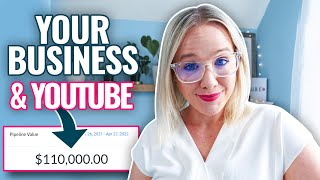
This is a YouTube video titled "Use YouTube to Grow Your Business (My YouTube Strategy)" created in May 2022. It features Trena Little presenting a detailed explanation of her YouTube marketing strategy, including tips on content types, audience engagement, and algorithm optimization to grow a business organically through YouTube. The video is instructional and promotional, aimed at entrepreneurs and content creators looking to leverage YouTube effectively.
If you're putting videos on YouTube without a clear strategy and you're just kind of using it as a dumping ground for your videos, or you're just posting all this tutorial videos on YouTube, it's not really going to help you grow your business, period. Just like with Facebook ads, with Instagram, with TikTok, there is a strategy here on YouTube that you need to understand to make sure the time you put into creating YouTube videos actually pays off. And I'm here to tell you, putting your time into YouTube videos does pay off, but you've got to have the right strategy for it to pay off. How do I know that this all works? Well, I have built my entire business using YouTube in the past two years. In 2020 and 2021 alone, I spent just 13% of my revenue on Facebook ads. The rest of the revenue all came from organic traffic here on YouTube. And, and I have clients that send me messages every single day, just like the ones on your screen right now that show me our strategy works because they're getting sales every single week, every single month because of the YouTube strategy we've implemented on their channel. So in this video I'm going to walk you through what that strategy looks like and to just assure that you trust me and believe me. I've got case studies to show you how this actually works. I've got screenshots to show you how I make a thousand dollars on specific YouTube videos, not from YouTub, but in my business. And I'm going to tell you how all four pieces of my YouTube strategy easily fit together. If you think it would be super nice to make $1,000 when you post a YouTube video, go ahead and hit that thumbs up button. So I know you're my kind of people making money from our YouTube videos. Alright, this first piece of your YouTube strategy goes against probably everything that you've heard because you may not be listening to the right people. And that is stop relying on keyword research. Look, key, keyword research does have a part in your strategy, but it is a very small part of your strategy. It is not your entire strategy. And this is why you don't want to be focusing on keyword research. So when we look at my channel and we look at our clients channels, the traffic source. So where the people find us and watch our content are people that find our videos on browse and suggested. We've also seen our clients grow significantly faster when they get more traffic from browse and suggested. Take this client for example. She went from 200 subscribers to 80,000 subscribers in under two years. And her main traffic source why she was growing so fast wasn't YouTube search, it was the browse feature. So how do you get recommended on the browse feature and show up and suggested? Well, first of all, you need to be creating videos with the title and thumbnail that are clickable. Think buzz worthy, right? How many of you taking a buzzfeed quiz because the headline got you and you wanted to see what the results were? That's what you want to think about your YouTube videos. They can't just be how to grow a YouTube channel, how to create a squarespace site. Those are a dime a dozen. How can you approach this differently? What can they learn differently in that video that they wouldn't learn anywhere else? Because if your video is not getting clicked on, YouTube's not going to recommend it. YouTube's going to hide it with all the hundreds of billions of YouTube videos that are on the the videos that YouTube is going to recommend put on the homepage, put in, suggested are the videos that are getting clicked on. And it doesn't matter how great your keyword research is, how much SEO research you've done, what your tags are, if people are not clicking on your video, that video is done. Another reason it is important to not focus on just search based traffic is because you're attracting an audience that's coming for the content or coming for the information and leaving. And they aren't invested in you. They don't want to come back and watch another video. You're building a search based traffic channel and what that means is people are one and doners. They come watch your video, they get what they want and they're gone. They're not going to subscribe, they're not going to go to your funnel, they're not going to want to learn more about you because you've built these videos. If you're just building tutorial based videos, they come, they learn from the tutorial and that's it. So by creating content that's not just tutorial content, not just keyword research content, it allows you to build a community of people that want to come back time and time again. They become your community, right? And they want to work with you, they want your offers, they want your services. And this is why it's so important to not focus so heavily on keyword research. All right, the second piece of your strategy is what I call piggybacking. And I go into more detail about piggybacking inside of my program Video Strategy Academy and give Lots of examples and spreadsheets on how to do this. But what piggybacking is, is you finding the channels your target audience is watching. What you want YouTube to do is start to classify you or group you in with those channels. So for example, I'm channel A and I know my audience watches channel B and channel C. What I want YouTube the algorithm to do is start clumping me channel A in with channel B and C so that people who are subscribed to channel B and C, YouTube puts my videos on their homepage and YouTube puts my videos in channel B and channel C's suggested videos. So how do I do that? So the best way to start doing this is going to channel B and C's videos, looking at their most popular content. What's getting the most views, what kind of content are they talking about recently and how can you put your own spin on it or how can you talk about those topics? Because that is what that audience is resonating with. If it's their most popular videos, their most liked videos, something about that content that audience likes. And if that audience is the same as yours, that's the kind of content you also need to be creating. Now here I want to test a theory. I want you to comment below. What other YouTube channels do you watch? Because I have an idea of who I'm piggybacking with and what YouTube says I'm piggybacking with. So let me know, who do you also watch? Put that, put those channels down in the comments. Now I have two more pieces of this YouTube strategy you need to have in place for it to grow your business. But make sure you stay to the end of this video because I'm going to tell you how all four pieces fit together so that you can implement with your YouTube strategy. Your third piece of the strategy is your content strategy. So what you're actually creating here on YouTube, and this means you're not just creating how to videos because we talked about in that first piece how keyword research and building a search based channel isn't creating a channel that's building a community, right? You're creating a search based channel that people are one and done. So what does this content strategy look like? So I like to classify three different types of content you should have on your YouTube channel, your Discoverable content, which is, you know, some of that search based traffic. But this is the content that's going to go out and get YouTube recommending you to people doing that piggyback research, right? So you can start getting in those channels, subscribers, homepage, those suggested videos, those are meant to go out and bring new people to your channel. So that's discoverable content. Then you want to have community based content. This type of content isn't meant to go big or go viral, but it's meant to make a deeper connection with your audience. So the discoverable content brings people to your channel and the community content takes a casual viewer into a community member. So I've done quite a few of these recently on my channel where I share about the truth of my entrepreneurial journey. I also did a video where I shared things I'm quitting in my business. And I've also showed videos sharing my goals to make a connection with my viewer. These weren't, you know, strategically placed to get in front of new people. They were for just my subscribers to make that connection and make us feel closer, like we know each other better, making that relationship. And then that third piece of content should be sales videos. So these videos are meant to send people to either your webinar registration page, your lead magnet, your course sales page, your small ticket offer, whatever it is. But you need all three pieces of this content strategy to make YouTube work for your business. Now, the fourth part of your YouTube strategy is what we in video strategy academy called the firework approach. So this is taking the research that you've done and piggybacking, this is making sure you're not focusing heavily on keyword research. And this is taking your content strategy and putting it all together. So what the firework approach is thinking about five videos, a cluster of five videos at a time, one video. That first video is called the core video. The primary goal of your core video is to talk about your offer in a way that you're providing value. So I did this particular video where I talked about how I plan a content calendar and I walk through, you know, the whole process that I do. And then at the end of that video I mentioned, guess what, you can swipe my entire process. You can download it, put it in your asana, put it in your trello. If you purchase my prep system for video success, you know, just go to this page, you can grab it for just $47. And so through that video, I really talked about the value of creating a content calendar, how you can do it so they could see how difficult it could be to create on their own. If they wanted an easy button that they would go then to my sales page and purchase my product. So that's the core video. The core video's primary Goal is to send people off of YouTube. Now, the next four videos, because we're talking about a cluster of five. The next four videos are what we call spark videos. And these spark videos are different pieces of content planning, because the goal of the spark videos is to get people to then watch that core video. Because we need to make YouTube happy just as much as we need to make our business happy. And if we're constantly creating videos that our call to action is to leave YouTube. YouTube is not going to promote our videos or put our videos anywhere. So your spark videos are going to talk about a piece of that core video or something that relates to that core video. So it makes sense for anybody that lands on a spark video and watches it that they would go watch that core video. So your spark videos are getting people to watch to the end. They're getting people to watch another YouTube video. And so YouTube's going to be more likely to promote more of this spark videos to more people. This is also going to ensure that you are getting people into your funnels, because if they watch more than one video, they're probably more vested in you. They probably want to learn more about you. They probably already like you a little bit if they've gone from watching one video to another video. So this is going to make sure that you're getting the right people into your funnel. And as I say, the proof is in the pudding. This is a screenshot of my Thrive cards. And this is what happens when. When we publish a core video. And then you can see, every time we publish a spark video, we had an increase in sales from that particular video. So it's all there. It works. Now, if you want to learn more about this strategy, this YouTube strategy and how to implement it in your business to help your business grow, help you make more sales on autopilot, more sales organically, I have a free workshop ready for you. We're going to talk about the firework approach, and we're going to talk about how you can find more time to actually record these videos. And the secret behind how I do all my videos for one month in one day. All you need to do is go to treanalittle.com forward/workshop to sign up, get that free training, and trust me, you're going to be surprised at how easy it might be to start incorporating YouTube into your marketing plan. And if you're ready to get started with YouTube right now, this video on your screen is going to tell you exactly what I would do to start and grow a YouTube channel. And this year, if I was doing it from scratch, like everything that I would do today to start and grow a YouTube channel. So click that video and watch that next.
More from Trena







Why Every "Business Guru" Suddenly Went All-In on YouTube (And What NOT to Copy)

