YouTube Sales Strategies That ACTUALLY Work
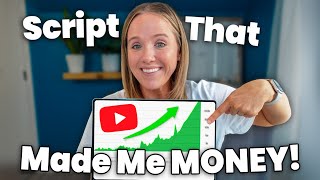
This is a YouTube video titled "YouTube Sales Strategies That ACTUALLY Work" created in August 2024. The content features Trena Little sharing detailed strategies and scripting techniques for creating effective YouTube videos that generate leads, sales, and client engagement. She explains the importance of hooks, content structure, calls to action, and audience retention to optimize video performance and business growth. The video is instructional and aimed at business owners or content creators looking to improve their YouTube marketing.
My YouTube videos have been the key to helping me become a six figure business owner. And I'm actually going to put the proof right here of hitting six figures in my business. But I need to be very clear here. Not all YouTube videos are created equally. And it really matters what you say in your videos, how you say it and when you say it. If you want to start generating leads and sales from from your YouTube videos, I'm going to be sharing the exact YouTube script template that I've been using for my videos for the last four years. That helps me get free organic leads, sales, clients, all on autopilot. The way I structure my videos gets YouTube to promote my videos to more people for free. But like I said, you need to structure your videos very specifically for YouTube. And this is the reason why one of the most important metrics on YouTube, which YouTube will determine if it's going to push your videos to more people or not, is audience retention. Now, Remember I said YouTube sent all of this free traffic to my business, but that's also because YouTube pushed my videos to more of these people for free. So if you want YouTube to do that for you, you have to prove to YouTube you have good quality videos that people will actually watch. And YouTube measures that by your video's audience retention. YouTube as a whole wins when people stay on YouTube longer because YouTube can show them more ads. So YouTube can sell more ads to brands and businesses. So if your videos are helping YouTube achieve its goal to keeping people on the platform longer by getting them to watch your videos longer, you've won the favor of YouTube. If you don't get people to watch your videos or watch like 30 seconds, don't expect any favors from YouTube. So. So the very first part of your video is your hook. Now, I want to talk real quick to those of you doing podcasts on YouTube. You need to not have that typical podcast intro like, hey, welcome to the so and so podcast show where we XYZ ABC. That is not how YouTube works. That is not how viewers behave on YouTube. They do not watch that intro. It's almost seen as a barrier to watch your content. And they've left. They've gone to another video because they're not waiting for you on YouTube the way they will on podcasts. Okay, I'm going to calm down now. The hook can be one of the most difficult pieces to write in your video script. And it's the part of the video script that I tend to help my clients out with. Most they send their script over for feedback and we workshop that hook to really make sure it's solid. But I'm going to give you some best practices and an example of how to craft a stronger hook for your future video. One of the things you need to make sure your hook does is tie in to the title and thumbnail of your video. Now, I talk about this a lot, but when I'm planning my YouTube videos, I'm not scripting any of the video until I'm sure I know what the title in the thumbnail is. That is my marketing package. And the title in the thumbnail is what will get somebody to click. But the hook is what will keep people watching. So if your hook, your first five to 10 seconds of your video doesn't deliver on the promise or connect to what you promised in the title and the thumbnail, expect your audience retention to be terrible. Now, we hear all the time people's attention spans are so much shorter these days. In fact, the average adult attention span is just 8 seconds. But that doesn't mean people are not watching long form videos. It means you have eight seconds to convince them that watching your video is going to be worth their time. And that is why the hook is essential for the success of your audience retention. So what can you do in the first five to eight seconds of your video to convince that viewer to you've got some quality content? They're going to learn something that they really want from you. They're going to have a sense of fomo. They're going to feel there's like a fear of missing out if they don't watch this video. You've got to really think through that. So at the beginning of my video, I showed you proof that I have made seven figures because of YouTube. And I took that screenshot of my gross revenue. I gave you proof and I let you know this is something that has helped me create this amount of money and showed it on my screen. That should have got you hooked to where you are right now. Let's do an example here. So I'm going to use the example of a public speaking coach. And this coach is crafting a video about how to book your first speaking engagement. Here's the first example of a hook. Do you want to book your first speaking engagement? I'm going to show you the seven things that you need to do to make sure you book that first speaking engagement. Okay. A little vanilla, not super exciting, not like wow factor. Right. Delivers on the topic. But does it have you wondering what's going to happen in this video or what you're going to share in this video that's going to change the way you apply to speaking engagements. So let's rewrite this. I have helped over 150 clients book their very first speaking engagement and I'm going to share in this video the one thing that actually is what sealed the speaking engagement for them. Plus, I'm going to give you a few other insider secrets to ensure you will book that first speaking engagement. Sound a little bit more exciting, Sound like something you want to keep listening to. You want to hear. What is that one thing that they did that got them to close that speaking deal? Right. And like I said, this is something I help my clients work with all the time in my coaching program. There's more information about it down in the description box if you're interested. So the hook is the very first piece of the video. Then we're going to be rolling into the content or the meat of the video. And ideally you're rolling into that meat with in 30 seconds. We don't need any segue from hook and like, hi, my name is welcome to this channel. You want to prove to that viewer that your video is going to be value to them. They don't care who you are. They will eventually, but you need to get them to watch your videos. And so if you're wasting time with some intro, talking about yourself, dropping your name, you're going to lose them. Now when it comes to content, not only is it what you are sharing, the value you are bringing, but you also need to tie in calls to action, specifically engagement, call to actions and also conversion call to action. So how are you going to get people to convert to your email list, your lead magnet, your webinar, your work with me page book, a call? I'm going to talk about that piece here after I talk about the key pieces that your content needs to follow. When I am planning my script and I actually call it a video game plan because it's more than just a script. Like I said, the title, the thumbnail key takeaway. When I am planning my video, I will either do bullet points if I'm really good with this topic and I know what exactly what I'm going to talk about. And then there are also other deep dive videos that I will write out. What I'm going to say either way is fine. You need to pick how you're going to map out the content that you're going to share in a way that keeps you on track and also continues to deliver value without adding fluff or Getting off topic now, the key is to writing your content that keeps people watching is to not go too deep. That's right. We do not need a TED Talk here on your YouTube videos. What you want to think about is what you need to make sure your viewer gets by the end of your video is a dopamine hit. What is one thing that they learned? What is one takeaway? What is one thing that they will do after watching your video that is much more powerful to get that person back to your content, to get them watching to the end of that video than just going into complete, detailed, step by step process of something? How can you craft your content so that they have a quick win? And I get this all the time. How do I balance what I share on YouTube for free versus what is paid for in my course? And so this is how you want to balance this fine line. It's almost like an iceberg. And you want to share on YouTube like the tip of the iceberg. You want to give them enough to prove you know what you're talking about, to make them feel like they've progressed or learned something in this topic. But you don't need to go under the water to where the most of the iceberg is, right? You don't need to go into full, complete detail. Now, I'm not saying hold any information back. I'm not saying, you know, clickbait them with the title and thumbnail that you were going to share something and then you just brush through seven ways to book your first speaking engagement. You're going to briefly talk about each one so they could see how they could do that, but you're not going to give them everything under each step. So again, in that speaking engagement video, could they by the end understand the seven things and possibly take that to apply to their first speaking engagement? Hopefully, yes. Does it guarantee that they are going to be approved? Because there's a system, there's a template, there's a process that you work, work through in one of those steps. That is what helps your clients book more speaking engagements. Possibly give them just enough information that keeps their mouth watering, improves you gave them value. Now before I talk about calls to action for engagement and conversion, I want to talk about the outro first because this is something people get wrong a lot on YouTube. So let's take the example of the seven ways to book your first speaking engagement video. You're walking through that seventh step in your video. You do not want to wrap up step number seven and say and that's it, or in conclusion or in summary or that's all, you don't want to signal that the video is over until you get them to another video. Remember, YouTube values content that gets people to watch video after video after video. And you can add a clickable video on your screen that lasts 20 seconds. And so this way you have a call to action that easily rolls into another video. And you get bonus points if you can tell them exactly what video to click on that you have on your end screen and why they need to watch it. And extra bonus points if it makes sense in the viewer journey that they've watched. Seven ways to book their first speaking engagement that the next step would be that next video. Not only does this make YouTube happy that you're getting people to binge watch your content, but the more video somebody watches of yours, the more touch points you have with them, the more likely they're going to convert, the more likely they're going to want to work with you, the more likely they're going to get on your email list. So this is very essential to plan your outro in a way that you keep them watching, keep listening to the end of my video so that they go to that next video. In fact, let me give you a good example here. But before you can even submit your speaking application, you need to have a speaking page on your website that highlights your speaking abilities in this video on your screen. Right now, I'm going to break down and show you the most important parts that you need to have on your speaking page to ensure that you book that speaking engagement. Click that video to watch. Now see how it makes sense. It rolls in. They're like, oh, yeah, I need that too. That's how you need to prepare and plan your outro. All right, so we did the main pieces, the hook, the content, the outro. Now let's talk about the icing on the top, the calls to action. Now, there are two calls to action to tie into your video, and that is engagement call to action and conversion Call to action. Engagement would be like click the like button to comment. I don't suggest saying subscribe because people will subscribe to you if it's good content. I wouldn't ask them to. So let me talk about how I add engagement calls to action because I think I did a pretty bad job of including this engagement call to action. But when I write my script, I then go through it a second time to see where a natural flow of getting you to engage with me. So right now I may say something like, do you Use a video script when you plan your YouTube videos or do you wing it? Let me know in the comments. Scripting or winging it so I can just see what we're working with. Now what makes this call to action super powerful is you're telling them exactly what to write in the comments. They don't have to think about it. If you're just telling them to leave a comment on this video, they're not going to take the time to come up with something like that is very broad. But if you give them a specific question and even the options to put in the comments, that's definitely going to increase your click through rates. Now if you want to include a like or get people to like your button, I would pick one or the other. Okay. We don't want to have too many calls to action. Then we just overwhelm them. You may say something like, so if I was going back to the hook, I may say something like, did that example of a hook make sense and help you see how you could write a better hook? Click that like button. If you realize how you can create a better hook, see how that kind of ties in. It makes them want to engage in your video. Okay. So I would generally have at least one engagement call to action. Now we're talking about the conversion call to action. This is key, especially as business owners. How are we going to get people on our email list? How are we going to get people to buy? How am I making sales on my videos for my YouTube videos? So I like to use my conversion call to action somewhere in the middle of my video. This gives enough time for the viewer to realize I got good content. I know what I'm talking about. If I drop that call to action to get on my email list early in the video without proving myself, they're not going to do it. So in this video I may say something like once I go through, I would say the content piece before the outro. Now I would have added in here. If you want to just go ahead and download my script template before we talk about the outro, you can get it@trina little.com forward slash script. It gives you the Google Doc template and also gives you a walkthrough video. You can just go ahead and grab that@trina little.com forward slash script. So I am not hard selling, right? I'm not like buy this now. I am sharing something that that is probably going to be helpful and useful that you would want in this video. And it naturally flows. Okay. So when you go back through your content. How can you add a call to action to, you know, a digital product, a webinar, a Work with me page? That makes sense Now. I also did this early in the video when I talked about the hook and how I help my clients with the hook and how you can learn more about my coaching program. So I kind of did a no no and put two calls to action in here for conversion. But I wanted to give you those examples. Like I said, don't throw too many calls to action in your video that you're just overwhelming them with things to do. Once you have your script written, then it's time to film and edit in this video on your screen. Right now. I walk you through my entire process from setting up a batch filming day to how I edit my videos in under 20 minutes. So if you want to see how I turn that script into an active YouTube video, click that video on your screen to watch now.
More from Trena







Why Every "Business Guru" Suddenly Went All-In on YouTube (And What NOT to Copy)

