Bolli Blas: Overcoming Obstacles | The Authors Unite Show #1003
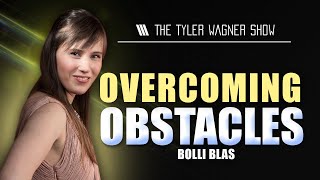
In this episode of The Authors Unite Show, host Tyler Wagner (Speaker A) interviews British contemporary artist Bolli Blas. The conversation explores Bolli’s early relationship with art, noting that as a child she painted but never imagined it as a career due to societal expectations that a "proper" job should be a doctor, lawyer, etc. She later earned a degree in economics and worked in investment banking, feeling unfulfilled, and eventually used savings to fund her art practice, transitioning to full‑time artistry. Bolli discusses how she built an audience by joining Instagram two years prior, developing a distinctive "big‑eye" style that set her apart, and how niche branding helped her sell work internationally. She describes logistical challenges of shipping large canvases from the UK, the importance of an online presence for collectors, and the impact of the pandemic on travel, recounting a detour through Mexico before a New York exhibition. The interview delves into her creative routine—she paints when inspiration strikes, supplements with walks, reading short stories, and pole fitness, and keeps idea lists. Bolli shares advice for emerging artists: find a unique visual niche, persevere despite fear, and treat art as a legitimate job. She mentions favorite travel destinations (Central America, Africa) and how they influence her perspective. The episode concludes with practical details for listeners to follow her on Instagram (@bolliblas) and find her work online.
Chapters
All right everyone, welcome back to another episode. Today we have Bally Bloss with us. She is a British contemporary artist known for creating wide-eyed characters who displays her work internationally mainly in New York, Paris, Madrid, and London. So welcome to the show.
Thank you so much. It's so nice to be here. Thank you for having me.
Of course, grateful to have you on. Um, to start us off, uh, I always like to ask this question because I'm just curious. When you were younger, did you see yourself doing what you're doing now, or is it completely different to what you visualized?
Eh, it's not the thing I saw as my job because obviously you are told as a child that you need a job, like you need to be like a doctor or a lawyer and have a job that brings money and it's like a proper job. So I did do art since childhood and I did like painting and I did paint since I was like 4. I've been painting like oil on canvas and watercolor, so all sorts. Small sculptures as well, but it's not something I saw as a job because you are obviously like told at school that job is meant to be something boring. So isn't that weird?
School messes us up, I think.
Totally, yes, I think so too.
Yes, yeah, I'm not a huge fan. Uh, curious, for artists, do you think 'Cause as you were talking, this kind of just came up for me. Do you think that a lot of artists have trouble, like, making their artwork their job because of that, like, psychological association with— like, they almost feel like if it becomes their career, it'll take the joy out of it or something? Like, do you—
Yes, yeah, yeah, yeah. I think that there's part of that, plus, like, you know, Parents and friends, if you say you are going to be an artist as a job, they look at you and think, "It's not gonna work," you know? So that perception that no one actually believes that you can make it unless you are very lucky, I don't think it helps very much. Plus, lots of artists think they're going to be poor and okay, there is— It's hard to start, I guess, and it is hard to make it happen, but I think more of us should try and we should see it as an actual job because— and not just like a hobby because it's a job like any other job and it just brings so much joy to the world. Like, you know, all the art you go and see like in MOMA, other places in the world. I mean, I can't like think of a world without all the art around, so I think it is a job like any other job, and yeah. And then I think like if I was to go like to art school, I think they kind of try to put some of their way of doing art onto you. They try to teach you this is how this should be done or that should be done. So I think that takes a bit of joy out of it as well. I never went to art school. I just like doing my own thing, but that's why I never went, because I just feel like it would take a bit of joy out of it just because you are being told this is the way it should be done, and I don't believe in that.
Yeah, it kind of removes creativity away.
Yeah, exact way.
Um, so let's actually go through your journey because I think that'll be helpful for the audience. So, um, so you're younger, you are like painting, drawing, like you're doing some artwork but not thinking it's a possibility of a career because— yeah, brainwashing, let's call it. And when— how do you, like, do you get a job? Like, do you, like, because how do you transition to like full-time artist? Did you have some sort of something to supplement income while you—
yeah, yes, yes, I did. That's that at the start. I think it's like it helps obviously to have some money at first. So, uh, I don't come from money, so I had a job like, um, I have a degree in economics, actually. So I had a job in investments for a while. Wasn't like a very exciting job, but I did that for a few years. And I've been painting during that time as well. And I worked for like big companies for a few years, and I just found like life wasn't very, exciting, and I would just come back home each day and I was unhappy with what I was doing. So I just thought, is there a way to do something that I like actually? So I put some of my money that I made into my art just to grow my art more, you know. But yes, I did have job. I went through all of that and I'm glad I don't have one anymore.
Oh yeah, yeah, it's better on this side, I'll say that.
Yeah, totally.
But you have to go through it, I think, and it makes you appreciate this side even more, right? Like—
For sure, yes, yes, yeah. I think if you are just born with a lot of money and can like do anything you want, then you don't appreciate it so much if you work for it. And actually work hard to get to where you are, then I think, I think it makes you feel like you did, did it by yourself and you achieved something. So yeah, so I think it's been good. It's just hard at times, of course, and it's, it's important to like not give up and to, to like stick with it. And you know, these days I thought, oh, it's too hard because, um, It's hard just because you are trying to like, if you are like new online, it's these days it's quite important, I think, to be like on Instagram and have all this social media online, Google and press and things. So if you just starting with all that, then it's very hard to sell a piece of art because if a collector wants to buy a piece of art, obviously the first thing they're going to go Google check out who you are. And if you are not there, if you don't have like a huge online fan base, then I think it's harder because then you are just stuck to trying to sell like pieces to friends for like small money. And you know, it actually costs a lot to paint. It costs a lot for canvases and paints and that, and to show your art at first. As well, like to ship the art, because I'm based in the UK, but most of my art is like displayed abroad, not so much in the UK. So, you know, at first I think to ship it and to show it, so it's, it's a, it's hard, but, um, it's paying off, I guess. And, uh, yeah, for sure.
So let's actually dive more into that because I'm curious. So like Um, well, first, so you start— when did you start to see some success? Like, what was it, like one of your paintings that did really well, or like what, what was the tipping point for you?
I think I started seeing success when I like joined Instagram, like 2 years ago I joined Instagram, and, uh, lots of, uh, follow followers, they would like contact me and ask me how to buy a piece of art. Also what helps me is like to find the like niche. So right now I'm doing those big eyes, so it's like try to like grow my own style, like do something more unique. So obviously you can like it, you may not like it, but it's something, you know, different, I guess, because you see a lot of art is out there, so it kind of tends to repeat itself sometimes, like So I think it helps to just, you know, do your own thing, just to find something that it's just you who does it. And then you may find like, you know, some fans who like what you do. And it's just, you know, you are the only one in the world who does that. So they're going to buy it, hopefully.
100%. So what did you— I love that you just said that. So like, did you start out kind of painting, um, I guess whatever you wanted, and then the big eyes, you picked the lane, and now you're kind of like known for it?
Yes, yes, the big eyes kind of just happened. I tried to do like a lot of mixed media before, like, um, I put like, um, bits of things on my paintings, or like rubble or notes or knives or stuff. So I did that at first, but then I thought I just would like to just do the oil paints without things attached to them. So I'm just— I'm not that great with spaces actually, so I just invented my own kind of face that looks the way it does. So yes. No, that's not—
well, it's unique. And I think, like you said, um, there's actually a guy— I live in Miami— there's a guy down, um, well, this show I don't know much about. His name's either Alec or Alex. Alex Monopoly. Um, I don't know, have you ever heard of him?
No.
He's a, he's a pretty famous painter, but I don't know if he's known like worldwide, but in Miami He's pretty famous.
Yeah.
And he just paints, I think, a lot of different things, but one of the main things is like kind of Monopoly characters.
Okay, oh, that's cool.
So he like picked a lane, and obviously he's a good artist, but he picked a lane and now he's kind of like known for something.
So yeah, I feel like that's what you should do.
That helps you stick out in the crowd, basically.
Yes, yes, I think so. I think this is like best advice I got, like my friend whom I met in when I was in South America on my trips, travel trips. So my friend I met there, he paints, and this is like the best piece of advice he gave me, like to try to find something like a unique that you are going to do and You know, you can't be liked by everyone, obviously, but you are going to stand out in some way with what you do. So this is what I try to find. So this is what I'm doing right now. I'm trying to work a bit more actually on the eyes now, just to still stick to the eyes, but kind of experiment with them a bit more. So So I will be doing that now, this is the plan, but I just came back from US, so I had an exhibition there last week, so I just came back from there, so I've just been like out of UK for a few weeks, so I have to get back to things.
I feel you, where were you at in the US?
Oh, New York, but because of the restrictions due to pandemic still in place, I had to spend 2 weeks in Mexico, Before, because you cannot fly from UK to US unless you are American. You cannot fly. Interesting.
Yes.
So Brits can't go from UK to US right now. You have to go via a place that's outside of Europe. So I picked Mexico because I spent like 2 weeks there. And then I went to New York.
Was it at least— were you like quarantined, or was it at least fun in Mexico?
It was fun, yes.
It was—
you can do like anything you want. It's just so weird that they make you do that. I mean, I don't mind because I had fun at the, you know, palm trees, and I got some tan, so it's— I don't mind.
Yeah, no, I, I say if they're gonna make you do it, you know, get—
yeah, sure, why not?
Um, so, uh, what I wanted to ask you too is like, what is your— when, when you know— or I guess I'm trying to word this right— so it's like, do you plan your creativity to paint, or is it very, um, like just in the moment? Like, you do— meaning like, do you know when you're gonna paint, uh, this week, or are you gonna wake up tomorrow and if it feels right, then you will do it. And if it feels off, then you won't. Like, what's the—
No, it certainly needs to feel like— there are sometimes I have whole weeks I don't paint, I just do something else. I don't know, I read books, but most days I paint, but there are just days I don't want to paint. And it's not like a job, you know, if you force yourself, then it won't be It won't be the same. To me, it needs to come from the heart and I need to be feeling it that I want to paint. I can't just make myself and paint, okay, today I have to paint, because it would ruin it for me and I wouldn't like to be doing it anymore. But the ideas, they come to me at all sorts of times, so then I write them down or I do like a small sketch just with my pen. I don't really sketch much, I just do like a— take a pen and just do a few dots and stuff. But so just so that I don't forget, so I got like a list of things I may want to paint in like next weeks, but next weeks, but sometimes I'm going to paint them and there are times I just don't feel like doing it anymore, so I just been them and I think of something new. But I know I don't paint when just when I plan it, okay, today I'm going to paint. No, I just, uh, it needs to, you know, I have to like wake up and feel it, like, okay, I feel like painting.
Okay, now so on that though, love that. Um, is there anything you found that helps you, like, have that feeling more often? Meaning, like, um, like a morning run or a walk, or like being— like, is there anything that you, uh, if you wake up not feeling it, that you could do that might make you feel it? Or—
oh yes, yes, it could. Sometimes I just— if it's a nice day and There's lots of times in Scotland here, it's all gray, so it's like, it's not very nice. But, but a nice day, yeah, a walk. I do like walks. I like to just go for a walk by myself and like think and just enjoy being in a park, just being by myself. Or sometimes I meet my friends, like have a drink or tea or something, a chat, and then Sometimes I feel like I want to paint, I feel like more inspired, um, yeah, but I don't ever paint like first thing I wake up. No, I couldn't do that. I'm not awake enough.
I feel, yeah, you know, I, I have to run, walk, or lift or something in the morning because, yes, I'm just— I, if I don't exercise in the morning, I just feel off. Personally. So how many— I wonder if you actually know the answer to this. Actually, before this, I'm curious because I love reading. So what— when you say maybe you'll read a book or something, like, what type of books do you enjoy the most? Like, do you have a favorite?
Oh, it's all sorts. It's mainly like based on the real stories. So like Last week I read like Catcher in the Rye or like just stories. It's mainly stories of things and sometimes they sad or sometimes they cheery, but I do like small stories. I don't like very long books because then it like drags. So short story, I read it, then I move to the next one. Yeah. Um, but yeah, I do like books and, um, yeah, and walking, and I do pole fitness as well. So, so I do a bit of that as well. So it's like a pole and hoop, so it's like a, it's like kind of gymnastics, you would say. Yes. Yeah, so I do that as well. So I do all sorts of those when I don't paint, and I travel sometimes, but it's like Sometimes it's for my art, sometimes it's just like, just to travel to meet new people, I guess. Yeah.
So when you travel and you go to an art show and your art is like featured, what all like is entailed with that? Like what actually happens? Like do you give a presentation about your art or do you like go and just kind of connect with people and then people can like buy the art if they want?
Yes, yes, it's mainly— I mean, the ones I've been to so far, it's mainly quite informal. So you go like to the opening night and there are some drinks and snacks and you just connect like with other artists and collectors and just, you know, just chat and just exchange a conversation, I guess. So it's not very formal, which is good for me because I, I don't think I could just stand there in front of a crowd and like talk, talk about myself. I don't think I could do that. No, I don't like too much attention. I prefer to just be in the background.
Yeah, no, I'm with you actually. That's why, like, that's why the podcast, I love it because the attention's more on you and I get to I agree.
I know.
Um, and so, so I wonder, you might not know the answer to this because I'm sure there's a lot, but do you know how many paintings you've done, like in total? Like how many different paintings?
Oh, over 100, probably 200, 300. But these are the ones that I actually like, um, did as a job, like since I've been doing it as a job. I mean, in my life I did loads, but been just like, you know, sketches or some— so they weren't all oil on canvas in the past. So they're just like at my mom's house or they like with the friends or they just kick around or I guess I've been some of them. So I must have done like loads and loads, but the ones I did like for my actually art shows and selling the art, so it must have been like 120 or 130. So, uh, yeah, they're quite big though, so they're quite large. Like the one you see there, it's actually not that big, but some are like really huge. So I do like painting big pieces, I guess. Um, yeah, yeah, yeah.
I, I actually— so I was looking at your website before before we hopped on and I think it's so cool. Like, I love—
Oh, thank you.
Yeah, no, and I love the big eyes. It just, I don't know. Well, there's something about eyes that I think draws attention. Like, I just think what you're doing, not only from an artistic standpoint, it's very good art, but I also think like from a business standpoint, I see it growing a lot. So I think it's, I think it's going to work out. It's already working for you.
Oh, thank you so much. I'm glad you like it. Like, yeah, some of my friends like really like the eyes. And then one of my friends said in the past, why don't you do like big boobs instead? And I'm like, the point— the eyes are the point, you know?
Well, I think there's, uh, there's one that has boobs, but the eyes I see, uh, it's called The Last Temptation, that one.
Oh yes, yes, that's the station.
Yes, yeah, that one's got— I think as I was looking— oh, this is actually tough. I think my two favorite, at least on the homepage of your website, are Last Supper and Queen of the Underground. I like those two a lot.
Oh, thank you.
Um, so Um, I wanted to ask you too— oh, because you said travel a lot, so, um, what are like— do you have any top places that, that you've traveled to and why are they your favorite?
Yes, I like Central America a lot. It's like, um, and Africa. It's just, uh, I like the poor countries quite a lot because you get to meet a lot of locals and they're quite real. They don't own much and they don't have much, but they're still so keen to share things with you and talk to you. And they're not so focused on the whole success like us in the West. It's all about who makes more money and make more than your friend next door and show to your school friends that you made it. And they just really live their lives and they enjoy them, you know. So just shows to you that you don't need to waste your life trying to chase after money. So, and yeah, I just enjoy the company. And like, there's lots of like small kids like in Central America, and they like to like come to tourists because they're like quite intrigued by tourists. So they like to take photos and like play, you know. So yes, it's quite cute and it's quite cheap there as well. So you can last quite a while, you know, you can spend more time like, like I like Guatemala. Where else did I like? Honduras, I like Panama, San Blas. Islands and, uh, quite a lot of Africa as well. I've seen like Zambia, Zimbabwe. So, so it's like so, so much to see, you know. So I hope to get to see some more, but I have to, uh, have to do art as well, you know. Can't just travel.
Well, you can do it. Well, I guess you'd have to travel with supplies. Is it hard to do? Because you have your setup there, I'm sure. Is it hard to do art when you travel, or are you actually not really able to?
For me, it's very hard because the canvases are so huge, so there is no way I would take them like with me, and the paints, and yeah, I have, I have a whole room next door. I like doing it at home because I can just get myself a juice and make tea, and I just feel good when I paint at home instead of like being in a studio space. So, I have like a whole room next door and it's full of the things I need. So, there is no way I could actually like take all of it with me and like, you know, just go and paint somewhere else. I could draw. I draw, like when I'm away, I draw, I write down ideas, but I don't paint because it's just, it would be just too much to carry.
You need a private jet, that's what you need.
Yes, yes, yes. Canta for Eduardo.
Soon, you'll get that. So what I'd like to do, I kind of want to leave it to you if there's anything else that you'd like to share. Really, the floor is yours. I feel it was really valuable to just hear your whole journey as an artist because I think what's a shame is there's a lot of people that have dreams and aspirations to do what you're doing. They just don't feel like there's like a chance to really make it. Yeah, you're proof that it can happen. So Um, so yeah, I want to leave the floor to you and then let people— Instagram or like website, where can people follow you?
Yes, so, so, so of course there is a chance to like follow your dreams and we, we all should, but it's like, it's quite scary. So at first you have to like, you know, uh, be prepared like it's not gonna be easy because it's scary and there's lots of downs as well as ups, especially at the start. So if you can, you know, make it through it, then it's gonna be worthwhile. But it is scary, but it's worth it. So certainly follow your dreams. Yes, I'm a true believer in that. And yes, so I'm like on Facebook and Instagram and Also, you can like put my name into Google, so there is some like, um, things about me and like pictures and like links to see the art. And yeah, so, so it's all there, I guess. Yeah.
Um, and what is your Instagram handle?
Uh, it's @bolliblas, B-O-L-L-I-B-L-A-S.
L-A-S. Yeah.
Okay, perfect. Yes.
Um, well, thank you again for coming on the show. I appreciate you coming on.
Oh, thank you so much. Thank you for having me.
More from Tyler


Catherine Nikkel : THE STORY EVERYONE HAS BUT HASN'T TOLD : The Tyler Wagner Show #1120



Scott Ritzheimer: Bring Predictable Success to your Organization | The Tyler Wagner Show #1115


Fred Moskowitz: A GUIDE TO GETTING STARTED WITH IN MORTGAGE NOTES | The Tyler Wagner Show #1113

Mark Podolsky: From Land Investor to Full Time Success How I Made $90,000 Cash in Real Estate


Mark Podolsky: How to achieve a 300% return on investment my foolproof strategy

Mark Podolsky: How to make passive income selling raw land the irresistible pricing strategy