Chris Naugle: The Money Multiplier | The Business Blast Podcast #937
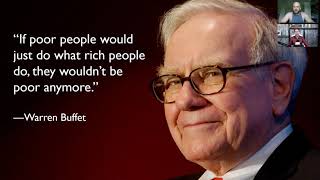
Chris Naugle explains infinite banking, a strategy using whole-life insurance policies as personal banks. A chiropractor borrowed repeatedly against cash value to pay off a $76,000 mortgage and free up $5,777 in annual cash flow. Policy loans are tax-free and earn 4% guaranteed, plus dividends that can reach 5.5-7%.
Chapters
All right everyone, welcome to a special edition of the Authors Unite podcast. We got video this time. My man Chris is here. He was just on the show. Uh, we did a 30-minute segment for some of you that have already listened to that, and at the end we were like, we can go a lot deeper. So that's what this is about to be. I'm going to hand it to Chris. I think most of me in this is just going to be reactions and like mind blown, whatever that looks like. Um, but I'm really excited to have you here, man.
I'm excited. I'm always so excited to talk about money and literally how this system changes people's lives, how it changed my life. And, uh, this is going to be literally a transformational episode for sure, because what you're about to see is something that I do from stages all across the country. I do webinars all over the place, and it literally just— it's so different than anything you've ever seen, so unique. And the funny thing you're going to be asking yourself is, how is it possible that what you're, what you're going to see here, how is it possible that this has been around for 200 years and I've never known about it? And that's kind of what we're going to do. We're going to literally map out this millionaire mystery. And that's exactly what it is, because it was created back 200 years ago, or more actually, by the Rockefellers, by the JPs, the Morgans. Uh, it's been used by the Rothschilds. It's been used by every wealthy American on the, in the face of the earth. And it's today used by major corporations. Pretty much every Fortune 100 and 500 company uses this exclusively. And all of you know that this is being used. You've heard of all the things this does. You've just never known what the machine was that was driving it. And not only that, this is used by wealthy people today in everyday life, because really all this is what you're going to see, the money multiplier method, this This is literally a banking concept, and that's all it is. And it is a banking concept that all it does is it involves you changing one thing in your life. And I know you're like, I can change one thing, right? Easy. It's not easy. It's not easy. And I'm gonna get into that. But, uh, so if it's okay with everybody, I'm just gonna dive right in. And the biggest thing, you know, in the last time we did this, I told my backstory, but I had one of the most pivotal moments in my life in 2014. And for those of you that don't remember the story, but in 2014, that was the second time that I had pretty much went from having lots of money and pretty much lost it all. And I, I had done this two times in my life up to this point. I kept riding the financial roller coaster, or, you know, I call it the financial hamster wheel. I, I was in financial slavery because I couldn't figure out why this kept happening. And it wasn't until I literally hit my low point and I, I went out and I started seeking knowledge instead of waiting for knowledge to come to me and waiting for people to tell me what to do. And, and just, you know, taking everything I was taught and just saying, okay, that it's okay. This is just the normal. This is just how life's supposed to be. Yeah. The economy went down. Oh yeah. I mean, money, money was the problem. Absolutely not. You see, the problem is not money. The problem is not the economy. The problem for all of us is the misinformation that we're given, because the valuable knowledge, the financial knowledge we need, that's what's missing. And that is what keeps us on the financial hamster wheel. And until you learn the secrets of the wealthy, until you seek that information out, because no one's going to teach it to you, until you seek that out, your life will not change. So many people are taught to work hard, put in the time, hustle. You know, you've heard all these things, but that is only going to get you so far because the one thing we're not taught, none of us— I don't care where you grew up, how you grew up, how educated you are— none of us are taught the truth about how money really works. You see, we're taught the same thing that everybody wants us to know, and that is what keeps us on that financial Hamster wheel. So today I'm going to talk to you about the millionaire mystery. I'm going to help you unravel and map out this mystery. I'm going to talk to you a little bit about money. Okay, I'm going to talk to you a lot about wealth, and I'm going to talk to you about how you can live like the wealthy using their, their same techniques, the exact techniques they use. And I'm also going to talk to you a lot about this thing called control. See, we all think we're in control, but we are not in control of our money. And how many of you would like to have control of your money? All of you are saying yes, absolutely. Well, I want control too. So I'm going to teach you how to keep control of your money. I'm going to teach you how to build wealth and keep your wealth in your family, just like the Rockefellers, just like the Rothschilds. You see, the problem in the thing that everybody, all of us know, we all know that the wealthy stay wealthy generation after generation, and they, they spend ungodly amounts of money, but they never seem to run out of money. And nobody ever questions as to why is that? Why is it that the wealthiest 1% of the world control 90, over 90% of all the money? Well, there's very easy reasons why. It's because they've learned how to keep their money in their family, and that's what I'm going to talk to you about. This webinar, this, this presentation I'm going to give you today is also going to show you how to pay off your debt. It's going to show you how to pay off your debt, your expenses, your overhead. But not just that, I'm going to show you how to recycle and recapture all the money you're giving to everybody else. I'm going to show you literally to focus your time and energy on what What you're spending, not what you're saving. See, everybody wants to talk to you about what you're saving. When I was an advisor for 16 years, it was always, how much are you saving? How much more can you save? How much more risk can you take? This is going to be different. We're going to talk about what you're spending, and we're going to talk about how you can get all that money back and how you can keep control of that money and never give it back to the system. That's what we're going to talk about. And this is the one thing I will tell you all, because you're going to see this. This is going to be some serious out-of-the-box thinking. You have to keep an open mind. And the other thing I'm going to tell you is this: I don't have anything to sell you. This is not a sales presentation. I don't sell anything. This is simply me teaching you about this system. So I like to get that right out of the way because a lot of times you're used to seeing things like this and you're like, oh, where's the pitch? Where, where's the stack? What am I going to be sold? There isn't nothing for you to be sold on. This is just a banking concept. This is literally just a banking system that you can create, that everybody can create if you know how. And the other thing is this. In your life, you've heard this a lot. You've heard, if it sounds too good to be true, it probably is. This is going to sound too good to be true, but I assure you that it is not too good to be true. This is not some thing out there that's a myth. It's been around forever, and you don't even need to take my advice for it. You don't need to listen to me about whether this is true, because if you look at the screen, see these 3 books up here, Robert Kiyosaki, Second Chance. Tony Robbins, Money Mastering the Game. Becoming Your Own Banker. There's another book called Pirates of Manhattan. And there are hundreds of books. The thing you don't know, even if you read these books, is these books, in every one of these, they're talking about this concept. They're talking about exactly what you're going to hear about. You just don't know that that's what they're talking about because they're talking about money. And money is something that we've been taught to just kind of not understand. Well, you're going to understand it tonight. You're going to understand it just like this guy understands it. If poor people would just do what rich people would, would, or what the rich people do, they wouldn't be poor anymore. Now you might think that sounds cliché, but you know how much truth that is? If every single person out there just mimicked what the wealthy people do with their money, they wouldn't be in trouble financially. They wouldn't be poor because they would know these secrets because they're so Freaking simple. I can't remember who it was, but there was somebody that asked Warren Buffett. Oh gosh, it was, uh, no, the founder of Amazon, Bezos, or Bezos, Bezos, uh, asked Warren Buffett. They said, you know, everything you do is so simple, literally a child could do what you do with stocks. Why is it that not everybody— why is it that everybody doesn't just follow what you do, Warren? And Warren, I'm not going to quote him exactly because I'm making, you know, remembering this, but Warren said, you know, The problem is nobody's willing to wait. That's crazy. Everybody so wants the quick, easy fix. They want the easy button. I wish I, I wish I had the easy button. I just have a little sound machine. But, you know, everybody just wants to hit a button and then all of a sudden it just happens. Well, that isn't the way the world works, and that is not how this system you're about to see works. This is not a sprint. Life is not a sprint. Life is a marathon, and this is a marathon. You're building a banking system. If you were going to build your own bank tomorrow, you'd have to buy the land, dig the hole, pour the foundation, put the walls up, put a roof on. Then you'd have to attract customers, get them to give you their money. Like, that would take time, right? Well, what we're going to show you today, although this will give you immediate results because everything you're going to see today is something you can apply not tomorrow, not the next day, you can apply it immediately. Everything you're going to see, you can apply immediately. But Most people won't because you're going to get so caught up in, well, that sounds too good to be true, it must be. Or you're going to go out there and you're going to start Googling all the negative stuff. Well, folks, if you Google the negative things about what you're about to see, you're not going to find a ton of bad stuff. I've done it so many times, and you're going to find a couple things, probably the same things I've read. You're going to see people calling it a scam. You know why they call it a scam? Because they don't understand it. And if you read their whole article, everything in the article is true. They just don't even know how to use it. They're so blind to the truth that they They literally call it a scam because they're too stupid to understand how it works. Sorry, I'm gonna get into a couple of those things. It's all good, man. I love the heat. Pisses me off that there's so many people out there saying that you shouldn't do this, you shouldn't do that, why would you do this, when they've never done it themselves, when they don't even understand it, but they think they know what they don't know. And, you know, Will Rogers says it best. Will Rogers says the problem in America isn't what people don't know, The problem is what people think they know that just ain't so, and that is the truth. So with that being said, let's go on to this. Now, I love this. What you're looking at here is a bicycle, and I'm going to take us all back to childhood. When you were a child, you learned how to ride a bicycle, and it all went the same way. Our parents got us a bike, they put training wheels on it. When we sat down, we pushed our pedals forward, bike went forward. You turn the handlebars to the bike, the To the right, the bike went to the right. Turn the handlebars to the left, the bike went to the left. Simple concept. Then all of a sudden the training wheels came off. They take the training wheels off the bike and we'd fall. We crashed. Some of us got some bumps, some bruises, shed some blood, shed some tears, but we were persistent. We got back on that bike and we learned how to ride it. Some of you went on to be riding wheelies, doing 360s, but the point of the matter is, is you learned how to ride that bicycle and no matter how many years it's been since you stepped on a bicycle, you could ride that bike. But what would happen if the bike didn't work the same way it used to? What would happen if that bicycle worked the way this one does? And you'll see the little wear a helmet, make sure you wear a helmet. So this bicycle works this way. When you turn the handlebars to the right, the bike goes to the left. When you turn the handlebars to the left, the bike goes to the right. My question is, could you ride the backward bicycle? The answer is no, you couldn't. You might think you can, okay? You might want to. You might say, I definitely can do that. The answer is you cannot ride this bicycle. Well, in life, we're trained and taught to do things a certain way. We develop habits and patterns. And the same exact thing is true for money. Our whole lives we have been taught that money works one specific way. You want to save money for retirement, you put it into your 401k or retirement plans, right? You want to, you want to get a car, you go take a car loan out or you lease a car. I could go on for days with this stuff, but you get it. You've been taught to think about money a certain way. Well, what if I told you that what you've been taught is wrong? I can tell you, you would have a difficult time coming to the realization and coming to the senses that what you've been taught is wrong. You would, you would fight that. You would resist that because you would say, no, it's always been this way. Why now you're telling me it's that way? You would have a hard time with that because it's a new way of thinking, but it would not be impossible for you to come to this new way of thinking, just like it wouldn't be impossible for you to ride this bicycle right here. And if you guys are just listening to this on an audio, you can't see the bike and all it is, it is a bicycle that, Again, when you turn the handlebar to the right, the bike goes to the left and you turn it to the left, it goes to the right. And there's a little sticker that says wear a helmet. Well, darn it, you better wear a helmet because you're going to crash. And if you practice long enough and hard enough, you would learn how to ride this bicycle. And the funny thing is, is there's a video on this and all of you should write this down. Google the YouTube video, it's called the backward bicycle. And in that video, it explains this entire thing and why you can't ride this bike and how easy it is for a child, a child to get on this bicycle and learn how to ride it. Because a child hasn't developed patterns and habits their whole lives. A child has a brain that can kind of absorb things and absorb things in a different way than we can because we're conditioned. We're conditioned to think that everything works the same way. And you're conditioned to think that money works a certain way. And today I'm going to teach you how to ride this darn backward bicycle. I'm going to teach you how money really works in one mystery, one secret of the wealthy. So let's, let's kind of go into it. So the first thing I always like to do is I like to talk a little bit about how money flows, because the first thing we need to understand is what is the definition of money? So if I were to ask all of you what the definition of money is, what would you tell me? Well, many of you would give me different things. You'd say different things. Well, the true definition of money is very simple. It is a means of exchange. Money for food, Food for money, money for car, car for money, money for house, house for money. We get that, right? It's just a means of exchange. Always has been, always will be. And if money is just a means of exchange, let me ask you, are your dollars worth more today or are they worth more in the future? The answer is they're worth more today. Your money is always going to be worth more today. And if you don't believe me that your money is worth more today, then try this. Go back 20 years ago, think back 20 years ago. How many candy bars could you have bought for a dollar? Well, the answer is a lot more than you could have bought today. And on that same topic, let me ask you this. Do taxes go up or do taxes go down? Taxes always go up, right? Well, even if they don't go up, they just tax us on more crap. But you'd rather pay taxes on the seed, not the harvest. And you've heard that before, right? Would you rather pay tax on the seed or the harvest? Well, every one of you would probably say, well, duh, I want to pay taxes on the seat. But yet the funny thing is this, you see, I guess if I could ask you guys all a question and you could answer me, this would make it easier. But how many of you have a qualified employer-sponsored retirement plan? One of those 401(k)s, a 403(b), an IRA? A lot of you are saying, yeah, I got one of those, you know, because we've been taught at a young age, our parents, our grandparents have always taught us, well, sonny, you got to put money away for retirement someday. You don't want to, you don't want to be working in Walmart because that's a, that's a real problem in America. And what you don't know is Social Security says that out of 100 100 people, only 5 of those 100 people are going to be financially secure at retirement. I normally go over that, but only 5% of the population is going to be financially secure at retirement. So, therefore, because of that, 95% of the people are not going to be ready for retirement. And that means that 95% of the population or any room I ever speak to, 95% of them are not going to be ready for retirement. And what that means is a problem. That means a problem like this. When you walk outside and you walk into Walmart or any department store, how many 65, 75, and 85-year-olds do you see there working? Point made. They're not there because they want to work at Walmart. They're there because they have to. And the problem with that is we've been taught the wrong way. So we've been taught to put our money into these employer-sponsored plans. And really, what are we doing? We're giving up our good dollars today to be paid back with weaker dollars later. Let me explain that. You're giving up your dollars today, which you just agreed with me are worth more today, which they are. Your opportunity is worth the most today and your dollar is worth the most today. But yet we give up control of that money and we give up our good dollars today to put them away till this age, which is 59 and a half. For those of you who don't know when you can access your retirement plans, 59 and a half. And at 59 and a half, they allow us to take that money back. Now over that period of time, that money's probably grown. At least you hope it's grown, and over that point in time, you now have a bigger sum of money. You're probably making more money as well. So therefore, now all we really did is we compounded the taxes. We're just gonna take our money back at a higher tax rate. How and where does that make any fricking sense at all? Ah, I know. Many of you would say, well, it makes sense, Chris, because I get a match. My employer gives me a match. Right, they do. But how does that make any sense? Really what we got to start looking at is, is the one thing we do with money. You see, we do things with money that we would never ever do with things that money buys. And let me give you an example. You would never go out and buy a loaf of bread, come home, put that loaf of bread in your freezer, close the door, come back 5, 10, or 15 years later, open that freezer, and take out that freezer-burned piece of bread and just be like, yum. Would you do that? Absolutely not. Would you ever go out and buy a car and wait 5, 10, or 15 years to drive that car? Would you buy a house and wait 5, 10, or 15 years to move into your house? Duh, no, you wouldn't do that. But we do things with money that we would never do with things that money buys. I just made that point. So why do we give up our good dollars now to let somebody else control them so we can take them back and pay more taxes on them? Why do we do that? Because that's what we've been taught. We've been taught to give up our good dollars today and be paid back with weaker dollars later because we've been taught that this thing called compound interest is the way to invest money. That's exactly what we've been taught. We've been taught that compound interest is a good thing. And let me ask you this, compound interest isn't a bad thing, but how many businesses in the world, or what businesses in the world, use compound interest? Think about that. What business in the world uses compound interest? Many of you might be thinking, well, banks. Uh, let's see, what other— yeah, banks use compound interest, right? No, banks don't use compound interest. Banks pay compound interest to you. Banks charge you compound interest. Banks do not use compound interest. And if you want to test that, here's the way you do it. I wish I had a $20 bill. Pull out a $20 bill. I do have one, actually. Actually, pull out a $20 bill and write your name really big on the bottom of that $20 bill. Take it into your bank and say, here you go, Mrs. Teller or Mr. Teller, can you put this in the box that I have in the back with my name on it? And next week or the week after, I'm going to come back and I, I want to get this dollar, this $20 bill back. Is that how— is that how banks work? Absolutely not. When you give your $20 bill to the teller, what is happening? That money is gone. That money is being put in motion. The people right behind you in those shiny glass offices, or maybe cubicles where you live, those cubicles, they're lending your money out. They're putting your money in motion. You see, banks don't use compound interest. They understand that to make money work, it has to be in motion. And money in motion is the most powerful money out there because that is how money operates. Everything in the universe is in motion, right? My lips are flapping right now. Cars are driving by. The wind's blowing. Rain is falling. Everything in the universe is in motion. But our money is not. Businesses understand that. There isn't a business in the world that uses compound interest. Car dealerships don't use compound interest. They move cars. Grocery stores, they don't use compound interest. Otherwise, those groceries would be really stale. They move inventory. No one uses compound interest except for us because that's what we've been taught and trained to do with our money. So you would never wait to eat the bread or drink the milk, right? You wouldn't. We already talked about that. Then let's go back to that beautiful thing called a match, because that's why some of us put money in our 401(k), because we get free money. And it is free money. I'm not discounting that. I'm not saying it's not free money, but here's the same concept. So you go and you buy a loaf of bread, you come home, you put it in your freezer, you close the door. 5, 10, 15 years later, you come back, you open that freezer door, and boom, 2 loaves of bread. Same thing, guys. A match is just that second loaf of bread. It's going to be freezer burned. It's going to be taxed at a higher rate. You— I'm just trying to get you to start thinking about what's really going on with your money, and that's all this is to do. So I just threw a lot at you. That's all I'm trying to do. I want you to start thinking differently because what you've been taught about how money works is the big lie. And I know this because I was on— I was in Wall Street. I was an advisor for almost 17 years. I was that big lie. I was telling people what to do with their money. I was teaching them what I was taught, right? Because that's all it is. We all follow what we're told to do. We're trained that way at a young age. Well, that's what we're going to debunk right now. So let's get into this. So first and foremost, let's do something really fun. How many of you are— how many of you do you think in the last year have bought a car or are going to buy a car in the next year? So many of you, if I could see you, you'd be raising your hand. Yeah, I'm going to buy a car. Great. Great, well, let's buy a car, okay? Let me show you how we would buy a car. So we're gonna buy a $25,000 car. Look, I don't want you to get hung up on the price of the car because this system, this concept I'm gonna show you, works whether it's a Ford Focus or a Ferrari. We just add a couple zeros. But we're gonna buy a $25,000 car. And I'm also gonna make an assumption that you have some money at your local conventional bank. And that money that you have at your local conventional bank, today and only today, I'm gonna play your local banker. Banker Chris. Got a cool ring to it. Banker Chris. And I'm gonna assume that you have $25,000 at this local bank, and your $25,000 at this bank is earning you 4% interest. Now, I know you're probably not earning 4% because I don't know a single bank out there that pays 4%, but let's just for today pretend that we found a really, really, really good bank. All right. So now what you do is you come into the bank and you say, banker Chris, I need to take out that $25,000 that's earning 4%. I got to take that out of the bank because I'm going to buy a car and I want to pay cash for it. And me being your banker, I say, no, no, no, hold on a second. How about this? How about I make you a loan for $25,000 to buy that car? And instead of taking that $25,000 out of the bank that's earning 4%, how about we just use that $25,000 as collateral for your car loan. And on that car loan, our bank will charge you 6% over 60 months. And again, don't get hung up on the term. This works for 3, 5, 6 years. I'm just using a 5-year loan. Our bank will make you a loan for $25,000 at 6%, and we're just going to use your $25,000 in the bank that's earning 4% as collateral. Fair enough? But our bank will pay you more money on your $25,000 earning 4% than you will pay us on that 6% car loan. Is it possible? Is it possible for you to make more earning 4% when you're paying 6% over the exact same time frame? Well, many of you are thinking, no, duh, man, come on, man, I thought you were smart with money. I thought we were going to learn how money works. I didn't think we were going to be like learning how money doesn't work because 6 minus 4 is what, minus 2? You're losing 2%, you dumb idiot, Chris. You're not even a good banker. Well, I am here to tell you that I am telling you the truth. I am here to tell you that the banker, Banker Chris, is telling you the truth. You can earn more earning 4% when you're paying 6, and it doesn't matter the term of time, 3, 5, 6 years, doesn't matter. I'm just using 5 years. It is true and it is possible to pay 6 and earn more making 4. How, how is that possible? Well, let's just do this. Let's just run the numbers. So I'm going to walk through this, and this is— I normally I just do this visually, but I know some of you are just going to be listening, so I'm going to talk this through. Now for those of you just listening, you have a $25,000 loan that we just made you, and that loan is costing you 6% over 60 months. Now the payment on that loan is going to be $483.32. That's just what it would work out to be. And remember, you got the $25,000 still sitting in the bank, still earning 4% over that exact same time frame, 60 months and 60 months. We got a 5-year loan, we got 5 years to grow that money at 4%. At $483.32, your loan— you will have paid for that $25,000 car, you will have paid the bank $28,999. Fair enough, right? $25,000 for the car and You know, whatever, let's just call it, uh, $4,000 in interest. That's what you will have paid for that car. Now let's go over to the bank, that really, really good bank that you found where your money is earning 4%. How much would that have grown to over 60 months? $30,525. So unless we do different— or math different here in Buffalo than you do wherever you're at— $30,525 is more than $28,999, right? Yeah, it's exactly $1,526 more. So how is that even possible? Because the second— okay, you just told me that's not possible because 6 minus 4 is negative 2. You would have been losing 2%, but I just showed you that you just made more money earning 4% when you're paying 6%. All this exercise does is proves to you that it is possible all day long to earn more earning 4% when you're paying 6%. You just don't know how money really works. You see, this is what the banks know. This is what the wealthy know that we don't know. Because we've never been taught to think this way. It's not even that this is complicated. Do you want to know how this works? Some of you are already figuring it out. The car loan was being paid down, the money balance was going up. You're increasing one, you're decreasing the other, therefore it doesn't matter that one is less and the other is more. And I'm going to come back to this in a bit and show you why I went over this exercise. But first, I want to kind of go to the next slide here, and I want to talk to you about what we're going to talk about today. You see, today we're going to talk about the money multiple Method. And the Money Multiplier Method really consists of 3 different things. First and foremost, there's a machine, okay? There's a machine that you have to learn about, and that machine is what's gonna keep your money flowing, okay? It's like a machine, it just keeps that money in motion. That's all we're gonna talk about is that machine, what that is, and it's gonna blow your mind when I tell you what it is. Secondly, we're gonna talk about the marathon, and we already talked about this, but I got to hit it home again. We're gonna talk talk about the marathon here and the method. This is not a sprint. This is not a quick fix. There is no easy button, that Staples easy button. There isn't one. This is a marathon. It's going to take time for you to capitalize your banking system. How much time? That completely depends on you, how fast you want to push that accelerator down on this machine. And the last thing we're going to talk about is we're going to talk about the millionaire. But why just talk about a millionaire? Because really We all can be multi-millionaires. We don't just have to think about the millionaire because the millionaire, that was 20 years ago. It was big to be a millionaire 20 years ago. Today, being a millionaire, you're just normal. So we're going to talk about being a multi-millionaire, but that's what we're going to talk about. Everybody loves talking about being a millionaire, but nobody wants to talk about the steps and what it takes to get there. So let's go into first explaining the machine. So the first thing I got to do to you is I got to talk to you about the machine that you're going to use to build the wealth, to keep that money in your family, because most machines are not really designed to keep wealth in your family. They might be designed to make you money, but making money is actually pretty easy. All of you know how to make money, or you can learn very quickly. You just go online and you just type fastest way to make money, and there'll be a million people selling you a million different programs on how to become rich. But why is it that even when people that make tens of millions of dollars— professional athletes, football players, basketball players, people win the lottery— but then in a couple years later They're broke again. They have money and then it's all gone, and then they get it back and it's all gone again. Why is that? Well, it's because they don't understand how to keep wealth in their family. They made it, but to make it is one thing, to keep it is a whole nother thing. That's what the millionaire knows. That's what the rich people know, and that's what they've known for generations after generations. And the machine we're going to talk about today, and this is going to be crazy, but the machine is It's so simple. It's been around for hundreds of years. It is simply a dividend-paying whole life insurance policy from a mutually owned company. Now, if I could just look at all your faces, and I wish I could, because in a stand, in a crowd, when I'm speaking, I look at everybody and their eyes roll back in their head and they're thinking, dude, come on, really? What does a life insurance policy have to do with me building wealth? You had me going and that, dude, you just lost me. Well, let me tell you what it has to do. It has everything to do with you building wealth, and here's why. Because it's what the rich do. It's what the wealthy do. It's what the elite do. But you're so trained in your mind to think about whole life insurance as a life insurance policy. The money when you die, like you're buying a whole life policy so someday when you die someone gets paid. Folks, I have never ever met anyone who cared more about the day they die than they do about the money they have when they're living. So why would the wealthy use a whole life policy to basically control the money while they're living? And it's, it's simply because they know something you don't know. That's all it is. And you know who the number one purchaser of whole life insurance is in the world? You don't even need to believe me in this. You can just look it up. It is banks. Banks are the number one purchasers of whole life insurance in the world. They own more whole life insurance than they own land and buildings combined. Don't believe me? Look it up. Google BOLI. B-O-L-I. Google that. It's called— it stands for bank-owned life insurance. Look at how much money Bank of America has. Look at how much money KeyBank has. Citi. Wells Fargo. How much whole life do they own? And it'd blow your mind. It's hundreds of billions of dollars. But why? Why would they do that? Why would they use this vehicle? I'll tell you why. It's guaranteed. I already showed you it is guaranteed. Remember that example that I gave you just a moment ago that showed you the, the bank and the car? You remember how the bank— you found a really good bank paying you 4% and that car loan was 6%? Well, really, that example that I showed you— actually, I can— I'll take you back to it just so we're looking at it. For those of you that are actually staring at this, I can kind of take you back in time and just— there you go, this, this model. You see the 4% here in that really, really good bank, that is the whole life policy. Because all whole life policies— and we don't just use regular whole life policies, what we're going to talk about is a very, very different whole life policy. But it is a whole life policy because it looks like a duck, it quacks like a duck, it must be a duck. It is, it's a whole life policy. It's just not built for a death benefit. You're going to have a death benefit, okay? But we're not even going to talk about it. We're not even going to focus on it. It's built to be a machine. Machine for building wealth and making money. And this is how it works. It pays you 4% guaranteed plus a dividend. So we don't even talk about the dividend because it's not guaranteed. The 4% is. And the 6% loan over here that we're talking about, that is the max that an insurance company will charge you for making loans. And they'll just use your money as collateral. We're going to talk more about that, but I just wanted to show you why I did that example with buying a car. And you guys like that because it taught you something you didn't know. Well, You also didn't know that whole life insurance is what the wealthy are using to stash money away. And, and you can— I don't need to tell you who does this, but you could just Google it. But let me just give you a few. How about Walt Disney World? Yep, started with a whole life policy, a loan from a whole life policy. How about Ray Kroc, McDonald's? Okay, there was 3 people in McDonald's. How did he do that? How did he create the real estate company? And how did he do that? Whole life insurance. That's how. Stanford University, look at them. Look at what they do with it. It funds their number 1 paid coach for their football team. It funded their entire salary using whole life deferred compensation. How many times have you walked into a bank and seen vice presidents? Probably lots of times, because banks have way too many vice presidents. But you never seem to wonder why. Why is it that everybody has that little badge that says vice president of operations, vice president of toilet cleaning, vice president of this? Do you don't think there's a reason for that? It's because the bank needs to buy more whole life, so they have to have employees that they have an insurable interest in. When they make them a vice president, they have an insurable interest. And all the bank does is they buy a big old whole life policy, again designed very different than how you think whole life is designed. They buy a whole life on that vice president, and they say to the vice president, hey, look, for you getting this promotion to being a vice president, we're going to give you a thing called deferred compensation. But you've never really looked at what funds the deferred compensation, because why would you care? All you care about— what, you know, what's in it for me? How much am I making? Well, you get a paycheck for the rest of your life if you spend 20 or 30 years at the bank. That is funded with whole life insurance. You've just never been trained to think this way, and it's never been called whole life. I'm just revealing the secret. It's called BOLI, or if it's a company, it's called COLI, company-owned life insurance. It's called privatized banking. It's called deferred compensation. It's called lots of different things. So folks, what does whole life insurance from a mutually owned company that pays a dividend have to do with your wealth? Everything. You just don't know how it works. So let's talk about how banks work, because really, what am I teaching how to do? I'm teaching how to mimic what banks have done for hundreds of years. That's all I'm going to do today is I'm going to teach you to mimic what the wealthy and the banks do. So let's look at what banks do. So on the screen, if you can't see this, what we're looking at is in the middle, we're looking at a bank. And then I'm going to assume that you're going to make a deposit into that bank. Remember, we talked about the 4% interest, so that bank is gonna pay you 4% interest for your deposit. So you deposit money into that bank. Now what you probably don't know is when you make a deposit into the bank, first off, you know that that deposit, that's an asset to you. Your checking balance or your savings balance, that's your asset. But to a bank, that is a liability. They owe that money back. So the bank's job is to as quickly as possible get that money in motion, lend that money out, because that's what banks do, right? They just put money in motion, they lend it out. So the very first thing the bank's gonna do is they're going to find somebody that wants to buy a big old house. So the next little circle we're looking at around this little bank in the middle is a house. You or your neighbor or somebody else buys a new house and they need a mortgage. So the bank makes them a loan for their mortgage. And they take the house as collateral because they're protecting themselves. And they're going to charge, let's just say, 7%. Again, don't get caught up in the numbers. It doesn't matter. There's no bank paying you 4%. So there's probably no banks right now charging you 7%. We're just, just showing the example. So they're going to charge 7%. So the bank gives you— actually, they don't give you the money. Who do they give it to? Well, they give it to the seller of the house. The seller gets a check for selling you that house. You get the house, they get the check, and then the seller deposits that money back into the bank. Now the bank's got another problem. Now they got a new liability on their hand because that person just made a deposit. That $20,000 to that $200,000 that that seller just deposited, that bank needs to get that money in motion. So what are they going to do? They're going to lend it out. And what you're looking at now is a beautiful M2 BMW. It's nice and blue, black rims. If you can't see it, it's a sweet-ass car. Okay, so the bank's gonna lend you money to go out and buy your dream BMW M2. Could be an M5, could be an M3, I don't care, whatever car. And they're gonna charge you an interest rate of 8%. So that bank gives you the money for the car. Actually, they don't give you the money. I'm right. They give you— they give the dealership the money. The dealership then deposits that money back in the bank. You see what's happening? We're just keep repeating it. Bank has to get rid of that money. You decide, or more specifically, probably your spouse decides that they want to remodel the kitchen and bath. So you go to the bank, you take out a home equity line of credit or a home remodel loan, and they give that to you, and that's going to cost you 9%. You do your beautiful kitchen. So you just put a bunch of money into that thing called a house, which is a liability, and then you pay the contractor. Contractor deposits the money back in the bank. So all I'm doing is I'm showing you visuals of what's happening with the bank. And this is my favorite one. You decide to take a trip to Las Vegas and you get a little crazy. Some things happen, but it's okay because what happens in Vegas stays in Vegas. But you rack up a little bit too much credit card debt and you're like, oh crap, I gotta pay this off. So you go to the bank and they give you a debt consolidation loan, and that debt consolidation loan pays off those credit cards. Those credit card companies deposit the money back into the bank. All of you can see what just happened here, right? Money in, money out, money in, money out. It's just money being moved. But who's in control of every single one of these transactions? The bank is in control. The bank is always in control because that's how they've designed it. They are in control of each one of these. And the second thing is, what kind of risk is the bank taking here in all these? The bank's taking some risk, but it's controlled risk, right? They've underwritten each one of these loans. Not only underwritten, they've also taken collateral on each one of these things. So the house is the collateral for the bank. If you don't pay, they take your house. The BMW M2, that's the collateral. If you don't pay the car, they just take— they— or if you don't pay the loan, they just take your car back. House remodel, if you don't pay the house remodel, what do they do? They come in, they try to take your darn house. The contra— or the debt consolidation, that's the only one that's unsecured. But the debt consolidation loan was 12%. So now let's really look at what's going on here from a numbers standpoint. Well, you deposited your money and you're making 4%, and they lent it out at 7. So 4 minus 7 is 3%. So the bank made 3% right there. Then they— you basically took your deposit, you're making 4, they lend it out on a car loan, that BMW M2, at 8%. So what's the bank making? 4% on your money. Home remodel loan, 9 minus 4 is 5% they're making on that. The debt consolidation loan, 12 minus 4, the bank's making 8. So how much money did the bank make for using someone else's money, for using your money and my money? How much did the bank make? They made 20%, right? They paid you 4 and they made 20 because we already netted out the 4%. So the bank made 20%. That's not a bad day in the office. How many of you would like to make 20% if it's not your money? Every one of your hands should go up. We all want to make 20%. But folks, the bank didn't make 20%. Oh no, you see, the bank made 500%. You're just not doing the math right. We just did the math, Chris. You just demonstrated the math. You just did math and it was 20%. Yeah, you missed the step. 4 divided into 20 is what? 500. It's a 500% return, not a 20% return. 20 is just the difference. They made 500% on your money. But the funny thing is this. I'm going to go to the next slide. Banks make between 400% and 1,300% on the money we leave there. That's what they make, 400% to 1,300%. How many times have you ever made 400 to 1300% in Wall Street? Zero. And if you did, boy, you got really lucky, or you knew something that we don't know, and maybe we should have a discussion. Believe me about this, 400 and 1300. Just Google Bauer Financial, bauerfinancial.com. Just go to that website. You can punch in any bank, okay? The bank of whatever town you're in, punch that in. You can look at any time frame. I don't care if it's 10 years ago, 20 years ago, yesterday, and it will show you how much money the banks make on our deposits. And it is between 400% and 1,300% every single day. And if you go to a bank, the other funny thing is when you go to the bank and you do all those things that we just looked at, every single time they check your credit, don't they? And when they check your credit, it hurts your credit score. And when you take a loan out, it increases your debt-to-income ratio, meaning that every single time you do what they want us to do, that they entice us to do sell on car loans, sell on house loans. Mortgage rates just came down. Mortgage rates are only 4% now. So let's go buy a house. So they advertise this because they know it doesn't matter. The more loans you take, the more it affects your credit, your credit score, the more they charge you in interest. Boy, are they freaking smarter, what I mean, seriously, we are suckers. And the funny thing is, I love banks. Because, you know, banks are always giving stuff away for free. They always are. You know, they're making 400% to 1,300%. They got to give back a little. So every day I walk into the bank and I call the bank my country club because I go there so much and I make my deposits. And right up next to the teller line, there's a little cup and in that cup are suckers. And I got a sweet tooth. So I grab a sucker, any flavor I want, grape, cherry, watermelon, and I grab that sucker and wrap it and I enjoy it. And I look at the wrapper. Any of you ever done this? You ever look at what the wrapper says? Dumb Dumbs. D-U-M-D-U-M-S. Dumb Dumbs. What are they trying to say? Well, they're just giving these things away for free to us dummies. That's what I take it as. But hey, I'm gonna take the sucker because hey, it's free. And they give away wine some days. My wife knows every day the bank is doing free wine sampling, and she lines up there on those days to go there and make her deposit so she gets the free wine. Some days they give away free umbrellas. They're giving stuff away. But why is it that there's a new bank being built on every single corner and it's always the nicest part of town? Well, why wouldn't they? Why wouldn't they open branch offices? Because the more offices they have is the more places for you to go in there and, and make your deposits so that they can make 400 to 1,300%. Folks, I'm just trying to get you to think about what's really going on here. You're focused on the free dumb dumb sucker. They're focused on 400 to 1,300% because they know something we don't know. So let's go on to this. This is super fun. I love this next section. It's gonna be hard for me to explain it if you're just listening, but just try to follow along. So we're going to talk about how money is really spent, what we actually do with money, and the patterns of what we do with our spending. And here's how it works. You see, our automobiles take up roughly 20 cents of every dollar that we have. So we literally spend 20 cents of every dollar on our automobiles. Now that could be for buying the car, for the gas, the insurance, but 20 cents of every dollar goes to automobiles. Then our housing. 30 cents of every dollar goes to housing. Now these are averages, folks. These are the national, national averages. Yours might be a little different, but probably not. 30 cents of every dollar is going to pay for your housing, and that's everything involved in your house. Then 40 cents of every dollar goes to everything else— groceries, going out, enjoying yourself, those trips to to Las Vegas, where, you know, what happens in Vegas stays in Vegas, all that stuff, that's the 40 cents. So what's left? Because you, well, if you did the math, you just spent 90 cents of every dollar. So we got 10% or 10 cents of every dollar left for savings. But what was the actual savings rate? You see, we just did this and I just changed these slides. The savings rate over the last 18 months is roughly 5 to 6%, not 10. So we're saving 5 to 6% of every dollar. But before the Great Recession, before the recession, it was a negative number. Most financial advisors want to talk to you, even— and when I was one, I did this— they want to talk to you about how much you're saving. But rather, they need to be talking to you about what you're spending. That's what matters. And that's what I want to take you through. I want to take you through the process and the cash flow and the losing control of your money, because that's what you're doing. You're essentially losing control of your money here. But you're also taking on more risk. So let's, let's really talk about what you should be doing. So let's reverse the order here. So now let's look at what happened if all we did is we took that savings. So on the screen, you've got the savings up there. That's that 10 cents, because I'm giving you the benefit of the doubt that you're above average. And I think all you guys on this show are above average. So you're saving 10%. So we're gonna go and we're gonna look at the car. Well, what if with the car, all we did is we took back just the interest portion, right? Just 5 cents, which is equivalent to about what you'd pay in interest on those car loans. And if you don't have a car loan, you're like, well, Chris, I'm smarter, I got a lease. Yeah, well, that's even more than 5% because you're just giving your money up and you don't even get to keep the car. So you got 5 cents in there of every 20 cents that you're spending on cars. And all we're going to do is we're going to move that 5 cents over to your savings, because all we're doing is we're focusing on what you're spending, not what you're saving. We move 5 cents, and what you don't realize is It just seems like a small amount of money, right? 5 cents. But that was— you just increased your savings rate by 50%. Just do the math. Remember, we just did the math with the bank, right? You thought it was 20, but it was 500. Well, same thing here. 5 cents is 50%. You just increased it 50%. So that's fine. That's cars. But now let's talk about some real fun stuff. Let's talk about your housing. You see, your housing is 30 cents, but most people don't really understand what they're spending on their mortgage. So I'm assuming that you or somebody you know has a mortgage. Let's talk about that. You see, out of the 30 cents you're spending, how much of that are you actually spending on interest? Well, I'll cheat and I'll give it to you. So on the screen, 25 cents of the 30 cents is being spent on interest. But you're like, that can't be, my interest rate's only 4%, or my— I got one of those great mortgage specials that was 2.75%. Folks, they got us all tripped. So let's talk about that mortgage payment. You see, if you own a house, you are literally spending 80+ percent of every payment in the first 7 years of your mortgage. You're spending 80+ percent on interest. Don't believe me? Look at your interest statement. Pull out your mortgage interest statement and look at the interest line versus the principal, and then do some simple math. How much is that? It is over 80%. You see, but you're It's not 2.75% like they told you your mortgage rate was. It's not the 4% that your mortgage is, you know, stated 4% mortgage rate. How much are you paying on your mortgage? Like, what's your interest rate? Oh, it's 4%. Oh, that's a good rate. It does— see, the banks don't care about the rate. The rate does nothing but control just a little bit of that monthly payment. See, what the banks know that you don't is the banks know the volume of interest. And also what the banks know is they've done their homework because they're way smarter than we are. That's why we mimic them. The banks know that we move every 5 to 7 years. From stage, I do this really neat thing. I just pick random people out of the crowd and say, when's the last time you bought, you know, you moved into a new house? Uh, it's been 7 years. It's been 4 years. And then, then on it, I love getting that one person, I've been in my house 20 years, beat their chest, you know, I've been in my house 20 years. Okay, next question is, is, well, how many times have you refinanced your house? Oh honey, how many times have we refinanced that house? Right, and when you average it out, it's 5 years, 5 to 7 years. Every 5 to 7 years we either refinance or we move. It's this, it's just the norm. So the bank said, okay, well, if they're going to move every 5 years or refinance every 5 to 7 years, well, let's just ding them on the volume of interest in the first 5 to 7 years. Freaking genius, genius. Dude, like, how smart is that? Let's get paid all of our money up front. And then if you're in real estate, you know what assignments are. Why do you think big banks assign the rights of mortgages? So you get a mortgage from Bank of America, and then a month later you get a letter in the mail saying, oh, uh, Equistar is now servicing your mortgage. What did they do? They just assigned the rights of that mortgage. Why? Equistar knows that they're going to make all the money in the first 7 years in that mortgage. But we are not taught to think that way. We're taught to think, oh, I got a great rate on my mortgage. It's 2.75. I'm never going to be able to beat that. They— people line up outside of banks when there's a mortgage special. They don't even know the truth about what's really happening. It's literally like if I told you, go, go walk off that cliff, and you were just like, oh yeah, everybody else is doing it. That sounds pretty good. There must be something soft in the end. It's just jagged rocks. But we do it anyway because that's just It's just what they— we've been taught to do. It's not about your interest rate. It's about the volume of interest. I beat that one to death because it's so important for you to understand that. And then let's talk about the next one. We're going to talk about everything else. So everything else you spend, well, you're probably using credit cards. So let's just assume that only 5% of that can be moved over to your savings. Well, if you were looking at this screen right now, unlike the last screen where the savings was 10% and you were spending 90 cents of every dollar, so that you're looking at a dollar bill And on this screen now, your savings is a much larger portion of the dollar bill, and then everything else, and then your housing, and then your automobiles. That looks a lot better. So you just got to understand that all we did here is we just reallocated the money that you're paying to everybody else. And you see, that's what the secret is. If I can show you how to get back all the money that you're spending on everything else, wouldn't that be a good day? But how about we just make that even simpler? Because that just seems way way too broad. It's just, that's just too big for me to even comprehend. So let's just talk about cars. How many of you guys like cars? You guys like buying cars? Well, what if I could show you how to get all the money back for every car you will ever buy, drive, and own? Would that be worth your time listening to this if I could just show you that one thing, how to get all the money back for all the cars you will buy, drive, and own? Cool enough? All right, let's do it. So let's buy some cars. Now, this is my dream car. That's why it's on there. It's Eleanor. I don't know if you've ever seen the movie. That's Eleanor. Yep, Gone in 60 Seconds. She's my baby. She's not in my driveway yet. She will be. So I'm going to show you how to get all the money back for any car and every car you're ever going to buy, drive, and own. And what we got to do is we got to first— because remember, the machine is that good old-fashioned whole life built completely different, okay? It doesn't even really— once we build it the way we do, it shouldn't even be called whole life because it's like a duck with the bill on backwards. And yeah, we put the feet on the head, but you know, it's the same darn thing because it quacks still. So we got to look at the machine and let's look at what's under the hood. You see, everybody thinks about a life insurance policy and the premiums, they think about them as a payment, but you can't think about it that way here. We have to change our way of thinking. Like I told you earlier, it's out-of-box thinking. Your premiums are now deposits. They're deposits into your banking system. So when we talk about deposits, okay, or premiums, we're going to call them premium deposits because you're putting money in your banking system. Next, the big thing that I get this all the time, people are like, oh Chris, this sounds great, but that life insurance stuff, I'm just too old. You are too old to buy life insurance, which is why we're not going to focus on the death benefit. We're not going to focus at all on the death benefit. So your age doesn't matter. I don't care if you're 30 or 65, the cash that you're going to have in this system after we're done building it is going to be the same. But the difference is going to be the death benefit. You see, the death benefit is the thing that we're not even going to talk about That's going to be much lower if you're older and much higher if you're younger. For all you young bucks and, and gals watching this, this right now, if you're young, you're just going to have more death benefit and the same amount of cash. If you're old, kind of like me, I'm 42, or you're older than me, you're just going to have less death benefit. No big deal. We're doing this to buy freaking cars. So let's buy a car. First thing, what we're going to do is the years aren't going to matter, okay? We're going to just assume that we're going to do 7 years. And in the beginning, I told you earlier that this is a marathon, not a sprint. So first thing we have to do is we have to capitalize the bank, and we're going to buy a car. So we have to first put money into our bank, and you're already saving money. You're saving money in a 401k, you're saving money, and you're saving your checking account. You're doing something. Your extra money is going somewhere, and all we need to do is for the first couple years, we need to capitalize the system. So that's what we're going to do. So this description, this Graph that I'm showing you here on the screen shows $10,000 deposits, okay, which is $833 a month going into this. Now, don't worry about the dollars, okay? It doesn't matter what the dollars are. If you can't do $10,000, doesn't matter. It's your bank. Just put whatever the heck you can, and it just might take you longer than what you're going to see to buy your first car. So this example, what we're going to do is we're going to buy our first $25,000 car in year 3. So we put $30,000 in the first 3 years. That was our capital injection, and we bought a car in year 3 for $25,000. So, and over on the right-hand side, you can see the cash value in the account, which is the money multiplier account. So you got $5,873 year 1, $12,000, then we took $25,000 out, we still have $42,000. But we're not going to get too wrapped up in the numbers. Let's just buy the car. And then here's where the big change comes, and this is what's going to kind of throw you off. To make this successful, you have to be an honest banker. So if you owned a bank and you made a loan to yourself from your bank, you would pay your bank back, would you not? Because right now, if you take a loan from your local conventional bank, you're going to pay them back. And if you don't, there's consequences. Well, when you own the bank, the consequences aren't there. But shouldn't you just be an honest banker? You should, because you want your bank to not go out of business. So you have to play an honest banker. So the next thing we're going to do is instead of paying another bank, or instead of paying for a lease, what we're going to do is we're just going to pay our bank because it's more fun when you pay yourself back with interest. So we're going to assume a $6,000 annual car payment, which is about what it would be to repay this car because I already ran the numbers for you. Remember, it was $483. I just rounded up a little bit, so it's $500— $483 a month, but we're rounding up to $500. So you're paying yourself back with interest, and where does that money go? Goes right back into your banking policy. So let's just do the math real quick. So remember, for 7 years we put in $70,000— $10,000 a year for 7 years. We put $70,000 into the banking system. Then we recap— or we recaptured the money we would have given away anyway. So we paid ourselves back for the car payment, $6,000 a year. So we paid ourselves back $30,000. So what is our net injection into this banking system so far? It's $100,000, right? Yes, you put $100,000 in. But then you bought a car, so $100,000 minus $25,000 is $75,000. Your true net injection into your banking system in 7 years is $75,000. Now I want you to— you, if you can't see this, you can't, so I'm just going to tell you. But in year 7, I want you to scroll over to the right column and I want you to tell me how much cash value do you have in your bank right now? You have $67,881. So if you just did the math on $75,000 which you put in and $67,000 which you still have in there, plus plus the car in the driveway, you have literally gotten in 7 years, you've gotten 91 cents of every dollar or over 90% of every dollar back for that first car you bought in year 3. Okay, so have you ever bought a car and gotten over 90% back after 7 or realistically after 5 years? Have you ever been able to sell that car or do something with that car and get 91 cents of every dollar for that car? Back? Chances are no. Cars depreciate way faster than that. But right now in year 7, you got 91% back. Not bad. But didn't I tell you I was going to show you how to get all the money back, not just 91 cents? So let's go on. So, all right, so now we're going to continue on because cars get old, right? They get beat up, they get worn out. And after 5 years, who wants to drive a 5-year-old car, right? Leases are 3 years and we get a new car, and then we take a loan out and it's 5 years, then we just go buy a new car. So let's buy a new car. But see here, in year 8, we're not going to put any more money into our system. We're not going to make any more premium deposits. So the big red X from years 8 to 12, we're not putting any more money in. We already put $75,000 into the system. We're not going to put any more in. Now let me be perfectly clear. When you see how this works, when I'm done with today, there would never be a time where you wouldn't want to make deposits into your banking system, because at about this year, year 8, your system gets extremely, extremely efficient. Meaning if you deposited $10 grand, you'd probably get $13 grand back the very next year. But we're not going to for this example. All we're going to do is we're just going to buy another stupid car. So we buy that car in year 8. We just buy another $25,000 car. Remember, the first car is still sitting in the driveway. You can drive that car, you can give it to your kid, you can auction it off, sell it. I don't care. It's just that car's already bought and paid for, so it's there. So we buy a new car and now we got to repay ourselves because we're an honest banker. So we just do the same thing, $500 a month for the next 5 years. We repay that car. So we didn't put any more money into the banking system. So our net injection for deposits is zero. Then we repaid for that car. So $6,000 a year, that's $30,000 we put back in. Then we bought the car. So we took $30 grand out of that net injection because we paid for the car plus interest. So our true net injection into the system right there is $5,000. $30,000 minus $25,000 is $5,000. So we put $5,000 in over those 5 years. Now what do you have? You have 2 cars in the driveway bought and paid for. And if you look at line— or year number 12, you now have $91,000 in cash sitting in your bank. $91,000. So if we take $91,000 minus the $67,000 we had at the end of year 7, You have now $23,592 extra. $23,592. You have now made enough money to fully pay for both of your cars. You got every penny back and then some for both the cars you own. It's right there and clear as day how this works. This is so simple. The one thing you don't understand that you're not seeing here is one thing that happens with only whole life policies and nothing else. You see, let's just take you back to year number 3. In year 3, we took $25,000 out of the bank, but we actually had $29,204 in the bank when we took that $25 grand out. Now, in your bank, if you had $29,000 in your bank and you took $25,000 out, how much money are you making interest on? $4,204, right? Simple. Yeah, I had $29,000, I took $25,000 out. Yeah, the bank's going to pay me interest on on just the $4,204. In these systems, your bank is going to pay you 4% plus dividends on the full $29,000, even though you took the money out. You kind of get that, right? So even if you had $100,000 in your banking system and you took $100,000 out of your banking system, you are still making 4% plus dividend on the $100,000, even though that $100,000 is gone. And what if you were a smart banker? What you would do is you do what banks do. You'd loan that money out, you'd go do something, and you'd recapture the money that you were paying. I loan my money out. I loan my money to real estate investors at 12%. Think about that. If I had $100 grand in my banking system and I loan $100 grand out at 12% plus 3 points, and I'm still making 4% guaranteed plus the dividend on my money, how much money am I really making? A lot. That's all there is to it. So right here, this example, all this does is shows to you that you can get all the money back for every car you buy, drive, and own using this system because of the way it works. And the other thing too is there's 3 rules. There's 3 rules to making this work, and here's what they are. And these are very important, and I hope you understand them. The first rule is you have to pay yourself first. Notice we had to— we had to put capital in our banking system. We had to inject money to build our banking system up for the first 3 years to be able to buy that car. Now Actually, let me go back one. There would never be a time— so when we help people with their banking systems, when we set these up, there would never be a time where we would have you wait 3 years to start using your money. No way. In year 1, if you put $10,000 into your banking system and you had $5,873 in your banking system to use, we would be saying, do you have any credit cards that we can pay off? And if you said, yeah, I got one that's $5,000, great. Let's take a loan for $5,000, pay that credit card off, and then Recapture the money you were paying that credit card and put it right back into your banking system, because why give the bank the money when you can just keep it yourself? So we would always want to keep this money in motion. I just wanted to show you a simple example of how that works. So we already went over the 3 rules, or we're going to pay yourself first. That's rule number 1. You've been trained to pay all your bills first and then take whatever's left after, right? That's what you've been trained— pay your bills first and whatever's left, that's what you take. You need to stop that and you need to change that, change the order. You got to pay yourself first, which means you put your money into savings first, then you pay your bills. That's how it should work, and that's how banks do it, and that's how the wealthy do it. Second, you have to be an honest banker. You got to pay yourself with interest, just like the screen shows. And if you have to put money— if you have to pay the bank back anyway, because all of us are so used to paying banks back because we take loans out, so wouldn't it be more fun if you just paid yourself back with interest? Way more fun. Then you get to just use the money over and over and over again. You don't lose it. This— the last and most important thing is a reiteration, a reiteration of 1 and 2. You have to recycle and recapture all that money because again, we already agreed that it's easier and more fun to pay yourself back than to pay the bank. So why not pay yourself with interest and then recycle and recapture all the money that you're paying to everybody else? If you're paying credit cards, recycle and recapture that money. If you're paying your car insurance monthly, have you ever called your car insurance company and asked them, if I pay annually, do I get a discount? Ding, ding, ding. Absolutely. Yes, sir, ma'am, you will get a discount. We will give you a 5 to 10% discount if you pay that annually. Great. Take a loan from your life, your whole life policy, pay that insurance off. Then that $50 payment you were making monthly to the insurance company, you then pay that back to yourself. Recycle and recapture. That's all you're doing over and over again because that's what the banks do. If it works for a car, what else would it work for? It works for everything, folks. A boat. It works for your house. It works for condos. It works for everything. Investment properties. That's what we use it for. It's endless. That's why it's called infinite banking. All right, now this is— we're getting close to the end. So this is so important and I love these particular sections. So just hang with me. I know it goes long here, but There's a lot of coverage here, a lot of stuff. So this is going to be how we can erase debt, expenses, and overhead, and how you can take back all the money that you're paying to everybody else. But I've already said that, but now let me prove it to you. So we're going to talk about a real-life member. And when we call— when I say member, I mean one of our clients. We just call them members. So this was a chiropractor. He was 45 years old. He had 9 third-party debts. Let me just put them up on the screen. So what we've got is Discover, Lowe's, Nordstrom, Wells Fargo, private loan, had a BMW, had a boat, because why not have a boat if you're by a lake, had a condo, and had a house. So those are his 9 third-party debts. They totaled $478,774. That's how much in debt he was. And his monthly payments, which was just normal, right? He's just— every month he goes to work, or every day he goes to work, and he makes his monthly payments. So his payments were $5,777 a month. That's how much all of these debts cost him. He was so strapped. He was living paycheck to paycheck, and he didn't know the way out. He just was like, this is just how it is, honey. And if you took the amount of money— so how we figured out how much money he should put into his banking deposit was simple. He had no extra money, no extra money. He couldn't save more money. He didn't want to take more risks. So where did the money come from to capitalize his banking system? Well, what we did is he was a chiropractor. Most of his revenue comes from patients that came in and, you know, are paying with insurance. And we asked him, we said, okay, do you have any patients that walk in on a daily basis that just pay you cash, like walk-ins off the street? And the doctor said, absolutely. And we said, how much on average? Oh, easily 2 people a day walk in for an adjustment and they just pay cash. And how much is it? Well, it's $30 or whatever he charged, it didn't matter. So we took that, his 2 walk-ins a day, and we said to him, we say, what do you do with that money? I don't know, it just goes into savings and we don't use it to live on. It's just extra money. We don't— it's not in our plan. Like, we live and our salaries and everything for the business comes out of insurance payments. So that's just extra money. Great. So would it be okay if we took that extra money that you're making on those walk-ins and just moved it over to a different bank account? You still will have access to it. You will not lose control of it. We're just going to put it in a better bank account. And he said, yeah, no big deal. So we did, and that amount worked out to be $25,000 a year. So then we did some math, simple math. We said at $25,000 a year, how long would it take you to pay off $478,000 in debt? I'll do the math. 19 years. It would take you 19 years paying $25,000 just to these debts to knock them all off. That's a long frickin' time. My hair will be completely gray in 19 years. Heck, you, you youngins that are watching this, your hair would probably be turning gray. Heck, maybe your hair will fall out by that point because of the stress stress of paying $5,777 a month. It's too long. It's too long. So let me show you how we erase this debt in 6.5 years. So let's begin. So year number 1, follow with me because this is so freaking simple. Now just remember the numbers. We have $478,000 in debt. For those of you that are just listening, your monthly payment's $577— or $5,777. That's your monthly payment. So we're gonna first, we're gonna make that $25,000 deposit. Now it doesn't matter how you make that deposit. Deposit. The doctor did it monthly. You could have just dumped $25,000 all at once in. It doesn't matter, whatever fits your lifestyle, however you're saving money now is how you do it. The doc, over the course of a year, deposited $25,000 in monthly increments. Not $25,000 a month— $25,000 divided by 12 is how he did it. So he puts $25,000 into the banking system. Now, putting $25,000 into the banking system, year number 1, he is able to take out 50% of the $25,000, which is roughly $14,863. Not exactly, but it's close enough. So we take that $14,863 out of the banking policy, and what we're going to do is we're going to apply that to our debts. We're going to knock off Discover, we're going to pay off Lowe's, and we're going to— whoop— and we're going to pay down— I'm sorry, I went too fast— we're going to pay down Nordstrom. So essentially what we've just done is we knocked out 2 debts and we paid one down. And all that did is that created extra cash flow. So our monthly payment now reduced down to $5,329. But earlier I said you have to be an honest banker. There is a level of kind of being a good banker here. You have to do what we tell you to do if this is going to work. So what we did is since he was already used to paying these payments, we said to him, can you, can you just continue to make the payments you're making right now? Now not a penny more, just the same payments, can you continue to make those for the next few years? And it's kind of a silly question because the doctor's like, well, yeah, I have to make them anyway, so what's the difference? But now what we're gonna do is we're gonna take that $448 that we were giving away to Discover and Lowe's, and we're just gonna recapture that money. And how we're gonna recapture that is we're gonna go out and we're gonna create a separate, and this is complicated, a separate bank account at your local bank. That's all, just a checking account. Just open a checking account And every month what we're going to do is we're going to set up a bill pay online so that that $448 that you were paying to Discover and Lowe's now goes into your separate bank account. And you're not going to get checks for this bank account because you don't want to use that money for the, the fancy things you're going to go out and blow it on. You got to save this money. So let's go on to year 2. Year number 2, same thing. We're just going to repeat, puts $25,000 in, but now in year 2 we have $16,571 available in a loan. Why more? Well, because every year you put money into your banking system, it gets more and more efficient. And I can't wait for you to see a couple more years from now. You can see how efficient it really gets. So we take that $16,000 from a loan and we take that out. But you see, remember we had that separate bank account that we've been saving $448 in because we were giving it away before to everybody else. Now we just kept it. That's what equals $5,376. So the combination of the $16,571 in loans from your banking policy and the payments that you saved in that separate account equals $21,945. We take that $21,945, we pay off Nordstrom, we pay off Wells Fargo, we pay off the private loan that we had, and we pay down the BMW. So now what happened? Well, now your payments go down to $3,860 per month. But now we're gonna recapture all that money you were paying to Nordstrom, which was $276, and Wells Fargo, which is $271,000, the private loan, which was $922,000. And by the way, the interest rates, for those of you that can't see that, Nordstrom was only 3%, Wells Fargo was 21%, and the private loan was 10%. Very common. So we had— we paid all those off, and those things, they had long repayments left. And now we got $1,917 that we were paying to other people. All we're gonna do is we're gonna recapture that and put that right up there in that fancy-dancy segregated bank account you just created. And then another year is going to go by. So now year 3, same thing, rinse and repeat. We put $25,000 in the banking system. Oh boy, those of you, those of you can see this, you're already saying, wow. So year number 3, we put $25,000 in, but then we can take out $25,541. So we put $25,000 in, but now we're taking out $25,541. That's called efficiency. Year 3, we're taking more out than we put in. So, okay, great. We take that loan and now remember we had all those repayments, that $1,917 that we were paying everybody else. We now recaptured that and we put that money in our little segregated account. So the total of the loan, the $25,541, and the money you saved that you were giving away before, you're just donating it, right? So we're all into charity, I get it, but don't give your charitable donations to credit card companies, please. Please give them to kitty cats, give them to dogs, homeless people, cancer research, do something good with it. Don't give it to credit cards. So all we did is we took that money back and we saved it. So we got $48,000. We're going to pay that BMW off. We're going to pay that boat off, which is a terrible investment, just so you know. But hey, why not have a boat? Okay. And we pay down the condo. So essentially now we're going to take our monthly payments down to $2,100. So now only $2,100 is going to everybody else. Our debt that we owe now, went from $478,000 to $283,000, and now we're going to recapture $3,677. $3,677 is going to be recaptured, and you're going to just pop that money through a bill pay because, hey, we are just not conditioned enough to remember to write a check every single month. You'll do it if you're paying somebody else, but if you're paying yourself, I promise you, you'll forget. That's the funniest thing I'd ever— actually, the first time I ever said that, and I'm laughing at myself. It's okay to write checks to everybody else, but if we had to write the check to ourselves, even though it's the same exact dollar amount, we probably would forget. So just set up a bill pay. Please do yourself a favor. Just go in, click a couple buttons, and set the bill pay up to automatically deposit into your bank account. So now we're going to go to year number 4. Year number 4, we're going to do the same thing. $25,000 goes in. We take out a loan for $26,304. So we put $25,000 in, we get get $26,000 back. We now, we're saving $3,677, which is money we were giving away to everybody else. That $3,677 is money that you're now putting into that segregated account. So we now have the combination of $26,000 plus the $44,000 in that segregated bank account. We have $70,000. So this is the most boring year because with a house and a condo, unless you pay those suckers off, you can't reduce your payment. So our monthly payments right now are $2,100 to everybody else, which is paying for a condo and a house, and we're saving the money that we were paying to everybody else, $3,677. So we're going to pay down that condo. Sucks. All that money to the condo, no economic benefit, boring year, seems like a waste. Your payments didn't change. So, all right, wasted year. Year number 5. Do you know, folks, do you know how fast 5 years goes by? I want you to think back 5 years ago, and I want you to think how fast that money flew by. I took a sip of water. That's about how fast it flew by. So year 5, what you're going to do is you're going to do the same thing again. You just put $25 grand into your banking system. You just then instantly— when, when you put money in, I forgot to mention this earlier, how this system works. I did tell you that everything that we do here, you're never going to lose control of your money. You're never going to take any risk on your money because it's all guaranteed, and you're going to keep that money in your family. So this $25,000 that you put in there, remember I keep saying you're going to take that money out? Well, many of you might be thinking, well, yeah, Chris, but if I put the $25,000 in, how long do I have to wait to take it out? The answer is 30 days or less, always. Now, no other whole life policy in the world would allow you to do that, but this is a very special whole life policy that we built with a very special company. So it does allow you to take the money out within 30 days. So you put $25,000 in, you take $27,000 out. Now remember, during that course of the year, our savings didn't change. The money we're recapturing is still $36,777. So now we take the loan of $27,000 and we take the payments that we saved in that segregated account, which is now $98,000, a combination. Boom, we pay down the condo and we knock that house down. We now in 5 years have gotten rid of Let me just do one more button here. We have gotten rid of— we've taken $478,000 in debt down to $91,000 inside of 5 years, as fast as I drank that water. Your monthly payments went from, what was it, $5,500 a month down to $1,221. That's all you're giving away to other people now. The other $4,556 that you would have just kept paying to everybody else, you're now keeping that money and you're just putting it in your bank account. That's all you're doing. So, year 6 is a little tricky. You see, in these banking policies, the government got really smart. So, the government decided that in 1988, when we had the oil boom, oil tycoons were dumping billions of dollars into whole life insurance policies. Well, why would they do that? Well, we kind of already went over that, but they were doing it because if they had a billion dollars, They're going to dump it into this whole life. They're going to make 4%. All the earnings, which is the 4% plus dividend, are all going to grow tax-free. Oh yeah, I forgot to tell you that. All the growth inside of this vehicle, this machine, tax-free. Oh yeah, no government interference. Tax-free and tax-deferred. So they were dumping it in there, but they were doing it for a different reason. You see, the oil tycoons knew that whatever money they put away into these whole lives was protected against judgments and liability. Meaning if they got sued for anything— somebody fell off an oil rig, a rod blew out and took somebody's head off and they got sued— whatever money they had in the whole life was 100% protected against judgments and liabilities. And if you don't believe me, just look at O.J. Simpson. He's a Buffalo Bills football player from way back in the day. He got sued over and over because he did some really terrible things, and he is still a millionaire because he had smart advisors that put his money in whole life insurance. It doesn't take a genius to realize if they can't take it, then put it there. So that's what they did. But when they did that, the IRS was like, guys, guys, we created this loophole for all of us to enjoy so that we could have this like tax shelter thing, that we could do all this great stuff, because remember, we created this 200 years ago and you guys are taking advantage of it, making us look like fools. So now we got to write a law to basically say that you can only put so much money into your whole life policy, and if you put more more in, it's going to be what's called a MEC. And if you MEC your policy, guess what? Uncle Sam's going to get all your earnings. It's all taxable. So in year 6, this doctor, this chiropractor, can't put the full $25,000 in the banking policy anymore, and he's pissed he can't put the full money in. So he's only allowed to put $10,000 into his first banking policy, but he puts $10,000 in, and day after, or within the next 30 days, he takes $13,000 out. Stop and think about that for a second. If you could find a place to put $10,000, and then next, in the next 30 days, you could go to that, back to that bank, and you could take $13,000 out. How fast could you find 10 grand? I could find it really quick. Matter of fact, I'd find money faster than anybody else because I would be like, I got 10, I'm gonna get 13. I'd go, I just keep repeating that damn process. That's what I would do. So this, this chiropractor realized, okay, This is amazing. So he went out and he started his branch office second policy. So he just went out and he put $25,000 into a new banking policy and repeats the process. So we've now got two banking systems going, branch office one and branch office two. And that's the same thing banks do. So he did the same thing. So he puts $25,000 into the second banking policy, again does it monthly, pulls out the $14,000 loan plus the $13,000 in the first one. Plus the recapture of all those payments, which was $4,556. He now, in year 6— this is only 6 years— had $145,000 in cash sitting there. So what are we going to do with that? Well, the house still has a mortgage of $76,000. Yep, let's pay that thing off. So my clicker is not working, of course. So if my thing was working, I would show you. Yep, there we go. So now you have zero debt. You have zero payments going to anyone else. You just freed up $5,777 per year. Plus, I don't know if you did the math, but $145 minus $76 means you got a bunch of money still sitting in your bank account. Life is good. As long as your wife doesn't go out and go on a shoe shopping spree or a bag shopping spree, you're good to go. You have $5,777 flowing into your household. That's your money to use, to control, to do anything, to take advantage of new opportunities, $0 going to everybody else. So now your wife's happy, you're happy, your kids are psyched. But let's really kind of take the next step. Let's just look at what that was. You see this right here, this debt map you're looking at on the screen? It looks like a fancy spreadsheet. When we help our members set these banking policies up, it's one thing to set the machine up because that's easy, but you have to be doing all this banking. You just watch that chiropractor do a lot of math and a lot of tracking. Well, the funny thing is that chiropractor is way too busy to sit there and track all of those expenses and know how much he was paying off, how much he was regaining, and how much he gets to keep. So we do all that. It's called the debt map. We actually have a full team called the mapping team where what we do is we track all your banking. Nobody that I've ever met that sets this up wants to be a banker. They want the benefits of being a banker, but nobody wants to do any more work. They want the easy button. So there it is. We do all your banking for you. We track every bit of everything. We create your own custom map. For whatever you want your banking system to do. You want to buy Ferraris? Great, sweet. Let's create a map to buy you a Ferrari. You want to pay off your debt like the chiropractor? We'll do that. And we will modify and change your map 3 times per year, anytime you want, because your life changes and so does your map and so does your situation. So I just wanted to show you this is kind of what it looks like and what we do. But now let's talk a little bit about the marathon, and we're going to go back to that chiropractor. How much money did he actually put into the system? Let's just talk about the first 3 years. $25,000, $25,000, $25,000. Put $75,000 into that banking system, right? Simple math. And then how much did he take out? First year, $14,000. Second year, $16,000. Third year, $25,000. So he took out $25,000. So how much money is left in his banking system earning interest? Well, $75,000 minus $55,000, uh, what's left there? That's $20,000, right? No. I said it earlier, I kind of gave it away, but I was wondering how many of you would catch it now. If any of you said, yeah, that seems right, $75,000 minus $55,000 is $20,000, that's right, isn't it? It is, but that's simple math. But remember what I said earlier, in these systems, the bank, the insurance company is using your money as collateral. What does that mean? Well, that doesn't— that means that you now have $75,000 in your banking system even though you took $55,000 out. You got $75,000 earning 4 4% plus dividends. Folks, that's how this works. That's why the wealthy use this. That's why the banks use this. They can make money on money that isn't even in there, and they can do it no matter how many times they use the money, no matter how many loans they take out. It doesn't matter because you can make more earning just the 4%. Remember, I never talked about the dividend. Just 4% if you're paying the max loan the insurance company can charge, which is 6. And just so you all know, the insurance companies right now charge 4. I took a loan out today, it was 4%. So if you're making 4% guaranteed and you're paying 4%, isn't that a wash? No, it's more than a wash because you're paying the one down, the other one's going up, plus you're making a dividend. Talking fast because I'm getting excited. Like, that's just stupid that that actually exists and we didn't know about it. All right, to become a millionaire, how do you do it? Very simple. It's easy. It's the same way every millionaire has ever gotten there unless they were born with a silver spoon. It's the same way you eat an elephant. Now, I'm a vegetarian, so I don't eat meat, but if you were going to eat an elephant, how would you do it? One bite at a time. That's how you become a millionaire, one bite at a time. You do step by step, you be persistent and consistent, you be an honest banker. And also, the man at the top of the mountain, or the man at the top of that mountain of money you're looking at on the screen, he didn't just fall there. We climbed there. Every millionaire and billionaire I've ever met, interviewed, or had on my podcast, just like I'm sure Tyler did Every single one of them have gone through a journey, a difficult journey of ups and downs and struggles. That's how you get to the top. I just literally showed you an elevator that will take you there way faster. Because if you just start focusing on what you're giving away to everybody else, and that's the only thing you focus on, you figure out— because I just showed you— you figure out how to take all that money back. You don't have to save any more money. You don't have to make any more money because you're just going to take back what you're already giving away. Stop giving your money away. Smart investors, smart millionaires and billionaires and banks, they don't just give money away. They found a way to recapture it all, and I just showed you how to do that. But then there's always that smart person on every single one of these. And Tyler, I know one of your people is sitting there saying, sitting back with their hands done, almost gazing out and being like, yeah man, this thing's great, it's great, but I don't got any debt. I got no debt. This isn't going to work for me. Nope. Sounds great, guys, but hey, you know, I got better ways and I got better things to do and I got no debt. Is it seriously possible for you not to owe anyone anything? It is physically impossible. Do you not have bills on a monthly basis? Do you not have car insurance, homeowner's insurance? Do you not have to pay your gas bill? Do you not have to pay your utility bills? There is never going to be a time in your life that you will not owe someone something, because if you own any property, guess what? You have property taxes. And guess what? You can do with property taxes. Pay them in advance. And what happens when you pay them in advance? Yep, you get a big old discount. Big one. Not, not like that measly 5 or 10% you save on your car insurance. No, it's way bigger than that. You see, the towns would love to have your money up front for your property taxes, and they'll be like, yeah, we'll give you a discount, sure. I don't know how much your town would give you, but it's going to be a lot. So there is never going to be anyone that can seriously tell me that this doesn't work. And also, if you got no debt Great, because now you know what you get to do. Now you get to do what I do. I've got 5 of these banking policies and I don't have any debt. I use debt. I use credit cards every month as much as I can use my credit cards. I charge those suckers up. Do you know why? I fly for free, and so does my wife, because I just use the credit card as an asset because it just gives me credits for airline points. Then every month, guess what? I pay that sucker off using my banking concept, using exactly what I show you. I pay that credit card off. And a lot of people are like, yeah, well, it does— it can't be that simple. Like, if I wanted to take a loan, there's got to be like a process. Yeah, there is a process. It's super simple. I did it this morning. You know what, you got one of two things you can do. If you're good with computers, you just log into your account, you click a button, you put max loan or whatever the amount is you want to take, and you click a button. And guess what happens? 36 hours later, the money's in your bank account. Oh, but Chris, that's not fast enough. You see, this guy needs this money by the end of the day, and if I don't have the money by the end of the day, I miss this opportunity. So your banking system isn't going to work for me. Great. You ever hear of a thing called a wire? Yeah, your banks have it. Well, so do insurance companies. You pay $35 and you wire the money. Stop with the freaking excuses, people, and start taking action. My god, the machine works for debt, it works for expenses, it works for vacations, it works for homes, it works for taxes, it works for everything. There isn't a person that this will not benefit, and It— let's just take a step back. So you want to see how powerful this really is? You remember that chiropractor? Remember we paid his condo and his house off? Now, if he didn't meet us and he didn't start doing this banking system, he would have continued to just pay the banks. He would have just paid the banks the normal payments. And let's look at it. On the left, I've got the condo, and the condo payment was $879 a month. He had 251 months of payments left, so he would have paid the bank $220,528. His house, his payment was $1,221. He had 224 months left, meaning he would have paid the bank $273,439. So combined for his house and his condo, if he never did this banking system, he literally would have given the bank $493,967. Now in return for that, the bank would have been gracious enough to say, that you now own your houses. I hope they're worth $493,000. But let's just assume one other thing. Let's just assume that— well, actually, it's not an assumption for the doctor. Remember, the doctor paid his house and his condo off. So now if he just continued to save, just forget about all the other ones, okay? He was paying $5,555 per month he was paying to other people. We paid all his debt off. So now what he did is he goes to his beautiful wife or husband So for you women watching this, remember, we do exist and we like nice things too. So we give our wife— if you're me, you give your wife a spending allowance for her shoes and bags. And if, if you're a great wife that found this solution and just did this, you say to your husband, honey, this is your beer money and your fishing money. You have a budget of $4,000 a month. Enjoy. And the husband will literally be thankful beyond belief. Oh my gosh, you won't even need to make him dinner anymore. Nope. And for the men, you probably won't even see your wife anymore because she'll be out shopping for shoes and bags. You know how this works. I'm not recreating the thing, but what would happen if all he did is— for the house and condo payments he was making, if all he did is just continue to save that money in that segregated bank account? Well, wouldn't he have just made $493,000 he would have kept? That'd be his money. But you see, we made him smarter. He got smarter. He seeked the information out and he learned that I don't need to just put this in a bank account. I can put this into a banking policy that pays me 4%. Remember earlier, that really, really, really good bank account that I just showed you about called a whole life policy? So he's going to put this money on a monthly basis into banking policies, and he's going to earn 4%. So if he just took the amount that he saved that he was paying to the bank, or the amount he was just putting in his bank account saving, which was $478, and he earned 4% on that money— and remember, folks, 4% is the guaranteed rate. I'm not even talking about the dividend. The dividend on these things can get you up to almost 7%, depending on what company we use and how much they pay in dividend. You're going to be between 5.5% and 7%, but we've only talked about the guaranteed rate of 4%. So at 4%, I, I wish it— here, I do. Here we go. $749,000. He would have made on that money that he would have given away anyway. So now you can kind of see why this system works, why it's so powerful. And now the most important thing is, is you— if you're not using this, if you're not doing this and learning how to do this in your life— because hey folks, look, I told you earlier, I'm not selling anything. I don't care how you do this, I don't care where you do this. The only thing you shouldn't do is not do this. That's it. I don't care how you do it. If you need help, great, we're more than happy to help you. But There's a lot of other people out there that do this. Just do this, because if you don't do this, you're seriously stealing from your children and grandchildren. You really are. And you're stealing from your wife and your husband, and that's just not fair at all. So again, I— we just spent a lot of time doing this because I went deep into it and I wanted you to understand this, but we did not really cover everything. We didn't talk about the death benefit. We didn't really mention it at all. I told you that it's going to be there, but you know what? Someday— there's two certains in life. We're going to either— we're going to pay taxes. You can't get around that. And if you do try to get around that, I'll see you— well, I'm not going to see you, but you'll be in jail. And secondly, you're going to die. You're going to graduate someday, and I don't mean graduate from college. So we didn't talk about a death benefit, but the reason the Rockefellers and all the wealthy people you've ever heard, the iconic names, the reason they can never run out of money is because when one of them graduates, guess what? The insurance company just refills the whole system tax-free. It's called the death benefit, and you already know what that is, but we don't need to talk about that. Oh, we didn't talk about those loans. All those loans you're taking from the insurance company. You see, when you go to the bank and you take a loan, your credit gets pulled, your debt-to-income ratio goes up, and eventually the bank doesn't loan to you. You see, here with this banking system, no one's ever going to ask you what you're taking the money for. Matter of fact, you will never be asked what you're using the money for. Matter of fact, someone might just pat you on the back and be like, awesome, dude, get that money to work for us. So you take that money out and those loans, they don't have to be repaid ever. You don't have to repay them. I would advise you, if there's interest that's owed on them every year, you should pay the interest because that's just being a smart banker. The internal values, I already talked about it, but it's all tax-free. Everything you make, that all that money I just showed you, he just made on those payments going in, that was $700,000 and some thousand bucks, all tax-free. How nice would that be not to have to pay Uncle Sam. Because, you know, we always talk about this 4% rate, and that's really what it is, but it's 4% tax-free. So if you really figured out what your net tax return is, your return, because you're not paying taxes, it's probably closer to 7%. But who cares? It just grows tax-free. And I already mentioned this about the oil tycoons, the policies are exempt from judgments and liens in most states. New York is probably the only one where it's difficult. So if you live in New York like I do, Take residency in Florida. I'm actually renting a house in Florida right now because I hate New York's taxes and the laws here suck. Just get out because you just made enough money to get out. I just showed you how to do it. So it's, it's exempt from judgments and liens in most states. You guys, look, I know this has been long. I know this is a ton of information and you might need this more, and there's a video I can give you where you can watch this again. But only one of two things are going to happen to us in life. Okay, we live. Are you better off with or without this if you're living? I just demonstrated way better off with it because that's what it's designed for is while you're living. But if we die, are you better off with or without this? We are better off with it as well. Because why not give the money back to your family system so your generation wealth can continue on and everybody remembers your name? Wasn't there a Sesame song about that? Like, everybody remembers your name, or was that— whatever. Anyway, you guys know what I'm talking about. I already said this once, I'm going to say it again, and I'm going to wrap here. The problem in America is not what people don't know. The problem in America is what people think they know that just ain't so. That's from Will Rogers. Stop listening to people that don't know. Stop listening to people that think they know what they don't know, and your life will be a lot easier. I just showed you one of the biggest secrets of the wealthy. I literally just demonstrated to you what the wealthy do and what banks do and what corporations do with their money. Now you're gonna research it, Google the snot out of it, but do not sit there and focus on the one bad thing that they talk about that isn't even factual. Actually, it's factual, you just got to read it. But if you just read the top line, that— because I know exactly what you're gonna do, you're gonna Google infinite banking scams. So I'm just gonna tell you to do it. Google infinite banking scam, and the very first one will come up. It'll be an article and it'll say, is infinite banking a scam? Read the whole darn thing, because after you're done reading it, you're gonna be super excited to study start your infinite banking plan because this guy who hates infinite banking and tries to debunk it literally is propping it up the whole time. And he, he thinks he's debunking it. He's literally talking about all the good things and then he's talking about why it wouldn't work for him. Well, because he's thick-headed and because he doesn't have an open mind and because he's not an out-of-the-box thinker. Every one of you are. So what you just saw is real. It can't fail. It can't not work. The choice is yours whether you're going to take the blue pill or the red pill. And if you haven't watched the movie Matrix, shame on you. Watch it because the truth lies right in front of you. Just got to take the right pill. Tyler, man, I'm wrapped.
Yeah, that was amazing. So yeah, obviously incredible. Thanks for coming on the show. This was a special edition, as you all know. And yeah, I mean, guys, this is like very obvious what to do Next. So I think first thing, look up the scams, because I think that would be funny to see.
Everybody's going to anyway.
Yeah, so do it because it's just funny.
Um, but then it really is, it's comical.
Just like Chris said, I mean, contact him. He obviously knows how to do it. Or if there's another way that you want to set it up, do whatever you got to do. But at the very least, do it, because this is— yeah, just, I've learned so much from you, man. I appreciate you coming on again.
You're welcome.
I didn't think you could blow my mind more, but it has happened. So, thank you, man.
I swear, like, this is the craziest thing. So, this presentation, we have a webinar for this that we put out on social media and Facebook and Instagram. It's just moneyschoolrei.com/tmmm. And so, you know how funnels work, right? People watch them and no one ever does anything. I can't even keep up with the amount of people that respond because they watch, the ones that actually watch the webinar, they have the same response all of you have. Like, they're blown away. They're so blown away too. And they're also probably ticked off like I was, because how is it that your whole life you've never heard of this? It's so— and I didn't explain that, so let me just debunk that. Why is it that you've never heard of this? Well, I was a financial advisor 17 years at a high level. I was never taught this. So what I did last year when I retired, I went back to my managing partner who who at New York Life, and this is, you know, the early part of my career, and I said, John, I want to take you to lunch because I got a question to ask you. So we got to lunch and I said, John, why is it that you never teach any of us, you never taught us reps about this amazing thing called infinite banking? Do you know what that is? He said, oh my god, yeah, it's using whole life insurance as a banking system. I know exactly what it is. And I said, okay, I mean, do you like it? He said, yeah, it's incredible. It's worked for 200 years. He said, You know about this, Chris. It's called bully banks. Use it. I said, yeah, but I was never told I could do it. I thought banks did this because like they just had more money than I did. I didn't know I could do this. And he said— and I said, why wouldn't you teach your reps and your agents about this? And here was his answer, and this will make the most sense in the world. He said, you know, Chris, in the financial business, we— you know, it's hard to find agents and reps, and it's harder to even keep them. We have a 90% failure rate in year 1, and it doesn't get any better until year 5. So it's hard for me to build a sales force, and without a sales force, all of these companies go out of business because we sell product. And if we don't have people to sell our products, that's not a good problem to have. So what you want me to do, Chris, is you want me to go to my entire sales force, all my reps, experienced and new, and you want me to tell them about this amazing thing called infinite banking, which it truly is. And you want me to tell them all that they should be talking to their clients about this thing. But then you want me to break the news to them that in order for them to do this the right way so this, this works for their clients, they have to take a 60% reduced pay. They have to take 60% less in pay. They would all leave, Chris. They wouldn't even— they wouldn't even stay in this industry. They'd go work for McDonald's. So why would any company teach their sales— their sales force to do this when it requires the agent or the advisor to take a 60% reduced commission? I said, thank you, lunch is on me. Tyler Wagner and folks like that is exactly the truth. You have the, the rep doing this. When we set these up, we take a 60% reduced commission. There is no secret why you have so much money in this. There's no secret why you're able to use your money in the first 30 days. It's because the person doing it knows how to build it and gives up their commission, 60% of it, so that you have that money available in year 1. There is no other way, and it's allowed. It's fully legal, and it's done every single day, but not many people are willing to do it. And the people that are giving financial advice out there The advisors, the financial planners, and the banks, because that's where we get our knowledge from. They don't know about this because they weren't taught, because they are not willing to take a 60% reduced commission. And I bet you most of you watching this are not willing to take a 60% cut in pay. If somebody said you got to take a 60% cut in pay, you'd be like, yep, here's my 2-week notice, and then, oh, by the way, I'm leaving right now. So that's what it would be. So this will remain a secret. So that's why I said earlier, I said if people want to learn how financial truth works and learn what financial education is. You have to seek the knowledge out. Nobody's going to give it to you because the knowledge you need is the stuff nobody can get paid to do. My book, The Private Money Guide, is all about the secrets of the wealthy using regular vehicles like 401(k)s. Anyway, like, I just— Tyler, I'm sorry, I keep rambling, but this is the best of this stuff. I get so freaking fired up. Maybe I get so fired up because I feel like I learned this. Like, this is, this is like something I learned that I'm using. Just this morning I took max loans out and I'm going to loan it out at 12%. It's stupid. It's literally like they don't have trees that grow money, okay? But I think I, I got one. And they don't have printing presses that legally press money unless you work for the Fed, but I think I got one too. Like, it's that easy to make money when you understand how money really works. And this is how it works. It just takes a few years to build it.
Yeah, you got just got to be a little patient. But like you said, it's not even like, that's not even that much time, man. It's really not what you think.
3 years. Yeah.
So dude, thank you. I'm gonna sit on this. I'm gonna go sit outside or something. Just digest it. Dude, thank you again for—
You're welcome. I was an honor being on the show again. Thank you for having me on twice. I'm so honored that I'm able to like change people's lives and free them from financial slavery, that this is just the biggest honor to be able to just spread the word and tell the story and just teach people this.
More from Tyler


Catherine Nikkel : THE STORY EVERYONE HAS BUT HASN'T TOLD : The Tyler Wagner Show #1120



Scott Ritzheimer: Bring Predictable Success to your Organization | The Tyler Wagner Show #1115


Fred Moskowitz: A GUIDE TO GETTING STARTED WITH IN MORTGAGE NOTES | The Tyler Wagner Show #1113

Mark Podolsky: From Land Investor to Full Time Success How I Made $90,000 Cash in Real Estate


Mark Podolsky: How to achieve a 300% return on investment my foolproof strategy

Mark Podolsky: How to make passive income selling raw land the irresistible pricing strategy