Dr. Donna Marks: Loving Yourself | The Authors Unite Show #995
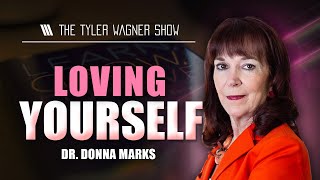
Dr. Donna Marks, a counselor who recovered from her own addiction, argues that treatment fails because it ignores the emotional void people try to fill. Her three-step approach: face the pain, work through it, and learn to love yourself through daily rituals and gratitude.
Chapters
All right everyone, welcome back to another episode of the Authors Unite show. Today we have Dr. Donna Marks with us, so welcome to the show.
Thank you for having me on the show.
Of course, grateful to have you here. So if you can just kick us off, tell us a little bit more about you and what you do.
Okay, well, I have been in private practice as a licensed mental health counselor and addictions counselor for over 32 years, and I've also done a lot of community service involvement, established a chemical dependency training program that has morphed into a 4-year degree at the local state college. And, uh, also have been a consultant to different treatment centers and have, um, worked with over 6,000 people in the past 32 years.
Wow, that's awesome. And you just, uh, I think it was pretty recent, you just came out with a book as well called Exit the Maze.
Yes, I have. Here it is. And I'm very excited to say that it has won over 16 awards.
Yeah, no, that's, that's wild. So I definitely want to get to, uh, to that. To start though, I'm always curious, like, the origin. So what, what got you into this type of work?
Well, I originally thought it was because it's what I wanted to do, but now I realize it's because it's what I'm here to do, which was an important distinction for me to make throughout my career. But I was born into addiction, and I developed my own addictions at an early age. And then I was attracted to people with addictions, and then I had some children with addictions, and then I had multiple marriages with people with addictions. And need I go on? I, I did a lot of work on myself. I decided to be a therapist. I was kind of like the natural go-to person for all my friends in junior high and high school. So I kind of believe that we're born into it, not really made to be a therapist, but It's something that I truly love doing, and I'm very happy to be in the field.
So was it kind of like— it seems there was definitely a cycle in your life that kept reoccurring. So did it just kind of get to the point where you're like, I need to figure this out for myself? And then once you did that, you kind of realized some things that could help others as well?
Well, there's, there's probably 3 phases of my life. The first was no recovery at all. And then I got into recovery for alcohol and drug addiction in my early 30s, and I was able to— I did a lot of work on myself. I went to treatment, I went to all kinds of workshops, I— you name it, I did it all over the world on spiritual quest and, and psychoanalysis. And, you know, every time I be in that type of therapy. I'd wind up getting certified in it because I was deeply, deeply wanting to, to be well. And after 23 years of that, I didn't really feel like I was any— that much better than when I had first started. And so I relapsed, and that worked for a little while. I never had the external consequences from any of my addictions. I didn't suffer ill health. I didn't have legal problems. No one ever told me to stop doing anything. So, you know, there was— I was highly, highly functioning, and I think that makes it even more difficult sometimes to really heal. But I did all— I did all the work. I mean, I did the trauma healing and everything else. And anyhow, when I came back in again, uh, I— it was because, you know, that didn't work, you know, that I just I was always very spiritual and it was a real disconnect for me to relapse. So I had a very profound experience this time and I felt like, you know, God didn't love me, didn't care about me. I definitely believed in it. I'd had too many wonderful spiritual experiences not to believe, but I was kind of like, angry and railing at God. And I got the message that, you know, it wasn't God that didn't love me, I didn't love myself. And, you know, that was really very, very profound for me because, you know, we all hear about, oh, you need to just love yourself, and, you know, you need to heal your trauma, and you need to be abstinent, and all of that. And I'd done all that. But what I realized when I heard that message so clearly, that I didn't love myself, I really did not know what that meant. You know, I thought I knew what it meant. I thought it meant like if I quit smoking, then go get in shape and start running marathons. But that was just switching addictions. Or I thought that, you know, if I quit smoking and I started eating healthier in a compulsive way, you know, that's also switching addiction. So I— and I also thought, you know, if I just do all this inner child healing and codependency healing and everything, that would do it. But that didn't really do it either, because none of that taught me what it meant to really love myself. And for those of us that, that have been raised in environments where there was, um, defective types of parenting— and please understand, I am not blaming anyone. I love my parents. I love my stepfather. Uh, you know, they did what they did. I am over that part of it. But it did not teach me how to love myself. So that's why I wrote the book. It talks about why treatment fails and it talks about what we can do about it. And it talks about, um, what does it mean to actually love yourself?
So is that, I guess, let's go into that first part. So why is that the reason why treatment fails? Because it's not really getting to the root of the problem. It's just, I guess, Band-Aids across it, or what do you think?
Yeah, you know, the first, probably fourth of my book talks about some of the reasons why it fails, and that's one of them, you know, that, that, um, you know, treatment isn't really, uh, it's designed to teach you how to be abstinent. And then now they've added the whole, you know, a lot of treatment centers have added the whole trauma piece to it, you know, healing the underlying causes. And that's very important But then you can't just expect someone to know how to bond and attach and, and have, um, to get back into connections that they've never been able to make in a healthy way. Um, and also how to take care of themselves as if they're young children again, you know, emotionally and physically. So that's the, that's the piece that, you know, it's really missing.
Got it. And then for you, because you were so like high functioning with it, Was it, I guess, what was the main reason that you decided to stop? Because I guess, um, have you ever heard of this guy called Jordan Peterson?
Oh, I love him.
Yeah. Okay. He's one of my favorites.
Cool.
All right, we're gonna get along real well. This is great.
Um, yeah, he's a no-nonsense straight shooter, and he— I feel that he's totally got a grasp on reality, which is so important these days.
I agree. I know. Um, uh, so Others seem not to have that grasp, so it's good to have somebody there. Um, but he— and I don't want to put words in his mouth, but he talks about how he studied alcoholism. Um, and he speaks of saying like, you really need to find like something else that's like better than alcohol because alcohol is a pretty amazing feeling. So I can just imagine like if as a high-functioning alcohol, you know, somebody that was like, what was the reason that if you were able to, I guess, live a very like great life while also having the feelings of that, was there like a downside? Or were you more thinking like, my future self, eventually some health problems going to happen, right? Because I guess that's inevitable at some point.
Yeah, I'm not totally clear on what you're asking, but I think I can answer that. You know, there was two sides of me. There was the side of me that was definitely spiritual, even as a young child. I don't think I would have survived childhood without having that conscious contact, that when I was desperate, you know, I would say, please help me, and I received comfort. I received messages like, it's not your fault, when I was 5 years old. And so there was that part of me. I was very connected in that way. But then there was also this human being that was like, you know, if I do this, then everything will be okay. And then if I do this, you know, if I go to, you know, I was, I got married when I was 16, had a baby, and I was divorced with a single mom with a child at, you know, 18 and no support from the father. And, you know, but I said, if I just, you know, if I just, you know, keep waitressing and save money and then, you know, I can get my high school diploma and, you know, make good grades and then I can get into college. And so I kept thinking, me, you know, me, me, me, if I do all these things, and it was all good stuff, I'm not criticizing it, but it was like I was looking for the fix, you know, and then the fix never came because even though with all the education and all the training and all the personal work, like I said, I didn't know how to love myself. So it was like, I was always highly functioning, you know, even at my worst. I didn't hit, I didn't hit the kind of bottom that some people hit when I got sober, and I really didn't hit a bottom at all the second time I got sober. It was because of what I said earlier. I had that conflict, you know, it was like this is separating me from my spirituality and that's not acceptable. But the first time I did have an emotional, not breakdown, but a bottom. I hit an emotional bottom. And so I was talking to a counselor friend and she was asking me about my alcohol and substance use. And she said that she thought that I needed to go to treatment. And so I did because I didn't want to be in pain. And I would've stood on my head and done cartwheels if that's what they told me to do. And I did do everything that I was told to do. And like I said, That and all the other stuff carried me for 23 years.
Got it, okay. And curious on this too, like when you stopped drinking, did you find yourself like almost like bored a little? Like, 'cause I feel like you'd have so much free time then, even though you were high functioning, right? Like it's just the activities, let's say, the activities that you would normally do, even somebody that just drinks on weekends, like wouldn't even say that they're like, what do you call it, like a binge drinker. When you remove that, you have to figure out like a different thing because like going out to the bars, I would imagine, is not as fun, you know. So, did you, was that kind of part of it, you think, of like discovering like another, like what to fill your time with, I guess?
Well, I wouldn't say I was bored because I was an only child and I knew how to, you know, read and study new things and, you know, connect with things. So I wasn't really bored, but I was lonely. And I did make a lot of efforts in the programs that I went to, the meetings I went to, to connect with other people. And I didn't have a whole lot of success with that. I felt a lot of disappointment, hurt, betrayal, and kind of a reenactment of of my own childhood type of things, which is normal because, uh, you know, we, we are attracted to those with whom we feel a familiarity, like the people who created the trauma. So I kind of drifted after about 15 years. I drifted away.
Okay, got it. And then, so let's kind of dive in a little bit into the cure now. So How, I guess, did you, from trying all these treatment centers out and stuff, they weren't doing it for you. So then, I guess, how did you start to love yourself? What did that process look like?
Well, I think all the good things that I did for myself were part of it, but it wasn't enough. So, what I didn't understand and what I teach my patients and most of my population is people who have experienced success. And I think there is a uniqueness to the type of suffering that we endure. And I can assure you it's not any less than the most imaginable type of suffering. But what I began to understand is that— and I really, really strongly convey this in my book— is that there's really only one addiction. You know, and when someone says, you know, I recently referred somebody to somebody in New York for gambling. He said, oh, I don't deal with gambling. I just deal with alcohol and drugs. This is a therapist. And I said, but it's all the same. He goes, yeah, yeah, you're right. But I'm just not familiar with it. I said, but it's the same. And you know, what I'm saying is the addiction is this void, this invisible hole that we have, and we're trying to fill it. And so it's not enough to go to treatment. Like, I quit drinking, and then I quit smoking, and then I quit, you know, bad foods, and then I, you know, but I was just switching and switching up to, you know, radical exercise, or, you know, working, or even I became a psychotherapy and spirituality junkie, you know, just more and more and more to get well. And so I was just, you know, it was like the, like I say in the book, it was a game of whack-a-mole, you know, like This one down, 5 more pop up. And, you know, marriages and kids and, you know, just anything I could to fill that void. And it doesn't work. So that's the one addiction. And then, and then the cause, you know, which I said earlier, that the underlying wound, um, we are addressing that in treatment now, but it's not enough. Because I believe that when you get to the point that you no longer even think about any addiction. Like, doing anything addictively is just like the farthest thing from my mind now. I mean, it's just, you know, when my addict part of my mind says, you know, have this or have that, it's not good, you know, something that's not good for me, you know, or do more, get more, want more, I just say, you know, that's interesting, thank you, but no thank you. Because I feel so full now because I've learned how to love myself, and that's the cure. The cure is that when we have— see, every addiction is a substitute for love. Now people go, what? And I'll say, but it is if you think about it, because you feel that love when you're high. You know, when I took that first drag on that cigarette after I finished coughing my lungs out, I got this sense of euphoria, you know. And when people eat their chocolate cake, or when they're gambling, or when they're on the porn site and having the orgasm, there's that temporary sense of euphoria, and we confuse that with love. Love is not a feeling. Love is an action, and you have to learn how to act as if you are the parent taking care of a totally dependent child, and you would not give that child cigarettes. You would not give that child only sugar to eat. You would not tell that child they have to go out and walk 25 miles or to enter a marathon. You know, you just wouldn't do any of those things. You wouldn't put them in front of a porn site. You wouldn't teach them how to gamble. Now we are teaching kids a lot of things on their iPads. That's another addiction, you know, like substituting parental attention and love for babysitting devices. But so, you know, again, no blame. But we got to call it out, you know, because if we don't, we're not really healing and we're not really learning how to love ourselves. So that's the cure. The cure is learning how to substitute every addiction with a different behavior that is loving, and not only loving, but lasting. You know, rather than getting that quick fix, you're getting the permanent fix, because the more you learn how to do that, then that hole goes away, that invisible hole goes away. And it's full. And so now I do have the relationships, I do have the good marriage, I do have myself and my ability to speak my truth with love, not attack, and I do have lots of friends, and I have hobbies and interests. And addiction is just something I used to do. It's just like, it's like, you know, I walked away from it like any other bad relationship, whatever form it took. It was all bad relationships. So, um, the, you know, whether it's a relationship with nicotine or alcohol, whether it's all bad relationships, and I just don't have any desire to go back there, no temptation whatsoever. When I'm working with people, you know, they'll begin to have those awarenesses themselves, and they'll say, you know, I thought about, you know, going over and hooking up with so-and-so, but it just didn't— it felt yucky, and I just don't want to do that anymore, you know. So this is this is the choice for love rather than addiction.
Yeah, it definitely seems obviously a better way to live. Curious on your thoughts on this, from doing all these interviews that I've done and just with the network that I have here in Miami and other places, it seems there could be like a pro to that like addictive way of being in some cases, right? Because a trend that I've kind of noticed is some of the most, like successful people are those people. Like to give an example, he speaks about it himself. He's also like a local down here is Grant Cardone in real estate. And he says how he used to be an addict and then he kinda like switched and just became like fully addicted to like work, right? So I think it's almost like, I guess I'd call it like extremism. Like no matter what it is, like you were saying, You just kind of keep switching. So, but if you can point it towards something that is like learning or like growing a business, it can actually, I guess, benefit you. But what you're saying is regardless, you still have the void if you're living in that way.
Yes. Yes. You're still covering it up with some type of behavior that is not love. Yeah.
Okay. So, and I think, and I apologize if I missed it in your answer, but is there, and I'm sure you lay it out in your book. So, um, if that If that is the case, then we can just tell people to read the book. But is there like a step-by-step process to loving yourself in a way that you can live? It kind of seems harmonious to me, whereas the way that, the other way I'm speaking of, it's just 3 months, 3 workouts a day, craziness, and then you break off and eat a chocolate cake every day. And it's just like bouncing. But a lot of people do that, so you figured out a way to, it seems have like a nice flow, a balanced life.
Yes, I have a very balanced life. So the 3-step process that I talk about in the book is that first of all, we have to face the pain. We have to face that void, you know, no matter what you've done, it's okay, you know, if it's not— it's okay if it's not healed, but you have to face that, okay? And you don't need to keep reinventing the wheel and going over the same family trauma of origin of trauma either. The pain could just be that something's missing or something's not right. Or like me, how could I still be doing such stupid things? Why do I keep doing this? Why do I keep staying on the cycle if I've done all this work? So that was my pain. What is missing here? So facing it, and then you have to work through it and be willing to to address that and figure out what the disconnects are and how to replace them with self-love. And that's the third part, is actually learning how to love yourself. I have on my website, www.drdonnamarks.com, I have a— they can download 101+ ways to self-love. But for me, it looks like this. I wake up in the morning and I, before I do anything, I cuddle up in my covers and I give gratitude. Gratitude for the walls, gratitude for the light outside, gratitude for that I'm safe, gratitude that I have a wonderful life. I do this every morning. I go through this little cozy checklist like I'm a little tiny girl and I'm just all cozied up in my blankie and it just feels so good. Then I have a set of books, A Course in Miracles and the 24-Hour Book and several others that are spiritual, and I read those. I also have some self-help books. I'm always reading, reading, reading. I love it. It's one of my hobbies. Then I get out of bed and I get on my knees and I say, "God, please help me today." It's not about me anymore. It's about How can I be of service to my life and to you? And then I eat healthy throughout the day. I exercise. Right now, I'm exercising a little bit extra because I'm on a personal challenge program. But normally, 3 or 4 times a week, reasonable exercise. And when I have conflicts with anybody that I love, we talk about it. And if I've overreacted or underreacted or however I'm not happy with my behavior, I apologize. Now a lot of these are just tools that we've learned in programs, but I'm just taking it to another level. Like if a relationship doesn't feel good, you know, and I'll try to address it, and if it can't heal, then I just accept that it's just, you know, the time is complete with that person. And, you know, I balance, you know, my checkbook's balanced to the penny all the time. You know, I make sure that I look out for my financial security. I never worry about it because I've been self-sufficient my whole life and I've never been homeless. Almost homeless when I was a single mom at 18, but never homeless. And so, you know, I just— these are just a few examples, but I could give you hundreds of examples. And like I said, I outlined them in 101+ Ways to Self-Love. This is what I tell people, think of it like you're the parent, you're taking care of a small child. You know, you wouldn't give that little kid any kind of these addictions. You would hug them, you would be positive. If they're angry, you'd say, you know, it's okay, you're angry. It's not okay to throw your toy at me. It's not okay to bang your head into the wall. Like, tell me what you're angry about. And you don't need to yell, I'm right here. No, just tell me. And when kids are taught that, they just get it out and then they're over it. And same thing with sadness, you know, it's okay to be sad, you know, come here and sit on my lap and have a good cry. Yeah. And then, okay, can I go out and play now? But we have been so conditioned to repress and stuff our feelings. And we do that to one another. We reinforce that one another. So it'll be vulnerable and open up and then it's not my problem, it's your problem. And there's a whole bunch of psychobabble around that spirituality. I call it spiritual bypass. You know, where, you know, you just stay in your head and work it through and, and, you know, turn it over and all this stuff and work. It's not, you know, that, you know, it's not their problem, it's your, you know, all of that. And that's just not going to get— that is not how people form secure attachments with other human beings. So, you know, that's a big part of it. And so it's, you know, it's a psychological and spiritual and physical commitment. As if I were a small child, how would I treat that small child? I'd get them to school not just on time, but a few minutes early. You know, I'd make sure they get enough sleep at night. I'd make sure that they get nourished emotionally. And I would cultivate their talents and encourage them to fulfill their dreams and those kinds of things. Those are just a few examples.
Yeah, I really like that example too, because I think Part of it, um, is maybe with the addictive mindset that you, you make very like impulsive decisions. Um, and so it's— I think you actually said earlier that sometimes you'll still like get a thought like that, but you now, if you're treating yourself like you would a child, typically I, I would imagine— I don't have kids, but I think the thought would be Um, like you notice it, you pause, and then you're like, how can I turn maybe this into like a lesson for the child? So if you're treating yourself like that, it's that pause moment that you, you need to have. And I, I guess through— or feel, yeah. Um, and you can almost like, with self-love, you can build it into yourself, uh, naturally. And a lot of people don't have that pause.
They just sporadically, you know, like get out of it as quick as possible, especially, uh, people who, you know, tend to be driven and successful like you were saying earlier.
Yeah.
I don't have time for this, you know.
Exactly. Yeah. Um, so another thing I wanted to touch on, cause I saw it was on Amazon, just like in your book description that the WHO, um, or according to WHO, over 3.3 million people die from alcohol-related deaths. Did it like break that down in any way? Or is it like grouped, like, is like car accidents? I don't know, liver stuff or what was that?
Well, that was a very conservative number and that's just in the US. So that those millions of people are dying. Number 1, heart disease. Number 2, cancer. Number 3, stroke. And then diabetes, liver, etc., etc., etc., lung disease. And almost all of those deaths are unnatural because they were caused by alcohol, sugar, trans fats, nicotine, and, you know, lack of physical activity. All of those things are addictions. When someone smokes, they drink, they use drugs, you know, and they're eating sugars and trans fats to the point that is causing permanent damage to their vital organs. That is an addiction if I ever heard of one. But nobody's calling it that, and I'm calling it that because I want people to reclaim their minds and recognize that from the time we're really little, we're getting the programming. Now, you know, I get into these conversations all the time, like, oh, you know, addiction isn't learned, it's, uh, you know, it's a brain disorder. Well, darn right it's a brain disorder. When you do those kinds of things to your brain, they become disordered. You know, they don't— they're not designed for alcohol, drugs, sugar, trans fats, and nicotine. And they're not designed to be overstimulated on internet sites or gambling. It's just not— it's just not the way the brain is made. Now, I certainly am not an idiot if you have, you know, a predisposition genetically, you know, I'm sure that's a factor, but I don't think it's the factor because they have not identified yet a gene that says you have to drink, smoke, overeat, and things like that. You see people doing that around you, that's your tape, you know, the computer's a— the brain is a computer and it's programming. You see people doing that, and then the first time you do it, you get that reinforcement. And it's probably a stronger reinforcement for someone who has some type of predisposition. However, even people who are genetically predisposed, I have a child that's never, because he was educated, never drank, smoked, used any type of addiction. So because he was educated, and he understands that if he does, he's probably very likely to want more. So, you know, that's the key in that we don't have to, we don't have to do that. It's not necessary. I feel like babies are born perfect. I do. Now, I know that there's obviously birth defects, and that can be in the brain, but I think that's minimal. I think most of what's happening here is that we have become an addicted world. We want it now. We don't want to feel. We want immediate relief.
And maybe partly what that It could be from— it is like social media and like our phones, because now a lot of our life is like that. Like Amazon now has same-day delivery, you know?
So it's like, and why wait a week when you can get it the next day or the same day?
Exactly.
Yeah.
So even though those things seem harmless, let's say, or, or even an upgrade to life, when that is happening all the time, it can translate to the negative things. And I think what isn't talked about enough is like, a lot of times with addiction conversations, I feel like they really only touch on like the hard drugs, if you will. Right. And for instance, like, I don't know, I didn't really know that like alcohol can cause like a heart problem. Like, didn't, like, so based on what you just said there, right? So, you know, on the packaging of cigarettes and alcohol, it says like, this may cause health issues or something.
Rather than it does. Cause for it.
Yeah, but it's never those, um, like drinking every weekend for most people, um, especially in South Beach, is a very normal thing. So it's like, but if you think about it 20 years down the line, it is that it can actually hurt your heart, you know. I don't know, I just, I don't think most people know that, right?
It's not their heart, their liver, their kidneys, all kinds of things. Yeah, there are so many secondary deaths just from smoking, you know, not just lungs but kidney failure, renal problems because the veins become so damaged that the kidney doesn't get proper flow of oxygen and all. I mean, it just goes on and on and on. And I actually am in the process of developing an online course right now that has the charts of how many people die of heart disease, how many— and if you just did, you can do it yourself. You can say You can Google number one cause of death and it'll come up heart disease. And then you Google what causes heart disease and you'll find out.
Yeah, see, that's that second layer that I don't— because I, I did actually— I didn't remember it, but when you just said that, I did know it was just back in my subconscious or something from a previous reading that heart disease is the number one cause.
Yeah, they'll call it diet and lack of exercise.
Oh, okay.
So then you have to, then you have to Google what kind of, you know, what kind of diet causes a heart— you just have to keep digging. Yeah, it's all there, you know, and it's all there on government sites and very established sites. And then it's like putting a piece of a puzzle together, you know, and I'm like, whoa, so let's think about this. If we didn't do any of these things, most people would die of old age. And, uh, there, you know, but what, what consequence would that be to advertising, to pharmaceuticals, to healthcare?
Yeah, it's— yes, there's kind of a reason, I guess, there's a puzzle, uh, for the benefit of some of these bigger companies and Who knows? That goes down a little rabbit hole there.
And that's why people like me don't get a whole lot of traction because they don't want to hear it.
Yeah.
Not good for business.
Exactly. Yeah.
And look at all the tax dollars that are coming in off of cigarettes and alcohol.
Yeah. That's the thing is I don't know. To me, it's weird that those things are so— like, for instance, with the Well, I'll just say when everything got locked down, right, that the liquor stores stayed open.
Yeah, because we got to keep everybody nice and comfortable and sedated. Otherwise, they'll get their mind back and they'll see, you know, they'll see things that we— that are not— that are uncomfortable.
Exactly. Yeah.
So I heard people like, you know, I'm not anti-anything. I'm really not. I believe they should legalize all drugs. And put taxes on all of them and get rid of the whole crime scene around it. I think it would be very powerful. And use the money to teach parents how to raise unaddicted children.
Yeah, I'm with that too, because I think, uh, I guess that would be— I'm not sure the term for it, but just as long as it's not hurting anyone else, I think just legalize it all. As long as you're not disturbing another individual, you can do whatever you'd like.
Well, how could it be more disturbing than what it is? If you're doing drugs, how much more disturbing and stressful could it be for you, for the dealer, for the cartel, for the law enforcement? I mean, it's just nothing but one big hurricane of stress for everybody involved. So how could it be any more stressful than that to legalize it?
Yeah, you would imagine it would be better.
And then tax it.
And tax it. And I would also say too that probably the biggest issue although they don't really do this with alcohol or cigarettes, which I think they should, is maybe like, um, well, I guess the recommendation should really be don't do it at all, but at least maybe put on there, you know, based on this body weight or something, like you should not drink more than this amount, or take heroin, here's your Narcan to go along with it, and don't do it alone, just like you don't go swim with sharks alone.
Yeah, because, well, they back up Well, because I think that's one of the—
and I'm— because I'm sure, you know, you've heard of like fentanyl and stuff, you know, like when you're— these drugs that are illegal, um, the people that get them, they— how would you ever know what is actually in the bag? And is it ever like pure? I would imagine not.
Um, the fentanyl's in there to intensify the drugs. But this is what happens: people, um, stop taking it for a while particularly people that go in and out of recovery. And then when they start using it again, their tolerance has changed. And so they overdose unintentionally. So at least, you know, if you're gonna, if it's legal, then you get your pack of Narcan along with the, you get your, I have one here in my office, you know, to give to people. You have that and you tell somebody, don't use alone so that if you do OD, the person with you can save you.
Yeah. Interesting. So, um, I did want— I want to make sure we touch on this just because our audience is a lot of authors. So I know you said that your book won 16 awards so far. How long ago did it come out?
It came out last, uh, last, uh, January of 2020.
Okay, got it. So I guess, what, uh, were the— were these like awards that you applied for? Like, um, I just think a lot of our audience would be interested in—
Yes, you have to apply for them, and you can just go online and Google Google Book Award, then all kinds of awards will come up. And then you just, you have to pay the fee, you submit your book, and then a panel of judges evaluates it. There are thousands of people on almost all of these award sites. And so there is, especially in the self-help, is extremely competitive. But, you know, I would recommend rather than just writing and putting it out there that you, you have a really good editor I did have a very good editor, and then she even sent it for final proofing to another person. So you want to have a polished, well-written product, and that's like, you know, if it's that, at least they'll read it. If it's not that, they're not even going to finish reading it most of the time. And then you have to decide whether you want to be self-published or, you know, try to find an agent. My editor suggested that I become self-published because you still have to do the marketing aspect of it, but you also make more profit from it. So that's 100%.
Yeah, yeah, no, I think self-publishing is a very good idea because you, you can hire a marketing firm, but still, like you're saying as self-published, you're going to make more of the profits, right?
So, right, yeah, and you have all the control.
Yeah, exactly.
You don't have to travel around at an inconvenient time and things like that.
So yeah, and you do get the final say, which I find a little odd how, uh, with, with some traditional publishing, like, it's not even fully up to you actually, uh, like the COVID and, and, and even what the book says. A little weird. Um, but yeah, I love what you said about the editor because I always tell people I, I wrote my first book when I was like 19, 20. It's just a little 70-page like networking book. But regardless, my editor, I think she took it from like a 2 out of 10 to like a 9 out of 10. And that's dramatic, an editor can be. So to me, if you're gonna put a budget aside for your book, it should be like editing and then marketing as the number 2. But absolutely, without the editing, there's no reason to market it because—
right, right. And the other thing is, you know, Amazon will market it for you if you want to pay them. So you definitely— you know, they can't sell a book that's not well written.
Exactly.
Yeah, good reviews. I think I have 50-something reviews. I've got all 5s and one 4.
Yeah.
So, you know, you want to really— you want to feel good about what you're putting out there. Not just your message. You know, so many really powerful messages get lost in poorly written materials.
So, well, listen, thank you for coming on. I think this was, uh, one of the more like even important, uh, interviews. So I appreciate you. And, um, I guess I want to leave the floor to you. If there's anything that we didn't cover that you want to share, please do. And then also, um, you know, where people can get the book, your website again, and just how people can stay in touch.
Right, so it's on amazon.com, and you can also order it directly on my webpage. And you can also sign up, register on my webpage, www.drdonnamarks.com. And I do a blog every week, and we have a nice little community that's developed out of that. So I also teach A Course in Miracles on Wednesday night that people are— it's free, they're welcome to join us, and you can— you'll automatically be notified of that Zoom link if you sign on to that registration list, and you'll automatically get the blog. So, and I'd love to hear from anybody as well.
Perfect. Thank you again for coming on.
Thank you.
More from Tyler


Catherine Nikkel : THE STORY EVERYONE HAS BUT HASN'T TOLD : The Tyler Wagner Show #1120



Scott Ritzheimer: Bring Predictable Success to your Organization | The Tyler Wagner Show #1115


Fred Moskowitz: A GUIDE TO GETTING STARTED WITH IN MORTGAGE NOTES | The Tyler Wagner Show #1113

Mark Podolsky: From Land Investor to Full Time Success How I Made $90,000 Cash in Real Estate


Mark Podolsky: How to achieve a 300% return on investment my foolproof strategy

Mark Podolsky: How to make passive income selling raw land the irresistible pricing strategy