Michelle Kulp: How to find your Passion | The Authors Unite Show #975
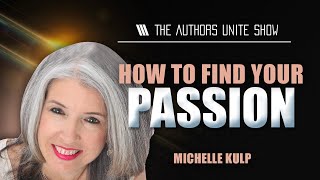
Michelle Kulp went from paralegal to bestselling author by writing 12 short nonfiction books in a year using a disciplined "book-a-month" system. She credits a conversation with Billy Ray Cyrus about losing track of time for sparking her writing passion, and now coaches authors on Amazon keyword-driven titles, covers, and marketing strategies.
Chapters
Alright everyone, welcome back to another episode of the Authors Unite show. Today we have Michelle Culp with us, so welcome to the show.
Thank you, Tyler Wagner. Great to be here.
Of course, great to have you on. So if you can, um, just start us off a little bit more about you and what you do.
Sure. Um, first of all, I was a paralegal for 17 years and I loved what I did. But at the end of those 17 years, like a lot of people, I hated my job. I woke up one day and I was like, oh my God, I don't want to go to work today. But I, I was a single mom with 3 kids and I didn't know what else I wanted to do. I had a very serendipitous meeting with Billy Ray Cyrus. Now this is back in 1992 when Billy Ray came out with the song Achy Breaky Heart. And it sold 17 million copies, and he became an overnight success, which you and I know there is no such thing as overnight successes. He'd been playing music for a long, long time. And anyways, I had this very serendipitous meeting, and Billy Ray asked me a question that changed my life. And he said, he said, um, um, that music was his dream and his passion. And he asked me what my dreams were, and I said, oh, I don't have any dreams. My life's about survival. And he said, no, everybody has a dream. And you have to promise me that you'll go out and find this dream. Now, at the time, I'm working 2 jobs. I am a single mom with 3 kids. My older brother was diagnosed with AIDS and was dying. I was having heart palpitations that ended me up in the emergency room. They thought I was having a heart attack. I was, I was very young and I had a lot of stress. And, but I, but I listened to Billy Ray and I went out for an entire year, Tyler. And I'm like, what's my dream? Everybody has a dream, you know, because sometimes Sometimes when you're in survival mode, just like Abraham Maslow says, like, you gotta pay the light bill, you gotta pay your rent, like, you're not thinking about dreams. And I was in survival mode. But when Billy Ray said that, I was like, well, I must have a dream. If everybody has a dream, I must have one too. And so for a year, I looked for this dream and I couldn't figure out what it was until I went into the bookstore and I found this little book by Richard Bowles. And the book was called How to Find Your Mission in Life. And the book had another question that changed my life, and it said, what do you love to do where you lose all sense of time? And the only thing that popped into my head was when I was a kid, I loved to write. I loved writing reports for school, essays, poetry, short stories, but I never thought of that as like my dream or, you know, something I would pursue. But when I just remembered being a kid, I was like, yeah, I could write for 5 hours and it seemed like 5 minutes. I lost track of time. And so I said, oh my God, that must have something to do with my dream was writing. I liked creative expression or whatever. And so I went down that path to be a writer. And this is before Amazon and when you had to go through the gatekeepers and the publishing houses. And I collected like 50 rejection letters, you know, from all these publishing houses. But I finally got a call from one of the big 5 publishers and they had my manuscript. And I thought, oh my God, this is my lucky break. I'm gonna get published. And the guy on the phone said, you know, we have your manuscript, we really like it, but we have a few questions. They said, this is a self-help book for women. What are your credentials? And I, of course, I was pretty young at the time. And I was like, what do you mean credentials? And he's like, well, do you have a PhD? Like, you're writing to women and this is self-help. What are your credentials? I said, oh, I have something better than a PhD. I have life experience. And I didn't make up those stories. That's from my life, my girlfriends. Like, this is what we lived through. And they said, oh, well, if you had a PhD, we would publish it, but you don't. So we're not, bye. And that was, I know, that was like, it was like, kind of like, oh my God, they just crushed my dreams. But they didn't. You know what they did is they gave me confirmation that my writing was good enough because they called me.
Yes.
So yeah, I took that. And I, and I became a reporter for the, for the newspaper, my local newspaper for a couple years just to get some credentials because I thought, oh my God, I can't be a writer without credentials. I don't have a journalism degree. I had a degree in, you know, law to be a paralegal. But actually, when I look back, the best part of my legal job was legal research and legal writing. So this whole writing thing really fit in with, you know, the things I love to do anyways, when I was in law. So anyways, that's kind of my background of how I even got into being a writer, being an author was— I mean, I wasn't like born like, oh, I want to write books, or, you know, I felt I fell into to that. And one of my top-selling books is called How to Find Your Passion. And, and I tell the story about Billy Ray and all that. But I think so many people are lost these days, right? They're like, you know, their jobs are going away, they're unemployed, underemployed, they have to make a career change, but they don't know what their passion is. So I think that's a great question. What do you love to do where you lose all sense of time? And, you know, and that can help people find what they want to do. But writing for me is a big passion. I spent last year writing a book a month for an entire year. So, that's kind of my story of how I came into the writing world.
Yeah. No, that's incredible. And I actually, I love that. And on top of it, I think, like, finding it is also, it's really like trial and error, right? So, how do you find the thing where you lose track of time? Like, it's cool because right now, what I'm experiencing is actually that thing. So, podcasting for me is that. So, and, you know, obviously, you know, I love Authors United in the business, but podcasting is where I just literally, you know, I'll do interview after interview and the whole day, and I'll start 9 AM, and then it's like 8 PM, and I did not even realize that.
Yeah, you lost track of time.
Yeah. So, as you were saying that, but to like discover that, and it's kind of similar, um, except I just didn't get a job in it. I went to college and my major was accounting. Which is not—
I cannot see you sitting in a cubicle doing accounting, Tyler Wagner.
Well, my— so my dad is an accountant, so that's kind of, that's kind of like how it came to be. But I couldn't even get through the first class, you know, like it was so painful to be by myself trying to crunch numbers. So that was— but having that experience showed me like, okay, any job where I'm not interacting with people is not gonna work. So now, I'm like, I feel like podcasting is kind of like a polar opposite of accounting because it is— Yeah, it's like continuous, like, human interaction. So, either way though, I feel grateful for having experienced that, just like you with legal work, I'm sure, because you kind of— it kind of gave you just a different perspective of like—
Oh, totally different. And I loved it for a long time, don't get me wrong. I felt like I stayed there 17 years and hated it the whole 17 years, but I wrote about this. I have a book called How to Quit Your Job and Follow Your Dreams. And I wrote about, it's called career creep. And I think Marcus Buckingham came up with that term. And career creep is when you have a job and you love it and everything's great and you're doing like 75% of what you love. But over time, they kind of change the, like the things that you do in your job. And you wake up one day and you're doing 75% of the things you hate and 25% of the things you love. And the career has crept away. The one that you loved crept away. And then people can't figure out why, why am I so unhappy? I used to I love this job, but the things that you loved aren't, you're not doing them anymore. So what happened for me in the legal world is I used to work for solo practitioners and I was, it was like a, you know, family-oriented small firms, one or two attorneys. And I loved it. I had client interaction. I went to court. I worked on cases from beginning to end. And then I went chasing the money at the big Washington, DC firms with 600 attorneys. And I was literally just a cog in the wheel of their well-oiled machine. And I felt like a glorified gopher. I wasn't like— you were talking about people person. I think if you're stuck in a project job like, like accounting and you're a people person, that will crush your soul. And I think so at the end, it was crushing my soul because I realized I need interaction with people. I can't just sit here at this computer and file papers and make copies and what— like, it was just, it was not what I wanted to do, even though I was being paid more money than the other you know, the other job.
Yeah, no, for sure. And, um, so let's actually talk about this. So you said last year you did 12 books, one book per month, right?
Yes, I did.
So, well, first the question would be like, naturally you feel like you— like writing kind of came natural to you, or was it kind of learned over—
I would say it came natural. And, and I think when things come natural, you don't even realize that you know, like you sort of have a talent for that. It's— it's not that I didn't, you know, um, take classes and learn and try to get better, but really the only way I feel like you get better— and Stephen King wrote one nonfiction book, it's called On Writing, and he said the only way to get better is freaking sit down and write, you know what I mean? Like, and he said, but if you're a bad writer, you're never going to be a great writer, you know? He did—
oh, did he say that? I didn't know that.
I was like, dang, you know? So I think I had like I had like a baseline, like I was a pretty good writer. Because the— another funny story is how I got the job as a newspaper reporter. Now I have no journalism degree, right? At the time, this was in 2000, which was 21 years ago, they weren't hiring reporters without journalism degrees. So what I did was my dad worked for the city of Bowie, and I said— I, I actually pretended to be a reporter, and I attended events in the city And I wrote stories, took pictures, and I put them in a gold envelope. And I said, Dad, when you see the editor of the newspaper walking to work in the morning, don't say anything. Just hand him that gold envelope. And he handed him the envelope. The guy didn't know me. And he published my story on the front page of the newspaper the next week. And he did it for 4 weeks. And then the guy called me up. His name was John Rouse. He really changed my life, this guy. He was the editor of our newspaper. And he called me up. And he goes, what do you want, a job or something? And he was like this big, scary, like 7-foot guy from Scotland, and people either loved him or hated him. He was very intimidating. And I was like, I don't know, maybe. And he's like, well, come in my office and we'll talk about it. And I was like, okay. So I go into the office and I was so excited. I saw the reporters there and I'm like, oh my God, I'm going to be a reporter, you know. And he goes, close that door. I don't want anyone to hear our conversation. I was like, okay. And he goes, listen, I'm going to tell you something. I don't want those people out there to hear it. He goes, you're writing. Is so good that I don't even have to edit it. And I go, well, aren't you like the editor of the newspaper? Isn't that what you do? Because that's not my point. My point is I gotta edit the heck out of those stories that those people out there— he goes, you're writing— because I've never seen writing this good. You know, I mean, I really didn't know, you know. And he just— he was like, I want to hire you full-time with benefits as a reporter. I was like, oh my God, yes, this is my dream! Until he told me the salary, which was half of my paralegal salary.
Ah, yeah.
And since I'm a single mom, 3 kids, ex-husband not paying child support, I can't afford to take this job, which I would have loved to take, but I couldn't afford it. So I— we made an agreement that I would be a freelance reporter for him, and I would do stories. He would pay me per story, per photograph, and I did that for 3 years just to get my credentials and my experience. And I learned a lot from the editor of the newspaper. So there's always a backdoor into anything you want. I hate when I hear people that just make excuses excuses like, well, I don't have this and I don't have this. Listen, I became a newspaper reporter without any credentials. I have 20 books published without any credentials. I mean, you don't need credentials these days. You can learn anything you need to learn online. I, I did web design from 2011 to 2014. I didn't go to school to be a programmer or a coder. I took a 6-week course on web design, and because I was a good writer and could write the copy for sites, I had a web design business. Voilà.
No, I couldn't agree more. And I think it's— there's so many different ways to kind of go about things. Like, you're talking like you can learn from anywhere, and I— the way I see things is kind of like through people, right? So if I wanted to be something, my first thought wouldn't be like college degree or anything. It would be like, okay, who is— but we'll just use podcasting— like, who is already crushing it in podcasting? Let me like reach out to them, connect with them, and just, you know, maybe see if there's a way that we could mutually benefit each other or that I could learn like how did they get to where they are. And most people are just afraid to even do that reach out, like they won't. And to me, that's the fast track, like, that's fine.
Learn from somebody who's doing what you want to do. And that's why, like, the editor taught me a lot, like, about writing, you know. And I'm not saying he didn't have to edit, you know, my articles and stuff. And when he did, he— I was learning things, you know. And it was a great experience. But I don't know if you ever heard of the book called Range by David Epstein. I met him at one of the book festivals. He was, I think he was like a Sports Illustrated reporter or something. I don't know. He was very into like athletic, but he was a researcher. And he wrote this book called Range. And he said that people who actually try a lot of different things first and then pick whatever they really love fare out much better than people who start out like younger, pick out one thing, stay with it, and then they, they have no experience. And then, you know, and then you wake up one day, you're miserable and whatever that is, but you don't, you don't know what else, you know, there is out there. So trying different things is really— it's not about failing, it's about just try and see if you like it. I've had probably 25 jobs in my life. I'm 57 years old. I've tried it all, you know what I mean? I, I've started every kind of business you can think of. I've had a roommate, I had a roommate service. I had, I used to serve people. I had a private process server business where people that were evading service, I used to serve them papers. I used to stalk them at stores and restaurants. I mean, I had all kinds of crazy businesses, but that's how I learned what I like to do and what I didn't like.
No, yeah, you see, it's very, even though like a lot of them were jobs, it still seems very entrepreneurial. Like, that's just how you were because to be able to try that many different things, that seems just very entrepreneurial to me.
The best job I ever had was I used to work up, walk up the WWF wrestlers.
That's awesome.
I walk, you might, may not know these names, but, um, Backlund was like the WWF champion at the time, and Andre the Giant was around, and all these guys, and I was a cocktail waitress at the Sheraton Hotel putting myself through college. And, um, we were near a place called an arena called the Capital Center. And so I met Van Halen, I met all these, you know, bands and athletes. And anyways, the, the wrestlers used to come in there. Now my brother was— I have 3 brothers— my brother was a big jock and he knew like all the sports people, whatever. And I would say, oh yeah, these guys come in. And anyways, this guy came in, his name was Playboy Buddy Rose, and Kurt Hennig was his buddy, and he was like, hey, do you want to like travel around with us and you and your girlfriend walk us up on the stage at like the Madison Square Garden and like all these places? So I was like, yeah, that sounds really great. And so we started traveling around with the wrestlers, walking the wrestlers up on stage. And that was like one of my jobs. No, it wasn't like a career or my passion, but it was fun and it was adventurous. I was pretty young at the time.
No, it sounds awesome. No, and hey, it's a great story too.
Too.
So, I want to, let's dive in a little bit to the writing because I do, me being, and it's funny because, you know, I do, I run a publishing and book marketing company, but the writing to me is the hardest part. The marketing is the easiest part for me. Like, that's just the way my brain works. So, for writing, to be able to do one book per month at like a very high, like, quality standard, what does that look like for you? Is that a few hours a day? What are you doing? It's a lot of big question, but it's like, what are you doing before to like get into that zone? Because I think that's also one of the hardest parts for people. It is for me to just like sit down and focus and actually do the writing. So I don't know, I guess what was your kind of regimen? Like, how did you accomplish that?
Yeah, so, and at the end of the 12 months, I ended up writing a book called How Not to Write a Book. And those were the things you should never do, like if you really want to write a book. And I didn't learn it until after the 12 months, so I wrote that book last about what not to do. But I said in the beginning of the book, I say writers are very troubled people. I mean, what other industry has, you know, the word block after the title, your title, writer's block, you know what I mean? So true. Yeah, I mean, you don't say plumber's block or, you know, podcaster's block or what, I don't know. It's just like we're already troubled from the beginning, okay? And I think writer's block has to do with we're afraid to write poorly or be a bad writer. And sometimes, like, I know Stephen King says, well, you can't turn a bad writer into a good writer, but I mean, honestly, you just get better with, you know, as you write. And so you do have to be willing, you know, to, to not, you know, be like, you know, the best writer in the entire world, you know. It's really just about telling your story and getting it out on paper. And I think that— now this has nothing to do with writing, but I think what did help me with writing was my fear of public speaking. So when I left the law firm and I wanted to be a writer and all this stuff, I literally was in my mind, I was like, yeah, I can just sit at home, write books, and never talk to people, and I'll just write, you know, I'll just be a writer. And then this voice kept coming in my head, if you want to be a successful writer, you better get over your fear of public speaking. Now I had the kind of fear of public speaking, if I had to stand up and say my name, my heart— I had heart palpitations and my lips were quivering, and it was like terrifying to me. And I know they say fear of public speaking is like greater than the fear of death. But I literally was terrified of speaking in front of people. And so I made myself go to Toastmasters, and this was like 2004, 2005, something like that. And I hated it. I went to the first meeting, I said, these people are crazy, I hate this stuff, I— what does this have to do with writing? But literally every time, like, I meditated, this voice would say, get over your fear of public speaking. You won't be a successful writer if you can't I can't speak. And so I made myself go to Toastmasters and hated every minute of it, honestly, for the first couple of years. And then finally they were like, Michelle, you're so good. We're going to make you the president of our club. I was like, what? I don't want to be the president of this club. They're like, yeah, we nominated you. You're president. And I was like, and then they made me area governor. And then I'm like traveling around. I still really hated public speaking, to be honest.
That's awesome though.
But then my girlfriend said, Michelle, we got to go to this thing called speaking circles. And I said, what's speaking circles? And she said, it's where you learn to speak from your heart and you don't have to have a rehearsed speech. And I was like, oh, that's for me because I can't stand having to like, you know what I mean? Like memorize a speech. I wanted to be authentic and just talk about what was on my heart. So I went to these speaking circles and that honestly, that speaking circle, what they do is they record you in a group of 10 people. You get up in front of the room, but they don't let you talk. For one minute. And you have— and all eyes are on you. And so when everybody was looking at me, and I didn't know these people, I had a breakdown, I started crying, and I never cry. And I never cry in front of people. And it was all that fear I had that people were judging me and wanting me to fail. And I just had— I literally believed that. That's why it was so hard for me to speak, because I thought people were against me. And it wasn't true. I was in this very supportive environment. These people, they only gave positive feedback in speaking circles. You spoke from your heart. You didn't have to have anything rehearsed. And it changed my life. The guy actually wrote a book called Be Heard Now, the guy who started speaking circles. And I became a certified facilitator and I started teaching speaking circles. And we would have people like the sheriff of our county come and attend. And you would think the sheriff would not be afraid of public speaking, but just like Barbra Streisand was afraid, she had stage fright or whatever. There's a lot of people that do it. But internally, you know, they have a fear about it. So I think I just wanted to say that for anybody out there who is like, oh, I can't do that because I don't have this. No, I had a huge— it took me 7 years to get over the fear of public speaking, and it really has helped my writing business because it's allowed me to talk, you know, to talk to people, not only be on interviews but interview other people, you know, as well. Be on summits. And also now I teach classes, you know, I have programs surrounded around my book, I do coaching, I have done-for-you services. So I feel like without getting over my fear of public speaking, I probably wouldn't have been able, you know, to do the writing because a lot of writing is about telling stories, you know. And so if you just think of it like that, don't be intimidated by it, just sit down and tell your story, you know. And I do believe in reverse engineering books. So before I write a book, I make sure that people are searching on Amazon with keywords for what I'm going to write about. And, um, so that helps me. I kind of have an outline, a working outline. I do a mind dump and I, I, I, um, pick a topic and a working title, and then I do a mind dump and I take literally just Post-it notes and I write down everything about that topic, and then I kind of group them And then I have a working outline, and then I sit down and, and I write it. And I'm the type of person, I need sort of like large blocks of time because I lose my train of thought very easily. So I just will like, you know, I have one chapter in the book, How Not to Write a Book, and it's called Write in Your Pajamas. And the thing is, if you roll out of bed and just go to your desk and start writing, you'll get your writing done for the day. But if you do anything else first, I mean anything, go meditate, go exercise, go make breakfast, go up to Starbucks, anything, you won't get your writing done. At least that's how it was for me. I would, I would be like, oh, I'm gonna do my morning routine, I'm do this. I never got back to the writing. So I literally had to write in my pajamas. I remember I'd call my dad on the phone, he'd be like, what are you doing? I said, I'm in my pajamas, I can't get dressed until I write 2 chapters today. I mean, that's, that's how it was. I just, I just wrote in my pajamas. And, um, and I had a timeline too. And honestly, that whole Book a Month thing was a great it was a great experiment for me because now when people, like I have clients too, and they go, oh, it took me 5 years to write a book or 2 years. I'm like, no, you can write a book in 30 days because I did it for a freaking year. And by the way, my daughter and her 2-year-old, my 2-year-old granddaughter came to live with me unexpectedly for that year. So I had a 2-year-old in the house. Uh, they're out now, but at the time it's like, what great timing, right? I gotta write a book a month and I got a 2-year-old in the house and my daughter. So, it was challenging. Yeah.
I think there's a couple things on that. So, I've actually, I can't remember when, but I listened to that book by Stephen King, like, years ago. And one of the things, if I remember correctly, that he said is, write as you speak. So, I think that speaking circle, do those still exist, by the way?
Yeah, they do. They do. His name is Lee Glickstein and he's in California and I believe he still certifies people. And now, I don't know with COVID and everything, whatever, if they're, what they're doing, but he probably She probably has a virtual thing now.
Okay, got it. Yeah, because that seems— it's just interesting, like, everything you're saying is aligning with me perfectly because that's— public speaking has always been kind of difficult for me because you have to prepare, like, something. Whereas, that's why I love the podcast because obviously, you know, me and you knew each other before hopping on here, but I truly did not, like, prepare in a sense of, like, I'm gonna ask Michelle these 20 questions. I just want— I just like, like, an open conversation. Let it flow where it's going to go. Yeah. And that's how— so, but on stage, when it's— when there's no, you know, the audience interacts, but they're not speaking to you, they're just, you know, look. So you do have to have at least some sort of, like, guideline or, like, direction. And, um, that makes me nervous. But, like, this, for some reason, like, off the cuff, just conversating, you know, no, no nerves whatsoever. That's true.
Speaking from our heart. Yeah. Like in Toastmasters, they used to count how many times you said um or ah.
I mean, oh, I remember, I've done it too.
Yeah, so I, and at the end of Toastmasters, I wasn't over my fear of public speaking. It wasn't until I got into that speaking circles that I really was, that those fears melted away finally, and I was able to just like, I'm just going to speak from my heart. And you said about preparing in front of audiences, so I got invited by this women's group to speak to 400 women on stage down in Florida a year before last. And the lady goes, can you send us PowerPoint slides about what you're going to talk about? And see, with speaking circles, I just do better if I don't prepare anything. So I literally prepared 3 things and they got to screen slide 1 and I didn't follow anything that was on the other 2 slides. Because I was like, if I prepare, it ruins it for me. Like, I just have to like, I just tell my story. Usually I do start with that Billie Ray story because a lot of people resonate with, you know, your dreams and being stuck and not knowing what they are. So, I always tell that story and Richard Bowles and how to find your mission, you know, and then whatever I'm there to talk about, kind of, I just go naturally into it. I don't prepare.
So, it seems like a, so, for somebody to get better at writing, like doing something like speaker circles that allows you to kind of learn how to speak directly from your heart and then, you can translate that into really writing from your heart. Um, and I think too, uh, what I've always told people, because with my first book when I was 20 years old, I, I do not— you know, my editor literally told me, she's like, out of 10, this is like a 2 or a 3. That's what she said. And, uh, we were, we were friends, so like, it was, it was chill. But, um, I will say, you know, whether Stephen King's right or wrong on the comment of if you're a bad writer, you can't be great, it's— I will tell you, I think I feel like a very good editor can turn a bad writer into a good writer, you know, because I'm just like—
You work with enough people that have experienced that.
Editors, yeah, editors. I always like to just mention that for when somebody's going to be writing their first book because I feel like it relieves that like stress and allows them to just finish that first draft and like allow it to not be perfect. Because at the end of the day, really, if you have the right editor, I have seen books my own, just transformed from like a 2 out of 10 to like a 9 out of 10 just from the edit.
So that's a great point. I'm glad you brought that up. I mean, um, I always send my, my manuscripts over to my editor and, and I always say, oh, this one should be in good shape, and then it comes back with like 500 edits. You know, darn, I thought, you know, because I'm not that like detailed about like commas and quotes and this and that, you know, it's like I just have to get it out. Like, you know, like you said, they're gonna fix it up anyways, and we know that. So, and they will also, if like, when they're— when I'm writing content and she doesn't understand what I'm trying— with the point I'm trying to make, she'll say, Michelle, this makes no sense. What are you saying? Like, you know, like, what is it for? You know, so like you said, a good editor, or they can even like— I have a great ghostwriter that will write books for my clients. She's an attorney, a part-time judge, and she's also a writer herself. And so clients that are like, I have, I have an idea, here's the title, this is what I want, but I cannot write a book, I just send them to the ghostwriter and they kind of do interviews with them and they write the book for them.
Gotcha. Yeah, no, I was, that was gonna be my next question for you actually, is like, I was looking over your website and, you know, amazing testimonials. And it seems like, like, what are all the things that you offer? And that from you doing this for as long as you have, that you've noticed that authors like need the most help with that you've seen?
I think it's, I think they struggle with the idea, you know, the title, the subtitle, and the hook of the book. And honestly, authors come to me in 3 ways, and they probably come to you the same way. They either have a book that they kind of written but they haven't published it yet, or they haven't written anything, or they've already published it. And usually I go look at it and I'm like, yeah, that title's bad, that subtitle's bad, that book description's bad, the cover's bad. You got— you have to have the foundation of a good book. I mean, just to even have a fighting chance in a very crowded marketplace called Amazon, right? And, you know, you do Wall Street Journal's, you know, bestseller stuff, like you better have top of the line, like, you know, everything. So I think they struggle the most with— they question their idea of a book. I just had, you know, a new client come to me and he's like, this is the title and subtitle, and it was very vague. And I knew it wouldn't do well. And I said, well, here's, you know, 3 other ideas. And he went with one of my ideas. But I but I, I, those ideas were based on keyword research on Amazon of what people are looking for. You have to either solve a problem with nonfiction or, you know, just have keywords that people are looking for. And if you can get them in the title and subtitle, then you know that those people will find your book. So I think that's the hardest part is sort of reverse engineering. Like, you know, you can write about anything, but people are like, well, I don't know what I should write about, you know.
How do you find those keywords? I think that would be Like, are you using like Google Keyword Planner or a different tool?
Or— I used to use Google Keyword Planner until they made it so hard to use Google Keyword Planner. You know, back in the day when I did web design and stuff, that's what I used and it was very simple. But I just use Publisher Rocket now because they do give you the Google searches versus the Amazon searches. And I always find that interesting too because there could be like low searches on Amazon but high on, on Google and vice versa. So you really have to pay attention. Like, if you're selling on Amazon, you better know how many people are searching for that keyword phrase. And most authors are just guessing. They have no—
oh, totally.
Yeah, yeah, they're just guessing, and they're very vague, and they're not specific, and their subtitle doesn't convey benefits. So I think that's what I probably help clients with the most, is like getting that clarity. And I also was— I did copywriting for a long time. I worked with a copywriter. His name is Rob Schultz. He worked with a woman, Suzanne Evans. Anyways, he was a great copywriter and he helped me a lot because when I was creating one of my courses, I wrote down like, you know, like all the modules and what the videos were going to be. And he said, Michelle, those titles suck. He goes, because when you write a course, he goes, you're still selling people on it. Like when they go in to watch your video, like you're still selling them on, they gotta actually click on play and watch it. So he took like kind of boring titles that I had for my online course and he made them like really interesting and intriguing. For example, on category research, keyword research, right? I would just like have that listed out and he would go, bestseller secret sauce, you know? And so then put it in that framework. So it really works the same with books is you want to have like a very intriguing title and subtitle. And now that I've done 12 books, I can tell you my top 3 books are How to Find Your Passion: 23 Questions That Can Change Your Life, 28 Books to $100K, which talks about how, you know, writing a book a month changed my life. And I'm trying to think what the other— the other book is called Digital Retirement: How to Replace Your Social Security Income with Writing Income. And, you know, you have to find something. I already knew people were looking for the keywords how to make a living with writing, right? That, that was one of the keywords. Six-figure author was a keyword. For how to find your passion, how to find your passion, how to find your purpose, how to find your calling. Those were all keywords. And that, that continues to be— I, you know, the top-selling book is that How to Find Your Passion. I've now translated it into Spanish. I have a box set with it, um, and, um, the print outsells the ebook on that one.
So wow, that's awesome.
I think it's trial and error, just, just like you said, like You try different things. I wrote 12 books and 3 of them make 75% of the income I'm making now. But you don't know that. Seth Godin just said that on an interview the other day. They were like, well, how do you know if a blog post is going to go viral or one of your books? He goes, I don't know. I write it and then you see. He goes, if I knew ahead of time, I'd only write the bestsellers or I'd only write the ones that are going to, you know, do the best. Like, wouldn't we all like a crystal ball to know what's going to do?
Well, yeah, and I think like you're saying too, the more you do it, then I guess that ratio goes up. But also even just the one thing of like you were saying of like looking at the keywords before you even begin, really, that's, I mean, that's already 99% of authors, from my experience at least, you know, they'll write the whole book and then marketing is the afterthought. They're like, oh, I finally got the book done. Now I got to figure out how to market it. And it's like Okay, I mean, that it can work, but it would have been better if the marketing was before, actually.
So I'm sure you probably like— I've worked with clients where I went in and I changed the subtitle because a lot of times if it's already published, I can't fix the title, but I'll change the subtitle. I'll change, you know, the keywords. I'll change the book description. I'll get a new cover done. And just, I don't know, there was this guy and I talked about him in one of my books and I can't remember his name, but he He had this big publishing house in like the 1800s or early 1900s, and he, um, if a title, if a book didn't sell 10,000 copies, he sent it to the title hospital, he called it. So your book had to go to the hospital, it had to be retitled. And they would have stories where this, this book sold like 1,000 copies, we retitled it, and now it sold 100,000 copies. So trial and error. Wow. You know, just Yeah, you can change the subtitle. Now, you can fight with Amazon, try to get the title changed after it's published, but it's really hard because then you have an ISBN number attached to it and all that stuff. But, you know, yeah, thanks.
Yeah, with the keywords, this might be helpful for some of the listeners. I'm not sure if you've done this or thought about doing it, but when I wrote my first book, it's about networking. And so it was like 17 principles, and the title's Conference Crushing, and then the subtitle I keyworded up. So I had like how to network networking events, like, you know, things like that. But then what I did is I created like a smaller sample of the book, like just the first 5 principles. So like a short ebook, and that title was How to Network at Networking Events. So very just keyworded. And then at the end of that 99-cent ebook, it would basically be like, hey, you know, if you want the full book, click here, and then it would lead them to the full book on Amazon. But so the first like little sample was more for keywords to get it up in rank. And then the other one was more because I will say that's kind of the— I don't know if it's a catch-22, but if you go only with a keyword title, sometimes I feel like that takes away from the creativity of the title. So, but at the end of the day, you know, look, if you're— if somebody's typing in like how to network and your book's popping up first, you can't really beat that. I mean, that's as good as it really gets.
You can get creative in your subtitle. Just put keywords in your title. And you might be like, oh, well, that's so boring. And I'll give you a good example. One of my clients, Lisa Phillips, she was writing a book on real estate investing for beginners. And, but it was very niche. It was purchasing properties that were $30,000 to $50,000. And I was like, wow, you know, and we were trying to come up with very clever, you know, titles and subtitles. And finally, one day, You know, we were kind of like stuck and she said, Michelle, just give me the keywords that Amazon's searching for. And it was literally like, how to invest in real estate for beginners. Title of her book. It's sold, it's done phenomenal. It got picked up by Motley Fool, one of the top 10 real estate investing books. We did this like in 2018. But it's continued to sell well. And I swear it's because we just said, forget being, you know, like creative or whatever. We just put the keywords in the title. That was it. And then, you know, we made a unique subtitle about that $30K to $50K niche and people were interested in that because they didn't even know that existed. So, that— Yeah, yeah.
That was the first thing that popped in my head. I was like, real estate at $30K? What is that? Like a cinder block or something? That's freaking incredible.
I mean, I live in the DC metropolitan area, so yeah, I don't know where those are, but—
Okay. So, That's what I was going to actually ask you next then is, can you tell some stories just like that one of like some kind of transformational from people that worked with you? You know, maybe they came to you, they didn't have a book idea, and then they went through kind of the whole process with you, or their book was like almost done and then you did the marketing. But just curious so our listeners can kind of hear how good it can really get on the, you know, on the other side when they do finish their book.
Oh yeah. So, one of my clients, Wendy Silverton, wrote, her and her husband called me and they were an older couple in California. And they, I'm trying to find the, pull up the book while I'm talking about it. But anyways, they came to me and they were like, you know, we used to have, she was a school teacher and I think he was a financial planner. And they were like, oh, we used to have this this business selling Chinese peonies, which are like a type of plant or whatever. I mean, they, they had some kind of online business and then whatever, they end up shutting it down. And they came to me and they were like, you know, Michelle, we want to write a book about English cottage gardens. And now I've never— I've done over 250 book launches and, you know, publishing and working with clients, 20 of my own books, but none of my clients wrote any books on gardening. So all I said to them was, oh, English Cottage Gardens. All right, well, let me do the keyword research. We'll have a call next week and I'll let you know what I find out. So I go and do my keyword research and I realize nobody is searching for English Cottage Gardens. There are no successful books making any money. But what I do end up finding, which with, you know, I kind of like fell into it, I guess, you know, mistakenly was I found the keywords, and I'm pulling up their book just so I can, you know, say the right keywords. But I found the keywords raised bed gardening and container gardening. Now I'm not—
container gardening.
Yeah, I know. Why?
I knew that was like a keyword. That's so weird.
And not only that, but the top book was making $25,000 a month on Amazon. And I thought it was like a medium, you you know, mediocre book. And I'm like, we can beat that book. I really— I was like, this lady is like a gardening expert. She's been doing this her whole life. They have gardens, they teach classes. Like, she knew it. I don't know why she wanted— she just wanted to do English Cottage Gardens because she liked, you know, she liked that. But I was like, I won't take you on as a client if you do the English Cottage Garden book, but if you do container and raised bed gardening And we use those keywords and we come up with, you know, the subtitle, I'll Take You On. So I kind of thought they, they were like offended by what I said, cuz they were like, well, we wanna write, you know, cuz some people are like that. They're like, no, you know, that's what we wanna write about, but I don't wanna take your money and then have your book do really poorly. You know, like, sure.
Yeah.
I'm sure you're that way too. So, um, they called me back like a week later and they go, all right, we're ready to sign up. So they signed up, we worked together for 90 days. I mean, she put all kinds of seasons and charts and pictures of every plant and garden and what to plant together, and she had illustrations made for the book. I mean, the book is phenomenal. The book is doing really, really well. Her name is Wendy Silvera, and it's called Container and Raised Bed Gardening. And she is like one of my biggest fans, you know. She's like, Michelle, if I had gone to anyone else, I probably would have written the book on English cottage gardens. Thank God you wouldn't take us on. You know, first we were a little mad that you you, you were like, no, I'm not doing that, you know. And now they have this book. And the funny part about it is they now have an affiliate program on the back end with Amazon for all the gardening supplies, but they also have some gardening, um, like affiliate income from some of the things that they recommend on their website. And she now does like gardening coaching for beginners. Like if I wanted to start my own, you know, a container garden or raised bed garden, you can hire her and she'll coach you on it. So, she's like got, she's got like this backend income now all because of this one book.
That is awesome. And I think that's actually one of the best examples because look, if it can work with gardening and $25,000 a month, that time, I mean, come on guys, just do the research. Like, it's out there.
It's doing really well and I think she will get, you know, up there. I think she will have a 6-figure, you know, income from this this book and she was just getting started.
That is so cool. So, yeah, I really, I want to kind of leave the floor to you. If there's anything else you want to share, please do. And then, you know, tell everybody website, social media, where can everybody stay in touch with you?
Yeah. So, I did want to finish. You did ask me about how did I write a book a month. I mean, was it easy? No. I did want to say that the whole thing, the reason I did decide to write a book a month was there's a blog called Written Word Media. They also promote books, and they did an article that I happened to read in December of 2019, and it said the average author who makes $100K in royalties has 28 books in their catalog. And when I read the article, I, I don't know why, but I said to myself, I'm going to write a book a month and test this theory. I'm going to write until I have 28 books or whatever in my catalog, and then I should be, you know, I should have six figures I mean, who doesn't want 6 figures in passive income, right? I mean, we have clients, but passive income is nice because you literally go to sleep, you wake up, you make money. You know, you're out doing whatever, you're making money on your books. And so I, it was really just an experiment for myself. I wasn't like gonna write a book about it. I wasn't gonna have a course on it. But as soon as I like was 3 months into it and started telling clients or people I was writing a book a month, I'm not kidding, everybody I told We want to write a book a month. How are you doing it? What are you talking about? I have a guy who's a financial planner. He quit his dad's insurance agency to write a book a month with me. He's like, Michelle, do you understand retirement? People just buy income in retirement. And if you write one book a month and generate $200 from that one book, and then you have, you know, whatever, 20, 30 books, he's like, oh my God, you have a retirement right there. And I'm like, yeah, well, it's not as easy as it sounds, writing a book a month. But I did put myself sort of on that schedule where I would spend 2 weeks writing the book, then a week editing, going back and forth with my editor. And while we were doing that, I was dealing with, you know, the COVID design and writing the book description, getting the ISBN. And then the last day of— the last few days of the month, I'm publishing the book. And then the next month, I would be launching the previous month's book. So I was always kind of working on 2 books at a time. So I'd get— I'd get a book published every month, but I didn't launch that book. And the reason I didn't launch it the same month was because I needed reviews. And you know how getting reviews reviews on Amazon can slow you down. So I mean, I've gotten a better system now with that, but at the time it was just like, it could take me 2 weeks to get 5, you know, 5 or 10 reviews. And so I would launch the book the next month, then I'd be writing on that, writing that month's book, then launch that one the next one. And I just did that for the entire year. I kind of had the year planned out, but then some books, and you know, I don't know if you ever experienced this, but your clients may, they go to write it and then they just don't feel like that energy around it. So sometimes I plan to write a book and I would write literally like 40 or 50 pages and then I'd be like, yeah, I'm just not feeling it, or I feel like I can't do a good job in a 30-day period for that type of book. So I would just switch gears and I'd start another book. I probably have 5 half-finished books in, you know, on my computer that I never— I was like, no, it's going to take a lot more time to write that book. And I just— but these books are, I call them short books, short reads, so they're 100 pages or less, usually around 100 pages. 15, about 15,000 words for each book. So I do want to point that out. I'm not, I'm not writing 250-page, 300-page books, you know. If you want to write a book a month, I'd say 100 pages or less. And you got to get, you know, you get it out there every month. But authors, you know, you, you really hit the nail on the head. Authors don't want to do marketing. And that's probably why you and I and people like us exist, because they're like, we We just want to write books. We hate marketing, we hate sales, we hate, you know, and so, they come to us to help them with the marketing.
100%. I think, well, I think that is like the true writer's dream, if you will, of just like, you know, just writing, maybe living at a cottage or a lake house, you know, and that's all they're doing. They're just writing and somebody else is taking care of the publishing, marketing, and everything else. So, yeah, no, that's amazing though. So do you think you'll do it again? Like—
So what I'm doing first, so I did that in 2020. And then at the end, I was like, you know, I was pretty like tired, exhausted. My creative brain, I'm like, I only have so much bandwidth and my brain is like mush. So what I decided, because the article said 28 products. So I said, well, I already know what the top-selling books are, right? The 3 books that are making 75% of my income. And by the way, after 12 months, I got to, I'm at about $3,200 a month right now in income. I hope to be at 6 figures by the end of this year. So what I'm doing is I'm taking the top books and I'm creating 2 box sets. So the writer's books are now called the Wealthy Writer Series. And I have 4 books in that. So I have a new box set for that. And then I have a box set called Passion and Profits. So I took 4 of the books and I put them in a box set. Next month, I'm doing the Spanish version of How to Find Your Passion. And then I'm going to do the Spanish version of 28 Books to $100K. So I'm just taking, I'm repurposing the content. I spent a whole freaking year doing this. So I might as well I will take that content. I can create workbooks, I can create planners, journals, Spanish version, German version, whatever. One of my good author friends, and I think you know him, Mark Recklaw. I knew Mark when he was making like $1,000 a month with his books, and now he's at $25,000 a month. And I talked to Mark a lot. In fact, he is who did the Spanish translation for my for my book. And the secret weapon for Mark is Amazon ads. And I got very lucky because a year ago, I had a client, his name is Alex Strapti, and he is a 23-year-old Virginia Tech graduate, very intelligent. He's a programmer, a coder. He took a job with a big IT company, making six figures out of college. He did it for like less than a year. And he called me up one day, he goes, are you still looking for an assistant? And I said, why? And he goes, I'm gonna quit my job and go travel the world. I wanna work for you. I was like, what? I said, yeah, I can always give you, you know, I mean, I'm doing all these book launches and we need Amazon ads and we need all this stuff. So fast forward, Alex literally is almost going to have a six-figure business just doing Amazon ads for my clients and for my book. Books. He has become like one of the top experts on Amazon ads. He created a program where he hits a button when he goes to bed and he wakes up and there's 1,000 campaigns in the client's Amazon ads account the next morning. Only a programmer, coder could come up with these. I know. I did Amazon ads for a while and I wasn't that great at it, honestly. And I tried a lot of companies that said, oh, we'll handle your Amazon ads. Alex is phenomenal. He has, he has his own Amazon Ads business, and he only charges $50 per book to handle your ads. And he creates all the campaigns, he manages them, and 80% of my income is coming because of my Amazon Ads. So Alex is sort of my secret weapon. Just like you said, yeah, I wrote the books, but without marketing, right, without the bestseller launches, without the Amazon Ads on the background, I feel like they they wouldn't be doing that well.
Wow. Okay. So, well, so Alex is the secret weapon.
Yeah, I think you should have Alex on the show. Oh yeah.
Yeah, I was gonna say, I want to have him on too.
Alex is phenomenal. He's just so young. And I kind of like dealing with millennials. Obviously, you can tell I've got white hair. I'm older, but I like dealing with millennials because they think differently than we do. Like, he was doing, you know, he was setting up all my book launches for my clients. And we were training a new girl on how to do it. I was watching what Alex did and I was like, that's not how I trained Alex. Alex made it 10 times better. Like he just streamlined it. He, you know, created all these hacks and different things to do. And I was like, yeah, it's good to have that other perspective in there. But yeah, Alex is phenomenal.
Definitely. And just like a programmer mind is so different. It's, you know, I feel like they're well, I don't know, I cannot relate, but it seems to me one of the things is like just productivity. So, it's like, they're like, okay, I can like figure out how to create 1,000 campaigns one by one for this person, or I can write some code, spend like a week, and then just press one button and then I'm saved myself millions of hours.
[Speaker:ROD] Daddy wakes up, oh, it's all set up. And then, you know, he's got two assistants now. This kid, you know, doing keyword research for the ads. So he's doing, you know, he's doing the targeted keywords, but he's also doing common words. And now he's like, there's something called top of the page. I mean, he goes into great detail with me. I don't understand half of what he's saying. But he's like, there's top of the page, you know, I guess it's in beta right now with Amazon ads. And then he's like, and this, this keyword of yours is competing on this campaign. So we have to do negative targeting. So we make sure we're not competing against each other. I'm like, Alex, Whatever you, just do it. Like, I don't, just like my car, I don't need to understand, you know, how the engine works, right? Like, I can drive my car and he gets into great detail. He's very passionate about it, but yeah, he's awesome.
That's awesome. So yeah, tell us where website and social media is for you.
Sure, they can go to bestsellingauthorprogram.com and I have Um, I do have a free quick start kit as well that people can get, and the quick start kit is how to write a book a month, how to figure out what your author archetype is. It's sort of an assessment. It also gives all the templates I use to write a book a month. So I have all the templates because people, like you said, are always like, Michelle, how did you write a book a month? I'm like, these are the systems I created and the templates. So I give those away for free on my website. So they can just go to bestsellingauthorprogram.com and get, get the templates and everything. And then I have a course around 28 Books to $100K. Some, some people can find me on Facebook and then join the 28 Books to $100K group and, and get the templates that way as well.
Awesome. And just so I know, because I'm on your website, is it the free gift?
Yes. Yes.
Okay, perfect. Got it. And then it's, so it's bestsellingauthorprogram.com/quickstart.
Kit. Yes.
Perfect. Okay. Amazing. Well, thanks for coming on. I really appreciate it.
Thank you. It's been great. I love it. And thanks for doing the podcast, and you're really good at it.
More from Tyler


Catherine Nikkel : THE STORY EVERYONE HAS BUT HASN'T TOLD : The Tyler Wagner Show #1120



Scott Ritzheimer: Bring Predictable Success to your Organization | The Tyler Wagner Show #1115


Fred Moskowitz: A GUIDE TO GETTING STARTED WITH IN MORTGAGE NOTES | The Tyler Wagner Show #1113

Mark Podolsky: From Land Investor to Full Time Success How I Made $90,000 Cash in Real Estate


Mark Podolsky: How to achieve a 300% return on investment my foolproof strategy

Mark Podolsky: How to make passive income selling raw land the irresistible pricing strategy