Patricia Love: Loving Yourself | The Authors Unite Show #997
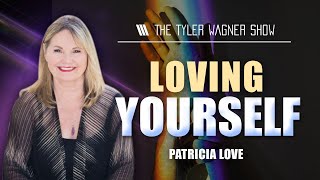
In this episode of the Authors Unite Show, host George interviews author and life‑coach Patricia Love about her memoir Seen and Unheard. Patricia recounts a turbulent childhood marked by an alcoholic mother and an emotionally distant father, which left her feeling “seen but not heard.” She explains how that early conditioning shaped her adult life, leading to a decade of self‑destructive behavior, multiple divorces, and a painful rock‑bottom in her 50s. From that low point she rebuilt herself using a series of practical, low‑threshold tools that she now teaches as a coach. Key concepts include listening to the inner child, a one‑minute “quietation” practice as an alternative to traditional meditation, the belief that one is never truly alone if one chooses connection, and the importance of self‑validation through tiny daily celebrations. Patricia also shares a five‑word framework—acknowledgment, forgiveness, mindset, accountability, perseverance—that helped her reclaim her personal power. She stresses the role of language in regaining control (e.g., “I choose not to…”) and advocates for men to become allies in allowing women to be both seen and heard. The interview concludes with practical information on where to find her book, website, and social media.
Chapters
All right everyone, welcome back to another episode of the Authors Unite Show. Today we have Patricia Love with us, so welcome to the show. I'm so happy to have you on.
Well, thanks, I'm so happy to be here, George. I'm thrilled and I love the opportunity to to chat with you and talk about my book.
Yeah, definitely. So, you know, right off the bat, your book is super, super interesting, and it's definitely geared towards women. So if you're a man, maybe not the best episode for you, but if you're a woman, I think this is a very, very important topic for all women to hear. And, you know, if you're a man and you're curious, then, you know, you can listen to it too. But yeah, so I want you to pretty much start from the beginning and tell me You know, if you want to go into detail, you're more than welcome to go into the detail of, you know, how you came about to write this book, what motivated you to write this book, and let's just start with that.
Well, Gus, there's actually a lot, and again, thanks for having me because I think this is an important topic. This particular book, Seen and Unheard, is actually a memoir of my life. And it basically started because I was seen and unheard. And I grew up with a mom that was an alcoholic and a father that was completely unemotional. He put a roof over my head, he put food in my mouth, but he just didn't know how to give emotion and show the love and show the hugs. And so it was a young girl, always looking for her father's love in a lot of ways. And that actually can lead to a lot of different behaviors because I was kind of left on my own to kind of do my own thing because my siblings were much older than I was. So it's kind of like growing up as an only child. So I had to kind of figure out my own ways. I didn't really have any boundaries because, again, my mom was drinking and she was always just kind of getting rid of me. So when I got into my teen years, there was no, like I said, boundaries, and I was allowed to do what I wanted to do, get the cars, anything you wanted to do, which is all fine and good at the time because you're a teenager and you think, woo-hoo, I can go do all these fun things. But when you actually become an adult and actually have to deal with problems and stuff and obstacles that come up, you don't have the tools to deal with them. And so that led for me in my 20s to really what people say is sex, drugs, and rock and roll. And I kind of was that, that, that the typical lady in the '70s, you know, having fun and drinking and doing everything, which also led to, um, of me being abused and also having sexual assaults, which again, uh, I would tend to stuff away a lot of my, uh, emotions in what I call a bag. And if you don't feel your emotions, that bag just gets bigger, bigger, and bigger. And so even though I was really strong because I was brought up to be strong and kind of a stiff upper lip, I really didn't know how to deal with relationships. So that ended up in a couple divorces because I played a big part in that. But until, um, my— in my 50s, which I, you know, a lot of people say You didn't change to your 50s. I am like, yeah, because I was kind of messed up, bottom line, that I had to have some real tough love where I hit rock bottom to really make some life changes and I had to learn to change my own negative behaviors to become positive ones and until I was going to do that, what do they say? If you keep doing the same thing over and over again, you get the same results. So I had to interrupt and break those behaviors, but it was a lifetime of ups and downs and ups and downs and not understanding or realizing how to take care of and move forward. Because if you don't know and have tools, you just keep on doing the same thing over and over and over again. So that's kind of the gist of it, but it really, bottom line is also through through life and growing up. And in today's world, I want to say this, and I hope that there are some men listening to this, because as women we need men to take part and to make change in this. Because overall, women have been conditioned over the years to see life through men's eyes. And I'm not saying it's men's fault. I'm just saying that's just the way it's been. And through social media, through images, through men being CEOs, everything is kind of done through a man's eyes. Yes, are we doing better? And are we getting better with women becoming CEOs? Yes. But honestly, from my perspective, over the last 50 years, when we were burning the bras and we were protesting for equality, it hasn't changed as much as it should have changed. And that's equality with everybody, not just women, but in general overall in being inclusive, uh, with everything. So it is important that men kind of listen to these things too, because we need your help and your support to make these and create these changes so that we can see also through women's eyes, uh, life. Because you can blend those two together Oh my God, you've got a superpower.
Definitely, yeah. So a lot of things to talk about. So first off, I want to dive deeper into the title of the book. So Seen and Unheard. So what does that really mean?
So why I came up with this, it was interesting because when I was young, and I was 3 years old actually, I was actually driving— not true, I wasn't driving, I was 3 years old. I was with my mother, right? I was with my mother and my sister, and we were actually, you know, walking down the street, and there was this lady, a Black lady, that came up to me and says to me, says, "Oh my gosh, you've got the most beautiful child." And I turned around and I looked at this lady and I said, Oh, yes, I am really pretty, and did you notice my eyelashes? And also, why are you so Black? And my mother was horrified, okay. So we took another, we walked another block. My mother turned around, she put her finger in my face and said, you are to be seen and not heard. You embarrassed me, you upset me, don't ever do that again. Well, as a child, You don't ever want to upset your mother. You don't want to hurt your mother, the one that you love. And so that really made an impact on me, started my whole inner voice of being shut down a bit because I was always scared to say the wrong thing. So it was kind of like, I should not— I'm supposed to be pretty and seen, but I'm not supposed to be heard. And so that's where the seen and unheard came from. And it's really true through a lot of women's lives even today because of the images that we're seen, we're looked at, we're put on pedestals. You know, the young women, especially in their 20s and 30s, they're put on pedestals. But guess what? They're not really heard. And so they have a lot of not good enough, I'm not worth it, because they are not— they don't— they're not perfect. In the eyes of the world. So it's, uh, it, it still holds true to this day that women are, are still seen but they're not heard. And that's why the seen and unheard came in.
Okay, yeah, it makes perfect sense, and I definitely understand where that came from. That's very— that's actually very deep. I love the title now.
Yeah, it exactly— well, and besides that, my mom put her finger, and that's why I have the finger on the lips. Because it was, that's what she did, you know, you never, and she pointed the finger at me, but basically shushing me. And then the red lipstick, as far as the COVID came from, I have, throughout my book, I kind of talk about my lipstick because I used it as a cover-up or as a mask. And it was more like getting up in the morning and, you know, women putting their makeup on and then finally putting my lipstick on. I can put my lipstick on and I'm going to go out and see the world, but I'm really not being me. I'm gonna be somebody else. And of course today I wear my lipstick for totally different reasons because I've worked through all that. But it's still why I put it on the COVID because it's very strong and it states that, you know, I'm a strong woman on the outside, but I was very weak on the inside. So it was a mask that I wore all the time. And a lot of women in today's, and there's also men too. I don't wanna be, you know, not bring them into the, you know, the, the, the whole talk of talk. But it's right now, women kind of are being unheard. And it's in some ways it's trending in a lot of ways because we really want to be heard. We have an inner voice, we have things to say, but we need the support of everybody to get to where everybody needs to be heard.
Yeah, yeah, definitely. I love that. So let's dive deeper into your book. So I'm looking at your Amazon description here, and I want to see what talking topics that I want to go through. So basically, you mentioned that you want to listen to your inner child. What does that mean to you? And what do you think that's important for, for people who want to heal trauma? And they want to, you know, get a better life?
Absolutely. Well, the first thing is that we still have that child within us. We were a child at one point. We had that free, that giddy, that, you know, unfiltered mouth that did everything and was joyous and was magical, right? We believed in unicorns and we believed in all kinds of— to be the President of the United States, or we dreamed to be a pilot or a veterinarian. And through life, as we grow up, we get the peers and the families coming in and the people saying, no, you can't do that, or no, you're not good enough, or no, you're not pretty enough. And the inner child is always there. And all of those either bullied or traumas or things that may have happened to you that maybe the doors were shut in your face and you were rejected for this and that because of the way you looked or the way you acted. Those stick with you, and, and they really stick with you through, um, your, your, your beginning of your life, like from 0 to 10, and then from 10 to 20, it really just gets emphasized and gets cemented, you might say. And so when I say look at your inner child, is that's where everything begins. So you don't want to dismiss that inner child that says I'm scared. That inner child that says, I was bullied, so I don't want to speak up. Or that inner child that says, I can't go for that, you know, be successful because I was told I can't. So when I say that, it's like, take the time to listen and think about that inner child, that inner little George, you know, just like I do the inner little Patricia. You know, where did that hurt come in from? You know, it was funny. I was not able to really change my behaviors until I figured out where the behaviors were coming from. So you have to get really deep and acknowledge that. And I don't mean going back and trying to force anything. It's just like opening your mind to like, what do you remember as a child? And that that 3-year-old, you know, running down the street with, you know, and being told to be seen and not heard stuck with me, and it just kept coming up. So that was one of the reasons. And so at least I can then acknowledge it, and then I can see where it came from, then I can start fixing it. And I can also tell that inner child, it's going to be okay, you're going to be okay, little Patricia. So you have to start with that. So you really need to bring in that inner child because it's always there. It will be there till you're 95. It's always there.
Yeah, definitely. I think it's that concept that you're playing to not lose instead of playing to win with your life because you have so much trauma and you're so scared of everything that's happened to you. And it's reasonable, right? I mean, you went through all this trauma and all these problems and everybody, you know, everybody does.
Everybody does. Yeah.
But yeah, people start getting scared and they start, you know, settling for reality. And settling for less. And I think most people have that problem regardless of how they were raised or what happened.
Exactly. Yeah, they do. Because if you didn't have trauma when you're a child, you may have just come across some circumstances that led you to believe you were less than. And that could just be somebody casually saying, oh, you can't do that. You're not that smart. And it might have been just off the cuff. But words matter and they— it sticks with you. And unfortunately, negative things are held on to much more than positive things. So, and it gets into your cells and you just believe it to the heart. And so it holds people back. It holds people back. So take a look at your inner child and see what that little girl or little boy is saying to you and saying, Are you scared? Yes, I'm scared. Ask it why. Why are you scared? Because I was told I couldn't be seen. Well, that's not true. You can be seen and you can be heard. So you have to kind of talk through it.
Yeah. How do you get in touch with your inner child? Is there like, do you meditate? Do you just sit down? Is this like a long process?
Well, I have found that nobody likes a long process. Okay. I know I don't like a long process. And so when people would say, what you need to do, Patricia, is you need to meditate. And for me, and I think for so many people, the meditation brings up again that I need to be a person in Tibet sitting in between my knees folded with my fingers touching and meditating for hours on end. And it was like, there's no freaking way I'm going to do that. You know, that's just not going to happen. I'm not a monk. So that becomes overwhelming to people to actually meditate. So I decided to change that. And in my book, I actually bring it up and it's called, instead of meditation, it's called quietation. And all it is, is just quieting your mind down for a minute. That's it. Start with a minute. I find that everything needs to be in baby steps because if you say, okay, I'm gonna lose 50 pounds, Well, when you don't get to that 50-pound weight in 1 week, you are like, you are overwhelmed. You are like, well, I can't do this. When if you just said, I think I just want to lose a pound. Well, then you can celebrate it because maybe you probably did lose a pound. So, it is how you take it on. So, quietation is just a different word of quieting your mind down. So, what I did was I would just take, start 1 or 2 minutes and just sit with no phone, no books, No music, because there's some people say, well, I meditate and do things when I'm running and I'm, you know, listen to music. No, you're not really, because you're still listening to music and you're actually being bombarded with subconscious different things with the words that it's saying. What if you're running by yourself with no music? That would be a different story. So it's really just quieting your mind down for just a couple minutes and, and you're going to start feeling more clear and you're going to start feeling more focused and you're going to start liking it and then you want to do more of it. And it's really because in today's world, everybody's on a hamster wheel. They're like going, going, going, and then they wonder why they're so tired and they have no energy and, you know, they can't focus and they can't get anything done. It's because they're overwhelmed and they have to refuel. And if they don't refuel, you step off that hamster wheel, they lost all their energy, so they have to refuel.
Yeah, makes sense. Okay, now you mentioned that you're never alone, you're always supported, and this is kind of hard because, you know, some people always feel alone, even like their parents left them, their partners left them, maybe they're divorced, they lost their kids, or they have no friends. A million different ways that people are physically alone, but what does it mean to never be alone truly?
Well, it comes from self-confidence and building some self-confidence, honestly, because in reality we are born alone and we leave this world alone. Yes, there's a mother there. Yes, maybe there's somebody there when you pass on, but in reality you're born alone and you die alone. And when I say that you're never alone, it's really perspective. I don't have family. I have a few, but, you know, they're not that close. So there was a time when I did feel alone. But the thing is, you're not alone unless you truly want to be alone. If you choose to be alone, there are people— which I did— is I reached out to groups. At the time, there were meetup groups. Or you go to the library, there's people that you can talk to, like there are people that are mentors that are coaches that they can actually reach out and talk to them for free. There's lots of free groups that you can, if you want to and you choose to, be partake. So you don't ever have to be alone. You choose to be alone, but everybody has to understand that the only way we can change is actually to be alone with ourselves. And then once you grow this confidence and build up who you are and loving yourself, because nobody can make you feel better. Nobody, I don't care if it's your mother, your brother, it doesn't matter. Nobody can make you feel better but you. I always recommend people, if they, if they love pets, is if they feel alone, is to get a pet. Because a pet actually really creates a responsibility and also an unconditional love. So if you're into that kind of thing, but really in reality, you're never alone unless you choose to really be alone. But I really want to encourage people to take the time to be alone with themselves. Because what I do find is that when people get— go through things, instead of taking the time— but let's give an example. So there's a relationship and you break up, right? So immediately, rather than taking the time for 6 months to find out maybe where that relationship went wrong and maybe to learn more about you, our reaction is to jump right back in to another relationship. Which is what they call rebounding. And so you never really learn about yourself. So I'm actually— as much as I say you're never alone, I also want you to say to yourself, um, you choose to be alone, and it's good to be alone to learn about who you are, because that's how you grow. And if you believe in God, or if you have faith, or you believe in the universe, they're always there looking out after you. So in that case, you are never ever alone.
Yeah, it makes sense. How do you build confidence or how do you build up your self-esteem when you feel alone? You know, that's something that I've struggled with sometimes, you know, ever since the pandemic started, you know, staying home, working from home, etc. So these are things that are, you know, I think a lot of our, a lot of our audience would like to know, you know, when there's no external validation for who you really are, Then how do you validate yourself?
Right. Well, see, that's the thing. We want to make sure and understand that we cannot rely on others to validate us. Now, periodically you get an award, like, okay, for instance, I got— became a bestseller, so I got validated, right? But that's temporary. It's It's not long-lasting. So until we can decide that, okay, I don't need Joe or that award or that to validate who I am, I have to make the decision that I'm going to validate and celebrate myself. So what I mean by that and what builds confidence and what I teach a lot of my coaching clients is no matter how small it is, And you have to start small. Like, I get— again, I talked about simple steps and baby steps. No matter how small it is, if you accomplished it— for instance, like, you maybe you made a list that day of 3 things, and I encourage people to check them off. I always say, okay, if you checked it off, I want you to get up and do a jig.
Woo-hoo!
I just, I just did that. I just checked that off. I accomplished that 1 out of 3. I accomplished 2 out of 3. Do a little celebration, you know, pat yourself on the back. Believe it or not, those little teeny things make a difference, and they actually build confidence, you know, because they make you feel good. That's what confidence building— what confidence building is, is really feeling good about yourself and celebrating yourself. And then the more you do that, the more you're going to feel confident. And so then you don't need that external buildup. And when these pandemics happen, you can say, you can look at it instead of looking at it like, oh my God, I'm the victim, I'm here, oh my God, what's happening? You can say to yourself, well, wait a minute, okay, maybe this is meant for me to try something new. Maybe, maybe the universe is telling me to shift into something else. So it's really changing the way you look at things. It makes the things you look at change. So there's a— Wayne Dyer has a quote, and it's exactly that. If you change the way you look at things, the things you look at change. You have to constantly look at things that way because then you can start celebrating and looking at things differently rather than playing the victim. Because what happens in so many cases, people play the victim, which means they feel bad about themselves. They don't want to do, you know, why me? Poor me. I can't believe this happened to me. When in reality you should turn it around and say, okay, that happened to me. What lesson did I learn and what wisdom have I earned? Because all lessons, everything we learn is a lesson. Every mistake is a lesson. And every lesson we make creates wisdom that we've now earned. And that's what maturing is all about and growing up. And I hope I never stop gaining wisdom because I'm constantly making mistakes. But you have to learn from them and create your own celebration. And that's why it doesn't happen overnight, but learning to really love who you are and appreciating it will actually start making you feel better and better about yourself. But you've got to celebrate yourself every single day.
Got it. That makes sense. That's amazing.
It's just a little— it's just a small little tool to do. And the other thing I would say is if you're not, if you're feeling down and bummed out, turn on some tunes and party because that changes your mood. Because honestly, when people are feeling bad, down about themselves, it's just they've gotten themselves, their energies gotten disrupted. And so they just need to reshift their focus and reshift their energy. And when they do that, it's amazing. And music, especially upbeat music, will change you in an instant. And then you can now then start celebrating, like, "Ooh, I just changed my mood. Woohoo!" And you can start building your own confidence. And the other way to do it is to build other people up. Okay? And there's one other thing I want to mention is when you are grateful for in the actual moment, And when I say grateful, I don't mean the cliché, I'm grateful. No, I mean I am very grateful for the fact that I'm sitting with you having an interview. I am grateful right this moment that I have a roof over my head. And if you can stay in that present and realize that you are so much better off than somebody else, then you, you can't start feeling like the victim because Somebody else has no water, somebody else has no food, somebody else is suffering, you know, and it— but you have to put into perspective and be and feel the word grateful, otherwise it just becomes 9 letters.
Yeah, got it. I love that message. Yeah, people take things for granted, so it's definitely good to be in the moment and see everything that you do have instead of everything that you don't have.
Exactly.
I agree with you. So speaking of being grateful for what you have, you mentioned that some people settle for their lives and they don't feel like they deserve more or they can't achieve more. So tell me more about what settling for something means and how you can break out of that mentality that's just going to stagnate your life instead of make you progress forward.
Right. Settling to me is getting comfortable. And settling for something that you know that you could— you're better, and you— or settling for a relationship that's maybe treating you badly because you just don't know any better. Or not that you don't know any better, but you just decided that it's not— I don't want to change because I don't deserve it. Um, but settling is really being comfortable and too comfortable to make a change. And there is— if we don't, if we don't keep growing, we're not living. And a lot of people stop growing at a certain point. Like, I think I'm good, I don't need to do that, or I don't want to do this change, or I don't want to move, and I don't want to read that book, and I don't want to learn about what you might know, or I don't want to learn a different language, or, you know, I just don't want to do that. That's stagnant, and that is settling in life, especially if you always wanted to be something else. For instance, if I've always thought that, oh, there was something back in my background that always said that, oh, you can't write, you know, even though I wanted to write a book, is like, what, who would read it? I can't, no, you know, I can't write. What am I thinking? So I settled for so many years of saying I can't do something. Well, I'm not good enough when I never even tried. So if you don't try, you'll never know and you settle. And I always believe that the word should be that I am comfortable with being uncomfortable. And when you're uncomfortable means you're taking a slight risk, stepping outside your comfort zone because you don't want to settle, because you want to be something bigger and better for yourself. Not— it doesn't have to be for ego necessarily, but for yourself, because a purpose. Because we all were born here, we all have a gift, and some of us decide to utilize it and some of us to settle and remain the same. And you know those people. You— some of them are your friends. Some of them, you know, they— that's why they say, you know, there's people for a season and there's people for a lifetime or friends for a lifetime, because those ones for a season were just there for a while, but you start to outgrow them. And then, of course, they start saying bad things about you sometimes because they think you're just, you know, have an ego and you're moving up and you're doing this and doing that. In reality, it's just, no, I want to keep growing because I don't want to settle for just a mediocre life when I know I can have an incredible life.
Yeah, I love that message. So tell me about taking your power back. Is it related to being comfortable with yourself and listening to your inner child and growing? Is that pretty much what the whole point of taking your power back is?
Well, it's part of it. I believe that every single one of us has this inner voice, this little teeny voice. It's kind of like the angel and the devil on your shoulder in some ways, okay, that says— this one says, yes, you could do it, and this one says, no, you can't. And but— and sometimes that positive voice is much less— you don't hear it as much— where that negative voice, because there's so much what they call monkey chatter that's telling you can't do things, and this one's saying, "Well, yes, I can. I can do that." "Oh, no, you can't," because this voice just seems to be louder. Well, I talk about the power back is this teeny little inner voice or a little cheerleader, you might say, that's inside every single one of us, but we have to stop and we have to focus and we have to listen for it because it's there. And the more you listen, And the more you hear, the louder it becomes. It starts to become. But the other reason I talk about igniting women's power and bringing your power back is when I hit my rock bottom, when I was on my apartment floor, 2 martinis in, crying, broke, not knowing if I had a roof over my head, husband left. Found out he was cheating, everything, all at kind of one time, and my mother died, you know, all kind of happened. It was kind of like, for a moment there, it was victim Patricia, you know, it's just, why is this all happening to me at one time? And so I was there, and for me, I had this kind of cosmic experience, you might say, and for some people, they might say, oh God, here we go. No, this was an actual cosmic experience, whether you can believe it or you don't have to believe it. That I was so low that I didn't know where to go. And suddenly I just felt this huge energy of heat come up through my toes all the way through my body, and it just kept saying, "You can do this. You got to keep going. Don't give up. The world needs you. You have a gift. You've got to keep going." And then these particular 5 words actually came up in my mind And they were— and I actually wrote them down because I didn't know what the hell they were. I was like, what? Why is this? I just feel like I have to write these words down. And these words were acknowledgment, forgiveness, mindset, accountability, and perseverance. But at that moment, I remember at that night saying, I've got to take my power back because everybody has taken my power. They've told me how to run my life. I've listened to the wrong people. I need— I can't keep doing this. I need to be the one that's empowering me. I have to run my own life and not let everybody run my— run me over. And I don't mean being, being, uh, becoming a bitch. I mean taking your inner power back that says, I can do this, I am good enough, and I'm going to prove it to myself. And I'm going to ignite that power every single day till I get to that point where I feel better about myself and I get to where I want to be. And that's what I did. And that's what I mean that by listening to that inner powerful voice and igniting it and that positive side of it says, you can do this. So keep going. And soon that voice got louder and louder and louder. And today, I, you know, I became a coach in NLP, EFT, a bestselling author and abundant in life. And, um, feel good. But it took work. It didn't happen overnight, and it never ends. You, you're constantly growing, um, because if I'm not growing, I'm dead. That's the way I look at it.
No, it makes perfect sense. Makes perfect sense. So do you think that that trauma and those bad experiences were necessary for you to become who you are today? And do you think that you are grateful for having those experiences, even though they were horrible, but you think it was a necessity to get to where you are today and become the person that you are.
Absolutely. Absolutely. The traumas, the abuse, the way I was brought up, those are my lessons that I needed to learn. And it took me longer to learn them. Maybe, you know, I could have learned them earlier. I don't know. But apparently, I wasn't learning them. So I had to keep going and learning them. But we all have a gift, and some— that gift comes when you are ready to take that gift and that purpose and show the world your gifts, and so that you can empower the world. Because people are, you know, you need that. And some— and you have to go through things to learn and to learn your lessons and to gain wisdom and to learn what not to do again. But there'll always be obstacles in our lives, and there'll always be trauma. I mean, the pandemic was a trauma for so many people because they didn't know how to deal with it. But if you look back in history, there's always a pandemic, there's always trauma, there's always a war, there's always inequality, there's always something, there's protesting, there's always something. And if you, you can allow it to take over your life, or you can take it and utilize it and say, okay, I'm going to grow from this and I'm going to learn from this because I want to be more prepared when the next one happens. Because they will happen again. There's, it's always, that's just the way the world is. We just don't, it may be another pandemic next year. I don't know. It could be anything that can happen. We don't know. But we should not be in shock. We should be like, okay, now I'm gonna pull up my big girl pants and we're gonna get going and, and, and get— do something and help others through this. So for me, during the pandemic, it was, um, helping other women to find out this isn't the end, this is just the beginning. Because without, you know, and I say it, I have a quote, without change there are no new beginnings. And it's so true. It doesn't matter what it is. It can be something huge or something little, but without change, you can't begin anything because there's nothing new. But as we grow and we mature and we pivot and we shift, that's what growth is all about. And when you can embrace that and embrace, and embrace the actual happenings and forgive others for what they did to you or what you think they did to you, because we also have to understand they have their own stories. You know, I don't know what their stories are, and but you can't allow them to, again, to hold on to power because that's— and that's a good, um, just to end on this is, uh, on the power part is that we actually allow people to hold on to our power energetically because of hatred, because of feeling like a victim, when in reality they could give a shit. They could care less, right? They don't even remember most of the time, actually. So you, by taking your power back, you can utilize all that energy that you've been giving to that person and use that for your present and for moving forward into what you really want to do in life and encourage you to be the best you possibly can be. So that's really what's taking your power back, and there's It's involved in a lot of ways, but that's it. Got it.
That makes perfect sense. Okay. So how do you, instead of taking power away from people, how do you give people power? How do you help people out?
You give people power by giving them back their own control. When people are out of sync, they've lost their power, they feel out of control. And when you are in control of your life, you feel good and you feel confident. And a really great tool that I use is— and again, I deal a lot with words— is that I really have my clients start switching words out. For instance, I have a client that wanted to stop smoking, and she just, she would say like, I can't, I just, I can't do this. Oh, I won't buy any cigarettes today. Oh, maybe. I had her switch this to say, you're going to say, I'm choosing not to buy cigarettes today. That word choose puts you in control. Because you're in control. For instance, if you go to a party when you're dieting and everybody says, oh, why don't you have this, oh, cheese thing or whatever that you know you shouldn't be eating, right? And they always are pushing things on you or have another beer, have another drink. Instead of saying, no, I'm not doing that, or I can't do that because I'm dieting or it's not good for me, you say, no, I'm choosing not to do that. When you say that, they actually shut up because they can't— you're in control. I've chosen not to drink, period. And it's amazing how it shuts them down rather than— because otherwise they keep pushing and pushing. So I use words a lot too. I choose to, you know, to take control of my life. Because when you— because really all overwhelmness is and out of control is not having control in your life. So you've got to start Finding things that you can control because— and, and get out of the, of the big picture where, like, the world— you can't change the world, but you can change yourself, and you can change the way you feel and what you choose to feel and what you choose to do. And so that really starts, uh, pushing people towards learning to be in control of their own lives. It's a start. Baby steps. Everything is a baby step.
Yeah, that makes perfect sense. So I want to ask you more about I guess it's like a huge topic, right? And maybe I'm not the most qualified to talk about it, but I want to pick your brain on it. So what do you think is going on into this society with women not being heard, but they're, you know, being put on a pedestal and they're being seen and not heard, pretty much the exact title of your book. So what do you think? What type of societal change or shift do you want to see to make an equal playing field for, you know, both genders?
Well, and for all genders. I want to, uh, I actually believe that as women we can push and we can push to get on the platforms and can do this and, and to talk more about it. But until, uh, which is what I'm really working on, is until we can get men or that gender to support women in being heard, it's going to be a long road. Because when, when the world has been conditioned to look at things through a woman, to look at things through a man's eyes and not their own, And that's conditioned in society. And it's, I mean, it goes way back. For instance, I mean, I can't, how many times have you heard maybe a girlfriend or a wife or a friend say something like, oh, a man must have designed that, or a man must have built that, because they were not thinking about how a woman might use it. Now, and I say that because being in real estate also, I deal with that a lot where it's like, why would somebody do it this way? And the first thing is, you know, it's like the women says, well, man must have built it because they weren't thinking through a woman's mind. And so it's, it's, we have to start changing how men feel about women also, because I think like anything else, a lot of men don't realize that they're dismissing or marginalizing or putting and making them women image-driven. And when that woman is not the perfect size 2, um, and she's looked at like, I'm not good enough— I mean, it's getting better, um— it marginalizes them. And, or if they put on 5 pounds, you know, it's like, instead of like a man, you know, saying like, hey, you know what, I'm gaining a little weight. Would you like to go run with me? Because, or let's do something together and make it a together thing rather than you need to lose weight, you know. And, but I don't think that people think all the time. So I'm not, I'm not really trying to, you know, pinpoint men in general. It's just that we need the help of you. We need the help of men to support women And it starts with a few men, a few good men. It starts with a few good men, and then it will expand. And so they'll see that they're supportive, and it needs to be people in the celebrity stages of supporting women and showing that equality and respecting them and listening to their thoughts, because they can— so we can start seeing the world through both men and women's eyes and and the such. That's what is where we create equality and all. It's a long road, but if you don't start someplace, then you go nowhere. So you have to start. And so my platform really is, is to help women be seen and heard. But I've also been going on lots of different radio shows and podcasts that are held by men to you know, have them understand that we need you, you know. I mean, truly, because you don't want to dismiss them either, you know. I don't want to be dismissing men. I want to say, no, we need you. Let's all work together to make this work.
Yeah, it makes perfect sense. So I think it's a good, uh, subject to leave it off on. So where can people find you, um, on social media, websites, um, anywhere else, your podcast if you have a podcast, anything else? You can take the stage now.
Awesome, thank you. I don't know, I think I've had the stage here. You know what, you get through— you can get— go to my website, it's really simple, PatriciaLove.com. You can find my book there. You can also find my book on Amazon and Barnes Noble, Seen and Unheard. You can also follow me on Instagram at Coach Patricia Love, where you're going to get a lot of good tidbits and value and such too. So yeah, pretty easy to find me. The name's pretty easy, PatriciaLove.com.
Awesome. And just one small caveat. So when people look up your book on Amazon, they have to look up Seen and space Un space Heard?
No, actually, I don't think so. No, they actually just put Seen and Unheard and it shows up. So Seen and Unheard, it seems to show Patricia Love. Okay.
Yeah. Last time I checked, it was like you needed to be very specific. So, you know, for the people who are listening and want to buy the book, I want to make sure that it was—
Yeah, either go that or go Seen and Unheard Patricia Love, add my name to it. It seems to pop up.
Yeah, that'll probably be better. But, um, yeah, that's it. Thank you so much, Patricia. I appreciate you. It was extremely interesting and I really hope that our listeners got something out of this. I know I did. So I'm very happy.
This. Awesome, thank you so much. I really appreciate the opportunity. Thank you guys.
Of course, take care now. Bye.
All right, you too. Bye.
More from Tyler


Catherine Nikkel : THE STORY EVERYONE HAS BUT HASN'T TOLD : The Tyler Wagner Show #1120



Scott Ritzheimer: Bring Predictable Success to your Organization | The Tyler Wagner Show #1115


Fred Moskowitz: A GUIDE TO GETTING STARTED WITH IN MORTGAGE NOTES | The Tyler Wagner Show #1113

Mark Podolsky: From Land Investor to Full Time Success How I Made $90,000 Cash in Real Estate


Mark Podolsky: How to achieve a 300% return on investment my foolproof strategy

Mark Podolsky: How to make passive income selling raw land the irresistible pricing strategy