How to Avoid Burnout In Your Health Journey
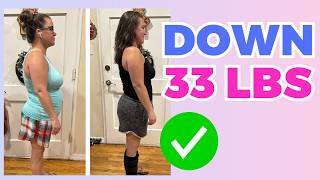
Kristen Acosta talks with Natalie Jill about living with type 1 diabetes, why traditional nutrition advice failed her, and how the Thrive program changed her approach to managing her condition and weight.
In May, I was 157 and right now I am 124. This is eating more than I ate. I don't understand how you're losing weight, not counting calories. I learned that if you have your balanced amount of fat with your fruit, like it does exactly what it's supposed to do. I learned more in those eight weeks than I did my whole life about the way I should be eating. I'm grateful that I'm not looking at this from 10 years ahead, going, I wish I would have started 10 years ago. And that's where I would always be. I would be like, yeah, I'll get to that later. I'll get to that later. And finally I was like, no, like, I have to start now. You made it so easy. Everything was just written out. As long as I did my part, and that was always my problem. I would start and be like.
Today on Midlife Conversations, I've got a fabulous guest. I've got Kristen Acosta here. And the reason I wanted to have her on is not only has she been a type 1 diabetic for 35 years, so that's an insulin dependent diabetic. That is an autoimmune that we cannot typically avoid getting. We're going to get into that a little bit. But she's been in the traditional health care system for many, many years, which served her well for what she does with medication and getting through life. But what was not serving her well with that is her body, her weight, her health when it came to nutrition and mindset around that. And the reason I wanted to have her on the show today is I got to know her. She was in my Thrive program, the last version of Thrive Thrive Midlife. And I got to really know her. She showed up as the top star student. Not only was she the top student in there, but she had an incredible transformation. And listening to her epiphanies, her awareness, what she learned about, what she had learned in traditional medicine and how that changed her health and how she's now going to go on inspire others, navigating the similar situation to her thought it was worth sharing her story. So thank you so much for being here today, Kristen.
No problem. Thank you for having me.
So let's back up a minute. Talk to us about your diagnosis with type 1 diabetes, what that meant to you, how old you were, what you had learned about that.
So I was actually 12 and my mom was noticing things. I was drinking a lot. I was always thirsty, always having to go to the bathroom. I was Very thin. I ate pretty well, I think, which is probably what kind of kept me under control. She took me to the doctor. They thought she was crazy, did tests. She had a call so many times to say, hey, did we get the results? Did we get the results? And they're like, she's fine. And then I was getting sicker, and it was just. And then it was like, oh, she's type one diabetic. And then it was just like, oh, okay. And, you know, at. At that age, it's. You're not gonna tell me I can't have a candy bar when I.
At 12?
Yeah. Like, I want to eat what my friends are eating. So it was. It was rough. I was not the ideal patient at all whatsoever, because you just had so much information from every different side, and they all contradicted each other. Can't eat it. Oh, yes, you can eat this. Oh, you can eat this if you do this. But. And it just. You know, when you're young, you're like, forget it. I feel fine. I'm good. You know.
So tell me a little bit more about Type 1, because a lot of listeners don't even know what type 1 diabetes, otherwise known as juvenile diabetes, which doesn't. It's kind of misleading, called juvenile because it doesn't mean you only get it as a kid.
And.
And I don't even know if you know this, Kristen. My sister was diagnosed with type one diabetes when she was three. So same situation. The very thirsty, getting up all night. In fact, she got in trouble for getting up all night to get water because she kept wetting her bed. So. So it's. It's a thing. So tell us a little bit from your perspective, like, what juvenile diabetes is, what you understand to create that. And you know what? Even parents listening right now that might have a child with this, what they should be looking for.
Yeah. So Type one, and I love it because a lot of people are like, oh, stop eating sugar. I'm like, that's not why we have it. It's. Your pancreas just doesn't work. It. It's called Modi diabetes. It's like a type one and a half, where sometimes your pancreas will shoot out insulin.
Also Lada, right? It's called la. I've heard it's called lada. Okay.
But they treat it the same as type one because you don't want to take that chance. You just have to actually, with that, you got to watch out a little more, because if your pancreas does shoot out, the Insulin, you're going to drop. But there's more and more cases like people are being diagnosed in their 40s with type one. Just. I think it's a lot, I think our bodies just over time because, you know, they didn't have it before. I just think a lot of the stuff we're eating, I just think over time is like, we're done. And it just.
So with juvenile diabetes, also called type 1 diabetes or insulin dependent, your pancreas stops producing insulin. Regular people, so, like, if you listening, are Not a type 1 diabetic or juvenile diabetic. We eat food, any type of carb, any type, anything other than really just protein, your body's going to secrete insulin and your body secretes insulin to counter and keep your blood sugar regulated. So with a type 1 or juvenile or even type 1.5 or insulin dependent diabetic, your pancreas is not secreting insulin. So when Kristin talks about she was getting thirsty, she was going to the bathroom a lot. That was because she had severely high blood sugar. So when your blood sugar is severely high, that was the sign that gave the symptoms. And I'm assuming that's what brought your mom to bring you in to get all the testing.
Yeah, that was probably the furthest thing from her mind. So when she took me in and they're like, these are, you know, symptoms of diabetes. She's then like, they. She was like, oh, it really took. Like, thank God she pushed because she was like, something is wrong, there's wrong. This isn't normal. Because it would. If I had like a high carb meal, like say she made spaghetti for dinner, I. I would get sick and it was just because my sugar was just so high, you know, totally body couldn't take it. And that's actually my daughter had just turned 10 and I was noticing the same things in her. Like if she went and had a soda, she would always be like, I don't feel good. Or if she had pasta. And I was like, I remember it was Christmas Day right after she. I mean, she had just turned 10 and her sugar was like almost 400.
I was like, wow. I was like, Is she type 1 diabetic too? Wow. And there is some correlation with autoimmune. Doesn't necessarily mean everybody in your family would get type one, but you other autoimmunes can be related.
I think they said it was like, if one of the parents has type one, the chance of your children is like one in five.
Wow.
And I laughed. I was like, well, I have Five. One has it. That's right.
Wow. But she's lucky to have a mom that's already sort of navigated it and knew what to do. And all the things I laughed because.
I told my mom, I was like, I'm sorry. I was like, because she's doing exactly what I did to you. It's just like, ah, she's, wow, better now. But, yeah.
So I know when my sister was diagnosed, you know, I remember being a restaurant and she had a stomachache and she was saying, my stomach hurts. She didn't feel good. And my mom ordered her a soda, like a real Coke or something, because to make her stomach feel better, this is, you know, ago, this is in the early 80s, and she threw up all over the table. And that was because she had the severely high blood sugar and that brought her into the hospital. So when you are a type 1 diabetic, explain what life is like as far as insulin. And I know it's come a long way with the pump versus the needles, but can you talk a little bit about what is involved there when you're a type 1 diabetic?
Yeah, so. And it has come such a far way. It's. Now it's so much easier because before it was you had to carry your needles, your testing strips. And like when you're in a restaurant, you don't want to do that at the table. Then you're going into a restroom, you're like, I don't know when they cleaned this. So it's, it was just. It's rough because every time you eat, you know, you gotta get really good in math because you're having to figure out, okay, this is how many carbs, you know, whatever your ratio is. Like mine is, I have one unit per, 15 carbs.
Okay, one unit of insulin per. So you're. So she's saying she. You have to know when you. For a amount of carbs that you eat, you have to match that to your insulin.
And not all carbs are created equal. So I could have 40 carbs that are mostly like vegetables and that, or I could have 40 carbs of rice. But in two hours, my sugar is going to be 200, shooting straight up because the carbs in the rice are different than the carbs. And so it's such a learning process. And you're always learning, you're always in. Everybody's different. Like, my body doesn't react the same as my daughter's. So it's, you know, sometimes you're like, I quit. I don't want to be diabetic anymore.
If only it was that easy. Right.
And you could never forget about it. It's there. I will say the insulin pumps help so much. And the Dexcoms or the Libre.
So what she's talking about is a cg, a continual glucose monitor that actually talks with a pump that you put on your body. So it will tell you what your blood sugar is, and it connects with the pump that will slow release insulin. Is that accurate?
Yes. And that's. So right now, I'm on a pump and the Dexcom and they communicate. So if my sugar is going up, it gives me insulin to correct it. So it will keep me on a steady line. It is so much better because it's. Nobody wants to just be constantly doing a shift, but it really isn't. And it's not just food. It's, did I exercise too much? It could either go higher or lower. You don't know. So you need to know what your body needs before you exercise, for what exercises. You're doing the work.
So, Kristin, what would happen if you had. I want everyone to sort of understand this. What would happen if you, as a diabetic, you just had chronically high blood sugar? What would happen? What is the danger in that?
And see, this is what I didn't realize younger, because when it's high. Yeah. You don't feel good. You feel like you're going to jump out of your skin and you're really grouchy. It really, like, that's where if somebody's in a bad mood, is your sugar high? Physically, it's doing stuff, but you're not feeling it. So, like, what I did in my younger years is hitting me now where, you know, like, arthritis hit me quicker than it probably should have. My eyesight is horrible because my sugars were not controlled. I'm lucky because my mom's neighbor is a year older than me, has had it not even as long as me, and she has lost both of her legs.
Wow.
So when you have high blood sugars, if I get a little scratch on my finger from your sugars not being controlled, you don't heal as well. Your immune system isn't as good. It can cause such a horrible infection. Like, I've just seen the worst things and it was like. And crazy enough that didn't scare me into taking my kid.
And a teenager. Yeah. And then I also know there was a correlation with some weight loss. And as a teenager, especially in your late teens and when we start really getting into body image, I think Teens will learn, like, oh, I've got high blood sugar. I lose weight. So they're thinking that short term. I don't know if you went through that.
I did. I was very thin, and I was just like, I'm fine. I'm not heavy. Like, I remember I was 23, and I had just found out I was pregnant with my son. And I went to the doctor because I had a scratch on my finger that my mom was like, no, we're going. It was so infected. No matter what I did, the doctor walked in and he goes, oh, I have the wrong room. And he walked out. And when he saw my chart, he goes, I was expecting to see somebody that weighed 400 pounds.
I was like, wow.
I don't even think I weighed 100 pounds at the time.
Wow.
And he was like, this is nuts. Like, you need to get under control. And of course, the healthiest for me before is when I was pregnant because I wasn't just taking care of myself, so I was on top of it. But as soon as I had the baby, I was like, I could do what I want. Like, I don't have to check my sugars.
You know, you were young and not. Yeah, you don't really know the consequences. Now, talk about the other side of it, the low blood sugar. Because. Because I know a lot of, like, some people experience hypoglycemia or just have that naturally, but what happens when you get low blood sugar and what are the dangers of that?
The scary thing is you get tired and you're just like, oh, I just want to go lay down. And if you do that, you're not going to wake up because it will just continue to go down. But you do. You get shaky, you get. My daughter doesn't get this, but I get it. And that's how I could tell if my sugar is going low. It's almost like I had just went to the dentist and the Novocaine's wearing off. Like, my tongue will get numb.
Okay.
And then I said, oh, like, looking for my little hard candies. But it really drains you, so you have to be careful because it takes 15 minutes for those carbs that you're eating to bring your sugar up. You should wait the 15 minutes because you just want to shove food in your mouth. You want to shove candy in your mouth, you're going to have the opposite effect, and you're going to be sky high.
Wow.
But when you go low like that, and even when you're high and you bring it down like your day's ruined you. You feel like somebody beat you up for the rest of the day. You're drained, you're tired, you're just like, I can't do anything. Does it just. It affects not taking care of. It affects so much of your life that you don't even realize that it's affecting your life. You just like, oh, this is just how it is.
Growing up with a sister with type 1 diabetes and having one of my best friends that's also type one diabetic. I'm going to give this little disclaimer to people. If you or your child is type 1 diabetic, I highly suggest that you're wearing a medical alert bracelet. And the reason is if you've got severe low blood sugar, you could come off as drunk or on drugs or. And somebody might not realize it's actual a medical emergency. And it is, it could be deadly. So that is when you're talking about carrying sugar and carrying stuff around, carrying glucose tablets around, having fast acting sugar because you can quickly get into a low blood sugar state. And if people aren't aware or you don't have that sugar, that can get deadly real quick. On the high blood sugar side, I think it sounds like it's a, it's a much slower decline and proxy process, but it's a very critical thing to be aware of and to be monitoring so you don't have the long term effects.
Yeah. So I actually, I was seven months pregnant with my son. I had my daughter in the car with me. I drove myself to the hospital because I was getting the ultrasound to make sure everything was going good. Because, you know, being diabetic, you have probably 10 times as many doctor's appointments as you would in a normal pregnancy. I was so excited because they were like, it's a boy. And I was like, yay. Drove home, I got my daughter lunch. I felt fine. But when you're pregnant, your body does. It's not like normal. Like you can go low real quick. You can go high real quick. Well, I was driving and my sugar dropped to where I remember parts like how scary I'm driving with my daughter in the car. She was four and it was like a dream. I like how I remember. It was like a dream. I remember talking to a man. Well, I rolled into the back of somebody's car, got home. It took me two hours to get home. I don't know where I went. I was like, I just, I freaked out, going, I could have gotten this killed. Like, yeah, I reported it to the police. I was like, I don't know who I hit. And I explained to them. Luckily, I did that because the guy called the police and said a drunk lady hit him. And so they were trying to go after me for a dui, and I'm like, I'm seven months pregnant. Thank God. My mom took me to the hospital right When I got home, they did blood work and everything. So that proved I wasn't because the guy still insisted I was drunk.
Wow.
I wasn't. But it is. That is what you're like. It's, like, almost ready to be blackout drunk. And I think it was an hour after I got home, and my sugar was still low. Like, the guy goes, I can't even imagine what it was, but it was like, that scared me. So with pregnancy after that, I was like, I don't want to drive.
Like, yeah.
Like, no.
Yeah. It can be very scary. And then also, with the high blood sugar, the opposite. You can have ketoacidosis. You can go into. You can actually go into a coma from high blood sugar. And I'm not sharing all this. I'm sure you're not either, to scare everyone. I just want people to be very aware that this is a serious. Serious.
And it could happen from things like, you can go into ketoacidosis because you don't take care of yourself. But it could also be. I had a cyst, went to the doctor for it. It wasn't my usual doctor because he had taken a month off. She knew I was diabetic, but I guess she just didn't think about it. And she prescribed me a steroid. I didn't realize. I didn't know. I mean, I should have known, but I didn't know that steroids made your sugar go higher.
Yeah.
At that time, I didn't. You know, it was checking my sugars, doing shots, and.
But I'm assuming it's because it spikes your cortisol. I would imagine there's some correlate. Okay.
But it was making me feel sick, so I wasn't eating, but it was because my sugar was so high. It. I want to say it was about four days in, and I had just taken my kids to school, and I got home, and my husband's like, take a shower. I'll be right back. I shut my eyes in the shower, and when I opened them, everything was black. And I called him, and I was like, I think I'm gonna pass out. I got dressed. He's like, put clothes on. So I went and got dressed, and called 911. Next thing I remember, I was in the hospital. My sugar was, I think they said it was a little over 1200.
That's extremely high. Yeah, extremely high.
I was like, I wasn't checking my sugars because I wasn't eating. So like, yeah, 100, my fault. But that, I mean it took me four, I was in the ICU for four days because it's like getting you back to normal blood sugars, you that's, it's not like it takes time and then like you don't feel good. For those four days that, that scared me like that.
And for those new to this kind of conversation, if you're listening because you have type one or because somebody in your family does or friend does, just when you look at normal blood sugar, somebody that's not diabetic, you're looking on the low end, about 70, 80 on the low end. And then on the higher end, like you would, after you eat, you maybe creep up about 1:30 post meals and then you go back down to under 100. Really like so staying in the 90s somewhere there is typically normal, when you look at diabetes, especially type 1 diabetes, that those ranges shift some. But just to give you an idea, when she says 1200, how high that actually is, or if someone says their blood sugar was 40, how low that actually is.
Yeah, because I remember sitting, because it was my son's birthday and all I could think, I was like, don't you, like, you can't die on his birthday. Like, he'll never get over that. And we were supposed to go to a baseball game. So I remember sitting there, I still had conditioner in my hair with my towel on my head, like going, I'm like, am I going to be out tonight? And she laughed at me. She goes, oh, sweetheart, no. And I was like, like, I don't think you realize how close you were to something horrible happening. And I was like, okay. I was just like, let's talk about.
What you Learned as a 12 year old getting into adulthood all the way until actually I met you. What did you understand about food and how this works with your health?
To be honest, like I would up until this year, I didn't understand a lot about it because I had so many different people telling me different things. It was like, oh no, you can have rice, you can only have this much. But they didn't tell me, oh, but you know the rest of the day you're going to be correcting your blood sugars. And then it was like, no, you can't have anything. You can't have rice. You can't have mayonnaise. You can't. It was like, you can have plain everything. You can't have bread. And then it was like, no, you can have bread, but you can have this. And I was just like, it almost will get you to the point where you're so overwhelmed that you don't care. You're like, I'm just.
What were your beliefs around food? Like, what did you consider what you had learned? What did you know to be healthy food?
Pretty much vegetables. They would tell you, like, at one point to stay away from meat because meat would spike your blood sugars. So that I would have that in my head. But it wasn't like, that's. Yes, some will, but not all meat. And so I would try to eat more vegetables, but then I didn't realize because they didn't tell me some vegetables. Like, I would have corn. I liked corn. Corn is horrible, like, on your blood sugars.
Because you would have a dietitian that would meet with you. Correct. Like, usually a registered dietitian.
So what would they teach you about one dietitian? My whole time being diabetic.
Wow.
Was when I was 19. I was 19. And then the insurance wouldn't pay for another one because I'd already seen one. So a lot of the stuff was what my doctor was telling me. And. And it was the same. I mean, I had the same doctor from the time I was 18 until he retired when I was 25 maybe. And then his partner took over. So I've been at the same place this whole time. And I laughed because I was just always the. Okay, okay. They told me something. Okay, I guess.
So talk to me through, like, when. And I'm talking more about your adult years. So up until, like, we. We met, like, what you were doing before we met, what would a typical day of eating look like? Like, what were you thinking you were doing correctly?
It would all depend on what phase I was in, because there was times where I was like, I'm not taking my insulin. I'm not. You know, I was the worst diabetic. I was like, I don't need it. I'm fine. I'll take it only when I need it. But I would go through my whole day and not eat. And then we would go out for dinner and I would have, like, a cheeseburger. And then when I was being good, I was like, okay, you have to eat, you know, your balanced meals every day. But it would be like, I would have A breakfast sandwich. You know, we would make it at home, but still, I wasn't. I wasn't monitoring what I needed to be eating, how much of what I should be eating. I would get a cheeseburger, steaks, stuff I shouldn't have been eating. I should have made healthier choices. And then when I was being good, you know, I would have my three balanced meals. I would have my breakfast sandwich. I would have a sandwich for lunch. Like, a lot of bread that I thought, oh, I'm getting whole wheat or good bread. And I had never been good about being consistent, checking my sugars, checking how much I was eating. I would guesstimate a lot because I really just. Life was so busy that I just put everything else first, and that was last. I wouldn't take it serious. So I started to feel bad.
And then when you started feeling bad, what was happening was this really. Is the diabetes or just your body image or what was going on?
It wasn't because my weight would kind of fluctuate. Like, when I started taking care of myself, I would gain weight, but that was because I didn't know what I was doing.
Because you're taking care of yourself, thinking, I'm having whole wheat bread, I'm having a sandwich, I'm having that. Okay.
And I've always been told, oh, yeah, when, you know, insulin holds onto the fat. Like, you'll be fat when you take insulin. Like, you can't lose the weight. You're gonna gain the weight. And like, I mean, that was the doctor saying, oh, yeah, no, when you do this, you're gonna gain 20 to 30 pounds. And I thought, well, who wants to do that? Like, I don't want to do that, so be thin. But, like, physically, I was feeling it. Like, I was just. You have brain fog. Your body just is tired.
So I want to make sure. So I'm understanding correctly. So you were going to the same doctor for many years, and you had this belief. First of all, you had a belief that healthy food was whole grain breads, sandwiches, and eating three times a day. That was your. And you had it. And maybe that fat was bad. Like, you just kind of heard fat was bad. And you also had a belief that things like meat would raise your blood sugar. And then you had a belief that if you were eating and taking insulin, you were going gained fat. Is that accurate? That's what you were told.
And then it went to the opposite. It went to, oh, you should eat almost all meat, no carbs whatsoever. So I would do that. But then, like, it just. Nothing was ever balanced. And I come from a Hispanic household, so a lot of the things we make are not diabetic friendly whatsoever. So it would be, you know, I would cook a lot because, you know, having. There were seven of us at home and I would be like, oh, I just can't have as much. It was like, no, that actually I probably shouldn't have at all. I didn't know a lot of the things that, you know, was my responsibility to learn. But like I said, I put myself last. I was doing every. I was like, I'm fine, I feel fine. It's good. I'm just a little tired. But I have a lot of kids, you know, I would just. I would have every excuse in the world to not make that a priority.
What was your understanding about sugar and sugar free foods? What was your belief about those before.
Sugar free foods were a godsend to diabetics? Oh, you, you love soda, cool. Have a Diet Coke. You love your coffee, cool. Put, you know, all the Splendas and all the syrups made with Splenda. Put that in there. You know, if there's no sugar, there's no carbs. It's great.
That was your belief. Got it. Okay.
My belief up until this year. And I never realized why. I never realized what it was actually doing until I stopped.
Okay. So it's interesting because you're very accountable and you're saying things like, it's my fault, I didn't learn. But I also want to share that you were not given tools, schools, so you're in the system since you're 12 years old and you're given very poor education. It sounded like very little. Little tidbits that were not helping.
I felt like so looking back and I wish everybody would know this, and I'm so glad I went through it because I'm telling my daughter, no, this is what you need to go to this person or you need to do this. Because I felt like the doctors I saw were type two doctors. That.
What does that mean? Tell. Explain what that means.
They were so a type 2 diabetic. It's so different. It's treated different. It can be, you know, while, yes, your eating habits kind of should be the same. It doesn't affect, like, when they're sick, it's not affecting their sugars. Like it's going to affect my sugars. And I didn't know that. And I feel like they were more like, yeah, here, just take this pill. That'll help you. You know, take this. That'll Help you. It wasn't, I wasn't learning anything about being a type 1 diabetic. I didn't even know until I was in my 20s that there was a big difference between type one and type two. Like, I should have known that, I think, because I never saw, I never went to like the children's hospital. Yeah, they do explain that a little more. They do a lot better of a job. I automatically went to an adult doctor.
So, Kristen, I feel that this is not even just a type 1 diabetic problem. I think this is a problem in general. There's a disconnect with most, not all, but most Western medicine, doctors and nutrition. It's not. They're taught very little about it. It. They're taught very basics about calories, fat, and not actually what is working in our body and how it can help, support or hurt our, our illnesses and our disease. Like, because there's a way to live that can really shift any chronic illness when you learn about nutrition. And that's what we're going to kind of shift into the conversation here in a second. Type 1 diabetes is an autoimmune disease. There's many autoimmune diseases. Mississippi is autoimmune. Even rheumatoid arthritis is an autoimmune. There's lots of spectrum. Celiac is, Is, which I have, is an autoimmune. So there's a big spectrum of autoimmune. When you have one autoimmune, the chances of developing another is very high, very high. Especially if you're not monitoring and creating a different environment with your diet. So diet becomes especially critical as a type 1 diabetic if you don't want to develop another autoimmune disease. It's very common that an odd type 1 diabetic will develop celiac or will develop another rheumatoid arthritis or another one because of this misinformation there. So, Kristen, when you came into my world, tell me what was going on in your mind and how you even found me, because I want to kind of go back to the thinking process of what made you think I need to change here.
Yeah. So I've actually, I followed you. I believe it was 2013 and I bought the four week jumpstart.
Okay.
Did it.
You bought it years ago. Yeah.
And so I would always see you. And I did hit in May. I was 157 pounds. I am 4 foot 11. That's, that's like, I laughed because I, I would tell my husband. I was like, I feel like Danny DeVito and Batman Gwen. Like, I'm so uncomfortable. And I broke my foot two years ago. And when they did the mri, she's like, your arteries are calcifying. Like, that's your. At the time, I was 45. She's like, that's not good. She's like, you need to get that checked. So instead of getting it check, it scared me, and I ignored it. And then I heard you talk about your dad. It was Father's Day, and I heard you talk about your dad, and it, like, gutted me. I was like, I don't want my kids to just to say this.
Like, my dad died of a heart attack. For those that you don't know at age 49. So she heard me sharing about that.
And I was like, I'm going to be 47. Like, that's not far off. And so I was like, oh, like, I need to change. And then I want to say, it was like a week later, you talked about thrive. And I thought, okay. And I, like, I laugh. I go. I remember this more than I remember when I got proposed to. I was sitting. We were right by the beach. I was getting ready to pick up my two boys and their friends. They were surfing. And we were on the Zoom call, where you were explaining thrive. And I laughed because I remember writing. I was like, I'm gonna be your next success story. And I was like, I'm doing this. Like, this is it. This is gonna help me. I'm like, I'm sticking to it. I was like, we're gonna do this.
And I remember you coming to the masterclass. We did a free, interactive masterclass. And you came on and you were commenting in there, and I remember that. And you said, I'm gonna be your next success story. And you. You actually, truly were my next success story. So what did you. What was the big changes when you came in? And I want to actually, like, share with people listening, because some. Some people will do thrive, some will not do thrive, or whatever the timing. But what were the big breakthroughs? Like, what did you learn and changed your body, changed your health? What do you know now as a diabetic?
So I learned more in those eight weeks than I did my whole life about the way I should be eating to balance it out. Like, okay, I don't have to be on the same exact thing every day just to keep my sugars good. You know, we can be creative, but figure out how much you need and all the things that you need and consistency and sticking to it. Like, that was A huge key and it. You made it so easy because everything was just written out as long as I did my part. And that was always my problem. I would start and be like, you know like okay, no. And so I was like no, I. I have to put myself first because I would like to be here for a lot longer. And and I was like I knew I needed to lose weight but that wasn't even the. The main thing. It was like my A1C was 10.7 which is horrible.
Your A1C is your average blood sugar over a 90 day period that she's talking about. And they say that you're pre diabetic when it's in the fives basically. So like 5.8 10 is extremely high.
And she wants me between 6 and 7. And I was high cholesterol so they had me on medication for that. I had Hashimoto's.
So she had which is another autoimmune which makes sense.
It goes with type 1 so just all these medicines. And I was like I don't like I see my aunt. I was like I don't want to have like a makeup bag full of the pills I have to take. So I was like no, I don't want to do this. And I actually took the cholesterol pills for three days and remembered why I had stopped taking them because I felt just it makes your bones ache. I adjust every side effect I had so I stopped taking them. And my actual doctor's appointment was July 8, the day we started. And then I went in September. My A1C dropped to 6.3 and that was only after two months. So she said would be way better. My cholesterol was fine with and she.
Not being on the medication and that's.
What and she was like see I told you the medication works. And I said I didn't take it it.
Yeah. So that's a whole another topic I'm that I'm going to keep going down rabbit holes on. But cholesterol is designed to protect us. And there is a definite correlation between high blood sugar and cholesterol. There's a definite correlation there and I'm hoping more will be coming out about that soon. But there's a lot of not truths going on around cholesterol and cholesterol medications. I'm not your doctor. Those you listening so you do you but just there is a rabbit hole you can go down about cholesterol and why our body produces it and what's created. And there's a definite correlation with high blood Sugar in that. So I'm in that. Your case in point on that. So what are some, like, actual. And. And you can share. I'm not trying to gatekeep any information. Like, what are some of the actual, like, tangible nutrition things that were aha. Moments for you that you learned from Thriver that were. Were big, pivotal things for you that you now are incorporating that you realize.
So, like, my favorite one is I stayed away from fruit because it made my sugar go high. And I learned that if you have. Have, you know, your balanced amount of fat with your fruit, like, it does exactly what it's supposed to do, like, it doesn't shoot my blood sugar right through the roof. And so the one good thing, I'm glad I wrote everything down as I would do it, how it affected my blood sugar. And it just. I was so excited. And I think one of the best things that I learned was, okay, you have the list of, okay, these can be your fats, these can be your proteins. And I was like, okay, so I know if I grab anything off of these, I'm gonna be good. Good. Like, this is gonna be good. And I love that because I don't want the same thing sitting in my fridge. Like, I get bored. I love food. And it was so nice to. I wasn't hungry. I had everything I needed, and it was different, you know, And I just. I loved that. I loved how simple it was laid out for me. I was like, how did I not understand this for 30 something? Like, this is. I was like, God, this is amazing. And it really did. It helped. My husband lost 30 pounds from the way I was cooking. My teenagers, on the other hand, they had to have other extra stuff. But it was just so nice to be able to go to that and say, okay, I know how much fat to put in. It wasn't like a. I think, okay, let's see what this is gonna do.
Yeah.
Yeah. I had energy, and I always just thought that was like, oh, it's just because I'm getting old. And I was like, oh, my God, that's not what it.
No. And I think it's misleading. It's challenging because I think there's a lot of people that believe it's just their age or it's just their diagnosis. And now, you know, when I was talking about that, when I meant, so what she's in thrive. What we talk about is basically unprocessed, real natural food. So we talk about real natural food. So protein, carbs, fats. And I teach people like Kristen how To not count calories, not count. That's not what we do. But how to balance foods. Like, what are the. Because none of those foods are inherently bad. None of them are bad. Like, it is a myth that fruit is going to mess up your blood sugar, that carrots are going to make you fat, that meat's going to spike your blood sugar. That. Those are not true. Now, everything done incorrectly could do that. So, yeah, if you eat a big bucket of fruit and you're not having fat and protein with it, you will have a blood sugar spike because it's still fructose. However, and same with meat. If you add barbecue sauce to your meat and which is high in sugar, you're going to spike your blood sugar. But just eating meat is not going to spike your blood sugar. So there's a lot of misinformation when it comes to nutrition. And I think obviously Western medicine is extremely important. If it wasn't for Western medicine, you wouldn't have insulin. You wouldn't be alive. Like, so that it's absolutely critical. And there is a huge gap. Gap with the nutrition side of things with Western medicine. And there is a definite gap between a lot of. Not all, a lot of registered dietitians and nutritionists. They come from different ways of teaching. One is very government taught, very pharmaceutical taught. Believe what you want there. That's. I mean, that might be. One of my best friends is a registered dietitian. One of my best friends, Carrie Glassman, talk about her all the time. I've had her on the show, and even she realizes the gap there. And she really learned to be more of a nutritionist with her registered to dietitian background. There's a gap there. Things like artificial sweeteners are not helping us. They're not helping us. And I think you learned that too, Kristen.
During this, I didn't realize I would have, like four cups of coffee a day because I just would crave it.
Yeah.
And I said I didn't realize how much that was. It was making me crave sugar, like I would want. I was like, okay, oh, I want a cookie. Or, you know, it baffled me because I thought, oh, I thought that was supposed to curb my craving for sugar, and it didn't. And the.
You know why? Why now do you understand why?
Yeah. And I laughed because my daughter, her and her diet sodas were. I was like, trust, just give me a couple weeks. I was like, just let. Let's not do this. And she was like, oh. I was like, yeah. And I said, because she would Drink the soda. And she's like, I'm hungry. I was like, I was like, let's, let's look into this. And she was just like, so she's learning so much more, which I love.
But so the longest word of it on artificial sweeteners. And someone could listen to this and challenge it. You can challenge it all you want, but I've got Kristen sitting right in front of me right now and her before and after picture and what she learned and her blood sugars are. Now when you are having artificial sweeteners, not only are you screwing up your gut health, which is a whole another topic. And screwing up your gut health is going to lead to other autoimmune other problems, other issues. But your body thinks it's getting those calories and it's not. So you drink, you eat a bag of sugar free gummy bears, your body thinks it's getting those calories. It's not. It's going to create cravings. You're going to be looking for that. Also, you could potentially still massively spike your blood sugar. There's some, a lot of fake sugars on the market that are being labeled as different, not really sugar. And they're still spiking your blood sugars and more slowly, which is another issue because of all the weird fiber. They put like a weird fiber, they're not even a real fiber, but cellulose, which is wood chips in there. So there's a lot of issues there creating that. So artificial sweeteners are one of the things we really do take out of the thrive method. And I feel very confident that changes a lot of things for people. I've seen it over and over again. I would rather you have some real sugar than go with the artificial sweet stuff.
And I never knew that because I was always told, oh, here, you could just have a diet Coke, it's fine. And it did like I would have it and I was so hungry and it, it would affect my blood sugars. Like my coffees. I was like, I could have a regular one and take the amount of insulin that I'm having to take for this. I'm like, that's so weird. And so now my coffee literally consists. I get the Cacao Calm and put it in my coffee with a little bit of the nut pod creamer and that's it. And I don't even have to take a shot for it. Even though technically there was like four cars. Herbs in the Cacao calm. But it doesn't affect my sugar at all whatsoever. Where I Was having to take almost three units of insulin with sugar free stuff in my coffee. So I was like, that doesn't make any sense. And I think before this program, I put no thought into why things were doing what they were doing. This made me look into, even when you think you're eating healthy, read the labels. Like, look in the back. And I was like, why is this simple. Simple thing has 80 ingredients. Like, that's ridiculous. You know, and even like a simple thing would have 80 ingredients and it shouldn't have. I didn't even know what most of them were. So that, I mean, I really went into a rabbit hole. And I was like, we started making our own almond butter. Because while there are some great almond butters out there, most of them have so many other things in there that I didn't need. Like, I just want almonds, like, little salt. Like, I don't need everything. Yeah. And one good thing I love. My daughter loves to cook. So we were making our own mayonnaise and the boys were eating that and just everything. And I said, you want this? But look at. It's convenient to buy, but look what's in it. And then if you look those up, look what that's causing to your health. Like, it's when you really care about what you're putting into your body and you start to look at things.
You.
It's. It's a big eye opener for sure. Yeah, yeah. So this has helped me because before I was like, oh, it's a diet food. I can have it. It's no problem. And then you look at it like, oh, what is this stuff? Like, what. What made this a diet? And so I would look for alternatives to. Because pasta's never going to be my friend. Like, I've learned when you cook it the day before, you reheat it up the next day, it doesn't hit you as hard, but it still hits you. So you still have to. I don't want to have to take, you know, 15 units of insulin for my dinner. So it's not worth it. So I was like, okay, we're gonna do zucchini, but we're gonna, you know, spice it up a little.
And by the way, she. Pasta's not off limit on thrive. The deal is you have to have such a small amount and balance it with protein and fat. Not. So is it like, do you want the small amount of pasta with all that or do you want the unlimited zucchini noodles? So that's where. So it's not that it's off limit. It just changes the volume and balancing.
It, like, so when I would make some of the meals, I would make it, you know, with either pasta or brown rice. I just wouldn't eat it. Yeah, my daughter could eat a little bit of it, and it doesn't affect her blood sugars like it affects mine.
Right.
We went to a family reunion, and I didn't realize, like, what they served. They had mixed it with refried beans, and I was just like, oh, it took seven hours for me to. To get under 150. She's like, and you don't want to overcorrect because then you're going to go low. But I was just like, oh, that wasn't worth it. I should have just stuck with the chicken. Like, I should have.
Tell us like you said you were when you started with me, you were 4 11, 5, 150 pounds. You're still 4 11. But what. How much did you drop and what's changed? And talk to us about your insulin now and your A1C and your cholesterol and all of that.
So my cholesterol numbers are all perfect.
Amazing.
So they. Not one of them were in the red. And so I go, actually, in two weeks, I go back to get my A1C again, but I. I've continued because I have about 10 to 15 more pounds that I want to lose, which I think we're gonna stick with more of the 10, because I feel like if I go the 15, I was like, I don't need to be back to my fighting weight. Like, it's like. Or I don't need to be under a hundred pounds. Like, we're good. But. So in May, I was 1:57, and right now I am 1:24.
Wow. Wow. That's incredible, Kristen.
This is eating more than I ate. So, like, everybody. So, like, my sister was always like, oh, I. I'm only eating this many calories a day. I'm like, I don't count my calories. She's like, what? I said, I don't count my calories. I said, and I'm eating food that's filling me up to where that was, like, my problem before. I would go so long to where I was starving, and then I would just eat so much. Or even when I had my three meals a day, it. I just always felt. Felt like I was missing something. And I was like, nope, I will have my breakfast. And then next thing I know, I was like, oh, it's lunch. Like, let's go. And it is. It's more food than I ate. And my sister's like, I don't understand how you're losing weight, not counting calories.
It's not about calories. Yeah.
So I told her. I was like, said, I believe thrive starts in January.
Like, I love it, I love it, I love it. What do you want people listening to know that are currently navigating either type 1 diabetes or whatever it is they're navigating, and they're. They're relying on their doctor right now for nutrition. What do you want them to know to help them?
I feel. I mean, I don't know all doctors. I feel like mine. What's best for me. I don't think they have the time to explain it or to even learn something new. I do have one where I did share information with her, and she's like, this is awesome. You know, and she would look it up and. But the other ones are kind of like, so why. They do play a great role because I can't survive without insulin.
Sure.
I had to take it upon myself to do the research to figure out very good. The way that things actually were. And not like I left my kids. There's always the saying, google's your friend. And I said, google's not your friend.
No.
Look up, like, five to 10 articles. Different, you know, different things. I said, because Google will give you one answer, and that's like asking your doctor. I was like, you. You deep dive into some things. And I learned a lot. Not like they had me on the wrong medicine for Hashimoto's. They had me on a T4, and it wasn't doing anything. And I laughed because she's like, oh, your numbers look great. And I was like, I haven't taken my medicine at all. Like, so that was actually one of the things when I was talking to her about that she was looking into. And I'll get to talk to her in a couple weeks about, you know, changing it. But, yeah, it's definitely, you know, nobody's gonna look out for you like yourself. So you have to do your research, and you have to.
Yeah.
On top of that.
So one of the things we teach in thriving, I'm sure you've heard me say it a million times, is I teach people to be their own health detective.
Yes.
And what does that mean to you now when I say that?
So now, before, when I would go to the doctor, I would tell them what I was feeling, they would tell me something, and I all right, cool. That's what it is. And so now I'M like, well, let's see, I'll go research it. And I said, well, no, that's not quite it. This is where we're going to go with this. And you know the same thing. Like, they were very adamant about me taking my cholesterol medicine. And I was like, you know what? I don't like the way it makes me feel. Well, we could put you on a different one. I was like, I don't want to take medicine. So when I did my research on that, I thought, huh, okay. I mean, so you could either just be, you know, somebody that is like, okay, I'll just listen to whatever you say and I'm going to be on this medicine and then I'm going to have to be on this medicine because of this medicine which helps people. But I was able to kick out three different medicines just from doing my research and changing simple things.
Things like, I think that's so fantastic. And I am not, for the record, anti medication at all. I'm not anti western medicine. I am a huge fan of being your own health detective. And if something doesn't sit right with you, feel right, work right to keep going deeper. I know I have my own, some of my own family members that do not like or agree with what I share. And that's fine. They can. I don't, I tell everyone, do, do your own. You do you. And I also know there's a lot of people that I, I've helped shift into taking their health into their own hands and getting to another level, their health. So I think everyone's unique. Everyone needs to do what's right for them. But if things are not working for you, like with Kristen, things are not working for her. She was 157 pounds at 4 foot 11. She wasn't feeling amazing. Her A1C was over 10. Her cholesterol was high. So you becoming your own health detective and stepping in and learning might have saved your life.
Life. Oh, yeah, 100%. Because, I mean, especially for having type one for so long. And this is probably the lowest my A1C has been. It's, you know, I've had times where I was like, okay, yeah, I was seven, a little over seven. And over a period of time, like, that's, that's taking a toll on your body. Like, I remember telling my grandma, she's 92, and I was like, grandma, I, you have more energy than me. You're doing more things than me.
Like, I feel horrible.
And she was just like, she goes, because you guys eat crap and I said, I know. Like, she's.
But you weren't getting the real information on what that means. So you could hear that. And even you not eating crap, you thought that meant a whole wheat sandwich.
Yeah. And it's crazy how eye opening it was to just like. Like, oh, my God, like, all these years I was thinking one way, and it was completely wrong. Like, completely wrong. And I'm so grateful. Like, I could look back and be like, I wish I would have done this 10 years ago. But I'm grateful that I'm not looking at this from 10 years ahead, going, I wish I would have started 10 years ago. And. And that's where I would always be. I would be like, yeah, I'll get to that later. I'll get to that later. And finally I was like, no, like, I have to start now. And it was. I laughed because I think my before and after picture shocked me. And I see myself every day. Like, I thought, oh, my God, like I said, even, like, my skin looked better. Like, I just. Everything. Everything was better. And I was like, all just from. From changing my mindset, researching and eating better, like, and exercising. I. Even with that, like, I was doing really good. Then I broke my foot at the end of August, and I thought, you know, I could have sat and said, well, I have a broken foot. I can't do anything. I did everything that I could without having to use that one foot. And I was still able to do most of my exercises, and it's still I. And I feel like that was even as soon as she told me I could start doing things on my phone foot. Like, I healed quicker. I healed better. It's just changed, like, every aspect of my life. Like, it's something so simple, made such a big change.
And so I want to be really clear. I know we're talking a lot about thriving here, and I. And look, I love that Kristen gives Thrive so much credit, but I want to give Kristen credit because you made a decision to take your health into your own hands and become a detective and go another level. So I believe Thrive was the tool, but it was you making a decision. And I. I hope anyone listening here, if you. If this resonated with you, that you take that away, that it is you making a decision that you are going to take your health into your own hands and get to the next level, because that is truly what made this change for you. And then Thrive was the tool. It happened to be there at the right time as the tool for you that helped you.
Yeah, I really Feel like. Because I. I was done. But I had hit that before where it's like, so, oh, I would choose to just not take my insulin as much as I did. And so this time, I said, no, I'm gonna do this. And I loved you. Just everything. I don't want to say it was easy, because it wasn't easy, but it was very clear. It was very clear that, like, well, if you skip this part of it, like, this is a big part. Just, you know, our decision boards.
Yeah.
And I chose to put that on my recipes because I knew I was gonna look at that every day. And I did, and I. I laughed. Cause I was like, look, look. All these are here.
Yeah.
Like, all this is all what I wanted. Where I was so far away from that in July. And I was like, this. It's amazing. And it's. I will say, like, it. I loved how it was laid out because it made it easier for me to be like, okay, if I just do it. Just that. And so I knew I had to be responsible for that part because you can't come here and make me do it. And even when I didn't, I was like, oh, okay, I lost a pound. I lost two pounds. I was like, just at the end, I was like, oh, wow. Like, that. That really. It just. It adds up. And I felt so much better doing it that way than I did when, you know, gosh, what was it? The slim fast shakes. When that was like, all the crave. And I'm like, oh, I'll do this. And. And, you know, that never worked. And when it. People want immediate. And then you realize that comes right back. And I laugh because everybody right now is like, what did you take to lose the weight? And I was like, I ate better. And I learned.
Yeah, I think it's amazing. I'm gonna share where you all can find Kristin, because she's mo. She wants to be in do more with the health now and help more people. And she's even working on an ebook right now as we're recording this, to help people with autoimmune and type diabetics with a lot of what she's learned. If you're curious about thrive and what that is, we do thrive twice a year. The next thrive is happening end of January. And you can learn more about that@total bodythrive.com. total bodythrive.com you can also, if you want to go deeper on a class and do a free class with us and learn where we go a lot deeper on what needs to change for fat loss as we age, especially if you've got chronic illness or autoimmune. Any of that. If you go to NatalieJillClass.com it's NatalieJillClass.com that will take you to a page where you can sign up for the free class. We do a series of these before we open up for Thrive. And then, Kristen, where can they find you on Instagram?
So my Instagram is live like you give a fork.
I love that. Live like you give a fork.
So that is. It's we could not come up with the name and my son was like, that fits you perfectly.
So good. So want to follow more on Kristen's journey and learn about her ebook? Connect with her. Live like you give a fork. I love that. Thank you so much, Kristen. Thank you.
Thank you.










