Transcript of a Today Show interview (2018) with Dr. Adam Perlman discussing the idea of "stress addiction." The segment explains how everyday activities can produce dopamine and an adrenaline/endorphin response, distinguishes acute (adaptive) stress from chronic (harmful) stress, and links chronic stress to increased risk of obesity, diabetes, and heart disease. The host cites a survey reporting 35% of adults said their stress increased over the past year; Dr. Perlman emphasizes people may become habituated to a stress-filled lifestyle even if physiological "addiction" to adrenaline is not fully proven.
Emails, the text messages, the meetings, the making dinner, the picking kids up at school. And a lot of those things can feel really good. And they get us charged up. They also produce dopamine in our bodies, which is a hormone that makes us feel good. What happens, though, is that dopamine production.
Triggers stress, and now some are suggesting you could be addicted to stress. Well, joining us now is Dr. Adam Perlman, an internist who runs the integrative Medicine program for the Duke University Health System. Dr. Perlman, good morning to you. What do you think of this theory that some people get so conditioned to the adrenaline rush of stress and then the relief of the endorphins that your body could actually get physically addicted to that?
Well, I think that the science isn't fully clear whether or not we do get addicted to the adrenaline. We all are familiar with the terms of adrenaline junkies and people that love that rush. I think it's interesting to think that it may not be the rush, that sort of sympathetic system revving up, fight or flight, but it may be the more parasympathetic or relaxed state that we go into the chemicals, the endorphins that are released, that we could be addicted to. But do you really think people thrive off stress for long periods of time? I always think maybe they thrive off it in the short term, but they're damaged by it eventually. So that's really the problem. And I think it's really important to understand the difference between sort of acute stress, which is a physiologic response that's very important. We wouldn't be able to survive without it. And it happens to both positive and negative things and motivates us and gets us to move away from danger. But then there's also chronic stress, where it's a very different physiologic response. And as we tip over into chronic stress, we see problems with things like obesity, diabetes, heart disease, and higher incidence of those conditions in people that are experiencing chronic stress.
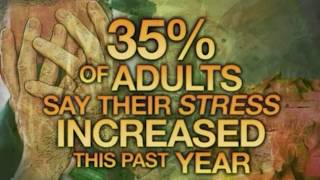
Yeah, we see a lot of this. 35% of adults in a survey said their stress actually increased the past year. And we know that stress affects people differently, but a lot of the common effects of it not sleeping or overeating, on the flip side of it, not eating enough, missing meals. So this has a real physical side effect if you're under a tremendous amount of stress.
It's true. And again, so the point of whether or not someone is actually addicted physiologically, to me, is less important. I think that the fact is that for many of us, we get addicted to a lifestyle where stress is a regular part of our daily lives. And we think that's normal and it really isn't. And it doesn't need to be the norm.
Some people think they're more productive with stress.
They focus better.
Yeah.
Well. And that's true. And to some degree, it is true. Here I am this morning on the Today Show. Of course, there's an adrenaline rush that gets me alert, gets me thinking, gets me prepared. But if I was so anxious, so stressed that I froze up, I couldn't speak, you sort of tip over to this place where stress becomes very counterproductive.