Intentional Action:Mindfulness, Knowledge, and Action in Pursuit of Your Highest Potential
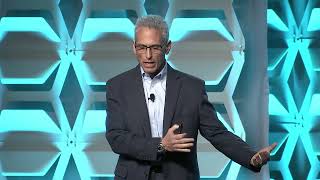
Adam Perlman, MD, MPH delivers a June 2024 YouTube-recorded presentation on stress, burnout, emotional awareness, mindfulness, and intentional action to enhance vitality. He combines personal anecdotes (martial-arts background, family examples), scientific framing (stress continuum, ABCs of emotion, health/wellness wheel), a short guided mindfulness practice, and practical behavior-change strategies (habit stacking, friction, mini-habits) aimed at helping listeners set one intention and a first step toward improved well-being.
Questions this video answers
Adam Perlman, MD, MPH
June 2024
Five children
19 years old
16 years old
Well, good morning, everybody. This is. I give a lot of presentations, and I've never really come from, like, the back of the stage like this. It reminded me, I was saying earlier, it reminded me, like, I saw some documentary on Tony Robbins, and, like, I don't know if any of you saw it, but, like, before, like, he goes out on the stage, he jumps on this trampoline thing. He has, like. And I was like, maybe I should do a few burpees before I go running out here or something. But this was great. So it's really an honor to be here. And, you know, I do. I do a lot of presentations. I've probably done 20 presentations for companies in the last year around resiliency and wellness, and they've all been webinars, right. With no one in the room. And so it's so great to be back on a stage and have real people to look out upon. And it'll be great to get into some questions and answers and hopefully have some dialogue later. And I'm particularly excited about this presentation. It's a new presentation that I've put together for all of you, but it really pulls together a number of things that I've been thinking about working on for a number of years, some of these things, even researching. And I will say that my goal for the presentation is that you all have a chance, whether it's during the presentation or maybe later tonight, or maybe on your trip back home, wherever you're going back to, or at some point to. To maybe set a new intention for your lives, something that you'd like to enhance in your life or change in certain ways, and that maybe you kind of have a related goal and even come up with a step that might happen in the midst of this presentation. I think we all have some pens and paper at the table, so if you have some thoughts, you might want to jot it down. But I really would think this is a successful presentation. Again, if you come away with one thing that you. You'd like to change and work on. And hopefully this talk will give you some tools to be able to do that and be more successful. I thought I would kind of put this agenda up here because as I was pulling all this together, I realized, well, there's a fair amount of content here. And I had this kind of reflection that this is a bit like a breakfast buffet. Okay? You don't have to eat everything on the table or everything at the buffet. All of you are going to be coming at this presentation, hearing this presentation from your own perspective with Your own challenges, your own opportunities, your own stories and narratives that you have. And some of you may be in the midst of making changes in your lives in various ways. We all are in certain ways. And again, take what is most relevant and what resonates most with you. But I will say that again, if ultimately the goal is to move forward and help you to move forward in ways that enhance your lives, we have to spend some time talking about emotions and stress. And so we're going to talk a fair amount about burnout and stress and emotional radars, something called the ABCs of emotions. And then we're going to look more broadly at well being and the spectrum of well being and ultimately then whittle down into mindfulness, because it's a key component. And then this whole concept of intentional action and how do we achieve goals, how do we explore the potential inside of ourselves? And then I'm going to end with just briefly talking a little bit about the science of habit. That's sort of a whole separate presentation that I give. But so much of what defines really our lives, our experience of life, our health and well being, is dictated by what ultimately comes down to the habits that we have, some of which, many of which are really subconscious. We don't even realize we do them, but they're kind of our habits, our routines. Again, sort of thinking about this presentation and how did I end up on this stage sort of 24 years, I guess, into a career. It really started for me in many ways with my background in martial arts. And I'm the guy on the left, in case you couldn't tell. So, and God knows I couldn't do that now. But that was me, I think, at 19, because I think I'm a first degree black belt there. And I started when I was 16, I think it took me about three years initially. And the reason I'm showing this slide is it certainly influenced me in different ways. I think, as you heard in the intro. I mean, I've focused a lot on what's called integrative medicine and functional medicine. So on one level that's, you know, looking at things like acupuncture and where's the evidence for that or other things. The functional medicine is a lot of more nutritional biochemistry and how do we influence inflammatory pathways and really use the science, the applied science of lifestyle to help influence health and well being. And certainly that martial arts background led to some of that interest, not only in lifestyle, but things that come from other healing cultures and traditions. And that was kind of the story That I told up until maybe 10 or 12 years ago when I was maybe introducing and talking about why I was interested in doing what I do and how my career had shaped out. And I think I came to realize, like I said, maybe only 10 or 12 years ago through some self reflection, that really the connection was more about exploring potential. And that was really what was driving me both in my life as well as the way my career had shaped up and the way it was shaping up. So when I look at a picture like that, you know, that's nice. And I guess if I could do that now for all of you, you might be a little impressed. But it's not exactly a marketable skill unless I'm going to go work for Cirque du Soleil or something like that. So what was the point? And I came to realize again later in life that the point for me anyways was what did it take to get there? How much hard work, determination. Could I reach a point where I could jump five, whatever that is, six feet in the air and do a kick like that? And again, we all have different potentials inside of ourselves at this point. Forty years later, or whatever it is, I have a metal hip now. I'm not going to be doing those sidekicks and I'm not going to be climbing Mount Kilimanjaro. But what is the potential for me and how good can I feel physically, mentally, spiritually? And I think that continues to drive me personally as well as professionally. I mean, it relates to this concept of what I sometimes refer to as our health and vitality span.
Right.
I mean, we all want to live long lives, but we want to live lives that are full of vigor. And we want to feel vital and throughout our lifespan, you know, and kind of feel as good as we can feel. And then maybe whatever the last day is, kind of just dive in there at the end. And so how do we do that? How do we really maintain again and optimize our vitality throughout our lives? And what do our lives look like during this journey?
Right.
I mean, it comes down to that. What do they typically look like?
Right.
So very often, what are we doing? We're not taking time for lunch or working through lunch. We're stressed out, we're not getting enough sleep. Maybe we're with family or loved ones, but we're not really with them. We're distracted. We're looking at our cell phones or checking emails, doing things like that. And very often we're not taking the time to. Sorry. To eat healthfully. Maybe get enough exercise and do those other things around self care that we know we need to do. And then, of course, there's work. And with work, easy to feel overwhelmed, and things just seem like they're piling up. And of course, when that really begins to take its toll, we begin to feel burnt out, right? And we all feel that at certain times. We all kind of know what that is. World Health Organization talks about it as kind of workplace stress that is chronic, that isn't really being managed successfully, but really what the feelings are. This feeling of kind of emotional exhaustion, of feeling cynical and of feeling ineffective in what we do. And again, just like we all have moments of feeling sad, that doesn't mean we're depressed. We can all have moments of feeling cynical or exhausted. And that doesn't mean we're burnt out. It's when these feelings really persist and begin to impact us in meaningful ways in our day and in our lives that we kind of really fit the criteria for burnout. But I think recognizing what that is, I know for me, on days when I'm sitting there going like, what the heck am I doing here? Sometimes I'll try to stop and be, wait a minute, maybe I'm just feeling a little burnt out in the moment. And what can I do to kind of clear my head and get refocused and remotivated, you know? So what does it look like? I mean, for me, you know, I'm feeling exhausted, I'm feeling cynical, I'm feeling ineffective. You can change the pictures, right, for your careers, your lives. But we all know what that feels like. And it's not just about burnout, right? I mean, it's driven by this concept of stress, which is really an epidemic in this country. Cyr spoke about his experience briefly as a part of the introduction, but we know that he is certainly not alone, right? I mean, half of the US population pre pandemic really rated stress as being high on a usual kind of basis. Their typical experience, day in, day out, was high levels of stress. And we know that the pandemic has only made that worse, right? We know that stress, anxiety and depression, real mental illness, is clearly on the rise. And I think this is not a talk about that, about mental illness per se, but I think it's important for us all to recognize that there are points where we clearly need to get professional help. Very often people like us are fortunate to work at companies that I'm sure have EAPs and other resources through HR. And so, again, whether it's you or whether it's a colleague or family member or friend. I think it's important that we do recognize when burnout and stress and anxiety is really tipping over to a place where we need professional help and that we seek that help. But by and large, when we think about stress in general, there are those extremes. But really, it's a continuum. We exist on a continuum. We have good days and bad days, good moments and bad moments. And stress is the same way. And it's important to recognize that stress itself is not the culprit. It's not the bad thing.
Right.
I mean, giving a presentation like this on some level is stressful. I could get rid of that stress. I could have just said, I can't do it. When Beth was kind enough to call and say, could you come present? I could say, nah, that's going to be too stressful for me, so I'm not going to do it. But I love doing this. This is my life's work. So what does stress do in that case? Well, it made sure that I spent a lot of time preparing for this presentation. I did a practice run with some colleagues, Even did this for my kids. Christmas morning or whatever it was afterwards. I got five kids. I'll show you a picture of them in a little bit. I'm like, you guys come listen. So I had to leave my phone in the back. That's the problem with five kids. I got all these like, good luck, dad. Good luck, dad. And I'm like, it's like this group chat thing. So I was like, I better leave that in the back. It was going to be, like, vibrating constantly. But, you know, it's easy for us to tip into this area where we're going from. What is peak performance. Those things that I did was to get me to hopefully give a presentation. All you are going to love today. To this place where it's really too much and, of course, too little stress. Maybe I wouldn't have done what I needed to to prepare. We want to try to exist in this zone, but why do we always get here? What is it that drives us there? Well, there's a number of things. We have beliefs about the world. Sometimes the positive psychologists refer to these as iceberg beliefs. These big beliefs that we have about ourselves, our place in the world. These are often influenced perhaps by genetics, certainly by our upbringing, by people that we were exposed to, circumstances that we were exposed to in a room like this. I'm sure that success is an iceberg belief for many of you. It's something that drives you and of course we know what the outward signs of success look like. What we often don't see is what's underneath the surface, right? We know about the dedication, the hard work, maybe the good habits. But what about the bad habits? What about the disappointment, the sacrifice, the failures? And what about the angst that we might feel if we're driven to be successful? Maybe we're struggling with feelings of unworthiness. You know, again, many of these things stem from our upbringing. Or maybe I'm the only one in the room who's a recovering perfectionist, who struggles with this concept of excellence versus perfection. And how does that drive us? And again, in many times in good ways. These are things that got all of us in this room today without being driven to be successful, without some thoughts around perfectionism, excellence, certainly trying to strive for excellence, none of us would probably be in this room. But it's a double edged sword and it can tip us over. And when that tipping over often looks like excessive, what is referred to as mind wandering. So what is that? You know, it's when we're in this place where we're often kind of wandering mentally to the past events that may have occurred and reliving them. Or maybe we're mind wandering to the future about things that may or may not happen and that's driving an emotional response. Now very often, not always, but very often, if we're mind wandering to the past, maybe that we're reliving some confrontation, some conversation you had with your brother or sister or someone else, and that often can lead to feelings of anger. That's often the more predominant emotional though. You can feel all kinds of things, guilt, sadness, whatever. And then very often if we're mind wandering to the future and you catch yourself doing that, often there's anxiety, right? You know, yesterday, not that I did this, but what if I fail? What if I fall off the stage, you know, that kind of thing. Well, okay, that's kind of unlikely to happen. And you know, you can challenge these thoughts and we're going to talk about that. But this concept of mind wandering, you know, not being present, is really, really critical and it creates a lot of undue suffering for people. And it's a natural human thing to do, we all do it. But it's also something that we can learn to control. It relates to our emotions, of course, and this concept of what are called emotional radars. So we have these emotional radars, we're constantly scanning our environment for threats. Now that's really an evolutionary development and we've evolved to do that. And quite frankly, we've evolved to default to an assumption that something we hear or something that's going on is potentially negative. So what do I mean by that? If we or you were the proverbial, let's say, cave person wandering through the jungle thousands of years ago or whatever it might be millennia ago, and you heard a rustling in the bushes and you thought butterfly as opposed to saber toothed tiger, you are a lot less likely to put your genetic material into the next generation.
Right?
So we have defaulted to be able to do that.
Right.
The problem is that the proverbial, the rushing of the bushes now is the text message, the email, the look that someone might give you when you're walking in the hallway, whatever it might be. And so this default to the negative, let's say, or to the risk in our emotional radars really often now is not as beneficial as it once was and can cause again a lot of undue suffering. So that really, again emphasizes this point that it's not necessarily about getting rid of the events that are stressful now. Sometimes it is, right? I mean, sometimes you're just not in the right relationship, not in the right job or whatever and it's time to make look for a change. But more commonly, it really is about our perspective, right? The view that we take and the way that we are reacting, okay. Rather than perhaps responding to the events that are triggering us in our environment. So let's spend some time talking about that. Okay, so these are all up here, different emotions.
All right, let's.
We'll do this as a little bit of a quiz, at least for the first one. So what do we think here? We'll do it on this side. Now what do we think this one might be? Anger. Anger. So let's see. So anger. Okay, so let's imagine a scenario, let's say, and you can personalize this for your scenario. So let's say that we call. Let's say you call home because you're going to get stuck at the office and you're going to have to work late and you're going to have to miss the event that you had told your spouse or your loved one that you would attend. And so you call and say, look, I'm sorry, I've been working a lot, I know, but I'm not going to make it for the event. And your spouse responds by saying, you know what, you're a workaholic. You don't care about me, you don't care about this relationship or you don't care about our family.
Right.
And think about how you might respond. Okay, so one response might be anger, right? So in that case, if you were feeling anger, and by the way, we all tend to have a response that's more dominant. And again, if you take some time, maybe this is. You're pretty aware of it. But if not, if you take some time to think about how do I typically respond to things, you know, you can realize that, again, you're maybe more predominantly an anger person versus this is maybe an anxiety person. Of course, we all feel all these emotions, and there can be a mix, but, you know, we all tend to have one that tends to be a little more dominant in the way that we respond to situations. So let's say in this case, we respond with anger. There's something behind that. There is a thought behind that reaction. So we have the event, the phone call. We have the experience of the anger. Okay, but there's a thought. Now, in this case, it could be something akin to, well, I deserve more support. But behind that thought is a principle.
Right?
Now, in the case of something like anger and I deserve more support, the principle may be worded something like violation of rights. So if you are someone who tends to be. When you get triggered, default more to anger, you are someone who violation of rights as a principle is just sort of really embedded in you and particularly important. And again, there's no judgment here. It's just something to be aware of.
Right.
That violation of rights is. And if you start to recognize that and you look at situations that are triggering you, you can kind of say, I see. You know, I thought my rights were being violated here. And again, that term may or may not resonate with you, but it's things like the phone call that we've described. How else might you respond? What do you think this one is? Just do one more as a quiz here. Well, it was meant to be anxiety, so it's hard, right? Hard to. Now, interestingly, it may be hard to recognize sometimes, like, anger is kind of obvious, but it's easier to feel recognizing ourselves, right? I mean, we know if we stop for a minute, we know what anger feels like. We know what anxiety feels like, we know what sadness feels like. And again, we can often feel a mix of these emotions. But with anxiety, what's often a thought in this case? Well, my work or my relationship will suffer. Okay, you know, yeah, I've been working a lot, but what am I supposed to do? I mean, we're in the middle of a really tough quarter, and I've really got to do this and you know, if I don't work as much, that's going to suffer. But if I don't start spending more time at home, you know, my relationship will suffer. And that's again, this idea of future threat. So in the future I won't be as successful with my work or I might have issues with my relationships and we worry about future threat. Next one is frustration. Maybe you just feel frustrated. Frustration is there's nothing I can do, right? I mean, I mean, I've got to get this work done. I mean, I know I need to be with my family. There's nothing I can do. And so that's really feeling like you have a lack of resources, you're stuck. Maybe you'd feel sadness. And again, I think often a mix of emotions, as I've said, but maybe sadness would be the predominant one for the you there. It's. I thought our relationship was better than this. So really there's a sense of loss. You know, there's something. I thought I had this strong relationship and I guess I don't. Maybe you'd feel guilt now, Interestingly, here's one for you to think about too. It's not unusual for a predominantly angered person to get in relationship with a predominantly guilt person. There's a balancing there that's interesting. Now with guilt, it may be in this case, I've let my spouse or my loved one down, I've let my family down, and it's a violation of others rights, which is probably where the balance comes between guilt and angry people. I'm sure many are like, yeah, now you're thinking about like your spouse or something going, yeah, they are that.
Right.
Call them later. You know, maybe you'd feel embarrassment. All right, what's behind embarrassment? Well, they can see I can't manage. All right, uh, oh, you know, the gig's up. Loss of standing. And maybe the one I think can be most, in some ways potentially destructive is shame. You know, maybe you'd feel a sense of shame because with shame, maybe the thought would be a good person could do it all. I should be able to do it all. And there it's failing to meet your own standards. So there's a lot of self judgment and that self judgment can be very, very destructive for people. So the intention with this was not to depress you. All right, at the end. Thanks a lot. Okay, folks, good night. Right. Yeah, they're pulling the vodka out from underneath. No, but there is something we can do about it, right? And so another way to think about it is through this idea of the ABCs. Let's try to simplify this a little bit. So often there is this activating event or a trigger, right? There's a belief or a thought and then there is this consequence. And I'll tell you, we often go from A to C. We don't recognize what the belief or the thought was. Just the guy cuts us off and we flip the bird or whatever it is, right? I mean, we go right from A to C. But that need not be the way. So the key is really this idea of detecting what you're experiencing, to really sort of asking, what am I feeling in this moment? What's the emotion and what is the thought that's driving it? You know, literally challenge that thought. And very often you might come up with a new way of actually responding. So in the case of the example I gave you, spouse complains about work, maybe you reacted with I deserve more support. And that led to anger. Maybe you felt, I let my family down, my wife down, my husband down, whatever, and that led to guilt. What we want ideally is to not react. And we can all imagine what the reactions might be. And we've all been there, you know, from hanging the phone up to whatever it might be. What we want is to be able to respond, right? To be able to be present in the moment, not fly off the handle, but be able to be thoughtful and respond in that moment. So we're going to talk a little more about how we can learn to do that. I think one of the keys is mindfulness and we're going to talk about mindfulness. This all relates really to kind of the science, if you will, of emotions, the science of stress. And of course, in the example I gave, it was about a relationship. And certainly our relationships are so critical to defining our experience of life, but it's really related also to your own personal health and well being. And we know that through biological pathways, whether it's the autonomic nervous system, endocrine, all these other ways, or, or through behavioral pathways through things like not eating properly or smoking, drinking excessive alcohol, not getting enough exercise or sleep, that we really do influence our risk of developing illnesses and developing disease. Now a really important point that I'd like you to take away, and I've already mentioned this a little bit as it relates to sort of stress, this idea of existing on a continuum. But really our health, our well being, whether we, we define that broadly as our physical, our mental, our spiritual well being, again, there's this Idea of it's a continuum, right? We're not fixed in any one place. You know, we have moments where we might feel better than others, but when we think about this illness, wellness continuum, what I want you to realize is what a lot of people do is, you know, they're kind of here, you know, they're sort of neutral in this kind of comfort zone. So they're not having any, even though they're not really eating right, maybe, or exercising. And maybe they're not really managing stress, but they feel like they've kind of got it under control. And then they wait. They wait till they start getting symptoms or they get into this part of the continuum where disease is starting to develop and then we run out and get help, right? Because now we need to do something like we wait till the car breaks and then we go get the oil changed and. Cause by then we've got to spend a lot more money on it because all kinds of things have broken, right? And so part of what I'm hoping you take away from this is not only the preventive maintenance that we all need to do, not only the need to kind of say, all right, well, even though I'm not feeling the symptoms, I want to move to this place. And you know, fortunately, you know, there's places like Mayo and the executive health programs that can do that kind of thing. You don't have to wait until you're feeling ill or your own primary care doc. But that also, it's not just about avoiding high blood pressure or diabetes. It's really about how do we live our best lives? How do we explore that potential that I was talking about earlier, just to feel as good as we can feel. And I don't mean this in a Pollyannish way, like we should all just be holding hands and singing Kumbaya and life will never be stressful. I don't mean it that way at all. I just mean if there are things in your life, you're like, well, you know, I wish that relationship was a little better or yeah. Or, you know, I wish I was a little better shape, whatever it might be. Or I wish I had a little better sense of purpose and meaning in my life. But that is what life is about. That is what this journey is about. And that we can move ourselves along that continuum and think about our well being broadly. And we just often don't. And we often don't do what we need to, even for our basic health. And that goes to us physicians as well. You would think, well, you know, doctors Know what they should be doing to take care of themselves, Right? But if you look at the statistics on physicians, we don't, we don't eat right, we don't sleep right, we don't exercise enough, we're sleep deprived, you know, all kinds of things. And we're burnt out just like everyone else. And you know, this is the everyone else data, right? Don't eat right. On most days, most Americans don't get enough physical activity, don't get enough sleep. By the time you're 40, you're very likely to have one or more chronic diseases. And the vast large percentage of Americans, up to 50%. And this has only gotten worse with the pandemic, you know, feel alone and loneliness. So, okay, so what can we do with all that about all this? So that was kind of the intro. Okay, that was the intro. So where do we go with all this? Well, we need to stop. We need to reflect on our lives, take a moment to do it. And again, this may happen for you while you're sitting here, while you, it may have already happened for you. Or you can set some intentional time. You know, maybe on that plane ride, I'm going to sit there with a little book, a piece of paper, a journal, whatever, whenever it is. Maybe later tonight in the hotel room and just think about your life. If you're not able to do it now, I'm going to give you an opportunity to do it now. But you know, find some space where you can think about some things and maybe come up with, like I said earlier, just one area you'd like to start working on. One intention, one goal, maybe even one step towards that goal that you really plan to take. Okay, now this Duke Wheel of Health and you know, we need the Mayo Wheel of Health. I'm kind of working on that. But I was at Duke for five and a half years, years, and Mayo doesn't have the Wheel of Health yet. But I am actually am working on that. So we will have it eventually. But this Wheel of Health is something we use in health coaching and it is a way to sort of reflect on the various aspects of your life that influence your well being broadly. And so. And of course you're in the center. And then this idea of mindful awareness. Let me just kind of briefly go through each one and give you a chance to think about it. So again, is it movement, exercise and rest that you want to focus on first? Right. And you might say, well, there's all kinds of, it's every area. Okay, but where do you want to start right. We can't start everywhere. So, you know, what's an area you might want to focus on first? This is a great time. It's right after the new year. And, you know, are there things here I'll tell you and don't like, boom me off the stage like when I did this. Like, I am way into exercising, and one of my realizations a little while back is I was. I was probably over exercising a little bit too much, and so I needed to get more rest and started wearing. I can't show you. I got this whoop thing under here. I got my oura ring. I got my whoop to measure my recovery time now and just kind of better track that. But towards that end, I really started focusing on sleep, making sure I was getting enough rest, enough hydration in between working out things like that. For many people, particularly this time of year, maybe it's nutrition. And again, we don't need to set a goal of being perfect, right? But is there even one change you want to make in your nutrition? When I first started focusing on my nutrition, because when I was younger, I was doing all that martial arts. We used to eat whatever we wanted to. And then when you stop working out five hours a day, you know, you can't go to the diner at midnight and get the, you know, lumper special with the pancakes and the eggs. You learn that pretty quickly. But I remember, like, I used to drink my coffee. I'm from Boston, so I drink my Dunkin Donuts coffee with cream and three sugars, which is regular for some reason. In Boston, that's like, a regular coffee. Still haven't been able to figure that out, but it's another story. So I started by cutting back to two sugars, and then I learned to drink it without sugar. And then I said, I'll do it with Splenda. And then they found out Splenda's not good for you.
Right?
I mean, so. But I learned, ultimately, I learned to drink my coffee black, actually, just because I kind of worked through it. But I wasn't like, okay, I'm drinking my coffee with cream and three sugars. Let's go straight to black and kind of choke it down. So we think about the small steps we can take. Maybe it's personal professional development. Maybe there's something there you want to focus on. Maybe it's your physical environment. We often don't think about that. I know sometimes for me, if I'm just feeling like, all right a little bit in that moment of the burnout, that we were talking about and stress. I'll just say, you know, let me just kind of clean my desk up, you know, just kind of organize things a little bit. I just find it kind of settles me. But looking at that physical environment and where you live, where you work and are things you could do there, you know, maybe it is sense of purpose and meaning. We're living in such an interesting time. Of course, you know, we all see the headlines and we're aware, you know, all the turnover that we're seeing in sort of jobs, corporate America, and certainly a lot of that is being driven by this issue. I mean, in the midst of a pandemic and people really looking at purpose and meaning and what they want out of life. But I think there's also ways to use that to our advantage and kind of remind ourselves of why we do do what we do and what is important and meaningful in the work that we all do. And then ultimately sticky there. Sorry. There's also this idea of mind, body, connection. You know, do we feel disconnected from ourselves and do we need to focus on that and how, you know, how much our mind is influencing our body and vice versa. And maybe there's some work there that needs to be done. Now, sometimes when we think about that, you know, maybe it is the physical ailments that are affecting how we're feeling mentally or vice versa. And we really do need professional care. So sometimes that's the place to begin. I mean, I want to get more physically active, but before I do, I need a stress test or, you know, need to get evaluated. Of course, we want to make sure everyone is doing things that are safe, but that's an important piece of it. And then, as I was alluding to earlier, this idea of relationships, communication, loneliness, you know, do we have the healthy relationships in our lives? Are there relationships that we want to focus on and work on and see if we can enhance in our professional lives, in our personal lives? Maybe we just need more healthy relationships in our lives. Are we lonely? And again, I already showed you that loneliness is really an epidemic in this country. What I didn't say, and I'm going to say now, is that loneliness is equivalent to smoking 15 cigarettes a day. Now, I can tell you, if you come into Mayo, we're going to ask you if you smoke cigarettes. And it's going to be a little sticky thing on the electronic record that's going to show this little cigarette with a thing. And so even without opening up your whole note, I'm going to be able to See that you're a smoker because that's how important it is as a risk factor for so many diseases. But do we routinely ask about loneliness? Not usually, no. Yet here it is having the same impact as smoking 15 cigarettes a day when it comes to developing disease morbidity and also mortality. And of course, as we kind of walked through the wheel earlier, if you remember, in the center was this concept of mindful awareness, right? I mean, you're in the center, but no matter what the intentions are, we need to be able to stay present and present in the moment. But that's also so important, just the way we interact with the world and the people in this world, Right. And so that relates to this concept of mindfulness. You know, we hear a lot about mindfulness nowadays, and what I'd like to try to do is kind of debunk it a little bit. So first of all, mindfulness isn't necessarily relaxing. You know, it isn't necessarily relaxing. It is a tool that many people use to help manage stress. And certainly many people find it relaxing, but not everyone. And we're going to have a chance to, if I got time, I do. We're going to have a chance to try it. Those of you who would like to, in a few minutes. It is about learning to be present and aware and present in the moment and not off wherever you might be, even right now, Right. You know, maybe, maybe one or two of you were checking an email. Maybe your mind was one wondering what your kids were doing or people at the office or anything else, as opposed to being able to stay present. And we all know what it feels like, right, when someone is present with us and we know what it feels like when it kind of seems like the lights are on, but maybe no one's home. So really, when we break it down, you don't have to be a meditator to be mindful. Mindfulness is this non judgmental. We'll talk about that in a moment awareness or paying attention to the present moment on purpose. Now, the reason that non judgmental comes into many of these definitions is because quite frankly, as we become more mindful, as we become more aware of ourselves, maybe the way that we're reacting and interacting with others, sometimes we don't like what we see, right? And so there is this sometimes what's referred to as the dark side of mindfulness, which is, you know, initially we can get kind of bummed out, like, wow, I really get angry a lot or, or I do this a lot. And that's not the point, I mean, with insight comes choice, right? When you gain that awareness, then you have an opportunity to change things, if that's what you choose to do. So, again, are you mindful or are you being mindful? And I think we all know what it feels like to be this person when we're with this person. And we know what it feels like the other way around, too. You ever had that experience where, like, you meet with somebody and you come out of the meeting or whatever it was, and you're just like, wow, that felt really different. Like they just felt really present. I remember hearing that once about this physician I never met, and he had this fellowship that was named after him. And they were doing some dinner, and because it was after him, people that knew him were speaking. And I remember talking to someone afterwards. And I had never met this gentleman, but clearly people had utmost respect for him. And that was the comment that this other person who knew him made to me. They just said, you know, when you were with him, you felt like you were the only person in the world, you know, no matter what was going on. And what an amazing experience that is when you're with someone who's truly being present and mindful again, it's nice for you. It's nice for the other person. We know that mindfulness has. Has a number of benefits. It's been well studied. When you look under the category of kind of integrative medicine, which can be things like acupuncture and dietary supplements, massage therapy, and you look at the portfolio of research that's been done, I believe this is still a true statement. Mindfulness certainly was. I believe it's still true that mindfulness is probably the most studied by the National Institutes of Health. Okay. Under all those different types of integrative modalities and. And there are all kinds of health benefits. I'm not going to spend too much time running through them. But from just changing our healthy behaviors to heart disease, to diabetes, to weight management to pain management, there are, of course, all kinds of emotional benefits. Reduced rumination, which is maybe another word for mind wandering, stress reduction, better focus, better relationship satisfaction. Now, this next slide I'm going to show you is really interesting to me. So I was asked to give a presentation for. It was Merrill Lynch. It came through Duke and Duke corporate relations. So it was maybe, I don't know, five or six years ago. And they asked me to give a talk on mindfulness for living your best life. They kind of gave me the title. And they specifically asked about, could you provide any Information on mindfulness for. For making better decisions. And I was like, well, that's interesting. Okay. So I went and looked in the literature, and there was a whole body of literature on this that I really found intriguing. Being more mindful, being more present allows you to make better decisions. That's great. And decisions that are more relevant and things like that. But I put in bold here, what really jumped out at me. Enhanced consistency of the decisions one makes that are consistent with their fundamental values, which I thought, wow, isn't that important? When I can be more mindful, I can make decisions and respond in ways that are more consistent with my values. So My youngest is 19 at this point. But let's say if Charlie spilt the milk, do I go, charlie, what's wrong with you? You know, like, how many times I told you to be careful and see that fear in his eyes? And, you know, is that who I want to be as a person, as a father? Or do I. Am I more mindful? And do I say, charlie, you know, we talked about being more careful? Come on, let's go grab some paper towels and clean this up.
Right?
Because that's certainly more consistent with the way I value and view sort of my role as a father and the relationship that I want with my children, right? And so mindfulness allows us to do that. It allows us to pause, right? And so this. This quote by Viktor Frankl is so interesting, right? So between stimulus and response, there is a space. In that space is our power to choose our response. In our response lies our growth and our freedom. And interestingly, they've actually looked at mindfulness and shown that it actually expands that pause between the A, the trigger and the C, the consequence, just in miniscule ways, just allows us. I mean, this is milliseconds, right? Within the brain, allows us just a little bit more of a pause to ideally choose to respond, right? That then dictates so much downstream. You think of Viktor Frankl and how he chose to respond, of course, to the event of trying to survive during the Holocaust within a concentration camp. And such an interesting concept, but it's sort of that macro level and then just that micro level, day in, day out, and how we respond to life. Now, the nice thing about mindfulness is that it's like a muscle. We all have it, right? It's like a muscle. And it can be strengthened, it can be cultivated. Now, there are formal practices of mindfulness, like meditation, progressive relaxation, these kind of focusing on breathing ways to sort of strengthen that muscle. And then they're informal. Like if you're not into it, you can. There's other ways that you can still strengthen the mindfulness muscle, let's say. And that's just even by choosing to be present. You know, maybe at the break or at some point, you're able to get outside today and just sit on one of the beds, benches out there. Maybe just for a moment, you just stop and put the phone away and just decide to feel what you can feel. Can you feel the sun? What are the smells? What are the sounds? And just trying to be more present and just like lifting weights, the more you do that, the stronger you get. Now, I'll also say that with some of the formal practices, it can be painful, right? I mean, you can't just lift the same five pounds all the time and, and expect you're going to do 10 reps forever and expect that you're going to get stronger. I mean, you need to feel, you need to break the muscle down a little bit so it overcompensates, hypertrophies, and you get a little bigger and get a little stronger. Well, it's similar with mindfulness. In the moment, it can be frustrating when that mind wanders particularly. And again, I'm sure I'm the only one. But if you struggle with perfection versus excellence and you're like, I can't even get to 10 breaths and my mind's wandering again. But every time, this is the key piece. Every time you recognize that your mind has wandered, whether it's doing formal practice or sitting out on that bench later today, and you just bring it back to whatever you chose to focus on. That's the rep. Okay? That's the rep. So all of our minds wander. Everyone mind, you know, that's a natural thing. The mind is going to wander. It's every time you recognize it and say, let me just gently bring it back to the breath, to the smell I was smelling the sights, the sounds, whatever it was. Again, gently, without judgment, you've just taken one more rep towards strengthening, you know, your capacity to be mindful. And I'd also say this. You know, when I go to the gym, it's not like I lift and I walk out of the gym feeling that much stronger, right? Over a period of time. You know, if I'm, if we're working out, we know, geez, I can actually do £25 now. I only could do 20 when I started. And mindfulness is the same way. I may feel more relaxed at the end, but it's over time that I realize I'm more able to be present as I practice. I just want to give you that. Keep it in mind, too. Now, I think we're still good. I'm going to maybe have to pick up the pace, but I think we're still good to maybe do like a minute or two of mindfulness. Would you like to try it? Okay. Well, it's not mandatory, so let me say this. If you don't want to try some formal practice, I mean, I probably ask you don't just start texting, because that'll be a distraction. But maybe do the informal. Maybe just try to sit and relax and whatever. But if you'd like to do it formally, for most people, it's best to just kind of sit comfortably. I'm just going to take you through this, a little bit of a guided one. I'll ask you to maybe put your feet on the ground because that'll be helpful. You can rest your hands on your legs, wherever you're comfortable. There. Now, just to sort of decrease some of the sensory input. Most people find it easier to close the eyes. Many of us don't love closing our eyes all the way. So then even just picking a spot on the ground or in front of you on the table to kind of focus on so you're not distracted. And then just maybe taking one or two deep breaths, maybe in through the nose, out through the mouth. Maybe you want to try to sit straight up if you could, but be comfortable. Couple of breaths. And let's just sort of drop into awareness by first focusing on the feeling of our feet through our shoes touching the ground, noticing that sensation, maybe noticing the chair on the back of your leg or your buttocks, the pressure there that you hadn't been noticing, but now you're aware of it. Maybe your lower back, what that feels like as you lean against the chair, moving up your spine. And then because of effects on the autonomic nervous system, the reason it's often helpful to focus on the breath. So. So let's focus on the breath. Don't need to control it, just notice it. If you're breathing in and out through your nose, or you might notice change in temperature, you might notice your chest rising. And if your mind wanders, and it will just gently bring it back to the breath. And that's all it takes. So I invite you to bring your attention back to the room. We'll just do a few minutes today because I want to make sure that we have time at the end for some dialogue. But I'm just curious if People are open to sharing. What did you experience? Shout some things out. We have mics. But you can just for a moment. Anyone, anyone feel ready for a nap? Ready for a nap. So kind of relax, kind of, kind of chill, right? You know, I like doing it lying down, but if you fall asleep, it doesn't count. That's the only thing. But it's kind of cheating, I guess, but definitely. Anyone feel frustrated? Did it feel frustrating to anybody? Did you kind of feel. Was it hard to stay focused?
Mind wandered?
Mind wandered? Yeah. Yeah. I mean, again, it is what it is right now. I will say that if you have a lot of trouble with it or just as another way to do it. Of course, nowadays there's an app for everything. And for mindfulness there are many apps. Any of these can be helpful. They all have sort of, you know, their free access with some of these visualizations, meditations. And then of course, more involved if you want to. If you want to take it to a deeper level. But again, this was all about being able to stay present, ultimately. Why ultimately? So that we can enhance our lives.
Right.
So that we can again live in a way more consistent with our values. So we can stay focused on our intentions.
Right.
And again move more towards what our best life looks like. And that's a never ending journey. So what does my best life look like? Well, with my best life, maybe I'm traveling with my five children. This trip we took right before I started Mayo, actually three years ago today. I don't know if I said that I wouldn't have probably stayed with my wife for 37 years now. Just about anyways, dating anyways, if we didn't make time for ourselves as well. So here we are out in Napa. We went out there, I was at a conference and we did this really cool kind of mud bath thing. It was like volcanic sulfur water was coming. You had to kind of stay on the top of the mud. It got a little hot under there. But this was kind of a little hard to get the mud out of some of the crevices at the end too. I will tell you. That was. In fact, I think I still have. Anyways, of course I'm doing things like this and I'm seeing patients because that is a big part of what gives my life meaning. And I'm taking care of myself. All. Although this was like this hanging upside down yoga thing I did at like Miraval or whatever. Do not recommend it. That was actually. I was like, take the picture. And then I was done. But it was Interesting. But, you know, I'm taking care of myself, and in general, I'm eating well, you know, and again, doesn't mean I'm always eating well, you know. And, you know, New Year's Eve, we had all the kids home and a boyfriend and a girlfriend, so we had nine in the house. And I did takeout barbecue, and it was great. But, you know, most of the time, I try to eat well, I try to exercise regularly, those kind of things. So, again, this is really, though, about you. Like, what does your life look like? What does it feel like when you're thriving? What are the things that you're doing or not doing right? And what areas of your life maybe would you like to continue to try to enhance? And, you know, what Is there one area where you want to start today?
Right?
So, you know, the question is, how do we really get there? What do we do? And so in this last few minutes, that's where I want to introduce this concept of intentional action and probably leave us with at least five minutes of discussion here at the end. So what is intentional action? So it's really taking a moment to recognize what our visions are. Our vision is, excuse me, for our best life. And again, aspects of our lives, what are some of our values and related to that? You know, what are some goals that we might want to set? Maybe goals we already have. Maybe goals you had coming into this room. But what are some goals? And then using this concept of mindfulness, knowledge and action to actually be able to move forward and accomplish those goals. So let me give you an example. So here's a more updated photo of my daughter right after she got her hair dyed. And my whole family. This was just the holidays past. So as I've already said, I have the five kids. This was. We dressed up as the Addams Family for a thing a few years ago. And I'm showing this picture really, to point out Charlie, AKA Pugsley. So just to give you an example of kind of how intentional action works. So there was a. This was probably when Charlie was maybe five or six. You know, again, he's our youngest of five. You know, I was doing a fair amount of traveling speaking, and, you know, I wasn't at home as much, and I was busy at work anyways, when I wasn't doing those things. And I really was feeling disconnected from the kids. And in particular, if you have kids, they get around 14 or 15, they don't want to know you for a little window anyways. And they come back. But he was still in that window where he did want to know me and spend time with me. And I was feeling too disconnected, and I was struggling with that, and I wasn't sure what to do. So I had this intention, but I really wasn't sure what to do. And I was listening to the news one day, and there was some story, and just this little idea that, you know, whoever was being interviewed said, you know, this opportunity, when you're in the car with your kids and they're kind of yapping away, most of us, sort of turn the radio up and yeah, yeah, sure. And that's really an opportunity to connect with your family. And so I thought, well, that's interesting, because Charlie, God love him, if he could get a job, he's getting paid by the word. Whew, he'll be a rich man. And he'd be like, oh, the sky is blue and the typical stuff, but really curious about the world. And rather than turn. Turn Pearl Jam up, as I was apt to do while we were driving, actually in our house, we did this thing called the bagel run. So each kid successively would, like, you know, we'd run out on a Saturday or Sunday morning, go get bagels for the whole family, and they'd kind of outgrow that. So he was still in the bagel run phase. So next time we did a bagel run, rather than turn the radio up, I turned it off. And as he started talking, I just really tried to be present and engaged. I tried to be mindful, right? And it really did make a difference. And, yeah, I did need to look at my work life balance, work life integration, and maybe cut back on some things. But it made a difference for the time when I was there that I was more present and more connected with him. So that's really this idea of how we accomplish those goals. And it starts with the piece of being mindful. We need to be present in the moment. We need to remember what those goals are. That's whether it's connecting with our kids or making the right choice at lunch today, you know, if we decided we want to eat more healthfully, we also need the knowledge. And I think, you know, I'm sorry, excuse me, but before we get to that, if you're having trouble staying present, right, Staying present, then you can kind of hack that. You can cheat that a little bit, right. And we want to learn to be present in the moment. But you can put reminders on your phone, you can partner with others, you can write yourself notes. You can tie in with other routines that you May have. So, you know, a more recent for me is I've only got about a 10, 12 minute ride home from Mayo, which is really nice. And now we're empty nesters. So I was like, all right, I want to stay connected with the kids. 10 minute phone ride. You know, that's something I do pretty much every day, unless I'm teleworking and, you know, I'll just call a different family member, even one of my parents. Right. And I just a quick check in to say hello. So there was a routine that I kind of tagged on this other goal that I had. Beware of your distractors. Yeah, you know, I. I'm going to eat. I set my goal to eat well. I eat well every time, except when I hang out with that person or if I have one too many beers or whatever it might be. And so, you know, what is it that pulls you off of your goals? That's really the key. So you have the intention, you're staying mindful of the intention. You have to know what to do. You have to know what a healthier diet is.
Right.
Or in this case with Charlie. I didn't have that idea of the bagel run thing, but once I heard it, I was like, okay, I got that knowledge. That happened fortuitously. But we can now go out and look for that knowledge. I mean, no matter what it is, there's a book or a podcast or something, or a health professional or a friend or a mentor or someone else who can give you some guidance, give you some ideas that you may want to implement.
Right?
Those are out there. And I'm sure all of you are very adept at finding those things. But then we need to act right? And that's the final stage. And often we know what we want to do. We know how to do it. We have trouble acting. We have trouble acting, acting consistently. So you'll have to invite me back next year for the whole talk on habits, but I'm going to give you just the quick, brief habit talk. How do we do that? Right. How do we stay consistent with those actions? Well, again, that really comes down to how do we develop habits that can stick. So one thing that I've emphasized this whole presentation is it's one step at a time. Don't over commit.
Right.
If you're not even physically active right now and you want to get more physically fit, the goal shouldn't necessarily be to run in the New York Marathon.
Right.
You know, in a few months or whatever it might be, maybe your first step is buying Some running shoes, you know, and taking it there and then and building from there. Manage temptation. So this is interesting. There was a study came out a couple of years ago, looked at temptation versus willpower. It turns out the people that seem to have more willpower, really, it wasn't the willpower. They had less temptation. So if you're tempted to hit the snooze button, okay, what do you do about that? You need to then adjust your environment to manage the temptation. So if you're someone who hits that snooze button, move the alarm clock across the room. So now you just need to get up and go across the room to actually do it. You've done what the next bullet is. You've added friction. And when we add friction, it just makes it a little more difficult to do those things that are the quote unquote, bad habits. That's actually why they sell cigarettes behind the counter. You ever think about that? Well, it must be because they're underage. No, they sell alcohol in the coolers at the gas stations and stuff like that. You bring it to the front and they check your id. But from a public health perspective, it was a decision made to keep the cigarettes behind the counter. It just added a little more friction to hopefully help people to be able to quit. Okay, find a buddy, a coach, a mentor. Become a part of a community. These are all things that could be helpful. And as I said earlier, by and large, there's an app for anything you want to do. Habits, all kinds of different things that you can do to help. And you need to manage self talk the little person that sits on the shoulder that says, you deserve an hour more sleep today or you worked out hard enough, why don't you skip it today? And again, not that we can't ever get extra sleep or skip a workout now and then, but if we do, we got to get right back on the horse. Right back to it. So the final thing that I glazed over here was this idea of habit stacking. I kind of alluded to it, but that's this idea of if there's a habit you want to start to make, can you piggyback it or stack it with something you already do? So let's say you came out of this talk. You're like, yeah, I kind of like that mindfulness stuff. I'm going to download one of those apps and I'm going to try to do five minutes of mindfulness a day. Well, maybe you do it before or after you brush your teeth in the morning or at night. Before you go to bed, or maybe literally, if you take a shower at night, that's your habit. Maybe you put the towel on the chair that you're going to meditate on so you know that, okay, as you go to grab the towel, it reminds you that you're going to do five minutes of meditation before you jump in the shower. So just a ways to kind of make it easier to do it. But again, at the end of the day, please remember that it's one step at a time, right? And one small step. There's books on this one called Mini habits. The guy started with one push up a day. Now some days he had 10 in there, right? But he could always do one no matter what. And that begins to change the brain. We have this neuroplasticity and as we can be consistent, then the habits begin to stick. Well, let me end with this. You know, maybe you don't have this perfect vision of what your life's going to look like or what you want it to look like. Maybe you feel it's really great now, and I hope you all do. I feel my life is great now. It doesn't mean there aren't aspects of my life that I want to try to continue to enhance. And we don't have to have this perfect picture. We just need to have a sense of, well, I want to work on relationships or maybe I need to get in better shape, or maybe I need to work on purpose and meaning. We just need to get a sense of what the direction is and then we can begin to make choices. So my hope with this talk is that you guys, we, all of us, are standing right here, right, right here, every day, in some ways, every moment, and we have choices around which path to take. So my hope here with this was that this presentation, you took one or two things away that will help you make some choices that will move you towards your best life. Your best sense of mental, physical, emotional, spiritual well being. Thank you very much.