This YouTube talk introduces the human microbiota (≈100 trillion gut bacteria) and the microbiome (their combined genetic material), explains how gut bacteria influence immunity, metabolism and weight, gives examples (e.g., pregnancy-related shifts that increase calorie absorption), lists factors that harm the microbiota (antibiotics, NSAIDs, poor sleep, stress, chlorinated water, processed foods, alcohol) and notes supportive measures (fiber, fermented foods). The speaker frames the topic as an emerging frontier and intends to show food-preparation tips to support a healthy gut.
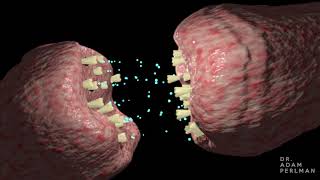
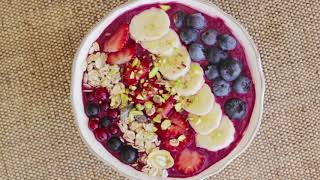
Today we're going to talk about what I think is one of the next great frontiers sort of in our understanding of the human body and health, which is our microbiota or microbiome. Let me clear that up. To begin with, the microbiota is the hundred trillion bacteria that live within our gut and sort of function symbiotically with us. The microbiome technically refers to all the genetic material within that microbiota, which is more than the genetic material in the human body. And really we're just beginning to get a broader and deeper understanding of how the microbiota influences our health. And it's everything from working synergistically with our immune system to impacting on our metabolism and influencing things like whether or not we're overweight. And although the research and our understanding is not complete yet, it's, it's very, very intriguing. So just as an example, we do know that when a woman gets pregnant, her microbiota shifts the gut flora, as we might refer to it, or the bacteria inside of her gut shifts such that she absorbs more calories from the foods that she eats. Why is that? Because she needs extra calories to support the fetus growing inside of her, of course. Particularly let's say for some women who might have put some weight on while they were pregnant and, and as I've heard many times in my practice, had difficulty losing the weight after the pregnancy, sometimes even years later, perhaps that microbiota never shifted back to a healthy state. This is where some of the research is going again. What we do know is having a healthy gut flora, healthy bacteria, healthy balance of bacteria in the gut is one of the keys to being healthy overall. What we wanted to do today was talk about and show you some things that you can do to prepare some foods to support a healthy microbiota. So let me tell you a few things that can affect the microbiota in a negative way. And some of them may be more obvious. Most people know medications like antibiotics can have a negative effect. So can non steroidal anti inflammatories. That's things like ibuprofen, sometimes referred to as Motrin, for example. But there's a number of other things that can affect the microbiota that you may be less familiar with. Certainly poor sleep can do it. Stress. There's even some evidence drinking water that's chlorinated may affect the microbiota in a negative way. Processed foods, things with a number of chemicals or colorings, artificial colorings in it, and a big one could be alcohol. Those can all have a negative effect. On the positive side are things with plenty of fiber, fermented foods, and some things like.