Aaron Ross questions why purpose-driven entrepreneurs assume nonprofit is the only way to do good work. A for-profit can generate revenue to subsidize those who can't pay, like teaching kids entrepreneurial skills who later become paying adult customers.
Chapters
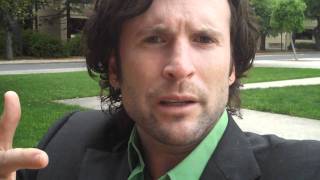
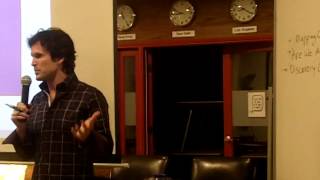
Hey, it's Aaron Ross of PebbleStorm, and I'm here at the Stanford Rodin Sculpture Garden, which is a pretty sweet place. I just got out of speaking at a Stanford conference, the Stanford Women in Business Conference, and I was on a panel specifically around how to turn passion into action, or some new ideas for nonprofits. So here's something I would like to share that I've seen is that when people— when you start to really tap into what you want to do, what you're passionate about, oftentimes you have a sense of, "Oh, this should be a nonprofit." Like, I want to help— there's a woman who wanted to help women in India build self-confidence. "It's got to be a nonprofit." Or girls, or whatever it is that you want. Now, the fact that you have something that you care so much about that you just want to be out there to be nonprofit is a great sign that you're on the right track for your purpose. My question to you would be, why should it be, or why does it have to be nonprofit? What rule was made that you can only do good by giving, by making it free, or by making it nonprofit? Is that even the best model? Sometimes it's not. Sometimes it might be. Why can't you make that same impact and make money doing it. So one common way— I'll give you one example on what this means. So one common thread I'll see is that, let's say someone has a passion for helping kids, or let's say just kids. How can we make money at that? Well, whatever the differences you want with those kids, let's just call it helping them build their self-confidence or learn how so they can be entrepreneurs. You know, those kids grow up to be adults with the same issues and the same fears and the same concerns, and they need the same kind of help. And those adults are people with money who would pay money for help, whatever that looks like, to get over— however you want to help them. So you could start a business that makes money that way, and then whether it's giving a percentage to nonprofits, whether it's to donate some time, include in some way to also give back to the people who really can't pay for it, whether they're kids or homeless or whatever, whoever that is. That's just one example of a way that you can take something you're so passionate about and still have that same impact and fulfillment of helping people, but also make money at it too. Anyway, it's Aaron Ross signing off from Stanford.