How To Stand Out Way More Than Other Designers

Designer Charles Postiaux shows how to stand out by doing opinionated redesigns that strip products to their core purpose, not just making them prettier. He walks through three case studies—Miro, Linktree, and 1Password—showing how asking "what-if" questions and removing friction reveals strategic thinking. Serving a narrow niche makes your work premium.
Chapters
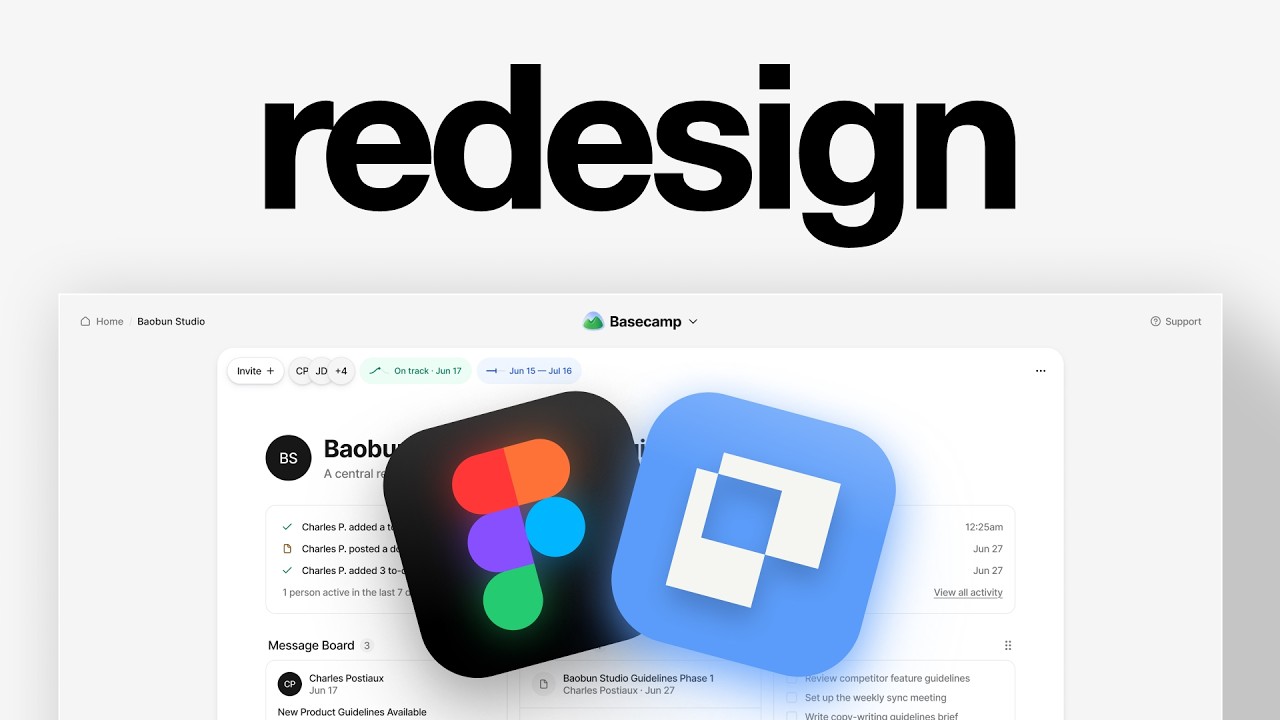
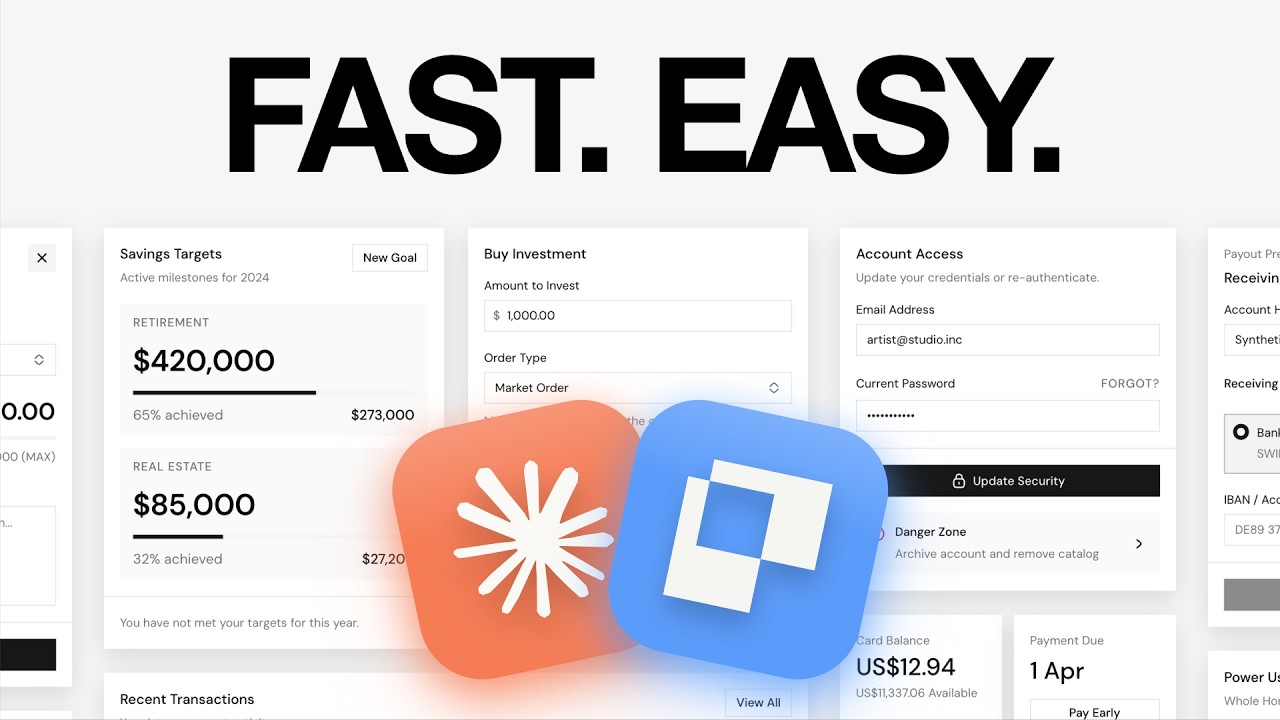
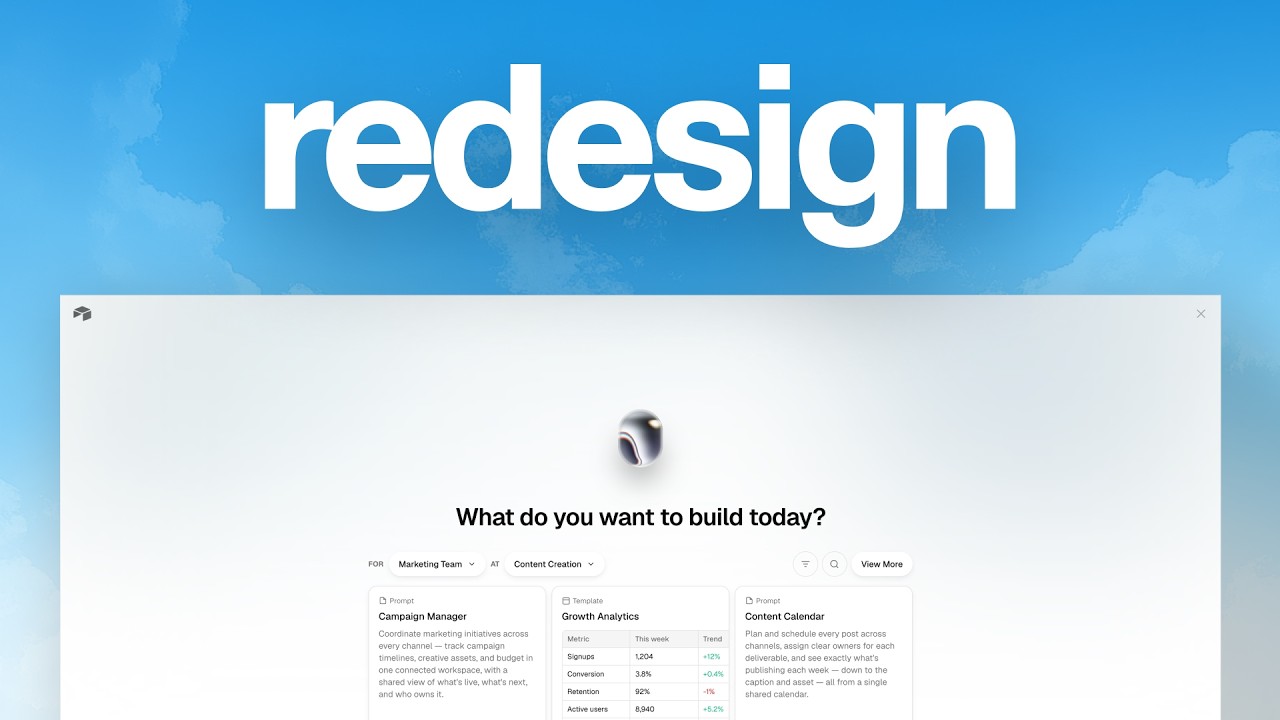
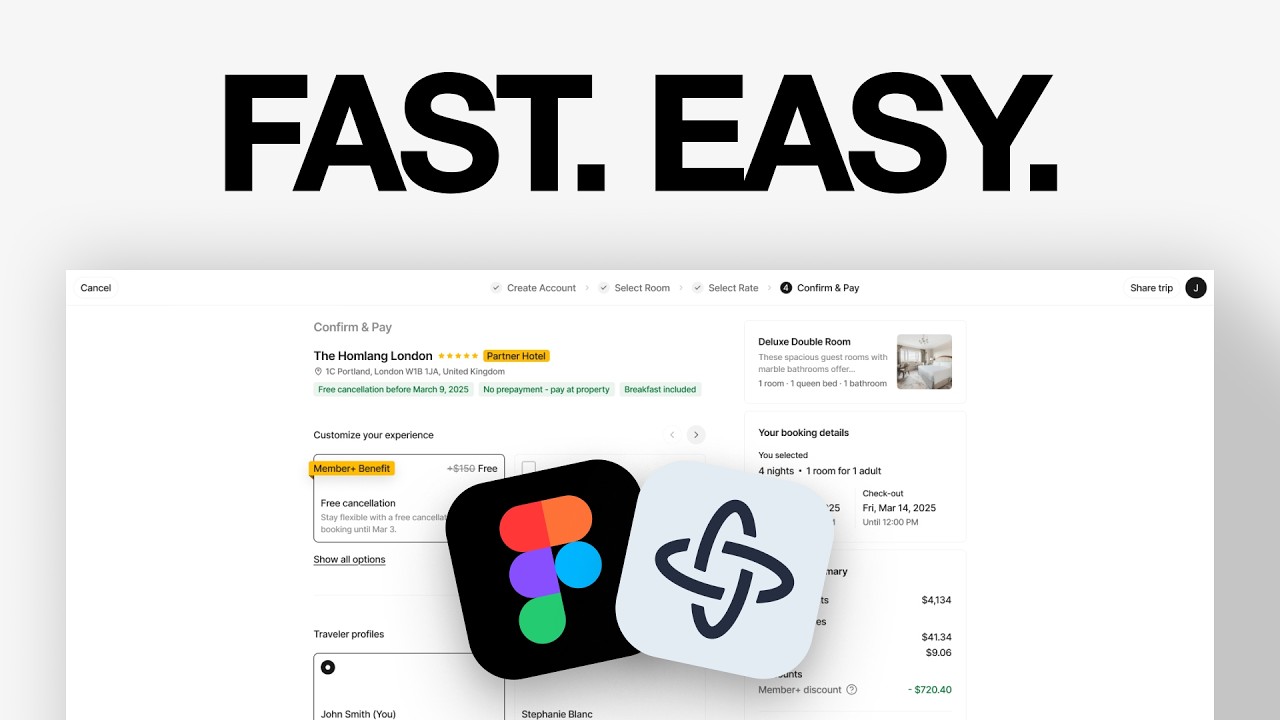
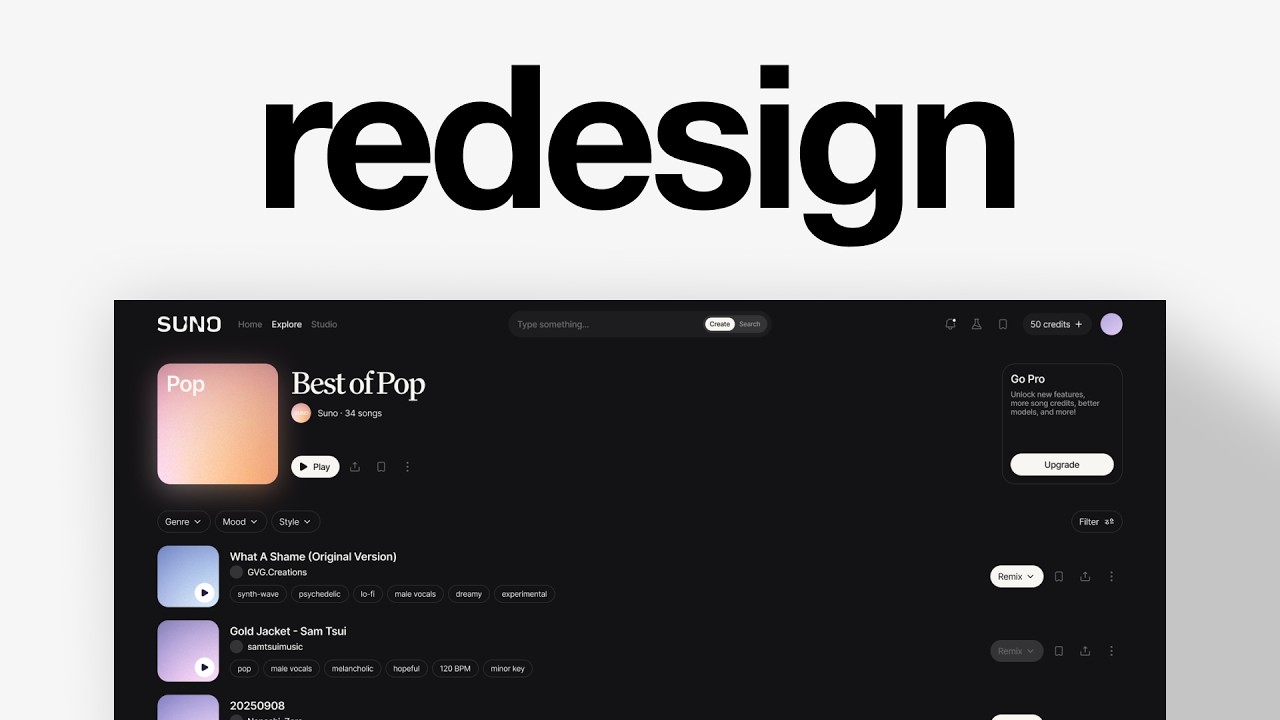
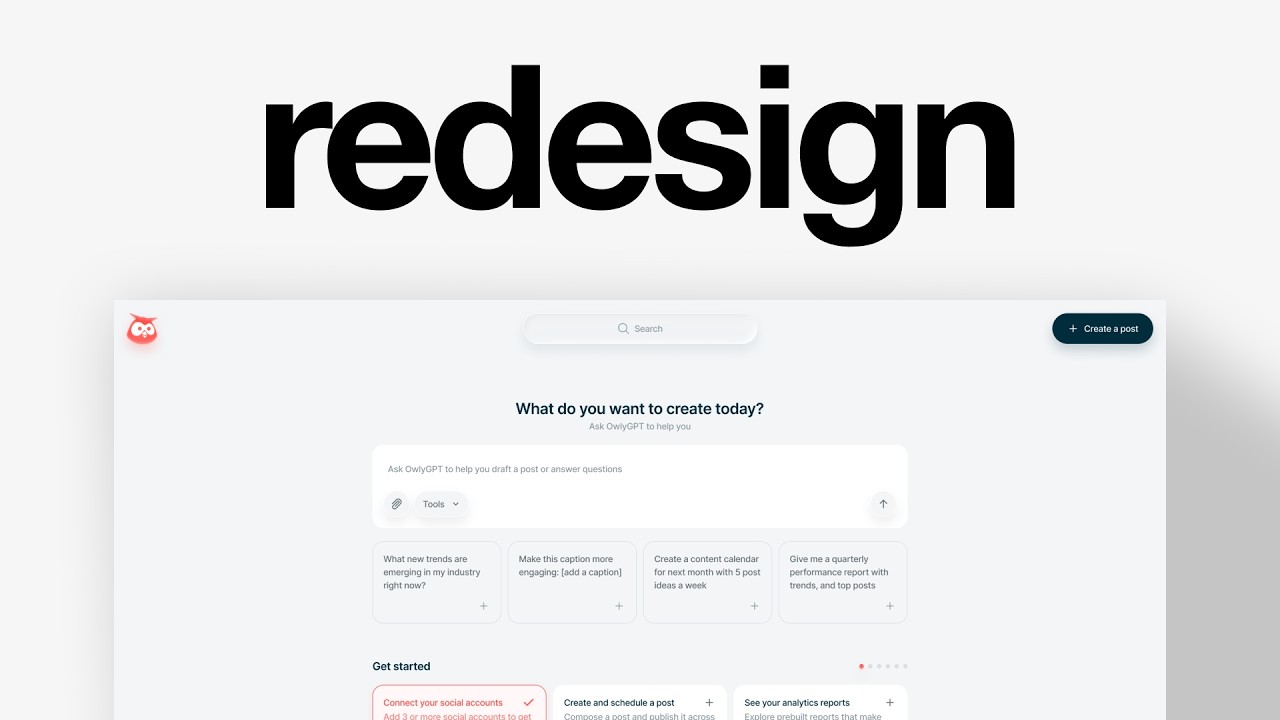
This is the easiest way I found to stand out as a designer, even if you're just starting out. And the strategy is to actually redesign, but not the way you think. And it regularly helped me make $10,000 a month as a designer. I'm going to share with you how I think through product design and how I've been able to apply that same process to 6 and 7 figure projects. My name is Charles Postiaux. I'm the founder and designer at Bubble and Dot Studio. I've worked with companies worth over $160 billion. I hope what I'm going to share in this video is going to help you make more money as a designer or as a product. So the first step of the process is to find real products that you find overwhelming, that have friction in their flows, in their product, in their dashboards, something that, you know, doesn't feel quite right with you. I usually just go through mobbin.com and I look for random screens and just redesign them because I feel like there is something missing in my opinion. But here is the plot twist and how you can actually use that to stand out, because the goal is not to redesign it for the sake of redesigning it, for the sake of making it look better, making it cleaner. I think that's a great way to improve your portfolio as well. But if you want to stand out as a designer, and that's the goal of the video, you need to do what other people are not doing. You need to be different just by default, right? Like, the goal of standing out is to be different, not do what other designers do. If you copy them, their service that they have, or if you copy the portfolio that they have, you're going to be the same as them, and that's going to be much harder for you to stand out. Where you're going to be different is in the way you understand redesign and the way you understand product. You're going to shine because you are a strategic designer, because you are an opinionated The goal will be for you to redesign products, screens, and dashboards and flows by rethinking the fundamental of those products and sticking to the core principles of what is the fundamental of that product. In the flow, onboarding flow, in the dashboard, in the product itself, there is something that could be improved. There's something that is too complex. There's too much friction. And I would just simplify that. I would remove features. I would simplify the experience. I would declutter the flows that they have. And I would create that product that will be so unique and simple that everything else from the product will be super easy to do, like marketing, landing page, pitching the product, especially for fundraising. Like you want the product to be simple in its most essential form. We want it to be the perfect solution to a very specific problem. And so in this sense, what I'm trying to do as a designer is not to just make the product look better visually, it's to remove as much as possible from the product to stay focused on that core principle of this is the problem we're trying to solve. And let's just do that and do it extremely well. And by the way, if you're a designer or a product that wants a personal review from me, I've worked with companies that are worth multiple millions, if not billions of dollars. I think it's an easy way to get actionable feedback on whatever you're working on. And if you're interested, the link is in the description. Because I feel like the problem with products and a lot of products, and I work with many of them, And what they tend to do is they want to add stuff. The problem is that they're going away from the principles that made that product reality. And oftentimes people believe that adding stuff makes something more valuable, but the more stuff you add, the slower you get, the more confusing it becomes for you, for the team, for the users. It should be, how do I remove stuff? How do I stick to the core principles of that product? How do I remove everything else that does not matter, that does not help us achieve that essential Back in the days, Apple really was that belief that let's just focus on the core. Like if we remove everything that does not matter, what does a phone look like? What does a phone feel like? And that's kind of like what I want to do with product design and adapting it to every different product that I can see and that I review is how do we remove all of that surface level design? Just focus on the core story, the core experience for the user. And the really interesting thing that might happen and that happens oftentimes is that you will make the product even better by removing stuff. You will make it more valuable because it then becomes the perfect solution to a very specific problem, to a specific type of users. You're not serving everybody. And I think that's like, if you're a designer trying to sell your services, you're not for everybody. You're only doing work for a specific goal, for a specific type of clients, for a specific type of businesses. It's just the fundamentals of economics when you serve a specific niche of people, you become naturally limited in supply because it's like, I want to do this great job for this specific person and everybody else that is not this person, I won't serve these people. So that makes your product more premium. That makes your product more unique. And that's how you stand out as well. And so that's something I try to do in all of my redesign videos. Every time I redesign products, I try to go through that thinking of let's not just make it look good. Instead, I think about how do I push the strategy and the design thinking on that product so much that it just becomes simple. Because in my opinion, many people can design very well. Many people design better than me, faster than me, but very few people can actually do what I uniquely do. But that's how I stand out as a designer is because of my unique set of skills and my unique approach to design thinking and strategy. I'm not saying that you have to do what I'm doing here, but you have to find that unique set of skills and that unique process and design work that interests you so that You can craft that uniqueness and easily stand out. Like you're not even trying to stand out. You're just naturally standing out because of who you are. For example, here on Miro, you can see the experience is a lot different from what they have versus what I ended up designing. Because my goal here was not to just make Miro look good and I could have done it. Like you can see, it's not very difficult to make the design look better. And that's why I didn't do it because it's what everybody would do. What I tried doing instead is, okay, how do I make it look different? What's the value proposition that I want to give to the company if if they see my video, it's like, okay, first of all, it should be community-driven. It's not just about you crafting stuff from scratch or from templates. It's like it needs to come from the community and from people passionate about that, because I think some people are extremely passionate about making like these templates, mind maps, all of that stuff. It's also how do we add AI to that experience in a nice and useful way? How do we improve that experience and how do we get people started? Adoption rates are really dependent on how easy it is to start. And so I wanted that idea of, okay, how do we make it easy for people to just jump into the product, try that product, understand the value proposition of the product, understand the core features, the core principle of what makes Miro Miro. And also I just removed the navigation. I was like, navigation is only going to go through that search bar because to be honest, you probably don't need navigation. It's just boards. So we could have boards here. And we could just make it easy to search. And that's it. It's a different option. It's a different path. It's always about those what-if situations, those what-if designs that I think really makes you stand out as a designer. Like you're trying to be bold. You're trying to explore. You're not trying to play it safe. Another one here is Linktree. I was like, instead of just being a link builder, what if it was like the core foundation of your business? What if it was so powerful and granular in the way you manage links, you manage your shop, your collections. What if you could easily preview everything? What if it was almost like a website builder? Because in a way, Linktree is kind of like a website builder. Think a different way of how do we make it better for the user and how do we stick to the principles of Linktree. Linktree is all about managing links. Look at how many things are happening on this screen. You have like, what, 7 tabs here? You have a huge button that you can collection, archive, you can share, you have this notification, you have the buttons, you have all the links, you have all of those things here. I'm just here to manage my links. I should be able to have my links here, drop them in here, see how it looks like on mobile, tablet, and desktop. And that's it. And then share it. Like it should not be that difficult. And so I really try every time to push those designs. The last one was 1Password. So that's the screen that I use. I don't know if that's the most up-to-date screen they have. And so I thought, okay, what if it was personal? What if it was customizable? Because you can see their navigation, like how many tabs they have, it's incredible, not in a good way. And so I just thought, okay, what if instead we did something super visual, super easy and interactive to use? Just remove all of the distraction, just focus to the core experience of the user. The point is to focus on that concept, on that what-if situation, on that potential of what the product could look like and could become. Let's look at the menu here, the navigation on, like, when you click on it, you can see the difference in all of those tabs versus here. Because the goal on this experience is not to give everything to everyone. It's to give very specific things to very specific people and help them solve what they're here for. And so maybe some people will just like those 5 links, not 12 different tabs going in whatever direction. And I think the best way to know if your redesign concepts are good is if some people criticize it, don't like it. The goal is to be opinionated, to stand out, to be different. The goal is not to do what everybody else does. It's to do something very unique that is based on your unique skill sets. And you have to work a lot to figure it out. I always knew that I liked a clean minimalist design, but between what I want and what I can do, there was a big gap. So I had to work a lot to cover that gap, work my way through it. I had to design a lot of experiences and review a lot of products to understand what it takes to actually do them. And what's the logic behind it? What's the flow? What's the experience? What's the rationale? And now I can finally do it. So if you're watching the video right now and, and you're thinking, I don't know what my unique set of skills is, I don't know how to, to stand out as a designer, I don't even know what kind of design I want to do— well, first of all, do that. Figure it out. Work on those designs. Make a list of everything that you want to do, every design that you think you would be good at, and just do them a lot. Another way to do it is to think about what you do not want to do, what you're not good at, what a bad designer would do. And this way you're going to also figure out in reverse what then you should do. It's like a bad designer would not explore design. It would just do one design, stick to it, and that's it. So a good designer will probably try different concepts, will try different ways of doing a design, and then mixing it all together to find that uniqueness and that right balance in UX and product strategy. Remember to stand out. That's the, like, there are so many designers. I've reviewed hundreds and hundreds of portfolios and the way to stand out is to be really good at All the basics that you can have. It's just to be market standard. And then you need to find that uniqueness to stand out. Because in a sea of applicants, if you apply for a job, you have to realize that you're fighting with probably 1,000 designers. To stand out, to just be in the top 10% of that, you just need to have the foundations be really strong and then have that uniqueness. And 100%, I can guarantee you, you're going to stand out. And if you're not standing out, you're not doing it right. You're not unique enough or you didn't quite get it right. And I think that's fine. I think it's always good to like try it, even if you don't want the job, just apply, for example, for a job and just see, okay, what did they say? Did they reply? Were they interested? And you just see if the reply rates improve. You're just A/B testing, right? Like it's the same with flows and experiences. You're just testing out with users, but in this case, you're the product and the users are recruiters. And I think that's a great way to match and to know, like compare your growth as a designer and how you evolve and just test it out. Thank you so much for watching. I really hope you liked it. Make sure to leave a like and subscribe, and I see you for next one. Bye.