Let's chat and design

Charles Postiaux walks through his workflow using Paper for quick design iteration, then moving work into Figma via screenshots or plugins. He evaluates emerging AI design tools, discusses the gap between redesign content and mainstream appeal, and reflects on what designers need now: front-end skills, AI prompting, and a strategy for client acquisition.
Chapters
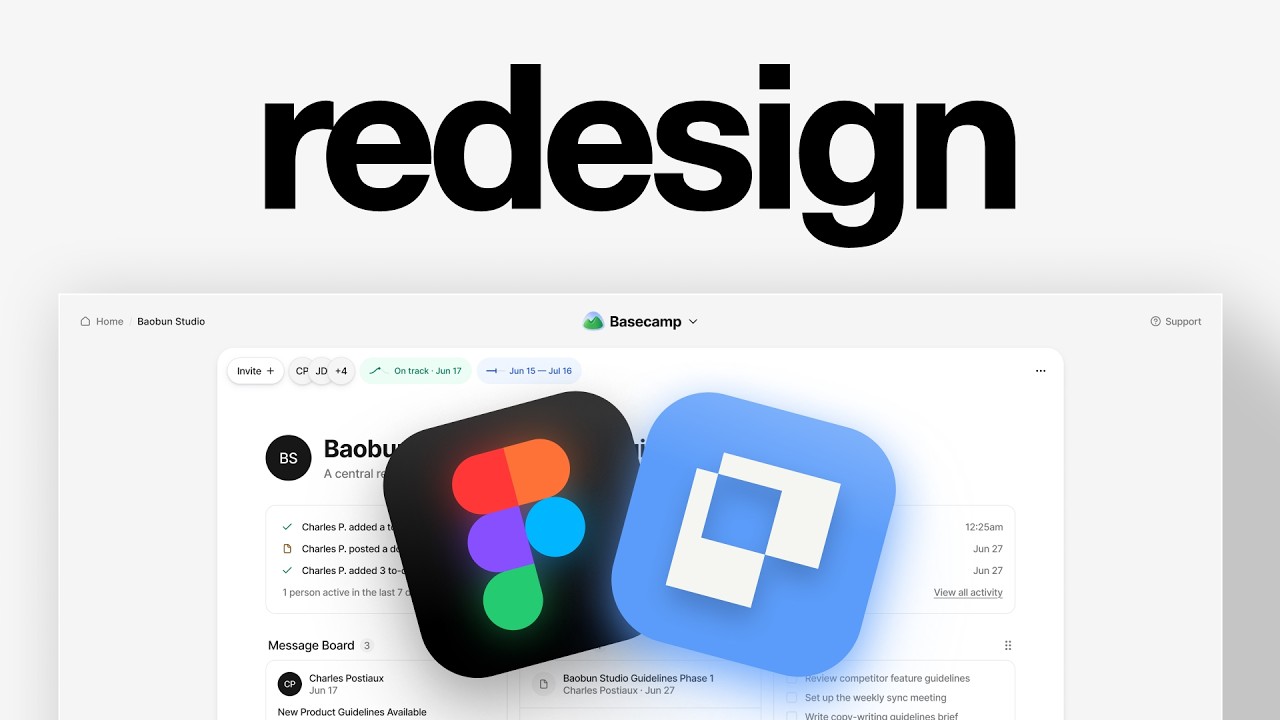
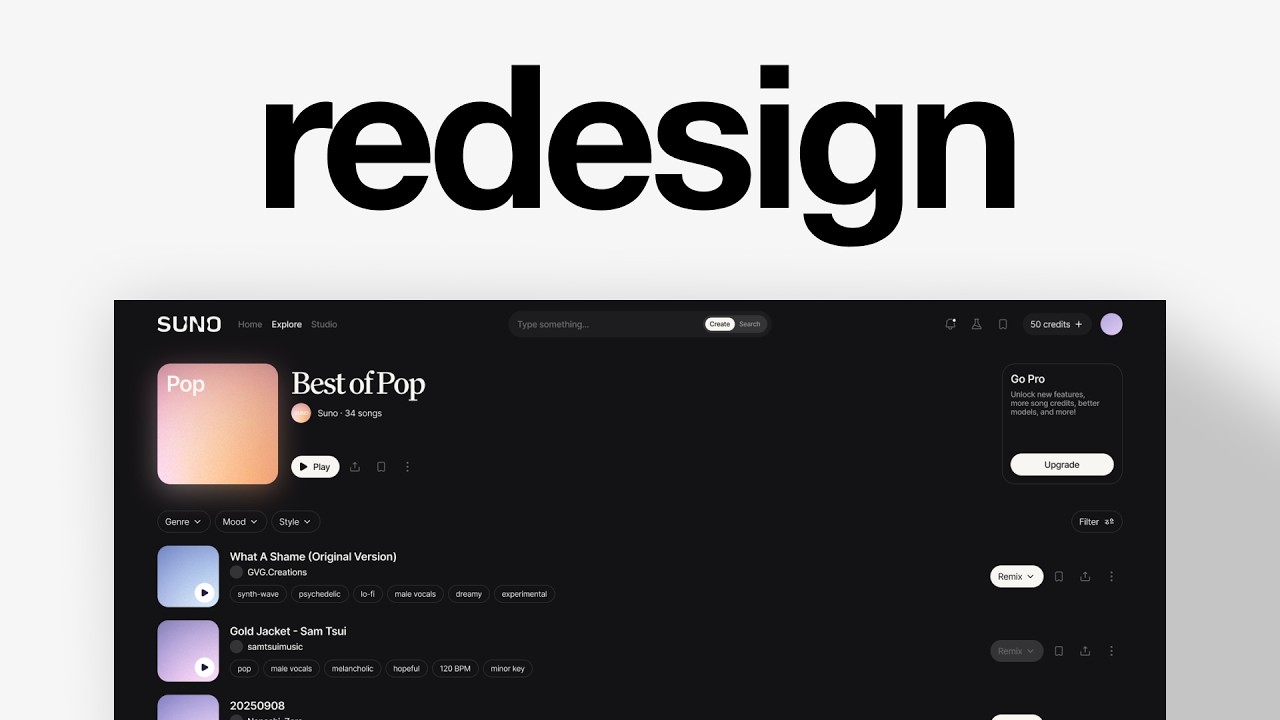
All right, I think this works. Let me— nice. It's been a while since I've done a livestream. I kind of forgot how to do it all. But anyway, I think it would be nice to Chat with people here, share a bit of updates, or even if you watch this as a replay, maybe. I know a lot of people, they don't watch the live stream, but they watch the replay. Would be nice to catch up a little bit. Hey, Vasily Kara Fitzie. I'm sorry if I butcher your name, but yeah, it's been a while. Every time I'm thinking, like usually I used to do them on Wednesday, the live streams, and I thought every time I was like, do I really want to have a live stream? I don't know, I don't have anything to say. But yeah, thank you sir, I appreciate it. Um, but yeah, it's cool to catch up a little bit more. I think I haven't done a lot of— I mean, I haven't done any video. I tried to do like a short form, but it didn't really was super good, so I kind of I removed it and I haven't done videos this month. I think I posted only one last month. And yeah, am I trying to? I'm trying to not follow a schedule. I'm just trying to like when I have like a good content idea or I have like a nice redesign concept I want to work on, I want to record because it's just I feel like it. I don't really want to force myself to redesign on top of redesigning and designing. On the day-to-day job, so yeah, I think I have like a new idea I want to I want to work on, and I have like recorded a new video actually on like how to make decent systems with AI, which I think could be interesting for me. It's very interesting and very powerful in a way. So that's kind of like the the video that I I just recorded before the the livestream. Actually, that's how I decided to make a livestream is because I recorded the video and I was like. I don't have anything else to do on the schedule for today. The camera and the mic are live, so let's just have like a little, a little quick, uh, livestream. I said that 3 times already, uh, but yeah, I thought it was really nice. It's actually a really simple way to build the design system, but I think it's so powerful because it's— it doesn't take a lot of time and efforts, and you still have like something really complete and full and That's super easy to then build stuff from it. Like I had these little iterations. I thought about that. I might do that for, I might showcase that for the future redesign video that I'm thinking of. And it's so cool because you don't even have to, you don't even have to like, like do the boring part of what you usually do when you have like a design idea. So you just iterate on it. You're like, you have more like a strategic overview of the work rather than being in the trenches. I'm using Paper and not Figma here because I think it's easier with Paper and Claude to like, because Paper, what's really good is it's HTML based. So they have like a Chrome extension and you can basically just grab anything on the web because it's HTML and you can copy paste it here. And so for me, it's like a really good first step in the design process when I want to jam in and iterate fast on features, on layouts, on flows. And so that's why I use Paper on this. Then once I'm done with like iterating, I move into Figma. So either I do— I create it like I take a screenshot, or I take like, you know, like I can just copy as PNG and then move it into Figma and reproduce it. Or I can also have the, you know, like there is an HTML to Figma plugin and I can use that as well to just have it. It's less accurate. I would say it creates a, like you can see, I don't know if you can see here, but there's like an infinite amount of frames everywhere. And so it's kind of like the downside of it, but honestly it's pretty cool. The HTML to paper extension free. There are some for Figma that's paid. It's the HTML. You mean HTML to Figma plugin? There, I think there is one. Like, I think it's pretty much HTML to Figma, the plugin name. That's free. They have like, I think, ten free free like iterations per month or something like that, or per week. I'm not sure. I would say for me it's worth it to pay for it. Like, it's I don't remember the price, but I think it's it's pretty much. Like it pays for itself. The extension, the Chrome extension for Paper is free. And actually Paper also has a free plan. So like, honestly, if you want to jam on some ideas, it's pretty limited. Like you only have like a set amount of MCP interactions with Paper. Every 2 days it can reset. So it's limited, but honestly you can do the job for like quick little iterations and just to learn the tool. Oh no, Paper doesn't have the Chrome extension. I wish, I wish. I think they don't do it just so that they can keep more people on Paper, my guess. Or maybe they're working on it. I guess it's pretty tough to— there is another, I think there are 2 other tools, like there is Wonder and Pencil. I think one of them, or maybe both, they have that Figma integration with it. Paper doesn't have. I don't know if they plan on doing that or not. That would be great. I think for me, it's like the only like the missing piece is just being able to once I have some explorations here, I can just move everything into Figma and that would be like perfect because even if you have like this is pretty simple, but imagine if you have like a layout, a full like screen, or if you have flow, a flow, then it's almost impossible to like it's a pain in the butt to ask the AI to come up with the code and then to paste the code into Figma and then like. It takes a while. So that would be a really good thing. I also, I want to try like other tools. And I think ultimately it's such a great lesson as designers is we cannot just rely on the same tools and the same processes for the whole, our whole career. We have to still iterate a bit more and try out some other tools. So I want to still like figure out if the other tools are better. But for me right now, like this is really good. And I see that they have also like their the AI image creation, which I think is cool. Like you can see multiple sources when you pay for it. Like the pro version has that, which I think is also really interesting. Pencil is made upon paper and pencil or Figma is to have a good MCP and design code. Yeah, but Pencil exports is, oh, I have honestly never tried. I downloaded Pencil, but I never got around to it. I'm wondering if Wonder could be like a nice, and also I know like there are other decent tools. that are being worked on right now, like on waitlists. So I want to, I'm excited to see like what they come up with and how cool it can be. Because for me, Pencil is not quite there yet as like a Figma replacement. Maybe it's because I'm more comfortable with Figma, but it feels a bit more, I don't know, tougher to like really get into the flow here. But for iterating with AI, it's just honestly, it's like the best thing I've— I know Figma has the, Like that's kind of like the sneak peek of the design I want to take the next redesign video. But they have this agent now, so you can just like click on it and then describe your idea and stuff. It's okay. I think it's not there yet, but I will try to— I've only tried it like once, so I want to see if it has some more potential. If it can— it's still the problem is still that this is Figma is not HTML, so it's really difficult to do what I can do on paper, which is just to like paste a bunch of components and be like, okay, let's build a design system together and not think about it anymore. You can do that for every project, or you can have like a very basic layout like I have, like just gray, black and white colors, and you can just jam on layouts and features. And I think that's super cool. I've done it on previous projects. And such a big time saver. I know some designers don't even like, basically don't even design on Figma anymore. They just do AI and paper and only push out like the final designs into Figma for like presentation, for deck design, stuff like that. But they don't even use Figma that much anymore. And honestly, it makes sense. Like with that, like you pretty much have a coded design system. You don't even have to have like a Figma design system and then turn it into a code design system. It's already there. You could literally just design your flows and explorations here and then push it live and have like a live prototype. I mean, you can kind of export it like the— you can ask the AI to, you know, you select your frame and you ask it to create the I don't know, like not create the code, but like take the code that's already there and then use the plugin to switch it for Figma. But it takes so long. It takes so much, so many credits just to like get the code. And then it's a really like high friction point, I would say. Use CLO Design. Oh yeah, I haven't tried CLO Design actually. I should maybe try to like use it a bit. Like I've never tried it. So that could be pretty fun to To give it a shot. Cloud Design add a ShadeCN theme preset because Cloud Design use ShadeCN. Oh, okay. Didn't know that. Give some inspiration screenshot. Explore HTML. Okay, cool. But there's still the problem. I mean, the problem of like ideally I would want it to still be on Figma just to like I think it's like a really nice center stage if I could call it that to really like orchestrate everything, prepare like the presentation, the deliverables, it's still nice to have it on Figma. And most like non-designer people use Figma and know Figma. So I think it's like a no-brainer to still use it for now. So it's still the problem of like HTML into Figma that's a little bit like higher friction point. The next frontier is actually allowing people to visually edit and produce real DOM elements that AI can take and route into an app instead of recreating all the components from scratch. Yeah, I mean, that's, I think that's kind of like, I talk with some founders working on products and some of them, they don't even like, they don't design, they just talk with AI, they build the stuff, iterate on it. Now I still think for me, at least as a designer, I still enjoy the fun moments of jamming on designs and like, you know, like when I do on Reason videos, like strategizing on, okay, should we, maybe we shouldn't have that, maybe it should be here. Maybe we should have like a little menu here. Maybe we don't need this here. Like I still enjoy that process and being able to like find some concepts and jam on that. For me, it's just like, how do I shorten the boring work of actually like, okay, let's create the frame. Let's add the text. Like this is kind of like the what I want to iterate more on and remove. How do you know clothes design is expensive as well? I mean, it makes sense in some ways. I still like to give it a shot to see if How interesting it is, but I feel like from from afar it's like Canva, but for design, maybe. Or export the zip file because you got this front end ready code. I mean, yeah, exactly. Like ultimately, if you use Cloud Design, for example, and you do that process, then you kind of you don't need Figma in that sense. You can just push it live right away or give it to developers and end of story. Like Figma is still nice for me personally for, again, like a center stage. It's nice to give away like, here are all the designs and then here's the code on top of it. I think that's like a nice, like most people even now, they don't expect you to have like a fully fledged interactive prototype, like live prototype. They can like paste the URL and showcase to the stakeholders and to their coworkers. They still don't expect that when you hire like a design agency, for example, or designer. They expect, oh, I'm just going to get like the classic design deliverables, the frames and the flows, and that's it. So for me, it's like the really, it's more like the cherry on top and kind of like the seller to the next engagement rather than this is the 80% deliverables and 20% nice to have is the design on Figma. So for me, that's kind of like the— but actually, but if you build a software, if you build a product, honestly, you probably don't even need Figma that much. You probably just— I still think it's still nice to have it. Like, again, I talk with people working on some apps who don't really use a lot of the— like, they don't design almost. And so I still think it's nice to be able to do that just because of that process of Let's iterate on this. But again, even there is you need to have some sort of good design taste and knowledge on this. But like it's so nice to be able to be granular. Like I want to iterate on this one here and just focus on that. It's just going to come up with some options, design directions, and then you're like actually I like option B. Let's let's dive more into that. Cloud Design is a partner for developers. Yeah. Like, because Figma, like, no matter what we say, there's still a pretty steep learning curve, especially if you're a developer and you could not care less about like pixel perfect and stuff. Like, and for me it's the same in the opposite. Like, I could not care less about a beautiful backend or something like that. So for me, it's just if you can do the job for me and you do it 80% of the way, I'm good by that. So probably it's the same for you. It's like, if the design looks 80% of what a designer would do and And I don't need to have the discussion or to collaborate, that's perfect. So I completely get that as well. I've tried to build with AI from scratch, but unless you have the 200— oh yeah, it's very inconsistent. Yeah, yeah, yeah. 200 instructions. That's kind of like what I— on the video I've recorded for this, I said that even if you do it step by step, you are very clear, you give all the context, it's still going to make some mistakes. And you need to still be there to Actually, that red is not the one from the reference. Let's update that. Actually, this is not the font size that I talked about. Let's update that. So I can get it. It's a big— I know agencies, for example, some design agencies, they pour so much money. I mean, you probably saw that as well online, the amount of companies that have to stop the budget because people just pour money down the drain on AI just for their side projects or minor stuff. It's crazy. There might be like a world where in the future it's— there are like the premium high-end one and then the more very affordable ones. I don't know. I think it's interesting how it's going to evolve. You trade with Codex? I've never— I haven't used like Codex in like a long time, so I don't know if it's better. I, I think it's pretty close. But I'm not sure. That's why I think a design app is still needed because there's still massive amounts of work. Yeah. And I think there's this discussion in almost every creative environment. I saw that about video games of what's the point of making video games if the AI is just going to do everything? The goal of a video game is that you're passionate about the game itself or about the franchise and you want to do something meaningful about it. I think design is always kind of maybe similar to that. Obviously it depends. Like the same thing happens with design services. There is the very high-end design service and then there is the cheap like Fiverr, $5, get your design kind of service. And so the same thing is going to be made with AI. Like some companies are still going to pay a lot of money for consulting work and some are just going to ask the AI, here is my design, something doesn't work. Can you give me some options? So I think there is a world for everybody. I think at least that gives us options, and that's going to give people a lot of freedom to build whatever they want. Now the problem, the follow-up, and I think that's kind of like we understand that as well, is that how do we distribute that? We still need people to know about it. But if there is a million app and nobody knows those apps and It doesn't matter. So there's still the distribution and having a kind of like a voice out there to attract people, which is going to be more and more valuable. It's called Max $100 plan. Cloak design will actually follow the underneath shading. Okay. I mean, I have to try that cloak design and see how it works. That would be really cool. And honestly, like, it's all in context. $200 or $100 a month, if it's like a side hobby, why not? If you have the budget and you still can save some money, that can be cool as like a skill to learn and for your portfolio and stuff like that. As a business expense, I think it's pretty worth it. Like if you work on relatively big projects, it's like the return on investment is pretty big. So obviously it all depends on like what you get out of it. But like you can imagine, like in France, eating out at a restaurant, like for 2 people, it's probably going to be more than $100. So, you know, in comparison, it's not a bad deal. Maybe your partner is not going to be happy with that, but you know, I've heard people say it's also better in some instances. I don't know. Using AI now, I think we'll move towards software that is made for designers. That's so cool. That's what's so cool also is like for the past 10, 15 years, we've only had like Figma as the core thing, the only like the leader of the industry. And now we see so many little like startups, even Paper, I think they're like 5 people, 10 people working on the software. Like it's crazy. Figma is thousands of people versus like 5, a team of 5 people doing that. Like that's the, I think it's so cool that we We are in that moment in history where we have so many options to like build something and have the kind of like the design software that best suits our needs and workflows. And we're still like flexible people to accept like our workflow is going to change and it's still changing no matter what. So we still kind of fluctuate and have the option to choose whatever is best. And on top of that, Figma also has to kind of follow up, otherwise they're going to lose market share. So it's a pretty win-win situation. Opacity. I've never heard of that. I don't remember which one I saw not so long ago that was kind of like that. I don't think it was opacity, but I'm trying to search for it. I saw there is Noon and Wonder, but I've never— I don't think I've heard of Opacity. So yeah, we'll keep an eye on that. The career path is going to change for 99% of web product designers because you will be expected to have some front-end dev knowledge. I'm having to learn from it right now, and I've noticed that shift in these startups we're talking about too. You need to check out Okay. So opacity, descent tool. Okay, when I check opacity descent tool, it just gives me like literally like Photoshop opacity. Opacity. Anyway, I will check it out later. I will try to investigate on that. I kind of agree with you. Every time I talk, for example, to people who are not in the design space and I say I'm a product designer, they're like, oh, so you code? You're like a software engineer? And I'm like, I literally said I'm a designer. I'm not a software engineer. But I think it's— and even as designers before the AI, we kind of had to do some sort of handoff and QA to some extent. And knowing code is something that is not always expected, but was like a nice to have to collaborate with engineers. Now it's becoming a little bit tougher. Like you see a lot of design engineers, and I think technically that's great for companies because instead of paying 2 people, they just pay one for like 40% off or something. So it's really good. But I probably, I don't think all designers are going to necessarily have to, are going to always be impacted by it. I still think it's Probably required to some extent, but I don't know. Like I'm trying to think about me, for example. Like I don't like code. I don't want to code. I don't enjoy it. It's not fun for me. But there are some other designers who are who love it. So I think it's also like interesting to dive into like your interest and how like the workarounds or the workflows around it because technically like a design system not necessarily like the tokens but like the components. We know how to build components because they're just like, you have to be consistent. So you have to use the same buttons and you have like the buttons for active and then the buttons for disabled. Like that's technically a design system. That's code in a way. So we know how to code, but we didn't know how to translate what we thought as a designer into actual usable code. But now with AI, it's going to be that translation. So do we really need to learn how to code? Probably not, but we just need to learn how to better communicate and give the right kind of instructions to AI. I still think knowing about it, even surface level, is nice. And for me, I know the basic stuff. I just don't enjoy it. Like design system. That's why I'm very happy with AI is I didn't know I don't like design systems, but I still have to make them. Very few companies who are big employ designers who strictly design. Oh yeah, only work with small and medium businesses and you have to start doing code too. As a sprinter speaking, okay, the proof is actually that the front-end full-stack devs still do a terrible job translating our design even with AI. That's the benefit for us is because the developers, they don't care. What they love is the code. They love how clean it is and how organized and nice it feels like or looks. I think I am from what I've heard. I don't know. I don't get it. But so even if you give them the right design, if you give them everything perfectly, they're still going to not care about it. So that's kind of like the. But to be fair, like the counter side or counter argument of is that probably the the businesses or the clients they also don't have very good design taste. That's why they hire design agencies, for example, or designers. And so that's kind of like, they might also not care so much about it. The microphone sound is very low. Oh, maybe it's because I have to like, it's like the chat is on the left of my monitor. And so I'm not facing right away, but let me increase a little bit more like that. Maybe it should be a bit better. Okay. Let me know if it's better or not. But we still have an edge. I really believe that. I'm not worried about the design job, actually. Really not. If you have good taste, which is rare, and if you know how to use AI now, and it's mostly about who you are rather than what you do, because who you are will influence what you do and how you adapt to new events and new things coming up. Like, if you're someone who is always learning stuff, is curious, wants to improve, you're going to adapt no matter the situation. So I think that's already good. Now we still need, obviously, like, I think that's also something you learn by running a business, for example, or working for yourself, is it's not just about design. It's also about finding clients. So advertising or making content, understanding the game, And how to sell, negotiate. So there are a lot of sub-skills around it. And I think in that way, that also gives us a better attitude towards like, okay, let's— how do we survive through all of that and how do we adapt to it? But yeah, I don't know how much code you actually do versus you ask the AI to code it. I know for me, and I've seen it multiple times in projects, it's not so much about coding, it's more about Again, translating the design into the AI and then being kind of like having the strategic hat on and improving the design from the code. You don't even have to like once the how could I say like the flows are done on Figma and you implement it with the AI and it's live, then it's just about you talking to it and making the adjustments. The design systems is there; it's live, it's active. The flows are here. Now it's just adjustments. So that's kind of like my little two cents on that. Even though it's tough making this career shift, one thing that's been cool in delving into frontend and directly interacting with code, make that look like what actually— Yes, that's the true freedom of AI for me at least. It's like you can— I've never been able to make anything Real. It's always been prototypes on Figma. It's always been engineered, like with a script and a storyboard. Now it's like I can actually make it real, and that is so cool. And it adds another layer of excitement as creatives to just like let's just jam on it. Let's just create something that we want, and we can literally create anything because we understand like a design system is based on containers inside of a container inside of a container. We know how to stay consistent. We understand how design is supposed to work, the patterns, the flows, even being responsive. We know how to go from web, from desktop to mobile. That's so cool. And so we have all the tools now to actually do— obviously, it's not going to be 100% replacing an engineer, especially when it comes to security. And all the stuff that I don't know about, but like 80%, we're 80% there. And again, for like a project, now it depends, like you said, for example, if the client pays you to do everything, then that's different. But for example, if you deliver a redesign for a pretty big company, they already have the engineering team. So for you, it's mostly about helping them pitch like the next engagement and ultimately the success of the project to the stakeholders and to the bosses of the stakeholders. If you can do that with prototyping, you're winning. And it has so much value because you don't even— they didn't even pay for it. They paid you to really learn something. And so them getting an actual live experience of it is like— as soon as they get the design, they also get the prototypes and the code. It saves them so much time and so much headache as well. Explain how you separate elements from the same group, from the same group and other context, and from other groups and other context. That sounds very philosophical. About like the design system or what specifically? But anyway, we'll have to check out the Opacity landing page and And the kind of the cloud design also that I haven't— I don't know why I haven't checked it. I always thought it was on the web app and actually it's only on the web. Material Design. I don't use Material Design. Like when you make, for example, like when you make a component for a design system, like this is kind of like the final form of the design system is the How could I say? It's like the painting. The design system is the brush, is the paint, the colors, is the canvas. And the painting is like the component itself. So then you just break it down. You're like, okay, to make the painting, I need to learn how to draw. I need to have the colors. I need to have the canvas and the brushes. So then you build the tokens for the source, the foundation of it, like the typography, the colors, the spacings. Then from that, you build the granular blocks. So the buttons, the input fields, the radio, the cards. And then from that, then you have all the elements ready and you can paint whatever you want. And the goal in this example here is that we want to be able to create what the ShadeCN components library has from the components and the design system that we've created. And so it's kind of, that's kind of like the goal because if the AI can do that, not 100% all the time, right? But if you can do that 80, 90% of the time, then we've got like an easy way to then iterate a lot and come up with like a lot more volume in terms of iterations. That's always what I enjoy doing as a designer is iterating. So you take one specific idea and then you just push it as much as possible. You're like, why is this this way and how can I change it? And then It's kind of always going to, you know, like a snowball effect, it's going to get bigger and bigger. So you will always dive deeper into it. You cannot always do that in projects. And so that's kind of like a really good thing because before, every time I had a new idea, I had to duplicate, I had to design, create something new, make sure that it matches with the reference. Now it just— I already have the design system ready. I can just type it. I should say, okay, I think this might be better. Let's explore that. And then from that, I'm like, actually, option B might be the best. Option A, not so good because of X and Y. Let's explore more on that. And so that's kind of like the whole story of this specific design system. And that's a video actually I've recorded this afternoon. And so I'm going to probably edit it this week, and it should come out either at the end of the week, so maybe tomorrow. I don't want to promise it, but maybe at the end of the week or next week. So that could be a— I think it's an interesting video. It's only like 10 minutes without the editing, so expect like a 5-8 minute video. Which is nice. I think the tutorials are always like boring when they're too long. Although like my redesign videos are pretty long. And yeah, then I want to redesign that screen. I was thinking maybe like this is Ditto. I think they do copy editing. Like having the same like a design system but for copy and for like marketing and stuff for like the right wordings. And I think this screen could be really interesting to redesign. I had like another one here, Arcade. This one, I think their design is absolutely beautiful. It looks super cool and clean. And so what if we had this, this one here? Could we, could we build something like that for there? Could be nice. Why is it— it should be black. Yeah. And then for here I don't still understand. I probably need to like look more into the flows that they have, but maybe this could be the preview of it. So like maybe we could have the actual, like if it's a landing page, we could have the actual landing page kind of like what they have here, a bit different, but kind of like what they have. So yeah, I think that could be an interesting redesign to do. And I want to in this redesign video, like add a bit more depth that I've never done before of It's not just about the redesign, it's also about the AI implementation. So what if we went through that process on the video of, I have the design system, you can check out the video, the quick video I did on how to create one like this, and let's iterate on that. Kind of like what I did here. So that's kind of like the plan of it. So I could iterate on the frames, I could iterate on the top navigation and the top section of the layout. And we could jam with the AI on like multiple like new ideas. And then once that's done, then the next cool thing would be to make it live. Like let's push this live, like let's turn it into code and make it interactive. Now probably the navigation won't be interactive. I cannot design all of it, but like what if you could toggle those? Or what happens when you like if there is a dropdown here? What happens if you have that here? Can you click on it? Can you maybe switch from between frames? Like just having a bit more story than just okay because I feel like I don't know about you guys but when I do reason videos there is this whole buildup of me designing and then iterating and coming up with the final design and then the final design is like okay that's the design. Bye. And it's just like a 5, 10-second reveal, which feels kind of like anticlimactic. And I'm wondering if there's a way to maybe build more on that. I don't know if it should be more about like showcasing the design or if it's okay to actually be like, the video is about the process, not about the outcome. I don't know, but it could be cool to try out that. To try it out. So, you know, could be cool to try. Maybe you could make a little bit of a showreel at the end. Yeah, I was thinking about that, but to do that, like, like how juxtaposes it on her reason? Oh, you don't know that? Is it on YouTube? Who? She makes fake marketing videos. Is it done? I'm going to check it out. YouTube. Wow, half a million subscribers. Oh, I saw that before. Oh yeah. I saw that about like YouTube and Twitter. Oh, got it. That could be an interesting thing to do actually. I need to watch like to see how the kind of the reveal, the showreel at the end works. She reads on popular apps and products and then makes a little pitch at the end. Okay. I need to check it out to see if there's a way to— and it works. I think that could be an interesting evolution of the regional videos because for me, it's just like one screen. But what if it was not the whole product, but a few screens on this? Again, like I said, Salesforce, the Salesforce screen, what if I did a few more screens on that? What if I did a few more flows and some interaction and then make it live? Like, that could be an interesting— now I probably don't have like the, the design, the, the editing capacities, whether it's me or my, my assistant, to do it, but it could be cool. Like, that could be like a really nice evolution. First, I'm going to try out the redesign video with AI to see if it like— if there's a potential here, if it can work, if people like it, and how like even for me like How I record a video? I probably am not. I'm going to take a few days to do that. I'm not like usually when I do like recent videos, the very normal ones. I sit there and I record for like two three hours. If I add like AI explorations before and AI implementation into prototypes after, I'm afraid it's going to take quite a while. So it might take maybe like two days instead of one. But if it gets more views, that's kind of like the problem. And the reason I'm trying to push more on this is because right now the problem is that the videos, they get people, but it doesn't— it's not like massive. So doing something like Juxtaposed in that sense of like, let's build the actual— the whole— let's redesign the whole product and make it real could be like a really interesting— now obviously the editing has to follow, but It could be an interesting video to try. So that's kind of like the pitch on that. And honestly, I'm actually even wondering since we already have so much, we have so many redesigned screens and processes that what if that could be like, I already have the screens so I could literally just do the video and just Start from the redesigned state that I have and then make the the kind of like a more interactive experience. It's so a premise thing. She does a lot of apps that everyone uses. That's yeah. Yeah, I mean that's also I think why people click on it is because oh I actually use this. Like the I think the YouTube one that's how I got to know the the YouTube channel. The YouTube one was the one that got me on to click on it and I think that's why it's like one of the most successful videos. On the channel, also to Spotify. It's like everybody uses it. So it's like, oh, I'm interested to like what's going to look like on the is my my the my dislikes with the product something that will be mentioned? Like reasoning about Netflix will get way more views than Salesforce. That's true as well. Salesforce might is like it already feels boring just like listening to it. That's why I don't even mention the name of the products. On the YouTube title, I just keep the same title and thumbnail just so that people click on it and recognize the series I make. But it's like, I Read and Salesforce is like, okay, and? Where Netflix might have a different kind of ring to it. Mathieu is like the average person more than the— Yeah, that's kind of like the thing I'm thinking about is my reads and videos are very targeted towards, It's less entertainment and more education. That's kind of like the downside of it, where it's probably going to attract mostly designers or like people who want to learn design. Whereas when you redesign or redesign Spotify, it attracts everybody who uses it. So yeah, that's kind of like what I've been thinking about as well. So good food for thought on that. For me, I think the only problem— I mean, it's not the problem. I don't know how much they post, like once— oh, maybe not once every few months, right? Like once every 2 months, something like that. So So I'm wondering if it's— I mean, technically it's okay for me now. I was like, what if I have this, this process of like one video every week? Then it's going to be trouble— troublesome to, to do it. But if like I haven't made a video in like a month, over a month now, so that actually could work out pretty well. And like once every, I don't know, once every 2 months, 3 months. She's pretty busy. She was involved in the redesign of Discord a couple years ago. I mean, I, I bet— I don't know the strategy for her, if it's like, uh, what does he have? Sites and projects. She doesn't even have like an agency or something, right? It's just Now making content. So, oh, contact email. What happens on that? Is it like an agency or something? Maybe not. Like, you know, is it going to be like, what's the end goal of that? Is it marketing for her services or is it for just making content? Yeah. Hey Gomi, how are you doing? First time on chat and live. Hope you're good. And also thank you for the videos. Got some learning in the past 2 months. I'm very happy you've had some good like knowledge and, and learning on the videos. Happy to have you on the live as well. It's been a while since I've done one, so you've got pretty much a perfect timing on this. And yeah, I haven't made videos for a while. I'm— I might redo redesigns pretty soon. I already have like a video on How to make like design system with AI and paper. So stay tuned for that. But yeah, I'm really happy you've you've been able to get some some nice insight from the videos. It depends on the video ideas you pose and how much effort it would take. If you choose freelancers and probably does a lot of design direction, probably very passionate and just started making video out of passion. That's how I think most people. I mean, probably most designers start is like just out of passion and. You know, it's kind of like the what-if thing. Like, it's like, what if I made a video about this? And I can see like the videos like from 3 years ago and already, I mean, half a million subscribers in 44 videos. I have like hundreds of videos and nothing, but it just shows that it resonates really well. And honestly, if she can get clients from it, that's even better. But that's cool. And again, like, Since I make videos more about like, oh, actually this could be interesting to do, then it doesn't. It's not so much about the schedule. It's mostly about let's make this. Let's make whatever I want to do as good as possible. And the video might be better. It's all about making better videos, not so much about yeah. But again, making videos—it's a lot more than I expected. It's not just like pressing record and then designing. It's like talking about it. It's the editing process. That's kind of like why I stopped making videos weekly. It's just because like it takes me 2 hours to record a video or 3 hours to record a redesign, but it takes me the whole week to like the editing process and thinking about the next video I want to make. And that's pretty difficult on top of like the usual work. I see that you're on for like 45 minutes already. Thanks for coming. Yeah, 50 minutes almost. So I will probably stop in like 10 minutes-ish. I like to do an hour stream. I might do longer, maybe. I don't know. Like, and I have literally, I haven't done anything. I wanted to like, I showcased a little bit of that, but maybe I wanted to like try some design or like prompts and stuff like that. But that could be fun maybe. I don't know. It's kind of difficult also to, to like focus on design and also talk with you guys. So that's why like an hour is nice because I can just talk about stuff, showcase some of the work. So yeah. Do you think that the world of design will go at some point more to the product side, like SaaS dashboards and more? Go more into the product side compared to what? What's the opposite of that? But yeah, honestly, like that could be like, I think that's an interesting transition for the content. But I don't know how she got to there. But for me personally, you know, making videos, it's a whole skill set. Like actually like making the video is a skill set, but also editing it, posting it, keeping a rhythm to it. So I don't know how she does it. Props to her because it feels like she's got it from the start. But I have the channel there, so I'm looking at it on the side as well, just to like learn how it works. But it takes a while as well. It takes a while to get there and to— I don't know how I could say. You know, it's like in Kung Fu Panda when Po finally understands like the chi and stuff like that, and it just feels natural. Weird example, but I hope you get it. It's just like it feels like it's natural. That's kind of like the point that you need to reach, whether it's as a designer or making content. It needs to feel like it needs to feel, or maybe like the what's the word? Ikigai, where what you create is actually what people want and what feels natural to you. But it takes a long time to get it and a lot of efforts. So props to her for like. Making all of that. Yeah, I mean, most likely she's hired an editor. And looking at the views and how much she probably— I mean, it doesn't— YouTube doesn't make— doesn't give you a lot of money, but maybe sponsors do for her. Um, but like, probably she has an editor to, to work on all of that because it takes a long time. Like, just cutting down the video takes a long time. So like, making it interesting and engaging Especially for like redesign. Branding is kind of weird nowadays. I'm a brand designer but also learning and working with product projects. Why it's weird? Is it just because of AI and like how you can just like in a snap of a finger you can have your brand ready? I think it's interesting. Actually, I'm wondering Because sometimes we think our service, our skills, or our offer is the problem, when in reality the problem is distribution. We just don't have enough people looking at our stuff to be more successful or to attract more conversations and people. So it's always an interesting thing. Is it my domain and my skills that are lacking or not good enough nowadays, or is it the The fact that I am lacking some other skills that are that are required for me to succeed. Just putting it out there because that's something I'm also going through and I've been thinking about a lot. So yeah, I hope it helps as well. I think when I look at the biggest, like when you look at the biggest design agencies around the world, branding is still like a major thing. But they don't just say branding like I did. I do a logo and then I do a poster. Like it's the whole package, right? It's everything from the logo down to the to the the paper. So I think it depends. It's really broad. It really depends. Hey TXM, happy to to have you on the on the live stream. It's been a minute. It's been a while since I've made videos and and did a live stream. I recorded a new one about this actually design system, and so since I have everything ready, I just thought let's just. Let's just chat with you guys and have a nice little conversation. And I just saw you, I think you rejoined, right, as a member? So I appreciate it a lot. Thank you for still being a member. It really means a lot. Kind of that, like people doing posts so easily with the AI, but I don't actually feel it. I just design in my way. Also learning new skills, just being fast. Okay, I'm cool. Okay. And like what you just said, like people posting stuff online, that's another set of skills. It's really difficult. Like it probably needs some connections, connections like talking to people, which is not always easy for designers like us to do. But it's like being outgoing, posting content, iterating on that. It's really tough. But that's kind of like marketing. That's how you get more volume and more conversation. Because if you get 1% conversion rate, which is pretty low, but still, like, it's not— it's pretty normal in, like, like selling stuff online, especially high-end stuff. Like, as soon as it's more than $100, it's kind of like high-end. Um, it's not easy, but 1%— you imagine 1%, you need 100 people to see your offer. And then when you get 100 people to see your offer, one is going to schedule a call to talk with you. And then maybe you won't close 100%, maybe you will close 25%. So only like One out of four is going to convert. So you pretty much need to get one client. You need four hundred people and four anyway. You need four hundred people to see your stuff every time you want a new client. And then when you have a new client, you also need to think about multiple engagements, resending to them, customer relationships, CRM. So it's a it's a lot of stuff. That's why so many people stop doing that or become employees. Because it's much easier. You just design. You show up, you design, and that's it. And you don't even have to design all the time. Like, I'm pretty sure a lot of employees don't design so much. I didn't know that it's about meeting people where they expect viewers and clients only care about what serves them with the least headaches possible. That's why branding agencies also do distribution. Yeah, exactly. It's the more you can solve for me in one go, the better it is. And that's why, like, even design agencies, they do the They don't just design, they do the development, they do the deck for fundraising, they do the marketing, they do the website, is because you can just pay this much money and you get everything solved. Now, it doesn't always have to be this way. I think it depends how you present yourself and again, how many conversations. And it's like the more specific you are, the more proof you need to justify it. It's like if you only focus on redesign, for example, you need to have a lot of proof on that. If you only focus on like logo design, you need to have a lot of proof on that. It's okay if you cheap it price— like if you price it cheaply, but as soon as you increase the price, you have to have some sort of justifications. But luckily there are millions of businesses out there, tens of thousands with money, so We still got a shot. I started learning design after learning about copywriting, and copywriting teaches you to really imagine yourself in the shoes of the client and making it as painless as possible for them. Absolutely. Like, yeah, that's kind of like the whole goal is it's never really about yourself. Like even this livestream, it's not about me. It's about you guys, right? So even like content, like videos, videos is about entertaining. I cannot speak anymore. Being entertaining for you guys and ideally having a bit of like learning stuff here and there, but that's kind of like the whole goal as well. So design is the same thing. It's it's really tough because it's not even about like it's not about imagining yourself in their shoes or caring about them. It's talking to them like the way they talk to themselves. Like you should have the the the lingo that they use, which is difficult sometimes. But you only know it usually by working with them, which is tough as well because it's really not that easy to do. If you don't have work experience with those people, how are you supposed to talk to them when you have the messaging or you do the videos or you do the marketing? You need to be able to talk to them the way they want to be talked. But anyway, that's the same thing when people ask, Juniors for like four-year experience, and juniors cannot have four years of experience if they have never worked. Anyway, hey Javier, welcome, welcome. Javier, a long member of the YouTube channel. Happy to have you on the on the stream right now. I assume that you don't upload new stuff weekly or more often because you're working on your own other projects. Yeah, and I was also. I don't know. It's yeah, it's ups and downs. I would say that's what kind of stopped me to like making the videos and the live stream. It's just you know just didn't feel so much like it, and I don't want to force myself to make really decent videos just for following a schedule. If that's so, can we see any of your latest projects? Probably not right now. I mean, not on the livestream, but I might do a case study on my website. But I cannot always share everything that the client has. But hopefully, hopefully you will see it at some point. I really want to share because I'm like, the design I've produced for like the last project. Are super cool. It was like a streaming platform. And so it was interesting because you had like the streaming side of it that was custom for the host. And also the, which was, in my opinion, more exciting was the producer side of like how to run the show, how to organize it, which is not as easy as you think. Like when you watch the news, for example, on the TV or on YouTube or wherever else, like you see a lot of like the titles, you see like the different cuts and the cameras and layouts. Like everything has to be organized by like the second. So it's really interesting to craft that as well. That's what I worked on. And it was so cool. And also thanks to AI, like I do now, I'm able to also create it as a live prototype. And that's super nice. So I might do a case study on that. Might. A big might. I don't expect it to drop next week. But yeah, and so yeah, and for videos and content overall, it was always like, what's the point of making content? What's the point of making videos? The yada yada. And do I want to always just make redesign videos? Should I explore other things? That's what I'm trying to do. Like, I'm trying to do this like design system video with AI. That's kind of like, let's just not care about it anymore. Let's just like Try stuff, have fun making videos. Like we just discussed earlier, I think that was also really interesting with Vasilik, where it was about let's try to make maybe longer or like more, I don't know how to say it, like more in-depth. Like not just let's just redesign the screen, but let's make it more entertaining. Let's make it more like mainstream. Like not just like the example was I redesigned Salesforce, which is like nobody cares. But it's like I redesigned Netflix, which might be more appealing to other people. And let's not just make it about the redesigning itself, but like let's with AI and other software, like let's try to jam on some layout ideas together. And then once the design is done, like what we have here, this is what I want to redesign actually. But like once the design is there, like for example with Suno on the last video, I don't know, is it this one? Like once it's done, let's actually implement it as a live as a live platform with AI. That could be awesome as well. So still a lot of thinking and a lot to do. But yeah, that's why I've slowed down on stuff. And I'm sorry about that as well. By the way, what are we doing today, Charles? Dashboard design? Something else in mind? Sorry, I missed the beginning. No, nothing. Actually, it was mostly just talking with you guys. It's been a while, like Javier said, so it's nice to catch up with everyone. I'm not used to it. I can feel already my mouth and my throat are hurting already from so much talk. I'm a designer. I'm not here to talk a lot. I mean, it's not my job to talk a lot, but it's really nice to connect with everyone, get everyone's news. It's really cool. Please do check the ones on the website. Really cool stuff. Thank you, TXM. And I've noticed like some people have very, very similar case studies/design/websites that looks very close to mine. Now I appreciate it, but it's always nice that you also create your own stuff. Now I'm not blaming anybody on the stream here, but I've seen some of it. Like, come on. But yeah, I might do one. The thing with the case studies is that it takes a while to create the case studies simply because I prototype the whole thing. Like, it's literally like a little mini film. I mean, mini film, like, okay, not as cool as that, but it's like I told you, like, in the previous, like, Portfolio videos, it's like you need to, you need to like drive people through a story when you showcase your design. It's not just here's the screen that I did, but it's like the whole story behind it. It's like the hero's journey, like any movie. So it takes a little bit of time to do it, but if I, I don't have anything else to do, if the some videos are working well, it's like maybe I could, I could give it a shot. Make it about the outcome for the user and how it's easier and more pleasing to use at the end of the day. I think, yeah, I think I agree with you on that. Like, if it's a mainstream video, it should be about how nice and cool it is to use it and even how cool it looks. But if it's for stakeholders, it should be about revenue. It should be about increasing conversions, activation, lowering churn, appearing more premium, having better ways to market yourself. Right, like so it depends how you frame it for people, or like for the audience. And so technically that's how exactly like perfect connection. It's like case studies is mostly about like the business benefits, and then the content is about yeah exactly about the the YouTube video. Yeah. But it's that's what like maybe it's an excuse for me, but it's it's not always easy to. Frame it differently. And I don't know, how could I say that? It's like when I design stuff, for me, it's because it looks cool and it's nice to use and it looks beautiful. But I cannot just say that, whether it's on a video. I mean, video for people, it makes a bit more sense, but it's always tough to do. And I think it's a struggle for a lot of designers. It's like you always need to connect it to the strategy. And I think that's also why When you have like when you work with design agencies, it's not the designer talking; it's the manager talking. It's because the manager is more detached from the design itself, the craft. It's more attached to the strategy and the impact for the client and the client success and more engagement and more money. Like and so I can understand that as well. That's also why probably a lot of designers—I mean not a lot—but some designers have egos as well. Like if I review your design here, I say it's not good. Like it's always tough because it's like something you care about and you enjoy as well and you like designing. So it's not always an easy thing to do. On my portfolio, I mostly talk about revenue and ROI. Yeah, that's, uh, I think that's a really good thing to do. That's— it's— I think it's nice. I would still say— I'm wondering actually, is this something that What matters actually to like get sales? It's a really interesting thing. I don't know the answer to that because some people they're going to say, well, we've worked with companies worth this much money, like I do. Some people are going to say, well, we've helped companies raise a lot of money. Do you want some of that as well? Some people say we increase conversions. So there are a lot of different ways to go about it. I think it mostly comes down to like knowing your audience and using whatever social proof you have. To make your case for it. But yeah, every like that's there are no rules. That's kind of like what I'm realizing is like any option is a good option to try. Just like how do I get clients? Well, there are no rules as well. People have different ways to get clients, and usually you comparing yourself to like a massive company makes no sense because you might just be by yourself. So you trying to make some content, some reachouts might work, but big companies, they have literal sales teams doing that 24/7. There's no way to compete against that. And they might also, like people going to Ivy schools, they have an easier path towards working for massive companies and big startups. Everybody knows each other. Versus someone in the middle of nowhere trying to make a name for him or herself. Like that's always another game to have. Now I would say it's cooler to have the, like the almost like a hero story. But yeah. Hey Javier, you have to step out. No problem. You can always watch the replay. So no worries. Have a good one. And thank you for stopping by as well and being a member. I really appreciate it. On my portfolio, I try to talk to marketing SEO agencies and small and growing businesses. And they mostly really care about if I'm good at freelancing, if the work looks good. If I made people money, yeah, it's whatever is going to make the sale. And usually it's like, is it worth it or not? And can we trust this person? That's why sometimes I recommend people to have like an entry-level offer, you know, something that is not really expensive for them to give it a shot and see if you're good or not. And something that's not too cheap that is like a waste of your time and energy. If you can find that balance, either you sell it first, And then upsell them to the actual core offer and engagement, or you pitch them the core offer, and if it's too much for them to start, you can pitch them the the downsell and say, okay, we can try with this smaller engagement and go from there. When I look at it from my experience and my past projects, that's most of the time how I've been able to gain trust from clients and get much bigger projects. That's almost always been because it's like, let's give it a shot on this project, this little thing, and then we can work together again. And again doesn't mean next week. Sometimes it can be a month from there, 6 months, 12 months. Sometimes it can take a little bit of time. But as soon as you have that trust built, it's a lot easier to sell. And the goal is always to resell people like happy customers. Because again, the example I gave, You need 400 people to see your stuff to get one person to say yes and to get a project with you. Actually, it's probably more than that, but like, it's— did you imagine if you have to do that for every single month, every single week to get new clients, new businesses over and over again versus having like reaching back to happy customers And like seeing if there's a possible engagement after that. And that's why I'm also talking about like overdelivering on like the stuff like that. Like you deliver design, redesign projects, and you overdeliver by giving them a live experience, live prototype of whatever you've done. Like the odds of them hiring you again or recommend you to other people they know is much higher. So that's great. Do you get work from referrals? Sometimes I would say it's not a lot. And I think from what I've seen online, At least from big agencies, referrals is very important. But that's kind of like what I want to do more, but not too much, unfortunately. But that's kind of like, yeah, I'm trying to work on a lot of stuff and see what works, but it takes time. And that's why I also don't make so much content as well. It's like content is like, that's the reason why I started making content. This year, and so consistently, it's like, can I get projects from it? The answer is no. And so then it's like, is it because of what is the reason behind that? And that's why, like what you said of like juxtaposed is really interesting because maybe it's not so much about the redesign itself; it's about something mainstream that most people know about, and that could be interesting to. Like, let as many people know as possible. For how you get most work coming from coming your way, most people ask always a referral. For me, it's either design agencies or just people like seeing my designs. That's pretty much it. I get some referrals, but yeah, it's mostly from those two. Which is still great. Like, I think for me it's mostly about how to get more of that consistently. And 2 things are going to happen probably is I'm going to be able to try a lot of different ways and most of them are going to break or not work. And also something is going to break down the line. That's kind of like how it happened, I think, 2 years ago when I had just too much work working by myself and kind of like selling myself instead of selling kind of like the a service. It was more like I sell my hours. And so it was just impossible. I was making more money, a lot more money, but it was just unsustainable. And so now I'm trying to shift that into, okay, how do I make it about a service? And how do I have a sustainable, semi-predictable way to get more clients? And by getting more clients, it can be like repeating customers. But the problem is, again, like repeating customers, it can happen in a month or it can happen in a year. Especially big companies, they need a long time. I mean, they need a longer time frame to unlock bigger budgets. So that can also be tougher. Most of my work is from 2 agencies so far. That's why I tailor my portfolio to agencies. Completely, like go where the money is. And at some point, maybe you'll be like, actually, that's great, but I want to, like, if there's like a next level to this, obviously don't do that, like, you know, overnight and just change everything. But like, maybe in the future, you will think that there's another niche or industry that could be good based on like your experience and what you've seen. And then you could try like having like a different pitch, like a different landing page or a different, like you could market or reach out to specific people somewhere else. And that could be a nice way to figure something else out. But if the money you've made is in agencies and that's where they need you and that's where you are the best at, go all in on that. Especially the portfolio tailored for them, it's just perfect. That's kind of like the one-on-one rule for landing pages. It's just you craft it for your perfect ICP. Ideal customer persona. Of course, right now I'm getting my ground on and just saving money and growing my income, but eventually I'd love to work more for startups and equity stakes, etc. Yeah, but obviously, I think that you're doing the right thing. That's what I've done also, is just work as much as you can, get as much experience as possible, because then you kind of, if it takes 5 years to get it in terms of regular hours, If you can crunch it into two, that's perfect. And then you can take the next three years to like, especially if you have savings, then you're not you're less worried about I have to find a client next week or else it's it's over. Actually, that could be interesting as well because it gives you in a different mindset of I have to have a client. It's not even like I I would like to or it would be nice if it's like I have to, which is cool. But yeah, like in startups, do you imagine also like the amount of people spamming? Startups, especially startups that are raising money or that have just closed a fundraise. Especially now with AI and workflows and automation, it's like as soon as they get the news that the startup has raised money, the AI is going to just spam people with outreach. So it's like, again, it's another thing you need to adapt to is How do I solve for that? How do I stand out against that? If you get thousands of people reaching out to get their money, how do you get out of that? Yeah, and it's like people are going to do the easiest, most scalable thing for no efforts. If you can have an AI to craft the workflow for you, to craft the custom emails and messages for you, to Like reach out on LinkedIn and then reach out on emails and then like their post and then comment on their post. If the AI can do all of that, how do you stand out? It's to save up for Instagram ads. Honestly, for your industry, like for like you can create like a specific service around maybe I don't know whatever you you specialize in or you enjoyed working on. And you could have this like sales funnel for it. That could be really cool to try, especially if like you— I think the key is you should not figure out— how would I say it— like you should not figure out how to grow when you're at the bottom. You should figure out how to grow when you're at the top, because at the top you have all the resources you need. When you're at the bottom, it feels really difficult to think about, oh, I need to I don't like run some ads, like spend a hundred bucks on ads and see if it works or not. Or I have to build a sales funnel. I don't know how. You need to do it when you're at the top because when you're at the top, it's like you have everything to really try, and that's it's going to always like just like the stock market, just like human beings, just like the heartbeat. It's like goes up and it goes down. It goes up and it goes down. So when you're at the top, it's going to have like a little lag right between the moment you start learning something and it actually compounds and works. And so at that time, that's when it goes down. You keep doing that and you keep staying consistent and practicing that. And then at some point it's going to go up again, much higher. Need a few more agency clients to work under that way I have a safety net. Exactly. You save money. That's always number one. Save money. Avoid debts. No financial advice, by the way. It's just don't— how do people say? Results may vary or something like that. Like, don't, yeah, don't hold me accountable, but like, it's good to save money. And yeah, find consistency, get as many clients as possible. And you know, like clients, maybe they will have a project now and if 6 months they won't have and then 6 months later they will. So it's nice to like, kind of like fill up your calendar in some ways with experience and revenue. My washing machine. Yeah, that's a good investment. Like when I was traveling abroad, I always had to go to the laundromat and well, it's a bit boring. It's pretty nice. Like it's honestly pretty nice. It's pretty fun to do that. But having to carry your bag of like dirty laundry and going to the laundromat and waiting an hour and a half there or like around, which is middle of nowhere. And it's like, come on, man. So a washing machine is a really good investment. It's an investment. You basically save time, and then that time you can spend it on whatever else matters for you and your happiness or success. It's a really good investment, man. That was a good conversation, and thank you, Vasilik, for being here for the whole stream. But yeah, like the schedule for content for the next. I don't want to say like next week or two is probably going to be like one video, like the video of the design system and then a reason video. So yeah, stay tuned for all of that. I will. Yeah, there might be some more AI segments in that reason videos or like what we talked about where I might, I might look, take a look at what the, what Juxtapose does for like the videos and see how I could maybe take a few things from from her and how I can like shape the recent videos to be. I still like. I'm wondering if there's a like. I still like to teach you guys some stuff, like not just be entertaining, like watching a TV show, but actually like teaching stuff and making you better designers, hopefully. But yeah, I'm wondering how we can like balance it all out. There's still like the members. Videos, which is like the almost like not like no edits, but like 99% unedited videos that I think are still valuable. But yeah, yeah, I'm happy. Like, it's— we have our little design community. So that's really cool to have. I'm really happy with that. I'm thinking also like design community, do I want to have one like, you know, like a Discord server or something like that? That could be interesting as well. So maybe we do that. Maybe we'll see. But that could be cool, like a little Discord server together, having some channels like feedback, design feedback channel, have little calls, hangouts there. Oh, okay, cool. That's good to know. Wavy, thank you. As long as you can learn some stuff, that's fine by me. It means I've done a pretty good job at it. So that's good. But yeah, we'll see how it goes. We're already halfway through the year. I hope everything has been going well for you guys on half of the year. A lot of design Discords are dead. Okay. That's a problem also with communities. It has to be a pretty active community. If it's just Me and two folks there, it's going to be tough. So it would be nice to to have like a pretty active community. But and also that's kind of like the thing is if I don't make content for a while, is it going to still be active there? Is it different? I don't know yet. I mean, I cannot know until I try. So we'll see how it goes. But yeah, almost an hour and a half. That's probably one of the longest livestreams I've done. But it's been a long time. So that's you deserve it. And for anyone watching the replay, thank you for watching it. Make sure to leave a like on that little livestream replay. That's always nice. And yeah, that's pretty much it. I hope you have like a great rest of your day or evening. And make sure to rest well, work well, spend some time outside, work out if you can. And yeah, drink enough water. And yeah, have a good time, everyone.