Portfolio Reviews, Design Q&A and Honest Career Advice

In this hour‑long live stream, Charles Postiaux hosts a casual yet structured session with a global audience of designers. He opens with informal chat about schedules, weather, and community logistics before moving into three core segments: (1) portfolio reviews for several participants, where he provides candid, detail‑oriented feedback on layout, typography, case‑study framing, and strategic positioning; (2) a design Q&A covering topics such as pricing strategies to reach $5K/month, acquiring the first client, the role of AI tools in the design workflow, and how to balance design taste with technical skill; and (3) broader career advice on content strategy (redesign videos, livestream format, posting on X, LinkedIn, Dribbble), building a sustainable client pipeline, staying AI‑proof through design taste and strategic thinking, and maintaining consistency and discipline. Throughout, Charles emphasizes honesty, actionable steps, and the importance of community participation via the YouTube community tab and portfolio‑submission form. The stream ends with logistical notes about upcoming videos and future livestream scheduling.
Chapters
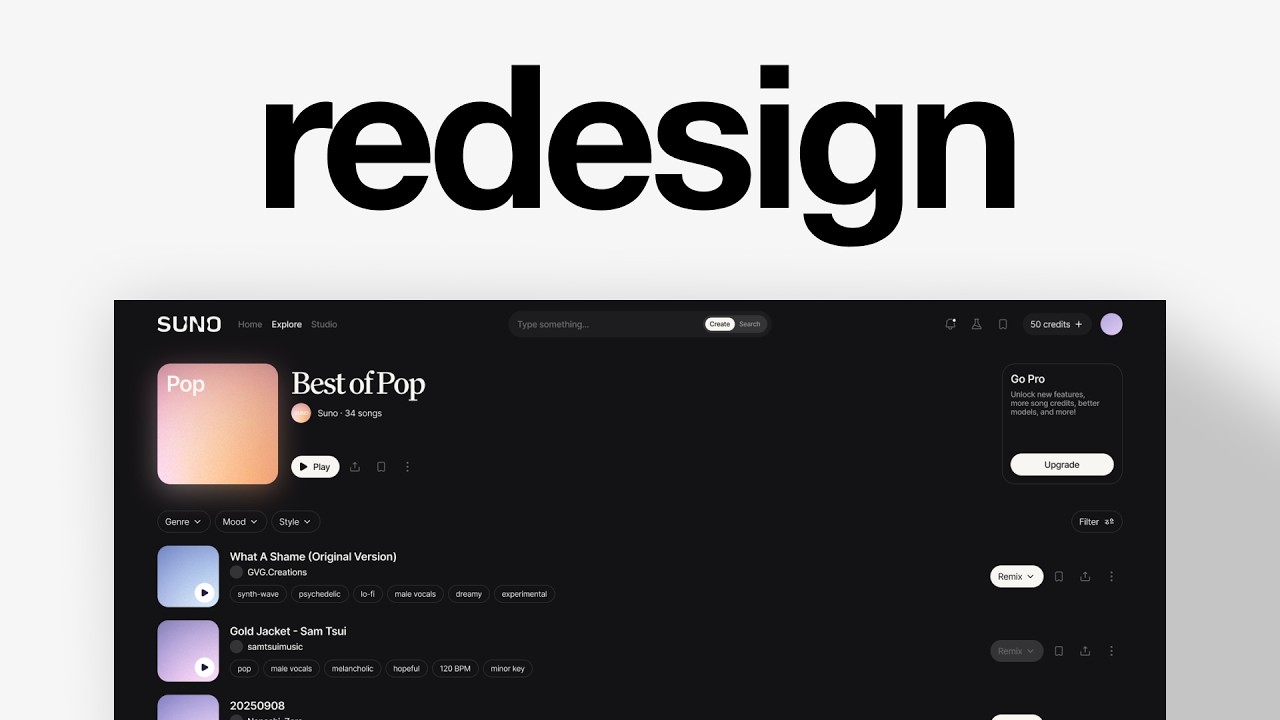
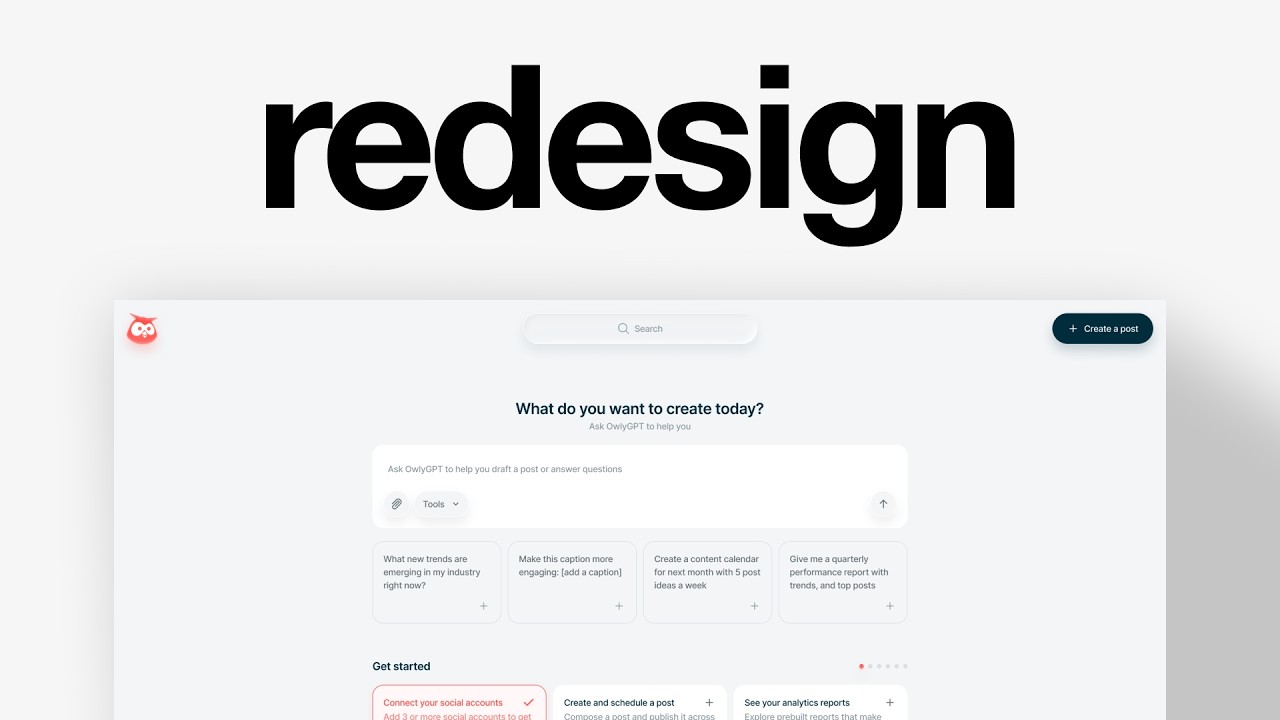
All right, all right, we are live. I think everything works. I have a full cam view now. That's good. Hey, Mobile Steel. Hey, Danny. How's everyone doing? Having a good day? Finally here we're getting a bit of sun, so it's really enjoyable. You know, I feel like winter in France is, uh, it's pretty rough. Like, it's nice to have a bit of sun once in a while, go out, enjoy a little walk. Hey, Suraj, welcome, welcome. Doing great, doing great. Happy to have you guys here. Still trying to figure out some like what time do we stream, how many times, what day, just to like again get some ideas. Same in Germany. Yeah, I feel like, you know, like I have like some neighbors who are retired and they just like as soon as like autumn winter hits, they just like Go travel away from here with some sun and warmth. That's a good lifestyle to live by. We probably cannot do it right now, but yeah, that's a nice little goal. Twice a week, we'll see. But yeah, honestly, like, I'm trying to balance it out. I'm going to— I finished editing the redesign video for this week, and I'm going to post it live on Friday. So like, Do I do like a Wednesday stream and then Friday post like this reason video? Maybe because it's like if I post a video on Friday and then a live stream on Saturday, I'm not sure. But yeah, I was afraid it's like do I post too many redesigns like every week and you redesign as soon as like you go on my YouTube channel, it's just like redesign thumbnails all the time. So if it's good, I'm happy with that. But yeah, I've tried to like improve the the reason videos and editing style. We'll see how it goes. You're from India? How is it in India? How's like winter there? I feel like it would still be hot. Your videos and redesigns, so watching you, we can post and talk about it further in the next stream. Yeah, that could be, that could be interesting. I'm actually thinking like maybe, maybe we can like do a deeper dive on like the redesign videos on stream. That could be interesting, maybe. Because I'm always trying to figure out, like, okay, what do I bring to the livestream? So, like, you're back from here and you enjoy the— you find value in that stream as well. So, like, you know, that could be pretty interesting to, like, review the redesign together and, you know, ask questions. Because maybe on the YouTube channel, it's a bit harder, like, on the video to, like, get some, like, one-on-one or, like, feedback loop on this. So it could be cool. Hello from the UK, 1 hour behind us. Hope it's nice there. Watching live from Ghana. Wow, that's cool. There's no snowfall, but it's very cool here. Okay, that's nice. That's really cool. We had like, in France, we had like, I think, one or twice some snow, and people were like freaking out. There was like 2 centimeters of snow and it's like the end of the world. Yeah, you can explain deeper. Yeah, I think that could be like a nice little thing to work on and to do. For today's stream, I don't have a lot to to do. I think it's more like chatting together, having a good time, like a little break, early afternoon break before we like deep dive into the the work again. One thing I have is like portfolio review. I have like two people who have submitted their portfolios, so we are going to do that as well in this stream. If you want, for people watching right now, if you want, you can also like go like in community. There's like a little A link form to like just enter your like username and a portfolio link, uh, if you want to have it reviewed on the stream right now. But otherwise, uh, yeah. Can you share your LinkedIn? I mean, you can type my name on Google or LinkedIn and you will find it. Uh, but yeah, I feel like explaining a bit more about the redesign videos could be really cool to kind of like, uh, you know, like in pro play, like football basketball, like, you know, you have like the post-game interview. Like, that could be like a post-reason interview. That could be pretty cool. Yeah, but otherwise that's about it. I'm trying to also think about like doing some strategic videos as well, like strategic thinking, more like maybe towards businesses. But we'll see. I'm like, I'm still trying to like figure out the right content or like how long it should be, what to talk about exactly, but And, you know, it could still be relevant for you guys since, you know, it can be applied for businesses. As a designer, you would have that strategic layer on top of your design skills. Can we share our Figma portfolio link and you help with it? Not right now. I feel like for now the easiest for me is just like look at some website, look at like some images. Maybe later I can like figure out how to do the like a Figma link and then review it or not. I will see, but for now, like I just want something convenient for me where I can just check it out and and see like your guys' designs. Even if it's like high surface level, it's just even like portfolio. Honestly, it can be the design. It can be like what you write and share on it. Yeah, love your content, Charles. Thank you so much. I appreciate it. I don't know how to pronounce your username, Kledge Dai. Something like that. Uh, but yeah, so I have— what do we have? We have Mobbin here. Actually, they posted some new— like, I'm still thinking about like this new redesign that I could— I will probably record a new reason video tomorrow, um, for next week. So that could be pretty cool to, to do. There's also— and actually there is a Linktree Linktree posted a new— I don't remember if you guys saw the video or not. I mean, I don't know if you remember, but yeah, like Linktree updated their redesigns. Not as good obviously as my redesign video, but yeah, they're— it's still a little bit better. I think it's pretty cool, pretty sweet. But yeah, um, we could actually jump right into like the redesign, uh, like not the redesign, the portfolio review. I think that could be pretty cool. I'm not sure if, uh, can I ask you for some advice in order to hit $5K a month as a web designer? Is it a knowledge gap, I don't know enough, or take more action? Um, from my experience, so okay, $5K a month as a web designer, technically one client is enough to hit that, uh, per like month. Actually, like, I mean It's it's it's really difficult to just know about it, but like you could technically have one client pay you five thousand for a website for like the whole month, and that's it. You could have a client pay you I don't know ten twenty thousand for a website, and it's like almost half of your year is paid off, right? So it's really difficult to like know exactly. I know sometimes you need to like be pretty patient. What did I? I think the website design I worked on recently, a website design was $12,000, I think. It's like a very super simple kind of website layout and not a lot of pages and stuff. So it's definitely achievable. All you need technically to hit that is, first of all, the service, the deliverable itself. And on top of that is just how many people know about your service, how many people— it's always a matter of like conversion rates. So if just one person converts out of 100, then how many people out of the 100 need to see your stuff, right? Like you need, I don't know, like 1,000, 10,000 people seeing your stuff every month to get like that one client maybe. So it's all about just in terms of just math pretty much and conversions. So if you can do the math on this depending on the price, then that's pretty much it. I would say it's probably— it's maybe not the knowledge gap, it's maybe like positioning, pricing, and then just literally how many people know about your stuff. So if you can take action on it, it would be just share your stuff online, get better at it, improve your skills, because maybe the price is right, maybe people know about it, but you're just not good enough technically speaking or like design-wise. Also, do you just do the website? Do you design it or do you implement it as well? Can you upsell people who ask for the design? Can you upsell them into actually coding it? That could be also a nice little strategy to have. Hey Charles, I want to ask you, how should I get my first client and what should I work on? Like, should I work on creating random landing page designs or full-fledged apps or what do you suggest? What do you mean should I work on? Is it just like, what should I work on for the portfolio or is it for like as a service? But how to get your first client? I would honestly try to have a good portfolio, good case studies. Even if it's not case studies, if it's just some designs, try to have some proof that you're good enough and people can trust you with their product, with their whatever. Whatever they're they're building, and if it's like first client, probably work for free. I think it's like always good. I'm I'm not a big fan of working for free in general, but like if you have no leverage, then it's a little rough to get started if you have no leverage. Especially now with AI, I feel like a lot of companies would rather pay to like get AI to do the design for them than to like hire like someone who has no experience whatsoever or like. Like no portfolio in the case studies. So like working for free, even working for free, like some people sometimes tell me like, I can work for you for free, but it's like, I don't have, I don't want that because it's for me, I'm not interested in that. So it's always tough to do. But yeah, improve your skills like I always do, like redesign stuff. That's always good. Figure out like what do you want to work on, try. Like do you want to do mobile? Do you want to do web app? Do you want to do website? Anything and anything can be a service, pretty much. I just had an idea for video. Maybe you could, uh, you could create or create a popular design and pinpointing why they are so effective. Okay, so like reviewing popular designs and understanding why. Okay, that could be cool. Um, I think something that I like to do is like on this, on websites in general, like e-commerce. I think we talked about it in the live stream last stream as well. It's like, what is creating trust for people? Like, what's social proof? What's converting well? Uh, that's pretty cool as well. But yeah, definitely, I did— I think I did a video like this before on like, um, I think onboarding flows, like the best onboarding flows. So definitely something, uh, to do again. It's actually pretty nice for me because redesign videos, like, they take a long time. Like, they it's like 2 hours of super focused work on top of like the day-to-day life. So being able to just review stuff is really enjoyable and light. Um, so yeah, thank you, Danny, I appreciate it. Can I join your design agency? Work for a while, want to get on my feet now. Been 4 months since I lost my job, want to learn and gain experience from you. You can. There is— I don't know if you filled out the form, the Tellyform on the YouTube description. Even now on the livestream description, there is like the link to submit your application. I only care about like, are you good enough as a designer? If you're not good enough, I am not— I don't want to— I don't have the time or energy to like train people right now. So the videos hopefully help with that. And at scale, pretty much like, you know, I'm telling you everything I can to like improve your skills as a designer. So that maybe in the future we can work together on something. That would be pretty cool. But yeah, like, I'm not— I don't want to hire someone just because you're like a watcher, follower. I want you to— I want to hire you because you have like really good skills. Charles, would you consider giving feedback on my side project app's landing page? Maybe it's good for the stream as well. Yeah, that's something we did actually last Stream with Danny. Unfortunately, it was mostly the the web app is not the the landing page. But like definitely you could you could like go on the community tab, go on like the link for like the portfolio review, and you can include that. Mention just in the context like this is like a project's landing page. Good for the portfolio. Yeah, I mean, Kiji Kij. I'm sorry for butchering the. Butchering the username. Honestly, for portfolio, figure out again, like before the portfolio is like, what do you want to do? What are you naturally good at? What are the skills that you really excel at? Some people, for example, are really good at prototyping. Some people love design systems. Some people, they are really good at like consumer-friendly mobile apps, right? Like test a lot of ideas, figure out, just try stuff on your like your Figma. You open the Figma, you look at some screens. No, it doesn't have to be on Mobbin. It doesn't have to be like— just look at some stuff, some products that you use that you like, and try to redesign them. Try to bring some strategy into it. Watch the videos as well on like, how do I do that, my process, and just figure out, okay, what am I— what do I feel like I'm good at, right? Like, what do I enjoy doing? Even if honestly, like, it's not always fun to design, even for me. I really enjoy working on product design, but sometimes it's just Straight up boring, or you're just not in the mood for it. Like try to find that that thing that's you feel like has some some potential for you. That's for me the biggest advice. And then once you have that, you go all in on it. Sorry, I can't find the link to add the link. The link to add the portfolio review in the community tab on my on my on my YouTube. You should find. You should be able to find that. It's like livestream, and then you can review. You can ask to review portfolio. I have applied for it just now. Thanks. Okay, cool. I review that later on. But usually, by the way, if you've applied for it and I don't reply, it's probably because you're not good enough yet. You can always like you know like it's going to be open for a very long time. I'm always looking for talents. So you can always refresh it. You can always resubmit it in a while. But yeah, I just want to be upfront with that. By the way, the audio has some static noise from time to time. Not a big issue, just wanted to mention it. Okay, I honestly, like, maybe it's some static noise. Maybe it's like my wheelchair— wheelchair, my chair, or the wheels of the chair. Maybe it's like the mouse. I'm not sure. That's honestly all I can do with the setup. I'm not like a really big audio engineer. So hopefully it's okay. And on the video, I usually always like put the video into like an AI kind of audio cleanup system to like make sure it's clean and nice for you guys. But like on livestream, I'm not sure how to improve that. So I hope it's okay on this. But yeah, okay, cool. I don't know how long have we been like 20 minutes-ish live. I will probably be live for like an hour like usual. I think an hour is like pretty nice to chat together. So we have this portfolio from Andreas. So let's review it. I want to be honest about the, you know, the feedback, whether it's like the website or The the design themselves. I'm not here to be like, you know, super nice and and everything. I want you to guys get the most out of it and and find a way to, you know, get more deals or find a job, something like that. So UX designer and developer, the designer, front-end developer, and student—that's a lot. Like if I don't know again, like you, I don't know if you're here. Andreas, but or Kendrick's on the stream. But it's like what's the goal of this? Is it to like get a job? Is it to like get clients? Is it just to have something out there? For me, it's the only thing that's like that's a lot of roles. Like something people say right now is like design engineer. I don't know if it fully achieves that because you mentioned UX. From what I can see, it's UX and UI. So that's well again, it's like something to like tighten things up a little bit. But you could literally say I'm a design engineer and then show the proof. Ideally, I don't know if it's like full product design, full stack development. Yeah. So if it's something live or live, like if it's a you know, side project, it's not live. But if you actually engineer it, then you could just say you're a design engineer. I think that could work really well. People are looking for that these days. A little bit about me— I'll probably not read all of that. As like someone, if I were to look at your portfolio, I would scroll here, I would see this title, be a bit okay, um, which is what I said. And then I would not read that. I would read the first line probably, then move on. This is a little laggy, but I like the personality to it. I would hesitate to share my age if it's like young, simply because for like it depends on everyone. But if I'm looking for a mid-designer, for example, senior designer, and it's your age, I'm like, is he really good enough or skilled enough at his age? Even if you can be, that's why I'm like, sometimes you don't have to share your age. And people don't ask you, you don't have to share it anyway. But it can create some not misunderstanding but false pretense from people. Oh, in order to be— you have to be subbed, but now I have to wait an entire day. It's okay, don't worry about it. Like, you can always post it later on and we can review it on another stream. Like It's completely fine. It doesn't have to be like right now. Don't worry about it. In order to be a product designer, what should the skills person should have? Well, you're lucky because this is what the YouTube channel is all about. Like, I have a lot of videos about like the skills, about the process, about the redesigns. So I would suggest, maybe it's biased, but you can binge-watch a lot of my YouTube videos and learn a lot about it. But like, long story short, to me, product designer compared to like UI/UX designer is someone who has those like UI/UX skills, but on top of that, add to this the strategic thinking of a product to like optimize the numbers, get better adoption rates, more conversions, you know, like a lot more business focused. That's my understanding of it. Can you review my portfolio, Wes? I've posted the link in your community. Did you fill out the form on this? Uh, you didn't fill out the form. Did you post it? I would check probably. I don't know if I have an easy way to check that, but like for me, the easiest way is just like you can fill out the form and that would be the easiest way for me. But yeah, back to Andreas. So yeah, the age, if you're like young, I would probably not put it. You can— I get it. It's like probably an ego thing where it's like, I'm young and I'm still like designing cool stuff and successful in a way. So I get it, but it sometimes can do more harm than good. Projects. This is cool. I like the hover, but 4 lines is a bit too much. I usually go with 2 lines. So like this, this is nice. Be careful with the consistency. Like there is no dot at the end of the sentence, but here there is. Here there is not. Not here there is. So again, it's always nice to stay consistent with all of that experience. So you're founder, you're owner, you're freelancer, you're a web designer, you're a digital designer. That's a lot of stuff. Nothing is bad. But this is to me, Look Pro, CC Scripts, and dress, it's more like different entities. It's not so much an experience, it's more like projects. It's not really experience. So I would probably keep it. I would just rename it something different. But otherwise, that's really cool. Peer reviews. So that's kind of nice. A little bit too much text. Oh, they're all students from the same place. So I would again, students, that's okay. But like as someone hiring someone, look, reviewing your portfolio and probably hundreds of portfolios, if I just see students reviewing your work, I'm like, how credible is that? Not sure. Let's talk. Is it enter your email to start chatting? Okay, that's actually pretty cool. This is nice. This, it's okay, just maybe reframe differently. Experience is nice. And then case studies, I don't know if there's a good one. Let's look at the first one and see. That's— this is nice. Role is good. Skills, it's nice also. Timeline, okay. Everything you need to build, to design and build with confidence. It's not really— it's more like a pitch than— this is the headline, should be the case study name. I like this gallery. I think that's cool. Maybe not this like wiggle thing when you change image. The design is okay. It's not groundbreaking. It's not bad either. Uh, yeah, I would be careful a bit with the colors. It's not bad, honestly. It's not bad. I would say it's average, but it's not bad. I'll say like, do more. It's— yeah, it's okay for some things. This is too small. I would probably like make it bigger, right? Like, that's a lot of— that's a a lot of writing. That's too much text. I would probably like keep like something like this and then just one line at a time, like headline, one line, headline, one line. That's it. That's a lot of text, not enough images, or like not enough designs and, uh, too much text. This is okay, but I barely didn't notice it, the navigation, or like the— I don't know what to call that. Yeah, but otherwise, like, polish the design, keep designing a lot. But honestly, not bad. So what do we have next? We have Cody. Cody's work. How much do you rate LinkedIn? Because I am posting my design on X, but its algo is— some designers with no intentional designs get thousands of views. Yeah, that's pretty frustrating with X. It's like the most basic average designs get a ton of views and likes, and the other ones that are— that look pretty cool, they, they don't get anything. I would say every platform is like its own kind of ecosystem and skill set, uh, like skill set to have to post on stuff. So it's, it's different. I think it's good that you tested on it, and I would advise you to keep like iterating Like, that's what I try to do also with sometimes with YouTube is like, okay, this format didn't work. What about this format? How about the pacing of the video? Is it better this in this way or does it work more on that way? It doesn't mean like, for example, something that happened, I talked about this story before. I used to post a bit more on LinkedIn, like redesign and ideas that I was sharing on LinkedIn without any, you know, like pretense or anything. It didn't get a ton of views or likes either. It was like 10 likes maybe. And I ended up like someone, like a founder of like a tech startup who's a designer, like one of the first designers working for Cash App, an early designer in Apple. And he reached out to, because he liked the design that I did, he liked the style, he reached out to like, we can work together on his startup. And it just goes to show that it doesn't mean— it's not because you have like thousands and thousands of likes and impressions that you are going to get clients, you're going to get leads. Yes, the odds are in the favor of someone with a lot more views, but 12 likes is enough to like get something rolling. Again, LinkedIn might be a bit different because if you have good connections with, uh, again, like founders— this not even founders, but like decision makers, the odds of you getting people noticing your work, if it's good enough, they probably are going to reach out. Doesn't mean something's going to happen right now. Sometimes, I think I talked about it in a comment on a YouTube video, the sales cycle. Should you work for very expensive clients or very cheap clients? And the problem is that cheap clients, it's a lot easier to sell. The sales cycle is shorter. So it can take maybe an hour, it can take a week, but the expensive clients, the sales cycle is very long. It can take months, if not years. And so it's a different game, different pros and cons, sacrifices to make. So it's kind of like a different game. I would advise you like keep posting on X, iterating on design, like what to share, how to share it, but also share on LinkedIn. Like, try it out, see if it works. Share your opinion, your thoughts on the design. Uh, it's literally free. Like, there is nothing— if you have nothing going on, it's, it's better than nothing. So LinkedIn could be really good if you have good connections. Hello, Charles. Hey, Samir, welcome, welcome. It's all about getting noticed by the right people. Exactly, that's right. And sometimes, like, you never know how it really works, but, you know, like, someone who's not the right person can always know the right person and introduce you. It happened to me a few times, uh, where it's like, I know that you're looking for a designer. I mean, someone you know knows someone who's looking for a designer, but they don't know you. And that's the power of, like, connections. So you never— like, literally, you never know who's going to see your stuff. Right. Who is going to recommend you? So always be like professional, always have like a good portfolio. Be ready when luck strikes and you you can have that opportunity. Hey, Manzi, welcome, welcome. Hope you're doing good. Hope you're having a nice day. We are reviewing portfolios right now, and yeah, things are going really, really well. Thank you everyone. We are seventeen watching the video right now. That's so cool. Thank you everyone for, for being here, uh, today. I appreciate it. So we've got Cody now from Toulouse. Really nice. Uh, Cody, UX/UI designer with specific strengths, placing every pixel exactly where it belongs, clean, consistent, and flawlessly precise. Okay, that's a, that's a bold pitch, Cody. Uh, I'm like I think it's better to be bolder than not enough. But yeah, I probably won't— as a recruiter, I probably just read like this and then I will skip the rest. But yeah, although I like really clean, I like the design, I like the simplicity of the interfaces and shots. Really cool. I like the design. I don't know if this is because the image is loading too slowly, uh, or not, but it's a little bit laggy. I would honestly like— I'm not even sure if you need to have that interaction or not. I think it could maybe do a bit more harm because again, like, your format— I can see the design is really clean and polished, so I probably would be like, you don't even need to click on stuff like this. But otherwise cool. I'm assuming from like the URL and the little main framework that you're working still on this and not published yet. But otherwise, yeah, love the colors, really cool. But UI/UX designer, this is more like branding work to me, so I would be a little bit confused. But otherwise really nice. This is cool. The mint is slightly maybe too bright. I like the background aesthetic. This is okay, like the API Explorer. I feel like you could push a lot more into that like techy fluid effects for this. This little thing here, I'm not a big— I don't know if you're actually— Impression on UI shots and general styling. Okay, styling of the website or the design? Anyway, I will review both. This is okay. I'm like not Not really into that. Maybe the logos could be slightly more visible. Not a big fan of like the divider, 2 line dividers. But yeah, like otherwise, like the direction is really nice. I would probably push more into that. That's really cool. I like the— did you do the illustrations? I don't know if you're here, Cody, uh, but yeah, the illustration looks really nice. This is okay. Oh, it's, it seems a bit simple. I feel like there's this, this mix of like, it looks nice, clean, pretty like advanced, and then suddenly you're simple. Uh, that's where I'm feeling a little bit of disconnection with the design and the direction. I like these visuals, but otherwise that's cool. Good use of the AI visuals as well here. This is a little too difficult to understand. I would probably add some drop shadows, some outline. This is too— there's not enough opacity on this. It's hard to read. But honestly, there's some really good progress on this. The CTA text is probably too big. Create account compared to the rest of the copies. Too much. The outline is maybe too visible compared to like the focus state. And you can see actually the the outline for like Google and GitHub is different from the one from confirm password and password. So again, tighten things up on that. The image is pretty nice. I feel like the like this little dark blur is too much on top of the visual, so it distracts it a bit more. If you have social proof, like you have the logos earlier in the page, I would probably add the logos here, maybe here or like somewhere. That's a little— that's not the best. Like there is no— like this is everything is active states instead of unselected or default. So I'll probably change that. The mint is too light. There's too much padding and spacing here. It doesn't feel like it's connected into the same product. The rounded corners here are pretty rounded, but here it's less rounded and there's an outline here and no outline here. So again, the direction is good. I think you're on the right path. It's just refining the design, refining the taste, adding more complexity and layers to your designs. This could be like a nice V2, V3, but not like— it's not market level yet. But honestly, not bad. Where are you from, by the way? I'm from France, exactly like Cody. Not in the same region, but yeah. Is this Midjourney? Yeah. So I'm assuming here it's mostly the visuals and the onboarding. It's okay. Again, it's too much spacing between the headlines here. I mean, between the 2 lines of the headline. Too spaced out from this kind of like story timeline or like progress bar. So yeah, not enough spacing between the headline and the text and then too much spacing between the 2 lines of the headline. Here it feels a little too light. I would probably try to make it more noticeable because it's a big, uh, it's like, you know, become a pro. So I try to like upsell them in like a cool way. But again, not bad. This is nice. Maybe the text is slightly too big. I don't really like the italic numbers. The outline is probably not visible enough. But that's overall, again, like visuals. I don't know if you did, if you do all the visuals, but, uh, I don't know if you do all the visuals, but the visuals are really, really cool. I'll probably try to dive more into this. This is a bit too basic. Like, I don't like the italic, italic version of this. I don't like the kind of like secondary button should be different. Visuals are okay. I would try to have a bit more like colors and storytelling into it, but that's overall it. Like, yeah, hope you like it. I don't know if there is more like a CTA or something. Thanks for watching. Maybe like a nice little CTA here, or, you know, go back to the top would be pretty nice to go up. But yeah, that's my, my feedback on this. Caper, hey man, it's insane how much knowledge you have about designing products. Do you have any tips? I feel like if I feel like I know the style and aesthetic, but I can't design from scratch. Design from scratch. So what do you mean by that? Is it like creating an idea from the ground up versus like redesigning something that's already existing? Actually, because I talked about it before, if you know the style and the aesthetic, it means that you have a high level of taste, of design taste. But maybe your skill level is lower than your design taste, which is great. I think it's really good news when it's that and not the opposite. Because if you have really good— if you are like really skilled as a designer but you have bad design taste, the product is still going to look bad. So this is really good. It's healthy because it means that you always surround yourself with better design and you try to improve your design taste. And then all you have to do is do a ton of volume to catch up to it. And while you do that, you're going to again get better design taste, more like higher standards. And again, it's always like a healthy trying to always catch up to it. So my advice would just be to keep practicing a lot more. It's always a frustration when you have these ideas and you don't know how to do them. It's usually just a lack of technicality and something missing in our skill set. I love your channel. I'm thinking about supporting your channel. Honestly, like subscribing, sharing, liking the video, commenting, it's like more than enough to support the channel as well. I can redesign if I have something to work with. I know how to improve, but if I want to create new product, I cannot redesign it. It's always hard to create new products from the ground up. I don't know if you want to actually build them or if you're just designing them, but it's always a tough thing to do. As a designer, when I work with clients on projects, it's never designing something from the ground up. There can be some elements of it that are from the ground up. There can be a new feature, a new strategy, a new angle, or maybe it's designing the product vision for a big product they want to shift into something different. That's where we have to design something from the ground up. But otherwise, it's really tough. That's why it's usually design teams or product teams working on it together. Except if you have already some product ideas that you want to build up. And if it's the case, then you would do it the same way you do a redesign, but on a much bigger scale. It's like flows, prototyping, design systems. It doesn't mean you have to do everything all at once, but it's a different scale than just redesigning a screen. That's why for me it's a lot easier on YouTube to make just a redesign and that's it, versus, okay, I'm going to do a whole flow redesign. But like Danny said before in the chat, I could also just review some flows here. I think they have it, right? Yeah, like flows. I don't know, like onboarding flows. And I can review that. And it's also pretty light and easy for me to do. What do you think about designing with AI tools? Do you prefer them or just the classic mode in Figma from scratch? I actually started designing more with AI tools. Now it doesn't mean I'm designing with AI tools, but for example, now when I try to brainstorm ideas or I want to use the copy for a recent video, I use Figma Make to create the design. If I'm brainstorming new ideas for a product, For a project, for a flow, I can also brainstorm with again Figma Make, and I always have like Claude or ChatGPT with me, or even Grok sometimes or Perplexity depending on the project, like ready on the side to help me like understand a new industry, a new product, like core features, etc., etc. So it's it depends with that. It's always part of my my process no matter what. I want to build them. I am a computer science student but interested in designing. Even with few inspiration from Mobbin, Dribbble, I can't really convert it to my own. You can start pretty small. Like, you could do like a Chrome extension. You could do like just a single-purpose product. It doesn't have to be insanely big. I think most ideas, most products started really small. Like, you can think about what, like Loom? Loom is literally just technically a Chrome extension where you record your screen and you share it with someone, and they were acquired for a lot of money. It doesn't mean you're going to get successful on the first try, but like start with a fairly small idea, even if it's like a little app, a little product, a little extension, something that can help your life or help people that you know around. That's all you need to like get started, honestly. If that's how you pronounce it. What's up? Doing good. Happy with the stream. Happy with everyone showing up. We probably have like 15, 20 minutes left on this. Honestly, like, the schedule has been achieved. If you have more questions on it, I'm more than happy to answer them. But yeah, and thank you for being a member. I saw that you joined the Pro Designers this week. So thank you so much for supporting the channel. I really, really appreciate it. And hopefully you learn a lot of things, uh, with the pro content. Thanks for the advice. I think I just need to sit and try things and improve it over time. Yeah, like honestly, put some music on, uh, your favorite playlist, and like try to jam. No pressure. Figure out, like, write some ideas, try some stuff. And, uh, yeah, I think that's the best way to improve. Just practice. I don't know how good Figma makes But I use Google Stitch for design brainstorming. Yeah, I mean, for me it's just very low friction. It's literally just like one tab away, so I don't need to switch tools and anything. So it's like a good starting point for me. I don't really care about having an AI do the product for me. I think it's mostly about figuring out some ideas that I didn't think about, a different perspective, just like a way to build some momentum. That's about it. But whatever like works best for you, whatever is like the easiest to keep again like getting that momentum, getting some ideas, some features. Like that's something I've understood while looking at like working with companies, working with different designers. Everybody, even in the same like agency or in the same company, everyone has their own process and their own way of working. Some people love to like stack their designs on top of each other on the same page until it's like 100% capacity and you need to remove stuff. Some people love to just erase as soon as they have like, okay, this is the screen I want, erase all of the exploration they've done. Some people do that. Now these are kind of like both extremes, but everyone has like their different way of doing things. It's not like a math exam where you have one way of solving the problem and if you don't do that way, you're wrong. Here is— there are multiple ways to design a product, multiple ways to come up with great ideas. Whatever works best for you and your workflow and your style is the best. That's why I love also working remotely, is because sometimes I'm most inspired in the morning, sometimes I'm most inspired at night, sometimes I'm not feeling it, right? So being able to get more flexibility on when to work is, in my opinion, really good. Do you have like a Discord channel we could probably join and share design with other designers and ask questions or help each other out? I don't have a Discord. Actually, fun fact, I've I've never really like been a big Discord fan or understood the point of Discord. Maybe I'm like, uh, I don't know. I, I never— I feel like I missed that like Discord phase. I was like a Skype and then went to— I don't remember what next to that, but I never got into like the Discord thing. Uh, but that could, that could be like a nice, a nice idea. Um, I could dive into that or like learn about it. Salut Charles, I love your videos and your methodology. Thank you, Youssef, I appreciate it. And yeah, I'm happy to share it with everyone here. I'm happy you like the videos. Quick question, I'm currently posting on X specifically design screens. I'm trying to organically attract projects. Any thoughts on that? Well, we talked about it. You could watch the replay once this live is done. But yeah, we talked about it a little bit before. X can be difficult sometimes. I think based on what I've seen, it's a great way to find leads and clients. Now, how good those leads and clients are, that can be debatable. I think a lot of people talk about, you know, you can get 10 clients or I can make $10,000 a month. But if the client stays a month, you have to find other like 10 clients every single month. So is the quality of the leads good? I'm not sure. But honestly, it's good to keep posting. It's good to also iterate a lot. So does this style work better than the other? Is posting videos better than posting images? Is posting one image better than posting 4? That's why data is always really good with that, simply because you can just easily track. That's what I do with my website. That's what I do with cold outreach. That's what I do with YouTube, is track the data and see what performs the best and how to optimize on that. But I would advise, like we talked about, LinkedIn would also be really good. Dribbble is like— I'm not like— I was— I really liked Dribbble like a few years ago, but now it's just, uh, it's just like Fiverr but different. Uh, so yeah, but like, I think it's always good. The key, the unlock, it's always— you always have 2 constraints as a designer. It's either you have not enough clients Or you have not enough talents. Because once you have enough clients, you need to hire people to handle— oops— handle this amount of clients. But you don't need designers or talents when you don't have enough clients. So that's like the— you always have like this like balance that you need to navigate. But yet the only key to get more clients is your portfolio to be really good with case studies that match the clients that want to work with you. You have like a clear service with clear benefits and pain points and just getting seen by as many people as possible. We love your input on 2 things. How are you making your skills AI-proof and will you touch on finding clients, channels, outreach on this live? Thank you for the comment. Okay, Sid, I said Youssef, but it's Sid. I won't touch about it on this livestream. It could be like a nice little thing to have. I think I talked about it on some pro Like members videos on YouTube for like finding clients, but I literally just talked about it as well. So yeah, on this, and the other one is skills AI-proof. So for me, the only 2 skills that are going to make you stay relevant, whether it's against other designers or in the AI age, is going to be about taste, design taste, because the AI usually is a combination or a mix of average. It's just taking a ton of inspiration left and right to create something that's a balance. And so taste is here to say, okay, this option is good, this option is not good. And then the other skill is strategy. It's like taste to say this option is better visually, and then strategy to say, and also it's going to convert more. It's going to convert more because of this and that, right? But like being able to express design choices to stakeholders, to manager, to a design lead, all of this is going to make you stand out. That's something that the AI cannot do, at least right now. So that's how I would advise anyone, and that's how I stay AI-proof. Yeah, Discord might be helpful and love to join too. Okay, I'm taking note on this. I would have to study up how to how to use Discord and run a Discord channel. I watch your videos for members only. They are pure gold. I'm using as much as I can doing redesign concept work and sharing that on Contra and X-Community. Awesome, that's really, really good. I'm really happy that you're finding value in that and you're doing the work because it's the same as everything. People stick to something for 2 weeks and then they drop the ball. It's just they don't want to stay consistent. They don't want to keep doing it. And for me, the only way I've been able to be better at design is I had some natural skills and facilities in some ways, like UI design visuals. But I had to work a lot to also get good at it. It's not just because you have natural skills that you're the best. You have to— the top 20%, top 10% is really, really rough. So just pure work is the way to go. And sometimes I worked on 2, 3 projects at the same time, working 80 hours a week. I don't advise it, but for a short amount of time, it's okay. You just pretty much just wake up, design, and go to sleep. So it's pretty rough, but that's how you can get better in a short amount of time. Having patience and discipline to be consistent. I know results will come. It's just a matter of time. Thanks for the content. I appreciate it. I'm really happy with that. And yeah, you need to trust in yourself more. I think it's difficult for us designers. I feel like we're really self-critical of stuff. where we're like, I'm not good enough, it's difficult, I cannot succeed. Plus AI deadlines, all of that. But being able to be patient, stay consistent, believe in yourselves, it's really like an underappreciated skill. Can you give some advice for lazy people like me to keep iterating and practice? I strongly know that I am more worrying than practicing. That's it. It's just like there is no— it's like doing the push-ups. Like, I've been training this like for like over a month now. I've been training every morning to like do some push-ups and some squats, uh, and sometimes I'm like, I don't want to do it, and I just shut my brain off and I just do it. And funny thing with design is sometimes you don't want to design, and then after, like, again, put your favorite playlist on, put your earphones on, get into the— even if you're not into it, just get into the flow. Find a design that you want to do, something you want to redesign, even if it's like five minutes, ten minutes, and just do it. And sometimes you're going to just like get inspired and end up doing more of it. Hey Sid! Sid became a pro member on the YouTube channel. Thank you so much. I really really appreciate it. Thank you for supporting the channel. Um, where are you getting the best quality clients from, or with what platform was your best experiences with clients? And what do you recommend to use for beginners? X probably not the best for this. Yeah, that's exactly what we talked about. It's just like, is X leads that good or valuable? I don't know. I, I never got any leads from, from X. Uh, from my experience, it really, it really depends. Like Sometimes it's okay. So I think the the best way to like the best kind is subjective too, but you need to find it's not the it's not the the businesses; it's the people who run those businesses. Like the type of people that you find yourself being really happy working with. That's the kind of people that you like. This is the best lead or the best client. Platform, it depends. Like sometimes it's LinkedIn, sometimes it's just someone who like got recommended. Somebody's working through like an agency just because they know me or they saw my work, wherever they saw it. But always the key was the people, like the culture, their mindset, the mentality. And usually they know and are surrounded by people similar to them. That's just how it is. There is this saying of you're the average of the 5 people you spend the most time with. And usually people you spend the most time with are pretty similar to you. And so find— I know it's difficult to say find those people, but once you've identified the kind of clients you want to work with, the kind of companies that you enjoy working with, the culture that they have, that's kind of the work and the clients that hopefully you're going to keep having. Because when I look back on the work that I've done and the work that I've enjoyed doing, it's mostly been because of the people that I work with. Designers taking the time when I started out, or when I was not that good, taking the time to understand, like, what am I missing? What have I not done well? How can they help? Or the project is like people believing in my skills, believing in what I do, in my design taste, in the quality of my work. Like, that is really, really important. But it's not just about the industry, it's not just about the company, it's not just about the niche. It's also just about the people. I know it's again like it seems very like cheesy to say, but they come from everywhere. It's mostly like I cannot like pinpoint you like okay just post on LinkedIn and you're going to get leads. It's yeah. I thought you joined YouTube membership too, but unfortunately it's not available in my country. Oh, I didn't know that. It's okay. Don't worry about it. Like I try my best to like still post valuable content on for like. Everyone. Uh, it's just like the pro members, it's usually, it's usually like very low edits, uh, just me sharing my thoughts, brainstorming stuff on Figma. So if that, it cannot perform well on YouTube by nature. And so that's why I just, I make that, that content for pro designers. How are you able to tone down your offer? Did any of Ike Somogyi's book help? Actually, funny enough, Alex Hormozi's books did not really help me in many ways. But what do you mean by tone down your offer? Awesome, loving these lives. Is it a recurring thing? I'm trying to make it a recurring thing. I know I'm still iterating on like the time, when, what to say, what to share. Usually like what I've been enjoying is like giving some feedback and review for you guys on like whether you— what projects you're working on or like the Portfolio that you have. It's maybe showing like the reason that I've done doing like a post redesign kind of interview style where I'm just sharing like my thoughts on the redesign, getting you guys' opinion about it as well. It can be like maybe like on mobile, like finding a design that's cool and maybe like understanding it together. Like still trying to find that rhythm and that style and what I want to do with the lives. But I think so far you can let me know guys, but so far I feel like it's been pretty Pretty good. But yeah, so I hope it's— we have like what, 5, 10 more minutes left if you guys have some extra questions before we get back to work or maybe go to sleep. I don't know, depending where you are. But it's like a nice little live, plus you can watch it in replay as well if there is like a segment you missed or like something that you Want to learn more about or rewatch? Meaning, for example, did you try to match your skill set to the clients or finding your ideal customers and match your skills around that? Much love again. Matching my skill set to the client or finding your ideal client customer. Funny enough, most of the time it's been clients finding me, not me finding them. Probably because they Clients kind of know what they want to some extent. Like, they know, like, this is the kind of style that I want. I love this simplicity. It happened many times. It's like, I love this design style that you did. Can we also use that for our product? And so that's usually the best thing is people hire you because of you, because of what you do, what you tend to naturally get drawn into. And I don't know, I'm not really trying to like tone down my design skills, or I don't want to work on projects that are not where I cannot be creative. I think that's the thing. It's if it's just like the most boring average project ever, I'm probably not going to take it. I want something that's, you know, creative, where it's not all the time, but like that can have some like carte blanche where you can just do your thing and we'll see like where it goes. Um, yeah, that's what I'm, I'm usually— and funny enough, it's where you get the most value at because it's kind of like, it's just, it's you, it's your almost your brand, your signature. Uh, yeah. Are you only doing design or are you also animating them and developing? I'd love to get into animation as well. That's an aspect I haven't dabbled into. That was yet. I'm not developing things. I don't know why. Like I've tried many times with like coding and engineering. Like it's never been my thing. Like I've never been able to like get into it, and I'm completely fine with that. But yet animating, I've I've been doing prototypes on Figma. Like if you look at my case studies on my on like Baobab Studio, all the All the animations, it's all done in Figma. And even for projects, I think most of, all of them, all of the projects I've done last year and maybe end of year, probably the year before, or at least last year as far as I can tell, all of them have been prototyped. All of the flows have been prototyped, explorations have been prototyped, things we dropped have been prototyped. Everything is prototyped because it adds another layer of quality and premiumness and craftsmanship to the work that you're doing. So for me, it's like an easy way. I mean, easy, it's not easy, but it's like a nice extra layer that you can add for people to like, oh, okay, they're not messing around. It's actually like a cool, it's a cool, cool company, a cool designer, a cool service. So for me, it's like a really good way to do that. And storytelling-wise, you always have to like add storytelling and strategy to the design that you show. Static can only go so far. Like, people cannot get— stakeholders who are not designers, they cannot imagine. Like, they just see a static screen, like, okay, and? But if you add on top of that a prototype to it, then they understand the story, they understand the impact and the strategies that you want to communicate, and that adds a lot. So I would advise it. Like, for me, it's just like, yeah, prototyping is super easy to get into because it's literally in Figma. But there is some levels to it. I might do a video about it. I'm not sure yet. Maybe. Maybe it's a teaser for the future. Last question, I promise. Are any of the projects you work on outcome-related? The client wants to improve retention and engagement, or more UI-only? We want the platform to feel more premium. We want our platform to look better. Premium has— feeling more premium, it's always related to an outcome. Because it's more premium, we increase our subscription, we get more conversions, we stand out against the competition. It's never just about, we want it to look better. Maybe sometimes it happens just because the product doesn't look good and the founder is like, it's just MVP. If you have some ideas on a possible branding or possible UI refinement on this, we'd love to know about it. But it's not— they don't just come in and say, okay, can we just make it look better, please? It's always attached to some strategy. So it's always outcome-related. It's like, we are going to increase our marketing spend. We want to absolutely refine as much as possible the onboarding flow because we know based on stats that this is when people become engaged with the product. This is when they convert. This is when they'll get that moment where they stick to the product. So we want to really optimize it as much as possible. And that can be, for example, a nice way to upsell. It's like, we've done this onboarding flow. We have some ideas on the homepage and some screens that could also be refined from the onboarding. How about for another sprint or another project together, we can also apply that same strategy and that same aesthetic to the rest of the product? And also as a designer, always, always have that strategic outcome-related angle to whatever you're showing. UI can always be really cool and stuff, but you need to package it into the strategic thinking on it. Not just it looks better, that doesn't really work. Awesome, I'd love to show my design as GIF showing some simple animations and how my design coming to life. Thanks for the answer. It's a whole new layer on top of static design. Yeah, it is definitely a new layer. It really adds a lot more depth to the designs and it looks cool. Like, don't— like you know, like don't package UI as just UI, but like a prototype looks always cooler, especially for people who are like maybe older who don't know design that well. They don't have like a good design taste. You make a cool prototype and it's like, whoa, mind blown. So yeah, definitely. I love to show my design as GIF. Uh, I mean, you mean on your portfolio? You could always, but like, I mean, it depends what you're using. But for me, from— for Framer, I usually just like straight up record my screen with like what I'm prototyping on Figma. I just record it like little Prototype, then I just like compress it so that it doesn't weigh a ton on the website. And then on Framer, I just like reload. There is something like to reload the image like all the time, and that really does the job. Super simple and easy. Also easy to put on like a slide deck when presenting design. Merci Charles. Thank you to you too, Sid. I appreciate it. Thank you for being a member as well. Okay guys, that's been an hour. If you have any more, like one last question if you want, otherwise I will end the, uh, the live stream. But it was so, so fun to spend that hour together and reviewing the portfolio for everyone, being able to have a nice little chat and Q&A as well. Not sure when we'll do the next stream, probably maybe next Wednesday. We'll see. I will let you guys know. Please stay tuned for like the video dropping on Friday, the same time as right now, wherever you are. The new redesign video, I've put a lot of work into it. I hope you will like it. And yeah, I mean, for showing on X, but that was a great insight on how you do it for Framer. You just record your screen in Filman and put the compressed video in a Framer section. Yeah, pretty much. I mean, just like drop the video, like drop this as a video and that's about it. But Yonex, maybe that works better as a GIF. Thank you, Denis, for showing up again on the livestream. Thanks, Amir. Looking forward to the next one as well. Thanks a lot for everyone watching the video. I really appreciate it. You can always watch the replay as well. It's going to drop after the stream. So thanks again. Have a great rest of your day wherever you are. I appreciate it. And yeah, have a good one. Bye. Bye.