EP 3: SBF Heading for the Slammer
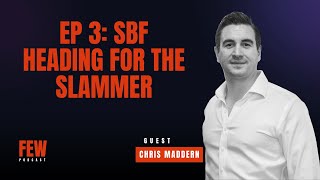
Alex Taub, Anoop, Dave Goldberg, and Chris Maddern discuss Sam Bankman-Fried's guilty verdict and likely prison sentence, plus NFT market moves, operator filters, and Elon Musk's take on NFTs.
Chapters
Foreign.
What is up, everyone? Welcome back to the few podcast. The pod. For the latest Web3 news and the hottest takes in the industry, we are missing. We have two people MIA today. Got Drew and Judas. What are they doing? Do you guys know? What's Drew Sprout? What's Drew doing? He's. Oh, I know Drew's doing, actually. I know what you're doing. Yeah, he told us. But yeah, no, we're. We're excited. We also have an amazing guest today, Chris Mattern. You want to introduce yourself for those that. I feel like everyone knows you, but, you know, you can also introduce yourself.
I am sure that's not true. Thanks for having me on. Hi, I'm Chris. Chris Matters, co founder and CEO of Floor. We are building a mobile first version of Web3.
Awesome. I feel like you and I met. We always do this. We did this the first episode. It's like, how did you meet the person. I think you and I met when You're Michael Giacconi, right, With the button.
Yeah, yeah, yeah. We met on the rooftop of Button at a party that we had like this. This thing that throwing events was like, somehow prosperous for business, which it like almost definitely wasn't. But we would do a lot of them on the rooftop of the Button office. And you came along to one and. Yeah, then I think I basically stalked you for a bit. Cause I really liked your product.
And I'd be like, wait, which product was that?
Was that you were building Social Rank at the time, Right?
Okay, yeah, yeah.
Social Rank is like. Social Rank's pretty cool.
That was a good one. I like Social Rank.
I used it so much. We were the company that took it over because you can't do any of this stuff anymore because Twitter with Elon shut down that API. Instagram shut down that API. But man, what we could have done if we. We just had like, access to all that stuff would have been amazing. Anyway, it's been a crazy week, guys.
Yeah.
What. What we have. So we have a little rundown on the side. I don't know if it shows on.
This side or that side.
Got a little like, you know, part of your interruption. Is that what's called Pardon Interruption? The ESPN show. Yeah. Like, I think they go by pdt.
You know, as a sports expert in this room.
Yeah. But so. So we have things on the side that will, like, we'll. We'll get to. We also have a countdown so that we don't over talk.
Drew's not here.
We should be okay. Yeah.
Without Mike and Drew.
Yeah.
I feel like we're just going to be trying to fill the episode.
No, Mike doesn't pay attention. So we're like, he's like, he's just browsing the Internet. He's like, he's, he's definitely like trolling some in some like telegram chat. And, and then like Drew calls on him and then he's like. And then he answers the question like you would in like a kid in his school that like has no idea what the topic was. So it's, it's been funny and then.
Yet somehow still has oppression point.
Yes, yes. Well, you know, Chris, you're here, you're, you're, can you tell us what's the latest with floor? Are all our NFTs worth zero now? What's going on?
Oh man, the NFT weather forecast. No, it's been super fun and interesting. The last two or three weeks has been a little bit of a resurgence in some of what you would have called classical NFT stuff from the last full case. But honestly the whole summer has been an exploration of new and interesting NFT like things ranging from coinbase entering with base and creating the on chain summer Zora coming in and making this fun and free easy minting stuff. And like for us a lot of that's way more aligned with what we see millions of people doing going into 2024, which is collecting things that have personal relevance, group relevance aren't necessarily high ticket financial items. So that's been really interesting to watch. And then you know, like the last two or three weeks crypto's been a little kinder to us and actually seen a resurgence in a lot of the stuff that we were collecting last year. Some more kind of traditional crypto speculator style NFT products, which has been I think cool for all of us who are around then and maybe have some bags lying around.
Yeah, you know, it's funny, Anoop and I were chatting yesterday because he came on and we spoke about the future NFTs and we did give Goldberg a shout out for being the.
One in the group that sort of takes the emotion out of it and just like, hey, like would I buy this ape at 90 ETH? No, I wouldn't. So I'm gonna just, you know, sell it and where everyone's like, oh, you know, I made all this money already. It's like, no, that's not how you're supposed to think about it. You're supposed to like, if you, if you wouldn't buy this thing at this moment, you should sell It.
Yeah.
You're a much better trader than most, I think.
Oh, yeah, Goldberg. I mean, Goldberg was the naysayer of 20, 21, 22, 23. Maybe, you know, with SBF in jail, he'll flip that 24.
Yeah. But also Zed.
That's exactly what I was going to talk about. Everyone was flipping horses. Taub and Dude. Taub and Drew had, like, a stable hand. And I remember Goldberg and. And I hung out in New York, and he had this spreadsheet, and he was doing, like, all this math, and he goes, none of it works anymore. I sold everything. And I was just like, wait, what? What the fuck do you mean? You had, like, 900 horses. Yeah. He goes, I sold everything. He's like, I found.
Yeah, you pull them from me now.
Yeah. Like, he's like, I liquidated. I'm out. And then, like, three weeks later, he's like, I'm out of apes. He's like. And it just. It went one after another. He goes, the financial incentive for this does not make any sense. The business model doesn't make any sense. I'm out. And then he bought a house. So good for you. Good for.
For you.
Right? Someone walked with money around, all of that.
But that's the story that we'll go with today.
Look at gassing them up, you know, just making them feel good. All right, we're gonna. We're gonna get into the rundown in four minutes. There's some stuff that's not on this that I'm thinking about now. Well, this weekend is Ape Fest. Anyone in Hong Kong right now going, no.
I mean, what do you guys. Before we even talk about that, what would you think they would consider a success for Ape Fest, right? Like, we're all in. We're all in entrepreneurs. We're all in business, right? Like, you're. You have to explain to your team what a base level success looks like. Do you think it's that 50 people show up, right? There's 10,000. Hypothetically, 10,000 potential. How many uniques? Maybe 7,500, 8,000 of apes. What person.
There's mutants. There's 20,000 mutants.
Okay?
So fine increase pumps are welcome as well.
How many people do you think show up to this event? And what do you think they are expecting?
So they'll get a couple hundred. But I don't think that's what drives success for them. Like, their holders are their holders. We've talked about the difference between investors and holders and future customers, Right? For them, I think it's about brand Partnerships, user generated content, trust. Right. Like how does this build the brand? Not how do I make a couple hundred people like have a great time for a weekend?
Yeah, you know I actually I, I've heard some things that they're, they're sort of approaching the weekend a little bit like Apple would approach an event. I think there's like a bunch of announcements coming with it. So it's not just like oh, we're going to go party and we're having there. I think we're going to hear news. I've also heard that there's a bunch of marketplace news that's going to happen in the next, by this time next week there's going to be a lot of like shake up in the like marketplace of NFT space. I've heard a few things, I can't really say anything but I've just heard a few because you know, February is coming up soon with OpenSea saying that they're not going to do any of the, the, the royalties anymore. So that, that's, that's February. So for anyone who doesn't know if you have an operator filter, you can guarantee revenues right now or royalties right now for your collection. And even if you have the operator filter in February, OpenSea is saying we don't care anymore.
What is the operator filter?
Just explain.
Operator filter allows you to block marketplaces. So this is one of the things.
This is within the ERC20 smart contract.
Within your, the 721S lets you basically say, hey, if I want to get 5% royalty, like I can block you if you don't follow the thing on.
Chain royalty preferences and people can choose whether they respect the creator's preferences or not.
And if they don't, you block them.
Despite having said we're going to build this thing is now saying, actually you know what, Royalty preferences aren't going to work because.
The corpus of people who do marketplaces are just not going to play ball and they can't stand alone.
I mean this is just an interesting conversation. In general, is our marketplaces a viable business moving forward? Right? Like is anyone in their right mind going to launch a marketplace, a Web3 marketplace right now.
I can't see any of us investing in that. Right?
Highly verticalized potentially. Like I think you'll see things like DraftKings and stuff like that create like these very verticalized closed ecosystem marketplaces potentially with higher takes and like closed input of funds potentially through other platforms as well. But general purpose royalty driving marketplaces were an experiment of the first age of NFTs that I don't think will go forward with us is my personal hypothesis. Agree. That's fair.
Yeah. I mean I think and we're going to get to the rundown in a second but I think that there's. The issue is, is right like every collection would block places that like didn't give them their percentage. Right. Their royalty percentage. The problem is most of the biggest contracts were made before any of that stuff was thought of. So what ends up happening is like for example Apes or you know, Pudgy penguins or Zuki. Like those original contracts. Right. Where some of these people care about the provenance. They. There's nothing that they can do without just burning a new collection to actually to do it. So we're. It's a little of a pickle for, for, for some of these collections where like they just have to find another business model some degree. So. All right, let's. Let's get to Safe Moon. Not. How do you say that Safu. I mean safe. But.
Yeah.
Anyone. Anyone know what's going on with Safe Moon? Doesn't seem that it's so safe.
I mean the, the base level of what I know is that, you know, good old Gary Gensler is coming in to protect retail investors four years later again. So everyone who got screwed by SafeMoon. I don't even know what SafeMoon is. I probably bought it, probably lost money, probably don't remember it. I don't know what it is anymore. It was from the last cycle. I'm pretty sure it was like the 2017 cycle of ICOs. Some coin.
No, no, this was like oh man. Partner and a lot in my network were like pretty heavy in it and trading it and arbitraging it. This was, this was like peak probably 2022.
Like kind of early meme token.
Is.
They had a lot of volume.
What do they do? What was the was. Is it an L1? Is it A. I have no idea.
You're asking the wrong person.
I never knew their website right now which is great because I still can't tell. Like yeah, you know, I feel like.
I'm sat here flipping a coin on. Do I fall on those SEC regulators overreaching again or scammers going to scam? And I really don't know which of those two things happened here.
So we, we, we talked about this for a second yesterday of like.
Is the web3world like built for scammers or is the world built for scammers? And Web three makes it easier. Right? And like I Would probably argue that there's just more opportunity in Web3 to scam versus the regular markets. But, like, yeah, SafeMoon, whatever. Okay, moving on.
Now we lack any social reputational layer. It's a very unevolved ecosystem with lots of raw opportunity. So, yeah, Wild West.
All right, let's get to Recur.
I think we all have some Recur. I've got, I think, Tal. Before you go into that, can you.
Go into, like, how much money they raised and what the purpose of Recur was? And if you don't, I'll set up what.
What happened here? Why is this a story?
Yeah, yeah, yeah. So, I mean, I knew. I feel like, you know, Recur better than.
So Recur was. Was, you know, peak 2020, 2021, where it was two former executives from some talent agency somewhere who had done the majority of licensing contracts and IP contracts for that management agency. And they were. They, you know, they came out, I think, at like a like, under $10 million valuation. And the next one was like 200 million or some ridiculous amount raised 50 million bucks. And the idea was that they were winning Viacom ip, right. And so they had a stranglehold on everything. That includes Viacom. And if you. If you're not familiar, Viacom and CBS are two of the largest IP holders in the world. You have Nickelodeon, you have Care Bears, you have Teenage Mutant Ninja Turtles. I mean, like, IP that most of 2021, when you're looking at it, of creating new IP of Goblin Town, of, you know, bored apes, whatever, or looking at, like, Care Bears, which, as we're all like later millennials. Right. Care Bears was like a book that we all had. It was a cartoon. It had, like, cultural relevancy to us. Yeah, they were Care Bears books, I remember that I might be missing.
I didn't know that either.
Berenstein Bears. Actually, I think I'm mistaking Berenstein Bears. Yeah, very different.
But, you know, there's more plushies, I think. Plushies and like, toys.
So. So Recur had the ip and then they were creating a marketplace, a simple to. To use marketplace to mint NFTs, to have a wallet to be able to sell and transact across there. So that's kind of like the overview.
Question to new business. As someone who never purchased a single thing from Recur, I understand they had, I guess, the licenses in some form for that ip. Were the owners of that ip, the creators, I guess that you would call them, or the entities that were involved, like, were they who basically drove decisions around how The IP was used. And were they just sort of like collectibles or, or was there something interesting ever done around them?
So it's a great question. This was probably one of the hardest things to figure out in 2122. So I was at Nifty Gateway when we were talking to a lot of brands, the same brands that Rikker was talking to. And.
The issue that exists is that what you just described was the biggest problem, right? Like, what is the utility? Who is driving it? Who is leading it? And I think with Recur, they actually were a consulting business on top of their minting platform, and they were driving all of that, but they raised something like 60 million bucks. They had a bunch of really successful launches, if I remember correctly. Like, they did. So Recur dropped these, like, I don't even know how to describe it. It was a card with like, like a color pass on it. And they dropped one on OpenSea. And I remember it sold for like, 2 million bucks or something. Like the, you know, pass number 0 sold for a ridiculous amount. And then they did like, 5 or 6 million in primary sales on their drop. And this was peak euphoria. Right. But they never actually said what that pass would unlock the entire time. Like, and there was a guy in one of our groups that I'd be like, what does the pass do? And he's like, can't tell you that. It's secret. And it's one of those really funny things.
The answer was nothing.
Nothing. It was absolutely nothing. It was your money to make more money.
I think we had 30 in, in the dao, by the way.
Like the, yeah, we had, I mean, I, I, I went, I went in. Didn't do well on that one either. The funnier part now is that the value of the asset is, I think, six bucks. And if you want to transfer it off of their platform onto, onto your metabasque, it's $29.60.
Yeah, I, I was trying to do this. Someone in one of our groups told.
Me that make it more valuable.
It's, it's true. If there's any use for it, right? Like, I don't know. If we had Drew in here, he'd be like, it's like, it's like it's coming back.
It's coming back, guys.
But, yeah, they, they drop Care Bears. I mean, let's see what other drops.
I remember a bunch of Nickelodeon stuff. Yeah, the big one, right?
Rugrats. Hey, Arnold.
Yeah, Arnold.
Right.
So, like, I feel like Ren and Stimpy maybe.
Was it Ren and Stimpy.
I don't know.
But.
But the point is, is that first of all, like, where did all this money go?
That's the question. Like I. I asked because they made.
Money on every single drop, and they made a lot of money on every single drop, at least the first, like 10, plus their own drop. Where did it all go?
How are they.
What?
How do we know that it all went?
What do you mean? Like, if. Because they sold out. That they sold out?
Yeah.
Are they returning capital?
They didn't return $10 million to investors.
And we can find out.
I guess. We don't. We don't. It could be. It could be.
I know multiple.
I know multiple web three projects and marketplaces that have given up to the degree where they're like, I have a year or two of Runway. We just don't believe anymore, and nobody's inspired. And so we're returning 10 cents, 50 cents, whatever, cents on the dollar to our investors.
I know nothing about recur. If they have 10 million bucks in the bank left, what would you suggest they do with it?
That's a great question, and I think that's the problem.
I've met a bunch of founders as well, where they have money. They just don't know what to do with the money in the team. And so we've had a lot of people come to floor. We've done one small acquisition in the past and say, hey, love what you're doing. Seems like you guys have a plan. We don't have a plan. Would you be interested in joining? And actually, a bunch that have come with millions of cash in the bank and said, we'll come, we'll bring the cash and we'll sell it for equity and join the team and come on. Come on with you.
We spoke last week a little bit about the swoops and the winding down of that business. We had a couple of those conversations where it was like, hey, we have no money, but a really interesting business that users love. A couple companies have a lot of money, no product at this point. Is there a way to make it work? It's really, really difficult and nuanced. And honestly, at this point, most investors are pretty fatigued, and they're like, just give me my 30 cents on the dollar back. I can recycle it. Write that tax write off down. Like, there's a lot of nuance behind the scenes.
Yeah, no, it's. I mean, I think the reason why we wanted to bring it up today, because this has been happening for a few weeks. Was that we, in our. One of our chats, we were talking about how costs more money to move it because what they're doing and the whole. Should have brought this up in the beginning. They're shutting down the platform. So basically your NFTs are going bye bye unless you transfer it out. But it costs more money to transfer it out than the thing is worth. But it's on Polygon.
Very ironic for web3.29 bucks.
So no, if you transfer on ETH, right. So the original recur passes.
There was some on eth, some on Polygon, and then the other drops were all different. But on eth, right, like my thought was that on ETH, NFTs are worth more. Right. So put it over there. But if it's on Polygon, like I'll still transfer them for shits and giggles to, you know, look at in the future and know that how much money I, I wasted on things. But I don't think it'll, it'll have any true utility. Gilbert, you're laughing, are you? Just not even reason to keep them.
I don't know.
What do they do?
I would never pay more money for something that is worthless.
No, no, I'm not going to pay.
For it if it's free on Polygon, Sure.
I'm not adding capital to this.
Yeah, yeah, I just, I think I did. I think they also gave a lot of free NFTs, so I think I got a free Care Bear at one point. I don't know where it is. I'm sure which one somewhere.
I think it was. It was a generative Care Bear.
Actually.
I don't think I got a certain character. I think.
Yeah, you're. What are their names? I don't even know.
I'm sure like one is like the sun.
I don't really remember.
Of course. All right, let's. Let's get to Elon. Elon went on Joe Rogan. What was it last week?
This week? A few days ago.
First of all, they start talking about people in the beginning because, you know, people's done a lot of Elon visuals.
Oh yeah.
In his drawings. They're like, it's funny them saying like, yo, that people guy's a weird guy. Like he's, he's weird. But then they talk about NFTs and, and you know, make fun of it and say it doesn't really make sense. Anyone have any hot takes on Elon ripping NFTs?
The first thing that was funny was he said like, it's not even saved on the blockchain. And I was like, you're correct. You know, most NFTs are saved at like, it's not even IPFS or Arweave. It is saved on AWS. Right. So you're just linking to an S3 hub. I like. Okay, you kind of correct on that part. For those projects that were tight, too cheap to actually put the imagery on blockchain or not, you know, technically able or whatever it may be. That was funny, I think. And like, I think Elon Joe Rogan conversations just in general are meant to be choppable clips to make them both more famous. Right. Like, every time they do it, there's something like Elon ripping a bull or like, you know, it is just great marketing that they do on that.
So.
Yeah, I mean, this also comes from the guy who promotes, like, Shiba Coin. So I don't know what to take that.
I.
Listen, I. I can appreciate like a real time there, but like a Monday morning quarterback who now says, like, it's not so hard to talk about crypto and Web3 and NFTs in a negative light right now. Right? Like, I think there was a tweet yesterday or today from Jason Calacanis, like, literally had in the tweet, like, I'm not one to, like, talk about and like, congratulate myself, which was literally the whole point of the post.
That's a very Jason Calacanis post. Totally.
Of course, of course.
I mean, you can't get a conversation out of him without knowing that he invested in Uber in the seed round. So. To not congratulate himself. Yeah. But, you know, I find. I don't know, I just. It sort of made me think a little bit like, yes, he's wrong. Yes, he's correct in a bunch of ways. I just, I've always felt like the most.
I've sort of felt like the most interesting part since I've started in web 3 and crypto and just interested in specifically, like, truth and all the stuff we've done. I just, I've always felt like the. The most interesting part because in the end of the day, unless you're historically relevant, like a crypto punk or some early nft, unless the team does something, the thing isn't worth anything.
Right.
So that just sort of like throws away this idea of, oh, okay, we own this thing. It's like, well, you own it, but it's not worth anything unless somebody's actually working on it and working towards making it a value. So I've always thought the more interesting thing was like, The. And again, IP needs to actually be worth something and do something. But I always thought that like the ownership, the IP ownership and on one hand is the interesting part of potential BFPs and on the other hand, like the subscription and unlocking of like, oh, I own this thing and I can do things with this. Or there's, you know, as time goes on and you sort of build out your. Whether it's like a passport in the future and it's like, it's all. It's an nft, but you don't think about it as it's like your digital wallet. I always thought that stuff was the more interesting. I think some of the other stuff is just, I don't know, here today, gone tomorrow type of stuff. So for sure, I think, I think, I think in general just, you know, anything Elon says is just. He is the marketing. Right. For everything he does. And it's just, it's just really.
It's amazing to have that distribution as something.
I'm very agile.
Right.
And the root of his argument began with a critique of this isn't properly following the principle that permanence of digital ownership is important. And so what he was essentially saying is permanence of digital ownership is important, which I think we all kind of agree with. And yeah, like the grand experiment that is a general purpose model that represents ownership has found a lot of dumb things to own. But in time it will also find a lot of really important and interesting things to own and then creating a composable market where those things can be liquid. I think that is inherently an unarguably. A valuable thing for the future. So thanks for telling everyone about it, Elon.
Yeah. All right, let's get into WeWork bankruptcy. I know we've all probably worked at a WeWork. Everyone here has worked out of WeWork at one point. I think Chris is in a WeWork right now. Are they taking you out? Are they kicking out of the. We were. Chris.
Wait, hang on.
Sorry.
I'm.
I'm getting evicted right now.
Yeah. All right, so have they filed for bankruptcy yet or are they about to. What's the status right now?
I believe it's. They're about to.
They're about to. All right, anyone more details?
My guess is someone will acquire those assets or some of the assets as there's a lot of physical, you know, leases and stuff here.
Is it all leases? Do they. Do they own anything or is it all lease?
Oh, I.
The first restructuring, I believe took them out of ownership. Right. At one point. They Bought like, what was it? The Lord and Taylor building on fifth Avenue, but I think they're out of that. And now it's mostly leases.
I mean, if you remember the movie without. I mean, this is going like three restructurings ago. Adam Newman owned like seven buildings that he leased back.
He may still own some of those buildings.
Yeah, yeah, I'm sure he does.
Yeah. I read a great tweet about Adam Newman a while back, and it's like, Adam Newman. I don't remember the exact tweet, but I'll give you the general sense. And it's one of. I think about it a lot. It's like Adam Newman is either. Not like a lot lot, but it just comes to mind every once in a while. Adam Newman is either. And I'm paraphrasing, but it's either that he is a crooked. Right. Or it's an amazing story of a Jewish man taking money from Saudi and like, like, basically like reclaiming like family money from the Saudi or something. It's very funny. I gotta find the tweet. But it's, it's. It's one of those like, classic rethinking of how it actually happened.
There was like a big.
Debate, I guess, when it was announced what was this about a year ago that he raised.
From Andreessen and otherwise for a new co. And it's like, you know, how do you back someone again like this? And I, I think it's actually an interesting debate. Right? Like, there's actually very little evidence to my understanding that there was really any fraud here. It was more just like.
And collective hallucinations.
Exactly.
Like super big vision and very poor business fundamentals, but like almost pulled it off. And like, listen, in the world of venture where it's super high risk, high reward, like, I don't know, backing someone like that maybe with some lessons and some smarter, you know, people around them and some, Some governance probably works out better overall than just like, you know.
You definitely asked for a board seat, though.
Yeah.
Yeah.
So.
So two, two things that. Do you know all those like those guys like Matt and Jesse that were working at like, we worked like the, the WeWork labs early on and I've always, like, I'm good friends with both them and. And they, you know, everyone would always say like, he was the best pitch person like ever. Like he could sell anything to anyone. And he was just so charismatic and come in the room and just like make you believe. So I, I see that also just knowing some stuff about his new company, he. He's actually wasn't. I mean maybe what is the new company? It has to do with like residential real estate. Carbon. No, it's like carbon footprint.
There's two different versions and aspects out there. I don't think they really.
So I know the company. The. The carbon. Like there's like a Web3 one. It's like a carbon footprint offset with Web3. He's actually. He may be considered a co founder but there's actually two girls that I know that actually started the company. I think he was just like the first check and then like sort of became a co founder. Ish. But he. I don't think he's doing day to day stuff there. I think these two girls are running it. Not him. I could be wrong, but at least last when I spoke to them because they're from the Upper west side and I knew them and I think he's just. He bought a bunch of houses in Miami now. So he's down here. He's got like a whole little thing.
If you ever bought mine. And I can't say who but bought his old townhouse in New York City. And there's some interesting things. There's.
What kind of interesting things, Goldberg? I can't say like secret rooms.
I can't say.
Like you can't even talk. A high level. What like is it. Is it.
Nothing crazy, just. It's more that like the. The buyer doesn't want to be associated with it and so don't share anything that could. That can lead to it.
I don't know.
Got it.
The other debate around like WeWork is like it wasn't a bad business. People actually loved it, but was almost a victim of its own exuberance and valuations.
Right.
If they were just worth a couple million bucks and then tens of millions of dollars, they might have been able to have a nice little exit of a couple hundred million dollars to like a Regis or a traditional kind of real estate operator.
He had an exit of 1.3 billion walking away.
That package was.
I mean the negotiation of that package. Right. This is unrelated to the business, but like the gumption and ability to go again against masa, JP Morgan kind of like all of the biggest financial minds of the decade and be like, nah, I want fucking more like. I mean the balls to just like you. You've got to be a. Oh. Like you gotta be able to have.
Yeah, that was really. That was sown in the prior negotiations where he had all the leverage and everybody wanted to back him and he had all of the voting power, and. And everything was set up as if there was no downside, which I think we all know is never the case.
Yeah.
Yeah. And I mean, the only way he pulled that off was they. Without it, they'd lose all their money. Right. So the company's over. So, you know, he pushed it as far as he can get it, but. All right, so we. We work bankruptcy. We'll see where we're on next week. All right, big story of the week from one.
We didn't know we were going to have until last night. Is sbf he. Guilty. Guilty, guilty, guilty.
Okay, let's. Before we start, because isn't there, like, a second trial also that's coming in a few months? Like, this isn't over.
The government can continue going after him for other things. So I was reading an article last night. The judge has to just find out if they're. I don't know what it is. If they go after him for these other things, the sentencing date might change.
And send it dates not till sometime next year, right? Yeah.
March, I believe.
Yeah.
Is that, like, fair?
First of all, is that, like, fair? Like, now the guy's. I guess, like he's going away for a long time. So he's still in jail for this entire time? Yeah.
Out of jail. No, I know it counts against his.
You know, 110 years when you're going for life.
It's all.
Doesn't matter at this point.
What's the point of keeping on, like, prosecuting this guy if he's already in jail for more than his biological lifetime?
Well, no, he's not yet. Well, he's not yet because it's not so. Okay, I think that's the first thing. Let's make some bets, because we all were betting last. We sort of bet on this already. How long do you think he gets? Because he's not going to get. Nobody gets the full, you know, Max. Right. That's not how it usually works. Is he in jail for the rest of his life or is he. Does he get out at, like, 70 years old?
Goldberg, what do you think? Life or.
I think he gets out. It's not a strong opinion. I think he's gonna get, like, 30 years. In which case, the way that it works, typically you serve two thirds of that, assuming for good behavior. So I. I think he's out, you know, as an adult with, like, some life ahead of him.
I mean, look, his parents are super powerful. Educate. They were super powerful legal at Stanford. Right. They're connected out the ass.
Right.
Like I mean, I talked about this yesterday. Like, my favorite. I think they're the greatest grifters of our generation, is like, the parents of the best grifter who literally went. And there's, like, emails of this where the dad goes, sam, I'm only getting paid $250,000. I'm gonna have to talk to your mom about this. And then all of a sudden, mama calls. Mama bear calls, and dad's making a million. Right. With a $35 million house as a bonus. Like, just phenomenal legal grifters where they know, like, I think America has one of the best legal systems, but it is not. It does not get away from, like, the human corruption level. And, like, these parents and their legal compadres at Stanford were trying to figure out how to get Sam off of all of this. They believed that they would get him off, and so they didn't work here. They're not going to stop trying. Right. Like, even if he's sentenced to, like, 80 years, they're going to be working, like, the pardon Board or whatever that is to, like, put him in, like, the Connecticut.
They just need the right. They need the right president.
I don't see it at all.
They're the Mr. Miyagi. Mr. Miyagi of grifting Volta.
You don't. You guys think that political power won't get. Sam, like, whatever it is, you don't think that, like, he's gonna get 30 off. Taken. Taken off because of political power?
Zero chance.
I don't think there's any.
Yeah.
Later, like, fundamentally, it's too hyper.
One of the parents. Friends throw down, like, 200 million in bail money.
I think it was just.
I don't think it came out who actually did it.
I think it.
It was or did come out.
I think it also depends. Like, it maybe look different because I think. Aren't they still going through, like, how much money is really there, or are we past that already? They're still figuring out how much money. So, like, if they recover enough money that, like, they pay people back, maybe people look at it differently in a little bit, but as of right now, I mean, I just don't see a scenario where he doesn't get. I think he's getting life. I think he's getting Bernie Madoff type of sentence. I don't. I don't. I mean, maybe. Maybe Goldberg's writing gets, like, 30 years, but I don't know. I. I don't see him again. I think they're going to be like, you ruined people's lives. People committed suicide because they lost their money on like so I just don't see how he's gonna be able to. I mean this is the biggest.
Yeah. Wearing your hand.
It's such a good shirt.
Yeah.
So the, the person who gave bail was the former dean of Stanford Law.
The story just keeps getting better. His name is Larry Kramer, former dean of Stanford Law School, and Andrea Popkay, a Stanford computer scientist. Each both signed as guarantors and they put 500k and 200k down.
But didn't he actually have to go back to jail? Wait, did they lose their money because didn't he have to go back to jail because he was using the Internet?
I think, I think you only lose your money if they actually escape.
Got it. But, but he went, he got, he got, Remember he was like using the Internet or something.
Oh yeah, yeah.
I think the difference here when it comes to like sentencing and get like, I compare it think about like mad off or Elizabeth Holmes.
I think he and Elizabeth Holmes are a little bit different in that this was not set out at the beginning as intentional fraud.
Right.
Like you could tell like he got ahead of his skis. It started off with some gray area stuff and then it just got really, really bad. And again like the crime is usually the COVID up is worse than the crime prime versus where like Madoff wasn't even making initial investments and it was literally built as a Ponzi scheme for day one. And so I, I, is, does that add a redeeming quality to this? Like maybe, I don't know, like maybe it takes it from 60 years to 30 years, but like it's still obviously really, really bad.
How much did Elizabeth Holmes get?
20 years. 30 years or something like that?
No, no, I don't think it was that long.
No, she didn't get that long.
I thought seven to eight. I could be wrong.
Yeah.
Nine years in prison.
I have some good Elizabeth Holmes tea, but I don't think I could share.
11 years and three months. She'll serve like six to eight of that.
Yeah, yeah, she'll serve.
Yeah.
I mean the, so she married into a hoteling empire family, which is, is an interesting thing. I have some details on, on that.
Side that I Wait, I know some stuff about that too.
Yeah.
Do you know what I know? Hold on.
I don't know.
I'm going to the private chat for a second.
Hold on. Messaging, you know.
Oh no.
That'S true. I promise you I have people who went to school with her and so I was okay Quick tangent. Elizabeth Holmes Sandhun. So I have a good friend, and I'm telling it here because I've told people privately, but it's a funny story. This is a good Elizabeth Holmes story. This is the best Elizabeth Holmes story, honestly. So I. When I was raising money for social rank in 2014, I went to.
San Francisco to meet some investors and I went with my co founder, Michael, and we stayed at my friend. I won't name who the names are, but I stayed at my friend's house and her and her boyfriend at the time, now they're married, they're expecting a child, but we went to their house, we're sleeping on the couch, and we were going to meet VCs, and we end up going to see Gone Girl. Remember Gone Girl? Ben Affleck, Roseman pike, go see Gone Girl in the movie theater, all the four of us, like, on like a Sunday afternoon. And because we were there for like a week and a half. And so we get out of the movie and we're walking back to their. Their house, apartment, whatever it was, and there. And then the girl said to the guys, like, you know that Amy Dunn, who's the main character, reminds me a lot of Lizzie. And at the time, nobody knew who Elizabeth Holmes was. And they went to Stanford or one of them went to Stanford. Reminds me a lot of Lizzie. And he's like, yeah, really? And we're like, me and Michael, like, who's Lizzie? And like, there's this girl that went to Stanford with us, and she has this startup that, like, Henry Kissinger is on her board and. And she's crazy and she's a sociopath and she's. And. And like. And she was really kicked out of Stanford, but. Or asked not to return. But, like, she spins it as a story that she left to start a company because she got caught in some lie with whatever. And so I look her up and I'm like, what. What is. Like, who's this Lizzie person? And I end up hitting up a friend at the time.
My friend who is a reporter at the Observer. And I'm like, have you ever heard of this startup? It's like an $8 billion startup. It's got, like, all these people on the board, they're saying, like, she's a sociopath. Anyway, she looks into her. She's like, I can't find anything. And then a year and a half later, the Wall Street Journal article came out. And everyone that I told that story, too, we're like, oh, my God, you knew before. So, yeah, she's apparently sociopath prior. But so, yeah, she actually, so it was never reported, but apparently she was asked not to return to Stanford. That's not the true story of her leaving. Was not. She was leaving to start a startup. She was leaving because she got into some, some hot water there.
Actually, I mean, of everything in that story, my favorite part is like she like added the voice, right? Like she made like a, like I'm Elizabeth Holmes. Like, like she, she thought that that would transform people's perception and Steve Jobs look and like, and all of that. I mean, didn't it? Yeah, definitely, definitely worked.
Right? We can look back and say like how everybody knows that all these people are frauds. Like I saw, you know, I don't know if you read the other tweet. Alfred Lynn from Sequoia. Like, pretty tone deaf. Like, oh, glad the trial end. Like we got miseled by sbf. Like, but these people know what they're doing. They know how to find their marks, right? Like they know who to go after and, and kind of how to do it sometimes intentionally or unintentionally. And this is how we wind up in the situations we wind up with. So I've learned to be super skeptical about everything in life.
Sbf, he, he tricked some fairly smart people like Sequoia.
You know, Paradigm. Paradigm is like typically pretty spot on on this stuff. Or maybe now it wasn't Paradigm, it was Matt at Sequoia before.
He, he.
Tricked some people, right? I like Elizabeth Holmes, like besides Tim Draper, which you can say whatever you want, but like it was mostly people who didn't know the space she had.
Like George Soros. He's not a dummy.
Yeah, yeah.
Tricking people. It honestly, it's about finding the people that won't spend the time to dig in and care.
Right.
FTX was minting cash and revenue. It wasn't fake. What was going on underneath it and like the controls, it's just like again, this is the, the world of venture that we were in and we'll, we'll come back to again at some point, right? It's so competitive and everything moves so fast. It's built on risk. Like, I'm going to get in this once in a lifetime company and if every now and then candidly Sequoia is wrong on something like that, they don't really care and it doesn't affect them financially.
Yeah, no, it's, it, it's wild. So, all right, so. So what's the time frame for SPF stuff? So by the way, the memes for immaculate last night.
I mean people put something out. I don't know if you saw it. It was good.
It was like spf, like laying naked in his jail cell with the poster above him of the sketch artists.
Oh.
Of himself.
By the way. I don't think that was the real sketch artist. I think that was the freaking. That's the AI done. Like I think people were trying to make it like that. Like he paid off it because like it's a good funny story, but I think it was just an AI generated version.
Yeah.
And you. He probably has some money hidden also, right? Like there's no way.
Yeah.
How can you find it is gonna be. And then it can always be reclaimed. So like it's almost like he can never spend.
Did. Did they take all of it? I imagine they took all of his money to some degree, Right. I'm sure, right. Like I don't know.
They brought back a bunch of his parents assets, right. Like they had a bunch of buildings and their names.
Do you think they should. Do you think his parents should be on trial? Do you think the sins of the. The son should. I mean they were clearly involved. But you. They were clear. They knew what was going on. There's no way that they didn't.
Okay, let's start again with like how do we do a test for you know, accredited investors, right. It's just like financial. These were like Stanford law professors, right. Their son was setting up like Bermuda based accounts. When you, when you're, when homeboy drops you a $35 million apartment, Chris, you're on mute. When, when your son drops you a $35 million apartment and then leaves it in the company's name, you, they are smart enough. Look, if any of our parents, we dropped them a house in our company's names and they're like, yeah, you're not going to get the deed, you own the asset, whatever. Like you would know that something's amiss, right? Not that, not that there was illegal things going on, but they would know that there is something amiss. Where.
But you just answered the question. There was nothing illegal going on. What are you going to pay them for?
No, but they knew that something was like ish.
Maybe like when you don't understand crypto and you know that your son is running a $10 billion company. Like.
I don't know if it was so obvious to the outsiders. None of us knew. Like none of their investors knew.
We thought he was a genius hero. Like.
And think about.
Your mom typically thinks you're more of a genius hero than most people.
So I remember Dudas until the day they, they went down being like there's no way that FTX is a fraud. And, and it would be, it would have been fun to have him here because he was such a believer in.
The team fraud and maybe I don't know the details, like I don't think FTX was a fraud.
FTX was a great business. The management on flow of funds as defined by the IRS and the, the US authorities. It was, it was simple fraud. They took you know, money from FTX and spent it on whatever the they wanted. Startup investments, leveraged, you know, whatever. And so the fraud of it was just taking the, the, the money that that FTX was making and then giving customer deposits. Yeah, taking customer deposits and doing whatever they wanted with it. Right. And, and basically saying like they took the cash, they put a chit back at FTX and says here's an IOU. We just sent you over $47 billion in FTX token FTT.
Yeah, yeah, they were using their own token as the.
There's a difference between the technical legal definition of what a fraud is which yeah, understood it's fraud and the colloquial usage of did someone set out purely to defraud? And I think your argument's kind of right, which is I think it's pretty clear they tried to run a business, turns out they're really bad at it. They made some bad decisions and then they then started acting fraudulently in order to cover up. Yeah, those like it's a really good point that at the point that a lot of these, there's a really good chance that at the point a lot of people actually invested in the business, it was a great profit emitting business with a risk profile which maybe some people should have looked at but how they managed that risk coming up to play, they acted illegally inside of.
Right. It's crazy that, because I always didn't understand this. It's like they saw everything coming in. Like how do you not just, you're smart people or at least we thought they were like how do you not front run everything and just like if you're willing to take deposits of people why not just use your money and, and front run the deals. Right? Like I just, I don't get that like, and like in a lot of places some of that stuff's legal. Like you can literally, you know, front run your own. So I just, I don't get how they could be that bad.
Like just they were high health it sounds like.
Yeah, what is it? Like Adderall fueled orgies and in the Bahamas.
I mean like that's stuff is going to come out in the next like couple of years once the dust is settled and it'll be at least entertaining.
But so. Okay, here's, here's my second part of my questions. Right? So Caroline, the, the, the Indian dude, like these guys took loans, right? Like so in, in court it was like, okay, so you took a second 300 million dollar loan. What was it for?
Like, I don't know.
I just spent all the money. Like these guys went and like there's a movie, I've seen like movies and like funny things about like, what would you do if you were given $100 million in J. They did it, right? And they didn't even know what they spent the money on the second loan.
Of course they know a noob. Of course they know what they spend the money on.
Come on.
I mean, but they can't, they're not saying it.
They, they don't have any receipts. Like they don't have assets. Like what happens to all of these five people who like spent like $3 billion in an 18 month period? Like do you think they still have like, like are they still sitting on cash? That's immunity. Yeah, they all got immunity.
That's bonkers. And they all crazy on like a billion bucks of customer deposits somewhere.
Do you think they're sitting on cash? Are they? Or did John Jay come and get all the money back from them? Or like what kind of life are they living now?
That's part of their immunity. They definitely needed to seize any assets. The question is how well was any of it hidden that they can kind of, you know, it's live their life.
It's hard.
Like the government is not idiots. And the blockchain as great as is a lot of these crimes is also really bad for some of this stuff.
Because were the loans on chain, I'd assume the loans were just like no way.
Yeah.
The company just like wired them 300 million bucks.
Yeah.
And this is another level.
This is on a different level. All right, let's. We're wrap this up in a minute. But I just, I don't know, it just, it just seems so crazy. You know what, I'll end with one thing is that someone who's like ruined their reputation a little bit on this. A lot of people have, but one person that like didn't need to and did is Michael Lewis. Right. Like his book was just like, you got you guys Saw this, right? Michael Lewis read it. So tell me, tell me more about that Moneyball. You know, Big Short. He basically wrote like sbs. Not a bad guy, he's just like below misguided or whatever. And it was just like, it was a little bit like. Yeah, felt like it was, he was like paid off in a weird way. Like just try to sway the jury or sway the press cycle. It's just very weird. He was like embedded with them the whole time. It's like, it was just very odd like that. The fact that he was there. This guy who, you know, wrote the Big Short, wrote Moneyball, wrote Liars Poker. I mean he was just like, he experienced, he was there for them like the past year before it even happened. It's crazy. I don't know, I just. There's something so fishy there. That was just weird. I don't.
I mean, I kind of taking that a step further. Like, I think in the tech world we have small or short term memories. I don't think the people working at ftx, the people, like, I don't think it's that, like, it's that harmful to their careers that their boss was a fraud. I think they'll, they'll be able to recover. But those top five, like people at Alameda, Caroline, like, I wonder, I would, I would love like a VH1. Where are they now? In two years of like seeing where Caroline is and what she's doing. What, what, what? Saudi Arabia?
I know we gotta leave, but I'll just say in the last 15 seconds, I was actually surprised at how little interest and press this trial got. Like, think about like Johnny Depp and the world and I guess because this wasn't really like on TV in the same way, but it had that ability. But it wound up being a bit of a anticlimactic thing.
Yeah, great. We'll.
We'll probably get like a Netflix doc docu series in a few years that will like.
Yeah, Bloomberg already launched one.
Like Bloomberg launched one like three days ago of like, you know, the documentary. And I didn't, I barely. Like, I only know it because I know the person who created it, but I didn't see it pop up in anything else. And it's like a Bloomberg original. Like, I'll share the link.
Listen, I don't. I think SPF is just not as attractive as like, you know, someone like Adam Newman or, you know, Travis Kalanick or whatever. So. All right, thanks to everyone here for tuning in. Thanks Dave and Noob. Thanks Chris for coming. Really appreciate you filling in today. Make sure to like. Sorry, say again.
Happy to see Phil anytime.
Yeah, of course. Make sure to like and subscribe if you like this. Obviously, as always, the podcast will be published on Spotify, Apple Podcasts and Google Podcasts within the next 24 hours. And see you next Friday at 1pm we should have everyone, everyone.
More from Chris

Ship or Die Accelerate 2025: Why Everyone Should Refocus on Mobile (Chris Maddern, Johann Kerbrat)

Breakpoint 2024: Product Keynote: Rally: Your Social Wallet (Chris Maddern, Christine Hall)

Digitized | Spotlight Ep. 1: Floor - The NFT Everything App w/ Chris Maddern and Christine Hall


How We Can Build Products that are Designed for the Next Billion Users - Talk at NFT.NYC 2022