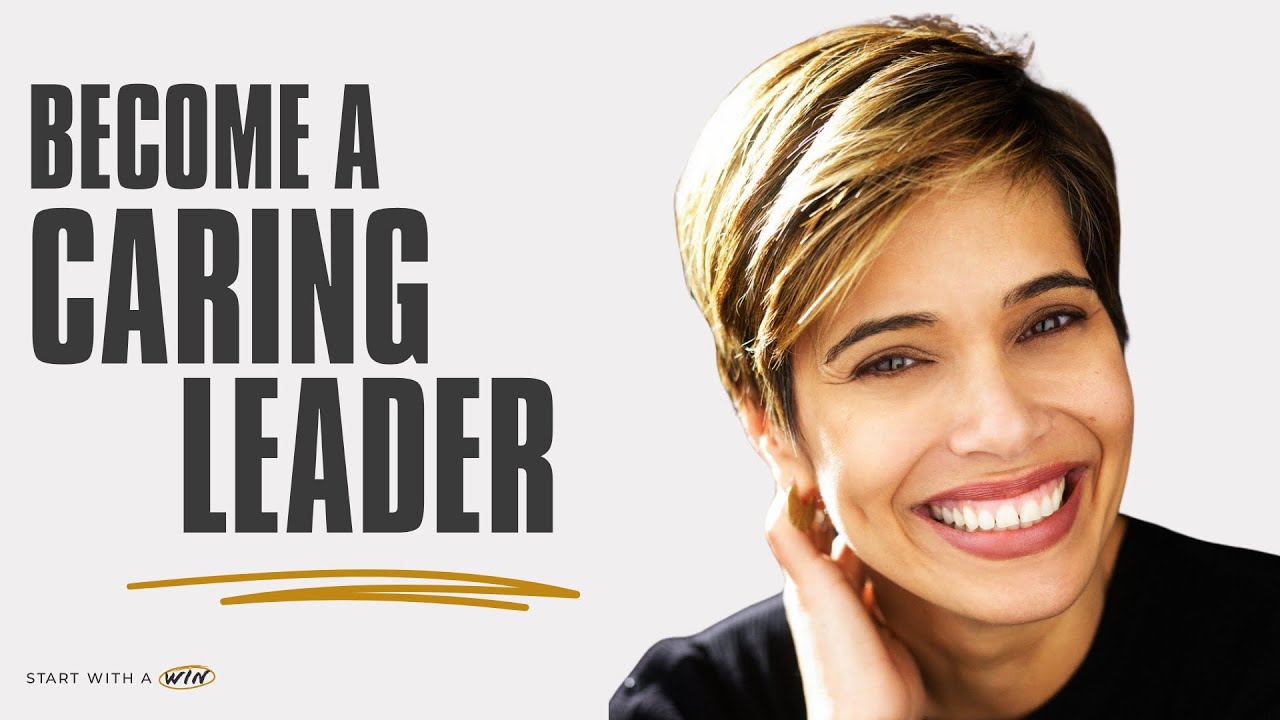
Purposeful and Authentic Leadership with Daisy Auger-Domínguez

In this episode of the Branding Room Only podcast, host Paula Edgar interviews Daisy Auger‑Domínguez, a former Disney, Google and Vice executive, author of Inclusion Revolution and Burnt Out to Lit Up, and founder of Auger‑Domínguez Ventures. The conversation weaves together Daisy’s personal definition of personal branding, the cultural roots that shaped her (growing up between the Dominican Republic and New York), and how those experiences inform her leadership style. Daisy explains that a personal brand is the lived impression you leave in every room, built on clarity, trust, and impact. She discusses the importance of inclusion as the foundation of both organizational and personal brands, emphasizing that silence becomes a brand when inclusion is ignored. The interview delves into her career trajectory, the need for steadiness and consistency in crisis, and the practice of “fractional chief people officer” work that requires adapting without losing one’s core. Daisy shares insights from her books, especially how burnout erodes leadership and how intentional reflection, energy‑management questions, and setting boundaries can transform exhaustion into vitality. The dialogue also covers practical branding advice—avoiding brag‑culture, aligning visibility with values, and using simple weekly reflection rituals. Finally, Daisy reveals her personal joy practices (dance, food, TV), the non‑negotiable aspect of her brand (dignity), and her “magic” of bringing energy and steadiness into any room. The episode ends with calls to action for listeners to read her books, follow her on LinkedIn, and engage with her consulting work.
Chapters
Welcome to Branding Room Only, the podcast where your personal brand gets a front row seat. I'm Paula Edgar, and if you're here, it's because you know your brand isn't just about what you do. It's about how people experience you. In each episode, you'll hear stories, strategies, and lessons from leaders and influencers who built their brands and made their mark. And I'll share the tools you need to do the same. Let's go. Hi everyone, it's Paula Edgar. Welcome back to another episode of Branding Room Only. Today's guest is Daisy Auger-Dominguez, and she is fabulous. She's the president of Auger Dominguez Ventures and author of Inclusion Revolution and Burnt Out to Lit Up. She's a global C-suite executive, a thought leader, author, and workplace expert focused on making work better for all. She has held executive roles at Disney, Google, and Vice, and advises Fortune 500s, startups, and nonprofits on designing workplaces where people thrive and results follow. Daisy, welcome to The Branding Room.
Oh, Paula, thank you for having me. I'm thrilled to be here.
Thank you. So let's jump in. What does personal branding to you? How would you define it?
To me, a personal brand is, is the lived impression that you leave behind in rooms, that you've been in, right? Your voice also in rooms that you haven't been in. It's that clarity of what you stand for, how you show up under pressure, whether people can trust you. I, Paula, I'm just always really happily surprised when I meet someone and they say, hey, I know who you are. I love your work. It's made an impact in my life, right? Yes. Because that solidifies why I do what I do. Or when a former colleague reminds me of something that we've built together that still resonates years later, you know, or when a speaking referral comes from someone who worked with me or read my work, right? That to me is the most beautiful expression of your brand.
I love that. And I love that you used the word impact. That's one of my favorite words. Speaking of words, how would you describe yourself in 3 words or short phrases?
Energizing, hopeful, and curious.
Oh, I'm feeling, I'm feeling the hopeful right now because I need it.
We need it. We need it.
We absolutely need it. Speaking of things that we need, do you have a favorite quote or motto?
I have a lot of them. I have many quotes surrounding me in my office, and the one that I come to the most is— it comes from Buddha. And it says— I'm reading it right now— in the end, only 3 things matter— how much you loved, how gently you lived, and how gracefully you let go of the things not meant for you.
Ooh. Ooh, I love that last one.
OK. Exactly. It's always the reminder that I need right when I don't— right when you least expect it.
Yeah. Yeah, I'm going to have to— that one's going to have to go on my wall immediately after this. OK, hype song. If they're going to get full Daisy on the stage in her full self, what song is playing in your head? Or if you were having a terrible day, what song do you need to lift you up? And it could be the same song or 2 different songs.
Oh my gosh. Yeah, it depends on the day. Lately, Bad Bunny is on heavy rotation in my house. But Celia— Celia Cruz always lifts me up. And in particular, her song, La Negra Tiene Tumbao, it always gets me shaking.
Yeah, I mean, you can't not dance to that. So yes, I'm with it. I love it. And I think that's the first mention of Celia in 100 episodes.
Oh my gosh.
Oh, I'm glad to honor her. The playlist is going to be popping. All right. So where did you grow up? And tell me how you think that shaped your brand.
You know, I grew up between the Dominican Republic and New York City, specifically the capital in the DR, Santo Domingo, and uptown in New York City, 137th Street between Broadway and Riverside. And I always say this, but the rhythms of the DR, music, storytelling, community gatherings, right, all of that still ground me. And then uptown New York City showed me the mix of life in all its grit and resilience and brilliance, right? And that combination taught me to hold on to joy while speaking up and pushing through. Yeah. Yeah. I think that my family, the greatest gifts that they gave me were the gifts of creativity and of hope. and of empathy. And, you know, when I think about this, your podcast and the theme of your podcast, What I Carry isn't just a branding lesson. It's a reminder that people can fight for what they believe, survive, and thrive.
Whew.
And in my work, I think about it in the context of leadership. And the best leaders build spaces where people gather around shared ideals, where belief becomes the source of energy and direction, even if you can't see it, right? It will get you to that other side. Because if you stand for something true, people will find their way to you. And that's what I learned growing up in these 2 very different places.
As a fellow New Yorker, and I'm also the child of immigrants, I felt that when you were saying— I was like, yeah, New York does have that. It has this— that grit part that that's the brand, right? But it is the— you see everybody— you know, they used to talk about melting pot. It's not just that. It's the— particularly in communities that are put together of lots of different people, like, it just shows you how we can love on each other and support each other and grow with each other. And we need those lessons more than ever these days.
Yes, absolutely. It's a place where so many come, you know, with a dream and a hope and out of necessity, and where dreams are forged. And to your point, where communities are nurtured across difference. We've shown that it can happen.
We certainly have. And we also come together when something's going down. So that's New York. All right. So let's talk about— we talked about you Growing up. Let's talk about between that, the growing up, moving, coming here, the pathway to what you're doing now. So you have shaped a brand in many big, big brands, right? Google, Disney, Vice. Talk about that path for you. How do you think going from wherever you want to start in sort of your education pathway, from there to those roles, how do you think that shaped you as a leader?
Oh, goodness. You know, every experience from moving from the DR to New Jersey as a junior in high school, to going to study at Bucknell University in Lewisburg, Pennsylvania, right smack in the middle of Pennsylvania, coming back to NYU to get my master's in public policy. And then, as you noted, you know, starting my career on Wall Street, then moving on to Hollywood, moving to LA, then moving to Silicon Valley for, you know, Wow. From Disney to Google and coming back. In many ways, my identity, who I am, and even my own personal brand was shaped by necessity. I was often in rooms where I was the only one. And that meant that I had to get clear on what I stood for, identity, right? My sense of people deserve to be thought of first. my sense of responsibility of always focusing on results. And this belief that shaped throughout the years that there should be no trade-offs between humanity and performance. That came from all of those lived experiences of being sometimes sidelined and marginalized, and sometimes right in the smack— right smack in the middle of things, right? Yes. And learning that Silence can make us feel invisible and abandoned. But when we dare to say the things, we create space, often for our own freedom and for others.
Hold on. That's a lesson right now for everybody. I mean, you said impact, silence, trust. Like, there's so many words, I think, that what you are bringing up in terms of your trajectory that really speak to the moment right now, which is why I often say that when you invest and understand the power power of inclusion, and not as a buzzword, but as who we are and how we add value. It is powerful. Like, even just listening to that as somebody who may not— who's listening, who may not even care about that. That is the point, right? That's the point right there where it's like, you don't get people who have done the things you have done, impacted the rooms that you've been in, if you're not thinking about people first, right? And how they experience that. So, OK, you have dealt with a lot of leaders in a lot of places. And one of the things I wanted to ask you is about how do you stand up and help those leaders when times are difficult or challenging or it may feel chaotic, i.e., right now? When there's uncertainty, what is it? How can you manage and help people who are professionals build their brand during times like this?
Yeah.
Tell us the answers.
Oh, goodness. Well, you know, I first, you know, I carry a hopeful vision of humanity because I've seen hope emerge from the darkest moments in both my personal and professional life. And, you know, I didn't set out to do this work, but it found me. And, you know, what I've learned is that steadiness is the way, right? Consistency in your actions. People rarely remember if you had the perfect answer, which so many of us labor over so long. And that's not— Mm-hmm. That's not what matters most. What people remember is if you stayed calm. if you showed care, if you shared good energy, if you created space for clarity when others were spiraling. Right. I've, you know, I've learned that purpose isn't about a tagline or a polished mission statement. Right. It's how you live and lead. It's about standing firmly for something bigger than yourself, something beautiful. Yeah. So that people from every walk of life across levels and power in your organizations Mm-hmm. Are drawn into it until they become part of it too. And that is possible.
I've, I've thought about the fact that leadership is never easy, right? It's never easy. But, but now I think there are so many challenges that exist to lead and to lead from a place of vulnerability and authenticity. So in that question, in terms of the uncertainty and what you were just saying, what resonated for me is the steady part. Right? Because if you are who you are, then the wind doesn't shake you when it's right. It's you still you stay the same. You just manage what's happening differently, and that is consistency is a is a part of how brands are shaped, right? So,
and it's hard, you know, and to be fair, it's it's hard to feel that steadiness and that and and you know and to lean into consistency when you're in the midst of crisis and and getting all sorts of conflicting information and when the world feels like it's just shaking under you and you— and all you do is feel every tremor, right? Yeah. It's— that— to your point around leadership being hard, I was like, it's— it's because that is where leadership is forged. And that's— that's why I spend a lot of time focusing on, you know, how do we prepare before the moment demands it, right? How do— you know, it's— it's— it's not— many of us are taught, you know, the lessons when we're going through crisis. And by that point, it's usually too late. And even those of us who are— you know, who practice this work and who are, you know, who, you know, who are focused on this and know this, even, you know, even those of us, we will always be wobbly in those moments, right? Being able to have rituals and practices that we can lean on to remind us of who we are and how we want to show up in those moments.
Yeah. Yes. My mother used to say, like, the pit in your stomach doesn't lie. And that's what— and that's where the value— that's where the values sit.
Mm-hmm.
Everything else you figure out outside of that, right? The shareholders, the stock people, all of the other stuff. But the values sit in the pit of your stomach, and it always tells you when you're moving in the wrong direction. So, all right. Another big part about— of branding is really influence, right? And so, one of the things that you're doing with Auger-Domínguez Ventures is serving in some places as a fractional chief people officer. So how do you do that? Right? How do you go into an organization fractionally and have a role that has to have such influence and then brand yourself for different people or different places? How do you do that? Tell us.
Yeah, you know, I adapt without losing my core, right? Every company has its own culture and rhythms, its own logic that it operates under. So I listen first. My brand doesn't change, though. I'm there to steady the room, to align culture with performance, and to guide leaders often through these messy, messy middle moments that we're in. And I do that again by steadying the space and energy. But you have to, you have to do that. And you can, you can do that with a strong sense of your core while also— Yeah. You know, leaning into, you know, organizational understanding and, you know, and being able to read, read rooms and be able to speak the truths when they need to be spoken and also to hold the space when it needs to be held. That organizational understanding and that environmental, you know, sensemaking, you know, is, is what helps us truly meet the moments where they're at.
I love, I love that how you shaped and framed it. Because when I think about like the work that I do as a consultant and I come into organizations, I don't want to live there. I always say, I don't want to live here. I want— I just, I want to visit, tell you the food was good or bad and roll out. Because a part of the freedom of not living there is that you can tell the truth a little bit differently than people who are there. Right. And oftentimes people haven't been telling the truth, which is why they're looking for somebody to come in and support. Right. And so, yes, there's a power in that there's not a sign on the door with my name on it. I'm always like, it's a hanging shingle. I take it with me wherever I go.
And it is, you know, it's funny that you say that because I do think that, you know, I'm a builder and I love, I love being on the inside. I love, I love building and growing. And sometimes one of my biggest challenges as a consultant is the sort of the solving for and leaving it there and letting it go. And so, you know, I do think that you have to, to your point, be very clear on the role that you play, right? The impact that you're there to make and who you're there to lift up. And I work very closely with CEOs and with Chief People Officers and with Chief Diversity Officers because we still have those even though they're named differently. And I'm always very clear that my role is to help create the conditions for them to thrive. Mm-hmm. And by the same token, I'm often thinking— I was like, well, I still have one more body of work. I think I still have one more team to lead at some point. And that sense of energy and passion, I think it's what keeps me going.
Yeah, I like how you phrase that. I want to be the favorite ex-girlfriend that your family still wants to talk to. All right, so let's get in. I talk to a lot of authors on my podcast. And I love it because I love having something that my audience can go Go grab, read more, learn more outside of the conversation. And so let's go and talk about your 2 books. I'm going to start with the one that is— that came before this new one, and then we'll talk about the new one. So the first one was Inclusion Revolution. And so that was like a call to action for making workplaces better.
Yes.
Throwback Thursday, right? Because there's a lot that has been going on since then.
Oh,
goodness. When you think about that piece, you know, my, my, my call to action and my question is, what do you see as the relationship between inclusion and personal branding, especially for those leaders who want their values to be visible? So that's my first question to you.
Oh, I love that. Well, I think inclusion is part of your organizational brand and your leadership brand, whether you name it or not. It's the foundation for trust, belonging, resilience, and performance. If you're not intentional, silence becomes your brand. And for leaders who are trying to, you know, make your values visible, you do that through how you hire, who you sponsor, how you use your influence. That's what builds trust. And those leaders who choose either to, you know, seemingly leave values aside, right? Values that said, you know, perhaps at the beginning of this year, we care about you. And, you know, and who seem to now be opting for valuing, let's not— let's not make an authoritarian, you know, government be mad at us. I do have a lot of empathy and grace for them because I know that these are very tough choices. But I also believe that those who choose not to support and engage and build that level of trust are missing the moment.
Yeah. Yes. And to your point that you made previously about still having Chief Diversity Officers, even though the names have changed. A lot, I think, is changing in the winds of now. And what I have said to leaders most recently has been, in 10 years, or whatever amount of time we need to— like, what is going to be how you look back on this time? Like, will you be able to look yourself in the mirror and whomever else that you are— who are your stakeholders— to say, I did what was right?
Yeah.
Right? And I think a lot of people are going to have a— some sobering conversations with themselves and others later on, knowing that the dollar can never win over the people.
Yeah.
Right? Like, it's not— it's— sigh, sigh.
I know. Yes.
So speaking of sigh, let's talk about your newest book. So it's called Burnt Out to Lit Up. I breathe deeply when I say that one more time. Burnt Out to Lit Up. And it's talking about moving from exhaustion to energy. And we need that more than ever, more and more than ever right now. So what is it that we need to know when thinking about the subject matter of the book and also of the podcast is how does navigating burnout impact leadership and how you show up in terms of your brand?
Oh, goodness. That's, that's a whole sermon right there. Well, you know, I wrote Burnt Out to Lit Up because I've been there. I've been burnt crispy, right? My nervous system was fried. And I was carrying not just my exhaustion, but everyone else's too. And I saw burnout steal the light from some of the most committed, energetic people around me.
Yeah.
And I learned that we can't lead well if we don't live well.
Yeah.
Leadership today— and we've talked about this, Paula— it often feels like a constant earthquake. Right? The ground shifting before you've even found your balance. And I didn't set out to be the person called when things get messy, right? Or the one who talks about burnout and uncertainty when the playbook stops working. But life put me here, right? Yes. I've sat in rooms where the oxygen was low and the stakes were high. At Google, at Disney, at Vice. I've led people functions through restructurings, crises, and cultural upheaval. I've delivered results with shrinking budgets and exhausted teams. And I've also been that leader lying awake at 3:00 AM in the morning wondering if I was the fool leading us off a cliff. Hmm. And for me, the branding lesson in my experience and writing about it, because writing about it became my pharmacy, it became my way of healing. When I think about it as a branding lesson, I think that my brand isn't about projecting toughness. It's about modeling steadiness, humility, vulnerability, and humanity, right? Yeah. The traits that we all share. Because when you show you're willing to face multiple perspectives and hard truths with clarity, care, and connection, You give others permission to do the same. That's leadership that people can count on. Those are the leaders others will follow.
Yeah. When you said permission just now, it really resonated for me because, again, as I mentioned at the top of the conversation, I'm a child of immigrants. I'm an older— oldest daughter. I am a Brooklynite. And I am the go-to person for so many people. I lead in lots of different organizations and spaces. And hi, everybody. Welcome to my therapy lesson. Anyway, the point is, is that I— We— I'm sure when you think about who we connect with, taking on their energy and taking on what is— what they're experiencing is a danger of the work that we do. Hmm. Right? I call myself an empath with a capital E. Hmm. But that putting up the walls to separate myself with love is how I navigate this. And I wonder, how do you navigate it? What is your personal— Not taking on people's stuff strategy?
Oh my gosh, the not taking on people's stuff, right? That's, that's the living answer there for all of us. You know, I think, I think the question that I often ask myself is, you know, what's mine to do? What's mine to carry? What are the contributions that only I can make? Because many times we fall into the trap of trying to be everything for everyone. Yeah, fall into old stories and narratives of, you know, what we believe are— you know, how we believe our worth is defined. And often, for me, the way that I don't carry what is not mine to carry is reminding myself, is this mine to carry? Is this my zone of genius? Is this where I can add the most value? And if it isn't, chances are— and we've lived, thankfully, long lives, Paula, where— Yes. I could point you in the direction of someone who could be helpful to you. And that, to me, is a way of still contributing and supporting without spending energy in the wrong place.
I love that. Another therapy question that, that I use similar to what you just mentioned is, well, does this serve me? And that filter is a very helpful one to making my no really strong and my yes really strong too. So I love that. One of the things that people are challenged with when it comes to the concept of personal branding is that often they perceive it as braggy, right? As it's only like, I'm the best thing that ever happened. And I always tell them, yes, it's that also, but there's other things that you can— it can be. And so as someone who has been named People en Español's 25 Most Powerful Women and Hispanic Executives' Top 10 Leaders, how can professionals think about how to pursue recognition and visibility because they should, but in a way that's aligned with their values rather than feeling performative or maybe even braggy?
Yeah, I love that. And, you know, we have a— we have a joke in my family when, you know, when anyone is bragging too much, we just say, braggy, braggy, braggy, to kind of remind folks, like, just come back to earth. You know, I think for me, and I've been fortunate, as you know, to receive some beautiful recognitions. And, and I'm deeply grateful for them and humbled by them. I think recognition isn't about chasing every spotlight. It's, it's about aligning with efforts and with actions that amplify your values. Right.
I love that.
You know, I believe that you can pursue visibility that feels like service, not performance. Mm-hmm. For me to be visible, it's important for other Latinas and other women of color who may not see themselves in roles like mine. And I learned that for me to speak up, to command an audience, to share my story, enables others to do the same. But if the spotlight doesn't reflect your truth, then it's not worth it. I don't say yes to everything.
Yeah.
I say yes to what aligns with what I believe is the best impact that I can make, right? What I believe is the mission and purpose for why I'm here in this world to do. And I've also learned that when I shine my light, I create space for others to shine too. And that's a responsibility and a gift.
Yeah. And that's leadership. Right? Because if you're leading by yourself with nobody else there, you're not making an impact. And I do think, again, it's similar to that theme of permission. When you see you there, then it gives other people permission and also a goal and a vision to be able to think, oh, Daisy did it, so can I, right? Yeah. Or Daisy did it, then maybe I can try this thing. And that is a powerful, powerful place in terms of branding, right? And a reason for folks to not shy away to— for being amplified and honored. It's important. And also, like I tell everyone always, I like to wear a pretty dress. So—
Who doesn't, Fola? I'm just—
there are people who don't. Trust me. They will email me.
They're like, you in this dress is just— I'm on the pretty dress side too.
Same, same. So one of the honors that comes with leadership is being asked to continue to lead, right? You lead, and then you get asked to lead more. And you serve on advisory boards for MAKERS and for C-Suite Coach. Shout out Angelina.
Yes.
Helping shape the future of work. What branding advice do you find yourself giving most often to the next generation of leaders?
Yeah. Get clear on what's important to you first. All right. Often that's, you know, people will say your values. And I think, you know, I think obviously they go— they're aligned. But, you know, get clear on your values and what's important to you first. Not your job title, not your resume, the values that you will not compromise on. Adam Grant says that authenticity isn't about expressing every opinion you hold, but about ensuring that what you voice reflects what you value.
Yeah,
that's your foundation. Everything else builds from there.
Yeah. Yes. I love that. That's a great quote. Let's clip that. Okay. So, all right. Another way that you are able to have stages and places that amplify your leadership and your brand are in places like Harvard Business Review and Forbes and speaking on the TEDx stages. So I think all of us, including me, want to do all those things. So how should professionals think about building their brand as thought leaders and without feeling like they're selling themselves out or, you know, just trying to catch a headline as opposed to being who they are. How do you do that?
Yeah, you know, I think of it as sharing, not selling. You know, I share what I learn, what surprises me. I've stopped sanding down my story, you know, out of fear, or perhaps, you know, out of a, you know, a desire to reach a certain number of likes, right? That's— that helps no one, including myself. So I focus on offering the frameworks that I built, my lessons, my scars. Because if you focus on being useful, thought leadership feels generous, not self-promotional. Mm-hmm. And I, like many people, right, and you mentioned earlier, right, I grew up feeling this certain aversion of not wanting to be too ambitious because I thought that that was a negative trait. And what I learned was that I was cutting myself off from what I was able to achieve and be. And in my writing, which is frankly how I make sense of the world, right? That's, that's, that's why I write. I've always written. Because before I found my voice, you know, the way that you, you have, you have experienced me, I found my voice through writing and through sharing quietly and passively, quite frankly. And once I started sharing it with the world and realizing that I was making a connection with others, that it was helping others. That sense of sharing for good became part of my mission and part of reminding me of, you know, what I'm here to do in this world.
It is a scary thing. And I think that it probably comes with, you know, age and experience to be able to kind of own the voice, right? But once you realize— if— you know, I think about— I have a 20-year-old daughter. If I could just give her every single mistake that I've ever made and be like, OK, now you start to make new, fresh mistakes, that would be awesome. But parenting is not like that. But I just think about how I would be, to your point, afraid of sharing the who I am, where I came from, lessons that I've learned, mistakes that I've made. And this podcast— for me was— is the vehicle to be able to take stories of people like yourself and my own to say, listen, please, if you can do nothing else, please don't make this mistake. Like, don't do this thing.
It's liberating. It's liberating. It really is. And it isn't for everybody, right? Not everyone deserves your vulnerability. Not everyone deserves to know every aspect of your life, right? I have a 17-year-old daughter, and Like many young people now, right? You know, she's, she's mortified every time I post something about her. And, and, you know, she's like, you don't have to share everything. And I always remind her, I'm like, I don't. Just because what I'm sharing is very personal and important to me doesn't mean that I need to share every aspect of my life. I still have choice and agency over what I share and how I share it. Yeah. I choose to do it because I believe it's the service that I can provide others. I believe it's part of the responsibility that I have, having experienced what I've had, to be able to share it. But I still have agency over parts of me that I can still keep private and to me and for me and my daughter and my husband. And that's also still important. And the two can go hand in hand.
Yeah, absolutely. And also, my kids, don't listen to this. Because I'm going to share everything about you at all times, like I always tell you.
Oh, God. I mean, my poor baby. Right? You know, like, you know, and I also tell her, I was like, you're my— you're the biggest lesson for me, right? You have stretched me in ways that are unimaginable. I see the world differently because of you. So I cannot not say, right, how you are impacting me and how much I'm learning from you. But I also— as a parent, my responsibility is also to protect her and to safeguard her. And I take that responsibility very seriously as well. And that is my number one priority. And it is in the balancing of that. And you mentioned this earlier, right? It's like we've lived. So I have learned to find what those parameters are. Right. You know, she's just learning that now. And so I, I can feel pretty confident in what I say, knowing that I'm safeguarding what is still very sacred and important to us, while also being able to share with others what is very human and shared amongst all of us as humans.
Yes. Yeah, I love that. Parenting changes you most definitely. Okay. So there are people who are on— who are listening or watching who want to be senior execs, right? They want to be in roles that you have been in. And they are looking for, you know, the cheat code. And so what is one practice that they can start today to better align their personal brand with the kind of leader or the colleague that they aspire to be, that you've been?
Oh, I love this. I love this. And I believe in simple practices, not complex playbooks. And, you know, my recommendation would be to try a simple rhythm at the end of each week. Right? And this is about reflection, right? What did I learn? Where did I make myself proud? And where did I fall short this week? Mm-hmm. Right? In those questions, right, if we take the time to truly answer them and to truly face ourselves, we start— we start finding the elements that align with not just who we think we are, but— how we want to show up in the world. The same goes for those of us who may be feeling a sense of burnout and exhaustion, which, quite frankly, at this point, who isn't? No. But being able to ask yourself— and this is a question that I ask myself every day, right? What energized me and what drained me? Because it allows me to hold myself accountable. The things that— I know the things. Most of the time, we know the things that energize us and that drain us. us, right? Yeah. But, and sometimes we have no choice, but most of the time we do. We have tremendous agency over what we choose to do and not do. And by asking myself those questions, I hold myself accountable for the role that I play in energizing myself and in draining myself. And then the last question is, how can I redirect my energy, right? What are the things that I can do differently? What are the best ways to redirect my energy so that I can show up As the best version of myself?
I love those questions. We want to put those questions into the show notes, y'all. I love them because it is a simple practice. And here's the thing that I find— I think that folks will probably respond to in terms of the challenge. Oftentimes, people ask for directives and codes and acronyms and things to do. But they know them already, right? It's, it's, you know what to do, but it's the holding yourself accountable piece of what you just said, which is the challenge. And as somebody who used to be a coach and who now has 2 coaches, I'm like, I engage you to make sure that I move. Because oftentimes, if it's just relying on me, I'm not going to move. I'm going to take a nap. Like, I'm going to go do my thing.
And we try to solve everything with these grand Yeah. Responses. And it's small check-ins that help us build alignment over time. And, and they— and we have to— it's like a muscle. You have to keep at it. I do this. I wrote about this, right? I speak about this. I coach about this, right? But I have to remind myself of this all the time because we're all human. And when we stop building the muscles, we go back into our old ways of behaving, and we lose sight sometimes of who we are. So I often— and this is a— this is one of— I have many reflection questions, as you can tell. This is part of my practice. But I often think of, especially having written Burnt Out to Lit Up, I think about, you know, how will I continue to protect what I uncovered, right? How do I make sure that—
That's a good one.
Like that, because I learned it. And many of us do, right? We go on sabbaticals, we go on vacations, we get coaching engagements, right? We, we read all the self-care books. And we learn all these things. To your point earlier, I was like, we know the things. But yeah, we do not spend enough time reflecting and honing the muscles so that we can continue to protect what we uncover.
Mm, that's good. That is so good. And It is— I'm sure there are people who are listening, watching, who are like, oh, it kind of feels like that. Oh, damn, she found out.
But I found out because I'm you, right? Because I live it too. This is— I'm not that different from any of your listeners.
Right. It makes it more relatable to think about people actually using the practices and then sharing the practices. It makes us all rise, should we choose to rise to the occasion. And I do think that we require more check-ins now than we did before. And so all of you, you must go buy the book. After you buy the book, make sure you leave a review. After you leave a review, share about it on LinkedIn with a picture of yourself saying what you learned, what you uncovered. Because I do think, to Daisy, your point earlier about when we know and do better, we can do better. I think we are required for our humanity to share things that help us, right? Because we can help somebody else. It's not just— that book is not just for you. It's for all of us. It's for all of us. Nice. Right? So let me ask you this one last question, and I'm going to get to the fun stuff. Okay. So you have said that you want to help people build careers that they don't have to recover from.
Yes.
Which I love because, you know, lots of lawyers are like, I'm a recovering lawyer. I never say that. I'm like, I'll never read a contract again the same way. I'm not recovering from nothing. But I get it. I get it, right? And so what does not having to recover— what does that mean for you? And then what do you think Is the role of personal branding in playing and creating those kinds of careers?
Yeah, I love that. It means building work that doesn't drain the life out of you. Careers with boundaries, joy, impact, and meaning. Personal branding plays a role when you're clear about what you will and won't sacrifice.
Right?
Right. I work really hard at alignment. And I fail myself and others sometimes, right? But I keep getting up because that's the life that we have. And, you know, and that effort, right, that building of work that doesn't drain you and an alignment of what I will and will not sacrifice is what helps me build not just a career that I'm proud of and that I don't have to recover from, but also a life— Right. That is energizing and fulfilling.
That is fantastic. And I will say, I mean, we're both 2 entrepreneurs who are sitting on this podcast. The side hustle, the things that if you are still rocking the W-2, that's OK. But you can find those spaces where you still feel agency and you still feel freedom and joy and energy. And if not, maybe the place where you're W-2ing is not the right place for you. That being said, It's lovely on this side of the water. My boss gets on my nerves, but she's the best. So Daisy, tell me this. I ask everyone these questions. What about the fun stuff? I want to know, where's your joy space? What do you do for fun?
Oh my goodness. Well, yeah, as you've heard me say, I'm a proud Dominican and Puerto Rican. My father's Dominican. My mother's Puerto Rican. And, you know, merengue dancing is— It's my therapy. Sweets. I have a huge sweet tooth, especially Dominican cake. You know, that makes my heart sing. And, you know, and I'll watch everything from The Great British Baking Show to The Hostage to The Morning Show to the Gilmore Girls, which my daughter and I have rewatched at least 4 times by now. Oh,
I love
season— That mix is— You know, it's part of my life.
I love that. I love that. Yes. Food, entertainment. I'm here for it.
Yes. Oh, dancing. Anything that brings you joy.
That is great. You kind of answered this question earlier, but I want to ask it specific in case there's a different answer. So the podcast is called Branding Ramon Lee. We talk about brands. A big part of brands is your authenticity and your values, etc. And so What is the authentic aspect of your personal brand that you will never compromise on?
Dignity. How we treat people matters more than any metric.
Yes. Yes. And which is your dignity and theirs. I love that. Yes. Yes. Okay. So podcast again is called Branding Room Only, which is a play on the term standing room only because I am clever. And so My question for you is this. What is your magic? What is that thing that there will be a room full of people with no seats left to experience about you, Daisy?
Oh, my magic is the energy that I bring into any room. My smile. I open doors and hearts with it. It's how I keep myself and others from being hardened by the hard things and how I advocate and share what I learn. My magic is helping people feel lighter, seen, and steady enough to keep moving forward.
Fabulous answer. And so true. There— yeah, I have my good friends always look at the podcast and they're like, there are some people who you smize for and there's some people who you show every tooth for. And I have been reflecting back. I've been like, yes, that smile is energetic. So for those of you who are listening, Get onto YouTube and make sure you see this wonderful smile. Daisy, thank you so much for being on the show today. I truly, truly appreciate the time, energy, the gems that you have dropped. Tell the folks on how they can be in contact with you. How can they learn about your work?
Oh, sure. You can go to my website, you know, daisyoger-dominguez.com. I'm on LinkedIn. I'm a prolific writer on LinkedIn and Instagram. I have a Forbes column. on work and careers. You can look up my name on Forbes.com. And as Paula said, I have this terrific book, Burnt Out to Lit Up. If you buy it and read it, please write a review because it makes a huge difference. And I hope that it makes a difference in your lives.
Fabulous. Everybody, see you next time in The Branding Room. And remember to stand by your brand. Bye. That's it for this episode. I appreciate you hanging out with me on Branding Room Only. Now, please do me a quick favor. Head over to ratethispodcast.com/branding so more people can join this conversation. And make sure to stop by paulaedgar.com/events to see what's next. Whether I'm live online or in person, I'd love to see you there. See you next time in the branding room. And until then, stand tall, shine bright, and always stand by your brand.
More from Daisy

What Happens When the Workplace Culture Fixer Needs Fixing Too? Daisy Auger-Dominguez Explains
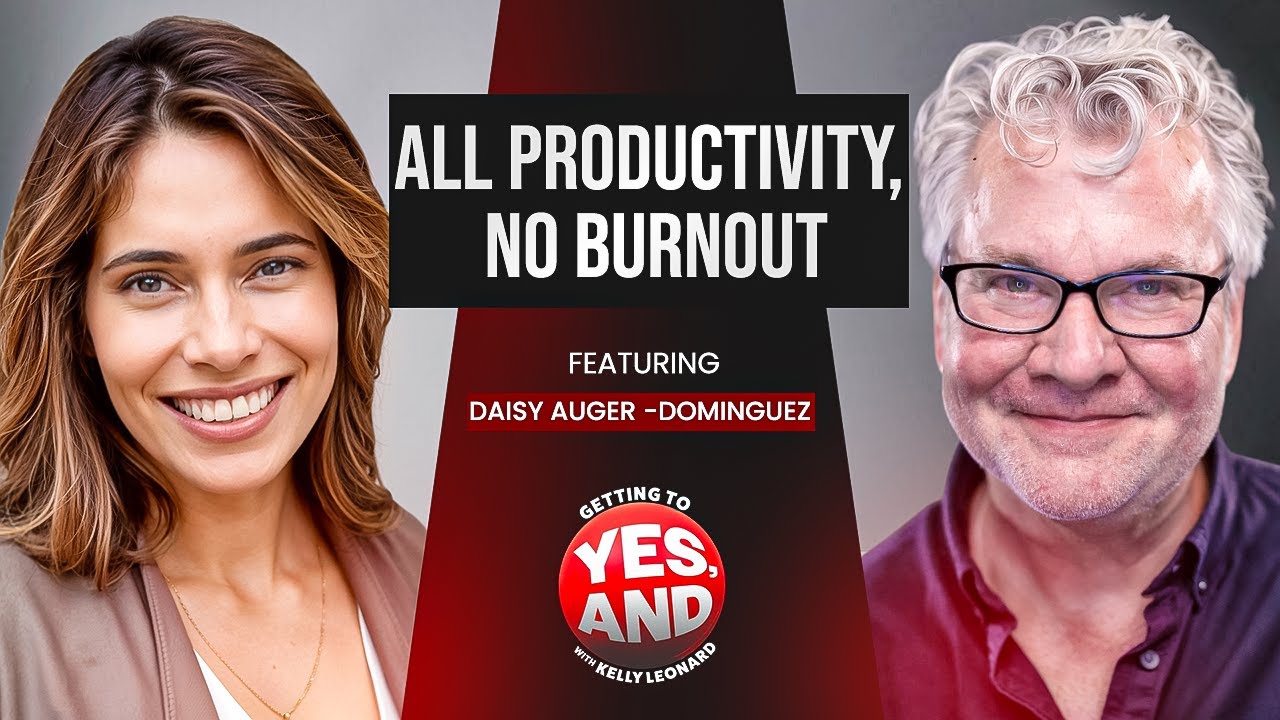
How Stay Productive at Work without Burning Out | Daisy Auger-Dominguez on Burnt Out to Lit Up


DEI expert Daisy Auger-Domínguez on overcoming burnout and navigating a corporate crisis
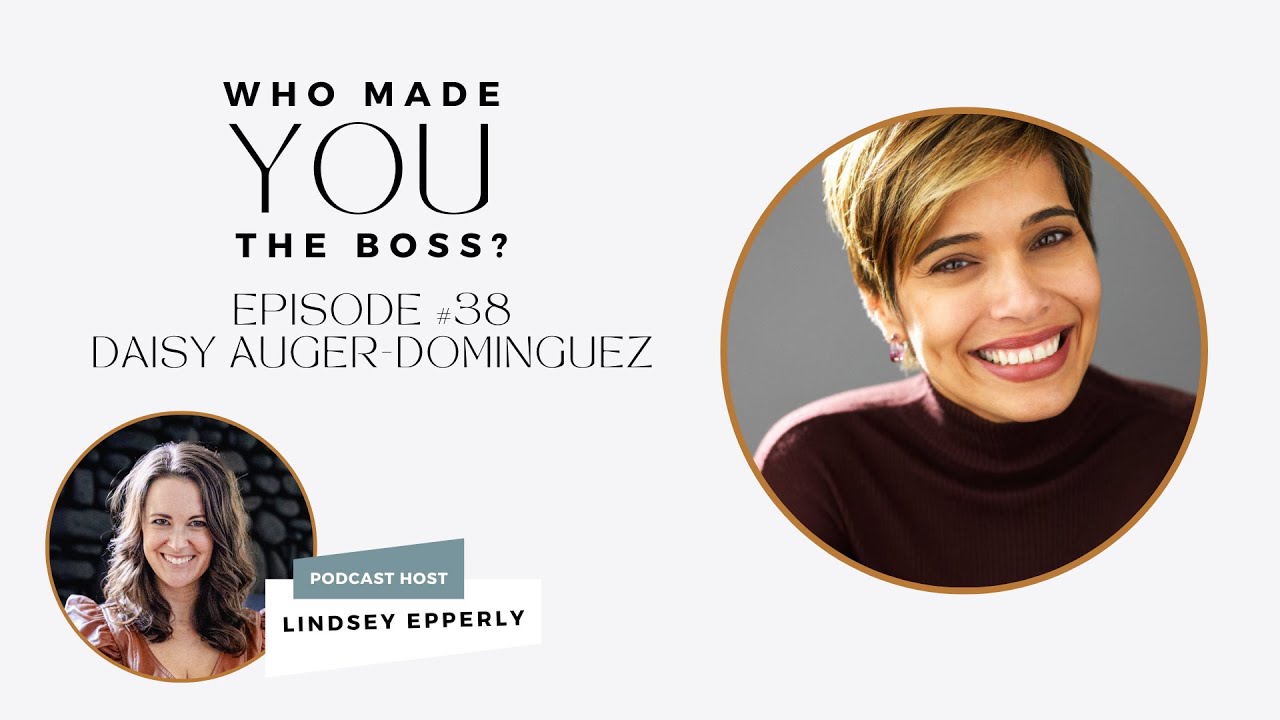
38. Feeling Overwhelmed? The Micro Resets That Can Change Everything with Daisy Auger-Dominguez