In this instructional video, the speaker explains why alt text for product images must be written with the specific context of e‑commerce in mind. He contrasts how the same photograph would be described on a travel blog versus a product page, emphasizing that on a product page the description should highlight attributes that influence a buying decision—fit, color, material, and key features. He provides a concrete example of a good alt text for a pair of jeans. The speaker then demonstrates a common problem: many sites use generic alt text like “product image” for every picture, which offers no useful information to users, search engines, or assistive technologies. He outlines the consequences of such vague alt text for accessibility, SEO, and conversion rates. Finally, he offers practical guidance: write alt text as if you were describing the product to a person in the next room—be specific, relevant, and concise; omit details that don’t help the customer understand the product. A blog post with further tips is linked in the video description.
Chapters
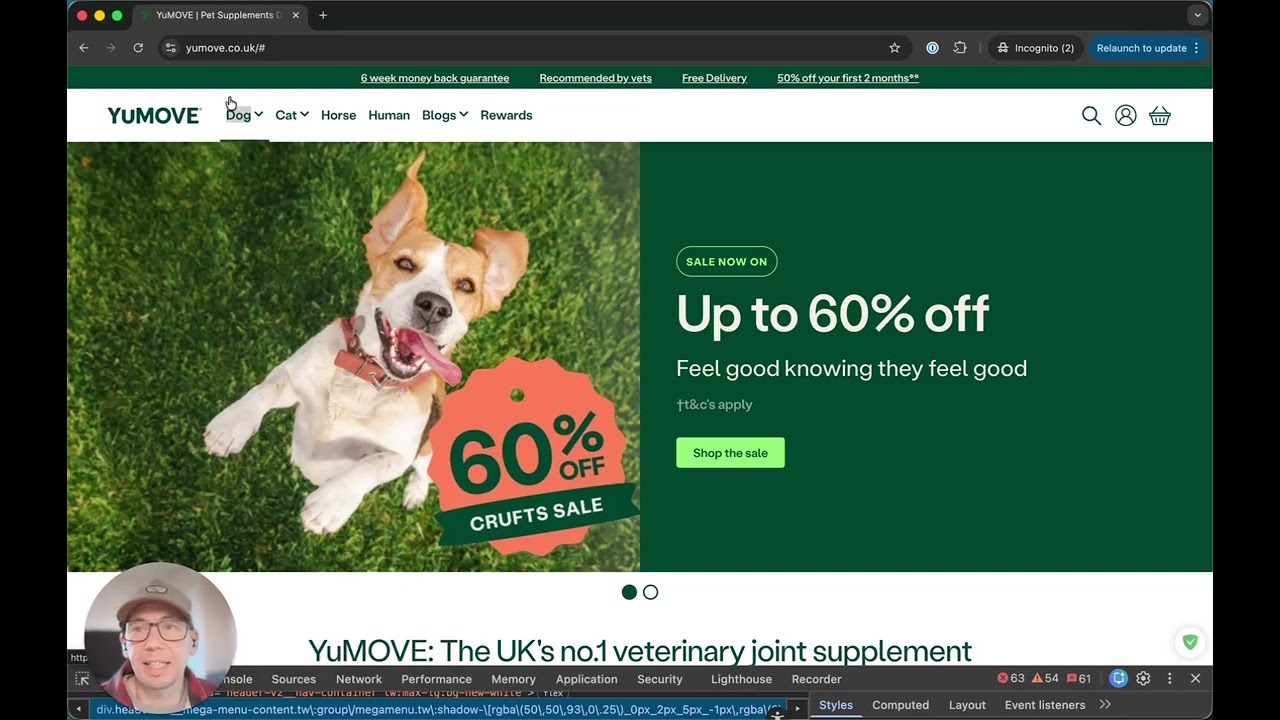
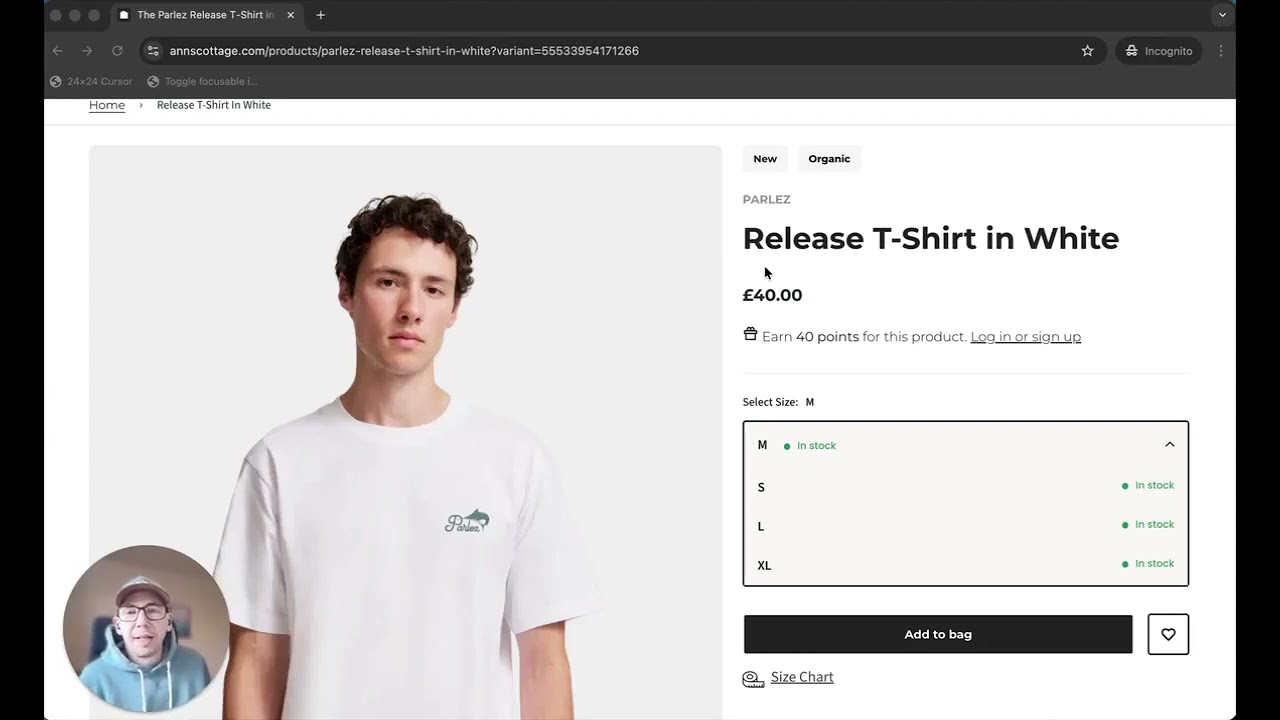
If you were asked to describe this image to somebody in the next room, how would you describe it? And context does matter. So on a travel blog, you might say it's a person standing on a bright yellow platform in front of rugged coastal rock formations looking out to sea. But on a product page, the job is different. Now the image exists, to help somebody decide whether they want to buy. So the description should focus on what drives that decision: fit, the color, the material, and the key features of the product. A useful description might be, for this image, men's slim straight fit dark indigo organic denim jeans with rolled cuffs and a 5-pocket design. It's the same image, but a different purpose. A good description is not about describing everything you can see in that picture. It's about describing the right thing for that context. And so why does this matter? This matters because every image on the internet has the option for a text description called alt text, alternative text. Because when an image doesn't load, that description is all your customer has. Because search engines and assistive technology rely on that alt text to understand the image on your page. And because some customers never see the image at all. They'll rely on that description to decide if this product is right for them. Now let's take a look at this page, which that other image came from. I've got a plugin for the browser that will tell me all of the alt text for every single image. And interestingly here, It says alt text valid because there is alt text, but the alt text for every image is product image, product image, product image, product image, all the way, product image, product image. This doesn't tell a customer any of the important details that they need to know. There's no fit, there's no color, there's no detail. And it removes information at the exact moment that they're trying to make a key decision. If you try telling somebody in the next room that it's a product image, they won't have much of an idea what you're talking about. To write good alt text, just think about how you would explain the image to somebody Next door. Be specific, be relevant, but keep it short. If it wouldn't help them understand the product, then it doesn't belong in the alt text. Because in this moment, for that customer, this is not alt text, it is the product. And if you can't describe that product properly, your product properly, to a real person, then don't expect them to buy it. So that's the why and the what. There's a good blog post linked in the description on how to write good alt text. Take a read and let me know what you think.