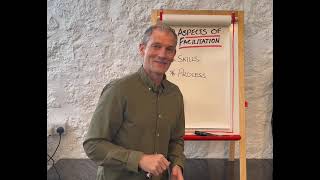
Edward Nelson breaks down great facilitation into three parts: skills like active listening and pausing, process for guiding groups through conflict, and presence, the inner calm and curiosity that shapes how you deliver both. Development usually follows that order, though presence can shift things early.
Chapters
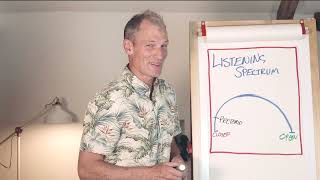
Hi, my name is Edward Nelson, and this is my facilitating change YouTube channel. And this video is about the three themes or aspects that a good facilitator or a great facilitator needs to grow in terms of developing their practice. And it's also going to be a kind of overview of the kind of content that you'll find on this channel. Whether you're a leader, a coach, a facilitator, a mediator, or all of these things will show up under these three themes of being a great facilitator. Okay, so the first one of these is the skills. All right. What are the skills you need to be a great facilitator? Well, of course, listening is one of them. Pausing, listening, reflecting back, pausing, presenting or giving feedback. These are all skills and things that you'll do, how you set up a room, right? These are the practicals of the facilitation. Right? These are things you can develop through skills practice and skills awareness. A lot of training can go into developing your skills. The second area is process. Now, the process is how you might move a group through a difficult spot or how you set up the whole event. A process of what happens when there's conflict between two people within the group or if there's an elephant in the room. In fact, one of my most popular videos is actually about the five stages of mediation, and that talks you through five stages that you may go through in the process of. Of mediation. So developing your toolkit in terms of the processes that you have for holding people through a facilitation, that would come under the process section. So there's skills, the things that you do in the moment. There's the process, how you take people through a facilitation. And then the third one is your presence, which is the quality with which you do the other two. How are you being while you're doing the listening, while you're reflecting back, while you're giving feedback, this is your being how you are. Okay? So if I'm anxious that's gonna show up in little ways about how I interact with the group, how rushed am I, or how calm, how curious am I? And if I can connect to these things while I'm facilitating and be aware that my presence also creates a container for the group, then we are really getting on top of developing our facilitation practice. Okay, so we'll probably start in that order. We'll firstly learn some skills, and then we'll learn some processes. And then as we get good at both of those, we can then start to work on our presence. And of course, it could go the other way around. Sometimes someone's presence in the room changes the dynamic. Okay, so those are the three different aspects of facilitation. The skills, the practice of it, the process, and the presence of the facilitator. Okay, so I'm Edward Nelson. The three themes that you'll see on the YouTube channel that I've got Facilitating Change will probably come under one or two of those buckets every time. You can go back and look at some of the older ones when I was young and have a look at those. But these, these are the three themes that you will see again. Developing the skills, developing the process, and developing your presence. Thanks for listening and subscribe if you're interested on the link below. My name is Edward Nelson, and this is Facilitating Change. Bye.