Edward Nelson explains Stage 2 of the anger volcano: beneath explosive arguments lie hidden feelings and unmet needs. He introduces the PIN model—Positions, Impact/Feelings, Needs—to move conflicts from heated positional battles toward understanding what each person actually needs.
Chapters
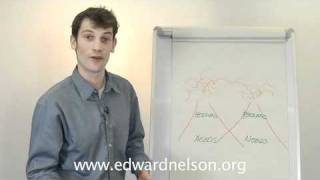
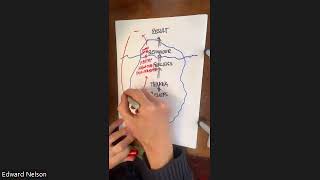
I'm Edward Nelson, and we're going to look at the anger Volcano Stage 2, or how you can use that to help you resolve conflicts with others. So we go back to our volcano. You remember at the top, there was all the explosions, There was the fireworks, the lava, the smoke, you know, the dangerous stuff, the heat, all of the anger as it's being expressed. And like a volcano, we looked down and saw that underneath, we saw that that was coming for something much deeper. Not always, but usually there's some underlying feelings and some needs underneath that haven't been met. They could be feelings of hurt or disappointment or shock, surprise, and that we have needs for safety, for recognition, the things that we looked at in the angle volcano. Now, chances are if we're in conflict with another person, that they're having their own anger volcano at the same time. And they're over here and they're spouting their anger, they're saying that they don't care about you, whatever the conflict is about. They'll be having their accusations and yours, and we can get caught up in the fireworks and our anger gets more and we get more fired up, and it doesn't seem to be a way forward. Now, the trick here is that, like you, there were some underlying feelings, vulnerabilities and needs, that they too have their underlying feelings and needs. Now, when we're in conflict with somebody, recognizing these in others is really difficult. It's the challenge of conflict resolution. However, if we were to accept that this is true for ourselves, we need to accept that it's also true for others. Many conflicts survive on the dehumanization and the way of looking where this isn't true of the other. However, if we say that they're humans, chances are it is true. So if we look at these as three different stages. Up here we have positions. So what are your positions when you get angry? What were you saying about the other? What had they done to you? Then we look at the feeling, the impact, another word for feelings. And then down here we look at the needs, and this is called the PIN model. P I N comes from a negotiating tool to look at positions, interests and needs when bargaining. But it also works in conflict resolution. What are people saying? How is it affecting them and what do they need from that? And you'll also find that there's some crossover. So by exploring yours and their needs and possibly some of the feelings as well, you'll start to find some common ground. You'll see what's different, but you'll also be able to have a constructive conversation is about what it is that you both need. And instead of talking up here about the positions in the fireworks, we can have a conversation down here about what the needs are. So that's the anger Volcano Stage 2, or how to help you resolve conflicts.