Anger that explodes outward—yelling, slamming doors, going silent—sits on top of hurt, fear, shame, and disappointment. These feelings bubble up when basic needs go unmet: safety, belonging, fairness, recognition. Identify what you actually need beneath the rage, and you can respond differently.
Chapters
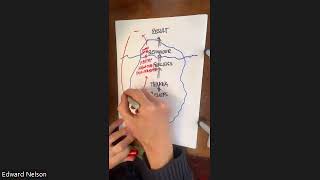
The anger volcano is a way of thinking about anger that helps us to unpack beyond the explosion and to get down to what it is we really want. So what are the things you see when people are angry? Okay, typical things that you see. Shouting, favorite of mine, swearing. Okay, what else do you see when people are angry? Slamming doors, huffing and puffing. There's a kind of tense clenching. These are different kind of behaviors. You see when people get angry, they go red. You know, their eyes pop out, they start to shout, they get sweaty, fidgety, all kinds of energetic behaviors. And sometimes, also on the flip side of that, people go cold. They are silent. There's a silent anger. Or sometimes people will cry. When they get angry, other people will go quiet and other people will get louder. Okay. You know, they get really upset. Their volume goes up, their chest puffs up. You know, their stomach gets tight. So these are sorts of things that you see when people get angry. Okay, now this is the top. This is the fireworks, the smoke, the lava, the explosions, the kind of a big exciting moment. But like a volcano, this anger is just the top. And in a volcano, this anger comes from much further down, comes from the magma deep in the core of the earth. And much like our anger, this also comes from something much deeper in all of us. You'll find that actually when you're angry, there's often another bunch of feelings underneath it. Those feelings can be things like hurt, confusion. Often people are like, oh, what just happened? I can't believe you just did that. They'll be shocked. Other people will be upset. Often people are disappointed. So something happened that didn't happen, or they weren't expecting to happen. They won't get. They weren't getting what they wanted. They'll be disappointed. Other times, people are scared. So there's fear, anxiety, and other ones that around anger are things like embarrassment or shame. I mean, the list goes on. There's a whole lot of different feelings that are often underneath, but they don't get much of a window because they make us feel vulnerable. And that's the key. The anger comes to protect our vulnerability, which is great and gives us energy to act. But sometimes it covers our vulnerability. And this vulnerability is important because it gives us a clue to what our needs are. So what are our needs? Well, we're looking at needs from a humanistic point of view, like safety, security. Other needs include food, shelter, standard basic needs. We also have needs like communal needs for belonging, understanding. People often say love, sort of the key one on the other side of that we also have needs for self expression and play, choice, some sense of control. So these are needs that we all have. You know, we all have these needs and we all need to have them satisfied for our well being. Okay. Other needs, once these are met and probably more, more common for wealthy societies or healthy families. Needs for meaning, this can happen through spirituality or contribution. So being able to share and contribute to the well being of others, these are all really important needs. Other needs around this are fairness and celebration, that sort of recognition as well. Now if we have these met, we usually feel content or positive feelings. And when they're not being met, we have more vulnerable feelings that can lead to anger. So next time when you get angry and you notice the behaviors coming up, just take a moment, check out what other feelings you had underneath and what needs that they related to. Were you disappointed because you lost your opportunity for growth? Were you hurt because your need for belonging wasn't being met? Just go back and have a think what happened when you were angry and hopefully this will be helpful. That's the anger volcano.