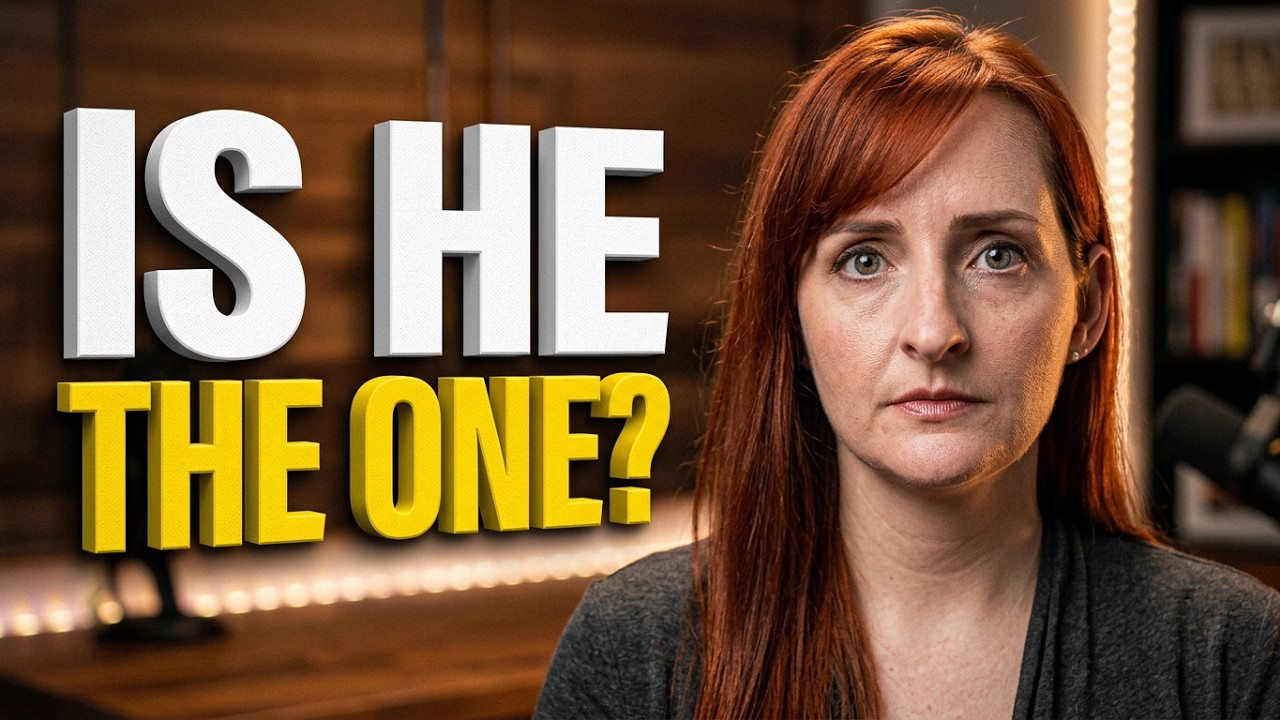
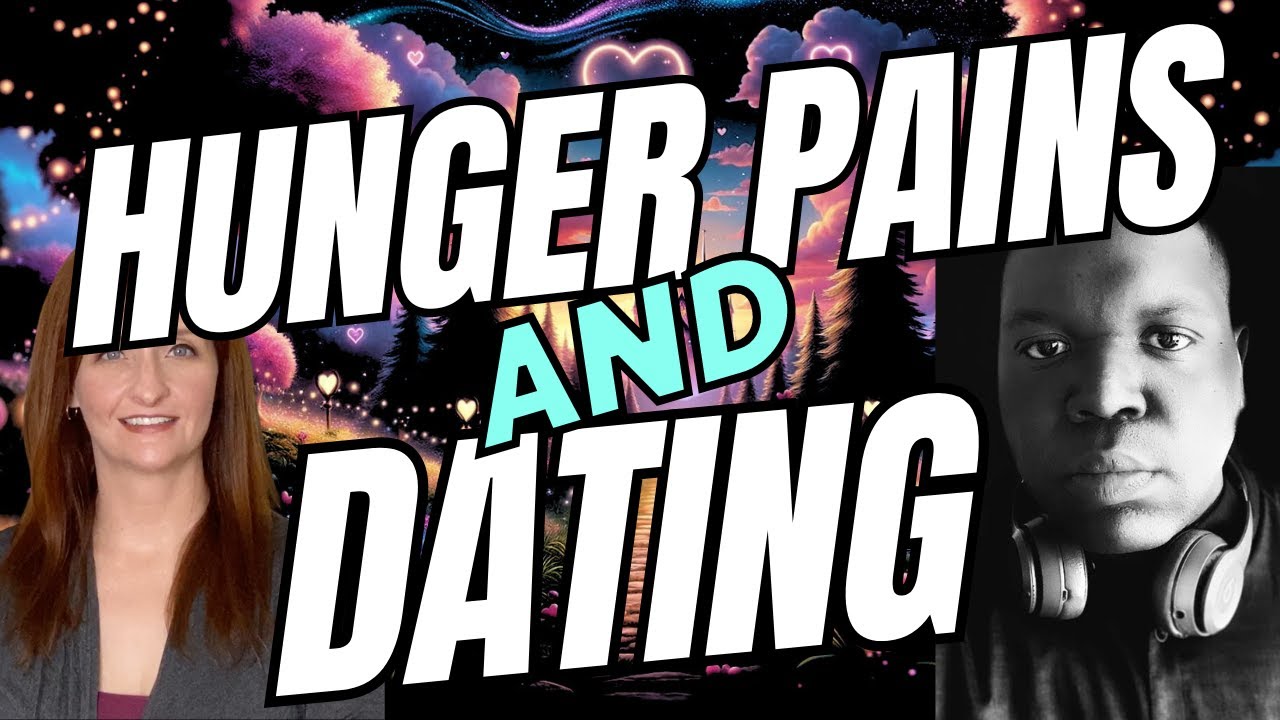
How To Deal With Online Dating Today with Robert Dunn & Elizabeth Stone

In this episode of the Orion Group Podcast, host Robert Dunn chats with dating coach Elizabeth Stone about the realities of modern online dating. They begin by examining the widely‑cited “80/20 rule” – a study suggesting that a small fraction of men receive the vast majority of women’s attention on platforms like Tinder and OkCupid. The conversation then moves to an evolutionary‑psychology lens, explaining how innate preferences for physical traits (e.g., height in men, waist‑to‑hip ratio in women) surface when dating is reduced to photos and brief bios. Elizabeth shares practical strategies for improving match rates: creating authentic, well‑lit profile pictures, avoiding over‑editing, and treating a profile as a temporary “round” that can be paused and relaunched. Both hosts stress the importance of mindset – accepting that attraction is partly a numbers game, learning from rejection, and not letting dating become a purely data‑driven problem. They discuss the recent shift among coaches from teaching online‑only tactics back to encouraging in‑person meet‑ups and social activities. The episode closes with Elizabeth promoting her upcoming six‑week group coaching program, “Attract the One Live,” which runs on Facebook Live starting September 10 and aims to help participants unlock personal barriers and create a supportive container for relationship work. Throughout, the tone is conversational, supportive, and occasionally humorous, with both guests acknowledging the emotional challenges of dating while offering actionable advice.
Chapters
It's Diver host Robert Dunn, and I'm here tonight, uh, we're back. She's back on the West Coast too, um, Miss Elizabeth Stone. Elizabeth, what's going on?
Not too much, just excited to be here and reconnect and say hello to everybody on your podcast.
Yes, Elizabeth says hi everybody.
Hi everybody, it's been a, it's been a touch of time. Yeah, it's been a while.
Love about this, people just pop back in like, hey, it feels like you never even left though. So that's kind of crazy. It doesn't feel like it's been as long as it's been, but, uh, I'm definitely glad you're back and I'm definitely glad that you guys are tuning in. Really appreciate it. Uh, you can go to our website, theoriongrouppodcast.com, and you can check out all our stuff there. Uh, but Elizabeth has some new stuff going on as well that, um, uh, I want you guys to hear about, but we'll let her, uh, let you know about that at the end of the show so you can, um, Check that out too, because she's always doing something crazy trying to help people. I gotta give her kudos for that.
Well, thank you. I appreciate that a lot. And that's absolutely true. And we'll tell you more about it at the end.
Yes, absolutely. Uh, but today, I don't know, because Elizabeth and I, we would just go on about a lot of different stuff. So I kind of feel like I'm more in my element when I'm talking with Elizabeth, which I like. So we can just kind of, uh, what's that word? Ad-lib. I don't know if that's the proper word.
I think it does. It'll do the trick here.
It'll work. But let's see, Elizabeth, did you have anything that's come to mind first? I know, actually, before you do that, now I just thought of something.
Yeah, please go ahead.
I was thinking about, because it's something that has been coming up recently in just certain threads and certain conversations that I've been having, especially I've seen the online quite a bit recently is this whole 80/20 issue with Tinder or just online dating in general. Have you heard about this?
No, please enlighten me.
Well, there was a study that came— I'm not sure when it came out, I want to say last year or something. I know it hasn't been, um, a long time. I'm pretty sure it's pretty recent. But essentially what it was saying is that when it comes to online dating, 80% of women are only like talking to or swiping right or messaging the top 20% of men. So essentially 80% of men on social or dating websites aren't doing anything. That's what they were saying. And, um, they're really thinking it's probably more around 90 to 95% of women swiping on the top, like 5% of men.
Right.
But yeah, there was just— and so obviously that struck a nerve in a lot of men who really feel like That's kind of confirmed a lot for a lot of guys actually, because this is how they kind of felt it was kind of like. But for this study to actually come out, I want to say it was OkCupid study. Um, I know there's plenty of articles on it, but yeah. So what is your thinking of that first off? And then we'll just kind of go from there.
Yeah, well, that's really interesting. I had seen a bunch of people posting flowcharts of their, of what had happened to them on Tinder on Reddit actually. And they were getting voted to the front page for showing what, like, what percentage of people actually, like, they spoke to and then swiped on. And then it showed the, like, the flowchart of how far they got with everybody.
Mm-hmm.
And I thought that was really interesting because there was, like, thousands and thousands of swipes. And then maybe they got to the point where they met somebody once or, like, in the entire, like, 25,000 swipes one time or something like that. And then it was like, or it went badly and then they didn't even meet them. So that was really interesting to me. It was interesting that the data could be shared that way, first of all, because that was really, you know, I've wondered about that and like thought about making tallies and that kind of thing. And sometimes when people do live work with me, I have them make sure that they're getting lots of matches and going out and meeting a lot of people because the perception can be that, you know, you're doing a lot of stuff, but you're not actually meeting a lot of people. And so, you know, I like to make sure that people get a lot of exposure to a lot of different people. But, you know, it really makes sense because I, I mean, I've seen it from the side of my male clients once, you know, sometimes, and then, you know, from the side of more female clients. And I know that, like, my own experience with online dating is definitely that it's not that hard to get a response or anything like that. But, you know, I—
Right.
And I know that that's the way that it is. But I also teach the men to get more responses. So I see it like we should get an improvement here kind of a thing rather than, oh my gosh, you're screwed and it's all over for you. So, you know, I come at it from like an engineering standpoint. Well, if you're not getting matches, start getting more matches. You know, if you're not— people aren't talking to you, find a way for them to talk to you. So it doesn't surprise me at all that there's really not that much of a response because There's so much impermanency in Tinder and Bumble as well. What do you think?
Right. I mean, the one thing that online dating has brought to the surface, or maybe brought back to the surface, and people are looking at it a lot more closely now, especially the red pill folks. And I don't know how many people— I think we probably should have a show about red pills. I think Elizabeth is the one who told me about it.
And I remember that. I remember that episode.
Yeah. And so we may have to go down that road. But nevertheless, like I said, it's what's come to the surface with online dating is evolutionary psychology, right? And for those of you who don't know what that— what I mean when I say that, evolutionary psychology is really just how our instincts, our basic fundamental instincts have evolved over the years to essentially make sure the human race continues to procreate, continues to survive, continues to move on. It's like our basic instincts, right? Our base, you know, animalistic responses to our daily life. I.e., the things that we don't have to think about, the things that we do that are just so default that we— like, a lot of times we're not even conscious of them. The idea of men or women liking men— women who are— the idea of women liking men who are tall or prefer taller men. That's evolutionary, right? Guys liking women with, you know, wider hips or, you know, that kind of stuff. That's what we talk about when we're talking about evolutionary. Because why that's been brought to the surface as a result of online dating is because obviously we're talking about people choosing each other primarily off of the way they look, right?
Right. Well, and the sad part is that—
I found out what I really liked because I'm sorry to interrupt you.
No, go ahead. I was gonna say the sad part about some of the services that really, um, make you not even able to add much of a profile is that it makes it even more skewed in that direction, even more skewed in the, okay, all we're doing is looking at each other's bodies and not getting to know each other or anything like that before we even meet. So that's the sad part about some of those services is that like the plus side is that they're quick and the Downside is that they're quick.
Right.
Absolutely.
And obviously this is probably one of the biggest gripes that most people have about it. But, um, like I said, like this one girl told me, looks is really the only thing you could really trust because everything else is just, you know, like I said, the bio is really small for most of them. If you want to go even more intricate, at the end of the day, people could just put what they want. But if someone has, you know, 10, 15 pictures of themselves, you get a pretty good idea, right? Um, outside being catfish and all that kind of stuff. But, uh, I like that point because people don't really understand that when you're talking about online dating, you're as if meeting people out and about. Right? It's completely different. You're— it's a really different element. Um, I've never, uh, I've just always taken online dating for what it was. I mean, it— to me, I never was one to get so upset about the things a lot of people get upset about, because to me it made perfect sense for, for people, for, you know, if you're busy, for a lot of different reasons, online dating made a lot of sense to me. But the— where it's kind of gotten to, and a lot of the frustrations that we have about it, uh, I think definitely has brought out just not Not only the issues with online dating, but just issues we have in terms of just intersectional relationships in general, right? Um, with being in the Instagram generation, being in the times that we're living in right now, the physical appearance has seemed to really just become a huge issue or a huge debate, um, for a lot of people. And I'm curious as to how you're seeing that kind of in your clients, and how is that aspect coming out, the people that you're talking to?
You know, I think that it's always a dilemma for people to feel like whatever important evolutionary resource we are, you know, pursued for— so women for their looks, men for their resources, really financial resources— whatever that is, we are prone to being a little bit touchy about that. So I think, you know, as far as my clients, the, the real challenge has been if we're gonna be hunting in the online pool, then we have to adapt to hunting in the online pool. And, you know, a few years ago, you got more of a perspective on somebody because you got to actually see the way that they wrote and the way that they expressed themselves. And now it's so much more difficult to get an idea of that in any way that I think that it's kind of sad that it's gone this way, because when we had to write each other even emails that were a couple sentences long, you can learn a lot about somebody by You know, in that format when you— if you're going to be in more of a texting format, you have to go much longer with that to understand who they are or understand what they're about. So I think that it was like much easier even when it was just a little bit longer because there was more to work with. So now we're closer and closer to what it's like to actually just meet somebody in person, which is where you have no information except what they're doing right there. And before, you could actually get more from online. And the interesting thing to me is that people are like specialists in dating and people in my industry are starting to move toward teaching people how to meet people in person, which I find hilarious because there's been this big pendulum shift, you know, in the last 10 years to, you know, at first they were all releasing products about how to date online. Now we're tired with online and everybody hates it. And we are back to how to meet people through your parents. Or whatever.
You know, because the idea of the beginning of online dating seems such like a great idea for a lot of people because obviously just the access you have to people, the access that would give you theoretically sounds like a really good idea and people were excited about it. But then you hit the reality of it, right? And, you know, people pick people like, you know, if you have a catalog in front of you, people are going to choose like they would choose in a catalog, right?
I mean, it's disposable. It's disposable. Right.
It's disposable. Well, you're like, what meets my eye the best? Because why would I do anything different? You know what I mean? To me, it just makes perfect sense that this would be the case. But it seems like so many people were so shocked that people could be so animalistic about how we go about choosing in that context. And it was just like, well, what else do you expect people to do? I mean, let's put it this way. Like you said, I think now we're starting to teach people how to have to meet people again. Get Online, because exactly, there's a lot of things in life that, that maybe if you get involved with will only really work for certain people or a certain skill set. That's not a new phenomenon, right? You know, only certain people can get into the NFL.
Right.
You have to have certain qualities and characteristics and traits in order to be able to do that. And we accept that because we understand. But when it comes to dating, like Elizabeth said, it's such a touchy subject in general for so many people. really so much of the angst, you know, the anguish about it, it's just the fact that we do have our, you know, are invested in that. There is emotion and ego investment and all these things that are tied to it. So when people aren't being chosen, you know, for something that, that seems so important yet not important at all, uh, you kind of get what you're getting right now. And you're right, it's— I don't think online dating was ever supposed to be a replacement. And I think people, a lot of people tried to make it a replacement. And now we're seeing it can only be just another avenue in which to go about the dating, meeting people process. Yeah.
Well, and I saw a chart recently of the number of new relationships that have been created online versus in person or how the relationship originated. And in the last just couple years, it skyrocketed and like 80% of relationships start out online now. So, and don't quote me specifically on 80%, but it's close. It's—
Oh, I'm going to quote you.
Come back. It was 72%. It was 72%.
No, 79.7.
But, um, I want reparations for that 4%. No. Yeah. Well, but the, the, what that leads us to believe is that it is effective. And if that many relationships are getting started there, you know, we're doing a lot with it. But, you know, there's always going to be like dodgeball where, you know, nobody— you didn't get picked for the team.
Right.
Like, if you are— I mean, if your skills aren't up to par, your skills aren't up to par. And yes, we can get angry about how that's physical and we can have problems with that. But at the end of the day, like you said, it is evolutionary psychology to some extent. And then there's a lot of things you can do. People can do a lot of stuff and make themselves more attractive very easily. Like, you know, for example, you know, I can wear no makeup, I can put my hair down, I cannot blow it out, I cannot take my pictures in good lighting. You know, I can do a lot of things that make me objectively less attractive. And then, you know, behave in ways that are, you know, unattractive to anybody. So it just really, it really depends on the individual who's experiencing it, whether it works for them. And so there's some real skills involved in that that, you know, are similar to the skills that would be if you had to meet them in person, quite honestly.
All right. And, you know, to be honest, like when you, when I think about people, cause I think when you say the term or the phrase of, when I think about people who have been successful in relationships, really when I think about what I really mean by that, when I think of people who don't just seem to get overwhelmed by the process of it, you know, because I'm not saying that people have been successful as in people who just always have great relationships. You could be, you know, a good, you know, balanced person and still go through your stuff. But really what I think people who are successful in relationships is just the people who just don't allow it to be bigger than it is. And they take it when it's being given. And when it's not there, they're just doing something else, right?
Right.
Um, personally anyways, that's, that's my, uh, opinion or my, my view of it. Uh, but, and I say that because when it comes to this, Uh, dating process, and there's, there's such a sect of people who seem to be really shocked that it's not easy. Uh, and I don't know if they would necessarily say that, but the way they behave and the way they react to the difficulty of 2 people coming together and the— and what really all has to happen for something to work and what has to be there and timing and all the things that really do have to come into something working.
Wow.
It seems like there's just a lot of people who feel like it should be easier than it is. And I think it's hurtful to approach relationships, personally hurtful, and just hurtful to your psyche in general, if you don't allow relationships to become something you really believe you can control. You know, there has to be an element that you allow when you're in this process that is just out of your hands. You know, that, that, that there's only so much you can do. And when you're getting into a place where you're really trying to manipulate the system so much so that— and like Elizabeth was just talking about how she could do certain things to objectively make her less attractive, but there's a lot of people doing things to make themselves more, you know, attractive, which I do— you know, theoretically it's not a bad thing, but kind of in a way that we're trying to game a system that you really don't You don't want to game, uh, because if you game this particular system, it's gonna hurt you in the long run. And there's a lot of people who are really trying to put stuff out there as a result of hearing these stats and thinking that relationships are just so, uh, data-driven, you know, and, and, and, and approaching it almost like it's a problem to be solved. And when you do that with relationships, I think you really do get into a place where it does stop becoming enjoyable and it does stop becoming something that really, you know, are embracing the journey of it and the process of it. Because when you start getting into it so much so where you're not allowing the element of just the unique thing that needs to be there that brings 2 people together, that makes something work when you can't really explain it, and you're just purely leaving it in the realm of the practical, you're going to get in trouble. And it's easy to do that. Because of online dating, because it is technically a numbers game, because it's so easy when you go to online dating, and like Elizabeth said earlier, to make a chart, right? You really think about when I'm starting to make charts of my situation, you're probably getting into a more difficult place. You're probably getting to a place where you're not— you're no longer allowing yourself to be human in the process, and it's starting to become more of a problem to be solved. If that makes sense.
Yeah, absolutely. Well, and I do have to say though that in the process, there's a difference between trying to control an individual human being and trying to put the odds in your favor and use the best skills that you possibly can use to get the result you want. If you want to join the NFL, you absolutely need the right skills to do that. Like you can't just be like, well, I'm a perfect physical specimen and I've showed up. Like, you know, here I am. Like, don't know how to play football, but, you know, give me a spot, pay me millions of dollars. So, you know, there's a difference between being like, well, you know, they're just not taking me like I am and refusing to actually do the— to do anything to make your situation better. And then seeing what happens once you give that effort and surrender it versus looking at it all like it's a numbers game and then treating people like they're a number, which I never am a fan of. But I am a fan of trying to get as many responses as you can so that you can have experiences to work with. Because if you have nothing to work with, you don't actually know how you're coming off to people, but you won't have anybody to talk to for sure. So, you know, you don't actually find out if they liked you or not because you refuse to, you know, do the basic things that everybody wants you to do in order to be a good partner. So you know, there is absolutely I think room for magic and room for like a real connection. But you have to get on stage and have room for a real connection. You can't be like, well, you know, they didn't want me at the NFL because I can't play football. Like I'm perfect though. You know, I'll be here not playing because you refuse to even do even the basic things that would make you attractive. So I think that there's definitely an interplay between those. But you know, if you can't get in front of another human being, you're absolutely going to have trouble dating. Like, you know, so you see that you could use—
That's why I can never be a good— I would never be a good, uh, dating coach. And a few people have asked me, like, no, I mean, I like talking about just the idea, you know, just the, the element of relationships, you know, just because such a big part of people's lives. But, you know, I wouldn't be a good dating coach because I'm assuming you're taking care of the practical.
And not always. That's why they are not always doing that. If you're out there and you're not doing that, you're just— let me tell you, you're not doing that.
All right. Uh, and that's a big deal. And again, because I'm, you know, again, I'm just already gonna assume that you're taking care of just the basic things. And, uh, and just like the analogy of a professional football player, you can have the natural talent, right?
Right, absolutely.
It's God-given talent. You can have God-given looks, right? If you're not cultivating the other aspects of your game or your personality or your character, then yes, you will be the 6'4, run a 4.3, and be at home on the couch because, you know, at a certain level, everybody's good, right?
Yeah.
You go into online dating, there's a lot of pretty people there now, right? There's a lot of people who jump out of airplanes now. There's a lot of people who have these qualities that you I've always found, like, made you kind of stand out. But now, you know, you're in the game with— you're in the pool with everybody else. And so Elizabeth is right. Make sure that there's— you're emphasizing the parts of you and the qualities that you have that really do make you, you know, an individual, ones that you're most proud of, the ones that you know are important for someone to be connected to you. But it also requires knowing yourself.
Right?
And again, I know it's a weird thing. You know, this online dating thing is a weird thing, and or can be for a lot of people. And it seems like there's just this element of I can't get out of the fact that it's just about looks, and I just find so many people who really struggle. to just— they can't get off that, right?
Yeah.
They can't. They just can't get off that. And so I think it does— for all of you out there who are talking to people about online dating, or you dating coaches, or just therapists or whatever, uh, I know that you know what I'm talking about. Because really, when you want to start, you want to start talking about— like Elizabeth starts talking about it, she's going to start talking about all the different things you can do, things you can emphasize, you know, ways to set up a profile and all those things. But in your mind, You're just— it's about looks. So how do you— what do you really do with that? Because I'm not naive to think— I'm never going to be someone who says it doesn't matter. I'm never going to be that guy because, you know, a 6th grader knows looks matters, right? But how do you really talk about this in a way that is real, but yet understanding that you have to allow yourself to expand beyond that at the same time and have people actually trust that, you know, especially people who feel like— who, especially the 80% of men who aren't getting swiped on, right?
Well, 2 things. So first of all, you know, you want to have a great profile, but you don't want it to be so great that if somebody meets you in person, they don't think it's you. Like, you need to not be using filters that make you look like a bunny rabbit. You need to not be you know, extenuating any physical features that you don't actually possess. You need to be real. Like, you need to be you on a good day. You know, that would be the good— the guideline. You outside smiling or inside, but a good picture of you on a good day. And then, you know, after that, you kind of have to surrender the physical looks part of it and then not worry about it. If you know that you've done the best you can and it's not unrealistic, Then you just let it go. But before that, you know, you want to be you that's not airbrushed. You know, you don't want to show up on a date and then feel like you were either like bait and switched or that the other person has some other, you know, like different body appendage that you didn't know about or whatever. You know, that they're like enhanced where they're not or whatever. You know, I mean, you just don't want any of that. You don't want to be, you know, selling something that's not real, but you do want, you know, to not accentuate the fact that you have like a big zit that day or whatever, you know, like you don't want to draw attention to things that are negative when they're not permanent or a feature of yours. But, you know, represent yourself honestly. And then after that, you know, you kind of just have to surrender after that and just see what happens. And if nothing happens, then you try other things, you know, maybe you go out You know, with friends and try to meet people that way. Maybe you, you know, do meetups and then meet people in person. There's a lot of different ways to meet somebody, but you just have to surrender the looks thing and make yourself as good as you can. After you've made yourself as good as you can, then you let it go. Because just like anything, you don't have any control over it after you put it out into the world.
Right. I mean, And these are tough instincts to overcome, man. You know, I mean, there's a reason why everyone pretty much, you know, goes about it the same way regardless of what they look like. I mean, it's instinctual to really try to put yourself out there in a way that you really think, you know, that we know society— or the traits and the qualities that we know, uh, society values, right?
Right.
Um, and so I don't want to beat people up over that, but exactly, you're You know, it's funny. The hardest thing you're really going to have to do, or I see anyways people having to do, is really just to be able to put themselves out there on a good day. Like you said, I think it's a perfect way to say it. What is who is you on a good day? That's a perfect way to look at it. Because again, you're gonna have to meet, you know, and you're gonna have to they're gonna be around you. You know, they're gonna talk to you. They're gonna actually have to see you and deal with you as you are. And it's it's okay for this not to be your thing either. You know, like you said, try it out, put out there, but don't let this get to the point where you're starting to feel like such like shit about yourself, you know, as a result of that really not working for you in that you know in that particular corner of the of the of the dating world. I mean, there's just so many different ways, but I understand that we like easy things and we like not having to put a lot of effort into. things, but you're always going to get what you pay for. You're always going to get out of something what you put into it. And it's okay that something is just not your element. Some of the best people in the world can just say, this isn't for me. It's not that I don't like it. It's not like I don't want to play football. I love football, but I'm just not going to play as a professional.
Right.
It doesn't mean your life is over. It doesn't mean that there isn't a million other things you could do that you could be extremely successful with. But, you know, making sure you're putting yourself in your element is crucial. You know, like, I know what my element is, and I know that I can really be really well in this element. All you got to do is shift me a little bit, and I could look complete opposite. You know, I don't think of myself less because if I function in this element, I'm not doing well. I just understand it's not my element.
Right.
You know, I just understand it's not for me. And it doesn't have to be a personal attack on yourself. And people have been— are so, uh, they attack themselves so much when something doesn't work out in this arena. People are so hard on themselves and they, they take it so personally, which again is a very human thing to do. But maturity is more than just, you know, acting like an adult, you know, in terms of your behavior. Maturity is also understanding how to emotionally position Yes, absolutely.
That's a great point.
Understanding yourself well enough to know that some things you say no to, even if they're good, because they're just not for you. Right. And so I guess that's kind of my last thoughts on it. And I'll let Elizabeth go ahead and give yours and we'll shut it down.
Yeah. My last thought on it is really that the trait a mentor of mine told me once that the trait of very successful people is not what happens when they succeed. It's how they take failure.
Right.
It's, you know, they don't get upset by it. They don't make lists of all their failures. They don't make a catalog of those. They don't, you know, show it to all of their friends. They say, oh, you know, that's data and I'm going to move on and try something else or refine my method. And sometimes with online dating, it's important to So think to your— I like to think of online dating in rounds. So you make a profile and you see how it goes for a couple of weeks. And then if it is going terrible or you're feeling terrible about it, then you just shut it down and come back later. You don't have to make this the only time in your life that you make an online dating profile. And it's not permanent. Like you don't need to, you know, memorialize it until you meet the one. You just make it a round. And then if it's not working for you, then you, you know, pull it back. And then focus on some other things for a while and then you go back. Because lots of times, I mean even for me personally, when I've made a profile the very first time, the first person I meet is suddenly the person that I end up dating or the person I end up marrying. I mean I met one guy on Match and he turned out to be my husband. You know? You know, I met one guy on Plenty of Fish and he was my boyfriend. So, and I mean, I don't mean that that's the only guy that I met over time. Not at all. It's that during that round, Whatever you know universal luck had arrived, it was time to meet that person that day. And for whatever reason, that was the profile. And then that was the purpose of that particular profile. It wasn't that I mean I met hundreds of men online. You know, it's not you know because I'm always open actually meeting people. You know, I'm you know I I'm very into my clients actually meeting people and and making sure that they go out and actually. You know, we don't want this to be a theoretical exercise either. So, you know, you make your profile, you give it a couple of weeks. If it's going terrible, you pull it and then bring it back in a couple of weeks. Like, it will still be there. So that's my perspective on it. You don't have to treat it like it's some big thing. You just make it temporary and make it fun. Right.
It's supposed to— like I've always said, man, it's supposed to be an enjoyable experience.
Right. And it's not always. I mean, it, you know, it hurts. Doesn't all the time. So it's okay to honor that that's the case. You don't have to be like, you know, made of stone and pretend your feelings aren't getting hurt.
Right, exactly.
Yeah.
Um, take care of your star player, man, and that's you.
So— Always, always. You are your own number one.
Yes. Uh, nice. All right, well, yeah, I mean, again, I'm kind of curious what you guys think about this 80/20 rule. Uh, the 80% guys, I know you probably can go a lot deeper into it, but Again, you know, understand what you're dealing with, understand the context of the situation. But again, you know, it's okay to look at reality and be like, you know, it is what it is, and then make adjustments. You know, it doesn't have to be a knock on who you are as an individual, because I promise you, no one's escaping anything in this world. I promise you, no one is escaping anything. Everyone is having to swallow the same pills, uh, when it comes to this dating thing. Um, so yes, thank you guys again for tuning in. Um, but before we go, I do want to let Elizabeth, uh, plug and let you know about what she's been working on if you guys are interested in that. So Elizabeth, uh, the floor is yours.
Um, absolutely. So I'm super excited to be releasing my very first group coaching class called Attract the One Live. And what this is, is every week we're going to meet on Facebook Live and talk about your problems, discuss in a group format questions, and I'm going to lead you through the process you would go through if you're a private client of mine. And that can be very transformational. Lots of people have met the one that way. And the idea is just to clear the slate off with whatever you've got going on. And, you know, give this a shot for yourself if you're struggling, or maybe you want to transform a relationship that just isn't working for you. There's a lot of techniques and strategies for that. And that's what I've got going on. And it starts September 10th. So it's coming right up. You're going to want to join at attracttheone.com/live. That's where you can find out more details. And Put your registration in. It is a 6-week course and I'll be teaching it. So please join me. It'll be fun.
Oh, there you go, man. Like I said, I can, I can never do that. I'm not gonna lie. I really don't like people enough to do that.
So, uh, well, at least you're honest about it.
I mean, I think I've always been honest about that. Like, I really don't care about you guys. I want to help. I really don't care. No, I'm just playing. Um, no, I mean, well, one thing I could definitely co-sign is that Elizabeth knows what she's talking about, and, um, she definitely has the tools to be able to get you, uh, where you want to go. So definitely check that out. Um, if you know what you're doing isn't working, you know, it's all right to try different things, man. You'd be surprised because a lot of the stuff, we just need to be unlocked. That's really all that can really happen. That's all Elizabeth is going to do is unlock what's already in you. It's all it could ever be.
That's true. Absolutely. And this is a container for the transformation. So, you know, that's what I provide for people anyway, is the container for you to, you know, relax a little bit and then get somewhere instead of feeling like you're constantly beating your head up against the wall, which a lot of people out there are experiencing. All right.
And I'm over that. I'm over that lifestyle.
So— Me too. The struggle's getting a little old.
Oh, my birthday is September 9th, so if you guys want to send me gifts, you can.
Oh, happy birthday! How exciting! That's so funny that it's the day— the day that the, the cart closes on attracttheone.com live on Robert's birthday.
I'm just happy about it. The only reason why I care about it this year is because it's on Monday night, or it's on Monday, so that's the first Monday Night Football. Uh, there'll be 2 Monday Night Football games, so I'm just gonna— me and my friends Food and football.
Well, that's exciting.
I'm gonna be very happy, so I'm looking forward to that. So, um, I don't know if you guys— it really didn't have anything to do with anything, but I'm just excited about it.
So, well, happy birthday, absolutely, because I know that you're definitely not coming here next Monday. You're listening to— yeah, you're going to watch that game.
We're watching football, and, uh, it's the first week of football starting back. So like I said, I got my fantasy team ready, uh, so I'm gonna be out of commission On Sundays and Mondays, Thursdays too now. So I just yeah. But anyways, thank you guys though again for tuning in. I really appreciate it. Again, you can go to our website the Orion Group Podcast dot com and send any questions or anything you guys are wanting to hear about or discuss. But other than that, enjoy the rest of your evening or morning wherever you are in the world, and we will. see you guys next time. Thank you so much, Elizabeth.
Thank you, Robert. It was so great to see you again. Yes.
More from Elizabeth



Why He Tells You To Stay Away From Other Guys (And Why You Do Not Have To Accept It)