Hunger Pains and Dating with Elizabeth Stone & Robert Dunn
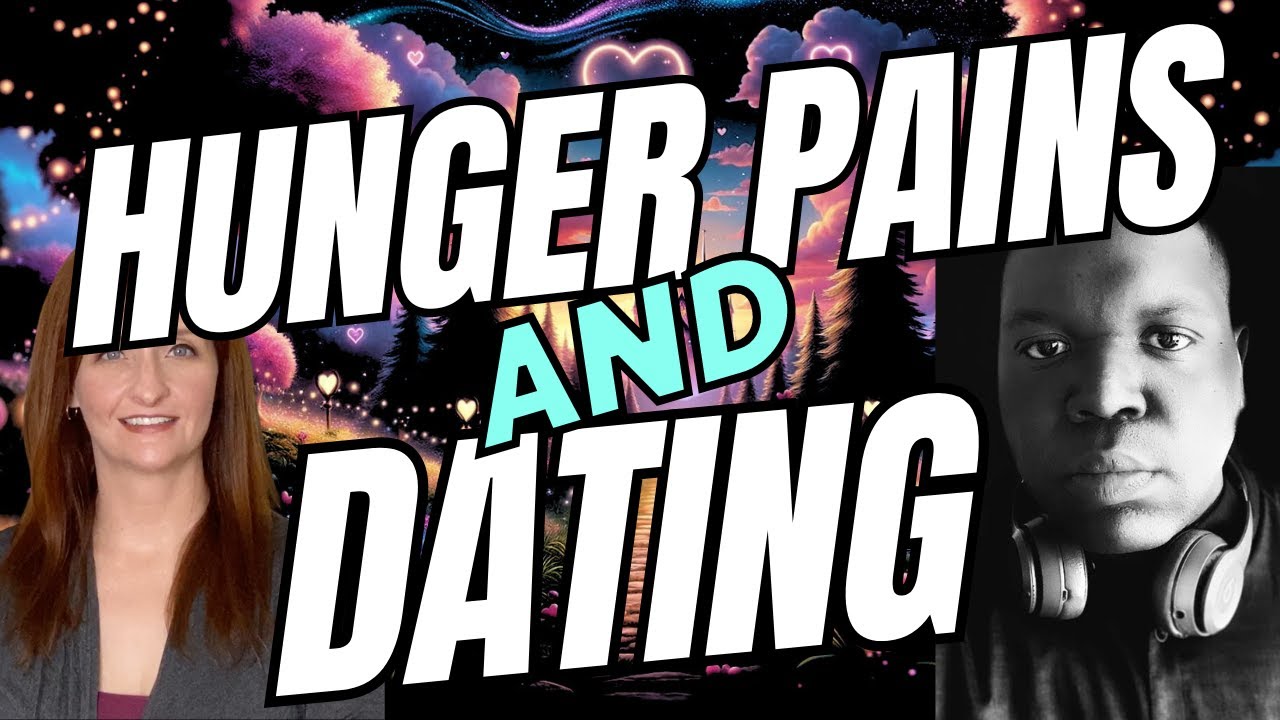
In this post‑Valentine’s Day episode of the Orion Group Podcast, host Robert Dunn and co‑host Elizabeth Stone explore why many people feel heightened anxiety, loneliness, and relationship turmoil after the holiday. They discuss the seasonal spike in break‑ups, the concept of "relationship death watch," and the human tendency to try to force outcomes when emotional hunger is high. Drawing on evolutionary psychology, they explain how anxiety and primal survival instincts drive modern relationship behaviors, including the pursuit of resources, the need for affection, and the compulsive use of social media and dating apps as a "fix" culture. They differentiate between legitimate needs and perceived requirements, arguing that labeling needs as "requirements" can create a victim mindset. The conversation also covers the importance of self‑sustainability, the danger of pedestalizing others, and the role of personal discipline in meeting needs healthily. They illustrate points with personal anecdotes (e.g., a grocery‑store coincidence), cultural references (e.g., the Michelle Carter case, Life of Pi), and practical advice on managing hunger, anxiety, and self‑perception to foster healthier relationships. Additional themes include the illusion of immediate success versus the value of process (lottery winners, celebrity struggles, biblical Adam story), the role of failure and discomfort (Joe Sugarman, the "flinch" principle) as growth catalysts, and how competence and reliability become attractive traits. They warn against desperation and settling driven by hunger, emphasizing that true attraction stems from stability and the ability to meet one’s own needs before seeking external validation.
Chapters
Hey, what's going on, guys? Welcome to the Orion Group Podcast. I'm your host, Robert Denn, and I'm here tonight, Wednesday, as usual, with my amazing co-host, Miss Elizabeth Stone. Elizabeth, what's up, man?
You know, just living the dream here.
Living the dream, man. It's the show post-Valentine's Day. I actually forgot about that, man. I hope you guys had a good Valentine's Day, because most likely if you didn't, it's because you're not listening to us. Or you're not listening to Elizabeth.
It's an excellent plug.
Well done. Yeah. So yeah, maybe a little bit more keen now because you realize that you don't know everything, right? Nah, I'm just playing.
I just appreciate that you're here no matter how your Valentine's Day was.
Are you a Valentine's Day person? I know there's a lot of women who are actually like anti-Valentine's Day now. Are you an anti-Valentine's Day person?
I've had, actually, as I wrote my list this, you know, I wrote them on Valentine's Day as I do, and I've had every kind of Valentine's Day. I've been proposed to on Valentine's Day. I've been very unhappy on Valentine's Day. I've had every kind.
Probably good. I think it's good for you to, for every person to have each one.
Seems like it's important. Well, we don't have any illusions about it. It's really just about who you're with and the kind of time you have. I don't really— I have a good time.
I believe it.
What it is is that I am most concerned about my people at that time because I know that people are unhappy. People in my world are generally working on getting things going better. And so it can be a very sad time and like a very— the most of the divorces happen in January. So most people find out that it's over in January. And then we have Valentine's Day, which is right afterwards.
Wow, I did not know that. That's messed up.
Yeah. And so in my world, like, I'm used to this being a kind of a tense time. I get a lot of emails right now. I get a lot of sad contacts from people, and then we start to like have spring and it all starts to work out. So around this time, I'm always on kind of like relationship death watch, unfortunately.
Wow. Well, I feel bad for bringing that up now.
No, don't. I mean, I'm not talking about myself. I'm just talking about in general, you know, it's a— it's a— most of all of the breakups and all of that, there's a big chart that I have actually that starts in October and And it peaks right before Thanksgiving. And then there's another peak before Christmas. And then there's the third and final peak right around now because people either don't have the Valentine's Day they want, they hope for something else, and then they kind of decide, make big decisions around this time.
Right. Well, like I said, I did not know that. So for all the— I know, I understand cuffing season. I know we talked about those type of terms. I think cuffing season is Like around this time too, wintertime. So I get it, you know. But like, again, hopefully we can say something and, uh, reveal certain things that will hopefully help make your next one a little bit better, regardless of whether it's with someone or not, right?
Absolutely.
But yeah, thank you guys all for tuning in, man. We really appreciate it. Uh, you can go to our website, theoriongroupodcast.com. You can check out our stuff there. But tonight, really what I want to talk about— actually, you know what? No, I'm going to do— I'm going to tell you guys a story. It's not even a complicated one. Actually, something happened to me today that was kind of weird, but for some reason I think it's important. Have you ever heard that as experiences?
Oh, all the time. Yes, absolutely.
So I went to the grocery store today. Usually I go to a grocery store on Wednesdays, and I went to the grocery store and I uh, start shopping or whatever. And I would, you know, go down each aisle or whatever. And so the first aisle, I, you know, I don't say ran into this one, but almost ran into this woman, right? And so I was kind of like, no, my bad, whatever. And so I went down the second one, there she was again. I went down the third one, there she was again. I went to the meat part, and there she was again. Went to— so it was like everywhere I went, this woman was there. And it wasn't intentional, right?
Mm-hmm.
And it wasn't intentional on her part. And then I went to go check out, and then the check out one I was going to go into, she shut off her little light. So letting her— letting you know that her lane was closed. I was like, oh. So I went to the next one that was open. Of course, who's there right in front of me? This woman.
Uh-huh.
And we just kind of laughed about it because, you know, and I was just like, stop stalking me type of thing. You know, I said something like that. But it was interesting because I realized that what stuck out to me anyways was the fact that nothing about that was intentional. But yet our paths kept crossing.
Yeah.
And so what came to my mind was just like, you don't have to force it.
Oh, that's true.
Yeah. And so that's what kind of hit me, and that's kind of what I want to talk about tonight, is not forcing things.
Okay.
Because that situation, why it was significant, because it was almost like you couldn't have made that happen even if you wanted to.
Right. If you'd been following her throughout the store, it would have been less, less easy.
Right. Less easy. Wouldn't have even lined up that way. You know, you know, like, even if that was intentional, it wouldn't have gone that smoothly. And so it was just kind of like I said, I kind of laughed about it because I realized that me just going about my business, her just going about her business, but somehow Almost perfectly our line, you know, our paths kept crossing.
Mm-hmm.
And I think this is a good show for post-Valentine's Day because when you are upset or when you're not in your relational situation or dating situation that you want to be in, it's just like clockwork or just human nature for us to almost want to take more control to kind of make things happen.
Yes, absolutely.
And I really want to make sure that we— that you're going to have to have a discipline about this because one of the hardest things to do is get your needs met the right way.
Oh, is that ever true? Yes.
I mean, even when you talk about like religion and we're talking about the devil, right? As a Christian, you talk about the devil and this proverbial devil, but it's become this almost like nebulous, you know, thing that this evil being that just wants to do evil and harm or whatever, right?
Yeah.
But, you know, realistically, if the devil could kill you, he would, right?
Right.
So if he really had a plan, it would be to get you to get your needs met the wrong way. That's all sin is. Like, when you hear sin, for all you non-religious people, that's really all sin is, is getting a legitimate need met in an illegitimate way. I'll give you a little crash course on Christianity for your, you know, just for religion, just for religion in general. And so one of the toughest things you're going to have to do just in life in general, but especially in this arena, especially in the area of relationships, is being able to stay disciplined, stable enough to make sure that you are getting your legitimate needs met in a legitimate way. Because I'm telling you, once that hunger kicks in. And maybe this even could be a subtopic and just talking about hunger, because I think a lot of times we really underestimate that hunger, right? And I know we talked about in previous shows, we kind of hit on fasting a little bit and why that's important, so you can get a reference point for lack, a reference point for going without, and why that's so important, why that's actually a real big spiritual principle, or why it could be. And, you know, even health people, a lot of people who are just health, there's intermittent fasting, and that's become a new craze now. Right, in terms of a diet.
Yeah.
But fasting is very important because there's no— other than sex, I don't think there's a stronger primal urge that we have other than hunger, right? Because we have to live. And thirst, you could put thirst in there as well. But there is an emotional hunger and there is an emotional thirst, and that's what we hear about most, like online, when people are calling each other thirsty. And you said this person's thirsty or whatever. They're, they're, they're in need of something so badly that they're now— they're acting in a way that, that isn't ideal, to put it nicely.
Yeah.
They're putting themselves in situations that aren't great because they're in such need of whatever it is. The problem is a lot of the times we attack the need, but the need is never the problem. The need is 98.6% of the time a legitimate need. It's legitimate for you to be hungry for natural food.
Right.
It's legitimate for you to want or need affection, attention, love, uh, you know, run down the list. All of those things are legitimate. It's— attention is a legitimate need, you know. So I want to make sure that we all understand that the need is never really the problem in terms of it being a— being legitimate. It's okay. And, and And even if I don't think it's okay, you're still going to have it regardless, right?
Right.
So I want to make sure that we're not— we got to stop attacking people's need because the need is legitimate. That's not the problem, but it's how we go about getting it met, and it's how we get ourselves into positions where we're not able to get it met is where the battle lies, so to speak.
Well, I think also the another thing about needs is what we tell ourselves is going to happen to us if we don't get them met and what they mean and why they're important. Because I can legitimately want affection, I can legitimately want attention from you. But if I tell myself that if I don't, that I don't get it, what all of this stuff about how this is my needs and I'm not getting them met, I mean, it's like you're dying outside in the desert, right?
Mm-hmm.
So if I'm like, this is a need, I am not getting this met in this relationship, this is not happening for me. And now as a result, I have to, you know, transform everything. When I could tell myself, well, this is a want right now. And let me see how I can meet this, then you're going to be in a less needy position, no matter what, which is going to make you more attractive. So in my world, it's desires and requirements. You know, I require food. You know, like, do I need food? Well, I'm going to feel really bad if I tell myself I need it. But if I require it, then okay, that's all right. Like, it's a— it sounds like a language trick, and it is to some extent, but it also kind of lays bare the idea that we're— that we have to go to other people to get our needs met, which becomes a real problem when those other people just don't behave in the way that we were hoping for, or we have no success in controlling them because they won't meet our needs. Nobody buys needs. Nobody's, nobody's out there— like, if you're selling your needs, nobody wants them.
Right.
You know, like, why aren't you meeting my needs? I mean, what, like, can you think of anything more desperate to say to somebody? Like, you're not meeting my needs. Well, the other person's gonna be like, well, that's too bad. Like, I guess I just suck then. I mean, there's no way to get your needs met by believing that you have a deficit that you need curing. So desires and requirements, because then we can go to different sources to get our requirements met. We can go to different, you know, locations in order to succeed at, you know, getting our strokes or whatever it is that we want.
All right. And this is why we talk about the 2 operating systems so much, because this is exactly what Elizabeth is talking about. Because what Elizabeth does really well is helping people, specifically women, get out— not so much get out, but I guess get out of that instinctual primal mode into the conscious mode, right? And we talk about the instincts and the primal nature so much because this— that's— those are where those questions are being asked. Those are where these— that's the, the area where we are feeling like if we don't get this need met, we're gonna die. Because at one point we did.
And we go to each other for resources, right? You know, men, men do not go to women for resources. Generally, women go to men for resources, right? So therein lies the problem. If you're like with a man and you're telling yourself that you need all of these things that you're not getting, you're going to have a hard time being attractive.
And this is, again, if you get this, you will— it's like the core when you're working out. Like, for everybody who's worked out and been Yeah. Had a trainer, even just watch YouTube videos, one of the most common themes and things that they talk about is getting your core activated and getting it stronger. Because you have to get your core strong in order to pretty much do every other exercise correctly. Right. And to me, this is what this is in the area of relationships and just romantic love in general, is that we have to get the core of understanding of our different natures. Because when you understand where— what is coming from aware, you'll much better be able to manage them.
Yeah, absolutely.
Because, you know, if there's— I mean, when it comes to our primal instinctual nature, it is very good at what it does because its only job is to make sure we survive and that our children survive for the next generation.
Doesn't care if we're happy, doesn't care if we are fat, you know, skinny, skinny or in the middle. It doesn't care. It just cares that we make it.
It just cares that we make it. And it's good that we have an operating system where its only job is to do that. Because if we did not have that, then we would have to be thinking about this, considering this all day, every day. We would get nothing done. We definitely are not building modern societies. We're not past the Ice Age because we wouldn't have any other time to think about anything else. Yeah.
It's like not having running water, essentially.
Right. But understand, this nature is subconscious. It's instinctual, which means that it happens without you thinking about it. It's where proclivities come from, right? It's where most women are going to want a taller guy.
Why?
Right? That's that's where that comes from. Why do men like certain body types or certain you know hips being and all that kind of stuff? There's certain things that we have a proclivity towards because historically over the span of human history, certain things have been better for again our survival and the survival. of our children, right? A man with resources— if you could connect the women who connected with men with resources, their children lived, right?
Very simply.
I mean, you know, we can go into a whole evolutionary psychology breakdown of it, but on the most basic form, that's where this stuff comes from. Taller men, stronger men, their children lived. Women with bigger hips, they were able to bear healthy Children. This is where this stuff comes from. And so when you start to understand that, you are able to do what Elizabeth just said. You're able to take those nagging questions, those proclivities you have to think that if this need doesn't get met, then it's over with. Yes, that tension, that stress, that, that, that's exactly what is supposed to be happening, but it's not supposed to be running you. Completely.
And right, go ahead. Well, in this modern time, it's not like we constantly have to worry about the same things that our body's really made to worry about. Right.
That's a huge issue. The fact that we are— we've— it was never dreamed of that we would be at a time like this, that we would have not need to go hunting for our food, that we would not— we would have modern medicine. And we're having problems because people are living too long. right now. Not that they're not living long. You know, you had 30, 40 years for most of human history, right? Now we're having 70, 80, 90-year-old people, and that's our normal. And so, you know, people are struggling to take care of their parents. We're having a lot of problems that just as a result of just we've mastered our environment so well, right? You know, that it was a lot of these instincts are almost archaic, right? They're all— they're outdated. It's just a simple fact that we, we just did what, what humans do, and we were so good at actually doing what we do that, that it kind of put us in a, in a weird conundrum of where do these instincts do now? What do they have to do? Because they're always going to be doing something. And right now what they seem to be really affecting us really greatly is our connection with each other.
Yeah.
Because a lot of these things that we— that would have made perfect sense when we didn't— we had to literally go out and hunt, when we literally had a lot of these, you know, archaic you know, things that we had to deal with for literal survival. Now we don't— our instincts don't have to do that anymore. So now they're just purely almost being completely directed at our relationships because those are the only things that are really still just as, as close to being like they were for all of millennia. Right, right.
Well, and the other thing is we're wired for anxiety. So what we're going to do with our relationships is pick them apart. Because in that place where we have free-floating anxiety that has to attach to something, and people disagree, there's a point of disagreement about this. But I, I believe that sometimes this anxiety is just a thing that is in our brain that's going on. And then our thoughts are kind of a result that are attached to it. And so, like, whatever plane you're on has different thoughts. Like, if you are in, like, a more anxious state of mind, you're going to continue to look for threat. So what is this threat? What is this threat? What is this threat? Then you remove a threat, like, say the relationship goes away, or there's, you know, a reason why everything gets good, for example. Well, then, like, that anxiety will then travel to a different thing. If you've noticed, it's like kind of whack-a-mole with the feelings. It's like, since the energy is never displaced, there's some new threat that we then have to worry about after the original one is taken care of. So the danger is that we like pick at the relationship, then go away, then pick at another relationship, then quit that relationship, then find another one. And the whole time we're telling ourselves that it's because we're broken or flawed or something's wrong, or this is about me and my attractiveness, or— Or how there's just nobody on Tinder that likes me or whatever. But then if you solve that problem, you will find a new thing to be anxious about because of the way that our brain looks for threat.
Right. Anxiety has helped us survive. You're right. Unfortunately. Unfortunately, that's what has kept us on our toes for so long because we had to be on our toes because a tiger could come and just take your child if you weren't alert.
Right.
I mean, you had to be alert for threats from some other kingdom coming and invading yours and, you know, killing all your men and enslaving all your women and children. I mean, there's been legitimate threats that our brain has evolved to make sure that we are consistently, you know, on awareness because we, again, for most of human history, we've had to be. But now that most threats, you know, no one is really in any immediate threat in modern society. Right. And I don't want to, you know, I can go different places with that, but we'll just, for the sake of this conversation, we'll just stay here.
Right. Well, and we'll, you know, stay with the fact that we've mastered our environment so well. So we're talking about evolutionary threat. Let's not talk about other people threat right now, because then we could talk about how like the streets could or whatever, but we're actually living at the safest time in history.
In history, you know, the longest living longevity. I mean, If— yes, we are, we are living in abundance right now. I mean, it's, it's, it's insane if you really think about it from an evolutionary, you know.
Yeah, we've done great. We've done a very short time too.
In a very short amount of time. And so again, it's almost like our brains are going to have to evolve again, but we're not there yet, obviously.
Well, it's true.
And, and so it's going to have to go through that process again because it needs to adjust to, to where we are now. But evolution is very slow. Yes.
Well, and the other thing is that all of this anxiety and depression that people are experiencing, and legitimately experiencing it, it's not a joke, it's not not happening to people, but that's killing people off. Like, that, that as a societal, like, problem is going to create a new group of people that somehow are able to adapt to that. And somehow have that not take them down.
Like I've said this before, one of the things in coming into this space, the one thing that stood out to me more than anything was the fear, was the anxiety. Like, to me, that was very evident. Like, to me, I was like, man, these people are just so afraid. Like, they're just so anxious. They're so just— they don't have any peace about this. Like, they're trying to get something that they're so uncomfortable about and so fearful about, and they're doing doing everything they can to get them into a place where they can just feel some kind of safety, you know what I mean? And so that was really— that kind of threw me off a little bit. But it makes sense. I get it. And it makes sense from a lot of different ways and a lot of different places. But when you start talking about not forcing things, I'm so glad we were able to talk about anxiety first because that really is the bedrock. Because when you're talking about people forcing things, Anxiety is the fuel for the— for that.
Right.
A lot of the times, obviously. But it's— we have to understand that we need to take those anxieties and they don't get to run us. And I know that's more easy— better easier said than done, but it really is making that transition from your instinctual to your more conscious mind. Because like Elizabeth just told you, you have to stop and she had to— you had to think that through. You have to tell yourself, is this really— I know I'm not going to die if I don't get married by 25.
Right.
You know, you have to— sometimes you really do have to say stuff like that outside. And what Elizabeth said about requirements, the difference between having a requirement, you know, it's those type of, of, of teach— that type of teaching, those type of tools that we have to use, because again, this stuff is killing us.
It is.
And you want to think it's about, oh, people just not being cute enough or not being rich and all these silly things that people keep saying over and over again. We're putting billions of dollars into making us look better. We look better, you know.
We feel worse.
We feel worse, but we look better.
Yeah, you're beautiful while you're dying.
Right.
God, you're just a fetching little specimen.
Right. You know, I mean, I guess it's— yeah. But— and this is what's happening. Because you're just like, so so what what's going on? Right? How do we get to a place? Because again, when it comes to your core, it's a level of stability that you're gonna have to have to be able to date in a way that's going to be healthy and efficient for you. Because so many of us are are dating just from a place of of lack and scarcity that there's no way you're gonna bring anything positive into your life. There's no way you're gonna get into a place where you're able to. really, like Elizabeth talks about in the name of her course, manifest love.
Right. Well, and you're just going to continue to like rubber stamp the little shadow beliefs that you have all over. So if you are in there like secretly thinking that you don't deserve love or that you're not, um, enough in some way, pretty enough, you know, handsome enough, whatever, then you're going to Give yourself all the evidence in the world that that is the case because of the funhouse nature of 3D reality. So congratulations, we're living in a holographic universe. Now, the thing to understand about that is that you're going to see evidence of exactly what you really think all the time.
Right.
Good, bad, and indifferent all the time. And so the reality that you live in is a result of those internal thoughts. And so like unraveling them and managing them and dealing with them in whatever way works for you is going to be the most important skill that you learn in your entire life.
Because man, when you see— the thing about when you start going down that particular rabbit hole of negative thoughts and all that, why anybody Anybody who talks about any kind of thing like this always ends up back to these, you know, type of principles. You know, you can't avoid them because there is no life outside of what you're thinking. It's all you.
It's all you.
But when you start going down that rabbit hole of insecurities and anxieties and you let that take over, what it does is that it shuts you down. And for, for the ladies, and Elizabeth likes to say all the time, the container. Your anxiety shut down that container. They put—
It collapses it.
Yeah, there you go. You can collapse it. It just, you know, just think of, you know, a store in the mall when they pull down that little chain link thing, you know, they just shut it down. And so when you shut down that, of course what starts to happen that we don't really think about is that when you're not getting sustenance, the hunger grows.
Yeah. And then you can't— well, you can't— your container leaks, so you can't hold anything, so you can't manifest anything and keep it in your life.
Right.
So, or whatever. I mean, so you just keep being hungry and you're like, nothing satisfying. You know, it's like watching, you know, late night infomercials all the time and never actually watching anything good. You're just— life sucks. And you just wonder why you don't feel fulfilled and everything's going to hell, but nothing seems to ever improve. That's, that's the experience of like, what happens when you do not do Like, find out new mental technologies to overcome the anxiety that we are wired to deal with.
Right, because this is why what happens when you start thinking healthier, you— your shop opens up, but your shop opens back up for business. You know, like Elizabeth just said, it's when that's shut, nothing is coming in and, and you're leaking out. And so that is clearly a recipe for, for disaster, but But even more so, we have to understand that when that hunger grows, you know, and that fulfillment starts to mount and all of that happens, the thing about hunger is it's not going to go away. It's insatiable. It's not something that if you could just outlive it, you'll just stop being hungry.
Right.
You know, it doesn't work that way. You will get it met one way or another. And then when that gets to those breaking points, that's when you get the 2 o'clock in the morning phone call, ladies That's when you see the thirsty comments and thirsty stuff happening on the internet that everybody talks about. All that is coming from this process.
Right, exactly. And it's all coming from a place of unworthiness too.
Right.
You know, when it comes to the mental things, not the hunger, but I mean, when it can, you know, physical hunger, I mean, not that specifically, but the place of not having your emotional needs feel like they are getting met or not being able to meet them yourself. Or not believing that you in fact have a potential to get what you want. Because if you don't actually believe that it's possible for you to have what you want, you're just going to wander around like a kind of an unfulfilled ghost, you know, trying to get something or like trying to scare people into acknowledging you.
And that's what we have. And that's what we have a generation of. We have a generation full of just starving people, starving ghosts, you know, that don't know what to do. And so what do we do?
And then we bring social media into Oh good, yes, look at each other being hungry. This is great.
All right, and this is where you have these— this online dynamic where you have people just so hungry trying to talk to each other, and then the guys are trying to get news from women, and the women are just trying to get some sort of connection going. Then you have that weird dynamic online that you're seeing, right? Because this is what happens. And again, we bring social media into this, you bring dating apps and all this, this is where you get our fix culture. You know, we have a fix culture right now. We're just going from fix to fix to fix, and we actually have a lot of technological advances that allow us to just continue to getting fix. If you can't get a guy to pay attention to you, you can just put yourself in a bikini and get a bunch of likes, right?
Right.
So we're substituting this almost like a— what do they call it— supplement. The thing about supplements is that you can't live on supplements.
Right.
Even though technically they have everything that you need, air quotes, uh, you know, from a vitamin standpoint. But try to just eat nothing but supplements for a week and see how you feel.
Right.
You know what I mean?
It's empty. It feels empty.
Right, because it's not a substitute, you know. And we're trying to substitute our fix because it's safer. It seems safer. It doesn't Because it's not actually safer, but it feels safer. Because when you're already insecure, when you're already feeling like shit, when you're already, already in that type of a downhill spiral, you're not trying to put yourself in any more danger, right?
Right.
And that's what the internet gives us. It gives us that screen, it gives us that buffer. And so it's almost like the perfect storm because you're having a generation of people who are really needing something legitimate. But they think the problem is, is that it's just not coming. Like, it's just not available, right?
Yeah, it isn't out there.
It isn't out there. No one likes me. No one wants to talk to me. No one wants to get to know me. No one wants to have sex with me. Whatever it is, whatever story you're telling yourself. And so when you don't— when you believe what you're needing is something outside of you, and it has to be— someone has to come and want to give it to you, my God, no wonder why we're in the position that we're in. Because just think about that. Think about what you're believing for. You believe that somebody special is going to come along and just give you what you need whenever you need it for the next 50, 30, 40, 50 years. And we want to think that that's our ideal marriage. That's what love is to most of us, and we don't even realize it.
Oh, that's such a good point. It's such a good point because we hold people to a much higher standard than really makes any sense. Like, like, and also we would never hold our friends to the same standard that we would hold our partner to.
Right.
Like, if it's a friend, we're like, oh, well, maybe they got busy. If it's our partner, it's like, why are you busy? Like, what? How could you? And so not only that, but we're, we're actively able to push away whatever good things show up with this anxiety.
Right.
Because one of the things that I say often is that like a man cannot soothe your anxiety about your relationship with him because it's not his job.
And every man who's tried to do this knows that it's most—
Right. And he knows how crappy it feels to be like, no, sweetums. No, I still love you. You know. If I don't just tell her this right now, it's not going to work out. And I'm so tired of saying it, but it's true. But I'm so tired of saying, why is it like this? I keep telling her, you know, and the thing is that you're going to the relationship to take and you don't mean it like, oh, I'm going here to take, but you're trying to get a result out of the person that you're with. And it's male or female, it doesn't matter. But the mindset that you have to go there to go and like get something, like you're an ant that like goes to get food and then carries it away.
Oh, it's so true.
Rather than bringing stuff, you know, like when you just bring you, and that like the sad part about it is, is that most of the time you is enough. Like male or female, actually, you bringing you, really bringing you, like all of your presence and everything that you have to contribute is enough. Like, it's plenty. It's like more than enough. But what people tell themselves is that they're not enough. And then they do all kinds of things to avoid showing themselves. So they don't, you know, they get flaky, they don't show up, they don't bring the resources, they're afraid that they use too many resources, they, they withhold, they give too much and then get martyry about it. And all of this is because of unworthiness. So all of it, all of it is just because what, what you're telling yourself at the moment when you're going to be received is that whatever you had in there to offer isn't good enough. And that anxiety just is attached to that. Like, well, no, I'm unworthy. Like, the next, next thing, like, I've got to perform for you. And if I don't, you're not going to like me. But if I do, then you're not going to like me. What do I do now? Well, I don't know, I'm not weird.
And this is where the term succubus comes from. It comes from this principle, the idea of just taking everything and just sucking it all up but still not being satisfied, you know, and needing to keep doing it over and over and over again. No matter how much you bring in, it doesn't— it doesn't satiate. And honestly, uh, extreme An example of this, I actually saw— I don't know if you saw this yet, Elizabeth, but I saw this, the documentary on HBO of that woman, or that girl at the time, who kind of got her boyfriend— kind of did get her boyfriend to kill himself. Did you hear about that story? I don't know, but geez, horrible. I think her name was Michelle Carter, I want to say. And it was a pretty big story, and it came out because they found out that this kid killed himself And then they found out the text messages between him and his girlfriend, who was Michelle Carter, and they found out that she pretty much, you know, egged him on to do it. Like, literally egged him on to do it.
That's lovely. Yeah.
And there was this whole, you know, there was a documentary on her on HBO, and they went through the trial and everything. But it was interesting because when they were kind of seeing her text messages, and, you know, it was just, you know, normal teenage girl text messages type of stuff, really. But, uh, I mean, initially. But the whole dynamic was interesting. I think it would be interesting for people, especially in our line of work, to really kind of look at that. But the one thing they said in the documentary was just like, no matter what we did for her, like, no matter how much, like, we tried to, like, be her friend or be cool, like, it was just never enough. Like, no one could fill her bucket.
Right.
Like, there's nothing we could do. Like, she was just so hungry for something that she actually already has. See, that's the problem with this principle.
Oh God, yes.
We, we're trying— the unworthiness has us thinking that we, we keep needing something that we don't have. And so that's where you get— this is where we're getting in trouble. The only reason why we get so, you know, the way we get, so, so, so hungry and so grabbing, so needy with other people, because we're trying to get them to give us what we don't think we have.
Right.
Or if nothing else, doesn't feel like we have it. And so when, when you're in that place where it doesn't feel like you're getting something that you truly need, then naturally human nature, you know, just pragmatism says, I need to go get it, and I'm gonna get it from somebody who I think has it, right?
Whether that be— Yes.
A man, a brother, you know what I mean? The thing doesn't even matter. You could put whatever you want in that space. Because it probably is going to be different for everybody, right? And so when you're in that position where whatever it is you're needing is out there, then that is the definition. I don't see that really as definition, but yeah, that's really the definition of being in— being a victim.
Yes.
Because a victim can't control what's happening to them, right? That's why a true victim is somebody who's been victimized, as in something has happened to you outside of your control.
Right?
You couldn't stop whatever it is that's happened from happening. That's what makes you a victim in that moment. But how we've kind of almost brought that— how that looks like anyways in this arena when it comes to romantic relationships, that's the position that we sit in. And we can sit in that position forever because that is the ultimate position to be in. This is why some of the hardest things you can do for somebody in that position who's been in that place for a long time is Is they get what they need from somebody else, actually, because they don't know— they don't— that's a completely new paradigm. Some of us have been in, in this position for so long, for so many years, of thinking that it just needs to come, it just needs to happen, that if it actually does, then we don't— we reject it. This is where self-sabotage comes in. That's what's so fascinating.
It is fascinating.
Because it'll show up one day. And, and, but your whole normal is, is, is it not coming? And so you almost end up putting yourself back into that position of needing it again because that's what you know. It becomes your familiar.
It is so hard to overcome this. Oh my God. At any level. At any level.
Any level. Any professional psychologist, anybody in this arena in some form will tell you this is that thing. Because it's, it's the— it's— I mean, you can— I mean, don't get me wrong, I could see it in myself.
Oh, me too. Yeah, that's why I'm like, yep, this is it. This is the last watershed. Like, if we could figure this out, man. And, and— but it takes continual work, and it can take like continual frustrating and painful self-examination. Like, oh, I'm feeling bad today. Okay, now, instead of doing all of like, let me just pull out the list of coping strategies. Okay, now, okay, let's go down the list. Okay, these are all going to be a bad time. Okay, let's go with one that is not bad. Okay, good. Got it. Next day. All right, we're here again. And then just continually like conquering the fear and then doing the stuff anyway. You know, none of this stuff is like, oh, let me just sail from success to success and I'll just reach new heights in a linear fashion and it's just going to look like a perfect upward, like a straight line. No, like we think that that's the way it is, but that's never the way it is.
Never, never the way it is. And you can even see this in just the last 40, 50 years. You talk about the sexual revolution in our In our gender politics and our gender society. Because what do women say all the time? I want to be an independent woman. We have songs about independent women. Why? Because it's so important for us to be self-sustaining.
And all good men are self-sustaining.
Good men are self-sustaining. Like I said, we can have a whole argument, you know, we can go down that road. But Really, uh, why I bring that up, why I think it's so important, is because again, when, when you're not self-sustaining, when you don't believe that's possible— because most people, people who are in this position of believing that they need something that's, that's not— that, that's outside of them, the idea of being self-sustainable is, is— it sounds like magic, right? It's so—
Yeah, well, what's interesting about it is they most of the time claim that they are self-sufficient, but the real reality When you actually talk to them and find out more about them is that they don't actually think they can be alone and survive it.
Right. You don't think that you can— if this thing happens, it'll put you into a new place, a world that you don't feel at all capable of being able to handle or enjoy or whatever the case may be. This is why sometimes they— what they tell you in the Marines, when you go through Marine training, what are they constantly doing to those guys? They're constantly pushing those thresholds.
Mm-hmm.
Right? Because you need to know that there's a— you need to go past that threshold of what you think. If I go past this, I'm going to die. Okay, we'll see. They're going to put you in there for 3 minutes and you can only hold your breath for 30 seconds. Because they need to get that fear of, oh my God, if this doesn't happen, I'm going to— they're trying to battle that instinct because they know that instinct will get you killed. It'll get your other Marines killed. Because it is that strong and it is an instinct. And so they don't teach it to you by, by just telling you to get over it, you know. They'll throw you in the water, put a rock on, you know, tie your legs.
Same with life too.
Exactly. And so many of us sometimes— this is why I say so many— oh God, your breakup, your worst heartbreak, could be the best thing for you. Just simple fact that it finally pushed you over that edge of what you thought where you could not have gone. When you survive something that you don't think you could survive, that should be the catalyst for you truly being able to have a new life. If you're going to go through something horrible, at least make it work for you. That's my mentality, because I can't control most of what happens to me. You know, I can only control my response to it for the most part. And so anytime life has thrown something at me that really, you know, threw me off-kilter and I survived it, Mm-hmm. It gave me something that's, that is invaluable because I was— I saw something or I did something. I was exposed to something that I would have told you if that would have happened, I don't know, I would never have put myself in that position. But yes, right, you know, life gets you close to the, to the, to the cliff and you're just like, all right, well, you know, as long as we're cool here, then just throws you off.
Yep, yep, every time.
And it's important for us to go there. This is why, again, even when we train our soldiers, our most, you know, people that we trust to protect our freedom, this is why we train them this way, because this is such an important part of being able, uh, to really be in a self-sustaining, happy— I'm not necessarily talking about for the soldiers, but just, just for the simple fact of being in a position where you can start to actually live a life life of choice.
Right.
Because so many of you are not choosing anything. Your fear is. You're not choosing whether to go to that party or not. Your anxiety is. You're not choosing whether to— you didn't want to go to that baseball game. You went to get pictures so you can get a fix on Instagram, right? Again, I'm not judging at all. I just understand how it works. I trust— I've been this long enough to see that a lot of us are making decisions. We're not actually making the decisions. Our fear, our anxiety, our need All of those things are making decisions for us and we're just kind of going along, right?
Yeah, absolutely.
I mean, that's just the part of the process. And again, it's terrifying because we know that living like this is only— it has a limit, has a ceiling, right? It has— there's limitations. We can only go so far. But I'm telling you, we will walk in this wilderness for 40 years. Just simple fact that the idea of the promised land is a good idea, but because it's so unfamiliar, because I know how to— Egypt, this wilderness desert might be terrible, but at least I know what it is.
Right, right. And also my concept of it is that this is not paradise already.
Right.
Like, I have a good example from a business example. So this person that I respect who's written several books and is a leader when it comes to internet marketing, was talking about meeting, I think Richard— I'm gonna butcher his name, but a really famous investor. And he was talking about how the guy works an hour a day. And then he like plays with his dog. And then he goes to the beach for, for a little while. And then the afternoon, he spends all afternoon writing books, right? And he's written some great number like 20 or 30 books or something like that. Now, this person that is discussing how he's like, this is the life I want, man, this is great. Like, he works 1 hour a day and he does this. And he's like, I just really like— that's, you know, like, I have to perform for the man, you know, I can't really do that.
Mm-hmm.
And the whole time I'm thinking to myself, like, why not? Like, you literally have written like several books that I'm aware of, and probably more than that. And also, why not? Like, you're a rich man in America. You could take your millions that you've already made and just go and do that. Like, no, like nobody's stopping you from doing that, or except for the idea that that's not what you're already doing. Because I bet you that he probably writes books for all afternoon, and he probably, he probably considers those to be work. But what he's saying to himself is that he has a different life than this other person and that that's the new promised land. Like, this is what I want now. Well, if that's what you don't think that you already have, but an outsider would be really fooled if they went in and looked at your day. It, it's interesting that you've then said to yourself, like, I guess what I need in order to do this is $270 million.
Right.
Like, you don't actually need any— like, you could do all of this on, you know, $2,000 a month, but you just would be unhappier about it, is the bottom line. Right.
We didn't get an enough setting, you know, in our—
Like, perfect, I'm all set. We don't have that. No.
That's something that, that, that's, that's not firmware. That's got to be software. We got to install the enough. We've never been told what's enough.
And even if we were told what's enough, it wouldn't mean anything to us. Because when you're in that hungry state like you were talking about, you're just going to keep telling ourselves like, oh, there's another mountain to climb. And by golly, I think there is myself. So I'm certainly not above this because You know, I just launched a thing and I'm like, well, I want to launch it again bigger. You know, let's do it. And it's not even done yet. And I'm really enjoying this process. But I'm like, well, let's think about the next 6 months and how we expand and all of this. And like, just enjoy the dang moment. Like, it took you a really long time and it was really hard to get here. Like, nope, you're going to enjoy that. No, you're okay. Well, you know, so this is as much for me as it is for anybody else that's listening. But It's really true that like, like just appreciating where you're at sometimes is really the most valuable thing you could be doing.
It really is. Because when you start to appreciate, you start to see what you actually have. You'd be surprised of how blinded you are to what's actually in your possession. Because if you asked yourself 5 years ago that you'd have what you have right now, you'd think you'd be good. Like, you told me all that. And, and that's the thing, it's such a perception issue as well. That's what thankfulness does. That's what gratefulness does. It changes your perception because life is a perception. I mean, God is a perception. How I perceive God is how I can relate to him. This is why you can get sects of religious people who will blow up abortion clinics. This is why you'll have people who will vote a certain way because it's a perception. How do you see him? How do you see— I mean, because that's all I can work— I don't— when I meet people, I need to know how you see things because I know that's how you're going to behave.
It doesn't matter really what's objectively true as well, because actually we can't actually say what's objectively true if you look at it in a more granular way.
Exactly, really can't. That's all except we can go— that's all That's a whole other conversation itself too. But, uh, but at the same time, let's flip the hunger, or let's take— explore another arena or another element of the hunger issue. Because I remember watching, uh, it's called Life of Pi.
Oh God, that's a tough movie. Yeah, I saw that movie. Oh, I had to like read line commentary to understand it at the end because I'm just not that— I was not able— I did not get it.
Yeah, it was very, it was a very interesting movie. It's one of those movies—
Very interesting movie.
I wish I would have read the book. I still haven't read the book. I wish I would have read the book first, but I thought the movie was really good and I thought it was very interesting, you know, because I like deep stuff and stuff like that.
So— It was as deep as you can get in movie format, in my opinion.
But there was this line in that movie that I still think about today, and it's still a really important quote for me, and it said And I remember he was in a situation and he said that hunger will change everything you thought you knew about yourself.
Oh God, that's perfect for that movie too, because that whole movie is about hunger and desire.
Right. And how, how you, you, you battle with that. How do you manage that? And a lot of the, you know, except without giving away, but how the different elements and the animals and the different things he had to deal with was just a management of something that he couldn't completely disconnect from. See, it'd be nice if we could just put the hunger on the shelf, you know?
Yeah, we're not gonna worry about this today. We're just gonna, you know, let's go meditate.
They said hunger will change. When he was— when he said that, he was in a position in which he was a vegetarian.
And, you know, it doesn't last.
Yeah, it doesn't last because essentially he was shipwrecked, and so he ends up in this life boat with just him and a bunch of animals, right? Like, one's a tiger, one's like a baboon, you know, just a couple. It ends up just being him and this tiger. But, you know, he was a vegetarian. Obviously, as days went on, you know, he needed to eat, and so he ended up eating fish, right? And it was funny— it was funny, but it was interesting because he realized that obviously when it got to a certain point, he was willing to do anything. There's even another quote that says, you know, hard Hard times will make a jackrabbit eat hot pepper. That's usually the old folks say stuff like that. But, uh, it's just the point is we'll take it from the side of what happens when— because you will get hungry. I don't care who you are. I don't want to make sure that we're not talking about this like there's some way to avoid this.
No, no, not that I've noticed. I'd be happy to research it longer too.
And this is why I'm never— I won't say I'm never impressed with people anymore, but I don't pedestalize people anymore. I don't care what you are. Not because I can't respect what you've done or your accomplishments. I just know that you're a human being and there's something that you're hungry for. I may not know what it is, but if I'm around you long enough, it'll slip out. Because that's the thing about hunger.
I know.
Because you can only hide it for so long. If I— you know, you could be like, say, Most of us are cool if we haven't eaten in a couple hours, like, okay, I'm starting to feel it, but I'm good. But hour 9, 10, you're gonna start getting irritable, you're gonna start being short with people, you know what I mean? I mean, the signs will come out.
That's how— Mm-hmm.
We're talking about just natural hunger, right? So why it's important to kind of take this hunger thing from the point of realizing that you will go through it. Usually there's, at every stage in life, there's something that you are not getting that you probably need, you know, or is probably— Right.
But you're seeking at that time.
You're seeking at that time. It's almost like that thorn in the side. And there is this— there's almost like a biblical principle as well. But there was this— there's this principle of giving— like God gave this guy a thorn that was— I mean, because if you think about a thorn, it's irritating. It's not unbearable.
Right.
But it's irritating enough to where you're going to be consistently aware of it. And I think that's a great example of kind of what hunger is like when you're kind of in that place. And this is why fasting is so important, because you need a reference point for that feeling. Because most of us, when you get it, we don't have a reference point for hunger. We don't have any kind of familiarity with it, it's, it's shocking to your system because your body is literally saying, we're going to die. You know, when you get put in that survival mode, you, you know, they even— you can hook you up to a machine and all your little thing, you know, brain things are going crazy, right? Because our body has that natural survival mode. This is why, you know, again, how we survived. And so—
Right.
When you understand that, when you understand— because so many of us think that I'm going to be happy once I get it all.
You're not. You're not.
Or if nothing else, not all at once.
I think this comes up every single show. You're absolutely right though.
Because this has to. Because to me, it's— as you learned by now, I'm a foundational person.
Yes, absolutely. Me too.
You know, because we're not going to get anywhere with all these breakups.
Like, that's why I'm in And, um, you know, that's why I'm almost in like broken up, like messy relationship land, right? Because it's hard and because people have the biggest growth there. And you don't learn when everything's going great. You're not learning the fundamentals because nothing's gonna, you know, make you study harder than pain.
Absolutely. Nothing will get your attention more than that. Most likely you can't— you don't even go to whoever you go to to listen to until something like that happens. No, it's just, you know, the way it is.
Yeah, you're gonna find me on like the darkest day when you were like Googling things that you're embarrassed to be Googling. That's when you're gonna find me. So if that's where I'm gonna live and that's where I'm gonna work, like, here we are with these standards.
All right, and see, this is why I'm not— my friend's a firefighter, and I really, I couldn't be a firefighter. I couldn't I can't be a policeman because I don't like coming in after the problem.
Okay. Yeah, you're— yeah, you were, you were talking about this. Like, I'm a, I'm a, we're dealing with the problem kind of human.
Right. This is what's so great about Elizabeth.
I am an emergency room human.
Elizabeth will get in a fight with you, you know, like, let's go, let's, you know. I— that's not me. I'm not gonna lie, that's not me because I, I don't have patience for it because I, I'm frustrated by the fight. I'm frustrated because I see what could have been prevented, you know. And this— and that's where I focus on. And again, this is why it's so important, because you need to know what your air— your, your element is.
Yeah, absolutely.
What your arena is, what you care about. Because you can love music, but doesn't mean you should be Rihanna. There's thousands of different jobs that can put you in the position to do what you love. But American Idol proves that we don't get this yet, because 95% of those people should not have been doing that. Not because they're bad people, but no one told them like, look, you just, you know, I get that you love this, but you don't sound bad. You don't sound good. This is not for you. You're not gonna, you know, this is—
You're gonna have to either like spend 50 years sounding better or whatever.
Right. This is just not where your talents lie, but doesn't mean you quit doing music. There's thousands of other things you can do in this in this arena, you know, that, that can allow you to work with music, right? And you probably be— you could be a terrible voice but a great songwriter, and songwriters get paid, you know what I mean? The whole point is that you got to find your element, and specifically because you don't know how— what's specific to you. But I digress. But what I'm saying is that I want you— I'm trying to get it right Right. Before we start building the house. Because I— if there's anything that's gonna get me irate, is for us to have to build this house and then have to tear it all down and redo— like, to me, that's what— again, this is why I know I don't get in a fight with you. Go to somebody else for that. You know, I want to make sure that— I'm tired of all these breakups. I'm tired of all this nonsense in our generation. I'm tired of all this, this ridiculousness and this game playing. And this foolishness, uh, you know, that's so unnecessary. Just unnecessary stuff. Just, just people just playing around and not taking— I don't want to say that, but just, it's— we need to take this more seriously. We need to take ourselves more seriously. Not in that, you know, you're so important, but this is going to catch up. We're not as young as we think we are.
Yeah, that's true.
You know, we've been told that we're the young generation, new generation coming up, and all this for so long.
We're like almost 40 now, like, right?
Right, but we're still acting like we're children, you know. We're still approaching so many things like we're kids, like somehow, you know, this stuff isn't, isn't real life anymore. And there's a lot of buffers that are kind of keeping us, but some of us are not, or have gotten hit Some of us have gotten hit for our foolishness. Some of us are starting to realize that people are going to Elizabeth, they're starting to realize like, look, this isn't working. And it's— you're starting to panic a little bit. And that's the thing about this that goes back to anxiety. When people start to panic, uh, you know, we don't make great decisions when we're in that mode.
No, we don't. And the other thing about it is that You get what you earn too.
Yeah.
We've forgotten that because we can look over at a lot of other people who've worked really hard and say to ourselves, well, I can see their endpoint. I can see that they've managed to do it, so it should be so easy if I just copy them. Copy in an ethical way. If I just go with their method, I should be able to get that, right? They didn't get it because they have the perfect method. They have it because they were willing to work through all of the shit that they had to work through in order to get there. It wasn't because like their version of the map was perfect.
Right.
Like, it wasn't because like their 75-step plan is the way and the light for you. It's because they earned it. And it's the same with relationships. Even though it seems like we should just be able to waltz over, and then we should just have stuff happen to us like Robert mentioned, and then, you know, it's just gonna all appear. And when it does appear, it's amazing, but there's a lot of work that all went in when you were wandering around the forest for 40 years.
Right.
And so legitimately, it's easy for us to say like, oh, it should be easier. Like, it— why wasn't— why wasn't I better? Why wasn't it easier? Why didn't it go quicker? Why am I not already there? Well, you're not already there because there's no— is there? There is no there, actually. This is it. Like, this present moment is all that you really have. So, you know, that's not a very uplifting message, but—
But it's an important one. We need to know the, the harvest is ready now, right? See, if you don't think— because it's— we're always putting it ahead of us. We're always putting our deliverance ahead of us. We're always putting our promised land ahead of us. We're also— we're putting everything ahead of us because we expect it to feel a certain way.
Right. You just— you have to feel that way first. That's the secret. You feel that way first and then it all appears. But not because you're not working for it, which is the weird paradox there.
Right. This is what's so hard because no one thinks they're in their promised land right now.
No.
But you have to be— well, if no one's there, then what are we doing? You know what I mean? Because you can hear with celebrities— I mean, this is why we're always so shocked when we see celebrities kill themselves, or anyone rich or famous or anything like that, and they're unhappy.
Like, dang it, how dare they?
Right.
It should be perfect. I thought it was perfect.
Right. When we find out the most— some of the most beautiful women on the planet are single in their 50s and 60s, right? Because somehow you've escaped something Because you're pretty, right? But this is what's so important about understanding that it's, it's ready now. Whatever it is, is, is happening now. It can only happen now. Nothing can happen in the future, right? Because whenever it happens, it will be your current, it will be your now.
Right.
And so you, you have to understand that whatever it is that you're, you're need— you have to look, because when you look at it That you're in the now moment, that it's happening now, you act. You're going to act. You're going to prepare because you believe it's already happening. Most of us want to know, I want to know he loves me first before I really get involved, let him get my feelings involved.
Let him over here. Let him anywhere near me. Right.
I want to know she likes me before I ask her out.
I want this sure thing to be a sure thing, and then when I know it's a sure thing, I'm going to quit Quit pursuing it because who cares about that anyway, right?
Yeah, and this is, this is how we function, and it's great. It's crazy. It's— when you think about it, I mean, it makes sense, it's human nature, but it's still crazy. It's insane the way—
Yeah, we're wacky, wacky beings.
Yeah, and it's like Elizabeth was just saying, like, we, we're so shocked that it involves work because Cinderella didn't have to work, you know? I mean, uh—
But the thing is, she did, and we just don't— we just gloss right over that.
Well, because they just gloss over it because the movie didn't start until she was about to get out of the house, right?
But she's like spent her whole life working for her stepsisters and being miserable.
Exactly. And this is exactly why.
No, but that wasn't fun to show. Like, if we show 20 years of her like on her knees cleaning the floors, it's not really that cinematic. Like, there's no climax. It's just day in and day out of pain. Like, nobody wants to watch that movie. But nobody also wants to watch utopia either.
Exactly. Because there's something about the process that is the most human part of this experience.
Yes. I mean, that's perfect people, right? Because they're not perfect and we know it, right?
Because we know that's not— but we know that's not authentic. We know there's something off about that because we know life is not going to be perfect and you need someone who knows what to do When things don't go right. What do you think is so attractive about men who are competent? Because I know that you can— if something goes down, you will be able to step up in that moment.
Yeah.
And this is what's so important, because like I said, all of our movies, our romantic movies, all this stuff, we see, we look at it, and we, we don't get— the story doesn't start until the end, technically, even though the movie seems to go through 3 phases. There's that whole whole 20, 30-year period of their life that we don't— because no one wants to see— no, they don't make movies about process, right?
Like, that's why we don't know what happened to Jesus for 30 years, right?
Exactly, because he understood the process. Oh God, that's such a great point, because that's exactly it. You know, we come into the— we come to the story halfway and we're just like, well, they just came in, he just came in and became Jesus, you know?
Right, like, that was it, you know? And then it's all But no, you're—
everyone's going to have a wilderness. Everyone is going to have some sort of dry place that they have to go through because that's where you learn. That's where you learn to hone yourself. That's where you learn to balance yourself. That's where you mature, when you can go without and it not move you.
Right. And during that time, you're doing dumb stuff.
Yes.
You're doing really dumb stuff.
Like, don't This is why I'm not hard on celebrities, because I understand that most— because we get to go through our dumb stuff, period, privately.
Right. Yeah. And like, and also our generation, like, we had no social media when we were 21.
Right.
So you didn't get to— Thank goodness.
Thank God, because you didn't get to see any of my mess. But—
Yeah, me too, because it was a mess. I mean, it was not a— my goodness.
All right.
I mean, maybe MySpace, but it was harder to be a weird on MySpace.
But, you know, some of these people, some of these people have been celebrities since they were 12 years old, you know. So you got to go through all your normal that everybody goes through, but you gotta— everything that you do wrong gets put on, you know, put online. And so look, no one is escaping anything, but if you try to avoid the process, you are— of course you're gonna get— you're not gonna get anything good.
No.
Because that's where the good It happens. And again, because you're right, when you look around, you see your best friend just got married, you think, well, she didn't have to go through any process.
Why?
Because your process is so obvious to everybody else?
Well, and also you just gloss over the 5 breakups that you guys talked about for like the last 10 years. You know, like, oh yeah, great. Like she finally— yeah.
Last 3 guys that cheated on her. You know, all that seems to be forgotten.
Right, right.
In those moments. But yes, you're going to get what you put into it. Like, life doesn't work any other way. And anytime people get something they didn't earn, like the lottery— this is why a lot of— 75% of lottery winners go broke within like the first year or the 2 or 3 years. Now we're not talking about 75% go broke just over the span of time, just in the first year, because that's what happens. The process teaches you how to manage the money. But when you avoid that, you just get— this is why it's not good to just give poor people money. Because if you go through it, this is the whole point of Jesus. Because the first Jesus was Adam, and Adam was born a man, and he messed up, right?
Immediately.
Immediately. And so God thought like, huh, this is not good. So the next time around, I'm going to let him be a child and go through the process because obviously— because I see now that this isn't good when we just, voilà, here you go, here's a car, figure it out. You know, it doesn't go well.
Humans are kind of slow learners, right?
This is why you go through those— your periods, and you're going through what you're going through with, with what, what you're going You like who you like right now because that's who you— that's where you are. Whatever you're liking right now, it represents where you are.
Right.
And this is what's so important about this, because no one's like, why did God do this to me? He didn't do anything to you. You know, you're the one—
You're doing it to you.
You're doing it to you. No one put this— this is not back in the day. This— no one's putting a shotgun to your head. No one's chosen you or forcing you to choose anybody. It does not work that way. anymore. Anybody that you're bringing into your life, you're allowing into your life. And so if you're not liking what you're attracting, or even what you're attracted to, let it be a map for you. Let it be a locator for you. Now you know where you are. I'm attracted to this. This isn't good. You know what I mean? I mean, again, I know this is probably naive for me to think that people in a mass are going to be able to think like this, but it's not so much that's the That's not the point. The point is, is that are you willing to put in the work to get to where you're wanting to go? Are you willing to, to just say, I'm, I'm tired of avoiding the process? Are you tired of avoiding the process? Some of you are magicians. Anytime that process starts to sneak up on you, you recognize it and you avoid it immediately.
Oh yeah, absolutely. Like, I'm very familiar with this. It's like a funhouse mirror situation. Okay, let me just go do some weird mundane task that wasn't important until I felt the fear. Like, oh, now it's time to reorganize my domain names or something ridiculous.
Exactly.
There was a copywriter, or there still is, he's still alive. His name's Joe Sugarman and he did Blue Blocker sunglasses. But he did a talk where he was discussing how he didn't really think that people real entrepreneurs until they had like made a million dollars and then lost a million and then gotten it back.
I like that.
Yeah, because, you know, like in his opinion, and he wasn't being— he didn't have like an elitist sound when he said this. It wasn't like, okay, you guys are all scum. It was more like, well, it's just that we don't always do a good job. He's like, I'm more of a failure than anybody else in here, but that's why I'm here, right? Because of the failures, because of all the stuff that you didn't see that was all made this possible. But without all of that, no, we wouldn't be here. We wouldn't even be talking about this.
And that's exactly it. And you hear that time and time again. It's like the biggest people of voice are also the biggest failures because they understand certain things. You— I've learned this personally, especially with women. That's one thing I didn't do well when I was younger. I needed some know. Like, I wasn't just gonna sit there and be like, I wonder— like, she's out of your league. Well, we're gonna find out, you know, because I gotta know. Like, you know, I, I gotta know. And so you— what's that saying? You don't know how far you can go until you go too far, right?
Well, and that's good because, because lots of times we stop right at the flinch. Like, I don't remember who wrote the book The Flinch, but the principle, the idea is that Like right at that point where we just stop right there. And I'm familiar with that process. Very familiar with it.
And we all should be familiar with this. All this stuff should be something that you should all be able to relate to because this is what life is about, man. This is all it could be about. Like Elizabeth said, whatever it is you're getting, trying to get to, once you get to it, you're going to want something else. You've never wanted the same Christmas present 2 years in a row. Right. No matter how badly you wanted it, no matter—
Unless it's food, and then you want it again because you already consumed it. Right. Like, it's insatiable.
No matter how hungry, no matter how much you eat today, you're gonna need to eat again tomorrow. And so when it comes to understanding our hunger and understanding where— what role it does play, because it does have a role, and it's an important role, because you're going to want to marry somebody who has control over their hunger. Because what it looks like when somebody can manage it well, it looks like they never have it. And this is what's so— this is what can mess so many people up. What messes up so bad, because we watch professional athletes, they make it look easy, right?
Yes, they do.
Anyone who does anything like, you just made a phone, I can make a phone. Well, there's a lot of companies trying to make an iPhone. None of them can do it.
None of them.
They have all the specs, they know exactly how to do it. But for some reason they can't make a successful phone like an iPhone. Why? What's, what, what's different? Why is there— these are the type of things that you learn in the process. It's those small little— that's what makes a director a great director, because they care about the little things, because they went through the process and realized how important the little things were.
Yeah, it's really true.
So, all right, I think that's good.
Yeah, I think it was great.
But man, I'm telling you, man, it's just like— it's— hunger will change everything you knew about yourself. What you thought you would never do, you will do if you get hungry enough. I promise you. You know, if you don't check this, it will lead you into getting married because you just don't— I mean, people, you think about your own life. Just leave you with this: think about some of the worst decisions you've made. I promise you, you probably made them because you were hungry.
Yeah.
You were hungry for something.
Settling.
Settling. You were—
you—
and whatever it is you were hungry for was legitimate. It's just you got to a place where you couldn't— you, you had to have something. And you know how horrible that felt? You know how horrible it does feel when you're in that position where you just feel so just, just powerless that you just need something? So this is where you see people putting themselves in positions where they're just taking anything and, and, you know, It's just, it's the nastiest look and feeling ever. And you can tell when people are in that position, they're just putting up with something. And you're just like, man, you're just looking at them, you can tell they just have no power over it. They just, they need it too bad. And it's like, man.
Yeah.
So.
Absolutely. Well, there's nothing attractive in desperation.
No, there's nothing. We all want it. We all want people to be obsessed with us until we get it, right? It's so funny. It's like we think there's safety in that. We think that's The security. Like, it's like, yeah, that's like, okay, if you're this obsessed with me, I can trust— like, you— okay, you like me for sure. And it's like, it doesn't work that way, you know? It does— it doesn't work. So many things that we think that we want, it doesn't work that way. Your reality is not your fantasy.
So— Absolutely.
Um, I hope you guys got something out of tonight. Thank you so much, Elizabeth. For taking the time out again to come in and hang out with me, man. I really appreciate it. Really appreciate it.
Thank you, Robert. I appreciate you as well. I always have such a good time.
Absolutely. Um, thank you guys again for tuning in. Again, you can go to our website, theoriongroupodcast.com. Um, but other than that, hope you guys enjoy the rest of your night or day wherever you are in the world, and we will talk to you next time. Thank you, Elizabeth.
Thank you, Robert.
More from Elizabeth



Why He Tells You To Stay Away From Other Guys (And Why You Do Not Have To Accept It)