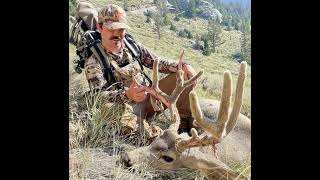
Ep 127 - Jaden Bales: Finding Elk Hunting Success... Finally
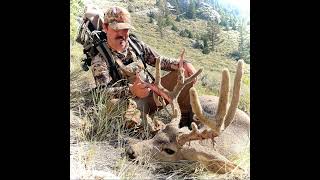
Jaden Bales took five years and five misses before finally arrowing an elk. He credits concentrated time in the same country, high-elevation glassing, night bugling runs, and a calf-call that drew elk close. He emphasizes that success came from hard work meeting opportunity, not luck.
Chapters
With that time in the field, you're able to analyze, like, where's that wind coming from? Where's it going? When's it switching? And then you can make a game plan. And this calf started, like, and I called to it back. It literally ran up and, like, wanted in my backpack. Enjoying the ride is 95 to 99% of the battle. My truck breaks down, and I'm 60 miles from town. Long story short, it blows up, and I'm trackless. The thing about goals, though, is, like, if you hit all of them, like, you're probably not setting good enough goals. And that's one of the things I think I realized about the whole season in general is, like, you got to put a lot of faith in the process. This is Jaden Bales, and you're listening to the Wild Initiative.
Put down your latte and pull on your boots. Our culture needs people that are leaders and not people that are waiting for somebody else to show them how to do it.
Those fields of tofu that was formerly habitat for wildlife. You're killing off wildlife by being a vegetarian just as much as a hunter. When he kills a deer, I'm like.
Well, you see that bush right there? There's your bathroom.
My dad wears a Levi jacket. He sits in front of a sagebrush, and he tells me the best camo is hold still. Not to Donnie Vincent this, but be.
Relentless in everything you do.
Don't crap out. Go back to the truck with excuses or whatever.
Okay, assume I get a deer. How do I cut it up to fit into a Honda Civic?
Just get outside. Just get outside and go. Because once you do, it's all gravy from there. Hey, this is Zach Griffith. This is Hannah Barron. This is Jason Phelps of Phelps Game Calls. Hey, guys, this is Cody Rich from the Rich Outdoors podcast. What's up, guys? This is Chad Mendez.
You're listening to the Wild Initiative. Hey, y'.
All.
Welcome to episode 127 of the Wild Initiative. Before we get started, I want to say a big thank you to Sawyer Products for their continued support of the podcast. Y' all make sure you head on over to sawyer.com. check out the absolute best when it comes to water filtration, insect repellent, sunscreen, and first aid. They've been doing this for a long, long time, folks. Their products are absolutely bulletproof, and I use them on effectively every single one of my hunts. So make sure to go grab that essential gear that will keep you in the outdoors for longer. So, y', all, today on the podcast, I am here with Jaden Bales. I met Jaden through Mr. Cody Rich. You all have heard from on the podcast before. Jaden works with Cody, helps him out a lot on the Rich Outdoors and Backcountry Fuel Box and really glad to have him on. Jayden, thanks for joining me.
Yeah, Sam, thanks for having me on, man. Appreciate it.
So, just to get started, why don't you give the listeners kind of an intro just about yourself and how you were really originally introduced to the outdoors, how you got into all of this.
Yeah, you bet. So I grew up on a family farm in northeast Oregon, kind of as a result of that rural life. I've kind of always been in the outdoors. You know, both my, you know, my grandparents all hunted and my dad taught me how to hunt from a pretty dang early age. I'm pretty sure he put me in a backpack when we were turkey hunting to kind of get me started. So I've been in the outdoors a lot and now I'm kind of working in the outdoor industry here with, like you said, Cody Rich of the Rich Outdoors Podcast and Backcountry Fuel Box. I kind of, after college did that whole thing where you're trying to figure out where it might be best for you to land. And then I realized corporate life probably wasn't the life for me. So I decided to maybe take a little foray into the outdoor space and hit up Cody and when he launched back into your fuel box. And that kind of brings me here.
So, I mean, since we're talking about it, what all do you do kind of with Cody on Backcountry Fuel Box?
Yeah, so my role with backcountry Fuel is kind of as like the operations dude. I do a lot of marketing and product acquisition. So we put all of the products and I find them and put them in the box. Like weird stuff from crickets to the normal, like kind of mountain house and clif bar type things. And it's really fun, actually. I've gotten really deep down that rabbit hole, both from a nutrition and a performance perspective as well as like just trying to find new kind of weird, quirky stuff. So it's pretty sweet if anyone did want to check it out. We're running a sweet holiday sale right now. So if you head over to Backcountry Fuel Box, you can check that out.
Awesome. Well, head on over to Backcountry Fuel.
Box, check that out.
But so you recently, you know, Cody had shot over some stuff to me not too long ago about he kind of put together an Elk 201 course. And you know, I was reviewing that and you actually kind of went through that and you really got to put that to use this year, didn't you?
Oh, yeah. So how the 201 Elk Hunting Course came about was like I was working remotely for Cody at the time and I'd get on the phone with him to talk about work related stuff and somehow we'd up both looking at onyx, trying to run through hunt plans for this fall. And I was like, Cody, I just, I'm trying to, you know, my goal was 2019 was the year of the elk. I was going to get my first elk with Mo. And then Cody and I would have one and two and three hour long conversations about what that actually looked like and how that would come to fruition. And then we worked together to build this kind of 201 level hunter podcast. And then we did like a little email mini course on it, trying to like organize our thoughts in a way or his thoughts in a way that would be easily digestible for folks. And as a result, I implemented kind of that 2:1 process this year. And not to give away the spoiler, God no. So it was a long road to hoe though. I mean, like I said, I grew up hunting, I've been around elk, I've been around deer, and I've been outdoors my whole life. But it took me five years. I just wrote it down. Five years of hunting elk over 500 boot miles, countless gas tanks, and then five misses to actually arrow an elk. So it felt like a long time coming. And kind of implementing some of this stuff is really what I think resulted in a full freezer, which was also just a huge relief, as I'm sure I've heard your podcast before. It's coming for you, man.
It's, you know, like I said that it, that whole process really speaks to me because, you know, it's been year after year and trying to, trying to get into elk, trying to, trying to figure this thing out. And you know, this is my third elk season and you know, I look back and I see huge improvements. You know, the first, the first year was a disaster to the point of almost being a joke. And then, you know, last year was, you know, I was out with a buddy and it was just, we just had no luck. You know, we saw some elk, we weren't able to get into anything. We were just in a bad spot. And then this year I was a little worried. You know, I started out and I just wasn't. Wasn't Seeing stuff. I actually, you know, Cody was kind enough to send me a couple tips on some spots, and Ryan Lampers gave me some tips. Brian Barney gave me some tips. So I'm thinking, like, between the three of these guys, if I can't find some damn elk, I'm hopeless. But, you know, then this year, I just. I finally started getting into them, and, you know, you see that. That growth each year, and it's. I mean, it's a huge process. And, you know, it's always frustrating when you're not filling tags, but it's. It's so important to look. Also look at that, though, and recognize your growth each year. And while you may not be filling tags, you're definitely having a very successful year regardless, you know.
Oh, man. And I think, you know, I put a lot of pressure on myself this year just because I was, you know, saying this is the year of the elk, and it's got to happen. But in all honesty, like, any day spent out in the woods chasing elk during September is a good day, like, and I wouldn't rather be anywhere else, you know, so whether or not you feel attack or you've gone for a bow hike, like, man, I think that that. And just being present in that moment, in that process of getting there is so important. I think a lot of folks, like, miss out on that.
Yeah. And, I mean, I definitely did quite a bit of bow hiking this season, and then I kind of. I kind of found. Finally found my spot. You know, it's. You know, I don't. I'm hunting in Montana, and I don't exactly get out there all the time to scout, you know?
Right, right.
And so, you know, people talk about that. You know, you don't. If you're not able to get out to scout earlier in the year, you're gonna spend your first week, week or two of hunting, scouting. You know, you're gonna. All right, I'd say like, the first, you know, third to half of your time out in the. Out in the woods scouting. And for me, that, you know, that was a couple of weeks for sure. And. But once I finally started getting into elk, you know, you can start making those mistakes. You can start actually having those exciting moments. But so tell me. Tell me a little bit about your hunt, man, and some of the stuff you kind of learned that you feel was, like, critical to your success.
Yeah, you bet. So to first preface all of this, like, season, I think it's really important to note that I lived about 45 minutes to an hour from the mountains where I ended up shooting my elk, I think that gives a person an extreme advantage because I was out there everywhere. I worked it out with my boss. You know, he's kind of into this stuff and was able to take Wednesdays, either Wednesday mornings or Wednesday evenings, and scout. It was Wednesdays from June up until hunting season. So when you've put that much time in the woods, prior to even stepping into that area, you know where elk are going to be, because you just. You figured out where they like to feed, where they like to bed, like where the populations of elk live in this mountain range. And for someone who maybe doesn't live exactly where there's a bunch of elk, what that would look like is just, you know, being in the same hunting unit, same couple units, same couple mountain ranges, year in and year out, trying to figure that part out. It's just kind of all that process. So I put in, like, you know, prior to this season, I'd put in, you know, two seasons worth of days in the woods just because I lived so dang close. And really, like, that made a huge difference, you know. And like, you're saying you're on season three. Have you been in different spots each year?
And. Yeah, see, that's the huge, huge thing. I've kind of especially realized this, or I should say, I've always known it, but it really hit home this year, the benefits of hunting the same area year after year, even week after week, because you. You learn that you know the shortcuts, you know how to get around, you know where the elk generally are going to be, where they like to feed.
And it's.
It was amazing. Like, it just. It's one of those things you hear all the time, but until you really experience it and see and can see the benefits of it, it really doesn't hit home for you, you know.
Oh, exactly. Well, and so a good example of that is I had this one glassing spot. It was. It was actually in the alpine. It was above 11,000ft, where I could get up on some big, like, rocky knobs and glass kind of some into some basins. And so when I was doing that, thinking about timing of the elk season itself, I was able to identify, like, okay, these are the basins where elk are consistently coming up and feeding in the morning or feeding at night and then coming back down into the timber. In the morning. Yeah, in the morning, then bedding in the timber. So once I kind of had that pattern figured out, I was able to go in there and actually come in through the Bottom, which it was three miles either direction. Whether you came in from the top or the bottom, you had to go three miles to where these elk were feeding. And I was able to kind of put together a game plan based on where that consistent wind was from being up there multip and nights in the summer. And then also know what kind of pinch points those LQs and like, what little gullies and basins they were in consistently. So, you know, when you're looking at going back to that same area that you're in maybe this year, I bet you you know exactly kind of those travel corridors and those paths where those elk are going to be, and then you're kind of able to make adjustments based on what you're finding. Because the funny thing about that was. So I either went super high to scout or I went super low to scout. So I was either at the top of the mountain or I was on the border, private. And on the border of private, you're able to glass into some of those hay meadows and some of those fields and see where elk are using that vegetation and going back upwards. It's kind of the reverse. But then again, you're able to, with that time in the field, you're able to analyze, like, where's that wind coming from, where's it going, when's it switching? And then you can make a game plan surrounding, like, those external factors. And you know, a lot of times those external factors are like, things that you can only find from being there. There's only so much that you can, like, guess or pontificate on regarding, like, wind and animal behavior on Google Earth and on X, you know, so that ended up being. That ended up being like, I'm going to be honest, that was like. That was a little bit the ringer, right? Like, being so good, being so knowledgeable of that country, because then, man, once. Once you have that nailed down, you could then kind of replay that game plan all around the mountain. Or in my case, I did. I ended up elk hunting in three different mountain ranges this year, just kind of trying to figure out where the honey holes were. And then, so, like you're saying that early part, I was bouncing around all over the place, all over the place, all over the place. And then towards the end of the season, it get narrower and narrower and narrow, narrower. And I know where those populations of elk were located and able to kind of move in quickly. And like, I could. Here's. Here's a really sad story. So as I was driving around at night in a different mountain range than the one I kind of had scouted. My home range. I was in one Range Rover, driving around looking for bugles at night. So this is the tactic that I think folks should really implement if they're just not in elk. I drive around at night. I'm viewing off these steep banks and these steep ridges down into the deep, dark canyons and trying to get something to respond back. We're talking midnight, 1am like you're going to take a nap. The next day after these kinds of excursions, my truck breaks down and I'm 60 miles from town. So long story short, it blows up and I'm truckless and I have my girlfriend at the time drop me off back in the home range the next weekend. And I had to drop me off in this area where I knew there was a bunch of elk. And I just had to get them talking. It's real thick. You can't really glass. They'd actually move down out of that alpine country. Which was really interesting to see because at some level that when you're scouting up high, you have to understand what's going to happen as the season progresses. I got in there and I called this bull in and he was just on the string and I remembered like, okay, get the wind so that it's. You are parallel to where the bulls coming from. The wind is moving up and down. The bull's coming across the hill left to right. This is perfect. He is just fired up. He is screaming his face off. And I don't have to do anything. So I get drawn back. I see the rattlers coming through the trees, like, all right, well, like, this is day 16 or 17 of the season. It's gonna happen here. I pulled her back. He was close enough. I was like, there's no way. I need the range of this one. He's tight. I let her rip. Tater chip and, you know, started counting my blessings. I was like, oh, there he is. There's the elk. It was a good hard bowl. I walk up to my arrow and it is snapped off at the insert of the broadhead. I was like, oh, no. So a 23 yard shot straight to the shoulder blade was just one of many, many, like, disappointments on the season. It was insult to injury because I was, you know, I was up there without my own vehicle as well. Like, I was like, okay, I just got to keep hunting. Keep hunting. Like, I can fix this. I can deal with life after September. And man, that was just like demoralizing. So, I mean, that was one of What I was telling you. Five misses on the season. So, I mean, it was a struggle, man. It's just one of those things where you look at that and you're like, there's no way that you look at that and aren't a little bit disappointed. You know, you're just like. I just. But you're almost in so much disbelief that you're like, what am I gonna do? Like, you just gotta keep getting after it because you have no really other options. I mean, you say, man, I'm gonna go back in time and make that one go true. You know, you can't. So just keep. You know, I always joke to Cody because it's overplayed, but I'm just. I'll just keep hammering, man.
All right. Cam Haynes.
Yeah, I know.
Yeah. No, I definitely. It. You know, it's funny. You. You look back at your season and, you know, you think about those opportunities where you screwed up or you did something wrong or, you know, all of the shoulda, coulda, woulda opportunities.
Yeah.
And it's tough sometimes when you are, you know, whether it's your fifth miss or it's, you know, the. The tenth time you've come around a corner and just spooked a little bachelor herd that you just never expected to be there, or, you know, who knows, you know, or that. That tenth time that you get pinned down by an elk and the wind's wrong and he's staring right at you and you can't move and you just can't get. Get in on them. Like, these things happen, and it gets. It's. It's tough. And you. It's really hard sometimes not to look at that. Like, especially when, you know, you've been unsuccessful for weeks, for multiple weeks, you look that and you're like, well, that was my. That was my last chance ever. Like, that's mindset.
There it goes.
I'm never. I'm never going to see another. Another elk. I'm screwed. You know, Might as well just go home and give up. Like, it's tough not to do that.
Yeah. I remember once that happened. I remember texting Cody, being like, you know, after that happened, I looked at that and I was like, you know, I had the experience at that point that I like that most guys look for. You call in a bulldog screaming, you get a shot at 23 yards, and, like, the only thing I was missing was the dead elk right at that point. And I call him, and I'm like, you know, I feel like it'd be real easy for me to throw in the towel on this one for a whole host of excuses. And he said, yeah, but you're not going to because I won't let you live it down. I was like, all right, you're right. So you know, and I think a large part of that mindset, like, is super effective to implement in your everyday life as well. So that next weekend I borrowed a Buddy's forerunner. Like a 98.4Runner was his spare rig for getting around the mountains. And he had schoolwork to do. So he. Yeah, I mean, by the goodness of his heart, he was like, yeah, dude, just go mob around. Don't go down, you know, X, y or z road because those. He's like, I do want my 4Runner back and I know you like. So I was like, okay, fine, I totally understand. I was just appreciative of being able to get to the mountains. And on Sunday the. So in Wyoming, the season ended on Monday, 30th September for archery on Sunday was my last day because I got to go work on Monday. And I kind of looked at this zone. It's actually the border of private, what I was talking to you about, that I kind of scouted and I knew that the elk weren't in the alpine anymore because they bumped down. And I'm like, there can't be fewer elk down in the bottom, you know. So I just kind of looked at this set of drainages. There's half dozen or so that were all lined up. And I was like, okay, I've gone down each of these fingers one time at least. Why don't I just go to the border private and run them all at once. So I dove down in there. It was actually a similar kind of situation that I encountered a bull in. And I was like, this is gonna be it right here. I rip off a bugle nothing. Then I go to the next drainage, rip off a bugle nothing. And I go to the next drainage. And then I realize like, oh, it kind of opens up a little bit. I'm like, oh, 40 mile an hour wind gusts down here. Yeah, that's why nothing's bugling. Like they can't hear me. So like in typical fashion. And then this is like, I want to make sure I give Cody enough credit for like really coaching me through this because I think it'd been easy to me for me to be like, yeah, it's just like too many things as obstacles, right? It's not gonna happen. But I says, alright, Cody, like what do you do when you have 40 mile an hour winds, and your main tactic in this thick country is mile an hour winds. And your main tactic in this thick country is bugling at bulls. He says, don't be in thick country. I was like, all right. So he's like, go, glass. And I come up. I go up to this high point where I can see out to some BLM property that I knew that there had been some elk on. But I was like, this is kind of my hail Mary. And sure enough, an hour before daylight, two bulls are out there in the. In the clearing. I'm like, no way. So I pull out Onyx and I'm doing my little map. My little map. Distance 2.5 miles an hour left. And I was like, cool. Oh, boy. So there's actually an old skid road. None of this is accessible via, like, vehicles, but it's old logging road and kind of comes up from the private where they used to log, coming from the bottom. And I was like, okay, I get on that road, I'm going to start jogging, and maybe I can get there. So as I'm jogging just like on a treadmill, just moving as fast as I can, something clicks as I come around the corner, and I go like, there's no wind here. Why is there no wind here? Like, kind of like looking around, it's just like this little pocket that's back along the creek bed and, like, kind of goes up in a drainage. And I was like, well, I'm not going to run the last mile and a half if I don't have to. So I'll bugle into this drainage, but probably going to have to keep running. So I let a rib tear chip to the old Phelps locator call, and I caught a response right below me. He's like. Like 500 yards below me. I'm like, oh, thank goodness I don't have to run the last half mile or mile and a half. So. So I dive down in there and I'm doing. So I kind of. You run through your checklist, right? You have your. You have like, I'm going to challenge Bugle, see if he comes in. I go, do that. I get no response. Okay, fine. I'm going to sound like a herd of elk because, you know, they'll be interested in the cows and, like, what's going on with this commotion. And then, you know, maybe they'll come in even though there's a bull tending to them. So I do that. No dice. I'm running out of time. Then I go, you know earlier in the season, I was in that high alpine, and I cow called for a bit, and this calf started, like, like, in the timber, and I called. Called to it back. It literally ran up and, like, wanted in my backpack. It was just like. It was just, like, wanted to go home with me. And I was like, maybe I can make that, like, hyperactive, like, calf sound, and it'll be interested, you know, like, what else do I have to lose? And I do that as I'm, like, walking pretty creepily through this, like, aspen patch. And sure enough, there's some raghorn standing there looking at me like, huh? Well, they're probably gone. Like, they've seen me now.
Yeah.
And they kind of turn to leave, and I cow called right them again, and they stop, and they, like, kind of take a couple steps forward. Like, no, no way. They're like, 70, 80 yards at the time.
And.
And so then they turn to leave again because they don't see a calf there. And they go up on top of this rise, and I sprint to the top of the rise right on the other side. There's a bull stand there looking at me. He stood long enough for me to get a range, and I let her rip, man. The rest is history. Hell, yeah. So it was.
The work had to start.
Well, there's more to it, I guess. So I. You know, you hear, you see guys do this on TV all the time or on YouTube or whatever, where you shoot something, and then you're like, you know what? It looked a little far back or whatever. Like, it looked good, but I'm gonna let it sit overnight. I've never done that. Keep in mind, the next day is supposed to be work day. Probably not gonna have anybody to help me pack out. But I was like, you know, I think I've made it this far. I think my boss will forget me. So I hike out of there at that point, I'd gone 11 and a half miles on the day, and it was dark, and it was seven and a half miles back to the track. So that was a big one. You can joke. I went full send on that one because it was bottom of the ninth, and it was just like, this is gonna happen or it's not going to. So then I grabbed this. The kid who loaned me the 4Runner skipped school the next day. This is really a sales pitch for having good friends. So he comes down there, and sure enough, we find where the bed's bedded up or the bull bedded up that night. Find a couple drops of blood and long Story short, track that bull down. So it was the most intense 24 hours of elk hunting I've ever had, including the four or five misses I'd had up into that point. You know, it's just like some days it comes together and there's no rhyme or reason. But I think that's also what you get when you, like when you don't go home, you know?
Yeah. See, man, I don't know if I've got that. Like, that's the one thing I just don't know is waiting on a bowl, man. Like, I just don't know if I could do it like, or like after I shot something, like, oh, man, it's like I just. The thought, like, all that would be going through my head would be is, I'm never gonna pick it up again. I'm. I'm never gonna find the blood again. I'm. You know, if it's dead, the coyotes are going to get to it or a bear is going to get to it. I'm never going to find it or see it. Yeah, some. Some other hunter is going to find it and like, chop off the head and take me. Like, that's literally. I would be. I would be so paranoid. I don't think I would even. I don't know what I do.
It took a lot of faith. It took a lot of faith just like, in that as a process, you know, and that's one of the things I think I realized about the whole season in general is like, you got to put a lot of faith in the process, you know, that's. I actually started doing mountain tough workouts. I don't know if you're familiar with those.
Yeah, yeah. Actually, I think you. Did you post something today? Something for your Instagram profile just popped up about that.
Yeah, yeah. I did like a testimonial thing for those guys just because, you know, I like to give credit where credit's due. And I lost £20 since February by kind of getting after it with their workouts. I don't think an 18.5 mile day would have been in the cards had it not been for that level of physical fitness. You know, it's just. It was a game changer for me from a foundational standpoint. It also, it makes a huge difference when it comes to mental preparedness and like, are you ready to, like, go through this suffer fest of like, I have seven and a half miles in the dark by myself to walk back. Granted, I'm not in Griz country and I'm not in Wolf country. It still is not fun, you know? Yeah. So, yeah, I mean, and that was. That was all, man. There's a ton of factors that went into it, but trusting in that process and trusting in the fact that bull would be laying there was not. Was not easy. For sure.
Yeah. I think one of the things about, I mean, hunting in general, but especially elk hunting, is, like you said, it is trusting the process. But so much of that comes. That realization comes from those times when you don't trust the process and you don't fill a tag because of that. And something along the lines of, like, yeah, you know, I am not sure I'd be able to sit and let that bowl sit overnight and make sure it's. You know, make sure I don't bump it until I finally get a shot on a bull and I go to, you know, I just immediately start chasing after it and I bump it twice and never find it again. You know, Like, I. Yeah, it's like, until maybe I do that. Then the second I do that, suddenly my. My faith in the process gets a little bit greater, and I'm not so much of a dumbass.
But, man, I think it. I think it goes for everything, though. Like. Like, I guess that's what I was trying to say. As far as mountaintop goes, if you're looking at your physical fitness or your health or nutrition or whatever, you have to kind of trust that. Like, okay, I'm not going to be able to see this change even in a couple days, a couple weeks, couple months. Like, it's gonna. Just one day you're gonna realize, huh, there it is. I think about that when I think about whitetail hunters or people who are sitting in tree stands or sitting in blinds. Like, man, I would have a dang hard time not shooting something if I was just sitting in one place the whole time. You have nothing in your control at that point except for the variables, your wind or your setup or whatever has happened previously. Right.
You.
You have to trust, like, yeah, that buck's gonna come in today or that buck's gonna come in tomorrow or that buck's gonna come in before the end of the season. And I think about that with work, too. You know, it's just enjoying the ride is 95 to 99% of the battle.
I. Yeah, man, I just got back from a Missouri whitetail hunt with some. Some buddies of mine, and, you know, we're sitting in tree stands, and I, you know, I'm still learning a lot about that. Like, there's a lot of Stuff you learned where, like, you know, I had two tags. I had an. Any. Any deer tag, and I had a doe tag, and I had some does come in. And both times I could have. I could have plugged probably two does. And. But, like, I didn't know, you know, I just didn't know all the different stuff. Like, I didn't know that. Like, I could probably have shot one of those does and just let it lay there, and a buck would have absolutely come in. Yeah. And kept hunting. Like, I just didn't know that stuff. I didn't know the process to trust in. But it was tough because I'm, like, sitting there and I'm, like, passing on these does mostly just because I also thought I had an extra day of hunting, and I did not because I got days confused. That was unfortunate. I probably would have plugged him if I'd realized that. Anyway, I digress. But, you know, that was tough because the whole time I'm sitting there, your mind starts going, what if? What if, what if? And it's that mix of, like, I'm definitely a firm believer in don't pass on the first day what you gladly take on the last. But then, sure, you know, also, you know, there's. There's certain things like you bought a. You paid money for a tag, and you want to do every effort to fill it with, you know, whatever you'll be happiest with. And, you know, I kind of went out on this hunt with, like, yeah, I wanted to bring home some meat. Like, I was in meat crisis, but a buddy had already tagged a bowl, and I was going to take that meat home because he was just going to donate it. So I figured I'm like, okay, worst case situation, I don't tag anything. I still get to take the meat home. So I wasn't. Wasn't as concerned. But, yeah, it's. That patience is a big struggle of mine. Like, I struggle with just not doing stuff on a hunt. Like, I don't, like. I don't like waiting. I don't like glassing. Glass. I shouldn't say I don't like glassing. I'm just really bad at it because I feel like I need to be doing something, and it doesn't feel like I'm doing anything at, like, it kills me.
Yeah.
But I, I.
So as a. As a Wyoming resident, I went into the wilderness with Lampers, Ryan Lampers at Stealthy Hunter. Um, he is an incredible glasser. Like, he just. He just is an incredible. Like, he's got good Eyes and insane amounts of patience. We spent an entire day trying to see, like, we heard this bulb bugle from a small timber patch, and we spent an entire day waiting for that bul step out. Like, that's all we did for that day. And, you know, there's something about. There's something about. Once you're at that level of experience, he just knows whether or not we kill something today doesn't affect whether you kill something tomorrow. And I heard actually on your most. On your recap podcast of your hunt in Montana that you had taken some days to, like, just glass or just figure out the country and understand that that recon, that intel that you're gathering is going to pay off huge dividends. In the end, folks oftentimes will walk out in the woods thinking that that day is the day it's going to happen. I'm going to get lucky today. When you start looking at variables that you can take out of there and start looking at things that you can really control, I think from a larger perspective, it makes folks way more effective. That's really. And you look at guys like your Brian Barneys, your. Your Cody Riches, and your Ryan Lampers, man, there's nothing that they're doing on a daily basis that is forcing the luck hand. They're always doing something to set up the next chess move that is going to set up a win.
It's. I mean, you know, talk about. Talk about some killers right there.
Yeah.
But, yeah, it's like the example that those guys set with their patients and everything. It amazes me. I was thinking about that during my season this year. I was thinking about just some random little videos Cody shares during his seasons on his Instagram and stuff. I just sit and I think about what a lot of those videos represent in the whole of their hunt. And like, when they're talking about these things and. And you kind of realize you're like, man, he's passing on that. He's sitting there, he's talking about, he's waiting for this thing. And I'm just like, I am not even close to that level of. I'm like, I can't. Can't wait till I'm there. I can't wait until. Like, it almost sounds kind of odd like this. The word doesn't feel right. But it's. For lack of a better term, it's almost like, you know, you have to get over that little desperation to fill a tag.
Right, Right. And it makes filling a tag way easier.
Oh, yeah. And I feel like, you know, everybody Talks about, like, that kind of stages of being a hunter, you know, where you go through and you're like, you know, I just want to kill anything, anything at all. I'll take whatever I can get as soon as I possibly can kill it. And, you know, and then, you know, you kind of progress to be more selective and all this, and you just move through kind of this whole process. And I don't like using the word desperation, because it's not quite accurate, but it's like, there's definitely, like, this need, this pulsing, urgent need to fill a tag just to feel like you've accomplished something. And after you've done that so many times, you realize that's not necessarily the huge accomplishment.
Know, I think it's really important. Just like you're saying, like, that desperation, like, fill a tag. I didn't. Well, I filled an antelope tag in 2018, and that was great. That was fine and dandy. But I had. I ate an Idaho elk tag.
Desperation, because it's not quite accurate, but it's like, there's.
And I ate a Nebraska mule deer tag, and I ate a Wyoming whitetail doe tag, and I walked away from that season going, like, man, I feel.
Like I suck, definitely. Like, this need, this pulsing, urgent need to fill a tag just to feel like you've accomplished something. And after you've done that so many times, you realize that's not necessarily the.
Huge accomplishment, you know, but oftentimes what I think we do is put pressure, Just like you're talking about with your Missouri hunt, You put pressure on yourself because you've spent time. I think it's really important. Just like you're saying, like, that desperation, like Philip tag. I didn't. Well, I felt an antelope tag in 2018, and I'm money and resources to make a hunt happen. Even though the outcome is, it's still, like, in a lot of ways, secondary. I was thinking about this. I was talking about it with a friend of mine, Jess, the other day, and we were talking about how that was great. That was fine and dandy. But I had a. I ate an Idaho elk tag, and I ate a Nebraska mule deer tag, and I ate a Wyoming whitetail doe tag. We want to go, you know, travel different places, right? If we're gonna. If I'm gonna go to turkey, I'm not gonna go to Turkey because I want to necessarily kill something. And I walked away from that season going like, man, I feel like I suck turkey, though. I don't know if they have hunting There, though, if I go to Mongolia, you know, I really do want to do some argali hunting, something like that, you know. But oftentimes. Oftentimes what I think we do is put pressure, just like you're talking about with your Missouri hunt. You put pressure on yourself because you've spent time, money, and resources to make a hunt happen. Even though the outcome, I think about hunting in general as the term is, it's still like, in a lot of ways, secondary. You. I was thinking about this. I was talking about it with a friend of mine, Jess, the other day, and we were talking about how we want to go, you know, travel different places. Right. If we're gonna. If I'm gonna go to Turkey trip. Turkey, as in the country with Istanbul. Yeah, yeah. Not. Not turkey hunting Turkey. I'm not gonna go to Turkey because I want to necessarily kill something. And I think of hunting in that perspective as it's an experience that you're. That you're buying. It's an experience that you're gonna go have. It is way cheaper to fill the freezer with meat from the heck. It's easier to fill the freezer from meat from your local butcher than it is to go out and try to acquire this via hunting. So once you kind of have that mind. Turkey, though, I don't know if they have hunting there, though. If I go to Mongolia, you know, I really do want to do some argali hunting, something like that. I think about hunting in general as the turkey trip. Turkey as in the country with Istanbul. Yeah, yeah. Not. Not turkey hunting instead of like, okay, it's not necessarily all about the meat, even though, gosh, it's really good. You can settle in and have those experiences that we were kind of talking about. And I bet you you had a great time watching those does in Missouri. Man, that sounds really cool to me.
I mean, and it was. It was awesome. Just chilling in the tree stand and they walked up.
I think of hunting in that perspective as it's an experience that you're. That you're buying. It's an experience that you're going to go have. It is way cheaper to fill the freezer with meat from the heck. It's.
It's easier to chill kind of right behind me. And they were literally like, they knew.
Something was build a freezer from meat from your local butcher than it is to go out and up there.
But they didn't. They weren't spooked by me because, I mean, I was. I was stalked still, but, you know, they Came up and they were sniffing at the ladder. The tree, it was a metal ladder stand. So they're like sniffing at the ladder and they'll like snip at the ladder a little bit and they'll look right up at me and they'll just sit and stare at me for a while.
And I can try to acquire this via hunting. So once you kind of have that mindset of like, okay, it's not necessarily all about the meat, even though, gosh.
It'S really looking back down at them, just watching them and you know, it's a cool thing. Like anytime it doesn't matter how many big bucks I see, how many elk I see, I still, you know, I'm driving through town and I still just about slam on my brakes and pull to the side of the road every time I see a little group of black.
You can settle in and have those experiences that we were kind of talking about. And I bet you you had a great time watching those does in Missouri. Man, like, that sounds Taylor.
Mule deer does teeny little yearlings just on the side of the road. You know, I pulled into the driveway the other day and almost ran over a doe in our own driveway. I pulled over and I just sat and watched it for like 20 minutes before getting out of the car. And you know, like, it doesn't matter how much you see. It's just so cool to experience and see wildlife and really cool to me, I mean, and it was, it was awesome. Just chilling in the tree stand and they walked up and all of that. But still doesn't mean I don't want a really big ass elk.
Right, Right. Well, it comes back to just like what goal setting means. And you know, gosh, I played some sports in high school. I always set kind of financial goals or whatever the case, career goals. The thing about goals though is like, you're, if you, if you hit all of them, like, you're probably not setting good enough goals. If you're knocking them off the list.
Kind of right behind me and they were literally like they knew something was left and right.
You probably should consider doing something a little harder. And that is kind of a way, in my perspective is that's a great way to grow. And when you're stepping into the elk woods, for instance, every time that you were talking about this earlier, like, every time you've gone out there, you've learned something a little different. You've picked up more up there.
But they didn't, they weren't spooked by me because, I mean, I was. I was stock still, but, you know, they came up and they were sniffing at the ladder. The tree. It was a metal ladder stand. So they're, like, sniffing at the ladder, and they'll, like, sniff at the ladder a little bit, and they'll look right up at me, and they'll just sit and stare at me for a while.
More information about animal behavior, you picked up. More knowledge about where they'll be next time or what not to do on that boat hike, you know, that. That, I think, is where the true gem lies. When you're starting to hit your goals honestly, like, move the goal post, it's.
I feel like it's having, I guess, levels of goals is important, too, because, like, you want. You want those goals that you're like that, you know, you'll hit, that you'll be happy with looking back down at them, just watching them, and, you know, it's a cool thing, like, anytime. And you can look at that, you can say, yeah, I had a successful trip. But then, like you said, you have. You want those goals, too, that are bigger than that immediate trip, the ones that are gonna push you that you're. You're gonna strive for. And.
Knowing the difference, knowing that you're. Yeah, you have to have some way of knowing you're progressing, because, like, if you're, you know, if you're not progressing at all, gosh, it can be. It can be a grind, man. But at the end of the day, you know, whether it's a career goal or financial aspirations, it would be. If my goal was, you know, it.
Doesn'T matter how many big bucks I see, how many elk I see. I still, you know, I'm driving through town, and I still.
To make $10 an hour, I probably should move that goal.
So if you had to kind of just about slam on my brakes and pull to the side of the road every time I see a little group of black dill, it down to maybe three or a few things that you would say were, like, the most critical things that took you from five years of frustration and unfilled tattoo or mule? Dear doze teeny little yearlings just on the side of the road to this first year of success, filling your tag with your bow. What would you say are maybe three of the critical things? We already talked about hunt in the same area.
Yep. So what that I think really translates.
To is, you know, I pulled into the driveway the other day, and they almost ran over a doe in our own driveway and pulled over, and I just sat and watched it for time.
In woods and time in the same woods. So the fact that I put so much time in between June and September, really for a lot of folks could just mean figure out an area, go to some place that you can learn.
It year like 20 minutes before getting out of the car and you know, like, it doesn't matter.
After year, take some summer trips to go out there, go boating on the nearby lake or whatever. Just like make that your home area and put that time in the woods. That's number one, time in the woods. The second thing was persistence. There are a lot of factors that like I was saying earlier, I told Cody, man, it'd be really easy to quit right now in order to reach that goal. You know, I, man, it wouldn't have.
Happened if how much you see, it's just so cool to experience and see wildlife.
And I said, dang it, I've got a day left of season. I'm just gonna go for a mile hike today. Instead I was like, it's bottom of the ninth, you gotta send it or you're gonna regret it. A couple years ago, this is tangential, but I think it's important. A couple years ago, a big Snowstorm hit in 2017 during the Middle of elk season. The place I was in, the elk were going off. They were and all of that, but.
Still doesn't mean I don't want a really big ass elk.
Right, right. Well, it comes back to just like what goal setting means. And you know, gosh, I played some sports in high school. They were fired up and just very inexperienced still. I still am inexperienced, but at that point, you know, I didn't really know what kind of a play to make. When they were bugled, I always set kind of financial goals or whatever, the career goals, how to really call them in. And I went up into the high country and found some Alkaku glass. Glass. These bowl this bowl up with a herd. And I moved in within probably quarter of a mile. And then he started moving his herd away. And you've got about 10, 12 inches of snow on the ground. It's three or four miles from the truck, 2,000 vertical feet up, and you start looking at that truck down. The thing about goals though is like if you hit all of them, like you're probably not setting good enough goals. If you're knocking them off the list left and right, you probably should consider doing something a little harder. And bottom of the, at the bottom of the drainage going like, that's a long ways back. And I don't have any food. And you know, this elk I've got, I've always got tomorrow. You know, I turned around at like 2pm it doesn't get dark till like 7. And I turned around at like 2pm Because I was just like, I'm a little tired, my legs are sore. This elk is, you know, he's faster than me. I'm not going to get him. After that trip, I clearly didn't shoot a bull that year. After that trip, I swore to myself, like, I'm never going to walk away from another elk hunt thinking I left something on the table. And that's kind of what I did this year. If I. And you know, Cody helped that a lot. And you know, having that is kind of a way, in my perspective is that's a great way to grow. And when you're stepping into the elk woods, for instance, every time that you're talking about this good support system is important because if, especially when you've got yourself, you're holding yourself accountable and you've got people holding you accountable, it makes being persistent much, much easier. So that was number two. Every time you've gone out there, you've learned something a little different. You've picked up more.
Tell you the, the one thing that I struggled with telling myself, like in that same kind of, kind of vein.
I'd look at something and more information about animal behavior. You picked up more knowledge about where they'll be next time or sometimes I.
Had to, like, I had to do a lot of self talk because I'd look at that, I'd be like, I'm probably just gonna go screwed up anyway, so why am I gonna kill myself to go over there? Like, it was, it was so bad. I'm like, I'm like, well, that, that situation's too complex for me to be successful.
What not to do on that bow hike, you know, that, that I think is where the true gem lies. When you're starting to hit your goals honestly, like move the goal post.
It's. I feel like it's having. So why am I gonna chase that? And that was a lot of, you know, I definitely had that same situation where I'm just like, I'm tired, I'm done, I'm checked out, I'm heading back to the car. But.
Right.
But I struggled with that. Oh, and it, I guess levels of goals is important too because like you want, you want those goals.
Just like you're saying, like, you gotta have, you. You have to have some sort of mantra to fall back on or like, some sort of motivating factor that. That you've, you know, given yourself. Because I know a lot of folks.
Out there who goals that you're like that, you know, you'll hit, that you'll be happy with. And you can look at that. You can say, yeah, I had a successful trip.
But then, like you said, my dad is one of these guys. He's out kind of a long time. But we'll tell you, like, you know, luck wasn't on my side this year. And here's the third point for you. Luck. In the limited experience I have said.
You want those goals, too, that are bigger than that immediate trip, the ones that are going to push you, that you're going to strive for.
Luck seems to be the intersection of hard work and opportunity.
Knowing the difference.
Yeah, you have to have some way of knowing you're progressing. I had six opportunities on elk this year, and obviously the sixth one was the one that panned out the other things. And you listen to Cody Rich's podcast about his elk that he shot this year. He was literally asleep in a meadow, and this elk came bugling into his face. And. Because, like, if you're, you know, if you're not progressing at all, gosh, it can be. It can be a grind, man. But at the end of the day, whether it's a career goal or what woke him up from his beautiful sunny slumber, and he wakes up and shoots a 320 bull, almost 330 bull, and again, you can look at that and go, man, that dude was lucky. Well, he was in the right place. He was in the right time. And when it came down to the rubber, meeting, the road, he was the guy who could crawl over to financial aspirations. It would be. If my goal was to make $10 an hour, I probably should move that goal.
So if you had to kind of.
Just bow slip his release on without being detected and put an arrow in that bowl without crapping the bed. So, yeah, that's number three, man. Hard work and opportunity equal luck.
I will also, and, you know, you listen to my recap podcast, and I mentioned that, too. I will also say, though, the inverse is you can fill it down to maybe three or a few things, do everything right, 100% right.
Yep.
But it still does require a little bit of luck.
There's some opportunity that you got to have falling that.
That you would say were, like, the most critical thing. I mean, it's just like, you can. You can do all the scouting, Everything can be perfect, but one day, you can Just have the bad enough luck that a pack of coyotes happens to run through this day and scares the whole herd like that. You're all 100%. That took you from five years of frustration and unfilled tags to this first year of success, filling your tag with your bow, prepared to, you know, you never know. And I mean it's definitely luck has to present itself, but you have to be prepared to take advantage of it and you have to put in that hard work and be the right person to take advantage of that luck. What would you say are maybe three of the critical things we already talked about? Hunt in the same area?
Yep. So what that I think really translates to is ever since we've Talked about this 201 series with Cody, I've started trying to call it opportunity. You know, you've got to like create opportunity. Oh yeah, it's just like, oh man, those coyotes ran through the herd or son of a bitch, it's windy today. Just gotta keep creating opportunities, you know, now it's time in woods and time in the same woods. So the fact that I put so much time in between June and September, really, for a lot of folks, could just mud. Good stuff. And really, it's funny because there's a ton of podcasts out there about what elk behavior looks like, what mule deer behavior looks like, what it's like to shoot your bow, what it's like to call all of these different skills and tactics. But I think at the end of the day, man, you can read a lot of textbooks, but applying, but applying the math is where there ever meets the road. All right, so figure out an area, go to some place that you can.
Learn it year say somebody comes up to you, you know, runs into you.
After a year, take some summer trips to go out there, go boating events.
Or something and says, hey man, you know, I saw how you were successful this year. That, that's so freaking cool. You know, I've always wanted to. I've always wanted to elk hunt, you.
Know, on the nearby lake or whatever, you know, just like make that your. Your home.
I've always just wanted to get into hunting into the backcountry, whatever it is. They're like. But I don't know, man. I don't know people that do it. I don't have any background in it. There's a lot to learn. It's kind of intimidating. I don't know if this is something.
I can do right.
What, what?
And put that time in the woods. That's number one time in Woods. The second thing was, what kind of.
Encouragement or words of encouragement would you give that person in a situation like that?
There are a lot of. There are a lot of factors that, like I was saying earlier, how do you eat an elephant? One bite at a time. They need to like that person. If they come up to me and says, you know, I have. I want to get into this kind of hunting, I'm first going to say, okay, what pieces go into that? Where are you at? Where do you know if you've never been camping before? And you. I told Cody, man, it'd be really easy to quit right now in order to reach that goal. You know, I. Man, it wouldn't have happened. If you want to go backcountry hunting, man, you probably ought to go on some. Some hiking trips. You know, you should definitely start with one bite at a time. I think a lot of folks, like you're saying, will come into hunting or fishing or backcountry skiing or whatever the endeavor is, and they go, man, I want to do that thing. And they point at the top, and they don't look at how many pieces make up that whole pie. A lot of times, I think goes back to that goal setting thing. What are these steps? I said, dang it, I've got a day left of season. I'm just gonna go for a mile hike today. What are the goals that you're gonna have to set to get there and then just take them one at a time? I don't think. For instance, I don't think. Instead I was like, it's bottom of the ninth. You gotta send it or you're gonna regret it. It would have been a guaranteed success this year if I didn't have any hunting experience. And Cody gave me the same knowledge. Yeah, I would not have been anywhere close to where I was this year. So something needs to be given to the fact that there's a process. And a couple years ago. This is tangential, but I think it's important. A couple years ago, a big Snowstorm hit in 2017 during the Middle of elk season. You got to follow it, which is oftentimes, not necessarily the folks oftentimes look for the. The silver bullet. It's one bite at a time, man.
No doubt. All right, so if people wanted to find you online, where can they follow the shenanigans?
Oh, well, we do have some shenanigans to follow up. The place I was in, the elk were going off. They were. Be honest. Ever since I moved up to Montana, Cody, I've Been doing a lot of snap of Instagram of Cody, so you can follow me if you'd like at aidenvales. You can follow the podcast at the Rich Outdoors, which is Cody. And then you can also check out Backcountry Fuel, if you'd like at Backcountry Fuel. And those are kind of all the places you can find us. I'm pretty much on all of those running DMs on the back end of those Instagram profiles, so you'll find me somewhere.
Awesome, man. Well, thanks for hopping on.
Yeah, they were fired up and just very inexperienced still. I still am inexperienced, but at that point, you know, I didn't really know what kind of a play to make when they were bugling, how to really call them in. And I went up into the high country and found some. Thank you so much for having me on. I really appreciate it. And keep up the awesome work of this podcast. I know you're inspiring a lot of folks.
Thanks, man. All right, y', all, that'll do it for episode 127 of the Wild Initiative. Make sure y' all check out the show notes page@thewildinitiative.com 127. Check out links to everything we talked about in today's episode. All right, y', all, that will do it for today. Looking forward to next week. But until next time, I hope this episode inspired you to get involved, get outdoors, and plan your initiative for the wild. Thank you for listening to the Wild Initiative. Please take a moment to to leave a rating and review on itunes or stitcher and head on over to thewildinitiative.com to get show notes. Check out the blog, gear discounts, other podcasts from the Wilds Initiative family, and more. You know, it's a cool thing, like anytime it doesn't. Oh, puberty hit for a second there. It doesn't.
Okay, Glass. Glass. This bull up with a herd, and I moved in within probably quarter of a mile. And then he started moving his herd away. And you've got about 10, 12 inches of snow on the ground. It's three or four miles from the truck, 2,000 vertical feet up, and you start looking at that truck down at the bottom of the. At the bottom of the drainage, going like, that's a long ways back. And I don't have any food. And, you know, this elk I've got, I've always got tomorrow. You know, I turned around at like 2pm it doesn't get dark till like 7. And I turned around at like 2pm Because I was just like, I'm a little tired, my legs are sore. This elk is, you know, he's faster than me. I'm not going to get him. After that trip, I clearly didn't shoot a bowl that year. After that trip, I swore to myself like, I'm never going to walk away from another elk hunt thinking I left something on the table. And that's kind of what I did this year. If I. And you know, Cody helped that a lot. And you know, having good support system is important because if, especially when you've got yourself, you're holding yourself accountable and you've got people holding you accountable, it makes being persistent much, much easier. So that was number two.
I'll tell you the one thing that I struggled with telling myself, like in that same kind of kind of vein, I'd look at something and sometimes I had to like, I had to do a lot of self talk because I'd look at that, I'd be like, I'm probably just gonna go screw it up anyway. So why am I gonna kill myself to go over there? Like, it was, it was so bad. I'm like, I'm like, well that, that situation's too complex for me to be successful, so why am I gonna chase that? And that was a lot of, you know, I definitely had that same situation where I'm just like, I'm tired, I'm done, I'm checked out, I'm heading back to the car. But right. But you know, I struggled with that. Oh.
And it just like you're saying like, you gotta have, you, you have to have some so mantra to fall back on or like some sort of motivating factor that you've given yourself. Because I know a lot of folks out there who. My dad is one of these guys, he's outcome it a long time but will tell you, like, you know, luck wasn't on my side this year. And here's the third point for you. Luck. In the limited experience I have, luck seems to be the intersection of hard work and opportunity. I had six opportunities on elk this year and obviously the sixth one was the one that panned out the other things. And you listen to Cody Rich's podcast about his elk that he shot this year. He was literally asleep in a meadow and this elk came bugling into his face and woke him up from his beautiful sunny slumber. And he wakes up and shoots a 320 bowl. Almost 330 bull. And again, you can look at that and go, man, that dude was lucky. Well, he was in the right place, he was in the right time. And when it came down to like the rubber meeting the road, he was the guy who could crawl over to his bow, slip his release on without being detected, and put an arrow in that bowl without being crap in the bed. So, yeah, that's number three, man. Hard work and opportunity equal luck.
I will also, and you know, you listen to my recap podcast and I mentioned that too. I will also say, though, the inverse is you can do everything right, 100% right.
Yep.
But it still does require a little bit of luck.
There's some opportunity that you gotta have fallen in your lap. Yep.
I mean, it's just like you can, you can do all the scouting, everything can be perfect, but one day you can just have the bad enough luck that a pack of coyotes happens to run through this day and scares the whole herd like that. You are all 100% prepared. You know, you never know. And I mean, it's definitely luck has to present itself, but you have to be prepared to take advantage of it and you have to put in that hard work and be the right person to take advantage of that, that luck.
But ever since we've Talked about this 201 series with Cody, I've started trying to call it opportunity. You know, you've got to like, create opportunity. Oh, yeah, it's just like, oh, man, those coyotes ran through the herd or son of a bitch, it's windy today. Opportunities, you know, no.
More from Jaden


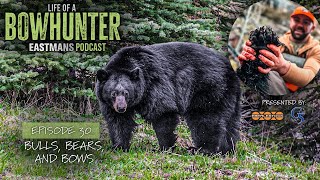
Bulls, Bears And Bows With Jaden Bales | Eastmans' Life of A Bowhunter Podcast #30