Successful Approach with Jaden Bales | Eastmans' Elevated Podcast #311

Episode-length interview (Eastman's Elevated #311) with Jaden Bales and host Brian Barney covering mule deer hunting experience, tactics, and hunter development. The conversation mixes personal hunt stories (Wyoming and Nevada landowner tag, family hunts), practical advice (glassing, when to move, spot-and-stalk vs bedding stocks, teamwork, fitness), tag/draw strategy, and Jaden's role with the Wyoming Wildlife Federation.
Chapters
To have passion in life is everything.
What's your Everest? How's it that 200 inch buck?
They just look so impressive when they're wide.
Especially running away.
Welcome to this week's episode of Eastman's Elevated.
It's like a think tank for outdoor activity.
Sounds exactly like my hunting. Just always thinking about it, always trying to evolve it and make it better. Here's your host, Brian Barney. Hey, what's going on, guys? Got a brand new Eastman's Elevated for you. So this week on the podcast, I have on Jaden Bales. So this is my first time connecting with Jaden, but definitely won't be my last. The guy's just an absolute wealth of knowledge and really articulates his thoughts well and a critical thinker. And so we get into it and, and we start talking mule deer. He's a muley fanatic, similar to me, and he actually runs the Muley Monday podcast on the rich outdoors on their Patreon every Monday. So he's had a bunch of these in depth conversations with a bunch of good muley hunters and then a bunch of personal experience too. He's, he's harvested a bunch of good bucks. And so we start talking about hunter development, we talk about critical thinking, we talk about experience levels and, and developing your hunting skill set, attitude, finding new locations. Like there's just a bunch of, bunch of gems in this podcast. I really enjoyed the conversation and this definitely won't be our last podcast together. We're gonna, we're gonna have them on as a regular. You know, at least check in with them every season just because it's such a good podcast. But I really enjoyed it. Really enjoyed getting to meet him and I'm sure you guys are gonna enjoy it too. Also, make sure to check out the Wyoming Wildlife Federation. So Jaden works for him. They're doing a ton of great work, work for Wyoming Wildlife. They've got a website there you can go check out, so make sure to go see that as well as that Muley Monday podcast as he runs a great show on there. Just want to thank my sponsor for today's show, Black Rifle Coffee Company. Black Rifle Coffee Company kept me alive during hunting season. I love caffeine and I love a cup of coffee in the mountains, especially when backpacking. It just makes me feel human. And their instant coffee is the best I've ever tried. A lot of times I'm packing a French press and real coffee into the mountains. But now with their instant, which is like a little package that you add into the coffee, it's just got great taste, flavor, good caffeine, doesn't bother my system. They've also got some tea bag coffee that you kind of dip in and out that's got coffee in it, which are just great instant coffees. Lightweight and don't take up any space in the pack. So those are great. As well as that. I just like their coffee for everyday use. So they've got a coffee subscription that I'm part of where they send me a new type of coffee every month. And every one they send me is so good. Just such good roasts in there that Evan Hafer, you can tell he's a coffee fanatic by these roasts and their. Their flavor profile. It's just amazing. And so you can get on and do the subscription program. If you search Black Rifle Coffee Company, put in the Eastman's landing page, and then if you put in the promo code, Brian will save you some money on that. Thanks to Black Rifle Coffee Company. And man, for me, make sure to check out everything we've got going on over there at Eastman's. Check out the tag hub, the Eastman's hunting journal. Eastman's Bow hunting journal. The promo code for that is elevated 321. And beyond the grids, we've got some new ones that are going to be released I'm super excited about. Check us out on the Outdoor Channel, and we sure appreciate the support with that. Headed off for a family vacation here next week, so I'm recording or getting this one all set to release to you guys early. So, yeah, gonna go enjoy some time with the family. It's. It's been a long season. It's finally come to a close. And family so deserving, so patient with me and so much support for everything I do and everywhere I go. So we're gonna go on a family trip. Super excited for it. So, yeah, we'll be leaving takeoff here Saturday. So just trying to get all my work done. And with that, just looking towards season, getting my running in shooting. This new Matthews bow is incredible. This V3X, I'm really liking it. It's a shorter axle to axle that I'm used to, but the thing just shoots such a forgiving setup. So super stoked with that thing. Been spending a bunch of time with it and yeah, putting in the work. Trying to get some tags lined up here and some adventures for next season and also looking at those big, epic adventures too where I travel, you know, whether it's out of country or out of the lower 48. But yeah, just trying to plan some awesome adventures. It's. It's a fun time of year. And have to live this, this bow hunting 365 lifestyle to be successful. It just takes constant effort and like, the time to improve your skills is right now, during the off season. Like, once it's hunting season, you don't become a better shot. You're not shooting enough, not spending enough time with the bow. You're just out spending all your effort into hunting and trying to harvest that target animal. But the time to improve the skill set is right now. So winner leagues planning on tags, researching units, physical fitness. Man, these mountains are brutal. So, like, the more I can prepare for them, the better. And I'm just, I'm just all in. I love the process of preparing for these hunts and getting ready for them. So that's where I'm at. Hopefully be getting some tags here in the near future and start laying out my season. But let's get into this podcast. It's a great one. So, Jaden Bales, I'm your host, Brian Barney Eastman delevated. Here we go. I'm live here this morning. I've got Jaden Bales on. So Jaden runs the Muley Monday podcast over at the Rich outdoors on the Patreon out there. Also works for the Wyoming Wildlife Federation, and just a Muley fanatic like, I am so great to have you on. Thanks, Jade.
Yeah, thanks, Brian. Man, I've been a longtime listener and I don't want to pump your tires too much, but a longtime disciple of how you hunt and, and kind of some of the tips and tactics that you talk about on here. So it's a real pleasure to get a chance to sit down and talk to you. I appreciate it, man.
Thanks so much. Yeah, what a nice compliment. It's, it's not that it's surprising, but it, like, it's always wild when you start meeting people that listen to the podcast and especially meeting people that, you know, are, you know, such good hunters or. I don't know why it surprises me, but it, but it always does. It's wild to run into people. Like, everybody gets to hear you out on the airwaves, and then every once in a while you get these people that come up and they, like, they, they get to know you personally from the podcast, you know, and so, but, but likewise, man. Man, I've seen your, your name around a bunch and then seen some of those animals that you've harvested and doing great work for that Wyoming Wildlife Federation. So, man, I Couldn't be happier to have you on. I'm glad we connected.
Yeah, me too. And you know, some of this comes from the conversations I've had with some of the other guys in the Eastman's office. You know, Scott Reeker is talking about another mule deer fanatic, but he swung by the office this year as his way on his way through town and him and I got to talking and yeah, no, you guys just run a great operation over there and I like all the stuff you guys are cranking out. It's fun to follow along and read the magazine and be part of that whole deal, man.
Super cool. Right on. So how'd your muley season go?
Oh, you know what, it was probably the best season yet. Actually not even probably it was the best season yet. I, you know, it was best season like one because of maybe some personal success, which was great, but gosh, I got to watch a bunch of other friends and family had get into some critters and I spent a week back in my home state of Oregon going grew up on the east side there with my, I spent a week with my brother and my dad on a rifle elk hunt. So like that was, you know, one of the highlights of the year was just spending a week with those guys in a wall tent and chasing elk and yeah, so it was, yeah, like I said, probably the best year yet. And I was lucky enough to take a buck right outside of the house. By that, I mean just, you know, in the local area. And then I had, I was really fortunate to go on this kind of high end hunt in at least a landowner tag in Nevada and made. Made a quick work of that tag and ended up with a nice buck down there. So, yeah, nothing to complain about. Man, I always hear a lot of people being like, you know, ain't as good as it once was or, you know, they always find. It's easy to find something negative to talk about referring to each, each hunting season, but gosh, I just feel like each one's better than the last.
Well, it's, it's all a matter of perspective too, you know, and it's, you know, when we get to spend time out like challenging ourselves chasing these mule deer and especially multiple hunts like that, like time is so valuable, you know, and so when you can get time away and go really enjoy ourselves in our passion, the thing we love, like it can't be a bad season no matter how it ends up, but sprinkle on a little success on that or seeing some good bucks and chasing some Good bucks and makes for the best season ever, you know, or best season yet, so, man, same here. Just a bunch of great adventures. Those muleys will just take you to the. To the coolest places, the most remote places, and rugged places, and it's just super cool. Is that. Is that one you harvested in Wyoming? Was that your B.O. buck that I saw?
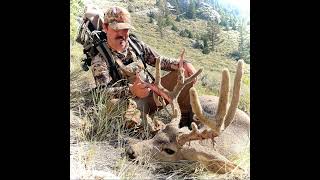
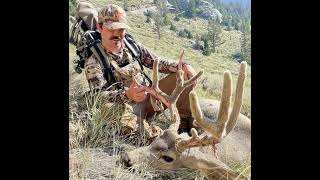
Yeah, yeah, that was. And, gosh, that was a great. That was a great hunt because I had two of my. Two My best buddies who I've been hunting with in Wyoming for a while. They were on that hunt. We were trying to get my friend Mason a deer. He stocked in that evening before. And then my buddy Hayden and I and Mason were up on this glass and knob, and we were just about to, like, call it quits that morning, and we're like, well, we'll look down this, like, in the shadows just a little further down the ridge. And sure enough, there's just a bachelor group, like eight bucks down there. We're like, oh, gosh. So Hayden and I both stocked in on some deer, and Hayden got in, and a buck stood up at 48 yards and just never stopped for him to get a shot as he was changing beds. And then, you know, as that happened, I sat on that. On that buck I ended up getting and sat on him for five hours. You know, patience kills the buck, right? And I just. Every inch of my being wanted to go climb on the rock that he was underneath and, like, try to shoot him in his bed, but I just baked in the sun there, and sure enough, he walks right out. And I muffed the first shot, but he stood there long enough for me to get another shot in, and that one hit pay dirt and tipped off. He tipped over and kicked himself off a cliff. And we had a long pack out. When you're there with buddies and in a place that's home, it made that one really, really special. And he's. He's a dandy buck. He wasn't full velvet when I shot him, and then when he landed in the juniper below, he wasn't in full velvet anymore.
Yeah, that's the way it can go, you know, especially on those steep side hills. It seems like that. That velvet's pretty sensitive to rolling down.
The hill, and rolling down the hill.
Is pretty common after shooting one of those things, but, man, congratulations.
Thank you. Yeah.
Just nothing better than sharing those hunts with, like, good buddies and family is there, like, and.
And you.
When you find good buddies to hunt with, they actually create more opportunities. And just the. Like, I'VE never laughed so hard in all my life. Like, the jokes are funnier. Like the. It's just really good times with buddies when you're in the mountains, isn't it?
Oh, absolutely. And I'm also, I'm also fortunate enough that my significant other hunts real hard. And you know, we spent a bunch of days just trying to connect on a deer during rifle season with her. And she's a, she's a die hard bow hunter as well. Her name is Jess Johnson, if anyone's seen her around on the Instagrams and stuff. But yeah, she, she's a die hard bow hunter. And you know, she hadn't shot a buck with her boat or with a rifle yet. So that was the goal this year. And by golly, it was so. It was so tough. It was just, you know, you'd see a buck, you'd try to move in and something would happen, you know, and it just happened over and over again. And eventually, you know, being a Wyoming resident, we were fortunate enough to, you know, hunt a couple different seasons and it took until Halloween to find one within range. And by gosh, it was really within range. It was. She, she made a great shot at 80 yards. She's just got more patience than anyone I've seen. And it just, it, you know, like, just from that hunt alone, you learned a lot. You know, I think we get really lazy when we go rifle hunting and we forget how as a bow hunter, you have to be so much more patient and calculated and take so many more precautions as you're moving in. And then she comes out there with a rifle and gets to 80 yards and is like, oh, that'll work. You know, it was so fun and like you said, it's just you learn so much when you're with other people and other good hunters and it's hard to find a bunch of folks, but when you do, you know, hold them close, folks that are good to hunt with and are fun and um, like you said, love to laugh and don't take themselves too seriously because gosh, that's also. There's so much of it is. I think that there's some folks out there that, that forget that hunting supposed to be fun when we're out there and, and gosh, that's just, that's always top of mind for me.
Yeah. Right. Uhm, good for you. Yeah. To have a spouse that hunts so hard. It is. It's like, you know, all of this is to further our hunting skill, you know, like always the goal is to kill A buck. But really, you have to be, like, a student of the game, you know, and you have to continue to learn and evolve. And, you know, like, it's. We're gonna fail. Like, it's a prerequisite, like whether we're gonna fail on a stock, fail on a shot, fail on a. On finding deer. Like, it's gonna happen over and over again. And, like, you have to get used to that and take it in stride. And not that I. That I don't ever get frustrated or anything, but, you know, you just, like, you mess up a stock and go, man, I. I should have waited and got the wind rider. I should have been more patient and great patience on your part, by the way. Like, five hours is so long to sit on a buck like you. You dang near lose your sanity sitting that long on a buck, waiting for him. And mine will start playing tricks on you if he moved. Or like you say, you know, your. Your mind was pulling at you to go try to shoot him over the rock. But that patience of just waiting and. And we can sit here and talk about five hours, but five hours is an eternity when you're not moving and you're knocked up and you're waiting for this opportunity, you know, and so, like, yeah, we just continue to learn. And being a student of the game is a huge part of that. And even you guys spotting that buck, like, one of the things I love about mule deer is, like, you have to be diligent behind your glass. Like, they, you know, sometimes they'll stand. Stand out, but. But not like a bleach blonde bull will. Like a. Like a mule deer with his gray coat on. He can just disappear. I mean, they can be in the wide open 200 yards below you, and you never see him, you know, and. And that goes for the bow seasons and for the rifle seasons. Like, you really gotta be diligent behind your glass. But yeah, it's continuing to learn, isn't it?
Oh, man, absolutely. And I think one of the things that gets to be fun, though, is, like, thinking about being diligent behind the glasses. Like, if you turn it into a game or turn it into, like, you know, I know that I can turn up a deer, and you start getting some confidence in your abilities, then it becomes, I think, more fun, and you start to set into the process and just be like, there's going to be a deer here. There's going to be a deer here. And it happened in my Wyoming hunt, where we eventually turned up bucks late in the morning and in Nevada, we did the same thing. It was like 20 degrees. Had just dumped a bunch of snow in the high country up there. And I was like, gosh, we have to see deer, we have to see deer. And just as we were like calling it quits at like 9:30 or something, we're gonna go check a new spot. Sure enough, the deer popped out all of a sudden and you're just like, oh, holy cow. They've been here the whole time. But we couldn't see them, you know, and we're sitting there really picking it apart with, with spot and scopes and, and looking under every tree we can find. And then all of a sudden they just, you know, holy cow. How'd I miss those the entire time? Yeah. No, it's fun. And once you make it into like, you know, settling into the process and knowing that it turns up, eventually it makes it way easier. You know. We did that and my brother, he and my dad and I had that hunt nor in Oregon this year. That was while it was Nelson, it was really glassing intensive. It was in November and it was like one of those things like just, you just settle in. Like don't, don't try to force anything by just stomping through every timber patch in the entire, in the entire country. But just trust your glass and use your eyes to walk. And in addition to covering ground on feet, you know, before you get there into that position, it's, it's a deadly combination. And gosh, I know guys like you just preach it, you know, cover those miles and then use your glass. And it's fun. It's fun when you start getting into the process for sure. And I think that's important.
Yeah, yeah, it's so important. Man, you spot on. Like confidence is king. Like to believe in your process and believe in your skills because it's, it's gonna get questioned along the hunt. And especially being a new hunter, it's so tough. Like there's so many gray areas. You're not sure if you should stalk that buck on his feet or you're not sure if you should stock him in his bed. You're not sure. You're not sure what an all in scenario looks like or what you're even looking for. And then you're just not what good muhly habitat looks like. And so you're just constantly in your head like second guessing, but you're right. As you start to get some experience under your belt, you start to realize what bucky country looks like. And in bucky country, it transposes to a multitude of habitats, all the way from sagebrush to the desert to the high country. Wherever it is, you start to get this feel for what bucky country looks like. And your instincts start to take over in your decision making. And just like you sitting behind your glass, it's amazing sometimes that you can sit on a vantage point and even be first light when there's the most movement. But those deer can also be bedded at first light. But just sitting on a, on a vantage point and just knowing like this is, this is bucky country, I need to sit here for a while. I've got a good vantage, like I need to really pick this apart. And then just like you, it's wild. You know, you'll glass it so hard for two hours and then all of a sudden just catch a buck, like slipping through the edge of the trees or slipping in a spot. And so, yeah, it's like a diligent behind the glass. But that also goes for like the decision of knowing when to move, you know, when to cover miles, when to keep going, you know, and, and so all that factors in and experience is the best teacher. But you know, like resources like you on Cody Riches, having all these in depth conversations with muley guys, you know, like me on Eastman's elevate, like putting out this good information that guys can listen to, it shortens the learning curve and gives them some expectations of what to look for. And then it's going out and like testing it in the field because experience is the best teacher, you know, but it is like, it's like this, this, this feeling or like it goes in, you know, you draw from, from your past experience and just feelings of a place. And, and for me, like, you know, if I'm not seeing deer, you know, and I'm sitting there for a long time, like there is a time that I need to move and go to a new basin and go cover. But, but that time can be different. Like sometimes if I see some small bucks, it's like, well, I better stick it out in these couple drainages until evening. And you know, maybe I missed a buck in here. You know, I can only see 60% or 50% of the country. I can't see the backside of the ridges. So I should probably sit it out for another vantage point, maybe even another morning. But if I sit there in a good spot and I've got a great vantage point and there should be deer movement, you know, all of a sudden if I sit there for an hour or whatever, the determined time Is that I'm gonna sit there and I don't see a deer. Well, then it's time to. To keep moving, because bucks like where bucks like. And they're not. They're not spread out throughout all the country. They have folds and basins that they prefer and that they like and that they hang out in. And so it is like just developing those instincts, isn't it? And experience is the best way to do that.
Oh, absolutely. And one of the things that you preach that I've tried to pick up on is and implement is just being super efficient. You know, when you're traveling from spot to spot, when you finally do decide to move, like, doing that efficiently and making tracks quickly so that, like, you can then get in, sit down, and get behind your glass again, I think is crucial because if you're going to go, you know, going to go do the next vantage point that's you got to lose 400 vertical feet and then climb another six, and then across that span is another mile and a half. Like, sometimes if it takes you all day to get there, you might be missing something, you know? And I love how you take your fitness so seriously. And I think it's like part of the entire thing is, like, making sure that you're prepared from all angles. Like, that it's the full package, right? Like, you can't just be a super athlete and never spend any time behind glass, but you can also, like, only glass and not be able to get to where the deer are. And there's just. It's so complex. And I think that's one of my favorite things about this whole process is, like, there's never something you can't be working on, and there's never something that you can't be learning or improving upon at any specific time. Doesn't matter if you've gotten one buck or you've gotten a lifetime of deer, you know, like, there's always something new and things are always changing. And, ah, gosh, it just makes it. At least so far. It makes it so it'd be. It's hard for me to find any way to get burnt out.
Dude, that's it. It's like the ultimate journey, isn't it? It's like, it's so multifaceted and just like you explained, like, it can't be all fitness or it can't be all shooting. It. Like, it takes all these pillars of skills that you have to develop to be, you know, the.
To. To.
To be a consistently successful hunter, you know, and so, like, you have to, you have to go deep down the rabbit hole at each one of these and, and, and you have to be smart at hunting. Like, you know, even if you're in good shape and the best shot in the world, if you can't find deer, it doesn't do you any good. And so you're absolutely right. It's so multifaceted and I think the, the quicker you can understand that and work in each one of those, you know, like, like the better hunter you're going to be and, and the quicker you're going to develop. And I love what you said like about covering country, like being able to get to that next spot like your man after my own heart. Like I, I love the COVID country. Once I decide to go, I'm going. And it can be a double edged sword. Like you can, you can spook a buck on the way that you couldn't glass up, that's in tough terrain, that's living on a ridgeline. So you definitely have to like try to keep your head on a swivel and try to look for those opportunities. But you also can't just still hunt through miles of country. It just doesn't work. You got to get to those vantage points and see them and, and still hunting isn't my game, you know, my game is spot and stock and that's where I do the best. So I, I try to get to that next spot, but also like, like trying to be low impact in country. Like a lot of that country that you're hunting in Wyoming and such, like if, if you're just walking ridge lines carelessly, like all of a sudden every deer in the country can see and you might blow that opportunity before you ever get a chance. And so like doing those little things as you're moving through country, like walking on the backsides of ridge lines, you know, not skylined and, and trying to like, even though I'm moving and I'm covering country and trying to get to that next vantage point, if I see a basin that opens up or a meadow that opens up, you know, I'm, I'm throwing my, my binos up. Like I have ocd. Like just trying to, just trying to catch one, you know, see it before they see me, you know, so it is, it's like there, there's so many things that come into play when you're in the high country and you're, you're so limited on time. Like we don't have weeks or months or years up there. And so, gosh, you really got to make good on the days that you do have, they're trying to locate, you know, good box.
Oh, absolutely. And I love what you're talking about. You know, hunting that Wyoming country where you're trying to cover, get across these big basins or whatever really quickly and move us, make it. Make a good stock on a deer. It. It always seems like they put themselves in a position where the best way to get there is the absolute hardest route to them. And, you know, you're crossing scree fields and you're running, like, these big boulder slopes, trying to stay out of, like, sight and. And stay out of the basin so that they don't see a comment or that other deer don't see a comment or elk or whatever the case is, right? And, gosh, it always feels like the heart. It's the hardest method, is always the easiest or the best guarantee to getting close. And, man, I think it's so important to, like you said, make that low impact and be prepared to push your body a little bit, to try to do everything by the book and do it right. Oh, man. Yeah. And that's like half. That's half the battle is knowing when you need to drop over that backside of the ridge, or if there's a. Or if there's a ridge in between you to, like the deer that's going to hide you or not. It's tough, man. And making those calls is something like you were talking about earlier. Like, it just comes with, I think, screwing it up a lot of times and realizing I couldn't get away with that one.
Yeah, that's totally it, man. You're right. Like, it is, like, learning from our mistakes, isn't it? And you screw up enough that you start to learn your lesson, you know, and you're right. There's just, like, no shortcuts. Like, it's always the most difficult way. And the minute you take a shortcut, it seems like you get caught.
The.
The moment you think, you know, I'm 500 yards below this buck, I'm just going to cross this meadow instead of losing a bunch of elevation and circling way around like, he won't see me down here. And all of a sudden, that buck's just keyed into you, and he's seen you from 500 yards crossing this open meadow down there. It's like the moment you take a shortcut, which, in human nature, we're looking for the easiest way. A lot of times, even guys like me and you that. That love to hunt mule deer, which is extremely difficult. Like, that easy way, it teases us, you know, it tempts us. You know, it's a temptress. Like, it, it's like, oh, you could just walk on this ridge and save a bunch of energy, or you could just cross this meadow, save a bunch of energy and save a bunch of time and get to this buck quicker. But it seems like always the, the hard way and the tough way is the better way, and you're. You're right. Like, when you talk about decisions you have to make. Like, you have to, you have to learn to be decisive. And, you know, I can be pretty easy going and go with the flow, but boy, in mule deer country, like, you have to make decisions and stick to it. And, you know, especially like you hunting with your buddies, where you're a team leader, you're making decisions for multiple guys. Or like, for me, if I've got a cameraman or if I'm hunting with a buddy, you know, I'm making decisions for multiple guys. But you have to be decisive, and then you have to live with your decisions. And you do make mistakes, you learn from them, but you just got to make a decision, believe in it, and go for it. The second guessing in the gray areas and the wishy washy. I could do this, but maybe not do this. You'll just talk yourself out of a lot of opportunities. Like, like, I'm a go for it guy. Like, if, Yep, sure, I want to be patient, have the wind right and catch the buck in the right spot. But I'm also like, you don't know what you got until you get in there. Like, I'm gonna try to. To play the conditions the best I can. But I'm also gonna try to give myself a chance. I'm not just gonna sit back and watch the buck of my dreams for five days and never make a play at them. Like, I'm gonna go shake it up and see if I can't kill that buck. So, like, and everybody has to build their own preferences for hunting too. Like, not everybody hunts as aggressive as I do. Like, you have to build your own preferences for what you're looking for. If you like to hunt deer on their feet or deer in their beds, I mean, both work. It's just like those deer in their beds. Like, you're able to really make these calculated stocks on them, and you're really able to take your time because you know that buck's not moving. And so you're. You're stalking to that spot to where you know when they're on their Feet. It's like stalking any deer in the open. They just catch movement so well. And. And I like hunting deer on their feet when they're focused on feeding and it offers a good shot. But it also can be tricky. So you got to kind of learn, like, what your personal preference is are for hunting them. And there's no one way to kill a buck. Like, creative thinking is rewarded in the mountains, man.
And I also think y', all, it's like, so spot dependent or situationally dependent too. It's like this, the canyon that I shot my bucket out of. It was a haul to get across that thing from where we spotted these deer. We were. You weren't gonna get over there in less than 45 minutes to an hour. So there's no way we were gonna stalk them on their feet. Right? Like, they could be bedded down, or they could totally be in a different little cut or under a different rock by the time you get there. So that, you know, is a difference. But then if you're in, like, some of that stuff in Montana, where, while it's steep, it may be a little bit closer together in places like, then maybe that is a better situation to stock them on their feet and. Or like during the rut. Yet, like you always talk about, it's like it's. It's a little harder to find them to sit down and not move for a while, man. And then the other thing about, you know, making hunting plans and hunting aggressively and knowing your preferences, it's like, I think the other thing, like when you're hunting with other people is you gotta figure out what their preferences are too. And I actually think there's some communication that needs to be done more often. And I've learned this the hard way, you know, especially, you know, you look at me hunting with my buddy Hayden, and he. He's a trail runner. He's an, like, you know, ex wrestler and likes to get after it, kind of like you and I do. And then, like, if you go. If I go with Jess, she's really methodical, and she make sure we don't walk past deer. And. And like, just understanding those two approaches and knowing that, like, you should be cognizant of what your other hunting partner wants to do is so crucial. And, you know, Cody Rich, he pointed this out to me a long time ago. He likes to. He likes to hunt elk solo, even though that it may be not as effective as hunting with another partner. But because he can be just so, you know, intuitive with his decisions, he can just Be like, yep, that's what I'm going to do. I don't have to think about how anybody else is like, approaching the situation. I don't have to think about whether they think this is a bad idea or, or whatever. Just get after it. And I like, you know, it's not always like, you're never going to be right 100% of the time, but like you said, like, sometimes you just got to send it, you know. And I think it's like that a lot. It seems like with bears too, when those bears come out 30 minutes before dark or an hour before dark in the spring, it's like, oh God, we got to go now. Because otherwise you're not going to get a shot. And the same situation might happen tomorrow. You might see them, but they come out and you have to sprint to get there. Like you said, being decisive like that is just crucial. Crucial. At least it seems like when you're really in these public land kind of highly pressured areas where things are maybe not as easy to predict day to day, what's happening and what kind of pressures come through and that kind of thing.
Yeah, you're spot on. I love that, like that saying, sometimes you got to send it. Like, that's just totally it. Like, I've got a couple of those sayings that, that, that resonate with me, you know, that I'll say, you know, and you got to give yourself a chance. But you also don't want to be reckless. You, you gotta like, learn to not be reckless and spook every deer on the mountain because that ruins your opportunities, you know. And so, like, learning that balance between aggressive and reckless is really tough. It's a, it's a thin line, you know, it's like, yeah, sometimes I'll send it and it's not the right opportunity and I blow that buck and he wasn't in the right spot and I pushed it anyways. And then you get over there and you're so committed because you've already hiked over there that it's like, well, I'm just gonna see if he's there even in a bad situation. And a real disciplined hunter learns how to back out or learns how to go back to the vantage point, try to relocate that buck, you know, or like sometimes you see a deer on his feet and you go to send it and like you were talking, you don't have enough time to get there, you know, and so by the time you get there, he's betted now you've lost where that deer went you would have been way better to sit on the vantage point and seen where he. Where he bedded or. Or even where he disappeared to so you have a better play for the afternoon, evening. So, yeah, man, it's a. It's a fine line, but you do have to be decisive. And I find with buddies, like, I love hunting with guys and especially good friends, you know, and. And being able to cover miles in the mountains. But the other, like, asset you have is, like, when you hunt with really good hunters is like, to be able to split up and go different directions and then meet up that night and share information. Like, you double your knowledge about a place, you know, and if your. Your buddy finds good bucks and he brings you in there and vice versa, you know, and so, like, being able to split up and cover multiple vantage points and hunt that way, but then still share the hunt together, it's a huge benefit in the mountains. And so, like, I. I run that program with a lot of buddies where we will just split up and I can even hunt three guys out of camp, and everybody's going to a different spot, a different direction. And, you know, maybe I don't see deer that morning, but they will, you know, and even if, you know, there isn't enough to bring me in there, they're hunting one buck at least. I know, you know, there's deer in the area. Gives me confidence to. To keep pushing and keep hunting. So I like running that program as well.
Oh, that's great, man. I haven't. I haven't spent a whole lot of time doing that. But do you at least, like, make. Make getting water and camp supplies a little easier, too? I mean, it would imagine, you know, especially in some of this Wyoming high country where there's just no water on top, that is half the battle is staying up there with camp supplies, you know, and I'm sure it's like that in places like Nevada and Utah and. And other, you know, high country kind of buck hunting. Do you think you get some benefit from having people in a camp like that, too, just from camp supplies, or do you guys run and operate kind of individually?
Yeah, yeah, absolutely. Yeah. Yeah. It's an asset to have a buddy, you know, in country. And we always carry those water bladders with us. And so if you're going down on a stalk and you cross a creek, like you're filling up water. And so, you know, a lot of times we're running down there together after a morning hunt, or we're running down there together to get water, but sometimes One guy gets freed up or, you know, while the other guy's making a hunt or doesn't come back where another guy gets it. So it definitely makes, like, camp living easier with two guys. And also, like, you know, with the. The cooking chores. And then when you got a good buddy that chips in, it's just like, everything's easier. Like, two hands or four hands, I guess, are better than one or better than two. Gush. Get me on my math problem this morning. But, yeah, totally. Like, yeah, when you get a good partner in camp, he's just willing to chip in all the time. So it just makes camp chores easier, living easier. And you're right. Like, so much of this high country mule deer hunting is being able to stay up on the ridge lines and live on the ridge lines and also safety in camp. You have to get down and you have water to worry about. And there's a bunch of concerns there. But, yeah, the biggest part of that high country mule deer hunting, just being able to live there above tree line to be able to get to those vantage points and create opportunities. So, yeah, definitely, having a couple guys is a huge asset. And also just, like. Just like the mental side of things to be able to share a hunt with a buddy, Whether you're splitting up or hunting together, like, you just keep got. You keep each other in a good mood. You're. You're. You're jovial about tough conditions, whether, you know, and sometimes you get trapped in the tent for days and storms roll in, and, you know, it's like. Like these hunts never go as planned, and they're always tougher than we think they're gonna be. And you run into all these challenges, you're just not sure what those challenges are gonna be. And like, to use that saying of the military, two is one and one is none. Like, to have two guys in there, it just seems like you can survive anything, and you can stay 10 days on a backcountry hunt. And, like, you just keep each other in a good mood, and you keep pushing. And it. It seems like when you do that and stay in country long enough, eventually an opportunity presents itself and somebody ends up arrowing a buck. And you. You also have to be in it for the team. You have to want your buddy's success as much as you want your own success. And your success will come. It'll get paid back twofold. But you can't get in this. This competition, or you can't get in this. You always want the stock. Like, you really have to be. If you want a good hunting partner, you have to be a good hunting partner. And so you got to really pull for your buddy's success and try to create him opportunities as well and find happiness in that. You know, I think that's a big part of it.
Oh, man, I learned a real valuable lesson about that last year. I was trying to get, you know, really, I was actually trying to get two nice bucks last year. You know, it was kind of like a goal I had set with the. That I talked about on our podcast and yada, yada, and I really was, you know, and I'm sure a lot of people who listen are like this, and you are, too, but when you set a goal, it's just like, I want to accomplish that thing, and this is the. Nothing is going to stand in the way. And last year, man, I ended up shooting a buck out from underneath Jess that was just in a perfect position, and he was a nice deer. And as you can imagine, if you shoot a buck out from underneath your significant other, you. It. It's not a pretty picture, but it was just. Just exactly. A great lesson to, you know, emphasize what you're talking about was like, man, I just felt like afterwards looking back, I was like, wow, that was super selfish. And. And I, you know, then a couple days later, we came upon an even nicer buck, and he was in a position that was really hard for maybe a new rifle hunter to get a shot off on. And it was in a position that I could have maybe gotten a shot. And, you know, it just is one of those things where, yeah, I think, you know, being selfless and helping other people really pays off. And, you know, in contrast to that, this year, I was like. We were talking about earlier on, like, I was really hoping to help get my buddy Mason a deer. And, you know, like I said, we helped. I helped Jess a little bit this year, and I helped another friend come out and go elk hunting, and we both had elk tags, but he was coming out from Oregon to hunt in Wyoming. And. And after helping all of those folks, it turned out my season was still the best that, you know, personally that I could have imagined. So I think it's totally just like that. When. When you hope that other people and help other people have success, then it doesn't detract from your own at all, man. And if anything, it just. It puts some great karma on your side. And I just. I think you're exactly right. When I went to Colorado last year in the late season, I met up with these two guys from Utah that I just met over the interwebs. And these two buddies were just exactly like what you had talked about. And so this was just a couple weeks after I had shot that buck from under Jess, and I went and hung out with these two guys in Utah, and they literally would see a deer and be like, nah, man, you take that deer. Nah, dude, you take that buck. And it was really cool to watch. I spent one morning, and there was a four point down there, and I was kind of hoping for a little bit bigger buck. And I was. I was okay with eating the tag if I didn't find, you know, really mature deer. And they're like, come on, guy. Like, go get that buck. You know, they just wanted to see everyone else in the group have success. And those are the kind of people you want to be around, man. And those are also, you know, after seeing that in place, that's the kind of person that I really hope to be in the mountains, is just, you know, hoping other folks have as much success or more than. Than what you do on a hunt is just so fun and. And you watching the someone's face. I. I took a couple videos of people walking up on their critters as they, you know, for the first time after they've killed something. And gosh, it's so fun to look back on those moments because, you know, they're just full of elation and, like, it's. It's the cumulation of a lot of hard work and preparation and, you know, like, watching somebody else go through that is so fun. It's so enjoyable. Yeah, I think you made some excellent points there. Like, being with people who are selfless and being selfless yourself is just crucial.
Yeah, man, that's so cool to like, to hang out with guys that are truly selfless. Like, that is amazing.
Yeah.
And I think it goes further than that, too. Like, not only on the hunt, but, you know, outside the hunt, like, setting your buddies up with good hunting spots. You know, it's like, I have this circle of friends, and we just don't keep secrets. We're. We're really upfront about information and where we're hunting and what we saw. And I'm able to gather so much more information. Especially I built these trust with these guys where I just know if they tell me something, you know, that it's. That it's true or, you know, I know, you know, that they're not trying to steer me away with false information from the real spot or, you know what I'm saying? Or the real buck. And yeah, and also it's like, it's like you just get to gather so much more information about an area when you're up front and honest. And so like, I've got a couple really good buddies that I hunt with this year and I've got some good late season spots. And so like those guys were headed down, I was already tagged out, I couldn't get away. And so like, I just draw those, I drew those guys a treasure map down there of 10 years of experience of hunting this place, you know, and like, able to help them out. And they had just like this dynamite hunt, calling me, giving me the report every day. And then they ended up arrowing two bucks. You know, they both killed a Bach, arrowed it like during general rifle season. They were just stoked with the experience, you know, and so like, you know, it, it was like amazing. And I also got information from that because I was getting the report day in, day out about all my spots down in that area and how they were producing in the bucks they were seeing. And, and once you know it, you know, it comes back twofold when then I go and share a hunt with these guys in another late season spot and we all go together. And this is one of those dream trips like what you're talking about. Wall tent, hanging out, cooking good food. We're truck camping. So no more granola, no, you know, no dehydrated meals. Like it's all, it's burgers and tacos and in a bunch of laughs. And it gets dark so early, so you're hanging out a bunch, you know, maybe a cold beverage here or there, but just an absolute riot with these guys. But wouldn't you know it, you know, I set those guys up with good spots and then, you know, we're hunting around there and you know, I'm hunting this good buck that we called coke can because he was so, so massive. And you know, those guys would send me into this money spot day in, day out to go hunt this buck and try to kill him and, you know, ended up killing a really good, heavy buck. It was actually a different buck in a different location. But the point is, is like these guys want to see my success as much as I want to see theirs. And so they're actually headed back to that late season spot. In fact, just had a buddy stop by the house on his way down and you know, and so like, with all my years of experience down there, like, I'm able to share some different spots to them to go check out, you know, check out this range or this access point or hey, I've chased deer in here, you know, and so they're able to further their knowledge in a place and hopefully they arrow a couple bucks, you know. But yeah, it's, it's like having these circle of friends that you can trust and share information is, is huge. You just, you gain so much more intel on areas, you know. So I really enjoy that and I enjoy keeping in touch with those guys too.
Oh, absolutely, man. And the unfortunate thing of all of this is that you can't really give out all of this information to everybody. You can't like help every soul with the same information. So like, you having that nice tight group of friends is crucial because like you're saying if you sent every Tom, Dick and Harry into the same buckhole that it wouldn't be a buckhole anymore, it would be full of people. So it's tough because you want to help everybody out, but it's so important. And that's where I think maybe finding people who love the process of learning is so crucial because otherwise it's that whole like teaching a person to fish versus giving them one for a day. Right? Like, as long as your friends and the people who you're working with or helping out are of the same mindset that they're constantly learning and constantly like trying to develop their skills and their information, that's. It's so important because otherwise I also don't think we're helping folks out if they're not of that mindset of like, you know, learning areas and learning how to be better at recognizing what good buck areas are and then trying to further that knowledge. Because otherwise, man, you're just kind of spinning in circles. And if you give people onyx pins, they just go to onyx pins and then they're like, ah, no deer there. You know, it's a totally, totally different experience. So yeah, no, I think that that really tight knit group of people is crucial and something that I always try to find, you know, I try to help folks out a lot, but I also really. And that's kind of what, you know, you do on this podcast. And like something that I'm really passionate about with the podcast with the rich outdoors, newly Monday is just teaching people how to, you know, take this little nugget of information and then extract like the how to out of it and then place it into wherever you're at. So like, maybe if you hear of this experience in Nevada, you can just grab that experience and then try to Transpose it into your hunt in Mexico or something to try to create your own experience, and then you can have your own buckhole that you can send your buddies to and talk about and learn. I think that whole process is so fun, and it's so important to be in love with the process, because otherwise, especially as much as things change and as much as tags are kind of limited or whether they're limited or the more people are applying, it doesn't really matter if it's getting harder to go to these places. You gotta. You gotta keep learning and keep developing new strategies to find these awesome experiences out west. You know, like, it's just. It feels like some of these things, like you said, the opportunities in your old honeyhole might be more limited today than they were yesterday, but, gosh, there's still other places to go check out, and there's a lot of honey holes left to find. So it's just so fun to be. To be involved in that process. And hopefully you've got, you know, which I'm sure you do with this group. You're talking about other guys who are. Who are really passionate about doing that process.
Oh, Jayden, you are so spot on, man. You have such good insight into the relationship and how it works. Yeah, you're exactly right. Like, I've. I've had buddies before that I've taken to spots, and then they just go to that spot. And it's not knowing a spot or knowing a drainage. I hunt. It's how I hunt it, how I move through it, the different vantage points. And so you show somebody that, but then he just hunts that area because it's really good, and he'll hunt it out. Or you take too many people there, and all of a sudden there's no bucks in there. It's not a buckhole. And so, like, I try really hard on this podcast to. To not have any secrets and share everything that helps make me successful. That is everything but the location I'm hunting. You know, like, those are. Yeah, those are private areas that, you know, that you have to work really hard to get. You spend so much time away from work, so much gas money, so much scouting, and so many places that don't pan out that, you know, when you find a good location, you know, it's special to you, you know, and so, like, you. You got to hold it close to your chest. But you're right in that when you find the right hunting partner, like, it's not knowing a good spot. Like, the key to killing good bucks is not Having this secret spot, it's having the skill set to be able to find these secret spots. So it's like not, you know, like when you hit, when you. Exactly what you said, like to teach a man to fish. Like you teach somebody how to be a good hunter, and all of a sudden, you know, they're, they're finding spots and same things like that group of friends that I'm talking about, you know, those guys are explorers, they're adventures. So, yeah, I made, you know, give them a good spot for this late season, but they'll return the favor. They'll be scouting other locations. They'll learn more about this area than I knew. They'll explore deeper and farther in different sections of it or whatever the case is. And so like they're, they're not afraid to go out and venture out and find a good new spot and they'll share that information with me. Again, no secrets. And so in, in turn, like with, you know, three good buddies, we end up learning three times as many good spots as we would, you know, then, then just me, like having this one good spot and sharing it. So you're right. It's not just having a good location or it's not just having an onyx pin that you go to. It's learning how to dissect country. It's learning how to find these, these good new spots, you know, and, and like you said, there is so many good spots out there. There's good bucks in, in every state, in nearly every unit out there. Like, you just got to be able to explore to find these buckholes and where these bucks prefer and hang out in a lot of these places. I find they're there for a reason. Nobody's found it before. Guys have found it and left it or things have changed. But I just find that there's an unlimited amount of good locations if you're just willing to put in the work. And to put in that work, you also have to strike out a bit. You know, like, I think, you know, I wanted to kill a high country buck in Montana, and Montana is not known for it. We have a couple ranges that have good high country mule deer, but real low populations, a lot more cover. Like, it's just tough. And man, I think I explored 10 different mountain ranges before I finally found a spot that there was enough bucks living in the high country that I could expect to kill one with my bow and arrow. And so, like it, you fail. Like you, you go to locations and don't find deer a lot. But eventually, if you keep putting in the work, and you keep believing, and that goes back again to having that confidence in your skills. Like, you just know you're gonna turn up some bucks eventually. You're gonna find one of those buckholes eventually. And one of the funnest things for me is exploring new areas. I just love going to new locations. And even if it's a unit I've hunted, like, I just love going. I love exploring and going somewhere new. And I'm sure, you know, I could probably have more success if I just went back to all the good spots I found over the years. But I can't help myself. I want to explore and see something different and find different bucks. I'm in love with the process of finding buckholes, you know, which I think is the key.
Yeah, I just think you're. You're just. Oh, I. I could totally echo what you're saying, because it's like, as soon as. Let's say you just, like, pick us, you know, throw a dart at the map, you. You've looked at your onyx, and, like, especially if it's a new unit, you know, it's someplace you have. Or if you have no, like, previous information about this area, you just, like, pick a spot on onyx. You show up there, you get on the glassing knob and that next. And as the sun rises, there's a deer there, there's a buck there, or a nice buck there, and it's just. Oh, man, it just feels like you struck gold. You know, when you just go to this new place and you've worked hard to get there, and. And. And you hit the. You hit the nail on the head when you're. When you find these new spots, it's just so. It's, like, so fun. It's so rewarding. But it wouldn't be as rewarding if you didn't end up striking out a lot of the time, you know, not every new little drainage is gonna have a. A big old mature buck that you want to chase. And that's, like, much of the fun. Right? And if. I always say, like, if you don't see something in a spot, you just know that you're checking that one off and you. You've, you know, actually learned something about it, too, and. And just enjoying moving through country and. And seeing those. Those places is. That's fun in and of itself, you know, like, if you took the hunting, this is kind of hippie dippy, but, like, if you took away the hunting, I'd still be out running around looking at stuff, you know, like, it's all just like that. That's part of it that's super fun to me is getting out and seeing all these. These. This new country. And like you said, it's like, always some sort of new exploration or adventure where we can go out to, you know, I had. Have no. I would have no reason to go to Nevada if it wasn't for mule deer, at least in the. In the middle of the summer, for sure. But, you know, that's when that season is in August. And like, I am hoping to get there here pretty soon because I want to go back and check out those bucks in the. In the velvet. And like I said, you know, I wouldn't want to go there and, you know, bake in the sun for anything else at this point.
Yeah, man, that's exactly right. Well, that's why you're a good mule deer hunter, is that, like, you. You've learned to enjoy the process, you know, like, you love the process and you enjoy your time in the mountains, because if you're only enjoying it when you're on a big deer, like, you're not gonna be very successful.
Like, you're not gonna have any fun, man.
No, you're not gonna have any fun, you know, and so that's exactly right. Like, you. You fall in love with the process and looking for them and finding new areas, and you have fun no matter how the hunt turns out. Like, there's a. There's a bunch of tags that I pay premium money for. And in today's day and age, like, you know, finding new areas, you have to take chances. Like, you know, like, I hunt a lot of 0 to 2 point units, 0 to 3 point units. And so, like, as we're coming into tag research season, like, you know, I'm looking at these different locations, and I'm trying to find the next hot spot. You know, I'm trying to find the next good spot for me or trying to find a good spot, Multiple good spots in every state that I can go back to, you know, and like, through that process, like through finding these, you have to take chances on units. And there's some times where I strike out where I, you know, just maybe the. The habitat looks perfect and. But the deer numbers aren't there or, you know, like, I remember I talked to lampers earlier in the season. I had hunted an elk unit that. That. That he drew a tag for this year. And so I was helping, you know, sharing some pins and sharing some information with him and where I'd seen bulls and kind of how I'd hunted or whatever, but he just got wrapped up. And he's a great mule deer hunt. He loves to mule deer hunt, and he's a killer with his rifle, with his bow. And he went to a unit that he killed a great big buck in three, four years ago, and he showed up in that unit. And you know, Ryan's one of those guys that's consistently successful, probably 80 to 100% of his hunts. You know, he just, he fills tags with good, mature bucks. And he got down and he said, brian, I hunted my ass off down there. He's like, I never. I think he saw like maybe two 4 point bucks. They were just. He said it was a win for him when he could find a two point or a three point. You know, he said, like, there was just no mature bucks. There was no age class there. And so, you know, whether they. They got killed off or, you know, who knows what the scenario is? But I know when I talked to Ryan that he covered every square inch of that unit and there was not a good mature buck to be had, or at least he didn't turn him up. But that guy hunts efficiently and effectively. And it just happens, like, you're gonna go to units, you're gonna strike out, you're gonna eat tags. And especially with a bow and arrow like bow hunting, success hovers, like in most of these units, like around, you know, 10 to 20%. It can even be lower than that in general season units, you know, and so, like, it's. It's tough to expect success every time. And, you know, I love to, I love to go down to a unit, figure it out, and arrow a good mature buck. Like, that's the absolute ultimate and the goal for me, but it's just not feasible. On every hunt, you're gonna have some that you strike out on, you know, and you, you have to take that in stride and embrace it and keep looking for that next new area. You know, you can't let it discourage you. Even though you paid a premium for that tag, you just can't look at it that way. It's. It is an experience and it's adventures and it's part of the process, part of the process of becoming a, you know, a good hunter. And so, man, I just think as we come into tag season and we start looking at these opportunities, you know, and sometimes you take a chance and it's a zero point unit and doesn't pan out, but sometimes it does and you turn up a good one. And then you find a spot that you can hunt year after year and continue to gain knowledge about it. So yeah, man, like I, I love the entire process, every bit of it, including right now like starting to look at these different states. And I know you wrote the Oregon misses for Eastman's about the Oregon draw system there. And so you hunting Nevada last year, like you're in the process of finding these areas and finding these states, you know, so you probably have it like a pretty solid application strategy you're using.
Oh man. And I sometimes when I'm talking to my hunting buddies, I don't like to, to say this, but I actually did pretty good in school. So these draw systems, I love nerding out on the spreadsheets and the kind of math that goes behind them. And I also love, this is something that people I don't think use enough is like the game and fish agencies and pretty much every western state that I've looked at put out some great information about buck to doe ratios and harvest numbers and population numbers and what, what is happening with populations. And so putting this whole picture together of draw odds with what's happening on the ground and how things are going year to year is so fun to me. And like you said, yeah, I wrote the Oregon mrs, you know, and that's been fun to dive into the entire state, like my home state where I grew up, because there's a lot of areas that, you know, I maybe haven't spent a ton of time in or have seen, but then was able to go like, put it, put some data to it and understand what it's like from a hunting perspective and go like, man, that's a great opportunity there. And like, man, I haven't heard anybody talk about that, you know, and like, it's so fun to go get those tags and then go ground truth it, you know. And I think part of it that maybe we got used to was, and this is me looking back on maybe some, some previous generations before me because I'm not too awful long into this, this game, but it seemed like back in the day that everyone was set dead set on getting like the best hunt. And like if you got the best hunt that took the most amount of points that you're guaranteed, you know, the critter of a lifetime. And gosh, it just seems like, you know, with as much demand for these hunts as there are, those things are hard to come by. Kind of like I mentioned, I. It's a long story, but I ended up with the landowner tag and a really Good unit in Nevada this year as part of a different project. I didn't, I didn't buy the tag or anything, but it was a really good unit. We went and I saw just as many, you know, nice bucks there as I did in, in my hometown, you know, where I could scout and stuff. And I just think that, you know, if you're looking for a critter of a lifetime, you should put it together. A lifetime of hunting so you can find it. Because otherwise if you're waiting for 20 years and you only get to go on, you know, these premium hunts a couple times, man, I don't know that a critter of a lifetime is guaranteed. And so yeah, I think that putting together a really good strategy, looking at all these different states and putting together a strategy that fits your style and your timelines is crucial. I live in Wyoming so I really have a ton of opportunities right here and I'm super fortunate in that. So I'm able to maybe look at one or maybe two hunts a year in other states and that allows me to put together, you know, a four or five state plan of like this is the rotation. So every four or five years I'm hoping to get into these, these states again at the maximum. Otherwise, you know, I'm trying to go there more often. And I think that that's something, you know, like that you seem to do a lot of is go back to these places or units or states that you can go frequently and that have great potential. But you know, there's not going to be a giant buck around every tree. But gosh, there could be one. Maybe not this year, but next year. And you know, I think you've proven over time that those units and guys like Brady Miller are also super big into this and Robbie Denning and all of the, the kind of big buck guys that I, I'm familiar with, they just go back to these like states and units that have great potential but don't take a ton of points to get. And I think that, you know, we, we kind of got wrapped up early on and trying to get the best tag instead of making the most out of each tag and enjoying these adventures. So yeah, I, it's just, it's so fun to, to be looking and planning and looking at multi year, you know, plans. Like I just was opening my spreadsheets for these upcoming years and I've got 23, 24 that I'm looking at now is like what my plans are and, and everything changes year to year, you know, more opportunities open up or opportunities are reduced in some places. And it's just, it's fun to be diving in and paying attention to it. And it's. I also think that if you're gonna hunt out west, you have to pay attention to it now because otherwise, you know, like we just were talking before the podcast about how you sat on the Idaho Game and Fishes website trying to get a tag of some sort over there. And you know, that's a whole new program that started in 2020 that people are now having to sit online and be number 10,486 or whatever, trying to get one of these over the counter tags where those opportunities just a couple of years ago where, you know, you could pick them up right before season or in season even in 2018, I went and hunted in Idaho with my dad, who was living there at the time, and I picked the tag up in August and then we went elk hunting in September and that unit is sold out now. So, man, it's just so important. And I think that like you said, you're a really good role model to follow in that it seems like you're hunting these, these low point units, these places you can go frequently. So you get a lifetime of hunting in, in order to get those, you know, critters of a lifetime instead of the other way around where you're just sitting on the sidelines and hoping that one day it happens.
That's exactly right, man. It's. Yeah, just like you stated, you know, to, to draw a really good tag, there's no guarantee for a good buck yet. It's not drawing a good tag. It's building the hunting skill set. It's a lifetime of work to build your hunting skill set, to be able to show up in these places and turn up good bucks. And even these, these sought after really good tags, man, they're tough. You get in there and there's not big bucks around every tree. You find out that it's hunting just like anywhere else. And sure it has great potential and maybe a few more numbers in other places, but if you haven't worked on your hunting skill set and this is the, the first time you've hunted mule deer in the last five years, I got news for you. Probably not going to tag a big buck. Like it's, it's really dedicating yourself to the craft and building the skill sets and then, you know, drawing these tags and turning up bucks and then when you do turn up a good tag, like there's, you know, we all have our, you know, our strategy for drawing tags. And there's some states where I hold out for better tags and you know, it's a long ways to travel and I've got other good places to hunt. So it's like, well, I'm just gonna bide my time in this state and build some points and draw a really good tag. And when I draw that really good tag, then I've got the hunting skill set to go in there and I know what the potential is and I know what a good buck looks like. And I, you know, I built all these skill sets to give myself a really good chance at killing, you know, one of these world class deer in there, you know, so, man, that's, that's totally it. It's such a, it is such a fun process. And I love also like how you mentioned being good at school, being good at the, the research element of it and, and good at breaking down the information. And just like you said, man, this is the information day and age. And guys talk about the heyday for mule deer in the 60s and 70s. Well, you know, I wasn't around in the 60s and 70s. I don't get to experience that I got right now. And I think right now is the good old days of mule deer hunting. Like there's just a lot of opportunity out there. It's the information day and age. And like you say, the state agencies, websites have so much information. You know, these programs like the, like the Mrs. Or like Eastman's Tag Hub, like I've used the Mrs. For years just to learn about these different states and rifle tags and what are good units and what are sought after and comparing that to the bow season. But, but you have to be like a student of the game, like constantly learning about these states and these units and having ideas and sometimes it just comes from, you know, conversations you have or like, like information about a state or about a unit can come from anywhere. You find it on the Internet, you can find it on forums, you can find it on Eastman's tag Hub. You find there's all these different resources and to try to use all those to find your next place to hunt that fits your style of hunting. Man, you're exactly right. It's like it's, it's such a fun process. And you know, right now I've got to get back to work. I've had a heck of a hunting season, but I'm diving into the research of where I'm gonna hunt next season. And just like you said, futures, we. Where am I gonna hunt the year after that. And it's fun to plan it out because there are so many great opportunities across the west if you just dive into it. And the common blue collar, working class guy can go on these amazing adventures and you can do these out of state mule deer hunts. Like, I do them for under a thousand dollars with all my gas, all my food, my tags, everything I need, you know, and I can, I can budget for that a year, you know, and I'm, I'm fortunate where I get to hunt multiple different states, but, you know, I think if I can do it, anybody can do it. And the opportunities out there, you just have to dive into the research and it is getting more popular, but that just means we have to be more creative with the, our process and finding these other areas because there's sleeper spots everywhere, man. I mean, there's, there's good mule deer in a lot of different places. So, man, it's, it's super fun. I know you enjoy it as much as I do. I just wanted to talk real quick about the work you're doing for the Wyoming Wildlife Federation. Man, you guys are doing some amazing work for, for all wildlife.
Well, thanks, man. Yeah, we have been the hunting voice here in Wyoming since 1937. And so we're the oldest sporting organization here. And it's really fun to be able to work in this stuff because, you know, like, we're obviously running around the west chasing these critters. And one of the things that you mentioned is, you know, everyone talks about the good old days of yesterday for whatever species or whatever type of hunting. And gosh, you know, like some of the things that I think we can do now is try to create more good old days. Gosh, there's never been a better time to hunt whitetails or elk out west for sure. You know, like, those populations are doing so well. And so like, the Federation does a good job of trying to advocate for, you know, more habitat and for things that we can do to kind of improve the hunting opportunities and hunting experiences in Wyoming. And yeah, like you said, it's really fun to be involved in this process. And on top of that, you know, as much as we were just talking about, everybody can go onto the Game and Fish's website and find this information. Everyone can go on the Game and Fish websites and be involved in the process of setting seasons and telling people that you want more late season tags or you want shorter seasons or whatever the case is that you want to advocate for. I think a lot of times we as hunters forget that we've got a voice in this thing because the way that our whole North American model of wildlife management works is these wildlife are managed for the people and largely for the people of states, but you have a voice, you know, in how that these things shake out. So, yeah, thanks for bringing that up. We are really excited about, like, this upcoming legislative session, trying to get. Trying to get some good bills passed so that we can have better habitat and knock down some of the invasive species like cheatgrass in the state and do work like that that ends up with more bucks on the mountain or more elk or more wild sheep, you know, whatever the case is. So, yeah, no, if anyone wants to check us out at Wyoming Wildlife Federation, I really appreciate it. We've got a lot of cool stuff going on over there.
Yeah, I definitely will. Yeah, man, and I just love to see Wyoming a little bit nicer to bow hunters and a little bit nicer to non residents. But that's my own personal wish list. But like you say we can. We can voice that. You know, it's like I'd love to have like a, you know, like a split bow season over there. You know, it's like, you know, I get it. These states, we also have to watch out for our residents. And living in these western states, you don't make as much money as some other states. And so, like, you're sacrificing to be there. And part of that sacrifice is, is that you get good outdoor opportunities. So I get it. Mon looks out for their residents as well. But, man, it just, it definitely tempts me with some of the units you guys get to hunt year in, year out that I have to wait five to seven years to hunt, you know, but that's my own personal wish list. But yeah, man, you guys are doing amazing work. And, and gosh, I. I really enjoyed talking to you, Jaden. Like, what a great conversation. Like, you just were cut from the same cloth or fell from the same tree. Like, just love mule deer in the country they live in. And so they. Wyoming Wildlife Federation couldn't have a better spokesperson and a better guy working for him. So thanks for everything you do for them. And Wyoming does have amazing wildlife management like you guys have. You guys have done it right for sure. And you're looking out for the better of the species, and I love to see that. And definitely one of the.
The.
The best western management practices out there as far as state. So thanks for everything you do, man, and thanks for jumping on the podcast. We got to do this again. Like, I find oh, yeah. You know, these guests that I really connect with, and it seems like we only scratched the surface on an hour plus long podcast, and I feel like that was the case today. I feel like we could do a whole day of podcasts.
Us. Oh, absolutely, man. Yeah, I'd love to chat with you. And every time I listen to your podcast, I get stoked. And so just sitting here talking with you, I'm even more pumped. It's, like, got me all fired up. I've got to go. I actually just was like, God, I wrote down the note. I got to pull up my hunting plans for next year so that I could go.
More from Jaden


Bulls, Bears And Bows With Jaden Bales | Eastmans' Life of A Bowhunter Podcast #30