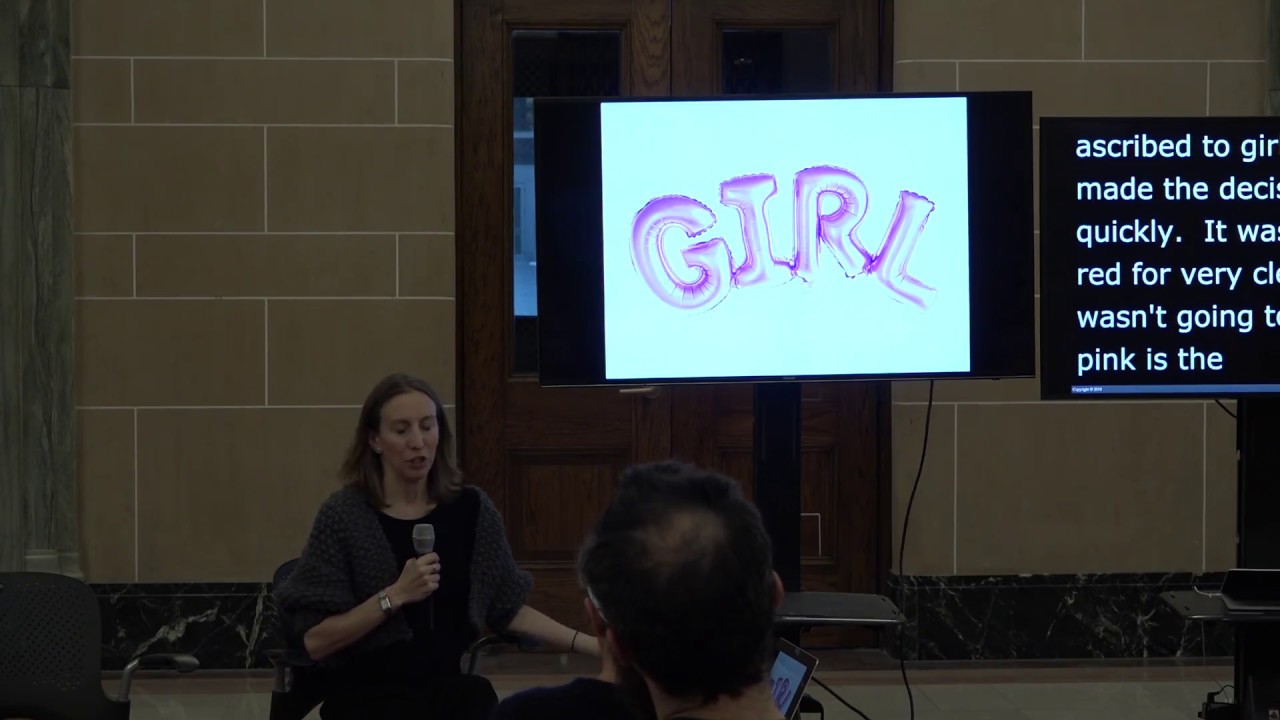
Community Voices: Sloane Davidson, CEO Hello Neighbor and Jayna Zweiman, Founder Welcome Blanket
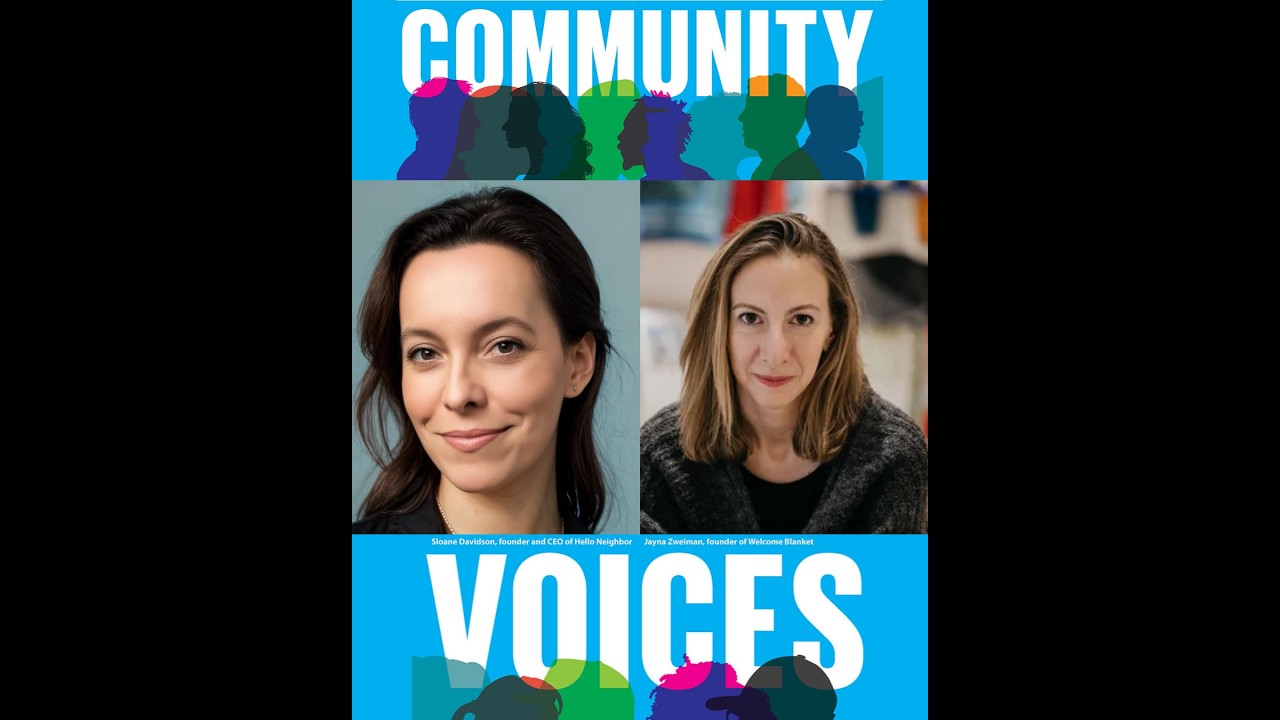
The International Sculpture Center’s virtual Community Voices program hosted a conversation between Jayna Zweiman, founder of the Welcome Blanket project, and Sloan Davidson, CEO of Hello Neighbor. The session began with Asa Sloss introducing the project’s impact in Pittsburgh: 75 blankets collected, a city‑wide exhibit, participation from schools, libraries, and community partners across 17 states. Jayna described the origins of Welcome Blanket—a 40" × 40" handcrafted textile that includes an immigrant’s story on a tag—its evolution from the Pussyhat Project, its national reach (over 8,000 blankets made, 30+ refugee partners), and its inclusive, participatory nature that invites makers of any skill level. Sloan outlined Hello Neighbor’s mission to empower refugees and immigrants through direct services (housing, employment, legal aid, health, education, community events) and its growth from a mentorship program in 2017 to a 50‑person organization serving 5,000 newcomers from 65 countries, offering services in 34 languages. The dialogue explored how the artistic practice of making and displaying blankets functions as a social sculpture that fosters storytelling, healing, and community building, complementing Hello Neighbor’s direct‑service work. Both speakers emphasized the transformative power of small, repeated acts—crafting, sharing food, and art—to break down barriers, create civic intimacy, and shift narratives around immigration. The session concluded with practical calls to action: how individuals can make or donate blankets, volunteer, give financially, spread the word, and partner with the project in other cities, as well as upcoming Hello Neighbor events (e.g., virtual upstander training).
Chapters
This is Asa Sloss. I'm the Program and Events Manager for the International Sculpture Center. Welcome to ISC's Community Voices. The program is a series of virtual community-focused events designed to inspire, inform, and foster dialogue with the contemporary sculpture community. Tonight's program, we complete our conversation on immigration and migration. In this series, we visited artists working in the Rio Grande Valley to dispel myths and reveal lived experiences of artists working at the borderlands. We hosted students from Tehran to Texas who discussed their sculptural practice as it relates to the important issue of today. Tonight, we're honored to host Sloan Davidson, CEO of Hello Neighbor, and Jayna Zweiman, founder of the Welcome Blanket, who will host a reflective conversation marking the culmination of the Welcome Blanket in Pittsburgh, Pennsylvania, USA. The project challenges people to knit or sew a 40-inch by 40-inch blanket, write their immigrant story on them, on a tag with tips on how to adapt to life in the United States. They will then be distributed by way of Hello Neighbor to our immigrant community as a sign of welcome. Their talk considers the project as both a social sculpture and a collaborative act of care, tracing how participatory making and textile and storytelling have fostered networks of belonging for our immigrant neighbors. Before we introduce Sloan and Jayna, I would like to share the impact of the Welcome Blanket Project in Pittsburgh. The project was especially meaningful because it was the first citywide initiative of its kind, but it helped us bridge the complexity of sculpture form to how material can be used and to the opportunities of what impact art and sculpture can do for the communities. So let me share our impact with you now. Welcome, Jayna and Sloane. This project, we received 75 blankets as of March 17th, and we're excited to share with you other ways that you can still contribute. Until March 31st. What's really so remarkable about the blankets are the images. These images are photographed by Randi Voss, who donated her time, who's a professional photographer. The details and the intricacies of these blankets are really so special as they come to the IAC Gallery. It's like a gift or a present each time we see them. Some people have just knitted just squares themselves. We had one particular contribution where we had 11 people knit or sew a blanket. We love the details of these, these, these particular blankets are pretty special. We also had a group from Arsenal Middle School visit on February 16th. 25 middle school students were immigrants themselves. We challenged them to actually create a blanket, but by way of improvisation, they decided to create little hearts. And they were so thrilled to be a part of the program. They found their own blanket, as you can see in the corner, and they put the little hearts on them of their favorite blankets. They also wrote their stories, which was really quite charming and so meaningful and moving to have students involved in this project. Amelia Matthews-Pett, who's part of the programming and events team, is with us tonight and helped produce this, this talk this evening, created this pretty remarkable map here. And what we decided to do was document all the different neighborhoods where all the different blankets were made. And it's— we say here a third of Pittsburgh neighborhoods are represented. We actually don't really know because some people just created small little squares. Maybe created 2 squares, but, and hosted events all over the city. But we try to document them in some particular way. Blankets came from all over Florida, Illinois, Michigan. About 17 project partners participated in this activity. We love the detail. Of these blankets. And when you open them up and see them live, the different fabrics that they decide to choose to use, or the different stitching, the ways they were stitched— some people actually stitched their own tags on them in terms of how to care for the blankets. And these are some of the immigrant stories that were found on here. And the words of welcome and advice about living in the United States came from all over. People are helpful here in Pittsburgh. All right, Miller, I think Norris submitted a couple blankets. They sit somewhat— they sit installed. We hung them all over the gallery, the ISE gallery, but some of them are just stacked. They're just beautiful, seeing all the different colors and different fabrics. Here's another one from an Irish-American community. 100,000 welcomes. A few blankets came with small yarn dolls they attached them. We love the creativity that people decided to reinvent or experiment with these particular blankets. And their own interpretation of what the doll meant. That will remind you that you will always be accepted. Some weren't 40 by 40 exactly. By scale, this is 40 by 40, Gina. I hope this meets the requirements, but The great reinvention of this idea was just really fun to see. Barb Grossman, our ISC gallery liaison, collected a lot of these throughout the city of Pittsburgh, and she drove all around and made some connections and collected these blankets. It's just a Really amazing connector for this project. It really took a team of, of all of us here, maybe 5 or 6 of us really, to collect these and document them. Claire Vogel, our intern from the University of Pittsburgh, did a lot of documentation in terms of this project. There's more time, more time to drop them off. The last day to visit the Welcome Blanket exhibit. Is in person is Saturday, March 28th. If you're shipping a blanket, must arrive by the 31st. And as I said in my introduction, that these blankets themselves will be given to Hello Neighbor to distribute to our immigrant and immigrant neighbors. Thank you to everybody involved. It was really a team effort. So So Jayna, we'll go ahead and, and go ahead and introduce you and the work. People are really excited to hear from you too, and how you created this project. So Jayna, I'll transition to you.
Okay, let me share.
Anybody that's watching this evening, if you want to put some questions in the chat as we move forward, After, Jayna Sloan will introduce herself and Hello Neighbor, and we'll take questions.
One second. Okay. All right. That is not what you're— do you see— do you see Statue of Liberty? We did this before. Came early. Hold on one second. And this should Okay, I think we're here. Thank you, Asa, so much for having me. Thank you to the International Sculpture Center. Thank you to everyone who's on this Zoom. It's really wonderful to be here, and it's so exciting to see what's been going on in Pittsburgh. And I love being able to see how many organizations are involved, that there are people of different ages involved. And I'm going to take a couple of minutes and give you a little bit of background on the larger project of Welcome Blanket. and kind of where I'm coming from, and also very open to questions at the end. So my background is that I trained as an architect, and in 2013, I had this life-altering head and neck injury. And the way that I came back was through a project called Pussyhat Project. I was the co-founder, and I was trying to figure out a way of creating architecture without brick and steel and glass, but how people can come together and build something together. And that happened between 2016 and 2017. And on the heels of that, I was thinking about, okay, we made this project, Pussyhat Project, specifically for the Women's March, and almost a million hats were made. And how incredibly generous is the craft community? And where can we go from here? How can we create a project that's about who we are as Americans that can be durational, not for just a moment, but like, how do we show how we belong to one another? I'm the grandchild of immigrants and refugees, and so much of my experience in the United States is really one of feeling like I'm part of the American dream. And in 2017, I saw people trying to come to the United States And I didn't think of them as an other. They looked like my grandparents to me. They might have come from a different country, but they reminded me of my story, of my ancestors. And so I was thinking about Welcome Blanket and how we have, you know, we have this idea of xenophobia that's rising, but also this idea that we're a country where we all come from somewhere else. So we started with this idea. Which is a blanket and a note. So the design guidelines are 40 inches by 40 inches, any medium, easy to care for, and it should be hard to give away. And we invite makers to include a story that's important to their families about immigration, migration, or relocation. And we have those matched together. And they're shown at places like the ISC. And where there's the possibility of related programming, and then they're gifted to new Americans through organizations like Hello Neighbor. So far we've had over 8,000 made and gifted. We've worked with over 30 refugee organizations. I'm gonna show you a lot of different images of different shows that we've had. And something that I love about it is that people ages 4 to 104 have been able to participate, and it's really an open framework to be able to bring together together community. So people can work on these in libraries. You can work on this on your own if you're someone who likes to work on your own. You can be a brand new crafter and be, you know, brave about taking on something new, or you might be a textile artist. And here's an example which I really love from a city close to yours, which I think really kind of sums up the general project from Valerie in Philly. She said, my ancestors came to these shores over 300 years ago. Many years from now, your descendants too will tell the story of how you arrived and how you thrived. May you be warmed in many welcoming circles in your new home. And I love this because it really takes the idea that no matter when we came here, whether it's our ancestors from thousands of years ago who crossed the Bering Straits or came just a couple of years ago, we have this sense of the past connecting to people coming now to craft a future together. So this was from our first show. It was the Smart Museum of Art at University of Chicago, and in the front are the books of notes. So people would sit down and just read note after note after note, and it grew to be this tapestry of immigration and migration stories. And we started with a totally empty gallery, and we ended up with over 3,000 blankets. This is from, I believe, from the opening, and people often come and find their own work, and it brought people from across the country to see their work. Volunteers are really important to this project. We were talking before about how this project is made up of people and people being neighborly and really pitching in. So people are cataloging the work. They're coming in over, you know, whether they were in class or they were just volunteers outside of the university. city setting. It was welcoming to everyone to come. And then this was a show we did after at Fuller Craft. This is at the Museum of Design Atlanta. This is part of a larger craftivism show the first time, and people also here came and brought their blankets and came to visit their blankets. This was the second show we did with them during the pandemic, which you could see from the street, so even when they were closed, you could see it. And this was in the town of Brookline, in the Makery. Brookline Welcome Blankets specifically has been working on this project pretty much since the inception. And so they do, they do a show about once a year. This is at a school. Second graders created self-portraits, and they put them together. And I think these are just so beautiful. You can see the personality, and they came with notes a little bit about their stories and where they came from. And I got to hang out with the 7th graders who also did it, and you could tell that some people learned their, their family story for the first time. It was an opportunity where they hadn't talked to their parents, you know, where their family had come from, and then other people were new to the United States. This is at Skirball Cultural Center. We always try to show as much of the work as possible. So with Skirball, we got so much work, we did rotations of blankets. So this is during a rotation. And then this is at SFO, the airport in San Francisco. This was a smaller show, but it was put together by the employees of San Francisco Airport. So I worked with them to sort of conceptualize the idea that they could have a show at the airport. And they worked with a museum there. And it was really fantastic to just walk through this long hallway and see welcome blanket after welcome blanket after welcome blanket. These are photographs. And I got to be part of their opening. And each person talked about their work and who was involved and where, you know, where they were when they made it. And it was really fantastic. And then this one is from a pop-up at Disney Concert Hall. At Helms Design Center, at the Heritage Winooski Mill Museum in Vermont, and then this is at LAX, the airport in Los Angeles, and we have 240 feet of space. These ones are photographs and the rest are actual blankets, and it's a really fantastic place of transition from one terminal to another, and that worked out really well. So they invited us back to do another space, which is in baggage claim, which is— it's actually really great to put something beautiful down in baggage claim. These are some of our refugee organization partners. You can see Hello Neighbor on there. And so one of the things that I really love about this is we get in touch with refugee partners to find out, you know, do you want blankets? Would you like 50 blankets? Would you like 100 blankets? Like, what can help you with what you're working on? So that they know what to expect and they can use it as part of their programming to help their communities. And they're gifted in different ways. And then this is a photo from Vermont from the Heritage Winooski Mill Museum. project, they partnered with, um, the Association of Africans Living in Vermont. And at first they're like, hey, would you like some blankets? And the program director there was like, yes, we'd love some blankets. And we'd also love to learn how to knit. So they created a knit night, which had fantastic food, and they met once a week. It was part of the women's cafe. And I have to say that sitting in a group of crafters is the same in whatever language you're in. Like, you know, when jokes are being said, you know what kind of gossip is gossip. It was really wonderful. And when I spoke to them about the project, something that they were really excited about was not only had they only been here for a couple years and they wanted to make something for someone who was new because they understood that transition and what that felt like, but they were so excited that there were people across the country with so many different stories who also wanted to welcome people. And they're still running a knit group. So it's been this long-term relationship. And this is someone who, also from Vermont, who chose her own blanket. So I think she'd been eyeing this one during the show, and it became hers. And something that, if you're inspired, this project happens because people are a part of it. And so if you want to help make this an American tradition, there are a couple of different ways that are super helpful. One is you can make a blanket. You can donate. We will always, always take donations. We're a 501 and very small and very scrappy. And then also spreading the word. So telling your local journalists, telling your friends, telling groups that you're a part of— that could be a craft group, or maybe it could be a book club, or something to do with school, or something to do with a sport, whatever that might be. Just let people know. And then connecting. So the way that we've ended up with different shows usually is because someone knows about Welcome Blanket and they're like, this is a project I care about. I'm part of this community, or I know this museum director, or I think it would be really great here. And that's how it grows and spreads. And so this is a project that is really about all of us and what kind of country we want to be a part of and whether we want to welcome people. I firmly believe yes. And so I— it's a really, it's a really great way. So in any way, in any kind of superpower you might have, you can be part of this project. You don't have to be a crafter. So thank you. I really appreciate your time, and I'm definitely open to questions, and I'm excited to hear from Sloan.
Thank you so much, Jayna. Sloane.
Right, the stressful part, the, the screen share. Give me a moment.
Feel free, everybody, to put some questions in the chat.
We're good. Amazing. Alright. So this is a photo fresh, fresh off the shelves from our closing party that we co-hosted last week. So this is just some of the Hello Neighbor team that was in attendance with Johanna, the executive director. They said you were there in spirit, but so many more of the International Sculpture Center people, as we proudly welcomed donors and friends of Hello Neighbor to the space to see the blankets, to experience it in person. A bit about Hello Neighbor, an organization I founded here in Pittsburgh in 2017. Our mission is to empower refugees and immigrants through community connections, ensuring their journey from arrival to belonging is guided by dignity, cultural sensitivity, and support. Our vision is envisioning a world where our newest neighbors are empowered to rebuild their lives and achieve their dreams. All of these photos that I'm sharing, by the way, are photos we've taken through the years at Hello Neighbor with permission from those that were photographed to share. And I could do like an entire 30 minutes, I feel like, on each photo because it sparks so many memories and stories for me of the people in them, but I won't do that. But I did wanna share that these are all photos of families that we've worked with over the years. Okay, so talking a little bit about our core values. Core values are really important to me as a leader my family, how I show up in my friends' circles and communities I'm a part of, and certainly at work at Hello Neighbor. And so we have sort of 5 core values, and the way that we talk about them is that it's really important if you do have core values to make them what we call dynamic and not static. Static being you put them on a piece of paper, they're in a drawer, you know that they're there somewhere, and you rifle them up and pick them, you know, pick them up once or twice a year. For us, our core values are in every PowerPoint presentation we do. They could show up in meetings, which core value does that reflect? Right when you walk in our space, we have them prominently on the wall in a permanent position, and we talk about them. For new staff that are coming on board, as reminders. Next month, we're doing Lunch with a Leader, where 4 of my senior leaders are taking groups of 8 off-site for Hello Neighbor-sponsored lunch at an immigrant-owned restaurant, and they chose one of the core values. So you can go have Indian food and discuss cultivating community, or you can go have Uzbek food and talk about a refugee-first mindset. So wanted to bring them forward and just talk about how important I think it is, not just in nonprofit work but really in the society that we're in today, to have values that anchor us and who we are and how we show up in the world. A little bit about Hello Neighbors history. So I founded the organization in 2017 based on a mentorship program where we directly match here in Pittsburgh, Pennsylvania caring neighbors with new neighbors to help guide and support them in their new lives. It was a big success. It really sparked something special here locally, even nationally, because a lot of people started reaching out and saying this is such an interesting idea, how can I bring that where I am? We were really focused at the time on how to make an impact, you know, in our region, how to create a more welcoming and inclusive communities that we're a part of. 2 years later, we launched a perinatal and pregnant mom program called Smart Start. A lot of women who are coming to this country might have had children in their own country, but it's their first time navigating the healthcare system here, which is incredibly hard. I know I can't See you all, and some of you also might be international. Here in the US, healthcare is very, very, very hard to navigate, and it's even more complicated when you layer on cultural barriers or language access. In particular, there are a lot of women of color that have disparities in childbirth, and so we really look to tackle that through walking side by side with them throughout that process, making sure they make the appointments. They get to the appointments. In a lot of countries that our refugee women come from, you might have one prenatal appointment. In the US, we require usually a minimum of 14. So that's a lot to sort of help them see and navigate and participate in that system here all the way through baby being born. That's also the start of our national program, the Hello Neighbor Network. Hello Neighbor Network. Where we work with other grassroots and community-based organizations from all around the country as they are looking to lift up refugee and immigrant communities they serve. In COVID, we started a virtual learning called Study Buddy, and that's working with English language learners in middle school and high school in a virtual capacity. It still continues to this day. We work with about 40 students a semester twice a week, so it's about 80 hours a week of instruction across 24 different schools. School buildings, 8 different districts right here in our county. So a lot of impact in the local schools. We also do a lot with back-to-school parent nights, why is this important to go, a lot with school communications and talking to them about the importance of translating core documents or making sure that messages are getting to the parents in the way that they should be spoken to. And so a lot there in education. In 2021, we took a big leap forward to get our first federal contract to do direct resettlement. A lot of people said like, I thought that's what you always doing. But we were actually working with people up until that time who were already living here in Pittsburgh. We didn't really have anything to do with picking people up from the airport or getting them settled here in what in the US we call the first 90-day period. That's how long in the United States refugees typically are supported. We sort of called ourselves the 91st Day Expert and Beyond. And we were tasked to take on a federal contract to do director settlement. So starting in January '22, we welcomed our first arrivals. We grew a lot with our staff that included housing and employment, intensive case management, immigration legal services, and so much more. To kind of show you where we are today, so this is the Hello Neighbor of today. We have welcoming, which is our arrival, transportation, housing, cultural orientation. Even though refugee resettlement in the US is not present in the way that it can or should or we'd like it to be and how it's been present the last 45 years, We do still do a lot in welcoming and in helping people feel from the beginning that they can be supported. We have employment, which includes wraparound case management, but we're helping our newest neighbors do resumes, do job workshops, apply for jobs, go with them for interviews all the way until they're hired and first day. And we provide interpretation all the way up to day one. So if there's any important information, labor laws, things like that that need to be shared, and then we work really closely with employers again for what type of interpretation they should be providing or they need to build. Those of you that maybe live in cities bigger than Pittsburgh or in coastal cities in the US or in other countries, you know, it might be a little different. I used to live in Southern California and they had everything translated to 20 languages 20 years ago, but they haven't done that here in Pittsburgh even though there's federal legislation, state legislation, and so oftentimes We really have to talk to people about what it's like to build a line item in a budget for interpretation and translation. It's not necessarily that all of those employers are xenophobic or don't want to do it. They maybe have never thought about it before. It might, you know, if it's a mom-and-pop, third generation, they're struggling to find employees to fill jobs and they want to hire refugees or immigrants with limited English, we might talk to them about what kind of money they would want to put in a budget, how they want to think about talking to people in different languages. There's a few really interesting examples I like to give from the 1890s and some of the big pushes in American immigration and how companies at that time really worked with new arrivals coming in. So a lot there in employment. Our Family Health Services, which I spoke a little bit about, pregnancy and postpartum case management, especially for vulnerable clients. Our Education Community Empowerment Department, which is tutoring. We also have English as a New Language. That's our preferred way of talking about it since for a lot of people it's not a second language, English as a second language, could be their third, their fourth, their fifth, and we don't have to center English as the center of the universe, it's just another tool that they're learning and using to navigate. We have a lot of community events, increasingly rapid response and how communities would deal with ICE coming into their homes, to their workplaces, to their schools. Upstander trainings, know your rights trainings, security trainings, de-escalation trainings. Community events also can include iftars happening now during Ramadan, or a Mother's Day tea, which I'll talk about in just a moment, or annual potlucks. Our mentorship program is still going strong. Legal services, wellness programming, mental and behavioral health, and interpretation. and then our national program, which I mentioned as well. Why resettlement support matters. So not knowing all of your backgrounds and how much you know about refugees, just one slide to really talk about why resettlement support matters to hopefully help ground you a little bit in the breadth and depth of the work that we do. So first, safety and stability provides families fleeing conflict, war, violence, persecution, a secure, and hopefully permanent place to rebuild their lives. Dignity and belonging, supporting newcomers, newcomers in finding community, confidence, and a sense of home. Stronger communities, diversifying neighborhoods, enriching local culture, and strengthening social connections. Economic contribution, newcomers fill essential workforce gaps, start businesses, contribute to the local economy. Humanitarian leadership demonstrates our shared values of compassion, moral imperative, responsibility, global solidarity, and long-term integration, ensuring families have access to affordable housing, quality education, livable wage employment, and pathways to thrive. Since 2017, a little bit about our impact, we've supported over 5,000 new neighbors from over 65 countries of origin right here In Pittsburgh, Pennsylvania. In 2025 alone, we served over 1,500 neighbors across 54 zip codes in the Pittsburgh area. Asa showed that great map of Pittsburgh. It's an interesting city if you haven't been, separated by 3 rivers, by mountains on each side, neighborhoods that are very connected to each other. And we actually have over, I think it's 92 zip codes. Across the city of Pittsburgh alone, and so we were across 54 of those. While working with over 65 countries of origin, we do sort of have density, I would say, in 3: Syria, Afghanistan, Democratic Republic of the Congo. That being said, we've worked with people from Eritrea, Sudan, South Sudan, Myanmar, ethnically Nepali, Venezuela, Nicaragua, Cuba, Haiti, Colombia, Rwanda, all across the world really. So those are, those are the main, and we provide language support right now in over 34 languages. Over half of our 50-person staff, so we've grown from just me to a full-time staff of about 50, over half have lived migration experience themselves. That includes hiring of some of our previous clients, and together we speak over 31 different languages. A bit about our national work. We work with over 60 organizations across 26 states. We do that through a fellowship program, through peer-to-peer mentorship. In 2025, 100% of our fellows had lived migration experience. We provide resilience grants provided to those grassroots organizations through some of our funding partners. And our current focus in the network is deepening community connections through helping to fund volunteer coordinators. A bit about our partnership with Welcome Blanket. So it's been 4 years of partnership. We first received blankets in the mail from Welcome Blanket in 2022, and there's a picture there that we have from some of them that came in that were packaged so beautifully. So I would say when I saw them at International Sculpture Center, I was— I had already been moved in my life with the notes that were there. So I was like, I knew what I was walking into when I saw them. But still, it's so powerful to see those notes that come through and how people articulate making of the blanket and why it's important. So I would say I'll never, I'll never get old of reading them. It's really so touching. And a little bit about this exact, exact event that we had. So we've been promoting Welcome Blanket in Pittsburgh since it's been here at ISC, but then we partnered with them specifically to host what we call the closing party, even though the closing date then got pushed back. So if you're in Pittsburgh, you can still go down to the space in Lawrenceville through 3/28 or drop off your blankets by March 31st. But we did host the closing party, which was so fantastic, and it was a chance to have friends of Hello Neighbor come see the space Get to see the exhibit, read a lot of the cards, hear a little bit from me and from Johanna as well. And then, as we mentioned, after the exhibit closes, blankets will be given to our families. I wanted to share specifically with you because a question has come up, well, if you don't have new arrivals, you know, who are the blankets going to go to? And what we've sort of said is, well, we've welcomed over 875 people in the last few years. We did not receive 875 blankets. from Welcome Blanket. And so we have some really fantastic families that we've identified for these. And in particular, our dream is that we have a Mother's Day tea where we're welcoming refugee moms and their daughters, and maybe some of the sons, to come and, and really just be pampered and be treated well and have a day to feel special and feel honored. And everyone who's there that day will receive one of these blankets. That's so beautiful. A few ways of how to get involved. So from anywhere in the globe, wherever you are, you can make a monetary donation, which of course we deeply appreciate, a one-time or recurring. Our monthly donor network is called the New Neighbor Collective. You can connect to stay connected, attend virtual events that we have. From local, volunteer, attend an info session to learn about volunteering, mentor and tutor opportunities. And we also have an always and never list. Oh, that's great. that we accept for in-kind donations, and there's 2 QR codes there on the side. You can also visit our website at helloneighbor.io. And a little bit on how to stay connected— again, a QR code if you'd like to subscribe for our newsletter that shares updates, event announcements, and more. And across social media, you can find us at Hello Neighbor HQ. Real quick, our final slide is speaking of virtual. We do have a virtual upstander training. This is our next virtual event. It's happening on Sunday, April 19th from 6 to 7 PM. It's a know your rights overview and practical guidance on responsibly supporting your immigrant and refugee neighbors. You can register there. We can always share that information after. It can be found both in our Facebook events and also in the Thank you very much.
Thank you so much, Sloan and Jayna. This was, this was great. And it's, it's great that we're amplifying this long-term relationship that you've already established here citywide. It just reminds me of that Howard Zinn quote. What is it? Small acts, when multiplied by millions of people, can transform the world, like creating a small blanket, 40 by 40. Seems like a simple act. It is a true definition of transformation. So thank you. And I'll start off with a question to both. Sloan, maybe you can begin. You can try answering this question. I'm wondering, how does art, you know, the Welcome Blanket itself as a practice of art and direct service that you provide through Hello Neighbor complement each other when creating a welcoming community?
Yeah. So I've said since the, the very first event that Hello Neighbor hosted ever, when I barely had the name and I think I had registered the domain like the night before, like I'd been promoting the event but I didn't have a website yet. If anyone on here has ever founded anything, you would call that the days you sent things from your personal Gmail, you know. And the very first event we had was a crafting event. It was a Valentine's Day make your own Valentine's event. Oh, that's so cute. The weekend before Valentine's Day in 2017, because I really felt then, and I feel now, that it's important to share spaces together. And when you share a space, you don't have to speak the same language, you don't have to have the same culture to have a shared experience together. And 2 of the best ways to do that are through crafting and through food. And so frequently I say with our new neighbors, you know, it's not going to be You sit directly across from someone at a coffee and you dive into like your deepest traumas and like all the things that have happened in your life. And also, wouldn't that be weird if you met someone for the first time and you were like, what's the worst thing that's ever happened to you? Right. And so I think it's really important as we've talked to our current neighbors and introduced them to new neighbors, we say it's okay just to share a space with someone, you know, to be across from a crafting table and smile. Right. And nod and sort of point and make your way through. Relationships are built over time through quality time and quantity of time, right? And so I think one of the best ways we've always said to do that is through crafting, through games, through food. So frequently when anyone from Hello Neighbor, be it myself, our team, our mentors, our volunteers, one of the first things we say for your first interactions with a refugee family is take a coloring book and some markers. Take Jenga, take a bingo, you know, take a food dish to share. Those are the kinds of things that help build a relationship.
Jayna, how would you answer that question?
So the question is, how does art— what is the— How
does art and direct service complement each other in creating a welcoming community?
Well, I think with Welcome Blanket, it goes kind of across— if you follow the blanket, it goes from like makers to exhibition to someone's final home, you know, through a process like a Mother's Day tea, which sounds amazing. I think with makers, and a lot of times it's a really great opportunity to find common ground in a different kind of civic intimacy. So in a library with your neighbors, you might get to know them in a different way. You might share a story you wouldn't share in a different context. And in a similar way, and that Sloan was talking about, is you can be part of it without saying a word. So it's a way of being able to listen and respond without having like a straight debate about something. With Welcome Blankets specifically, I think it's really important to have the opportunity of a craft circle as a gathering space so you can talk about the difficult issues around immigration. So even the, you know, the people who are here whose names I see amongst us, we probably do have different feelings about specific things. I think we're all here as welcomers. I think that's what brings us together in this call. But we might— there might be things where we have You know, perhaps strong disagreements, but within the context of making and a craft circle, it's rooted in humanity and it's rooted in these stories. And you can use your hands and think in this kind of more creative, thoughtful way. Something that I really love about this project too, and the idea of rooting in humanity, is everyone's invited to share a story. So even someone who doesn't know their family history still is part of the conversation. So it widens the tent to be able to talk about what it might mean to be new here. So I think art is really important for the discussion, making it, seeing it, touching it. I think people react— when people see art, whether it's Welcome Blanket, whether they're at a museum, they see public art, It's a different way to interact with the world, and that opens us up to be able to think with more curiosity, to be challenged, and to be stronger in how we feel, but also more open to what other possibilities there might be.
I'm curious about this idea of storytelling, the importance of storytelling, how it shifts perspectives on immigration. Sculpture tells stories through form and prose, how a sculpture is standing, how it moves, how it gestures, the material choice, thinking about texture and surface. Just thinking about this idea of storytelling, what role do personal storytelling play? How does it shift that perspective on immigration, Sloan?
One thing I want to say before talking about shifting the story is something else that I think is really important in direct services with Art, which is the healing nature that it can provide for any of us, right? So for those making the art, for those receiving the art, for those experiencing the art, like, I think that's the power of Welcome Blanket. There's like more than 3 audiences, but if you think about it, there's the person making it and what that feels like to them, and that's one very valid and true experience. There's people who get to read those cards, you know, like, get to experience that beautiful story of what someone's sharing and that gift of their craft that they're giving and the person receiving it. And I think that art as activism is so special because, yes, of course, art that we view where, you know, it is great. The Carnegie Museum of Art hosts the International every few years and it's coming here and we've been talking a lot about what it means with the museum, how to provide interpretation and culturally sensitive tours to our clients or to others in the Pittsburgh region so that the Carnegie International isn't just internationally artists that it brings in, but also in the audience that it brings through that space, which might traditionally not represent as many people of color or those that are new to this country. But so I think it's art as its representation is certainly important, but I think that art as activism is a whole other like beautiful layer because it does have this healing effect effect from trauma that people have experienced. And that's, that's one of the things I've always loved about Jayna's art projects and sort of how they feel. Um, you know, after the 2016 election, I would so proudly wear my pink pussy hat around the neighborhood and just sort of like cry. But like, I'd feel so protected in this hat. Like, I'd wear it and I feel so much stronger. And so I think that there's something to that with the blankets and how when you create art or you're part of the art creation, like how Makes you feel. And I forgot your question.
No, that— thank you. Thank you for making that connection. I'm just talking about what role do personal stories and making play in shifting the perspectives on immigration?
I mean, I think anything that moves the needle we need right now, literally. Venezuela winning the World Baseball Classic last night made me so happy. This might not be a sports crowd. It might be. I don't want to make any, make any big judgments. But in sports, Venezuela beat the United States in the World Baseball Classic last night, and I was cheering on Venezuela. So just to give you a sense of where my head's at. But I mean, I think anything that we can do to crack the armor of how people are feeling is incredibly important. So, you know, when you talk about change in a landscape, change management in an organization, change within a community, community, you sort of have like 3 groups. You have people who are really, you know, who want to change. They're progressive in their ideals. It doesn't have to be politics, but just open, right? You have people in the middle, sort of like a heat map, and they're able to go either way. You have people on the other side who are ardent, who are like dyed in the wool for whatever they believe in. Those are their beliefs. You're not going to change them no matter what, right? And I think that like art, food, sport activities, Breaking social isolation, doing something is the way that we crack that armor and the way that we can create change in communities. And so I think that art is an incredibly important part of that discussion, the making of it, the viewing of it, the distribution of it, the conversation of it.
Jayna, how would you react to that question about personal storytelling as it relates to this project and shifting perspectives on immigration?
I think we're human beings and we love stories. We love to connect. I mean, this is why novels exist, right? To enter into the minds of other people. And I think people like to share pieces of themselves. And I think I have not had the experience of receiving a welcome blanket because of what, you know, what part of the story I'm in. But I do know that sharing, reading through the stories and recognizing all these different strands of why we're here, it's this like tapestry of migration. And so, you know, there are people who are involved who came from the DCR who want, you know, want to welcome the newest people into their communities, to people who came, who've descended from, people who came on the Mayflower and how these Mayflower descendants, you know, talk about how they were political and religious refugees and sort of creating that connection with people coming now to, you know, people whose ancestors were part of the Trail of Tears and recognizing that within our American history, we have so many different kinds of stories that we don't have to shy away from them. We should be looking at them and honoring them. And this is a way of each person telling their story, being able to honor their history, whatever that history might be. And then the people, the audience that reads those stories, kind of honoring the whole collective of that. And I think there's something really special to receive something from someone you've never met. Like, I think there's something really cool. And Um, you know, I, I live a little bit in the knit world and I, I, uh, I gave birth to my son in 2018. So I, I knew a lot of knitters and there are a lot of really beautiful, wonderful presents that, um, he received and I received. But the one that made me just bawl was that I received these little booties and a hat at the hospital from someone I had never met. And they were, They were so special because I felt like, you know, these people who didn't know me wanted to welcome my child to the world. And I think that there's something very powerful if they had included their story that, you know, it's a little of a side, side note because they didn't include a story, but it's that thought and care. And when you know a little bit more about the maker, You know, kind of like if you go to a— if you see those old postcards that are like, hi Miles, having a great time on Venice Beach, 1932, like you understand it in a different way than just the postcard in front. And when people share their immigration stories, you can create those connections and you can think, you know, someone who's new has a connection to someone who has a different story. And yet we're all neighbors, like we're all on this equal footing. Yeah. I think something that is really important to Welcome Blanket is that, yes, we're a 501. Yes, these are given, but these aren't donations. Like, you know, you go to IKEA, you buy 100 blankets because people are cold. These are handcrafted neighborly gifts that you would be— they should hurt a little to give away. And I think that that's an important part of this kind of gift. Um, I think I saw a question in the comments of whether they're used or they're art objects. They're given so people can use them however they want. They can use them as a lap blanket. I've seen them over a table. I've seen them on a wall. It's, it's, they're gifts freely given and stories freely given to create connection.
Yeah, thank you for addressing that important question. Sloan, maybe you can talk a little bit about that transition and the, and the the giving of that relationship and how the emotion and that relationship, how that transfer happens.
Yeah, there's an Arabic phrase and I'm blanking on it. I was about to try and look it up on the side. I can't think of the Arabic, so pardon me. But it translates to like, I hope you wear it to death, or like, I hope you wear it to the ground. And so like, if you give somebody a present, it's something that you would say, and it's like saying, I hope you wear it in good health, but it's not that. It's like, I hope you wear it to the ground, right? And so like, that's a phrase that I think of when I think of the welcome blankets. Like, they're, they're beautiful, right? But they're— they can be used every day, and they can be like worn to the ground. And I've been thinking about that even With my grandmother's china that, you know, I inherited. We started using it as everyday, and some of it's faded, but I'm not only going to pull it out once a year for Thanksgiving. Like, I want to live with it. And if it doesn't make it through my lifetime, I think that's okay. So I've been thinking a lot about how we use the things that we cherish because of how they make us feel versus keeping it on a shelf and, and not living through it.
And that's the same reaction as— that's the same reaction from our immigrant neighbors that you give to, correct? They genuinely cherish them.
Absolutely, yeah. And they don't have a lot, and I don't mean that in a white savior sort of American lens way. Like, truly, they come with what they can carry. We've done hundreds of airport pickups. I've been to hundreds of homes across many different countries of origin. They are starting over with modest means. That's the reality of starting over in a new country and living on or below the poverty line. So they have what they have and they cherish what they have and they treat it well, but they use it. There aren't really things that, you know, are sitting on shelves or in storage units untouched. They're using the things that they have and they're appreciative of them. And I think it's incredibly special to give somebody something that's homemade. If it's, you know, homemade gift of food, if it's a homemade gift of craft and art, if it's, you know, something homemade that, that carries a lot. People, you know, have done it since the dawn of time when they're grieving, when you have a new baby, right, in your big life change moments. And starting over is a life change moment for sure.
Thank you, Sloan. As we wrap up the conversation, there are a couple more questions in the chat. What, you know, this ends up here in the IAC Gallery March 31st. Jayna, how can people contribute after this ends here?
Okay, so we're welcomeblanket.org on website, Welcome Blanket on Instagram. You can, you know, please follow us, sign up for our newsletter. You can all— the idea is this is an American tradition, so there will always be a place to send your blanket. So if you miss this deadline and you're like, I won't be ready till December. That's okay. Go to our website, look for where to send it. There's always a place to send it. You can donate. It's great. Love that. If you have a superpower, maybe you're really good with legal or social or something that you're like, this project could really use my skills, just write me, tell me. And tell people around you. So, you know, tell your friends, like, get You know, tell your friend who crafts a lot. You know, I was talking with someone who was like, we need to tell more journalists. And she's like, I know a journalist. And we ended up in the Martha's Vineyard Times. Like, it's just this incredible thing where the more people who know about this, the more people who participate. And this happens because people care. So if you care enough to participate, absolutely, you're part of the project. Just It's great. And if you know any place like the ISC where you're like, there should really be a show, or if you're calling from a— you're in from a different city, like, we should really have this in my city, get in touch with me. Let's talk and let's figure out how to make it happen.
And I would say if you're going through LAX, build in an extra 30 minutes like I did recently just to go to the arrivals in Terminal 3 or 4. Sorry, 3 or 4?
4. Yeah, 4.
To see the exhibit, it's so spectacular. And mention it to like everyone you know. I think the Welcome Blanket fits so perfectly in so many different kinds of spaces, ones that are obvious and maybe ones that are not. And so anywhere you are, be creative. I think it would be great to see so many more exhibits, and I think it's so fun and unique that the art goes up And then it gets distributed. So each one is completely new in its installation and what it looks like and what happens to it after, which I think is, yeah, just one of the coolest parts of the project.
There's one final question here that Sylvia brings up in the chat, which I think is great. How do you— do you have a plan for immigrants joining? Can they create? And she suggested a great idea of making a big mural. Can the immigrants create a blanket?
Absolutely. Everyone can create a blanket. I— you absolutely— there is— this is a project made to be radically inclusive, so you don't need a per— like, you don't need craft experience. You can be an artist in textiles. Like, it runs the gamut. You don't have to have been here for a certain amount of time. Um, a mural would be beautiful, and if you have an idea of where it should go, get in touch with me and let me know. Um, that's That sounds wonderful. Something that I think is really important about the project is that anyone who contributes to it, they know that it's going to be going to someone. So the idea is like it might show up, you know, just at LAX or might go for like a tiny tour, but it will go to someone. So just making sure that the way in which we show the work is able to be gifted later. So sometimes maybe it's a photography mural of welcome blankets, but there's a lot of, there's a lot of opportunity.
Yeah, there's another question here that says a new welcome blanket specifically to Hello Neighbors so that it goes to a new neighbor in the Pittsburgh area. Is there a way to direct a new welcome blanket specifically?
I would say absolutely. If you are not going to make that March deadline, there's probably, you could probably reach out to ISC and they could help guide you.
You could
probably Ask Gina or ISC if you want to do the custom card. You could probably skip the custom card and just bring it to our office and say, you know, we're donating a blanket. We actually had the Pittsburgh Crafts Guild, which does quilting a little different but similar. There was one— there was a beautiful quilt actually that's down at the ISC now on the one wall, Asa. But we had a quilting group last year that donated some blankets as well, and some were community squares they put together and some were individual quilts. So I think that anyone who has a craft that they'd like to share, we'd love to see it. And something that many— my sister's a quilter, and something that she always says is, if you're a quilter— I'm a baker, so like I always say, I need to have friends because otherwise it'll all be in my house. So I have heard from many quilters and crafters that it's very similar Like they're so stunningly beautiful, you're like, how would you give this away? But otherwise your house would be filled and filled and filled with crafts and baked goods. So I would say if you're one of those categories, we'd always love to hear from you. And Hello Neighbor also is built to be a very welcome and inclusive workplace, community space, everything. So anyone who is in Pittsburgh and wants to get involved, please do visit our website. But if you're elsewhere, there's plenty of ways to get involved from afar as well. Thank you all.
Jayna and Sloan, thank you so much. It seems like you'll be receiving more blankets. We're so honored to have this project as part of the International Sculpture Center. This is so meaningful to us. It helps us translate the complexities of contemporary sculpture in new ways. Thank you so much for your time. Anybody that's listening, please feel free to visit sculpture.org for additional programming. In terms of Community Voices, we're hosting a gala in May, and we have our conference in Minneapolis in October. So thank you both so much for your time. Thank you for bringing this to the ISC, and we'll keep in touch. You'll be receiving more blankets. Thank you for your time this evening.
Amazing. Thank you.
More from Jayna
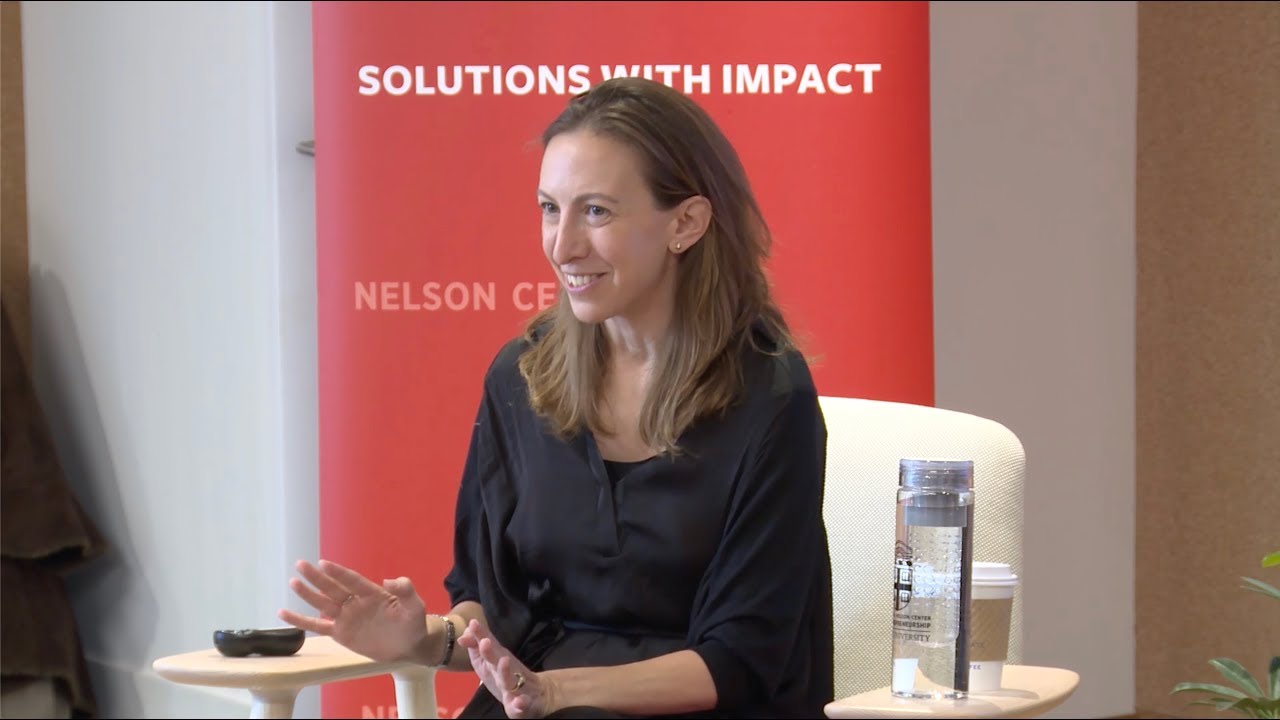
Founder Friday: Jayna Zweiman ‘01, co-founder of the Pussyhat Project and the Welcome Blanket
Jayna Zweiman, co-creator of the Pussy Hat Project and creator of Welcome Blanket talks to us