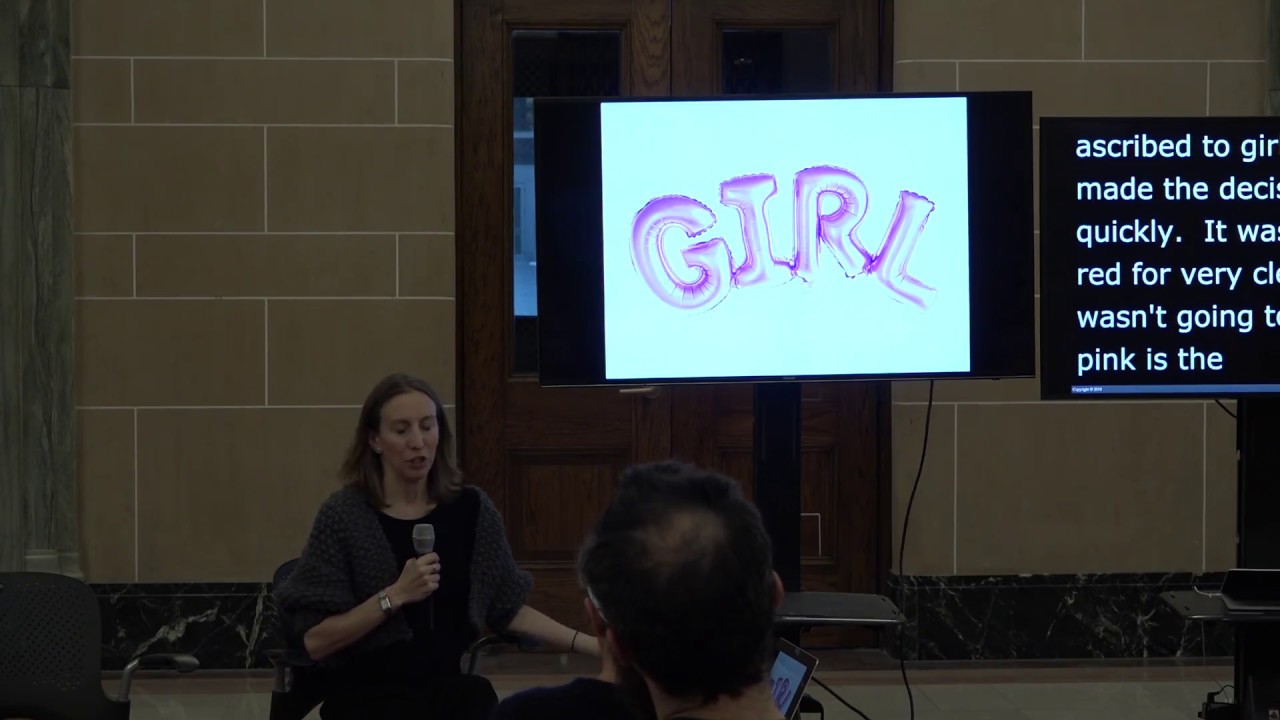
Jayna Zweiman, co-creator of the Pussy Hat Project and creator of Welcome Blanket talks to us
In this episode of the Just Wanna Quilt research podcast, Tulane Law School professor Dr. Elizabeth Townsend Gard interviews Jayna Zweiman, co‑creator of the Pussyhat Project and founder of the Welcome Blanket Project. The conversation begins with personal introductions and Jayna’s early memories of sewing in her family. Jayna explains that the Pussyhat Project was launched in 2017 to create a visible, participatory visual statement for the Women’s March, using a simple pink hat pattern that could be made by anyone, even those unable to attend the march. She describes how the project rapidly scaled through a network of 175 local yarn stores, a manifesto, and a free pattern, resulting in a global sea of pink hats and personal stories of connection. The discussion moves to the Welcome Blanket Project, which reimagines the 2,000‑mile US‑Mexico border as 2,000 miles of handmade blankets for refugees and immigrants. Jayna outlines the project’s design guidelines (≈40"×40", usable, washable), the partnership with museums (Smart Museum in Chicago and the Museum of Design Atlanta), the submission process, and the ongoing distribution. They reflect on the emotional impact of craft activism, the inclusive nature of quilting, the role of lawyers and activists, and the challenges of intellectual‑property and political backlash. The episode concludes with a call to action: listeners are invited to join the “Quilting Army” via a Facebook group, help organize a visit to the Museum of Design Atlanta exhibition, and spread the word about the Welcome Blanket on social media. The host promises to post the episode and encourages the audience to keep quilting.
Chapters
Welcome to Just Wanna Quilt, a research podcast coming out of Tulane University Law School, where we explore all kinds of things, stories about quilting, tools, field trips, maybe some famous quilters stop by, and of course, a little bit of copyright thrown in just for fun. I'm Dr. Elizabeth Townsend Gard. I'm a law professor, and I just wanna quilt. So today we have Jayna Zweiman of thewelcomblanket.org. Jayna is really amazing. She is also one of the main people behind the Pussyhat Project, which for me was a really big deal. I made like 20+ pink hats. And it's in many ways why this project started, was to see that huge amount of pink in DC and the movement of people making that seemed so invisible until you saw that space was huge. So I am so excited to have her Um, come today and we will be chatting.
How are you? I'm good.
How are you?
Doing well, thank you. Can you hear me okay?
I totally can hear you. Are you cool with us recording this for our podcast?
Oh, absolutely.
Okay, cool.
Um, otherwise we could just have coffee.
Totally. Exactly. I totally agree. Okay, so first of all, um, I'm like, I don't get very, um, I do a lot of these interviews, but I'm way overly fangirling that you're here today. So that doesn't usually happen. So I'm super psyched. You're here
on
like a thousand levels. So, um, so before I forget, we're going to, um, because we are preserving these for the Quilt Alliance. Um, can you tell me, I know who you are, but can you tell me your name and where you're calling from?
Sure. My name is Jayna Zweiman and, um, we're talking, I'm over in Los Angeles and I, uh, I have a Boston number, which you might've seen, uh, which is where I'm from. But, uh, I am co-creator and co-founder of Pussyhat Project. And the creator and founder of Welcome Blanket.
Well, we're super psyched. Okay. So we have one quick question that we ask everybody, and then I want to talk to you about both projects if that works for you.
Fantastic.
Okay, cool. So what's your first memory of someone sewing or quilting in your life?
Um, well, my grandmother was a really good sewer and, um, we used to call her Bubby and we'd have these sheets called Bubby sheets, which was Yeah. Which was just this duvet and they were purple.
Yeah.
And even like years after she's passed, like, I, I still have them.
Oh, that's so cool.
Really, really lovely. Um, I do have to confess that I am a quilting fangirl. Um, it's the next thing that I'm picking up, but I— I'm slow to learn the craft, so I'm fangirling. So many things, and I'm just so amazed at how incredible, like, how incredible the craft is both historically and how important it is now.
Hugely, right? On every level. We've been doing this project for about a year now, and, um, it's just incredible. Like, I just cannot believe sort of the depth of what quilting is. It's really remarkable.
It's remarkable. And I love that it's couched in, you know, so much, so much of our history and also that it's so, it's so pertinent. It's just, it's beautiful. And it's, um, yeah, so it's such an honor to be here. I hope it's, this is how, you know, interesting for your listeners.
Okay, so I have to tell you my little story connected to you. So, um, I just can't believe I'm talking to you because I'm super psyched. So, um, so, you know, Hillary lost. So that's still like every time I'm upset about something, I always like, that's where I start. Like, it doesn't really matter what's happening in my life. Um, and I found the Pussyhat Project. And I made like 25 hats. Like, I just kept making hats because like I couldn't do anything else. I was really sad and really mad. And your project was like— so I need to have you explain. So, and then I sent them to DC. I registered them on their site and I got little notes back from strangers. And we made a— Oh, that's great. We made a banner, a big 7-foot quilting banner that went to— went there and came back and We went to our local one in New Orleans and I made hats for everybody and people kept wanting more hats even after it was like this thing. So you've been really hugely part of my life and my mourning and my anger for a long time. So, and then, and then I want you to explain what the Pussyhat Project is in case people don't know it. And then in— so, oh, actually, why don't you do that? Why don't you tell people what the Pussyhat Project is in case they don't know, and then I'll have you one more related story.
Great. And thank you so much for sharing. That's kind of the most exciting part about this project.
Yeah.
So the Pussyhat Project started with 2 main aims. One was to create a strong visual statement on the Washington Mall for the Women's March in 2017, because the more you're seen, the more you're heard. And it was the idea of a sea of pink pixels so that you could see all these different individuals and all of us all together. And then the other part was to create a way for people who weren't able to be on the Mall to be able to participate and actually physically be there in hat form. So even, you know, there's so many reasons why people couldn't go. Oh, it could have been medical or financial or scheduling or, you know, a gazillion. And this was a way to really connect, which was, you know, really like at the heart of the matter. Like there's so many so many people who felt, um, I mean, I went to my local knit store, um, after the election, like on November 10th, just to sort of sort out what happened. And this was a way of really for people to connect with each other. Um, so it, we, we did create a sea of pink, which was—
You really did. So
beautiful.
So I just can't even, so, so part of this project comes out of your project. So what I was amazed at was We all were knitting and sewing and making hats independently from— for like 6 weeks, right? 2 months, there were people making hats. Wow. And then that day, the sea of pink, like I even get kind of teary thinking about it now. It was unbelievable, right? Like around the world. Were you amazed that that was— I mean, you probably knew that that was happening, but like it— you just started like— it's hard to imagine you starting with, okay, I'm gonna make a pink hat at my local Knitting shop to that, you know?
Absolutely. And it's, you know, it's— so my, um, I co-created it with, um, Kristessa, who's a writer, and she was going to the march and I couldn't march. So it was like a marcher and a non-marcher coming together, which really represents a lot of the people who were participating.
Yeah, totally.
Right? Um, and so my background's in architecture and design, so in many ways, like, this, you know, it's designed to be as, you know, in such a tiny group of people, you're like, well, how do I do it? And it's designed like the way that you'd either take it yourself or give it to a friend. Yeah. Or we partnered with, I think, 175 local yarn stores. You know, they were like these community hubs. And local yarn stores function as local community hubs. You know, they're totally— people who don't know about them would walk in and be like, wow. This place is like, just, it feels good to be here. I'm coming back.
How did you quickly do that? How did you get 175 shops? Because this was a very fast timeline to get all of this up and running, right?
Super fast. Yeah. So from the time, November 10th, we started talking about it and then we launched the day before Thanksgiving, which I think gave us like 59 or 60 days.
Amazing.
And so, yeah, it was, you know, a lot of it happened in our local yarn store. Kat Coyle, who owns The Little Knittery, designed the Pussyhat. And, you know, a lot of the input was, let's make something that's really easy to make. Like, we're not even talking about circular knitting needles, and however you make it is fine. Mm-hmm. That includes sewing, crochet, worsted weight yarn, which is like the easiest kind to find. So you could go to a fancy store, like, you know, your local big box store, and find it. So we're really trying to make it accessible as possible, and we, we put together a manifesto of what the project was, What we were trying to do, how it was gonna work. And we even— I didn't wanna launch until we knew, had a place in DC to send them, because you've gotta let people know where to send things. And then a wonderful person in our community was like, you know, who goes by Miss Molly, she's like, you know, my goddaughter Molly needs something to do over Christmas vacation while she's home from college.
Like, you know? Oh no.
Like, we love this family, they live in Reston, Virginia, they'll totally do this. And it's so funny because, you know, the younger Molly had to go back to college and her, her moms were like, yeah, let's just keep doing this.
Like, we're good.
Like, this is great. Yeah, so it's like all these people chipping in together. And when I hear you talk about like you had to do something—
I had to do something. And my, my dad's girlfriend, his high school girlfriend, now is his— my mom passed away, now she's His girlfriend again after like 50 years or something. She came and she was knitting and like, it was just like, it was so communal. I mean, it's still like, it's, it was everything. And that day, I mean, were you amazed? I mean, like, did you have any idea how many pink hats there would be around the world?
Oh my god, it's amazing because we, you know, we were tiny. Like part of me, like when they first started coming into Reston, Virginia, we were, you know, taking photos and cataloging them at the beginning. But we made it so that as few as possible came through like us, right? 'Cause I mean, we can't, I mean, there's no way.
There's no way.
There's no way. So it was just, you know, the things that just were the most incredible to me were all these stories that like, I was getting the best email, like the best emails of people who,
right?
Yeah. Yeah. Who are just like, I can't go because of this reason. You know, like I have to take care of my mother. Like I can't leave. Like she marched with King, you know, like it's, You know, but this is our way of, of, you know, showing, you know, activism and support, or, you know, all those things. So that was the part that was crazy. But then, you know, to just—
It was incredible, right? It was, it was the most amazing thing I've ever seen in my life. The idea that all of us that weren't there were there, and that all these pink hats were made by all these millions of people. And that they were there. And it was that, as you said, the sea of pink. Like it was incredible, right? It was incredible. I mean, obviously it was incredible, but it was like monumentally incredible.
Yeah. And that they were, like you said, that they were handmade.
They were handmade. And how invisible we were. Like we were all these people making things in our house. And I mean, the thing is like, I'm super political, so don't get me wrong, I'm super political. But like, there's no doubt, like I've got my women's, my, all All my pink hat stuff's in my office in my law school. There's no— I'm not hiding my politics. Yeah. But there's a lot of us, and there's a lot of us who aren't Hillary fans still making things and charity and doing all these things. The amount of handwork and craftwork and love, and it's incredible what's going on in our houses, even though most of us are working full-time and have kids and parents that are ill and blah, blah, blah, blah, blah.
Incredible. Yeah, right. Incredible. And the thing, thing that I didn't mention before that maybe your listeners might or might not know is that we also asked when people made these hats to include a note with them. Yeah, you know, we did send them or giving them. Thank you.
We did, we did, we did, we did, we did all the things. We followed directions.
We followed directions.
We did. It was great. We cut, we cut out the little thing from the website. We made our little notes and we all I have a trans kid, so we put in all our things and all this stuff. So it was like, yeah, we sent our little hats, our 20 hats out into the world.
And it's amazing. And you could write what issue is important to you. That's right. Because what we— the feminist movement is so encompassing of so many things. And I've gotten the opportunity to meet a lot of people who are very different from me. And we even have different politics. I was a little bit surprised in some ways, but to have that. It's just this way that you can connect with someone. You know, if you're not there, you can give your contact information and like you said, someone can send a photo back wearing your hat. You can be like, there it is!
Well, and we had that happen. So some colleagues went, so it was exactly the same situation you were saying. I made a bunch of hats, there were colleagues going that don't knit or quilt or do anything. So I gave them hats and I gave them extra hats. And they just, they told me they like randomly gave them on the street and in this, whatever the subway is called, whatever they call it in DC. I got notes back from people who said, like, I was randomly standing waiting for a cab and I was saying, I wish I had a hat, and someone just randomly handed me it and it was your hat. And then they told me their story in an email. And then on the anniversary, they emailed again to say, hey, I'm wearing the hat again and I want to tell you about my year and what the hat meant. And it was like, okay, this is the coolest thing that's ever happened.
Oh, that's so
beautiful. You know, like, and you have that times like a million, right? You hear these stories over and over and over again. But yeah, I felt like I was part of stuff. I mean, we were here in New Orleans. We also went out in New Orleans and did the same thing and had, you know, everything. But it was still amazing to be part of the DC thing. And that was because of you. Yeah. Like, you gave us a voice and you gave us a place to express ourselves in a way that was incredibly creative and so powerful. I'm just so excited to have you here because that's amazing. Like, craft activism. It was really incredible, you know.
Thank you.
Thank you.
Thank you. I'm learning, I'm learning how to like kind of absorb those kinds of things because it's, you know, so much of it was born out of my own personal like limitations and like desperations to want to be a part of it. And I feel like a lot of times, like when people don't feel like they can be a part of something, like a lot of times that's when like That's when some really great stuff can happen because you're like, wait, the traditional ways aren't gonna work for me. Like, how— like, how can this work? And it's just— It
was so visible.
It's so— it was so incredible.
I mean, it was so incredible. And, and you— I mean, you've got like all the marches after that, you know what I mean? Like, it was like such a kickoff of like, we will not let our country be destroyed, you know? We are standing up for who we are. And it was so pink. It was so pink, you know, like it was incredible, you know. It changed the meaning of pink in this incredible way. I think about the pink aisle of kids', of girls' toys, right? We think differently about it. Pink is different now, you know.
Absolutely. It's much more like, I think a lot of times, like it was thought of something that wasn't powerful. But yeah, as you're saying, like, you know, all these people who people didn't necessarily see, like made this happen.
I know, right? I know. I wasn't invisible anymore. Like, my sadness, like, I felt like I was heard because I had, you know, 20 pink hats. 20 pink hats that weren't really great hats, but, you know, it didn't matter, you know? Like, so—
Oh my God, I love this. I'm so glad that this is something recorded. Yeah. Because, like, this is so— like, you're making my day.
Oh, you're making my day. As I said, I've interviewed, like, super fancy people for this project and, like, I'm used to it, but, like, Today I was like, oh no, I'm so excited. I can't wait. So, okay. So I have to tell you, we wanna get back onto Welcome Blanket, but you first. So before we get off of this, I think that you changed the color pink. You made it visible. Like your impact on who we are at this moment is so huge. It's incredible. Like it's just this incredible, like I can't, like you don't have to do anything else in your life, right? You've just like, you've done this thing. Thank you. And I don't know, how does that feel? Like, that's huge, right? Huge.
It's huge and it's amazing. And it's, you know, I've, um, I, you know, we all have different things that we love to do and sort of at my core, like I'm a, I'm a designer and this is a huge design project and I've always wanted to do something that means something to someone else. So—
This was a huge design project. It really was, wasn't it?
Oh, it's amazing. But it's also like, you know, it's humbling, like, Get all out. And it's, I mean, it's really taught me that we all have voices. Like, we really, really do. And so I feel this, you know, I feel very grateful, but I— not but, but I feel really grateful that I feel a responsibility to, you know, like, stay engaged and figure out, like, how I can keep using my voice.
Like,
I
feel like— Right, you've got this great voice now. What do you do with it? Yeah, the responsibility of stewardship of all of this. Where were you on the day of the millions of pink hats being worn? Where were you?
So I was staying— so I couldn't go to DC because I was— part of the reason why I couldn't march is I was recovering from an accident and couldn't be in crowds, which I'm sure a lot of people— I've learned a lot of people have similar types of situations. So I stayed over Pershing Square, which was one of the centers of where the Women's March in LA was.
Yeah, huge in LA, right?
Huge in LA. And it was incredible because, you know, I woke up super early and I could like walk down before everyone else got there. So you had that kind of excitement of the people who show up, you know, really, really early. And I just, you know, watched it happen and I could go downstairs like once or twice and kind of Did
you have a sense that there were going to be that many pink hats?
You know, I think not everywhere. Like, I saw a lot of posts of people getting on planes and going to DC and just these planes of people wearing pussy hats, which really, really made me feel like this is— This is really happening.
Crazy.
It was so crazy. And I was, you know, in a lot of ways I was so lucky because I could like look out the window and like see LA. Right. There were,
I
think, 750,000 people in LA.
I know. And it was gorgeous. In LA, nobody goes walking in LA, right? Like, people don't get like how impressive that is. Like, I lived in LA. I lived there 10 years. Like, That doesn't happen, right? There's a lot of delays.
A lot of people, you know, it was like, you know, a Saturday morning and a lot of, you know, a lot of people often, you know, LA has a lot of stereotypes. Some of them are great and some not as good. And one is that, you know, people kind of say they'll be somewhere and then they don't show up.
Totally. And parking and the traffic, like, like people are like, I'm not going because I'm not dealing with that traffic, right? So it's a real sacrifice to go to anything in LA.
Yeah, yeah, they went in our local metro. Apparently, like, people couldn't get on, so they'd all have to go, like, basically, like, outbound to the beginning and, like, from there. And it was— and everyone was wonderful. And I was talking with— later on in the day after it was over, I was talking with some police officers who were called in. And they were called in because there were just so many people. And their reaction was, we've never seen A crowd of people just so thoughtful and nice. Like, they were picking up
the
trash. They were saying hello.
Right, right, right.
And they're like, this is incredible. And it was really nice because I was wearing my pussy hat, and they asked me about it, and I told them. And I was with my husband, and he was like, you know, this is Jayna. Yeah, she made this one.
And— Like, all those pink hats, that's her fault.
Yeah, that's her fault. And they were like, oh my God, we didn't know what that was about. Like, that's so kind. That's amazing. And it was just this way of like, I really— there are a lot of— I'm so proud of so many people within the progressive movement, the ones who are super vocal. There are a lot of people who are angry for a lot of reasons. And I'm very thankful for them being able to express themselves the way that they are. For me, I— I think of Pussycat Project and also Welcome Blanket as platforms for participation. So I have very clear politics, but I try to like step back a little bit and try to make it more of trying to figure out how to have more dialogue and more like support and more conversation.
Yeah, it's incredible.
Yeah. And so it's just, you know, when I see that just from like, you know, talking to a police officer who's, you know, not a knitter and a little confused, like, what's going on with all these cat hats everywhere?
Yeah, exactly. Why are there so much knitting? Like, why do you have like,
Yeah, I mean, it's just, it's just incredible. And so it's just, I get so excited, like, every single time I talk to someone who has a story about it. Like, it does not— like, I, I could listen to that for the rest of my life.
Did you know it had spread? It had spread around the world. Did you know that before that day happened? Did you guys have an inkling that that was happening?
Yeah, I mean, it's We were definitely hearing from people like in the UK. And I didn't— I mean, I was really surprised that it was in Japan just because part of me was like, you know, there's a lot of— there's often language barriers. But like, I know that I had a friend in Jakarta who was making them. So I knew that they were going. But what was really amazing is International Women's Day, March 8th, is a much larger day internationally than in the US. And Swiss Parliament made pussy hats. And there's this amazing photo of them, men and women doing it together. That's so great. And all these marches. And sort of right after that, sort of like, what can we do? How do we keep moving this? Like a virtual global march. And the idea was that you could make a sign, you know, put it on social media. Like, we'd put it on our website. So, you know, if you don't use social media, you don't have to. You can use the web. You can get there. That's cool. About where you are and what you care about. Because I learned so much about, you know, issues in Australia and Poland.
Amazing, right?
Amazing. And just this huge global sisterhood that You know, I kind of knew was there, but I really started to understand and it sort of, yeah, really start to understand and just have so much like love for. Like, it's really, it's amazing how much like women support women and to really kind of, you know, feel that and see that and see it manifested. It's just so cool.
Well, it's It's changed the whole dialogue. I think it changed the dialogue in a huge way, in a profound way that's just so insanely cool. And so I think the MeToo movement, immigration, like all the other marches that happened, it set a tone of like, you know, be there. Like, you have to show what you care about. You know, you can't be quiet. Yeah. I think the pink hats made a huge difference in that, you know?
Yeah. And I really hope that it— like, I think that I think is really exciting too is I got a lot of feedback that it was the first time anyone had ever been engaged. Not for anyone, but like for a lot of people.
This generation, that civil rights is old enough now that we don't have that experience as a generation or as a community. That's more historical. Is that what you're saying?
Yeah, yeah, exactly. And there are a lot of people who were part of the women's movement of the '70s who are like, I haven't done anything like this, you know, in decades. And I'm, you know, doing this again. Like, this is like, one, I wish I didn't have to. But, you know, I have to, and I'm here. And it's really, really cool to see that transgenerational involvement. Yeah,
yeah,
yeah,
yeah. My kid, when we, we made, um, suffragette banners, you know, like the, the, um, things the suffragette, the, the, uh, thingamajig— I'm not getting the right word, but you know, the thing they wore. We did rainbow ones, and then we had to print cats on, and we had another sign and had extra ones for people when we went. And it was in New Orleans, and it was a good-sized crowd, and we're not city. So it was great. It was really great. And it felt like we were part of, you know, we weren't quiet. Now we still have the Welcome Blanket. I also want to say that this project definitely came out of— there was 2 reasons this project started. One was I became a full professor and I could do whatever project I wanted without being judged, which is huge because I'm at a law school.
Rock on!
But then also watching all of the hats that had been made and the fact that we had made them and that we were so invisible and that I didn't— so this project called Just Wanna Quilt. What I do is, um, I interview, uh, we're trying to understand the quilting industry, but I interview a lot of just regular quilters. Like, that's the majority of people I interview. I interview fancy people and famous people like you, but most of the interviews that we have are just like people who love to quilt. Awesome. And they find me and their voices are now part of the dialogue because very many, most of the podcasts that I was listening to were like a famous designer or someone like selling something or whatever. And it, and you're, you made me realize that we were so invisible that I wanted to understand the stories of why I did, why did I like to quilt so much? I love quilting. And there's all these people just like me, just average people. And the whole industry is made for me, right? They want me to buy these things and do these things. And I wanted to understand why we were doing it. So that's what this project came. It really came from seeing that sea of pink that I thought, wow, there's so many of us out there and nobody's telling our story. Like, what does our story look like? Um, and that's what the project's really about.
Oh, that's so cool. I love it. I love it. When you're like average people, the thing is, is no one's an average person.
No, nobody is. And their stories are so much— I mean, the fancy people are great, like they're super great, and I'm super grateful they come on, so don't get me wrong. But I'm always like, every time I finish with somebody whose story has never been told, I'm like, wow, that was like the most amazing hour of like Wow, like, you know, I get these like, I don't know, they're just like, and they become friends. They become like part of this. We have, we call them the quilting army. They become part of our army of people that help and do stuff. And I don't know, it's just been, as a law professor, I, this is like the best project I've ever been on. You know, like, oh my God, it's like every time I go back to the law school, I'm like, okay, you guys are really boring.
Well, it's, you know, it's, it's so different. I was, um, I was talking to— I was actually talking to a group of attorneys yesterday, and I— which was really amazing to be talking about the Unwelcome Blanket. And it was a women's group within a law firm, and there were both men and women who were there. And I was just like, you guys are like the superheroes.
Yeah, they are, right? The lawyers. It's the lawyers, right? It's the activism Plus the lawyers. It's the people on the street wearing the pink hats.
Yeah.
And the lawyers, right?
Yeah, everyone. And I feel like lawyers get a really bad rap.
No, they're the heroes, right? They're, they're the heroes.
I mean, they, they have so much— they have so much potential to do good. Like, like, I know there's some that don't, but like,
yeah,
there's potential. And just, you know, as we look at laws and how laws are written and how they get enforced and just even understanding the language of like It's just amazing. It really
is. And to watch it in action, I mean, I certainly do not wish any of this had happened. This is a nightmare. But we've watched our system in place in ways that we wouldn't have seen as citizens that just operates all day long and we don't see it. And now it's being tested in really interesting, terrible ways. But yeah, the lawyers are pretty cool. I'm a copyright lawyer, so there's not a lot of call for me. If you have a copy— I'm not even a copyright lawyer, I'm a copyright scholar. I'm not gonna lie, I'm not even a lawyer. Yeah, you're a copyright expert.
Everyone, everyone.
Exactly.
Yeah, exactly.
Okay, so the Welcome Blanket Project, that's, that's why I reached out to you. Um, and so tell us a little— and it's in Atlanta, we're gonna try to get there, um, for the show. I'm really psyched about it. So tell me about the Welcome Blanket Project because I I've seen it a couple places. I think you were in Chicago before, is that right? And now you're in Atlanta. So tell me a little bit about what it is and how people can, like, connect to it.
Great. So the Welcome Blanket Project takes the distance of the proposed border wall between the US and Mexico, which is about 2,000 miles, and reimagines it as an inclusive distance, which is 2,000 miles of yarn to make individual welcome blankets for new refugees and other immigrants coming to the United States. And so with each blanket, we're asking the maker or the makers to include a note about a story that's important to their family about immigration, migration, or relocation, and some words of welcome and advice about coming to the U.S. And so after the show's closed— so right now this, it was at the Smart Museum at University of Chicago, they're our inaugural hosts, they're amazing— Mm-hmm. After the show's clothes. They've— we worked on packaging to make them really feel like gifts, and we've worked with different refugee resettlement agencies across the country to figure out how to make it kind of easy for them.
Yeah, to make it a burden, right.
Yeah, like to be helpful. And so they're going to start to be distributed this month in June, and we'll be watching where they go. And our second host, we're so excited about, is the Museum of Design in Atlanta. And so they're going through a similar process And we're like, you know, we're learning from each part of it because it's, you know, it's activism within the context of a museum. Everyone is invited to participate. We started off with a knit pattern, which is a diagram of 16 squares. But the real design guideline is we're asking for about 40 inches by 40 inches so that it's, you know, large enough for a child or a lap blanket, so it can really be multipurpose.
Yeah.
And then the design guideline is make something you would like to receive.
So are you taking any kind of like blanket that's made or just knitted stuff?
We'll take knitted, crochet, woven, quilted. Cool. They're amazing. There have been some amazing things that have come through. And you know, the craft world out there is very creative. So I'm sure there are other things that I'm not mentioning and those are welcome also.
Okay, so I've been like wanting to make stuff for you, but I'm a bit shy. So I feel like I don't really know, like the Pussyhat was easy because I just like, it was pink hat, you have patterns. But like, what should we be thinking about? Like sometimes I think like it won't be cute enough, or maybe it needs to have a message, or like what is it that you're looking for in the blankets?
You know, really like for people to put their heart into it. Like that's really, it's really wonderful. Um, you know, some people are like, well, what colors should we do?
And if they're for kids, and are they political, or like, I have a lot of doubt, so I'm not sure. I feel like I'm not— I want to make stuff, but I always feel like, yeah, I just don't know. I'm just a little insecure.
Yeah, well, there are a couple— well, there are a couple of things. One is if you need some inspiration, our website is welcomeblanket.org. Go to the gallery page and we cataloged all of the blankets that have come into this market.
So, okay, keep chatting.
So they're like 3,500 that have come in.
Wow.
And so we've actually already gone 2,000 miles, but we're doing it again.
That's so great.
Totally cool. And like, in my mind, like, we're really gonna be wrapping the world.
That's really great. I love it.
Yeah, just like a whole bunch of love. Um, and you know, they're all different kinds.
They're all different kinds. They're like regular ones. They're not— so those people listening, don't be scared, because I was scared. I should have just gone to your website. Because like their granny blank, their granny square, I have one I can just give you. I have granny squares, they're rainbow, they're little, they're regular, um, pieced quilts, they're fancy ones, they're, they're everything, right? They're
everything. Everything. So some of them you can totally tell are someone's first project. And how amazing is that? Like, you know, someone learning how to do something for someone else, like that is just as wonderful and beautiful. Like the idea is that it moves from one person to another. I am the grandchild of immigrants on all sides. Yeah.
And I am a grandchild of immigrants as well.
Yeah. And it's just, you know, it might— did you grow up around your grandparents?
I did. I did. Yes.
And like, did you have that— like, I always felt very like I was raised with this idea of the American dream and this idea Immigration and this idea of the potential of the United States is just
hugely— that's right,
it's an incredible place.
And a refuge from times when things aren't good for people. And like, we're better than, you know, we're not always good, but we try to be a place that's— there's something important here.
Something important and something that can be built and, you know, a place that, you know, can be very difficult but also welcoming and 3 of my grandparents, I think, came through Ellis Island. And so the ones that I grew up with, you know, kind of at their knees, like I'd hear stories of like seeing the Statue of Liberty
and
how they just felt like they had made it, like finally.
That's really cool.
It's so cool. And then you see like people are coming through LAX now, which is amazing. Like, please, like, please may they come through LAX. Let's keep it coming. But there's not that sense of symbolism or arrival or welcome. And like, Welcome Blanket in many ways is a way of like, from like, you know, person to person of really showing a symbol of welcome.
That's really cool. Now, will people like— so I'm looking, I've been looking on the website, it's everything, even just tied, you know, the kind where you tie it and they're like, I don't know, flannelly tie things, right? But there are quilts and everything. Okay, we can totally— Quilting Army listening, we can totally make these. This is not hard. This is— this is— we can do this. This is not at all difficult. So is it like—
I'm not afraid.
I am ready to go. I'm not even paying attention. I am already starting to think about the quilt I have to make when I get off the phone with you.
Oh, me too.
Okay, so there's patterns, tutorial, and then the welcome note. So it's like the pink hats where you make— yeah. So then are you having people just print this out? How are you— are you asking them to put labels on them or like, what are you doing exactly for the note situation?
So for the note, we put up a template. So I think it's the 2 main questions, the share a story that's important to you about immigration and migration and relocation, and then some words of welcome and advice. And then If, uh, if your listeners can be using as much as it's the easier to care for is probably best. Um, because people don't necessarily, um, you want to make it—
They're meant to be used, right? So that was my worry is that I thought maybe, you know, I've been interviewing these people that are incredible, um, quilters and I'm like, got really shy, but that's not what this is about. This is about like all of our other charity quilting that we do. 40 by 40, make them for kids, make them for people, just make them like what you'd normally make. And so they're washable and things like that. They're not— they're to be used. They're not— they're not— don't use felt or anything like that. Like, use like real stuff.
Yeah, use, use the stuff that, you know, you'd, you'd want to have like in your house. And, you know, some people have really taken it on as like a major design project, and that's fantastic, but that should not be That should not be a reason to not do it.
Like, no, that was totally my reason. I was like, I'm not clever enough, but that's not, it's really just average people making quilts. It's just like the hats. It's not scary. Um, if you want to sort of give a blanket to an immigrant and feel like you're part of the kind of welcome to our country kind of thing, then we do it. This is what, this is what it's about, right?
Exactly. And they're, they're, they're all being distributed, uh, you know, at the pace to make sure that They go to the right place and they're cared for, which is why they don't just kind of get like, you know, given to like on the side of the road.
Hey, are you an immigrant? Hey, welcome.
Yeah, welcome. Here you go.
Like at the Canadian border, like at different borders at the airport.
They're like, hey, I'm not, you know, I live here. Yeah. So it's working with different, different groups, you know, grassroots, federally funded. We found them through them finding us. So, you know, sort of like finding different trails. So it's, it was just, you know, figuring out what they need because, you know, there are different sizes, they're getting different numbers of people, they have different numbers of staff.
So yeah, so Ari, how, how, um, how serious are you about the 40 by 40 thing? Are you, is that really what everybody should be focused on?
Quilters are usually the ones who are like, no, that's not okay. Um, we're trying to keep it around 40 Because they're like, that's way too small. And we designed this originally as a knit project, so, you know, there's much more stretch to it, stuff like that.
Right.
You know, kind of keep it around in that area. Yeah. Um, you know, but if it ends up here, that's cool. Like, we're not, we're not sending anything back. Like, this is the reason why 40 by 40 is that we can kind of know. Yeah, we're not, we're not judging. Yeah, no, that stitching is not cool. Um, it's
really Great.
That's
good.
Yeah, yeah, no, every— everyone is welcome and this is a guideline.
So,
um,
well, the pictures are amazing and to see all the different quilts again, it's this like this sea of love that you— because I always believe, I really do believe that with— this is my own feeling— is that as you make these things, you do imbue love with it. Like, you're like, there's something more than just that you put this thing together. There's more to it, you know. I don't know.
Yeah, it's, it's incredible. And I love, um, you know, with quilting, this is also something you can do with someone else, you know, like if it feels like, you know, if you want to team up on something, it's totally great. Like there are a lot of, um, sort of like the sample pattern, Cat Quill, who had designed the Pussyhat, um, this is also like another diagram. So like,
yeah,
you know, you can get together with a bunch of friends and, um, I come from a knit crochet Um, so people can get together and do it together.
Yeah.
Um,
well, and you've got some on here that even were painted, right? These were paint— there you have painted ones. You have the— is that the Statue of Liberty that's painted?
Oh no, I think it got stitched in somehow, or it might have been dyed in.
Dyed in.
Dyed fabrics.
It's just very clever.
Also, like, people have used, um, a lot that's in their stash also. This is a great stash project and like a great way to figure out—
Yeah, it is. It's appliqué. It looks like— it looks painted when you first see it, but it looks like it's appliqué. That's insane. People are amazing.
People are incredible. And you know, the people, you know, the super creative, super, you know, super, super like I've never seen before are incredible. And so are the ones of the people who just like honestly just learned or just They just did this because they wanted to be part of it.
That's cool. That's so cool.
This is about everyone. Yes, it's amazing.
I love it.
It
really is amazing. Now, have you ever— once you had them, did you— are you doing anything about laying them out or sort of— how do you exhibit them? How do you sort of— like, they look really impressive in the picture, but are you trying to make a border? Are you doing anything physical with them?
Yeah, so we're— it's site-specific. So, um, so at like these— so at the Smart Museum, we had a combination of having them stacked as like single ones and also kind of created this wall and other ones where they draped. So this whole room just felt completely enveloped by that.
Really cool.
Um, which is super cool. Um, in other, you know, I can see other situations where it would just seem like one very, very long wall that's stacked. Um, but that's a different kind of site. I think right now Moda started off with a starter kit from the Smart Museum. So some of the ones that we received after deadline, I believe, because we kept getting them. Smart just kept getting blankets. So way after the cutoff date.
That's really great. I love it.
It's really cool. And so those have, you know, they get their moment, or some of them get their moment, you know, in the sun in a museum exhibition and sit there Starting off with sort of like half folded and hanging. So it's, with quilts, they're easier to, you know, because of the elasticity or the different kinds of elasticity, they're easier to display as a square. Knit is more complicated because it starts kind of stretching and stuff. So it's, it's really figuring out what the pieces are. So that's why we say basically like 40 by 40, so you kind of know what— Yeah. How to like show these all together.
Yeah.
And then really, you know, taking very good care of them. They're in a museum setting at this smart— like, there was a whole freezing process of making sure, you know, that they were museum quality being shown, which is just, you know, it's really, really lovely.
That's really cool.
Yeah.
Now, do you have a— do you have— so will— how long— it's in Atlanta till like September or something. How long is it in Atlanta?
I think until September 8th, I believe.
Yeah, because we're trying to get there.
Yeah, it's part of the Making Change exhibition, which is curated by Betsy Greer, who's— Yeah,
it's got a whole bunch of stuff. It's got like the cross-stitch thing and some of the quilters that we've interviewed, like Shawn Kimber and others that are in that exhibit. I— we have to go. It just seems like an incredible thing. And they also have a guitar thing going on. So I was like, spouse, my spouse is totally into guitars. So I'm like, okay, road trip.
Oh my God, that's so cool. I'm actually due with my first baby in a couple of weeks. So I'm gonna like miss the whole thing. So everyone, I'm like, you've got to go take pictures.
Tell me all about it. That's so sweet. Yes, definitely. That's really sweet.
Yeah, because I don't know if I'll be able to get there at the end or not.
Right, right. Now if— that's very sweet. That's so sweet. Yeah. Now how— they just go to the website, which is www.welcomeblanket.org. That's how— if you're listening and you want to do something, if you make it, where do you send it?
So the address is for Moda, and it's on our front page. I can look for it right now. It's on Peachtree Street. Yeah, there we go.
Right, don't, don't. Yeah, so it's all going directly
to
the museum.
Yeah, so send it to welcomeblanket@moda, 1315 Peachtree Street Northeast, Atlanta.
Very cool. And it looks like we can start sending them now, but all the way through August 25th. Is that right? Is it like an ongoing thing?
It's an ongoing thing. So we're just building it up again. And so yeah, go, go for it.
Go for it.
All right, thank you so much. Yeah, thank you all listeners who are participating.
Totally. Okay, Quilting Army, we so have to do this, right? The Quilting Army. Yes, we're, we're growing, we're growing. We're like, you know, small but mighty. So I think we've got like 600 in our army now.
So it's amazing.
I know, it's weird, right? The world is really weird. So yeah, so we do field trips and we talk about things, and of course I'm really interested in copyright and intellectual property, but that's That's just a little bit of what we do. So,
um,
so any— so last question for you. Any intellectual property issues that have come up in either projects? Have you had any issues with that?
I'm trying to figure out— so Pussyhat Project, both of these we put out the pattern for free. Yeah. Pussyhat Project, um, it's kind of figuring out, um, you know, to make sure that it's used in a way that supports women's rights.
Yeah.
And sort of how that works. So in general, when, you know, we want proceeds, you know, to go to supporting women's rights and not necessarily reasons that don't. So we're trying to figure out that part.
Did you have to send any cease and desist letters? Did you have any backlash from the project? I imagine— have you had— has there been problems at all with either project because of the political environment?
Not, you know, I think, but what do you mean by backlash in terms of—
Any of the things, I don't know, mean people, I don't know, like—
Well, there's definitely mean people and trolls. I think that that's a little bit of knowing that in this day and age, if there isn't a troll, like nothing's— they don't know it happened.
Right, right, like you need that or you're not relevant. Is that what you're saying?
A little bit, a little bit. It's been much, um, you know, there's a very clear iconography with Pussyhat Project, you know, like the cat hat, it's pink, you know, it's very easy to spot. Welcome Blanket, because it's, you know, do something that moves you, is much harder to see.
Yeah.
Um, what's really interesting about Welcome Blanket is I've gotten such Across the board, great feedback. And a lot of it comes out of something I find very surprising is I thought women's rights wasn't like really that political. Like, I know, I know that's not true, but like, I was like, who wouldn't support, you know, women's rights as human rights? Like, who would be against that? That doesn't make any sense.
Right.
I didn't realize how much more controversial that would be versus something like Couching Welcome Blanket as, you know, we all have a story within our family.
Yeah,
let's talk about it. Let's talk about, like, immigration. And people really start to melt on it.
That's really interesting.
Yeah, and I've talked to people who are Trump supporters who really like Welcome Blanket a lot.
That's really interesting.
Yeah, we
just talked to someone named Andrea Sang Jackson. She was an artist-in-residence at the Canadian Museum of Immigration, and she did a project there, and they have artist-in-residency projects, and they're in Halifax. Oh, cool. And everybody came through— that's one of the places you came through if you were coming from the Atlantic. So it might be someone— and not that you know everything, but I'm saying that might be an interesting place that they've already done an artist-in-residency program where they had a big quilt made from people. So it would be really interesting to see if they would be interested. interested in your Welcome Blanket project because they've already done one, right?
Yeah, yeah.
Canadian, right? Welcome Blanket Canadian style.
They're our neighbors, right?
Exactly.
This is a project about neighborliness.
Right, exactly. Well, we just interviewed her. I'll put you in touch with her if you're interested. She was way into that. And she made a really— and her quilt, it was like very controlled in the sense that they had little squares and things that she did in the museum where people would tell their stories about immigration. Um, and it won, um, at QuiltCon, like it won an award at QuiltCon for like best bee, um, like bee, like sewing bee, like it was really gorgeous. It's a gorgeous quilt.
That's awesome.
Yeah. So it seems like you guys are like, you know, in the same genre of, uh, community activism by crafts. Yeah.
Community activism by crafts. It's, it's really amazing how much the craft community really can come together. And it takes, you know, it takes all kinds. Like, I love these projects because they're good for like extroverts, they're good for introverts.
Totally.
Right?
So great.
Everyone can find a place if they want to be a part of it.
Yeah.
And, you know, welcome blanket. It's remarkable.
Now I keep saying, because there's also Sarah Trail who does the Social Justice Sewing Academy in Oh
yeah!
Do you know her? Yeah, like there's a bunch of you that are just so insanely cool. Like you all have to like— I like, like, do you guys all meet up or like there should be like a thing, right? Like, how do you get all the cool people in one room together? Like, it's just really interesting, you know? There's really cool stuff going on.
Oh my goodness, there's so many cool things. And I've had the, like, I've been so happy because I got to meet Shannon Downey, who's Badass Cross Stitch.
Oh yeah, right, Badass Cross Stitch, right? That's part of this show too, right?
Yeah, yeah, she's doing her story. I think it's in the same room where people can be cross stitching their own personal stories.
That's so crazy. That's so great.
And so wonderful. And it's just, you know, it's so great because I fangirled her and she's like, yeah, let's hang out.
Oh my goodness.
Yeah, we're like, we should do a project together. And we haven't quite, you know, life has happened.
She's like, it's happened. Well, you know, baby and other things and big projects. Yeah.
All these things, but it's so cool to know that like our projects are in like the same room.
That's just so— I know, but there's just like—
So cool. And she has such great stuff.
Yeah, it's amazing. Like the stuff that's happening is just amazing. And all the protest quilts that happened are incredible. They're incredible. They're so moving. The art is like, I don't know, there's something about, for me at least, for quilting, there's something about the quilt as an art genre that just really gets me every
It's amazing. And sort of the way that it's— I have a background in visual arts, and so I did a lot of, like, painting and installation. And so I see these, like, I paint in a very kind of— I build up and build up and build up, which is different than, like, you know, the planning of, like, the quilting. And it's just—
Right. The deliberateness it has to be to do what you're doing is incredible, right?
It's amazing. And it's like the threads of resistance Yeah, the Threads of
Resistance. Yeah, incredible, right?
Amazing. Yeah, and there's one that, you know, is kind of extra close to my heart because it has a really large pussy hat in the middle of it.
Yes, I know that one.
It's really cool. But the artist who made these— and I'm forgetting who the artist is, so everyone should look it up on Threads of Resistance— but every square represented a certain number of the people who were marching.
Amazing, right?
So like every single tiny piece like has meaning and it's so well thought out. And I just, I have really like, I, I am very looking forward to becoming someone who's a mediocre quilter.
Yeah, me too. I'm totally mediocre quilter, but I appreciate the arts of all of it. You're in my thoughts all of the time. I'm always saying I'm wearing, you cannot see it, but I'm wearing my pink hat today.
That's so cool. That's so cool. And, you know, feminists come in all different shapes, genders, expressions. So we need everyone in there.
You let us be who we are, and I really appreciate it every single day. And you helped do that. You helped give us a voice, and we're not in the dark. And I think we were. And I think that this is huge. You made a huge, huge difference, at least in my life. A lot of, a lot of people. So
thank you so much.
You're amazing. Yes,
a total pleasure. And the thing is, all of these happen because everyone chips in.
That's right, right? The power of, like, the power, like, that's the quilting army, that the power is so much greater than one person. But you do have to have someone like you that sort of thinks it up and does it and commits to it and has an entrepreneurial spirit and just makes it happen, which is just incredible that you did that in such a short period of time. And now the Welcome Blanket, which is just so warm. I mean, there's nothing better than a blanket, right? To make you feel loved and cuddled. Yeah, me neither. That's the project I'm working on right now. As I said, my kid is trans and she's in a whole group of kids that are, you know, they're all kinds of, all different ways, but I'm making rainbow and transgender colored quilts this year so that once they graduate from high school in a couple years, they'll each get one so that they have something to, to hold on and love when things are a little harder or when things are good. But that's my own personal little project that I'm working on. Uh, so there's lots of rainbows.
I can't wait to see them.
Yeah, I can't wait to see them too because they're all super different. So it's like if you take the rainbow palette and you make every kind of quilt you can imagine but different with, but, but rainbow's the theme. That's sort of what we're, what I'm doing at the moment. Just me personally, because I kind of got bored just making, I quilt every night. So I made like 35 Oh my gosh. Yeah, totally insane. I don't make fancy quilts. I make, I make quilts like, see, I can just send them to you. So I have lots of quilts.
Yes, just keep sending them along. They're going to be so loved by people.
Yes, exactly. That's the goal. So yeah. Okay, quilting army, we got to make 40 by 40 quilts and send them on to Atlanta. That's our next, that's our thing. Well, I have had such a great hour with you. I'm so, so psyched.
It's been such a pleasure. Thank you so much, Elizabeth.
And do let me know if the project's going on and we can— or any new projects. I would love for you to come back on.
Wonderful. Thank you so much and thank you for everything you do.
And do you not need to—
You spent the time to listen as well.
Oh, and you don't need to review this, right? You're good with what we said?
I think it's fine. I think you would know if I said anything particularly embarrassing.
Yeah, no, it's very normal. I mean, I think, you know, only people want to review it when they're talking about their business or they're telling me their price list. list or something like that. And that's not that— we weren't doing anything like that. So I think we're good.
I think, and I think sort of the heart and soul of these projects are very, very shareable. So I agree.
I totally agree. All right, you're so beyond awesome. It's at Moda, which is not the fabric company Moda, but the Museum of Design and Art.
Museum of Design Atlanta.
Atlanta Museum of Design Atlanta. It's on now. Through September. Quilting Army, we are— Tara Miller is there in Atlanta. We are going to Atlanta. We got to figure out when we're going. So if you're interested, message me on our Facebook group because we're gonna go see these, we're gonna make blankets, we're gonna come as an army and give a bunch of blankets, hopefully. So we'll see what happens.
That's amazing.
That's our goal.
All right, one last thing, which is on social media, we're Welcome Blanket on everything.
Just one word. Okay, we'll include you and And then we're gonna, uh, I'll post this and I'll let you know when it's out. So, uh, spread the word and they can listen to it and learn more about you and your project.
So. Perfect. Thank you so much. Hope you have a wonderful rest of your day.
You too. Take care.
Take care.
Bye. So this is Elizabeth Townsend Gard. You've been listening to Just Wanna Quilt, a research podcast coming out of Tulane University Law School. We want to hear from you. Join our army, our quilting army. Go to our Facebook page. Suggest people to be interviewed. Suggest yourself to be interviewed. We are excited to hear from you. But most importantly, I hope you get a chance to quilt today.
More from Jayna
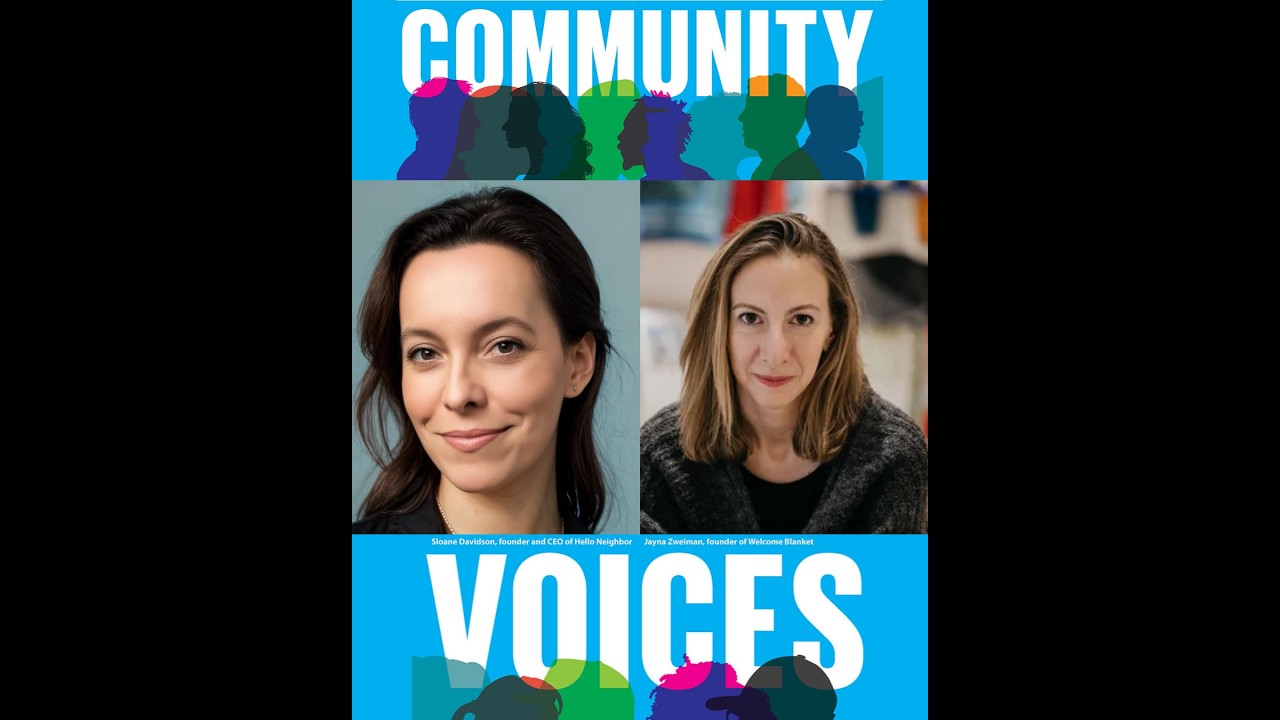
Community Voices: Sloane Davidson, CEO Hello Neighbor and Jayna Zweiman, Founder Welcome Blanket
Founder Friday: Jayna Zweiman ‘01, co-founder of the Pussyhat Project and the Welcome Blanket