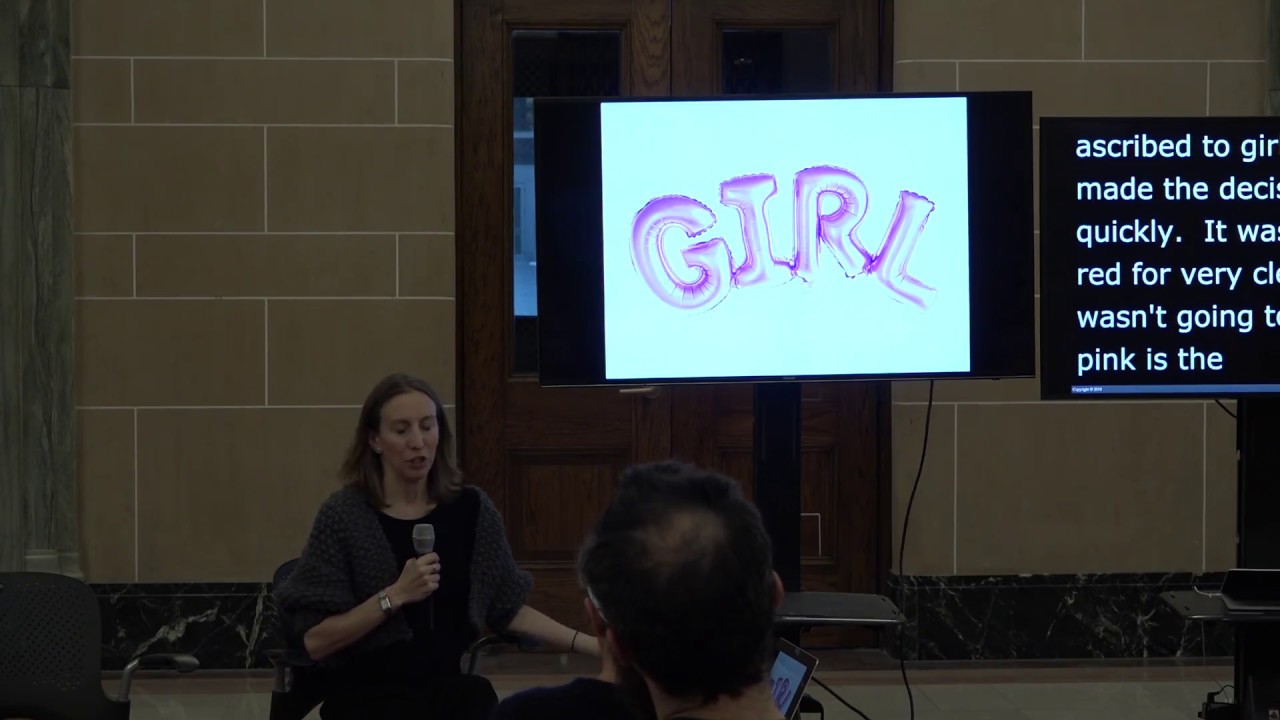
Jayna Zweiman talks to us about Masks4Humanity
In this episode of the Just Wanna Quilt podcast, Tulane law professor and host Elizabeth Townsend Gard interviews activist and designer Jayna Zweiman, co‑creator of the Pussyhat Project and founder of the Welcome Blanket initiative. The conversation moves from personal pandemic experiences to a deep dive into Masks for Humanity (masks4humanity.org), a volunteer‑run hub that matches makers of homemade personal protective equipment (PPE) with hospitals, essential‑worker sites, shelters, and other frontline organizations. Jayna explains how the project leverages the existing Pussyhat network, uses simple digital tools (Google Forms, Docs, a shared spreadsheet) to collect requests, and provides clear guidance on mask patterns, materials (cotton layers, alternatives to elastic), and care. The hosts discuss the rapid community response, the emotional stakes of mask shortages, and the broader lesson that anyone—quilters, non‑sewers, families, or kids—can contribute. They also touch on related initiatives (Welcome Blanket, Million Masks a Day, weneedmasks.org), the challenges of scaling, and hopes that the collaborative infrastructure will persist beyond the crisis. Throughout, the tone is conversational, supportive, and hopeful, with moments of candid personal reflection about quarantine, trauma, and the power of collective action.
Chapters
Welcome to Just Wanna Quilt, a research podcast coming out of Tulane University Law School, where we explore all kinds of things, stories about quilting, tools, field trips, maybe some famous quilters stop by, and of course, a little bit of copyright thrown in just for fun. I'm Elizabeth Townsend Gard, your host. I'm a law professor at Tulane University Law School, um, where I teach intellectual property and entrepreneurship. I'm also a fellow at the A.B. Friedman School of Business with the Lepage Faculty Fellow. And at the Newcomb Institute, I also have a fellowship, the Greenbaum Fellowship, looking at all kinds of things related to narrativity and fiber. And of course, I just want to quilt. So today we talk with Jayna Zweiman. She is one of the co-creators of the Pussy Hat. Remember the Pussy Hats, the pink hats? She's one of the organizers behind that. Totally insanely, like, incredible. She also is part of Welcome Blanket. She is now taking her network and going for helping with homemade masks. So masksforhumanity.org, and it's masks with a 4 humanity.org, is another site you can look at to get information and other things related to masks. creating homemade masks. So we talked to Jayna today, and here we go. Oh, and just a quick thing, we left the chitchat in at the beginning because it seemed relevant, but I am eating an egg, so I apologize for the eating noises, but they only last like, yeah, like 10 seconds.
I'm healthy. I have a cold and Part of me is like, I hope this is the mildest case. That's the weirdest dream. Do you like— I know, a little bit of a cough, but let's hope this is like as far as it goes.
So yeah, totally. Are you in LA? Is that where you are?
Yeah, I'm in LA. Um, we're, we're really lucky because we have a backyard.
I
have a toddler in a backyard with my husband. Like, thank goodness. Really good. But otherwise, we're like, I think this time really makes us realize how lucky we are for all the things that we have. So yeah, how are you doing?
I'm doing okay. You know, we're in New Orleans, so we're kind of, we're both in areas that are kind of scary at the moment.
Yeah. Yeah. And I think, how's, you have one kid, is that right? I remember we were talking last time.
I'm sorry, say it again. I couldn't hear you.
Oh, you have one child?
One kid that's 16. Yeah. So
Cool.
So all of her classes have gone online. She's at an art school doing creative writing, and then she takes her academic classes at Tulane. So we've seen kind of how behind the scenes how it's affecting kids, and it's hard. I mean, it's funny because she's like this super, super student, like, you know, like top of her class in her— as a high schooler in her college classes kind of person. Like, she's bored. She's really rattled. She's like, it's not, she's not like, it's not like easy at all. The transition has been really difficult and very, you know, back to like helping make sure she's awake for class and asking her about homework because she's just not personally able to like handle all of it right now, which is really interesting.
Yeah, it makes sense. I mean, part of the great thing about toddlers is he has no idea what's going on.
Yeah, exactly. That's great. And a good distraction from that too.
Yeah,
and it's not hitting kids so that you don't have that stress either. So that's really good, you know what I mean? Like, if it was like a toddler child disease, it would be a whole different kind of level of stress, I would imagine, you know?
Yeah, I know. It's like before, before he was vaccinated for, um, for like measles, we were so cautious about stuff because there were like cases that were going around LA.
Yeah.
And so yeah, so this feels much calmer in that way, but Yeah, it's funny. It's really weird, strange. It's just strange.
It's strange.
Strange. And I hope we come out kinder after this.
Yeah, it's interesting, isn't it? It's just making— it's been amazing to see the kindness and the mean— and see sort of what's happening. It's just, it's just a brutal time, you know?
Yeah, yeah. It's kind of— I grew up with grandparents in the generation of like the Depression. And you could totally see how that experience shaped each one of them in a different way. And there were like all these models of like, you know, the person who saved every single napkin and hoarded it. Like, you know, the person who like thinks nothing, you know, like everything's gonna go wrong. So you should just enjoy life today. Right.
The trauma doesn't go away, right? The trauma doesn't go away, right?
No, no. So anyway, so yeah, just trying. It's funny because I, um, uh, I don't— are we recording right now?
Yeah, but we can— we are, but we can decide if we keep this part.
Oh no, either, either way, all this is, is, is, um, all of this is pertinent. I just want to— I don't want to say something like twice and repeat myself or something. Yeah, yeah, yeah.
I haven't, I haven't started. Let me put our backup on.
This meeting is being recorded.
Yeah, that's just our backup recording in case something goes wrong on our other one.
So I just want to make sure. Yeah, there's— we're not saying anything that shouldn't be broadcast to the world. Yeah. But I think, you know, there's all of this, like, there's all of this collective trauma. And in so many ways, we're so lucky that, you know, growing up, for me in the United States, we've never had war, like, on our soil.
Right. We don't know that.
Right. Yeah. We have no experience of that. And like, we, you know, a lot of people who are probably listening experienced 9/11, but This is like, all of us are physically impacted by it.
Yeah, hugely.
It's really, it's really interesting. And it's so exciting to see all of these, like all of these groups popping up. And I've learned that when I get angry and outraged, my reaction isn't like stress eating or cleaning. It's making really big projects. Yeah, exactly. As big as they can go. So this was Yeah, this was— I was trying to stay away from it at first because I was like, hold on, like, you know, handmade. Yes.
All right, so we're gonna start. Let's officially start. Let's do it.
Let's officially start.
Okay, so I know this answer and everybody listening does too, but tell me your name for preservation purposes. Tell me your name and where you're calling from.
Sure. My name is Jayna Zweiman. I'm calling from Masks for Humanity, which is a project of the Pussyhat Network. So I'm co-creator of the Pussyhat Project. Right, okay.
So we've interviewed you before and we've talked about the Pussyhat Project, which I'm like, remember I was like totally fangirling because I totally like, you're one of my heroes in a huge way. And then you did the Welcome Blanket Project, which was about immigration.
And I'm so psyched that you got involved with this and your Pussyhat Network because it's a big network. And we've been working on the homemade masks now for about a week and a half. And watching different groups come online like Joann's and different kinds of networks coming online. So for yours to come online is really important because you've got such a big reach. So tell me a little bit about, for those that don't, and then also we've started Million Masks a Day, which is a nonpartisan group. I've worked, it's with Seth Hackler, who is a trucker, a quilter who's a trucker, who's a Republican, and me. I'm totally, he's like, you might be a feminist. I'm like, I am totally a feminist. Like, I wear that label proudly, Seth. Great. So we started Million Masks a Day as an aspirational group to sort of track what was happening, have a place to sort of dump a bunch of information, and then we have a website so we can kind of track projects like yours so that people can go and find different sort of what they're looking for. So that's what we've been doing and doing interviews pretty much every day of different key leaders. So we're super, super, super psyched to have you here. As I said, I'm a huge fan of yours. Tell us a little bit about what this is, and in case people don't know what the Pussyhat Project was or the Welcome Blanket, sort of tell us how you got to where you are and sort of what you're doing now.
Sure, and thank you so much for having me on this podcast. I really appreciate it, and it's such a treat to hear from you again and get to talk again. So I'm a huge fan of yours.
Oh, that means a lot. Seriously, I just think you're like one of the coolest people on the planet.
Oh my gosh. If you could see me, I've just turned beet red. So thank you. I really appreciate it. And so my background, for everyone who might not know, is in architecture. And back in 2013, I had this head and neck injury that made it— it was really, really difficult and it was life-altering. And my first project back was Pussyhat Project. And so Pussyhat Project was to support the Women's March and the idea that women's rights are human rights. So in itself, also nonpartisan. I kind of think we all should be feminists and not necessarily a political issue, but clearly it is. Right. And so it had 2 goals. One was to create a strong visual impact, a sea of pink pixies. So that marchers could be better seen, so they could be better heard. And the second part of the project was to create a way for people who could not physically participate to be able to be represented and hat. So it extended the space and time of the march, and the pussyhat became the symbol of—
Is that incredible? Do you feel like— I've said this to you before, like, if you do nothing else in your life, Like, that is remarkable, don't you think?
Um, it's, it's amazing. I mean, it's, you know, I— it started off with us, you know, really imagining this huge impact, you know, this visual impact. But what I wasn't quite, you know, ready for was, you know, when you create that kind of impact that involves so many people, that there are that many stories and people who all of a sudden become like really like personally connected with each other. And so like my life had been so isolated in recovery, and then all of a sudden it blossomed into these like really beautiful relationships. And I get to meet new people and be surrounded by people who take action and they do and they're positive and creative. And it's really crazy that the pussy hat has become an icon. No one has control over what truly becomes an icon, and it works.
Well, and the thing that's so interesting about it is, I think I forgot about your architecture prep, that the architecture background, it was architecture, right? The idea of a sea of pink hats is, is it's got a sort of that kind of vision of, you know, a building, right? So I thought that was really interesting too, sort of the vision of, and it worked.
I mean, It worked. It worked. Which is— and thank you to every single person who participated, whether you made, whether you marched, whether you connected people, you know, shared. And it's, you know, it was a way of really understanding, you know, very personally that social media can be used for good. You know, it can really connect people and, you know, it can really harness really wonderful energy. And so out of that, my follow-up project was Welcome Blanket, and it's ongoing. So anyone who's a knitter and not a sewer, definitely just go into your stash and start this one. So Welcome Blanket reimagines the border wall as individual welcome blankets for new refugees coming to the States. And each maker or makers are invited to include stories that are important to their families about immigration, migration, and relocation, and words of welcome. And over 5,000 have been made and distributed. We're partnered with 30 refugee resettlement agencies, so they know, they know how to get them to the right people. And the main arm are, are these exhibitions where they get sent to to a specific place. They're shown together as this big show and then distributed. And then we have, you know, during times like these, something called On Call where people can send directly to an organization and they can post images to us so we can have an online gallery. So if masks are not your thing at the moment, Welcome Blanket might be for you. That's really cool. I come with 2 shelter-in-place blankets. shelter-in-place projects where you can be really helpful and help other people. So definitely check that out. It's welcomeblanket.org.
Okay, so tell me what you're doing with the masks and remind me, tell me again, let's go to your website and let others as well.
Sure. So the project is called Masks for Humanity.
Masks for Humanity. Nice, nice name.
Yeah, thank you. And the hashtag and all of our social and our Gmail address Is Masks with the number 4 Humanity. Oh, nice.
Masks for Humanity. Interesting.
Masks for Humanity. Yeah, so that one was— we could find that for across all platforms. Yeah. Let's just— let's try to make this as easy as possible.
Right.
Yeah. And so with Masks for Humanity, um, it is a hub. So it's a way of connecting People who need masks, hospital gowns, face shields, handmade PPE with people who can make it. And so these requests are specifically from hospitals who are— hospitals, essential workers. We have a homeless shelter, I think, that's about to be listed. You know, this can be anyone on the front lines, so your local Grocers could be asking as well because they're out there making sure that we're all okay. Yes, I know, hugely.
I keep thinking like I have to call our local Winn-Dixie because, you know, I just feel like we should just be dropping off like presents to them every single day.
Yeah, exactly. And I, um, we have, you know, we have this huge shortage of masks for our healthcare workers, and if you start looking at stories, you'll just start crying. And my hope is that they get the medical-grade masks as soon as possible, but we'll still have a shortage, you know, for all of— so many people, there'll still be a shortage. So this is a place where anyone can ask.
Right.
And they can ask for a specific pattern. So what they're asking for is what they're gonna get. So if a maker's like, you know, I want to make something, but is it good enough?
Right, exactly.
This is a great place for that.
Yeah, this is great. This is really great.
Yeah, and then we're highlighting people like you and other groups that are doing really great work because there are so many sewing groups. So many. It's so amazing.
It really is.
Amazing and confusing.
Amazing and confusing. It's so true. It's
so true.
And I feel like, you know, what the message is, is just jump in and start making masks. Don't get freaked out. Like, you can just choose a pattern, choose a place you're going to donate it, and you can find a good match. It doesn't have to be perfect. It doesn't have to be anything like that. Like, just, just sew. Like, I think that that's my message is just sew.
Just sew. Yeah. And our first pattern, I was really, I really wanted one that was just cloth because I'm like, there's no way I'm finding elastic. Like, how is someone else going to find elastic? Yeah. I've given up on elastic.
I didn't, the first 3 were elastic and then I'm like, I'm out.
Yeah, yeah, like, okay, no more. Yeah. Um, and then another part which we're— I'm gonna be developing once we, you know, have all these mechanics like working, you know, really well, um, is we want to include suppliers because there are all these people who have supplies. Yeah, either they're donating them or they're businesses who are selling them but people don't know. Um, yeah, kind of doing an outreach to try to get those together so that let's say you're out of elastic and you really need elastic, you can go down a list And like, look at all of these different suppliers who say they have elastic. Right.
Because you may have a ton of, like, I know quilters, we have tons of stuff, but we may not have the time or we may not be well enough. Like we just may not have the energy to be making stuff, but we have a lot of resources.
Exactly. Exactly. And you know, this is for everyone. Like if you're not feeling well, make sure to take care of yourself. Like it's just, you know, there's a lot of, it's really hard to help other people if If you can't be eating, sleeping, and, you know, staying, you know, try to stay as healthy as possible. So this is the strangest, strangest, strangest time that we're in. And I think, yeah, we were talking a little bit before about how, you know, at first I was really reluctant to jump in because healthcare workers should have medical-grade stuff. Yeah, it took time.
I think the first When we started, so it was like Tuesday, I don't remember what Tuesday, but Tuesday I was like, you know, I think we're gonna have to start making masks, right?
And on the Just Wanna Quilt site, I got a lot of blowback. I was like, you know, stay indoors and what are you thinking about? And like, shut up, like they're not safe, right? Like, it was just like a disaster of like people yelling at me. Yeah. By Thursday, everybody's making masks. And by Friday, these different groups were getting together and the real, the need was real. It happened so fast, this recognition of needing masks, you know?
Yeah, yeah, because it's so— it is so wrong that the people on the front lines don't have any.
Oh my God, it's so horrible. It's so horrible.
And it's shocking. It's shocking. Like, it's really, really shocking. And so, yeah, I think, yeah, I was really reluctant because, you know, you only want to give You only want to give people the proper equipment, but when the CDC starts saying that healthcare professionals can use bandanas— Yeah. From the shortage—
Horrible.
Which is horrible. You want, you know, you— people who sew can help with that. Yeah. We can help with that. And so finally, it's— we know that that kind of help is needed, and it's not just trying to help and having it be misplaced, but truly, truly helping to like create the stopgap and One of the great things I think about these masks is that they can be used again. So I was talking with a nurse and I asked, you know, let's say tomorrow you get everything you need for like medical equipment. Yeah. Which would be amazing. Like, this is great. What would you give the masks to patients to take home with them to keep, you know, them from infecting people around? She's like, of course. Yeah. So even if, even if this is, you know, partially solved tomorrow, they're still gonna be needed. And if we're all gonna be getting sick, You know, it's good to have these masks in rotation no matter what.
Yeah, it's true. And there's so many different groups. There's a group called weneedmasks.org, and they have animal shelters and animal places because they're not getting their supplies of masks either. So it's the secondary line of people that need masks as well.
Yeah, absolutely. And, you know, it's, you know, I think about the people who are delivering things. Yeah. And sort of all the people that they might have to come in contact with, or even like, you know, if— yeah, every single person who feels like, you know, they usually need to have some level of mask, like they should be able to have that. And people who are in those high-touch situations. Yeah, yeah. And so in terms of the efficacy, we don't totally know, but we know that it's better than a bandana.
It's better than a bandana.
Yeah. And we know that if you're sick, Wearing one can help protect other people.
Now, what are your thoughts about, I'm sure you've been doing a ton of informational stuff, and you have a little bit on your website about which patterns are best, and like, what have you learned about homemade? We've all learned a lot about homemade masks really fast. So tell me what your thoughts are.
My thoughts are trying to make, it sounds like, It's good to have a double layer. Cotton pillowcases and t-shirts are really good, especially if you have no supplies. There's a link on our website of what the best materials are. And that— I've heard a lot about having a double layer with space for an insert. Mm-hmm. And so that's one, but also wash the masks. Like, take very good care of them. You know, don't, don't leave them somewhere, you know, on some surface. Like, the care of them is really, really important. Yeah. And that's, that's kind of the bit— those are the biggest parts. I'd ask you too, because there is so much information going around, like what, like what you, what you've learned and what you want to make sure—
Yeah.
What you want to make sure shows up on our website and that everybody knows.
Yeah. I mean, I think I think it's just make masks. I mean,
figure out what masks you wanna make, figure out who wants those masks, or whichever way you wanna do it. See what hospital is close to you or what group is close to you and just make them. Just sew, don't get hung up, I would say. Just sew.
Yeah.
I'm personally sewing a very simple pattern, but I'm making a lot of them. That was kind of my strategy. It's like, when I'm at the end of my day, which are very long right now, I don't want anything complicated.
So I'm just making the surgical mask with the 3 pleats And the bias on each side, the bias tape. And, um, you know, we all make what we can make. That's kind of the goal, you know?
Yeah. And I say if you run out of one supply, you know, like elastic, you can probably use fabric in that place. Yeah.
So, right.
Um, to kind of take a little bit of that kind of stress off. Um, because there are some people— I haven't sewn in years. Like we have a sewing machine. We're about to break it out. I got this. I haven't actually made one yet. I made the project and then I'm gonna get going.
Yeah.
But, you know, for a lot of beginners, try not to sweat it too much. Yeah. Probably like, you know, make sure your stitches are good. You know, if you pull something out and there's a hole, make sure there's no like hole in the mask area. Yeah. Covered, stuff like that. But yeah, getting, getting them out and good, I think it's really important. Washing your hands when you're making them. Make your first mask, try it on, see how it fits, stuff like that. And you—
what I think is really interesting, you made a shareable Google Doc as part of yours. And can you— you can write into the doc. You made it available so that everyone can just add what they needed to, so it doesn't— you don't have to go through you to get added.
Yeah, so right now I think the way it is is that we have forms for people to fill out that then populate, just in case they're like 2 people. At least that's how I hope it's So we've got it. We've gone through a couple of iterations, but trying to figure out how to make it so that if someone actually deletes everything.
It's totally funny because we, when we first started, we were like, okay, we were looking at that. And then we decided that wasn't the game we were in.
We were just going to, because it's, I mean, we have a form you can fill out to sort of talk about what you're doing and it's on the website.
And I haven't looked to see if people have filled it out. Um, but kind of the bragging sheet of like how many I've made and all that kind of stuff. Um, but Yeah, we were looking at technology. So interesting, right, that you can get a website up pretty quickly. You can use Google Docs, you can use Google Forms, you can share documents, you can embed. You could just— this is such a technological moment. Also, all the schools with all the classes on Zoom. I mean, the whole thing is such a revolution of like, we're in a new era of digital, I think, you know?
Yeah, it's totally new era. And yeah, the fact that this can all happen so quickly. And, you know, I think we're going to learn from, you know, all these great groups that are popping up, sort of what kind of technology, like, backend is working, because the, the need is so big. So right now we know we can take, I think, 20,000— we can, like, get into our Google Doc 20,000 individual requests.
Yeah, that's your goal.
Um, which hopefully— well, our goal is to complete all the requests, but, uh, but, but that we can, we can support that before, you know, having to sort Totally. Um, but yeah, trying to figure out how to automate it as much as possible so that we can answer— It's hard,
right? Because you have to keep up, and that's the part that's so hard on this is the keeping up. So I mean, really, my, like, a big shout out to Google Docs and Google Forms because, um, you know, it really makes it—
it's really easy, um, when you're using those tools. And I think that's really interesting. Now let me ask you about your previous Network. So you have a pretty big network with the Pussyhat Network and also the Welcome Blanket. Are you reaching out to people through that? Like, how does your previous stuff help you with Masks4Humanity?
Yeah, so, so we went live for Masks4Humanity on Wednesday. And so I shared on social for, for both Welcome Blanket and Pussyhat. And then today the emails are going out to the network. You know, sort of with how fast things are going, we wanted to make sure that if there are any tiny glitches, not everyone was in there at the same exact time because we don't want to flood anyone with emails. Like, we don't, you know, we want to get it as set as possible to be able to be nimble for when all the information kind of changes. Yeah, right. And if you're going to learn more about masks, And you can also go to the Pussyhat Project that has a link to the Mask for Humanity.
Is that right?
Exactly. Yeah, exactly. So that's there too. So if you forget what it's called and you remember it's related to Pussyhat, you can find it there. And we're really here to amplify everything that's happening. Yeah. So with all these great groups, we want people to find them. Yeah. So, you know, if we can get someone to sign up for any group, any group, Yeah. Anyone, that's, that's the idea. Um, and so we're, you know, providing with our requests a very clear method of how to do it. But, you know, for anyone listening, do what's best for you. Go to Masks4Humanity, you know, check it out. If you have, you know, your local doctor needs them, you know, start there. Like, call your doctor, see if your doctor needs them. Um, I have a friend who just went is just off maternity leave and just went back as a physician to work, and she didn't have— they didn't have a mask for her on Thursday. So, you know, if you know of those people, like, yeah, you know, go, go. And, you know, if they're in— they can just come by, you can leave it outside in a package, you know, they can pick those up too. So it's, it's this mass help, but we all know someone who needs help. Yeah. So we'll never know how many people saw our site and then made masks. Like, we'll have a sense of how many on our list got fulfilled, but we, we want to make this as easy as possible for people to be able to find good information and the right information.
That's all really great. It's all, it's all amazing, you know.
I really seriously, like, you know, we're sort of, I mean, my sort of role in this is just to gather information and learn the stories that are happening, and with the network that you have. It's just, it's reaching another group. I think that what's interesting about your group is, is a cross-section of people who sew and don't sew. They sew when they need to. Um, and they're not necessarily like my crowd is really quilters. We were like quilting and spending our time quilting and was like, oh crap, we have to make masks. So, um, right. So yours is very, uh, you know, different. Uh, you know, so, uh,
yeah. We need everyone. So like to be able to like You know, to be able to talk to people on, you know, with you is great. We need everyone. Yeah, you're doing— it's great. Like, everybody should know that they can help. And, you know, maybe by next week there will be half as many groups and we'll all merge with each other, like, to make it very clear. Um, or not. Maybe it'll just all be grassroots. But it's, it's a forming ecosystem and everyone is invited to help. I mean, this could even be a great activity, um, for kids to learn how to sew. I mean, why not? It could be fantastic. Yeah. Um, or, you know, families to do together as an activity, or, you know, someone to pick up a new skill. They've had a, they've had a sewing machine for a while. Um, you know, all these, everyone can participate. And on top of it, you know, um, anyone who doesn't sew Yeah. And everyone plays a part in this.
Yeah. It's so amazing, isn't it? So amazing. Really, seriously, it's just craziness. Well, I've heard— so I just want to say, you have a toddler. I saw a really funny post that said that, you know, Amazon was not— was only shipping essential products on their Prime shipping, and toys were not included in that. And someone said, like, No, toys are essential. Toys are essential items. If you can't go to the park and you have a toddler or a small child, toys are really important.
Yeah, I also have a doc if anyone's interested about quarantine with a toddler. Really?
You do?
Yeah. Awesome. It doesn't seem quite Mass for Humanity, but I'll figure out a way to make it even more—
Oh, that's so funny. Yeah, we don't have a toddler, we have a teen, and turns out Teens all are online anyway. So like, mine is just online till like, you know, way late in the morning. So hanging out with her friends. So it's good.
Good, it's amazing. It's like in some ways we're more connected than ever, even though we're all physically apart.
It's true. It's really true. It's very strange, a very strange time. Very, very scary. Our numbers here in New Orleans are rising really quickly. And yesterday was, we were 2 degrees. So I knew people who knew people who died. So, um, it wasn't good, like 8 from a church and, uh, the former president of, um, our big quilt, quilt, our, we have a quilt guild that's 41 quilt guilds and, um, she passed away and it was just, it's getting really real here and in a really scary way, you know?
Yeah. Yeah. It's, um, it's, it's very scary and it's also We also know a lot of the things that we can be doing. So it's this kind of mix between, you know, staying home in a lot of ways seems like— Yeah, totally. Not helping, but we really are.
Yeah.
And like washing our hands seems too simple. Right.
Now lotion too, right? Washing your hands, but also lotion.
It's like, how many times have you washed your hands? It's crazy. So insane.
All of those things.
All of those things. And how is We lived in— I lived in LA for about 10 years. We lived in everywhere. We lived in— my parents lived in Brentwood and I lived in North Hollywood and in Santa Monica and in Westwood. Like, I just bounced around a lot because I was a grad student, undergrad and then grad student. How is LA? How is being in LA?
It must be surreal and LA is its own thing to begin with, you know?
Yeah, it is surreal. I mean, it's It's very quiet, which is very strange. So I live off of Sunset Boulevard, which is usually very, very busy on the east side. And so, yeah, I mean, everything is shut. But the thing that's kind of nice is that in our neighborhood, when you walk around, everyone's making eye contact and waving and saying hi.
Which wasn't LA. That was not LA.
Yeah, I mean, parts of my— I live in a pretty good neighborhood. Yeah. Like, not that friendly. Like, we're talking like stereotypical small-town America kind of, you know, stop and kind of yell across, you know, porches and stuff like that. So in that way, it's really nice. And, um, I mean, I, I hope that that stays after this period for all of us ends, is like really seeing people and saying hello and giving But yeah, there are a lot of people who are really hard hit. A lot of small businesses are, you know, really struggling. And people are really trying to help each other, which is fantastic. Yeah. Like, I think people who are trying to, you know, start up food pantries through restaurants to try to get— Yeah, it's a lot. Dealers to get—
Right, there's a lot of outreach in kind of interesting ways.
Yeah. And I think we all are really realizing how much of a community we really are. And it's very sad that something like this had to happen for a lot of people to really feel that and know that. Yeah. But the positive that comes out of it is I think that there are going to be more networks of support.
I hope so.
For people. Yeah. And I really hope that that grows and that stays. Yeah. Because, you know, I really hope that, you know, from this point forward everyone gets healthy and everything is fine. But, you know, given the information we know, we have a lot of struggles ahead. Now,
I remember talking to you about the fact that you, you made the pussy hat. You were like behind the main person, you know, one of the main people behind it, but you didn't go to parades and you were kind of an introvert.
Am I right about that?
So yeah, I'm one of— I'm the co-founder and I'm one of a very small team that put it together. And it was a team and I started it With a crochet friend whose name is Krista Sa, and she was going to the march. She's like, the day after it was announced, she's like, I'm going. Um, and I was still recovering, um, and deep in recovery from a head injury, so I couldn't be in large crowds, um, because of like vision stuff. And, you know, if there were going to be signs everywhere, like, something couldn't fall on me again. Um, and so I knew I couldn't make the trip to DC. So that is, that is one of like the main reasons of it existing is trying to figure out a way for anyone, anywhere to take part. So all of the projects, you know, Welcome Blanket, Masks for Humanity, everyone can do something. Everyone can do something. It's totally true.
It's totally true.
We're stuck at home.
We're not on the front lines in the medical field, but we can be supportive and help them. And it's kind of what we're supposed to be doing at this point.
Exactly. So every, everyone's got a part to play. Everyone can take part. And I think there's something very powerful about that. Um, and, you know, someone who can connect someone who needs masks, you know, to our site or another site, you know, they're really helping someone who doesn't have the time to figure it out. Yeah. Um, who, you know, who are taking care of us. So yeah, anyone, anyone who's listening, you know, any, any quilters with family members who are like, but I don't sew. They can still take part in the handmade PPE drive that's just happening all across the country.
Yeah, very cool. Well, as always, I completely adore you and I'm so excited. I'm really curious to see how your network adds to this.
You're an important leader in our field. And again, it fits into all— you're gonna have to write a book about all of this, you know, because this is the third one, right? No, I'm not gonna lie. It's really, and it's all happened within the Trump administration, which is kind of remarkable too, that like this, you know, this span of period of the sort of the work that you've done. Again, we're not super, we're trying to be like not political, but I mean, I think there are moments to be political. And I think we're all making masks and we're all in it together. But I do think you have a really interesting story of what you've done in the last, you know, 3 and a half years.
Yeah, thank you so much. And yeah, this project is a little bit different in that both the Sea Hat and Welcome Blanket came from a very like artistic kind of installation idea.
Yeah.
This one is very much like, okay, we have an emergency, right? How, how do we just ramp this up? Right. And so it might morph and switch once the emergency is a little bit under control, but But for the time being, it's, there's no, it's just all hands on deck. All hands on deck is really what it is. And the laughter, I think, is just kind of the excitement of we really have to, we all really are in this together and we all can help. We all should be helping. Yeah. Yeah, so thank you so much for helping spread the word.
Of course, of course. So are you, so thank you again for, I know that you've got everything super busy right now for everybody. And the toddler.
Who will not be making masks. His hand-eye coordination is not there.
Got it, got it.
That will not be a— that will not be an activity with Toddler.
No, we're not gonna be like— yeah,
yeah,
got it, got it. Well, you're— as always, thank you so much for coming and speaking. Are you cool with us posting this? Do you need to review it?
No, no, no, that's fine. I think everything that was said is It might have been a little long-winded. No, it's all good. It's perfect.
We've only— we've been on 37 minutes.
That's not long at all.
It's all good. All right, cool. Well, we are trying to post as quickly as possible, so I will send you a link so you have this, so you can get— if you want to send it out or help with the explanation what you're doing, feel free to spread the word with this podcast. And I've added you to our Million Masks a Day website, um, so people can go to our site to get to you. Um, we've got, uh, we've now got a bunch of them. Um, and again, I can't wait to see what you all do. So, um, feel free to come back if you've got news or other things you want to chat about.
Great. Thank you so much.
Awesome.
All right, hold on just a sec. So you've been listening to Just Want to Quilt, a research podcast coming out of Tulane University Law School, and I'm Elizabeth Townsend Garr. If you like this podcast, keep listening. Also, we have a Facebook group. Come join us. We talk about a lot of things. We also have an Instagram account. And of course, most importantly, I really hope you get a chance to quilt today.
More from Jayna
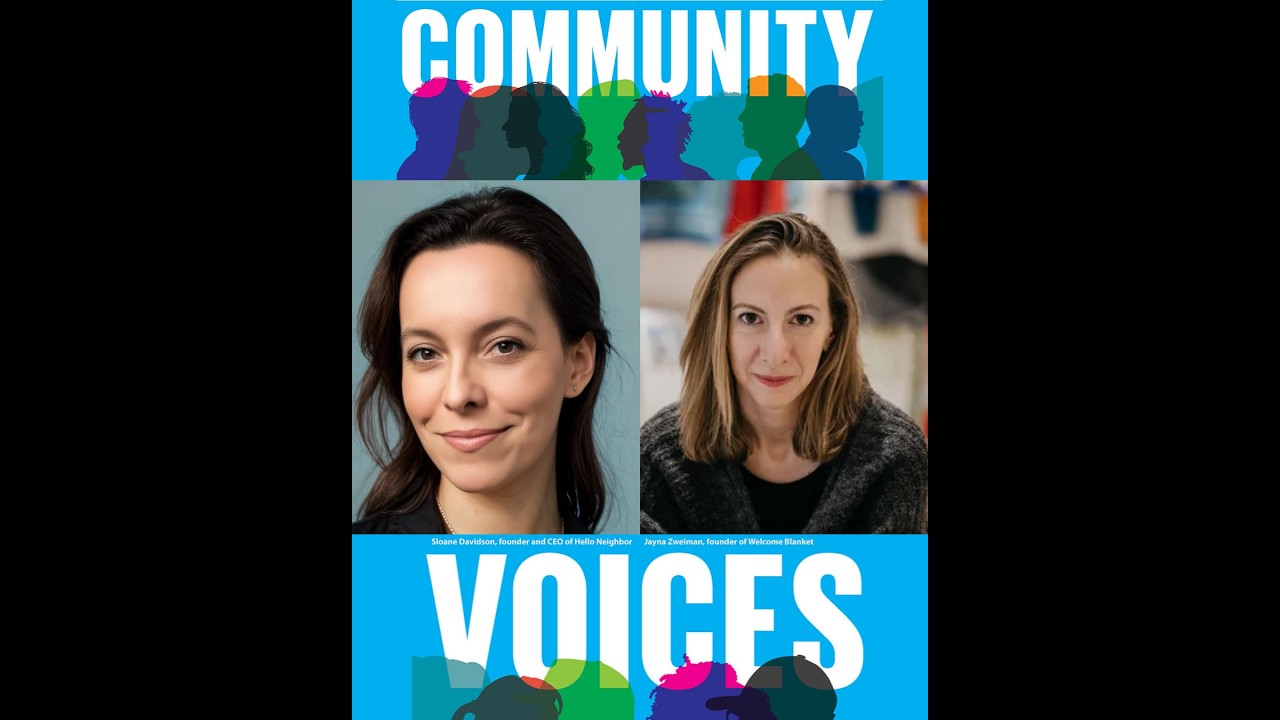
Community Voices: Sloane Davidson, CEO Hello Neighbor and Jayna Zweiman, Founder Welcome Blanket
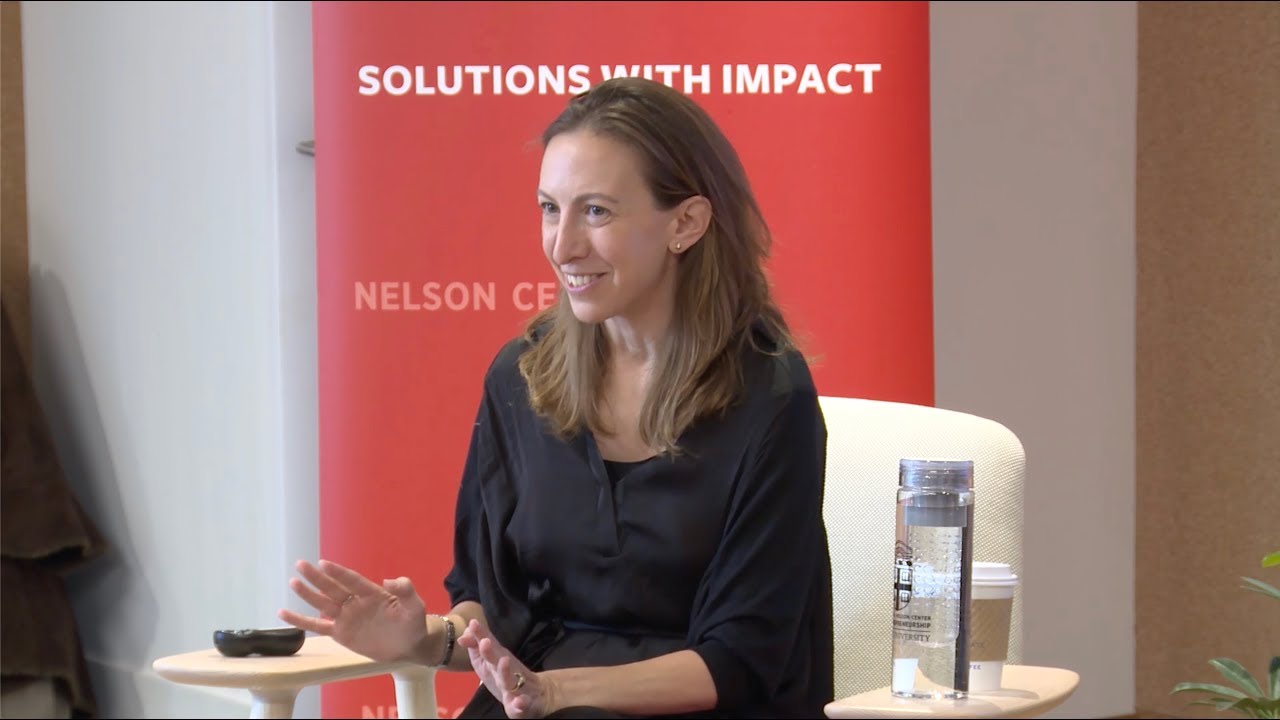
Founder Friday: Jayna Zweiman ‘01, co-founder of the Pussyhat Project and the Welcome Blanket
Jayna Zweiman, co-creator of the Pussy Hat Project and creator of Welcome Blanket talks to us