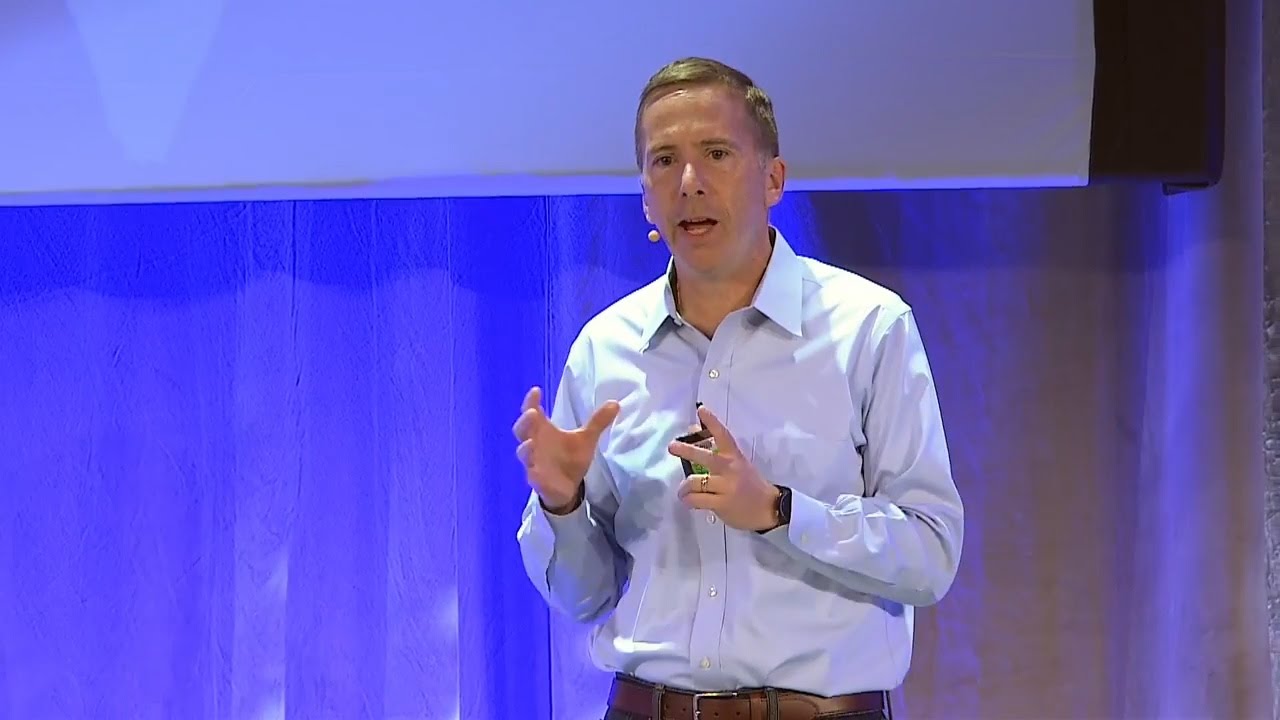
"All Things Product" - Episode 2: Kevin Nolan
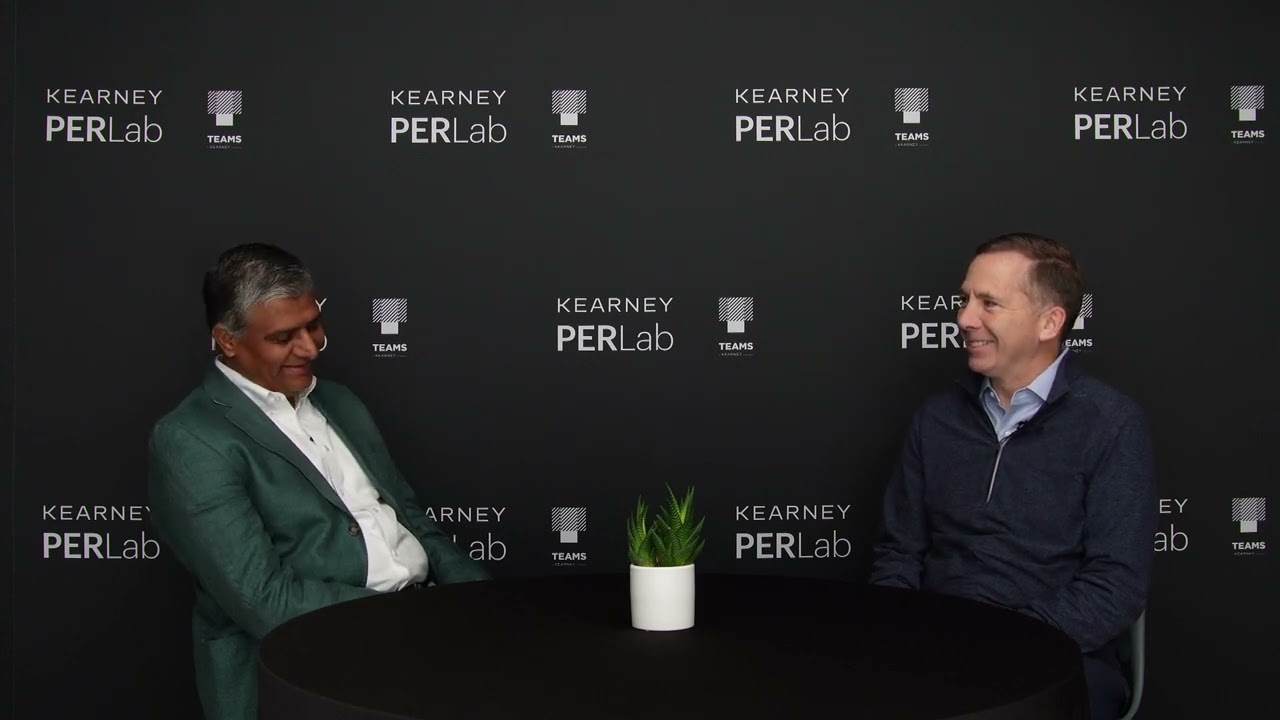
In this episode of the All Things Product podcast, Bharat, global lead for product practice at Kearney, interviews Kevin Nolan, CEO of GE Appliances and founder of FirstBuild. Kevin explains that his driving force is a love for innovation and creating products that delight consumers. He recounts how FirstBuild was born out of repeated failures within GE’s traditional R&D funnel, leading him to scrap the playbook and create an open‑innovation micro‑factory that invites customers and makers into the development process. The conversation explores several core philosophies: the "zero‑distance" approach that seeks to tailor products to individual users rather than broad market segments; the use of small‑batch, customizable manufacturing enabled by 3D printing and CNC technologies; the importance of humility and relinquishing control so that teams follow customer needs, not corporate mandates. Kevin emphasizes co‑creation with passionate maker communities as a source of insight, and argues that product success should be judged by consumer love rather than financial projections. He also reflects on leadership, asserting that the most effective CEOs are those who love the product they oversee, and that this passion is the simple yet often missing ingredient in successful product development. Throughout, Kevin shares anecdotes about his personal tinkering, product examples like the Monogram pizza oven and nugget ice maker, and the challenges of unlearning conventional innovation funnels.
Chapters
Hello everyone, my name is Bharat. I'm the global lead for product practice at Kearney, and today I have the pleasure to welcome my dear friend Kevin, a man extraordinaire innovator. More than a friend, he's a guy who's always thinking When he's not running his company as CEO of GE Appliances, you'll find him tinkering with God knows whatever at FirstBuild, which I think is the coolest place on the planet if you want to do innovation and if you want to tinker and you want to create new products. With this, I'm going to let Kevin tell us why does he do what he does and why is it that everybody thinks he is a So that's a pretty open-ended start to it, Bharat.
But I think it's mainly out of love for innovation, out of love for products. You know, my whole career was about, can we make something better? Can we make something that consumers really enjoy, that they love? And that's brought me on a journey throughout my career of how do we get better and better at that? And I think it's one we're still learning, quite frankly, and still trying to improve. And, you know, how do we really make products that consumers love? So what's your favorite product? that excite customers. And sounds simple, but I think it's actually hard to do. And I think many times we make it hard on ourselves the way we try to do it.
Why do you say that?
I think a lot of times it's very internal in corporations. Corporations have R&D departments, corporations have closed doors, and they think that they know best and they know what consumers want. And I think that's— I've learned through my career that's not the way to do it. The way to do it is to open up, And work with consumers, invite consumers in and get rid of your secrets and make them public. And through that, I think you can really find insights that you can't through the normal ways that we've been taught in years past.
So Kevin, Kevin, I agree what you said. You are a man who doesn't talk. He walks the talk too. You've created FirstBuild. Tell us more about how you actually walk the talk. How did you put it together? How did the idea come? Actually, FirstBuild to me personally is a philosophy more than a place, more than a factory, more than a sales place. Talk to us, talk, tell people, how did that realize? How did the idea come? How did you make it happen? Not just make it happen, but stick. Not just make it stick, but make it successful.
So I'd say FirstBuild actually came out of failure. And I think many times when we're doing something, it's hard to say it's not working. And a lot of it, we did a lot of innovation work. And I think around the company at this time, we were part of GE. We were viewed as good innovators. But when I really looked at it, the innovation we did, the success rates and the customer acceptance, they never really met our expectation. And so we just really ripped up the playbook. We said, let's find out a better way. a better way to innovate, not a better way to make products. And we went out and studied a lot of different startups and different people that I kind of looked up as innovators. And we found a common thread, this common thread of openness, this common thread of really understanding what customer needs were. And we knew we couldn't do that behind walls. And so we decided, let's flip it on its head. Let's take a risk. And we really— it wasn't really to us a risk because what we were doing wasn't working and it cost a lot of money. We said, can we do this and basically not cost money and have people be part of our innovation process and really reduce the cost of innovation? And then if we could reduce the cost of innovation, we could innovate more, and then we could have failures and it won't matter. We'll just move on to the next because we haven't got a secret to avoid all failures. I think we've actually failed more than we did in the past. But we fail cheap and we fail quick. And then we find when we do hit on something that's good, we really know that, hey, it's good. The customers are looking for it. They're demanding it.
You're like Michael Jordan. Miss more shots before you can make more shots.
I'm very far from Jordan.
By the way, I have to tell you, FirstBuild is my favorite place. It's like a little Disneyland for me. It's not just personal to me. Even my daughter thinks that you guys do some really cool stuff. So, okay, let's move a little bit away from what you have done to some of your, let's call it philosophies that have been built over time. Now, it's not a philosophy that comes from paper or articles or something. This is something that you've learned over many decades of knuckle-dragging grunt work, as you said, failures and then successes and then being recognized for those successes. So what is a good product to you, to Kevin?
You know, a good product, I think a lot of times we view it as it's gotta hit mass market and make a ton of money. I really look at it, do we delight a consumer? Does this provide something the consumer's looking for? And we're trying to make it so we can start targeting smaller and smaller consumer bases and really excite that person. We have a philosophy we call zero distance. Can we work for you, you as the individual, and make the product you want And that is a big issue for mass manufacturers. Mass manufacturers, we want to make one product that satisfies all, but we're all different. And to me, what really makes a good product is it tailors to the differences of an individual, not of a group, not of a segment.
But how do you do that? You are a corporation. In the end, you have to cater to a lot of people.
You know that I think FirstBuild is also an experiment on manufacturing. It's an experiment on small batch production. Small batch customization. So can we take a small segment and work just for them and do it profitably? And a lot of the view came out of a lot of the new manufacturing techniques— 3D printing, CNCs— the cost of this stuff is coming down. So do we really need to have a factory that builds a million pieces? Can we have a microfactory? And that's what we created at FirstBuild that can profitably make products at small scale. And that's what we're still working on. We're experimenting with.
I see that. I've seen it. And as you know, I use some of those things made down there. Okay, let's move to another question about why is it that some companies are more successful at launching good products than others? Because nobody wakes up saying, I want to make a horrible product that nobody loves. I don't want to make money. People struggle. It's very hard to launch a hardware product. And I'm going to quote you from a long time ago, hardware is hard. It's called hardware because it's very hard to do. You can't do a small change. It's a big change you have to do. I would even maybe add, your company was before part of the big company, then you guys came out. Huge difference what you've done to the company, from a struggling company that somebody didn't want to to the darling of the consumers today. What is that journey along with the first question about why is it that some— you guys launched some cool products like CES was like you were the darling out there. What is the secret? Why is it that others struggle to do that? They all want to do the same thing. They have the mechanical, electrical, electronics, computers, everybody that you can hire. What's the secret?
I think the secret is so simple. But for some it's hard and it's just humility. You know, you look at most corporations, the bigger they get, the higher up the bosses and the more control is brought down through the organization. And innovation happens at the ground level. It's hand-to-hand combat is innovation. You can't be in a back office looking at a bunch of presentations and pitches and really understand, is it good or is it bad? And you have to give up control. One of the secrets of FirstBuild is I have no control over what they do. Zero. And that has a tenet that they only do what customers want them to do. They don't do what the corporation wants. That's a hard thing. It's a hard thing to follow because a lot of people want to move up in a corporation for what reason? Maybe it's power, maybe it's control, maybe it's influence. You have to move up a corporation to release the value in the— of your people and believe in the people. And it's simple, but for some it's very hard to do because they want to control those things and hold on to that power.
Kevin, you are a product guy. I'm a product guy. We love products, but somehow there are not very good products all the time. Tell me, like, from your experiences, how is it that a product that we can control has implications on innovation for a company? driving customer experience and then loyalty and then profitability, kind of the trifecta, good for the company, good for the consumer or customer, and good for the planet. How do you— what role does the product play? And I know it's a rhetorical question, but sometimes I see people in product companies miss the point that product is the thing that makes us tick and its implications on the customer, the innovation, the profitability, and everything. Share your thought process behind it. How do you look at it? Because you sit, you are the boss. You sit at the top of the table, the buck stops with you. And there will be times when you have to make a decision to do, not do, push more, even if under certain circumstances. Use that vantage point to address the concerns that I have.
Yeah, I think a lot of times it's how you evaluate what is a good product. And I think many times the way we do it is finance. Finance will get involved and they'll look at what the return is, what the investment. And that, I think, is not really what dictates whether it's going to be successful or not. Because throughout my career, there's been a lot of lessons learned where on paper and financially it looks unbelievably good, but when it gets out in the wild, it doesn't do what you thought it was going to do on that sheet of paper that was analyzed. It's not— it doesn't work like that. And so you really have to figure out, is this something consumers love? If consumers love it, It's a success. It's going to be successful. And that's the test you got to put it to. You can't go through all this. Finance can never tell you about consumer love. So it's how do you discover, is this something consumers are really going to love?
How do you do that?
You have to get in front of them. You have to get that product out early before—
Tell me more about the time you hung around low people's kitchens.
Well, I think it's, it's working with people and consumers have needs. I think the real trick to it is, A great product fills— fulfills a consumer need, a consumer pain point, something they're looking for, either for that they don't enjoy or something they're going to enjoy more. And the issue is a lot of consumers don't know how to express it, or they don't really know what it is. So how do you sit there and, and discover with them? And there's certain consumers that are better at that than others, and that's why we really gravitated toward the maker. Community, because a lot of makers out there, we call co-creation, where they know how to tinker and they'll modify things. There's a lot of things going on. So typically, if you're a product company, if you go out, the way your products are used are they're not the way you intended them to be used. And through those unintended use cases, that's where you can discover some amazing things.
How much time do you spend in people's kitchens?
You know, I, I would say I don't spend a lot because I don't think I'm a good cook and I don't think I would help much. But if you look at FirstBuild, etc., that's where they spend their time just talking to people, finding what are people passionate about. So I'd say we spend more time not in the kitchen but looking for passionate groups, looking for passionate people. And if you find a true passion, there's something in there. There's something in there that they can express what they're disappointed with or what needs aren't being met. So I'd say it's more about not the typical you go in a home and observe. Go look for passion. And when you find passion, you're going to discover some incredible things.
So you're saying it all comes down to passion and love?
I think that's, that's the secret, because great products, we have feelings towards them.
That's true. Okay. So with feelings, we get to our next question. In your own journey, go back to like as far as you can go, even high school or even middle school. 2-part question. What are some of your own product success stories and why? And what are some non-your product success stories that you get inspired by? New, old, it doesn't matter. And why?
Yeah, I'd say it's hard for me to look at my product success stories because it's never one person. I look back fondly on some of the small things I did, small improvements I did, some of my first patents. that a consumer never saw, but I know it was kind of an interesting way to do something in a different way than it'd done before. And that always excites me if I can take a part, because modifying or changing something that's been done before means that you've got an idea that wasn't there before. And I find that challenge very interesting.
Kevin, I like your humility. That's why I respect you. But let me put it this way. be it your Monogram pizza oven or the nugget ice maker or the smoker or the toaster, those products are just a world apart. They make a difference. And I can say that personally, okay, I'm a fan of products, but I see my family using them all the time. And that tells me that these products relate to them. And by the way, those are some of the most critical people when it comes to using products. So thank you for giving me that experience. Okay, let's move to the not so cool part about it. What are the challenges that have— you said like first build didn't come out of success, it came out of failure. And that is so true. You learn. If you are humble, you learn from them. If you're not humble, you just blame everybody else. You haven't done that. You've built something. Share with us what were those challenges that created the conviction for you to put your even reputation and in some case as a part of a company, career on the line, to go and do something like a FirstBuild. I don't know about you, but I feel if that wouldn't have been successful what it is today, I don't know if you would be in that position where you are. Because I feel it's been a cool part of your journey which has been recognized by not just me, but every possible meaningful innovation institution that matters.
I would say when you get through all this, Bharat, it was really looking at conventional wisdom, you know, what we were taught. So we were taught innovation funnels. And, you know, if you go and read a book on innovation, it's the funnel. It teaches you all kinds. And I drove those and it doesn't work. And so a lot of it is how do you unlearn all the teaching you're given? And that's a scary area. That's like Christopher Columbus going off into the ocean of you're doing something not the way you've been taught and trained to do it.
Yes.
And there's a lot of smart people that will tell you, this is how you innovate. And breaking those paradigms, breaking those rules feels risky. But to me, what's the risk if it doesn't work? So I really felt no risk on doing something different because if people really analyze those funnels and, you know, you look at what companies are measured on, their percent R&D, all these metrics, they don't work. Because if they worked, we'd have a hell of a lot better products out there in the world today.
What drives you? Because this motor never stops. Saturday, Sunday. I don't know how your family tolerates you running away from home, but what drives you?
You know, I think the theme to me is there's a better way. You know, always thinking that we can do something that excites me. You know, can we do something better than it's been done before? You know, whether it's in the hobbies, you know, I'm a clockmaker.
I know, I've seen some of them.
And I just don't like making clocks. I like seeing, can I do something better?
By the way, I'm expecting one to come in the FedEx.
It's taking too long today.
I know they are gorgeous.
But it's a challenging thing because these things were done 300 years ago by so smart people.
It's unbelievable, right? No computers, no CAD, and the precision like blows my mind away. I can easily tell you I would have never been able to do it. It's crazy.
But I think all of that is, can you make it better? And that's what's driven people throughout the centuries of, can we make something better?
Kevin, if you— I don't know if you believe in God, but if you were God for some time, what would you do that would transform our product development processes? Despite all the rigor, despite all the discipline, We have more failures than successes. And we waste so much money. And sometimes we learn, like you. Sometimes we don't learn. And the history is littered with products that were considered good, never made it. Products that were supposed to be nowhere became the biggest wonders. That is luck. That is not thinking. You guys are doing something that is— sure, maybe luck is a little part of it, but it's a regimented way of thinking, a different philosophy. What would you change in the whole product development process that technically could make the world a very efficient place? Because we all need products and products are useful tools to us.
You know, I think first I would never want to be a god.
Okay, let's not— let's say you are the innovation don.
But, you know, I think it comes down to the leaders of corporations. If we could just have leaders that loved what they were doing, that didn't love being a leader, that loved the products that they were making, it would be a better world because there's nothing worse than working under a leader that doesn't love what they're trying to get done. And I think that's what we need. We just need people that— they don't need to be engineers, but they need to have a love of what we're doing. And I don't think that's always the case when you look around the the country and institutions that we have, the ones that are successful, the common theme I see on all of them is the leaders of those organizations love, love the products. That's why the innovator, the startup, why do they start up something? Because of love of what they're doing. And why do companies typically fail when that person leaves?
They don't love it.
Because the replacement loses the love. And I think it's such a simple thing, but When people are evaluating who should be a CEO, what these boards are, why do they miss such a simple, simple thing?
So folks, there you have it. There's no secret. It's as simple as it. Whoever is at the top of the pyramid at a product company just needs to love the product, needs to have a passion for them. Kevin, thank you very much. This was one of the most inspiring conversations I've had. I know you love products. and it shows. So thank you very much.
Thank you, bro.
Keep making more products.
I hope to, I hope to.