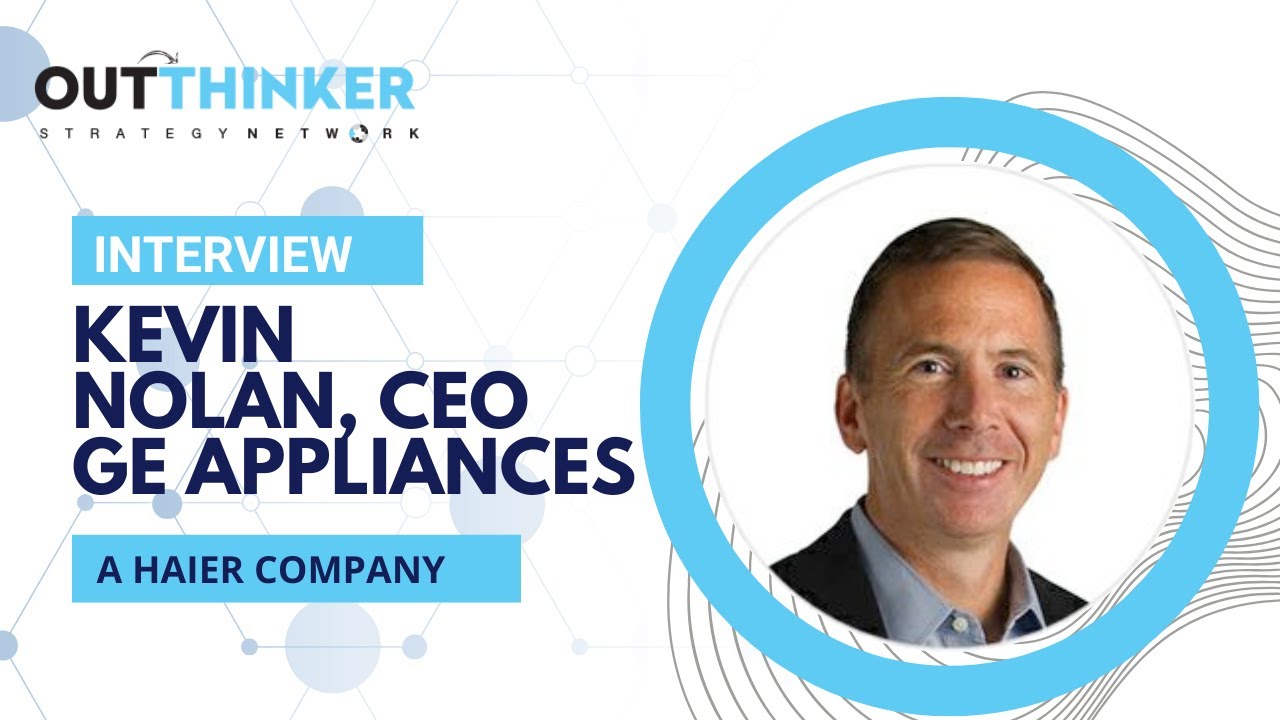
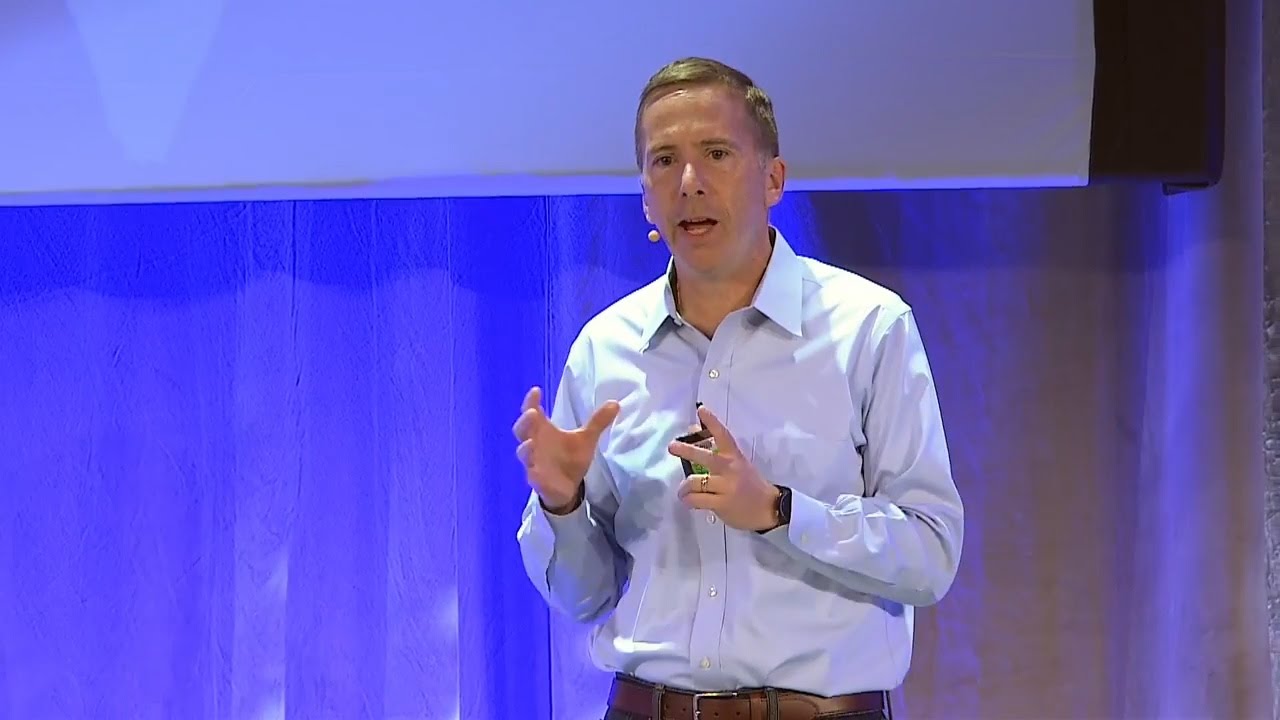
In a televised interview, GE Appliances CEO Kevin Nolan announced a new $3 billion investment to modernize factories across the Southern United States, adding roughly 1,000 jobs to the 4,000 already created since 2016. He highlighted that all engineering, decision‑making, and customer data remain in the United States despite the 2016 acquisition of GE Appliances by China’s Haier. Nolan emphasized that tariffs and recent trade policies have spurred confidence in domestic supply chains, noting a 50 % increase to about 6,500 U.S. suppliers. He discussed the broader political backdrop, referencing Vice President J.D. Vance and Treasury Secretary Scott Bessent’s remarks on tariff revenue and deficit reduction. Finally, Nolan offered a cautiously optimistic view of demand, citing strong consumer confidence, a resilient housing market, and the potential for lower interest rates to boost appliance sales.
Chapters
And that was Vice President J.D. Vance with me on Sunday Morning Futures last weekend on America's manufacturing boom led by President Trump. GE Appliances, one of the latest companies to bring jobs back to America, now announcing a $3 billion investment to modernize factories in South Carolina, Tennessee, Georgia, and Alabama. Joining me now is the man behind it all, GE Appliances CEO Kevin Nolan. Kevin, great to see you. Thank you so much for being here. Tell us what you're doing and more about this investment.
Yes, this is a big deal for us. You know, we've already invested $3.5 billion since 2016 into American manufacturing, but we just put another $3 billion commitment to bring more great jobs, more products back here into America and really focus on American manufacturing.
Yeah. And what kind of job creation will that mean?
So it's been a great story. 4,000, 4,000 jobs already we've, we've increased since 2016 in good-paying, good-benefits American jobs. And with this new investment, it's another 1,000 coming in. And one place you left out was Kentucky. We're sitting here in Louisville, Kentucky, where a big part of that investment goes in. This is our global headquarters right here.
Yeah, it's interesting because, you know, we talk so much about China on this program, Kevin. And of course, Haier, a Chinese company, acquired GE Appliances back in 2016. How have things changed since China's Haier appliance company acquired your company?
Well, the great thing for us is we run this company. The workers are here, the engineering's here, everything goes on in America, and this is where we make the decisions. So since that 2016, we've been able to do what really no other company in industry has done. And I hope they do get on it and they start making things here in America the way we are, because since 2016, we've been able to pour this money in, more money than we put into this business since 70 years ago these plants were built here in America. So this is a real renaissance in manufacturing going on right now.
So customer data and information is all in America, not in China?
Yeah, we are so careful on that. You look at everything on here, the software is here, the servers are here. You are secure on our stuff. There is no connections back there. And I'm an engineer, I'm a technologist, and we focus on that in a big way because we want to make sure our employees are secure, our customers are secure. And I can tell you, we look at this thing all the time and that's where that data is.
Yeah, I know. It's interesting because, you know, for so many years I remember I was a GE employee. I worked at CNBC for 20 years. And I remember always talking about how GE Appliances would compete straight on, head on with Haier. So it's, it's interesting to see that ultimately what does Haier do? It acquires, you know, it couldn't compete with you, so it acquired you.
Yeah, it's been a good ride, and I think the future is so bright, and I'm so glad, so glad we're finally talking about putting manufacturing back. I mean, if you remember back in GE, they never talked about that. We didn't talk about appliances and building and investing, but that's what we're doing because we know that's the right thing.
Well, I mean, look, GE Appliances is so Americana. It's like GE light bulbs, right? I mean, I could understand why China would want the ownership of the company. Let's talk about tariffs and the impact Because the administration has been celebrating the success of its tariffs and its trade deals and the ultimate push to bring manufacturing back to America and open up markets to American goods. We spoke with Treasury Secretary Scott Bessent yesterday on the windfall that the U.S. has seen from these tariffs and where they go from here. Watch this.
August, September, it's going to be a very good test. I've been saying that I think we can take in $300 billion. And, you know, as the Treasury secretary, I like to be conservative, but there's a chance that I'm going to have to substantially upgrade that number. And, Maria, the way to think about it for your viewers is every $300 billion is 1% of GDP. We were left with a mess. The deficit to GDP, 6.5%, 6.7%, highest when we were not in a recession, not at war. So just the tariff revenue can bring that down into the 5s, which fits with this administration's plan of getting the deficit to GDP back into the
So, Kevin, how have these tariffs and trade deals impacted GE Appliances?
Well, the thing that I see that the biggest impact and what I love is it's finally got the conversation back about manufacturing. You know, we've been— we talked 2016. We know this is the right place, but we need to have our suppliers here. Since 2016, we've got 65 thousand— 6,500, excuse me, suppliers supplying goods into these manufacturing plants. That's gone up 50%. But I think right now the conversation and what these tariffs are doing and making people realize we need to bring that supply chain back because we can make these investments. And part of the reason we want to be out here talking is so people have these suppliers of parts. People talk, oh, you can't get motors, you can't get electronics. Those suppliers have to have the confidence that we need to come to America. We need to build that stuff in America. And I think tariffs have finally put the conversation back on the floor to get these people to have the confidence, because this is all about confidence and we need that. And I think they're having the confidence that, yes, America is the right place. We've known that. I've grown up in manufacturing. I'm going to leave later today. I'm going to be out on a manufacturing floor walking around, seeing how things are built, how products are going out. More Americans need to understand that. And I think finally people understand these are great American jobs. It's a new day for manufacturing in America. And these tariffs, I think, are putting that on all the headlines, on all the focus. And it's a good thing.
Yeah. Kevin, real quick before you go, give us a sense of the demand side of the story. We're getting news this morning that China's economy is slowing sharply in an ominous sign for the outlook. The economy slowed in July with factory activities, investment, and retail sales disappointing, suggesting a pall or a stall. In the economy there. We also have, have indicators here. We had 3% growth in the US just recently on the GDP. But what can you tell us in terms of the demand situation and customer buys right now?
Well, I'll tell you, appliance market, it's dynamic and we really see things in consumer confidence, all that housing market. We see all that first half hasn't been that bad. It's been I would say better than I expected. I mean, we've had momentum as a business. You know, we are the number one appliance company in America right now. We have momentum going into it. It's been a pretty good first half. We're just hoping that, you know, if you see interest rates goes down, we have a housing crisis going on. We need people out there. I mean, mortgage rates going down, that's just going to help this industry. So if some good things happen on consumer confidence, we get these interest rates down a bit. I think it's going to be a good— it's going to be good going forward. But that's the future. I don't know.
Kevin, thanks very much for being here this morning. We'll be watching the company. Kevin Nolan is the CEO of GE Appliances. Thank you, sir.