Forget Waiting for Opportunities, Create Them with Maha Abouelenein
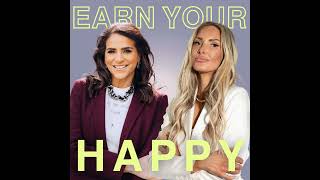
Maha Abouelenein, who spent 30 years in communications at Google, Netflix, and General Mills, shares her seven rules for self-reliance. Stop waiting for opportunities and create them instead. Build your reputation through storytelling, strategic networking, and treating yourself as a long-term investment.
Chapters
Big shout out to my sponsors this week.
On this episode, we have BetterHelp for 10 off. All you have to do is go to betterhelp.com forward/lori. HelloFresh wants to give you free breakfast for life at hellofresh.com forward/free earn. And Found wants you to try it for free at found.comforward/earn. And Quince wants you to go to quince.comforward/earn for free shipping on your order and 365 day returns.
I don't think it works in the world today that someone's going to anoint you that project that's going to make you a rock star, that's going to give you a promotion, you have to go create it. You shouldn't wait for someone, you shouldn't expect someone to see you to give you that project, to give you that opportunity. So you're going to need to go out and create it.
Maha, thank you so much for coming on the show. I'm so excited to have you.
Lori. I am such a big fan of the show. I'm grateful to be a guest.
Oh, my goodness. I was just telling her before this. When people tell me they listen to the show and I'm interviewing them, like you do.
Yeah, of course we do. We love it.
It's so great. It never gets old to me, though. I'm like, that is just so crazy. You start these things, you start a podcast, you know, just like you, you write a book and all of a sudden people like, you're out in the world and they're listening and they're reading and they know your story and you don't know them. It's the weirdest. It's the best.
The best, though. I mean, what a great time to.
It really is. We are so lucky for anybody listening, like, and I know we're going to go into chatting about that with just, you know, the opportunities of the creator economy and just having everything be online, but what a blessing. And it's still, I believe it is just still so abundant. I don't believe it's oversaturated. I think there's still so much opportunity out there. So I'm really excited to chat with you today. Not only do we have a lot in common in terms of just when I was, you know, going through your book and reading parts of it, I was like, I love how she thinks. Like, I believe so much of this and so much of what you've written in here is like, exactly what I believe has made me successful. So I'm really excited that you've put it in a book so people can learn. But also, you're a Midwestern girl.
I'm from Minnesota, born and raised in Mankato, which is like home of Laura Ingalls Wilder Little House on the Prairie. You don't get more small town than that.
No, I love that. Which is incredible because you are just really out there in the world. And I think that, that, you know, when I lived there, it felt like a really big block for people is a lot of people really had a belief that if they, you know, lived in the Midwest, that it was a lot harder to put your dreams out there or to follow your dreams. And there is a part of me that I do think it is a little more challeng, but I also think that there's a lot of great things that come out of that for you. So I kind of want to start there. Like, what do you feel like has been an advantage for you living in the Midwest and doing what you do?
Okay, first of all, I love that question. So I'm 100 Egyptian, but I was born and raised in Minnesota, and I feel like that Midwest values, I mean, that whole upbringing of living. I went to school, school, college, university, grad school in Minnesota, you know, lived in Minnesota till I was 27. But like, the thing about living in. In the middle. In the Midwest and in the Middle east, because I've done both, is you think a lot about culture and identity. Right. So Minnesota, I was like only the only kind of brown girl in my school. A lot of blonde hair, blue eyes. And I really wanted, when I was growing up to fit in. I just didn't want to stand out. Like, my name is long, my hair is brown, my skin is dark. And I really, what I learned life is I started to use that as an advantage. That became my secret sauce. So Midwest values is all about relationships and, and being there for your neighbor and looking after each other. And Minnesota nice is the thing. People in Minnesota are very, very nice. And when I moved to Dubai and to Egypt and I lived overseas, obviously they do business very different there. But I was like, when I was there, people thought, oh, she's. She's so American. Like, her English is so American. And when I was there, they didn't see me as Egyptian. And when I was in the US they didn't see me as American. I really try to take that, you know, identity and use that as a strength of like, okay, maybe I can help build those bridges and take Midwest values to the Middle east and Vice versa. And I just, I love everything about growing up in Minnesota, about the people, about the family, about the relationships. And so many of my friends still live in Minnesota. So I left the reach. I left Minnesota for 23 years, came back during the pandemic, and I just like, I didn't miss a beat. Everything's still here. Everything's still great. Minnesota's a great place to race children, good schools, good health care. And so I'm really grateful to be home.
I love that so much. You know, I don't have obviously that story, but a story of coming from the Midwest, going to the West Coast. And let me tell you that, I mean, that in itself is also a little bit of culture shock. And I remember feeling like, oh my gosh, am I going to be able to make it out here? And immediately, just because of all the, you know, personal development work I had done prior, it's like, how could I use this to my advantage? And exactly like what you said. I realized that we put a big emphasis on relationships and like, really valuing people and like really dropping in with people. And also showing up was a big thing, like keeping your word and showing up. And I realized that in la, if you just don't flake on people, you can really win.
Shocker. Shocker. That matters. No, but I think that being reliable, being loyal, those values like showing up and being there and supporting your neighbors, like, it's a big deal here. And it's one of the reasons why I love coming here and spending time. I spent every summer here and like now I live here again. But like, it's just the thing about the, the values of being from the Midwest that I feel like are a lot of people leave, but they always come back.
Totally. Okay, so you have an awesome book out called 7 Rules of Self Reliance, which is so important because so many people now want a side hustle or they want to be an entrepreneur or they want to be a creator. And people always will say to me, they'll be in their careers and they'll be like, oh my gosh, it must be so amazing being an entrepreneur. And I was like, it is. If you are a self starter, if you can rely on yourself, everything follows falls on you. If you're good with, you know, holding risk and, and being good with like growing your capacity of what you can hold and all of these things that come with it. So this book is, I believe, so perfectly timed for people who want that side hustle, want to be an entrepreneur and just all around want to grow because these are really important things that they need to know. But let's back up just a little bit. Can you tell me about your career and how it all started and how you transition doing what you do now?
Yes. So I'm a strategic communications advisor. I counsel companies and clients, high number of individuals and brands on how to tell their stories, how to build their personal brands, how to find their narratives. So I have a career of 30 years, 20 of which were an entrepreneur. I was head of communications and public policy at Google. I launched Netflix in the Middle east, served them for five years. I worked for Ruler of Dubai. I work for General Mills in Minneapolis in sports marketing. I worked for Weber Shandwick in the Middle East. I opened up all their offices. So I have a lifetime career in doing communications with big names like not just the Googles and the Netflix and the Ubers of the world. It's, you know, Gary V, it's Deepak Chopra, it's Jim Kwik. So giving them advice on how they should either, you know, if they have projects to give them publicity, but just tell their stories. And the reason I wrote this book, the seven Rules of Self Reliance. It wasn't about what I did, you know, being good at comms or good at storytelling, that I thought was unique. It was how I did it. And how I did it is what this book is about. The rules help people understand the importance of self reliance. Self reliance to me is not about being independent. It's about coming to the table. Lori with skills, with experience with relationships. You don't wait for other people to do things for you. You don't have expectations from others. I want to rely on myself and put my best foot whenever I enter any relationship, personal or professional. So this book is a playbook. If you want to learn how to level up yourself or invest in yourself or grow, it starts with you. And what are the things you need to do to rely on yourself? Before you can be of value to other people, before you can expect other people to do things for you, you really need to know, what do I need to do to rely on myself? And it's more than you think you're capable of more than you think. And that's a lot of my story. I was 27 years old. I moved to Egypt to speak Arabic. Didn't have friends, didn't have a job, had to start over. My mom had multiple sclerosis since I was 14. My dad got ALS and, you know, subsequently died right away. I had everything against me, everything was stacked against me. But when My back was against the wall. I learned how to rely on myself and what are the things I need to do to make the best decisions for myself or for others. And that's the premise of self reliance. It's, it's empowering. It's about getting resourceful and investing in yourself.
Can you tell me a story about one of the first moments you realized what you know, one of the key things about self reliance was like, what was the bridge when you were like, whoa, this is something that taught me how to rely on myself. Do you remember some of those?
Yeah, I mean top, top of my head, the story. I just, you know, when I moved to Egypt, I was 27. I moved to Egypt because my mother was sick and I was taking care of her and I didn't want my dad to take care of my mom alone. So I moved with them to Egypt. Even though born, raised live my whole life in the U.S. it's like, you going to Egypt, like you don't know anything. Like I didn't feel connected to the culture, the people, the language, anything at all. And I'm like, huh? I'm 27 at an age where most people were moving out from their parents. I moved in and had a responsibility to take care of my mother who was very sick. And I gotta figure out like my new life. Like, I don't have a professional network, I don't have any friends, what am I going to do for a job? I tried to find a job like a png, a Coca Cola, Pepsi, like a US based company in Cairo. Couldn't find one. I got offered to be the office manager, the assistant to a billionaire. And I was like, I'm too overqualified for that. Like I was working at General Mills in sports marketing. Why am I doing this job that is like a secretary job. I thought I was, it was beneath me. And my dad gave me some advice. He's like, you don't know anybody. You just moved here. You can build relationships, you can build network. If you get a chance to be close to the sun. Working for a chairman, you could learn a lot. You have to go into him and show him how you can create value for him. Rely on yourself to create this job, to make it something it can be. Exactly what I did. Put my head down, I just read every single piece of paper going in, every single piece of paper going out, trying to network and build relations with everybody. In the course of those four years, I ended up becoming business partners with him, working on the largest IPO in the history of Egypt, the largest acquisition history of Egypt. And I just put my head down. I relied on myself to get out of that role, to make it something it could be. And it did.
Okay, so in order to do that, obviously there's so many things you, you, you didn't understand how to do when you got that job because of obviously so many new things. And I know this kind of hits on rule number two as well that you have in your book about being a value creator. But what would you go into work with? Like the questions of to add value. Like what was the mindset that you started adopting when you would walk through the door of okay, dad just said, you know, go in, let's try to add value. What does that look like actually in Day to day? Yeah.
So rule number two of the book is be a value creator. So what can you do to create value for other people? And I started with a very simple question I would ask, how can I help? So asking people how you can help, an open ended question opens up the opportunities for you to find out what are their pain points, what are they struggling with, what are they dreaming about, what are some opportunities they're interested in achieving. And then by listening intently and thinking about what are the things that they're, they're either suffering from or want from or want to achieve. Then you can like pull that string of, okay, this is the one area where I know I can add value because I actually know something about that or I feel eager enough to go figure that piece out because that's the one. I feel I can show him my skills, my value, my experience, what I can bring to the table. So you need to ask that first open under question. Then you have to figure out how you can anticipate needs for other people. So when you're at work, I don't think it works in the world today, which is one of the rules in the book about being a waiter, that someone's going to anoint you that that project that's going to make you a rock star, that's going to give you a promotion, you have to go create it. You shouldn't wait for someone, you shouldn't expect someone to see you to give you that project, to give you that opportunity. So you're going to need to go out and create it. So that's what I did a lot in my career, Lori. Like I was like, oh, there's a project over there I really want to work on. Okay, how can I add value to that person to show them that I can do that? When I've never done it before? What skills am I missing? What relationships do I need to have? What knowledge do I need to attain or acquire? So you really have to figure out how you can become valuable to other people. And if you want to bring value to other people, you must be valuable first. You have to have something to bring to the table. So you need to invest in yourself by learning things or coming to the table with relationships. So many times in my career, I created value for other people by just introducing them to somebody that was important to them. It doesn't have to be you doing a heavy lift or you doing the work. Create value for other people to show them your intentions, your skills, your relationships, what you can bring to the table.
So one of the biggest things, you know, we had, we were talking about the event that I just got done with, and I got to meet some of your mutual friends at Girlfriends in Business, which was so fun because I was like, I get to talk to her next week.
Going next year. I'm going next year.
Great.
We.
We want to have you there. Maybe you'll speak. Maybe I'll just twist your leg and speak. We'll see. Talking about managing the value that you give back and figuring out who you're going to give that value back to. Because I found, like, a big thing was this idea is out there and people are like, okay, let's add value, let's add value. But they get really overwhelmed with, like, how to follow through on that and who to add value to.
Yeah. So you don't want to be taken advantage of. Right. So you need to be like, I worked for free. I tell a story in the book. I worked for free for Gary Vee for like a year and a half. And everyone.
That's awesome.
You're crazy. Why would you do that? I'm like, well, first of all, I wanted to build a relationship with him. Two, I knew that there was going to be something good that comes out of the other side. If I invest, I invest time, I share knowledge, I show him what I'm capable of. I'm capable of helping maybe open doors for him in the Middle east and Dubai, the new market I could potentially open for him. I understood that digital marketing was where it was going to be, and that's what he was very good at. So I think when you're thinking about that, you need to, obviously, risks and benefits. I would always use my time. Not the time of my team. Team. Not billable hours of my resources, of my company. So you need to weigh it who do you create value for and how much time you should give them or how you should create, you know, demonstrate that value should depend on a couple of things. One, is that something that you can use out of your time that doesn't require financial resources or expenses out of your pocket, that's going to be a risk to your business. Two, is it something you can actually deliver? So a lot of times you're like, I really want to create value for someone like him, but, like, I don't know if I can actually deliver. Then don't open that door until you're ready, right? Do your homework. Build that relationship you need or get that investment in time of learning something that you need before you come to the table. And then also think about you can't do it for everybody, right? So I will pick a couple of people that I want to bring value to because there's a purpose behind it. Either I want to invest in this relationship, what I call making a deposit in someone's trust bank, because I have a friend who wants to be connected to them, or I might be able to convert that into potential client. Or a year from now, I know someone who may want to speak at their event, so I might help them with the speaker because I want to do, like, next year for somebody else. So you need to make those linkages and you need to be strategic about it, because we don't have unlimited resources, we don't have unlimited time. So think about it. When you think about who do you want to have relationships with, pick two or three people that are really important to you and then figure out how you can add value to them and do that consistently.
Love that. Let's talk about managing expectations around this, because I know in the beginning sometimes it's like, okay, if I do this for them, it's almost like we keep this private little scoreboard that they don't know about, and then when they don't deliver, you can get a little irritated or pissy about it. And that's not how we want to be. So can you tell me, can you tell me kind of about, like, the attitude, the mindset of how we go into this.
This podcast is brought to you by Better Help. And you guys, you know, I'm going to relate this back to business, because if you have big dreams, if you have big goals, if you started a business, if you have a business, let me just tell you, it is the.
Biggest personal development that you will ever.
Do in your life, whether it is.
Going to post on social, and it's.
Bringing up all of these different triggers.
And you're worried and you're afraid of judgment or.
Or you don't even know who you.
Are when you go to post. You don't know what to talk about.
You don't know how to make it authentic.
I'm telling you, therapy can help you tap into all of that and work through what's coming up for you and what's triggering you around all of it. I am obsessed with having coaches. I am obsessed with therapy. I am obsessed with talking through my experience. So you guys, truly, if you're thinking of starting therapy, give better help a try. It's entirely online, so it's like one of the best and easiest ways to dip your your toe in. Because BetterHelp is designed to be convenient, flexible, and suited to your schedule.
All you have to do is just.
Fill out a brief questionnaire to get matched with a licensed therapist and switch therapists at any time for no additional charge. Rediscover who you are with better help. Visit betterhelp.comlori today to get 10 off your first month. That's betterhelp h l p.com/lori. And you guys, seriously, go and check it out. Every single person that I know who is super successful either has a coach or a therapist. All right, let's get back to the show.
If you follow me. You guys know that I love fashion and things in the home. That's why I'm so excited about Quints. And if you're shifting your wardrobe like I am right now from summer to fall, it's always a bit of a challenge. And I love high quality items. And I also don't want to blow my budget because I love things often. I'm so sorry, you guys. Quince has things like cashmere sweaters from $50 pants for every occasion, washable silk tops, and so much more. And the best part is, all Quint's Items are priced 50 to 80% less than other brands because they partner directly with top factories. So Quint cuts the cost of the middleman and they only work factories that use ethical and responsible manufacturing practices. I just got their bed sheets and I have to tell you, I love how freaking soft they are and how cool they keep me at night. So make switching seasons a breeze. With Quint high quality closet essentials, go to quint.com earn for free shipping on your order and 365 day returns. That's Quint Q I N C E.com earn to get free shipping and 365 day returns. Quince.com/earn.
Yeah, so I think a lot of times, and this is like another rule of self reliance is you got to be a long term player, right? Sometimes I will connect A to B and A and B will do business with each other and off they go in their merry little big business opportunity that I'm not a part of. And at beginning when I would do that to introduce A to B, I'd feel terrible. I'm like, wait, I introduced them. I'm not even part of the value equation. Like I didn't get anything in return. I don't think like that anymore. What I try to do is, and this is something gary taught me, one plus one equals 11. Like try to really be there because you have good intentions to create value for somebody, you will get something in return. You might get it a week from now, a year from now, maybe not from them, from. They might introduce you to somebody that you didn't even have on your bingo card or your radar that you'd like to do. So that's the thing about it is like if you're going to do something and feel bad about it, then you have the wrong intentions going into it. So try to have good intentions and knowing that with having no expectations that something will happen, you have to put your heart into it because you know it's the right thing to do or it's a relationship that's important to you and you're willing to make that deposit and know that you may not get a return.
Learn. Love that. What do you do for like, let's say you have a meeting and you, you know, you get the answers of what you can do or how you can help. How does that integrate into your calendar? Like do you schedule it? Do you have notes? Do you follow through just for like the actual follow through. I know this is tough.
No, no, I actually I do, I make a list. Like I always even with. Hopefully we're going to talk about networking today because I think it's one of the superpowers that totally master. But like I make a list. Like I have intentions. Like these are people that I care about. I want to try to add value to them. I want to try make introductions to them. So for example, I do a ton of business in Dubai, right. So there's a lot of people that are interested in that market. So I have a list of like, okay, these are the people. Anytime I talk to someone in the region, I really want to connect them or I want to find an opportunity for them. So I don't forget because if they mean something to me, they're on my radar. I'm going to try to find an opportunity to help them. And for me it's rewarding. It's rewarding for me. When I create value for other people, Lori I ultimately create value for myself, experience. I get the relationship, I get the reward and satisfaction of doing something that multiplied into something beyond my wildest expectations. And I that's kind of how I built my business and my reputation is that I want to be that person that people can count on, that I'm always loyal, that I'm not trying to monetize my relationships. I did have a client that I worked with several years ago, very famous person who was like, just give me your contacts and I'll contact them. And I'm like, like I don't do that. I don't work in transactions. I work in value creation. Like I want to be part of the equation to make sure that it's good for you, but it's also has to be good for them. So it's not just what's in it for you. Like I have to make sure if I introduce you for example, to somebody, it's not just going to benefit them. I have to make sure that it benefits you or that you have an interest or something you actually care about. Otherwise people are busy. Don't waste people's time.
Okay, let's switch gears into talking about But I actually believe this is under the same be a value creator. I think this was under your rule number two. But talking about selling your vision. And I'll share just like one of the beginning times where I sold the vision. Then I want to hear some of yours and how you learn that. So I love that you brought it up in this book. And let's go back to Minnesota because this is where it was at the new Brighton LA Fitness when it first opened up. And I really wanted my own little gym. Like I wanted my own studio, like private studio and then like to have some workout classes and things like that. And when I started at the gym at LA Fitness, I was a trainer. I made $6 per 30 minute session. And I would tell all my clients, I'm like, I want to open a studio, I want to open a gym. You know, it's not on the radar right now. Like my husband and I just lost everything. We're super in debt. But with that said, I would share this vision of what I wanted. And it was one of my clients that I shared with who opened a chiropractic center and let me train out of her lower and start my gym there. And it's only because I shared it all the time with people that she was like, hey, I have an opportunity for you. You always tell me about your vision. So I know selling your vision and painting your vision and say out loud can also be different. But that was one of the first times I was like, I really would sell that vision to people. And she made it come true, which is crazy. So tell me a little bit about selling your vision when it comes to just everything with it.
Yeah, I think speaking your goals into existence, it's a thing. It's not just a hocus pocus universe. Listen, you know, manifestations talk. It's real. Like if you share with people your vision, what you care about, what you can deliver, they're going to help you. Most people have good intentions to open doors for other people, but you have to know what it is that you care about and focus on that and be relentless about it. I mean, one of the reasons I made the first rule in the book, stay low, keep moving, is there's so many distractions in our lives. Lives, social media comparison, people doubting us, people telling us we can't do things. It's hard to stay focused on our goals. Right. So I want people to stay low. It doesn't mean being low profile. It means put in the hard work, put in the effort, put in the reps. You know, I've been doing this for 30 years. I'm not, you know, someone who's an overnight success. Nobody is. Right. So you need to really put in the effort in order to get your vision out in front of a lot of people. And you have to repeat it. It you gotta knock on a lot of doors in order for it to come to life.
So with that, you chat about in investing in yourself, it being one of the most important things you can do. What do you mean by that?
Think about this, Lori. No one's going to put you at the top of your priority list like you, right? Not your spouse, not your clients, not your company, not your employees. You really need to invest in yourself right now. We live in a world where there's never been a better time to be alive. We have access to information at our fingertips like never before. You don't need to get a fancy degree from a France university that you need to get into to get access to info. YouTube is for free. Podcasts are for free. Everything on the Internet is for free. Learning from other people, just you and I. Jamming that's for free. Right. And that's valuable. Right. So I want people to be a little bit more self reliant and I want them to be curious. I want them to invest in themselves. I want them to know what's happening in the world around them, to be culturally relevant. Because every day you are working, you're living, you're not just competing with people in your market anymore. People have access to information or a computer and your global competitive market is larger than it's ever been. So you need to be sharp, you need to know what's happening and you need to take advantage of some of the opportunities that are out there. And I just feel like I don't want to be left behind, Lori, because I don't know things. And I just think investing in yourself is the best thing you can do. If you take one thing out of this book, rely on yourself to invest in yourself because then you'll be indispensable to others, you'll be valuable to others, and most of all you'll be valuable to yourself.
What do you think are some of like the non negotiables with investing in yourself in the beginning? So let's talk, let's talk first about maybe if they don't have a lot of money to invest in themselves. And let's talk about once you start getting some cash to invest in yourself.
Yeah, like I said, it's you don't need money to invest in yourself. Everything is available on YouTube for free. Everything is available to go talk to somebody, talk to an entrepreneur, start their business, find out what they did. Talk to somebody who's in a direct to consumer space if that's what you want to learn. Somebody who's a life coach, if you want to be a coach, like, like that access to people is just as valuable. I will tell a story. I met Matt Higgins like four years ago at a Super bowl party and just for like three minutes. Matt Higgins is a best time best selling author. He's on Shark Tank, RSE Ventures, Miami Dolphins. Like really, really a great book too.
I think it's Burn the Boats.
Burn the Boats. Yeah. Matt's extraordinary as a human and you know, he said let's meet for a coffee and I was like, okay. So I quickly went and bought his book and I read it and I was like, oh my God, I need to spend more than a coffee. Like I said, need a lunch. I need two hours. This guy and I really wanted to get to know him and spend time with him because I had this business Idea. And so months later, Matt said, oh, I haven't been to Dubai. I've been all over the world and did business everywhere. Maybe we should go together and I can help, you know, you can help me learn a little bit about this region and market. And I'm like, great, let's let me know when you want to go. And then it was a very short notice thing where he's like, let's go next week. And I'm like, oh, okay. Well that's a lot to just organize a trip and meetings and dinners and how can I make sure he sees the market and meets the right people and aligns business goals? But I just went into full turbo mode and got it done and I went with him and he wasn't a client, he wasn't paying me to do this. But I valued spending time with him and I could learn a lot by spending time with him. Breaking bread in the car on the way to meetings, having dinners. And that was invaluable to me. Like, I really felt like if that was an opportunity for me to learn, that's what I did to invest in myself was to be in that circle where I can spend time with him. And I just felt that was how I invested in myself. I gave him my time, I gave him my time to be with him on this trip. And I knew it was going to pay off in returns for me in so many ways because I just really knew who he was, what he was capable of, like how he could give me advice. He's like, he always helps entrepreneurs. And so that's a good example of making an investment of your time. When you don't want to spend money is getting access to people and spending time with people. People.
That is so true. I even think back to I, I used to run a really big event every single year and I would have a lot of the same volunteers show up and they would, they would always like help. And I mean in so many ways, in other ways in my life too, like always adding value. And you know, when you think of it from the perspective of like from my perspective or when people do that for you, I'm way more willing that when some of those women ended up, you know, writing a self published book later or doing something like, absolutely, I want be the person who helps them get that out in the world because they added so much value to me. And they also said it's valuable to be volunteering all the things. So it's a beautiful, if you can find that like full circle reciprocity moments. It's just, it's so powerful. And I know the things I've volunteered for have been like, life changing as well.
Yeah. I also think that, like, sometimes because I, I, I, I talk to a lot of entrepreneurs, but I talk to a lot of people at companies about, you know, investing in themselves and like, like, stop expecting your employer to do that for you. Like, stop expecting them to be able to drive your development, your professional development, your growth. That's the one thing you can control, that curiosity that, like the adaptability to learn. You know, is it once a week, Is it once a month? You know, we have a to do list of like, we want to work out, we want to see friends. But learning on that priority list, like, what am I doing to learn this week? Is it listening to a podcast on my morning walk walk? Is it picking up a book or any book and reading it, like giving myself a month to do it so you don't have so much pressure on yourself. Like, oh, learning is a chore. Learning is a privilege.
I love that this is, that this was your answer because I get a lot of people in the DMS who say, how do I get a mentor? And then, you know, they typically don't say much after that because they don't necessarily love the answer. But everything that you just said is kind of how you get a mentor. Like by adding value to somebody a lot of times or being in their presence. Like you were with Matt, like he became a mentor for you.
Yeah.
You wanting to add value.
And fast forward, we're doing a ton of business together, so I just want to share that. Like, you got to put in the time, you have to go in, the investment, you have to deliver, you have to execute, you have to be consistent. I think also too, like just thinking about your question about mentors, I do talk about that because I feel like everybody needs to have a mentor. Whether there are people you follow online that are mentoring you, whether they know you or not, or you're just following them and they're giving you that mentorship, which I think is amazing. You know, if you do want to have a mentor, be specific. Come with an ask, what is it that you want from that mentor? Like, what do they, what do you want them to help you with? Set some goals? How often do you need to see them? You know, make things in bite sized chunks. Like if someone comes to you, Lori, and says, I need an hour a week or an hour a month, you probably don't have that. But if I can, if you can give me 15 minutes. Minutes once a quarter or 30 minutes once a quarter. That's more digestible. And have specific asks because I feel like mentors are really important. There's a lot of people that I even like follow on social media who are leaders in the field that they don't know that they're my mentor, but they are because I'm inspired by what they do and I'm listening and learning to how they act and behave and treat others. So think about that. If you do want a mentor, great, get one. But I would also advocate for like being specific about what you want so that you get the most out of it it and they get the most out of it.
Hey podcast lovers, I'm going to tell you about another podcast. Starting a business can feel really hard and growing a business can be even harder.
Like how do you talk about your.
Products without sounding salesy? How can you maintain the quality of.
Your products as you scale?
And how do you know if you're actually ready for the next step? Well, there's a great podcast that can help you with all of that and it is called this is Small Business Business. There's a recent episode called from concept to Reality, building and validating your business idea and it talks all about this. So if you're stuck in the ideation phase, you'll learn how to come up with and evaluate your ideas, decide if they're worth pursuing and what it takes to turn them into successful businesses. And host Andrea Marquez is joined by none other than Ray Philip, the CEO of Soapbox, who shares his own entrepreneurial journey, which includes a feature on Shark Tank, and Morgan de Bois, the founder and CEO of Blavity. So you know this episode has some great advice that'll give you the confidence to start or keep building your business. You can go listen right now. This small business answers so many of these kinds of questions. Questions that we all have. Whether you're dreaming of starting your business, looking to take a part time side, hustle on full time, or maybe you're a few years in and you're ready to grow.
This show covers it all, like tips.
To accelerate small business growth growth, how to build your marketing strategy, and tons more.
Learn more about how to start and.
Grow your small business. Check out this is Small Business, an original podcast from Amazon on your favorite podcast app. And big thanks to this is Small Business for sponsoring the show.
If you've been listening to this podcast for a while, you know that my husband and I are huge takeout people. Like all we do is get our Meals out because. Because by the time the day is over, we are so exhausted and living in California, we have some pretty decent options. But I have to tell you, recently we spent two months in Wisconsin at our lake house and we, we were grilling out like every single night because they really don't have door dash there. So what we noticed is that we just felt so much better cooking meals at home.
Home.
Except the downfall was that again, I'm tired. It's exhausting. I don't know what to cook every single night. And that is why Chris and I decided to try HelloFresh. HelloFresh, you get farm fresh pre portioned ingredients and seasonal recipes delivered right to your doorstep. So you also can skip the trips to the grocery store. And you can count on HelloFresh to make home cooking easy, fun and affordable. That's why it's America's number one meal kit. And can we say that you get to save on the tips as well? So we all know home cooked meals are so much better for you, but we don't always have the time to pull it off. But with HelloFresh handling all the meal planning, shopping and most of the prep, it's super easy to get dinner on the table in a quick and painless way. So the coolest part is, is that it's easily customizable. You can customize your meals with protein or veggie swaps. And don't forget to check out HelloFresh Market for more delicious add on items to jazz up your weekly deliveries. So you guys, this is so cool because HelloFresh is offering free breakfast for life. If you go to hellofresh.com free earn one free breakfast item per box while subscription is active. Active, that's free breakfast for life. Just by going to hellofresh.com free earn F R E E E A R N Free earn So good.
I, I just thought of something that I wanted to share and I put it in the book. I would love everyone listening to to develop what I call a personal board of directors. Your personal board of directors are two or three people that care about you, that want your best interest, that are willing to give you tough love. They can be mentors. So one of mine is my sister, one of mine is a former client and one of mine is somebody else who is in the region, in the Middle east that I talk to quite a bit and I kind of have my goals with them. At the beginning of the year I set goals like a founder's board of directors. I write a founder's Letter. And I'm like, okay, these are the things I want to organize. Organized. And once a quarter. Once a quarter for 15 to 30 minutes, we have a virtual zoom, a coffee. Obviously, I see my sister more often, but we talk about, like, our goals, where we're at, what do I need help with? Have somebody have a sounding board. It's a game changer.
That's so good. You have so many, like, frameworks that are built into your life that keep you on track. That's why I love it. It's. It's like, it's. We're not just talking about it. You have it really integrated into your life. Life, which is what I see. The only thing I see with really successful people. It's not just, yeah, I'm gonna do that. It's now, here's the way that it's getting implemented and integrated. Okay, let's talk about not being a waiter. So going out and creating those opportunities for yourself. I definitely had my life epiphanies around this. So tell me about it.
So it was several years ago. I was having tea with a friend. You know, I'm going to work, I'm coming home, going to the gym, doing my routine, living life. Everything is fine. And we were chatting, and he said to me, you're a waiter. And I'm like, what? And he's like, you're waiting for Mr. Right. You're waiting for your boss to give you that promotion. You're waiting for an opportunity to just land at your feet. It's not just going to come knock down your door. You're a waiter. And I went home that night, and I was pissed. I was like, oh, my God, I am a waiter. Like, I'm not unhappy. I'm just kind of waiting for something to happen. Like, I'm expecting people to just anoint me with things that are going to make my life. Life better. And I'm like, okay, I got to get out of waiting mode and go into creating mode. Like, how can I create the things I want to see in my life? How can I create them? Well, if I rely on myself to build those relationships, maybe I can create them. If I rely on myself to build a strong personal brand, I. E. Reputation, maybe I can create them. Maybe if I invest in myself by learning things, maybe I can go out and create them. And that's exactly the aha moment that I had of like. Like, don't be a waiter. Think about what you want to achieve. Like, small or big? Like, I want to learn how to play pickleball I want to learn how to play tennis. I want to read more books. I just. Whatever you want to do, stop waiting for someone to tell you how to do those things. Stop waiting for permission from others. Stop waiting or being worried about how people are going to judge you. Because I always thought for myself that people are going to say, well, who does she think she is, you know, doing that? Like. And so I thought, well, you know, I can either wait and just waste my whole life waiting, or I can create the things I want to see in my life. And what do I need to do to rely on myself to do those things? I had the answers. I just never listened to them. I didn't trust myself. I didn't have confidence in myself. And so I'm like, okay, you think you can't do it? I'm going to challenge your challenge myself. And then I found out that so much of it I knew how to do, I just wasn't doing it.
It's so good. I, I feel like, like these conversations are being had now. But even like 10 years ago, it was kind of like mystical. Like, how are people getting things? Like, nobody knew. It was like, oh, do they just get a call from Good Morning America? Do they just get a call from Oprah? Do they just get a call to be on, you know, and on lower scale, just like on this person's stage? Like, I just thought everybody was being like picked or chosen.
Yes.
And it's like everything that we talked about, like the adding, if you really peeled back the layers, it's, oh, she's on that stage because she added so much value through a podcast and then some other things and some other things. And so she was top of mind for that person when they went to go do that thing.
Yeah, yeah. No, it's all about, like being intentional about, like, okay, he's just thinking about it. Like, how much time do we spend on our to do list thinking about what to cook for dinner? And how much time do we spend our to do list thinking, okay, where do I really want to be three months from now, six months from now, a year from now? And like, what steps do I need to take? I had to reverse engineer a lot of my life. I was like, okay, I want to do that, but what do I need to do that? I don't know these people. I've never done that before. Then take a step back. Okay, who do I need to meet? What relationships do I need to invest in? And then it's a long term game. It's not a Transaction. It's not a now, now, now, can I get this now? And I talk a lot about it in the book, in the long term player section that we live in a world where we want to like tap to pay. We want to download that whole season right now. We want to, we don't want to wait three seconds for a video to load. Like we are in an instant gratification kind of, of society and, and, and that's what we expect. We want things now. We want transparency, we want information now. But when it comes to our careers or professional lives, we have different expectations. So that's what I'm trying to get people to think about. What are the things you can rely on yourself to do so that you're not waiting for someone to bring you that opportunity? What if you took two steps to write down, okay, what could I do if I wanted to create that, what would it take? And then map it out out.
You talk about learning and unlearning. So I think my first question is, what did you have to unlearn in order to become the woman that you are? Like, what were, what were. Let's do two. What were the top two things that you had to unlearn in order to be sitting here speaking to us in the way that you are?
So this is a good question and it's a very much about self awareness and growing as an individual. I had to unlearn my management style. So just being very vulnerable with everybody about like, I grew up in the US and then I moved to Egypt. Their management is very different. It's very much, you know, fear based, strong results, pushy, aggressive, in your face. And I had to unlearn. When I got to the Middle east, luckily somebody tapped me on the shoulder and said, that's not how we do business here. You gotta like break bread. You have to build a personal relationship. You can't just go straight into business on your emails. You need to like dial it back. You need to ask about their families and their kids and you need to know who they are before you do business with them. And I had to unlearn the whole style of management of how in the US it's like got to get things done, got to get results, always be closing ABCs. And I got to the end, they're like, hey, who is this bull in a China store? Like we don't work like that. And I actually loved it because then I it was like a softer side of doing business. Not that they're less driven or ambitious. In fact, you get Better results when you have stronger relationships. And in the US Like, I would never call somebody at home, you know, their home phone or call somebody after hours or that kind of thing. But in the Middle east, you know, you do that all the time. You're texting at night, you're talking, you're socializing, you're doing a lot of different business, all businesses, personal. And here I could do business with people that I know nothing about them outside that email or my business transaction over there. It's much different. So the first thing I had to unlearn was how do you adapt to different cultures in business and bring your, you know, most relevant cultural self to that opportunity or that relationship or that business kind of transaction or ability? The second thing I had to unlearn was that the expectations that other people would bring me opportunities and other people had my best interest as much as me. Right? So even if you think about a company, I worked at Google as an employee, I worked at General Mills as a company and know they have a lot of employees. What's going to make them think about my career? What's going to make them think about me? Nothing. You have to think about you. You have to step up, you have to deliver, you have to take initiative. You have to do that. And I had to unlearn that. When you join a company, you just expect your employer to do stuff for you because you belong to that organization. And like, well, they brought me here, they must want me to advance. That is not up to them. That is up to you. And I had to unlearn that very quickly. That I'm like, if I really want to grow within the organization or get the projects that are going to make me a rock star, give me a promotion, I need to show up and have a strong personal brand at work. Am I a team player? Am I a collaborator? Am I a good listener? Am I resourceful? Am I a bridge? So I didn't think at work I had to have a personal brand. I just thought that was for entrepreneurs or creators. But it matters because the work word personal brand equals reputation. And you have to be very diligent about your reputation, what's it's worth, how you should invest in it, and just building that. So those are two of the big, big ones that I can think up top of my head.
So my next question was about personal branding. So what a perfect segue. You know, you shared a little bit about what a personal brand is. We can go into that a little bit more if you want.
And then benefits. Yeah, So I think the biggest chapter in the book is called your reputation is your currency. Currency. So I want you to think of your reputation as a currency. Something that's so valuable, what's its worth, what's its value, how are you going to increase it, right? So your reputation is your name. It's the only thing Lori, you actually own. You acquired that jacket, that sweater, this computer. Your name is everything. So how much time are you spending today really ask yourself thinking about your reputation, I. E. Personal brand. So when I talk about personal brand, a lot of people are like Maha, I don't want to be a social media influencer. Influencer. That's not what I'm talking about. Your personal brand is not your personal life. You don't need to be creating content to be a personal brand. I want you to take the word personal brand out of your head and replace it with the word reputation. And that's why I'm talking about, you know, building your reputation. Your reputation is made up of your personal brand of three things. Your skills, your experience and your personality. So if you're an entrepreneur, you need to have a strong reputation or you won't attract the talent you need. If you're an entrepreneur, you need to have a good reputation. Otherwise you won't attract investors or people that want to bring any part of your company. You won't attract the right suppliers or partners you need. And then if you work in a company, like I just mentioned, you need a strong personal brand so you get on those good projects so you can grow within the organization, so you can improve your economic and personal welfare at that company and business. So I feel like a lot of people think that it's somebody else's problem to work on their reputation. I feel like you self reliant people know like you own your reputation, you need to drive it, you need to think about it. If people look you up on LinkedIn or Google or Instagram, is it stuff that you want them to see? Is it stuff that you put out there? Because I can guarantee you Lori, that someone might be talking about your reputation or managing it and it's, it's not what you want. So why wouldn't you be thinking about, oh okay, how can I build my reputation? Is it through relationships? Is it creating trust with other people? Is it doing good work that builds a good reputation? You know, are my consistent in how I show up to people. So think about that. And I really feel that anyone who, who cares about like a corporate leader in transition, you're in corporate life you want to go into entrepreneur, you got to figure out what your brand is about, what's your narrative, what do you stand for and how do people see you? And I think in today's age with Internet culture and cancel culture and AI, nothing matters more.
It's so true. And you know, if you've, if you've poured so much into just showing up as the person that you want to be, even if for any reason someone decides to cancel you, I believe when you have, have that strong circle of people who know who you are, like, yeah, it might rock you for a little bit, but it ends up coming through who you truly are. Like, it just does. I really believe that if you have great intentions and you've spent years of putting good out into the world, that nothing can take you down long term because you've just built up way too much. Like, I think it's just some universal law. Like, it just, it won't rock you.
Yeah, Yeah. I think it's the number one thing, like, being consistent, like, and it talks of, like, it's even in my reputation with my neighbors, with my friends, with my family. Like, it's not just about work and it's not just about online. It's offline. Is far more important is how you treat people in your community. And like, that's about reputation is, is valuable. It's, it's something you just, you, you need to hold on to and you need to invest in it.
I love that. Something that Chris and I always find ourselves asking just to like, give you an idea of what we do to be like, how could we be better at, you know, events? How could we be better with our programs? How could we be better at relationships? It's always like, there's a, there's a line of just being good, of like, oh, you know, in order to have this event, I think we have to have these things in order to charge this amount. What would be the things that would make this above and beyond and like, surprise and delight people or blow their minds. And then we're like, hey, let's get up there with, you know, these main things in our lives. And you can't do them all at once. Sometimes, like, you just kind of focus, okay, if I wanted to be the best at, you know, courses, what would that look like to over deliver? If I wanted to be the best at being a really incredible friend, here's the line of like, what they would feel good as a friend. Where's the line of like, above and beyond? So we try to just Take those buckets and focus on them kind of one at a time. And that's been a really great, A good thing for us to think about in terms of just your reputation, of who you are in the world and who you want to be, who, how you want to show up. Let's talk about. Oh, storytelling was one I wanted to touch on because I know the power of this. How do you help people just tell a better story.
Okay, so it starts with a bunch of questions you just need to ask yourself. Like, first of all, who, who are you talking to? Like, who do you want to connect to with. Think of your audience. Like, if you're going to be an effective storyteller, you need to know. It's just like Lori, the way you talk to your parents and your spouse or your children or your relatives or your co workers or your colleagues at work is different. Right? So how I talk to my sister is very different than how I might talk to my team because we have different things that we're focused on, right? So first thing is, who is your audience? Who do you want to tell a story to? And then what do you want to talk to them about and find out what they care about. About. And I think the beauty of the Internet or social media in general is that you can get real time data and insights and analysis. And so sometimes people say, okay, I really want to do something, build my personal brand on social media. And what, what should I, you know, talk about? I'm like, just, it's very simple. Just ask them, ask your audience, what would you like to see from me? Do you want to see comms tips? Do you want to see entrepreneurship girl boss tips? Do you want to see personal brand tips? You want to talk about networking? So I just ask people. Like, it sounds simple, but just ask people, what do they care about? What do they want to learn more about? And that's how you're going to get insights for what you should be talking about. You know, defining the purpose. Like, what's the purpose of what you're trying to do is are you trying to acquire customers? Are you trying to grow business? Are you trying to sell coaching? Are you trying to sell a course? Are you trying to, you know, get people to join your yoga class? What is it that you are, your purpose of what you're trying to do do? And then the last two points I'll mention is be consistent. Whatever you're going to do, be consistent. So show up, don't do it once a week, and then disappear for three months or Whatever. So whatever you're going to do, make it regular and consistent. And then last but not least, which sounds very obvious, obvious to anybody, but just how authentic can you be? Like, don't fake it till you make it. Try to be yourself. Because that's the easiest way to be consistent is if you can just keep doing, doing it over and over and over again. Right? So, people, we learned a lot during the pandemic. Like, we don't need polished, you know, everything. We can just take the raw. Show me like you are. Tell me a story in your car with your seatbelt on. I don't need to see something professionally produced. I do want to be a part of a community that's very real. So how can you make it as adaptable and as authentic as possible? Because that's what will connect with your audience. Audience, that's what will help you to have built trust with your audience, is they get to see me. If you follow me, you know all about my dog, Coco, you know about my tennis, you know about my travels to Dubai, you know about my book, you know about comms, you know about me at the super bowl and sports events. And I like basketball because that's who I am. And so I, I show up online who I am in real life, and I feel like that not only helps my audience understand who I am and what it makes me tick, but that authenticity is what helps build that connection. And I think it's so, so, so important.
I'm interrupting the show to ask you a question. Have you ever wanted to launch or upgrade your own online store? Well, you can do it right now for just a dollar. This podcast episode is brought to you by Shopify, the number one e commerce platform for all businesses. I view Shopify for over a year and it is the only platform that I trust.
Just for Glosi, you guys.
When we were looking for what platform to use for our entire experience for glossy online, for our customer, our checkout experience, we looked at so many of our North Star brands that we really looked up to. And we also looked at some of the most successful brands in the world, and they were all using Shopify. And let me tell you that when we dug deeper, it is for a reason. They can not only support you in the most incredible way in the early, early stages of launching your business and company, but also also up to billions and billions of dollars, some of the biggest brands. So everyone from brand new businesses to Kylie Jenner has used Shopify. So you know Shopify can support all sizes of businesses and the big goals.
You have for yours.
I definitely like the fact that I.
Am in good company with billion dollar brands using the same e commerce platform. Literally millions of businesses like mine trust Shopify to manage their online stuff stores so you can upgrade your business and get the same checkout experience as Kylie Jenner, as Crate and Barrel and Rebecca Minkoff.
You guys, I would say that this.
Is a great platform to be on. So sign up for your $1 per month trial period at shopify.com happy that's all lowercase. Go to shopify.com happy to upgrade your selling today.
Shopify.com.
I want to take a minute to tell you about Found. Most of you are business owners who listen to this podcast and imagine if you no longer needed five separate apps for your business bank account, your expense tracking, your invoicing, your contractor payments and your tax planning. And now there's one that does it all and that is Found. Found is business banking designed for small, small business owners just like you. I love the automatic expense tracking because I am horrible at saving receipts, especially while I'm traveling and keeping track of my bank statements. You guys, there are so many awesome testimonials about Found and trustpilot says I've never seen an app for freelancers, contractors and business owners that that has everything they need with such automation. So you can try Found for free@found.com earn and you can sign up for Found for free today at found.com earned that's f O-U-N-D.com earn found is a financial technology company, not a bank. Banking services are provided by Piermont Bank Link member FDIC Found Score features are free. They also offer an optional paid product Found plus. You guys, let's get back to the show.
Okay, let's end on networking. I know both you and I value our network so much and how we go about it and all of the things. So let's tell me a little bit about your approach to networking.
Yeah, I think like a lot of people think that having a network is to ask them for favors. Like my network is there to serve me. What I profess is the network. You have to serve your network. If you do a good job building your network, nurturing it, you know, spending time with them, bringing value to them, serving them that will come back to you so it doesn't have to be set up meetings with everybody for coffee, virtual coffees, in person coffees. That way is is needed but not for everyone on your list of people that you care about. Networking. What about sharing their stories or sharing their posts or, or you know, supporting their business. What about making an introduction for them? If you do such a good job with your networking, they will bring you into their network, right? If I do such a good job, Lori, of investing in you and serving your network and serving you and bringing value to you and not asking you for favors and consistently showing up one day I think you going to introduce me to somebody or you're going to bring me into your network because you've seen who I am, consistently you see who I am and like trying to create value or to build opportunities in a very authentic way. Because that's what I've learned. Nobody gets anywhere alone in life. Self reliance is not about independence. You will get there if you have a strong network. And one of the reasons why this chapter is important is if I face a pandemic or a problem with my business, I want to hold all the cards in my hand. I want to have the relationships. If I have to rely on your network, Lori, to get something done, I'm not on the front foot, right? So I need to spend years, days, weeks building up relationships, doing good business. And I feel like it's the most valuable currency in the fabric of our business life that we can have, even in our personal lives lives is having those relationships. Nothing matters more. And I feel like if you can learn, I actually put a playbook in the book. What if you're an introvert? How do you network if you're an introvert? It's daunting to go into a big event and you don't know anybody. What are those conversation starters I need to have in my back pocket should I show up with a buddy for a buddy system so I have someone to sit next to during all the meals or to go talk to someone and come back to. So I give you those tips like networking is a new skill. How do you master the art of the DM on Instagram or LinkedIn? How do you network through social media if you're on calls with people on Zoom? Because you're going to have to, right? I have learned and I've actually shocked me in the beginning when I would DM somebody on Instagram. How I so many of my business and clients come from how I started with an Instagram dm. You just have to know what to say to get it off of dm, into an email, into a call. And I feel like we have to have new skills today. Networking is different than it used to be. You know, we don't have to just get on a plane and go to an event to meet people. You, we can do it through formats like this. And so how do you do that? I think is, it's a self reliance skill that I want people to know how to do.
That's what I loved about your book so much. I kind of wrote my book in a similar fashion of I wanted people to have the scripts because that's what changed my life. And you go, go into like the ultimate like questions to ask yourself and be equipped with for when you go in the rooms. And then also this with networking, like it truly is. The reason I love this book so much is it's not just like I'm gonna, I'm gonna kind of teach you a general idea. It really is go write these down. You learn them and they work. It's like word for word, some of them, for the most part, like what I have done when people are like, how'd you, how do you meet this person? Or how do you get these answers? Or how do you do that? Like you actually took it and put it in book form. That's why this book is so huge for people is I think people look at your life, our lives, people on that they listen to on podcasts and they're like, oh my gosh, they must just know those people are because they're a podcast. No, we did this all.
Yes.
Emails, awkward moments, learning. Oh my gosh, I learned so much, you guys. I used to to be a mess. Like if I showed you some of the first emails and messages I sent, it would be like, oh my God, that person. I can't believe they didn't block me.
You know, I've been fired from jobs. I, I had, I didn't have a family business. I was never an entrepreneur. I became an entrepreneur because I didn't do well in corporate environments. It wasn't for me. I couldn't thrive in them. I didn't feel like I belonged in corporate. And I'm like, okay, I got to do something different. My sister's the exact opposite. She's been 35 years at the same company. Everybody's different, you know, and so I just have to inspire people on this call or this podcast that are listening. Like you have more in control in your hands than you think. We have never been in a better time to be alive where we have access to it. And I feel like if you just learn these rules, every chapter at the end has like reflection exercises so you can put those rules to work. And I tested it. I had done it for 30 years. And I know it works. And so I'm excited for people to read the book. I'm excited for people to tell me which rule they love or that they're going to practice and, you know, be more curious, invest in yourself and know. Just kind of leaving on a note on storytelling that the most important story is the story you tell yourself.
Amen. So true. Well, I am literally obsessed. This should be one of those bibles for anyone who wants to be an entrepreneur or have a side hustle or really, really anyone and everyone who we might as well, because it's so much about just how to be a person that people want to work with and be around. So I want to do a book giveaway. So we're going to give away 10 books for the people who first share a story about this with their biggest takeaway tagging you and I. So, you guys, if you loved this, what would be of huge value to Maha is to also share this podcast with a friend. Go grab the book. But for the giveaway, what you do is you're going to take a screenshot of this podcast. You're going to write on there what your biggest takeaway was from the podcast, and you're going to tag myself at Lori harder. And then you're going to tag Maha. Maha. What's your Instagram handle at Maha Gabber?
M A H A G A B E R. And that's it. And we'll give away some books. And also, Lori, what we can do is just special bonus. I'll do 30 minutes free coaching with one of your listeners. You decide how you want to pick them up.
Amazing. Well, you guys upload the stories, and I will pick one from the stories as well. It'll be from uploading the story the exact same way. Tagging her and I. That's so exciting. Oh, my gosh. I didn't know she was gonna do that. And you guys go to Shoutouts. We'll also have her Instagram handle and everything in there so that you can see that. And the link to the book, because the book is out. These are the rules of engagement of life, guys. They just are. So go and check it out. Maha, thank you so much for adding so much. And this book is incredible. And you guys, I'm so excited that you joined us. Definitely join the giveaway. And until next time, earn your happy. Bye, everyone.










