Heal Yourself to Heal Your Business and Attract High-Quality Leads with Melissa Henault
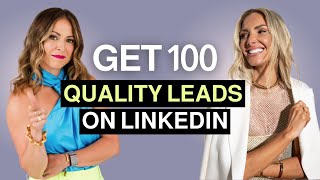
This is a transcript of a YouTube podcast episode (Lori Harder interviewing Melissa Henault) about Melissa's journey from corporate pharmacist and Fortune 500 executive to entrepreneur. Key points: Melissa pivoted from corporate burnout into entrepreneurship, found rapid success using LinkedIn (making $1M in ~19 months, later growing 380% year-over-year to $3.8M), but encountered recurring burnout that led her to focus on nervous-system regulation, trauma-informed and somatic work to increase capacity. The conversation covers practical LinkedIn tactics (profile/headline, posting, audience mindset, device/context differences), business lessons (hiring, KPIs, accountability, offboarding), and resources Melissa offers (a free LinkedIn checklist and recurring free 9-day masterclass plus paid programs).
Chapters
All of a sudden, I make a million in less than 19 months. And all of a sudden, I find myself back in burnout again. So here I was, trying to escape being this overachiever in corporate America, and I thought, if I just go run my own business and I do my own thing, I won't be so miserable. And then I realized in the midst of it, I'm like, I'm holding so much. I've asked for all of this, and here I am with not much time left. I'm, like, not available for my kids because I'm running all these businesses. I've set all these huge goals. I'm burned out again, Phys. I was starting to put on weight, could see the cortisol in my body. And that's when I realized, well, this cycle's not going to stop no matter what I do, unless I start looking at what's going on in between my own ears and, like, what's driving me.
Melissa, welcome to the earn your happy podcast. Thank you so much for coming on.
So excited to be here.
Oh, my God. We just got to be at your live event, which was so fun. Burnout to all out.
Where were we?
Austin.
Yes.
Yes.
Whirlwind, right?
Both been traveling. Now you're in California. I'm like, hold on a minute. It's so much fun, like, being able to. When you're an entrepreneur and you get to just pass each other in all these different places, it's kind of like I don't really know where anyone lives because we get to all see each other at different events.
So that's so wild. And we get paid to do it, right?
Yes. Okay. How are you feeling after your event, you guys? It just. It just happened to the point where you're like, my voice is. She was texting me. Like, my voice is a little sketchy, and I'm going to just be quiet until I see you.
Yeah, it's. It's been. It's been incredible. I think that I did. I lost my voice after the live event, and I think it was just time for me to, like, slow down and go within. I feel like our bodies are talking to us and they can get really loud.
Yeah.
When we need to listen, you know.
Or they make you get really silent. Yeah, exactly. Exactly. Okay. So, you know, you are known right now a lot for LinkedIn, which we're going to chat about that, but there's this whole other part of you that you were talking about at your event that you really integrate into your events as well.
Yeah.
And it's that people really come to you for kind of this, like, LinkedIn strategy or the strategy that's going to help them grow their business. And, you know, especially if maybe there's someone who doesn't have a large audience, like a way to become, like you said, what was that? A. A big fish in a smaller pond in a. In a quicker way. And that's really kind of what. What you're amazing at doing. But you had mentioned how so many people come to you for the strategy, and there's just so many blocks that people run into. So you really teach a lot about, like, regulating nervous system and getting through those blocks. So let's put a pin in that. But let's move to your story of you getting into the work that you're doing. And if you can kind of weave in there where you were at in your mindset through each kind of milestone.
Sure. I mean, I think it all starts with. And I don't even know that you know this, but I actually have a doctorate in pharmacy, so I didn't know that. Yeah. So it kind of brings us full circle to the whole nervous system regulation piece. But I started in corporate America in a Fortune 500. I'm like the classic overachiever. I climbed the corporate ladder as quickly as possible, chasing safety if we want to go all the way back into the rabbit hole of childhood. Right. I thought that by getting to the top of that ladder, not needing to depend on anyone.
Where were you originally from?
Secure North Carolina. That I would be safe, I would be secure. And I found myself at the pinnacle of my career and a leadership team of men who are all, like, my dad's age. And I'd climbed the corporate ladder to the top of Mount Everest and looked around and I'm like, is this it? I've climbed the wrong mountain in the pursuit of safety. I found that my mom was raising my kids. I'd really like. I was in the place of being groomed as a vice president. So vice presidents have to go through what they call second line leadership training. And I had to write a personal mission statement. And I wrote that I wanted to be the example that you could be happy and that you could be healthy and you could also be wealthy. I know that you and Chris talk about this a lot too. Right. And when I looked at my life, I realized it was so incongruent to my passion of being able to lead that type of life, that I was not happy. My mom was raising my kids. I was not healthy. I was working, like 80 hours a week. I was traveling all the time. I just had money in my bank account. And even then, I still had a significant, significant amount of college loan debt. Yeah, like $200,000 worth. Right. That put me on a mission. And recognizing I was in the midst of burnout in my mid-30s, I looked at Jake and I was like, I. My husband, I'm like, I can't do this. And he's like, well, maybe we should get that $200,000 in debt paid off before you decide that you can't do this anymore, and then I'll support you. Right.
What did that feel like when he said that?
I mean, he was right. Right. And so there was a moment where I felt trapped. Like, really trapped. And sometimes you have to fall, like, pretty significantly to take radical risks and do things that you wouldn't otherwise do.
Right.
That's when I started my own business. Around my 9 to 5, I was like, well, if I'm going to match my corporate income, I can't just walk away from it, so how do I do this? And therein lies LinkedIn. Right? So I was. I was in my 9 to 5, and I initially started an online business and direct sales using Instagram and Facebook. And it began to plateau, it began to flatline because I was doing the same things over and over again. It just seemed it was getting harder and harder to grow my business. And I was making about 100,000, but I needed to make well over 200,000 to match my income. And that was the moment I realized, when you go back to Mindset, I was like, if I am a highly educated female in corporate America who's trying to figure out how to get out, why am I avoiding marketing that to professionals on LinkedIn? Why am I keeping this from them? And instead I'm just trying to market over on Instagram and Facebook products when I should be talking business and an exit strategy for other women with children just like me. So I got super niche really quick, went over to LinkedIn and started finding women in droves that were really, really excited about the opportunity to get their debt paid off, college debt, to start over again and to get out of corporate. And so I went down in that rabbit hole in one year, like, more than doubled my income, paid off all that college loan debt. My husband was like, okay, you did.
Was he surprised or was he okay?
Very. And now I realize now looking back, I was a natural entrepreneur, right. Whereas he, like, it blew his mind that I was able to do that. And it surpr. But back to the mindset piece. I got out of corporate and started realized I was really good at this LinkedIn thing and I wanted to teach other business owners a path of least resistance for lead generation. Because I realized that yes, the other platforms work and I know we'll get into this, but LinkedIn is so under saturated, the visibility is through the roof. If you're willing to learn how to be seen over there, your end customer, if they have a job or they're a business owner, they're over there, right. And it's not saturated. And so I started a coaching business, teaching other business owners how to spend less time marketing and doing it over on LinkedIn and getting into really quick, authentic, high quality conversations with really high quality leads and spending less time marketing their business and more time with high quality clients running their business. Now back to the mindset piece. My business took off there, all of a sudden I make a million in less than 19 months. And all of a sudden I find myself back in burnout again. So here I was, trying to escape this, being this overachiever in corporate America and I thought if I just go run my own business, yeah. And I do my own thing, like I won't be so miserable. And then I realized in the midst of it, I'm like, I'm holding so much. I've asked for all of this and here I am with not much time left. I'm like not available for my kids because I'm running all these businesses, I've set all these huge goals. I'm burned out again, physically. I was starting to put on weight. I could see the cortisol in my body. And that's when I realized, well, this cycle's not going to stop no matter what I do, unless I start looking at what's going on in between my own ears and like what's driving me, why am I doing this? And that really took me on my journey of the inward journey of why I don't feel safe, why I'm trying to achieve what I'm trying to achieve, but then also learning how to manage uncharted territory. And I know that you're in this every, like you've been in many seasons of it as well. When we're in unknown spaces in business, how do we regulate or do we let it defeat us or like make us sick? Right. And so that's the piece of if we take it back to being a pharmacist, I got really curious about the science behind manifestation. Like literally how your thoughts become how you trigger the chemical reactions in your body that literally control the protein that's produced in your body and who you are, all the way down to our nervous systems and how we can hold a lot of stress versus are we using tools and modality to release it and move it through our body so that we have the capacity to continue to hold more Right. When we're in an unknown territory? Had I ever made a million dollars in a year? No. Did I get to a place where I was making multiple millions and I'd never done it before? Of course. And it felt really uncomfortable. And it's really easy to drop it or sabotage it through fear and through the inability to regulate. Or you can learn really, really healthy modalities to recognize it and move through it and release it and say, thank you more, please. Right. And so what I have found, here I am full circle. It's been 10 years since I started my first business. I am so wildly passionate about not just teaching business strategy, but the inner work that has to be done in parallel to it. Because the definition of being an entrepreneur is being in unknown territory. And when we're in the unknown, our nervous system, immediately our guards come up. This isn't safe. Right. And so if we can recognize that and recognize. No, no, no, it's not that I'm not safe. I'm actually just in an unknown space and I'm growing. And this is supposed to feel unfamiliar and anticipate it and move through it. So those are like the big things that I really speak to to this day. Yes. I can help you so strategically grow your business, but are you going to have the capacity to hold what you call in by just the business strategy? I would argue no. We have to have the nervous system, regulation, and the mindset work in parallel with it to hold what we call in and move forward with more. Does that make sense?
Oh, my God, yes.
This is.
This is so much of what I. I mean, so much of anyone who has accomplished anything. There's a point where you start moving into a version of yourself or version of your dream where it is. It's more. There's more to do. There's more to hold. There's more. There's more team, there's more outside judgment, there's more stress within your family, there's fighting with your old tendencies or ways of coping there. It's just more capacity, like you said. So I want to dive in there because there are all of those different compartments that I've had to deal with in different ways. And I, you know, we both work with a lot of entrepreneurs, and we were talking before this about how it's not that the business maybe isn't even working or growing in the way that they want, it's that they couldn't hold the season that they were in or, like, what was needed in that for that, for them to, like, even just be able to get through. So let's start with that. Even in terms of, you know, as you are starting a business, what are some of the first, like those first growth spurts for your capacity? What are the first things you have to start realizing when you're in beginning growth phases?
Yeah, well, and I want to circle back really quick to what you're saying about the journey. Right. Is that like, we're. We're either climbing or we're sliding. I feel like it's like we're. But very rarely are we on that pinnacle where everything is rainbows and unicorns. Right. And the quicker we can accept that as an entrepreneur and realize, to your point, when the challenges and the journey become difficult, it doesn't mean you're failing.
Yeah.
It means maybe you're ascending up a mountain and to ascend is a whole lot more work. Yeah. Or don't. We don't just jump from here to there. Like, we have to grow to get there. Right. And so to your point, when you come across challenges, when you're first growing your business, it could be anything from hiring the wrong people or not hiring at all. I mean, in the first year that I launched my business, I was hacked. Like, my account got hacked. And so it's like in those moments, right, when I first launched my LinkedIn business, it was three months old, I'd made $20,000 and my account got hacked. My Instagram, Facebook, my PayPal account got hacked. And, like, they were sending invoices to my clients.
Oh, God.
In those moments, as an entry level entrepreneur, like, you have choices to your point, it's like you recognize that there's going to be challenges along the way and that I truly believe they're all there to actually are part of the journey, to mold us, to prepare us for the next step. And in that moment, as an example, as a new entrepreneur, there were moments where I wanted to go into the closet with a gallon of ice cream and a bottle of wine and, like, just fucking disappear. Yeah.
For sure.
And, like, be embarrassed that I told everybody I was going to do this and that it's not working out. Right. That was a choice I could have made. What it takes to be an Entrepreneur, especially in the beginning, is the relentless, relentless consistency in spite of and recognizing that it's for you, not happening to you. Because what I realized with every huge piece of resistance I've had at every phase of my business, when I look back now, it was happening for me. So in that scenario, every password that I had when I launched my business was the same username, password. And it was like the universe was like, listen, are we allowed to cuss on this podcast? Oh, yeah. Okay, bitch. You're about to make millions and you can't have the same password and username for everything. Yeah.
It can't be your dog's name and your kid's birthday.
And I'm going to devastate you for a second because you need to get your shit in order before I hand you what's coming. Right when.
When the stakes are higher, right? Yes.
And I'm so glad it happened to me then, because this year a very similar scenario began to happen. And I immediately knew what to do. And it was like, my. My company is in, like, ironclad. Like you. There's. You can't touch it now because of my previous experience. And so as you're. You're beginning your journey as an entrepreneur, like, shit's gonna break. Like, if you're moving fast and you're moving hard, like, things are gonna fall and break, and you have to be willing to be okay that it's not perfect and that it's actually happening for you and always look for the lessons behind it. And that's what I ask myself. Like, when we came into January, I had this huge goal. I was like, we're gonna do a million dollar launch in January. Well, we did like $650,000 that first month in January. And instead of like, kicking myself, I immediately went back to the drawing board because I'm years into this now, and it's like, what did I learn? What is the lesson in this? I claimed this and it didn't happen. What are the series of events that I need to learn from if I want to call this in? Clearly, the universe is telling me you have more to learn and you have more of a skill set that needs to be gained before you can hold that. It's not going to come to you until you can hold it. Right. So that's what I would say to getting started is like, recognize that it's not going to be easy and recognize that everything's not going to go as planned if you resist it. You're wasting so much energy resisting telling yourself this shouldn't have happened. And this is where I'm like, it happened. You're wasting so much energy saying this isn't the way it was supposed to happen, when you just need to roll with it, learn from it, and continue to go.
I think people don't realize the amount of mistakes you make in the beginning, like, because you can feel like a major failure. Especially just the teams that you go through in the beginning.
Yes. The turnover and. Yes.
And learning about what questions to ask and who to work with and who's the right fit. And there's just. There's so many things that go wrong that we can be really hard on ourselves. And also. So I want to ask you about, you know, you said everything is happening for you. I believe that to my core. Like, it's just. You can't not, like, you can't be standing right and believe anything else, or you'd be like, you know, you'd fall over with the amount of lessons you truly are as an entrepreneur. We're just signing up for, like, massive quick growth. That is painful, but also so freaking rewarding.
Yeah.
Or do you believe the same thing with people? Because I feel like on these journeys, you're going to be sent some really big challenges that are going to appear as, like, conflicts or things that do not end how you want them to. And sometimes it's people closest to us or who know us the best.
Yeah.
Why do you think that is?
Yeah. So have you read the book Oneness?
No.
It's. Wow. It's like, it's way out there in the spiritual realm, but I'm obsessed.
I probably love it.
And one of the things it talks about is that the drama can only ensue if there's two of you on stage, meaning that whatever interaction you're having, like, there's duality to it and a lesson that needs to be learned by both of you. Right. And so even if it's not happening the way you anticipated and it's really painful, like, you're a part of that process, it's not just them. And one of the things that my spiritual mentor shared with me, because I've been through some painful growth in my business where there's certain people who serve for a season. It's like, I've heard you say, like, a soul contract. Right. It's like, they're great for a certain season, and when your business gets to the next level, like, you've outgrown their capacity for where you're headed, or you grow as people. Right. And I've had some really difficult conversations and folks that I've had to off board, and some have waited way too long.
Yeah.
And when you wait too long, then it can go really sour. Right. And one of the things that Sam has always shared with me and I constantly come back to when I'm thinking about an interaction with people in business and even friendships, we can talk about that too. But she said, by you not having the difficult conversation with them and by you not offboarding them when you should, you're robbing them of their blessing too.
Yeah.
So even though it's really difficult to part ways, it can be really painful. It can still be done very, very beautifully. This past year, I was working with someone who's a really good friend, and our. The way we were working together in business was not working for my business at all. You're going to love this. It was Valentine's Day. My kids had gotten home and my son was listening to the conversation. And I was telling her, you know, very pragmatically why the relationship and business wasn't working out and why we needed to cancel the contract. But she's a really good friend. Right. And we got off the phone and my son said, mom, it sounds like you and that person aren't doing business together anymore. And I said, you're right. And he said, but it sounds like you're also still really good friends. And I said, we are. And I thought, wow, what an incredible fucking lesson for him to hear that conversation, to be able to have the conversation and be able to very directly articulate, business wise, why this isn't making sense anymore. But I love you. You're an incredible human. And I want to maintain the integrity of our friendship. But I want to explain to you why this isn't working. And I feel like that was a growth journey for me as a business owner too, to be able in that moment, to execute in a timely fashion, preserve the integrity of the relationship, but exit out from a business perspective. And I feel like in the past I've had scenarios where I've waited way too long.
Yeah.
And resentment builds and things get nasty.
Yeah. And you can't see through it when you know you were able to preserve that beautiful moment and have your son see it. How cool is that?
Yeah.
But like, if you would have avoided the hard conversation because you didn't want to hurt their feelings or you wanted to keep giving it a chance, or you're like, we make assumptions like, they should just know better, maybe they'll get better. Or maybe this Will be better. It just. We are making that choice to, like, ruin that relationship 100%.
And this just happened to me the other day. I've been working with a group for, like, 10 months, and we've had zero results. Zero for 10 months straight. Huge investment. And I had to be very direct. And I've gotten to this point in business where, yeah, I have to preserve the integrity of the company. I have to be a good steward of the company's finances. And like you were just saying for the longest time, I kept saying, like, they've got great intentions, like, this is going to turn around. It's going to create an impact. But at the end of the day, 10 months in, I'm like, if it was going to happen, it would have happened. Yeah. We have not gotten the results, and I must end this. This business consultation or whatever you want to call it. Right. And I've gotten better at that.
Yeah.
But in the, in the beginning phases, as an entrepreneur, it's really. I. At least for me, I don't know about you, but it was harder.
Oh, God, yeah.
To have those conversations. And it was easy to keep people on and feel like you're trying to help them and you think you can grow them or you can change them or that they can get over this. And now I'm very, like, a much more, like, quick to make the decision. Yeah.
That's such a great conversation, and that's been a tough one for me. And I just got. Which it sounds like you kind of did this, but for anybody listening, if you're in a similar situation, one of the things that really helped me with, like, being able to end the relationships in a smooth way is to, from the beginning, like, set the goals of when they think, you know, if this was going to work, what is a reasonable goal?
So. Good.
Yeah. And what is, like, what is the timeline on that? Because for me, with Glossy, I'm working with, like, I was working with all these different people or agencies in the beginning and seeing if they could do the job. What is the timeline? What does that look like? So when they weren't hitting it, it made it. It didn't make it personal. I love that because I loved them, you know, So I just. I just recently had to do that. And it was like, I loved them, but I had the timeline and it wasn't hitting. In fact, it was below and it was like, okay, it made it an easy conversation.
Love that. And in retrospect, with this group that I just had to off board, that would have been really helpful. Yeah. Because I brought them in kind of blind. Like they were. They were covering a blind spot for me as a CEO from a marketing perspective. I'm like, I don't know this. Like, I need somebody to help me with it. And I kind of gave away my power and was just like, here, you, you do it.
Yeah.
With absolutely no accountability. So you make a real. When they came in, I didn't say here's the deadline, here's what I expect, you know, if we don't hit this. So that's like the next time I hire someone coming in. And I'm working on that now with specific KPIs.
That was learning from me, not doing it and having the hard conversations of going one, is this supposed to happen? And keeping people on too long and then them leaving in not a great way.
So.
Yeah, there you go.
Maybe. That's so good. Yes. So good.
Okay, so tell me about. Let's keep talking about the capacity portion of it because what does it feel like? It's hard to get people to be like, yeah, your capacity is just gonna grow. And here's what it's. Explain to me like what it actually feels like when you're growing your capacity and like what are the things that you do to not sabotage. Even though I know we all still do, but we get a little bit better.
Right.
But what's been helping you through that?
I think recognizing that my capacity needs to be expanded by an expander, that it's not innately going to come to me. And that was a huge lesson for me this year. You know, last year or two years ago, I went from a million in revenue to 3.8 million the next year. So it grew 380%. Okay. And it's a lot of expansion. Right.
And must have been really uncomfortable.
Here's the funny thing. So I blindly set my goals this year and was like, I'm going to do six this year. Right. Because if, because if I could do that last year, I can go. I didn't, I didn't take into consideration the amount of growth that needed to happen. Not only for me, but organizationally. Company. I naively thought the way I was running the million dollar a year company could run a six million dollar a year. Right. Yep. I. But goes back to imposter syndrome. Slash the unknown. I'd never run a six million dollar a year company before. So how would I or why would I know that structurally things would need to change, accountability, would need to change systems, process all the things. I just thought well, we did this last year. Why don't we just almost double it? More of that for sure.
What I've thought.
Yeah, right. So I thought let's just do more of this. Well, more of this doesn't work.
Yeah.
Right. And so it's recognizing this year has been quite the journey for me of you don't have the IQ of the 6 to 8 million a year CEO yet.
Yeah.
And until you gain that IQ through mentorship and training and advice like advisors. Right. You doesn't innately fall in your lap. So I can call it in all I want, but if I'm doing what I've always done and then saying more please, I'm going to get more of the same. Right. And so I think that with this year, what's come for me is recognizing in order to get to the next level, back to the KPIs and accountability to the people I'm bringing in. I'm like, there's way too much revenue running through this company for me not to be super strategic and hold people highly accountable. And you know, the year we grew 380% was fun. But like now like we're shit's getting real as far as being a CEO and tracking the numbers and tracking the accountability. And so it's becoming, I have to become that CEO before the, the business follows. Right. Instead of. The business isn't just going to become this new version of itself. So this year it's been about getting very strategic and who I'm hiring, how I'm holding them accountable, what our KPIs are and how we're strategically growing in the past with capacity and that growth to the 380%, it was all, it was, it was a lot of inner work. I don't know, I'm sure you've been through hyper growth like this before of almost like worthiness, like, am I worthy of all of this?
Oh my God, yeah.
And then there's judgment around you. And I feel like almost the, the, the, my, my circle almost got smaller because it was, I was having, I was having a hard time holding what I was calling in. And I felt kind of unsafe even having conversations with the average person about it. So then you have to be really careful who your, who your circle is when you're in the midst of that type of growth. And so it's a matter of a, the inner work to give yourself the confidence that you are worthy of it. And you can call in more even if this feels like a lot, but then also knowing because that's like the inner peace, but then also IQ wise, recognizing that if I want to go to the next level in my business, who's mentoring me and. Or what am I strategically doing to grow myself in order to have the capacity to hold what I'm calling in, or am I just calling it in and hoping that it's just gonna happen? Right. Does that make sense? Yeah.
And sometimes if you're. If you're not in that place, like, you won't even recognize it or it'll feel more like a meltdown or a breakdown than like an opportunity to go to the next level.
Right, Right. Yeah. Because I've been through variations of that this year where it's like, it's not working. Like, how come I can't hit a million in a launch when I did? I mean, I did 780 last year in my. One of my launches. I'm like, it's only $120,000. Why can't I do this? And it's like, because the way you did it to get there is not the way it's going to get you here. You're just going to keep getting the same results. Right.
Let's talk about that inner work. Because people are like, okay, I know I should do it. What does that look like? Do I need to read, listen to a podcast? What should I be investing? What have you done that you have found helpful? Like, give us details.
Okay. So when I didn't hit my goal in January, what I learned about myself was and I sat with some spiritual people. I have a pretty traumatic childhood and I have a pretty traumatic past that I never really processed. And what I've come to grips with is that I operate from a place of fear and, like, for safety or safety. Because I didn't feel safe growing up.
Yeah.
And so when the thing I have control of that makes me feel safe, which is my business totally is not going the way I planned. My. My guards, which in my root chakra, like, literally, like, come out irrationally and are like, I'm not safe. And I had to get mentorship and coaching around this. Because what happens is in business, if you let the fear lead you is you start making decisions from a scarce place, from a fearful place. And you can actually start going backwards in your business because of literally the inner child that's within you. Right. And so that kind of work is not fun. I can tell you I can sit in business coaching and talk about business all day long, but to sit with someone and work through, like, my deepest secrets and biggest Fears and traumatic childhood past is some of the hardest work I've had to do, but some of the most transformational work I've done. Because moving it through me and out of me and also recognizing it makes me very cognizant when things go sideways in my business. I can feel that inner child freaking out, but the healthy, safe, 44 version of myself can put her arm around her and say, we're okay, we are totally fine. There's nothing to be scared of. You are so safe. You are so well taken care of. You are a. I mean, you're a white woman in a first world country with shelter. Like, you are. You are beyond safe. You are not going to die. Right. So it's like literally going through this little checklist of like, are you really unsafe or did things just not go the way that you planned it? Are you really unsafe or is your inner child going back to childhood and feeling unsafe? So it's like I run through this checklist and can immediately pull myself out of this fear based mentality that's irrational. Kind of like looking at yourself from outside of yourself, if that makes any sense, and being like, no, no, no. Like observing from the outside, you're totally safe. Let's step back and make very conscious decisions that are in the best interest of your company right now, which is to take risks and to be calculated, but aggressive, not to be scared, not to be fearful. And I think that operating from that place takes work. If you've come from a place of trauma, if you've come from a place where of lack of safety. Growing up, I think that the reason I climbed the corporate ladder so fast in an unhealthy way was for safety. Right. And it's no different in the businesses that I grow. So it's recognizing that it's. It can be a good thing, but it can also be really unhealthy. Does that make sense?
Yeah.
And kind of sitting outside of it and observing it, you know, what does.
That look like in the actual integration and process? So if someone's like, okay, I'm ready to do that work, is that for you? Was that like finding someone who did like inner child work? What would that label be to look for?
Was it you Informed trauma? Informed therapists.
Okay.
And people who are big into somatic work too? Because when I sat with her and we did a lot of tapping and like cues, things started to come up that I didn't even realize I was holding.
But you went to her with like a, hey, I feel blocked in my business. Not like, hey, let's talk about my inner child.
It was my commitment. Got it to Chris harder in our Mastermind this year. Every year, I've always made some big, audacious business, business goal commitment. And in March of this year, I knew that what I needed to do was the work on the Fear. I didn't need any big, audacious business goals. I needed to publicly commit to my cohort that I was going to do the work inside. So when I committed a couple of folks in the Mastermind, we talked about it and they were like, you need to work with a trauma informed therapist. And I was like, perfect, I'll work with Sam, Sam Harper. She's classically trained and you know, a scenario. We were doing the tapping and what came to me was me sitting in the back seat without a seatbelt on with my sister, just like, like sliding from one side to the other. My dad's driving drunk down the highway. And I remember as a child, my mom saying, if your dad ever drinks with you in the car, let me know. He'll never see you again. Well, you tell a child that and they're never going to tattle on their dad.
Right? No.
Right. And I'm like 44 and I don't remember any of this till I'm doing the tapping. And all of a sudden takes me right into that moment of like, literally fearing for my life on the highway, like slinging back and forth in the back of the car. And you wonder why the person who's.
Supposed to be protecting you most in the world.
Yeah, right. Is literally still within my nervous system today and it controls the decisions we make.
Yeah.
Unless we can work through it and reprogram it. Right. And get yourself into a safe place as an adult.
Sorry, I was so into that story. I didn't have the next question. Yeah, here we go.
Well, no, but it's. It's been so healing for me because the beginning of this year, when things didn't go the way I wanted, which was obviously because I was setting a goal without doing the work. I just wanted to get the. Get the results, do the same thing I did last year, but get bigger results. Right.
So what have you noticed from that, like, you spent that year doing it? I feel like, I feel like you're even very different this year in the way that you, you know, we're just showing up in, in the room that you just held from that burnout to all out.
Yeah.
What have you felt shifted the most from that?
Yeah, man. I feel like right now this may sound wild, and maybe I told you this earlier, but I feel like right now in my journey and my purpose is I am like, truly kind of this Trojan horse. Like, because I've had success in business, and it's kind of like this weird, unique, sexy thing that I do with LinkedIn. People come to me like, oh, like, you've got the secret ticket to grow my business. Like, you're gonna help me. This is the thing. And Miriam and I were just talking about this this morning. My. My roommate in our Airbnb that I have this passion, because maybe it's my upbringing or it's my own journey, is I feel that a lot of entrepreneurs started businesses because they think that's what's going to make them happy. A lot of them have left a 9 to 5 to pursue happiness, being their own boss. Totally. And they don't realize that the happiness is here today. And like, being that horizon chaser, you're constantly chasing this thing that when you hit this number, this ego is attached to this happiness is over here that you're constantly, constantly chasing. And I just want to shake them and be like, be present with joy here today with what you have. We're so busy chasing this thing. First for me, for seeking out safety. Right. That we're missing our life. Yeah. Because we're chasing it. And so what I. And also, I feel like a lot of entrepreneurs have so much more that they could be doing and make such a bigger impact if they were exposed to the inner work that they need to do in order to have the capacity for their calling, to have a higher impact on this planet. And so I'm kind of this Trojan horse of like, come on in and I'll teach you. I'll teach you. Let's get some leads generating in your business. But then I'm going to whack you over the head with this other thing that really needs to happen in order for you to exponentially grow as a human. And the impact that you can make on this planet, like, it's rocket fuel. And I want to help you get there. Right. And so you're right. I've evolved in that because the first couple of years, it was business, business, business. And over the past two or three years, my life has changed so much in business and with my family and with who I am as a human being that I feel like I. It's like. Like a calling that I have to expose people to it. It's their choice whether they want to. To be entertained by it or be exposed to it or lean into it. But I feel like I. Especially with my background as a pharmacist and actually, even though it's. Some of it's woo. A lot of it's very scientific, too. I just feel like it's my calling to make sure that people are aware that this is a huge piece of the equation, that being a successful entrepreneur has a hell of a lot more to do with resiliency and capacity than it does strategy. It's like you have to have both.
Do you look at some people and you're like, oh, like, that's really unprocessed.
Yeah. Yes.
And you love them. You just want to be like, here's a card. Like, all this person. What do you. I feel like you and your husband have a really beautiful relationship. He's so awesome. Like, he's the sweetest. I just love him. The little time I've gotten to spend with him, but I really enjoy him. What does he say about you right now?
I could cry. My event was the first event he's been to.
Oh, my gosh.
Because he's always home with the kids.
Yeah.
And the kids didn't have school. And I thought it was, like, divine. I was like, the kids don't have school. We're going to bring the two big ones. You're going to come. Because he's witnessed my growth. And at first he thought I was sucking unicorn farts. Like, Christian, for you. But I did the work. Yeah. Right. And, you know, he saw my business take off. He saw me put my own oxygen mask on and just, like, revive myself. And then I was an example for him. And it's been so beautiful because he's leaned into the work and he's even worked with some of the folks I've worked with. And now he's bringing it to his company. And I think that's so powerful with the generation before him who was not exposed to the inner work. It was not a priority. The generation before him, a lot of the men who ran the company, like, they kind of, like, bought the wives out. Like, the wives didn't work. Right. And he's of a totally different generation. And he's seeing what I'm doing with my company as an entrepreneur and the values and the mission and how we're integrating the inner work at these events with entrepreneurs. And he's. He's been a huge advocate of it and he's folding it into his own company. And he actually. The reason it gets me. It gets me emotional is because he sent me a Text in the middle of our live event. That was just, like. It was just so sweet. Just like, it's so awesome to see you in your element. You were just impacting so many people's lives. And it's so incredible that the kids are here and they're able to witness it. And it's like. It's just. You know how, like, on your wedding day, it's like you're in front of everyone that you love, your family, the event, and I'm sure you've experienced this too. It's like all the clients that you love, and it's your team that you love. And then my family was there, and then we're talking about all this juicy stuff for personal growth that even my kids get to benefit from. Wesley's never been on a stage before. She. When she was in gymnastics and she danced, she was the. The darter. Like, she would dart. She'd bolt off the stage. Yeah. And at that event, when Preston asked, who's shy? She raised her hand and went straight to the stage and danced.
And she was open and ready.
Total breakthrough for me as a mom. It would not have happened if I didn't step into my authentic self. You know, I talked about this, about this on Instagram the other day. She was a bolter for most of her life for any kind of performance, and how could I blame her when I wasn't being my full, authentic self? How did she feel safe being her full, authentic. When I'm able to bring my family into an event where I am literally 100% my authentic self, heels off, barefoot on stage, and, like, not hiding the warts of who I am, that's powerful for my children, to empower them to be their authentic selves. And she ends up on stage, she's dancing with everyone because now she feels safe. Her mom is showing that she is safe, so she can feel safe being exactly who she is.
I love that. And also, just, like, a layer deeper, like, you've created a community. And one of the. I mean, Preston offered an opportunity to her that maybe she wouldn't have taken with you. You know, like, the community aspect of all.
Because there was other people who were shy that we went up there, too.
Totally. We don't know why we're being called as strongly as we are into our vision. Like, you don't know why you were being called to LinkedIn.
Right.
Right in this room to all of a sudden, be with your family, be with your friends, be with your clients, be someone who could hold the space.
Yeah.
Because that in itself, what you just described, like, is so beautiful. But to people who haven't done that work or taken a leap yet, like, that on its own would be way too much for anyone to handle. Like, way too much stress of. What's the experience my audience is having? What.
What are.
What's my husband thinking?
What are.
Oh, my God. My best clients here? What are they thinking about? Like, there's so much that's going on that people don't understand that you will get consumed by if you don't do this work where you can just stand there and appreciate.
Totally. Yeah, totally. And it's so funny, I had this random thought as you were talking about LinkedIn, where one of the biggest light bulb moments I had about LinkedIn and why I think it's such an incredible platform is that people wear a mask on that platform. Okay. Because people go there to network for business and their employees, and then at work as an employee.
Yeah.
There's parts of us that are not accepted.
Totally.
Right. So people go to work with a mask and they're not their full authentic self. Myself, and one of the huge pieces of power that I find with LinkedIn and from the very beginning was by being an entrepreneur and showing up on the platform unapologetically as myself, has empowered a lot of the users on the platform to be intrigued. Because we're not wearing a mask, Right. Like, we're not pretending to be something that we're not. And it's a. Like, I drop F bombs in my text on LinkedIn and there's people that hate it and there's people that love it. And I don't care about the people that hate it because they're not my people.
No, they couldn't come in your rooms. No. I always think that's so important.
That's.
That's actually like such a pro tip is like, be yourself online on any platform, because you don't want them to come into your program because they're the ones that will complain about you or something. Yeah, exactly. I'm always like, it's funny. I'll always be like, no, we have to put a swear word in our. In our copy on a sales page. We. We literally do. Because I'm like, you couldn't be in the room if you don't like it in the copy.
Right.
So it's like, very clear. Okay, so let's, let's switch gears a little bit because we, you know, like, I could talk about this all day long, but I also want to share with people what you're doing on LinkedIn because it's so amazing. So why is LinkedIn a platform to be on right now?
Yeah, I mean, there's a couple of reasons, but I think the big thing is everyone in the world, so it's not just us, right? But globally, who have a career or even run a business, has a LinkedIn profile and is on the platform. So whether you're selling products like glossy or like RT sells luxury watches, or if you're selling coaching or if you're service based as an agency, it's a platform that's highly, highly visible. And it's the number 23 most visited website in the world. People don't think about this, but LinkedIn is not just a social media platform, it's a search engine. So people go, people search like, if you Googled your name, do you have a LinkedIn profile?
It's terrible. Which is, I'm like, I need to ask you about it after this.
Well, so for people who listen to this podcast, I highly encourage them to Google their name. If they have a LinkedIn profile, they're going to be wildly surprised that it shows up on the top page of Google even if they're not using it. And it's because it's such a highly searched website. Right. And so the visibility on the platform, it's unlike the other platforms in the sense that people are active and they're there to, to look for thought leadership and they're there to grow personally and grow professionally, but they're not posting very often. So I'll take you back to what I said about people wearing a mask on LinkedIn. So people on LinkedIn like you're in customer, like your ideal customer who would drink glossy would, is just as much the corporate female as it is anyone who's scrolling through Instagram.
Probably who I really want to target, actually.
Right. And so, and she's, she doesn't have a whole lot of time and she's an action taker and she's not mindlessly scrolling through Instagram because she doesn't have time for that. Right? But she's an action taker, she's more affluent, she's educated and she's there to grow personally and professionally. And she's scrolling through maybe to network for this next VP role or her next higher. And your glossy content comes through. You are much more likely to be seen in front of her over on LinkedIn than you ever are over on Instagram. Because only 4% of users post content on LinkedIn just because only 4% of users post doesn't mean it's not a highly active platform. They've had their highest revenue year yet in LinkedIn and the highest number of users yet. In especially an election year and in any down economy, it's countercyclical to the activity on LinkedIn. People. When we're in an unstable economy, people are more active on LinkedIn. They're just checking their relationships. They're just making sure their network is good. Right. And so the opportunity, I always tell people to do this homework assignment and now you have to have a network on LinkedIn. But if you make post the same content on LinkedIn as you do on Instagram, the engagement is significantly higher on LinkedIn and the visibility is because there's, there's less content to compete with. Does that make sense?
For sure.
So, like, let me give you a couple of examples. So the average user on Instagram and Facebook, the average age is about 21 to 23. On LinkedIn, it's 35. The average income on Instagram and Facebook is about 21 to 25,000 average. Because you have a much larger pool of people on the platform. Okay. On LinkedIn, it's closer to 100,000. So they're slightly, they're slightly older and more professional and they have the discretionary funds to invest. So your listeners, you know, I always encourage people to think about who is your ideal client. The other thing is like, they're willing to invest. They have the money mindset. A lot of them have invested in their own growth and their own personal development and their own careers. And so, like, you know, we have a $5,000 offer that's like our, our flagship and we close out our last launch. Almost 65% of our sales were pay in full in a perceived tough economy.
And you launch on LinkedIn.
A large majority of our leads come through LinkedIn. We do Facebook ads as well. Leads.
Okay.
But my point is that if you're looking for a slightly more affluent, slightly closer to 35 than 20 audience, then it's very narrow on LinkedIn where that audience is. Right. The other thing to really think about is mindset, because we talked about mindset. Right. A lot of these people have an Instagram and a LinkedIn account. Yeah, but I don't know about you, this is unhealthy of me, but my alarm is my phone.
Totally.
Okay? So when my alarm goes off in the morning, I am guilty. The first thing I do while I'm waiting on my tea is I'm like scrolling like reels and Stories and, like. But I'm, like, wiping the sleep out of my eye. I'm not ready to make a big investment. I'm not taking any action. Totally. It's a dopamine hit.
Yep.
I'm. I'm literally zoning out. So the average. The number one device on Instagram and Facebook is the cell phone. Right. With LinkedIn, it's the desktop. So what I want you to think about is the mindset of when someone is on LinkedIn, they're not, like, sitting on the toilet in the morning. They're not, like, drinking their cup of coffee, trying to wake up.
No.
That for the most part, they've showered, their kids are out, they've had breakfast. They've. They're, like, ready for their day, and you've got their undivided attention. A desktop. And so that content that came right across them while they were making their coffee in the morning went right past them. That same piece of content you're now getting after they've cleared out their inbox. And they're very intentional about taking action, not getting a dopamine hit and zoning out. Taking action on a platform. Now, your content is received in a very different way through the power of LinkedIn with a way less saturated platform. And this was my secret sauce. Like, I made a million dollars in 19 months with 600 followers on Instagram.
Wow.
And it was because I exclusively used LinkedIn. And I remember I was working with Preston Smiles at the time, and he was like. And Kayla Craft, dude. Like, this is insane. Like, how are you doing this? And I'm like. Because it's so much easier to be seen on LinkedIn. And for a business owner who doesn't have a ton of money to spend on ads, doesn't have tens of thousands of followers as an influencer, it can be a little bit of an uphill battle right now on those other platforms. Whereas on LinkedIn, you get a beautiful ROI of, like, authentic engagement quickly with a lean network that's, like, really authentic, kind people who respond to you. And it's not the hey girl mentality. There's not a lot of spaghetti thrown against the wall. It's like authentic conversations with people who are. It's actually been voted five years in a row. Is the most trustworthy social media platform. Like, people go there for more trustworthy news, more kind, courteous interactions, less political crap. Right. All those things.
What would you suggest to someone who's curious about it right now? Like, yeah, because every platform's so different. You have to get. Get to know it or you're gonna like go put your stuff on there and look crazy.
Yep.
So tell me how we would start getting to know the platform and taking action on it.
Yeah. I think the number one mistake that people make that your listeners can frog jump on right now, and this is the number one reason people don't get started on LinkedIn. They think, oh, it's an employee based, like job seeking platform.
Yeah.
And so they make the fatal mistake of either just not going on there or they end up posting their, their summary and their headlines like an employee would, even as an entrepreneur. So what that looks like is saying like, top rated podcast, international speaker, best selling author. What I want your listeners to hear is that's showboating just like an employee does. Like, you're coming. Even though you're an entrepreneur or a service based business owner, you're showing up on the platform bragging about yourself as if, like you want people to know how awesome you are.
Go look at my platform for everything to do wrong right now. No, this is great. I love it.
What you actually want to do, and this is the secret sauce that I teach, is it's attraction marketing. You want to be thinking about their pain points and the transformation they get when they work with you. Right. So instead of your summary speaking to everything you're amazing with, and even your headline, speaking to everything that you're amazing with, speak directly to the transformation they can expect through working with you with your products and services. Right. And so. Or make it really, really curious. So for instance, my headline for the longest time was Corporate dropout. Right.
That creates a lot of curiosity, especially on LinkedIn.
Right? It creates a lot of curiosity. Even your listeners who are in like real estate or they're maybe a financial advisor, there's ways to actually make your profile speak to your audience and tell a story instead of being like, you know, number one real estate agent and blah, blah, blah, blah. It's talking about how unique your product and service is and the transformation that people can experience. People don't realize that their headline, unlike all the other platforms, it actually follows you everywhere you go with the comments you make on LinkedIn. And we generate so many leads just from having a stellar headline. Because it's like marketing. Yeah, right. Because then people are like, oh, what is that? And they click on you and it takes them to your profile. And that's where the last thing I'll say here is like, tips. People have the attention span of a gnat. And so in your profile, if the first paragraph reads like A a resume back in 1985 when I blah, blah, blah, blah, blah. Like that's what an employee does as a service based business owner or a results oriented business owner. Your summary should start with either a question that speaks to their pain point. Have you ever. Are you experiencing. Right. Like you need to be speaking to them so that they're like, oh my God, she's talking to me. Right. Or you need to catch their attention with the transformation that they can experience through working with them. Like imagine. Right. So that's like Marketing 101 on LinkedIn is don't treat it like the average employee treats it.
Okay, so we have some. You have a cool freebie to give away. You also do courses. We're not in a launch right now, but you launch a couple times a year. Correct. Okay, so tell us about. Let's talk about the freebie and then let's talk about your course.
Sure. So I have. Anybody can grab it a LinkedIn checklist. 30 minutes a day with LinkedIn and it will change your life. I give you all the income producing activities that to this day I do on my account every single day to grow my network, to post my content, and to get into fruitful conversations that drive a pipeline of leads to my business. So that's our LinkedIn checklist.
Okay.
You can download anytime and then a couple times a year, depending on when you listen to this podcast. I run a totally free masterclass for nine days straight. Like I give you all the goods. We're running one in November and we'll run one again in January of next year. So we'll drop the link that they can register for that all in show.
Notes, you guys right below. So we have the description below and we also have the links below so that you can go and get the freebies and be on a wait list for the master class as well. Well, this was such a fun conversation. Yeah, I'm so grateful that you came on. Where do you want people to follow you? Are they going to your LinkedIn?
Come to LinkedIn. Come to the dark side. Actually, I say come to the bright side. The bright side, come to LinkedIn. Check it out. It's. It is a fun. You know, if you're, if your feed is really drab, it's just because you haven't done the work and nurtured the platform. It actually can be really, really fun. Um, so come connect with me over there. Let me know when you reach out and connect with me. Let me know how we connected. If you heard, you know, the podcast, so I know where it came from.
Yeah, I'm. My curiosity is peaked. Very peaked. I'm like, okay, how could I use that for my business?
Oh, my gosh. Are you still looking for investors?
Not right now.
Okay. It's a great place to get investors.
Okay. I mean, that's great to always have in the future too. Anyone who has a company should always be available for that.
Yeah. Because when you're building that brand as a, as a business owner, then people have more confidence to invest in you. Like, RT got like raised over a million dollars off of investors on LinkedIn.
That's insane. Okay. This is. This is huge. All right, well, thank you so much, you guys. Thank you so much for tuning into another episode of the podcast. And we will see you next week. Until next time, earn your happy.
Bye, everyone.










