How to Build A Strong Company Culture with Tara Hainsworth
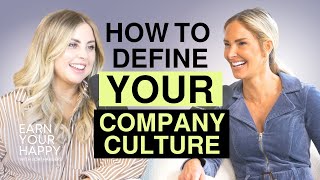
Tara Hainsworth scaled her salon from 12 to 26 stylists while keeping culture intact through Sunday family dinners, quarterly book clubs, and annual retreats. She weathered a five-year build-out plagued by contractor issues and an architect's death, treating culture as the heartbeat that holds teams together during growth.
Questions this video answers
December 2020
Previously 12; currently 26
280 square feet; she had built a book of 397 clients
18 (entered hair school at 18; working in the industry from ~19)
Once a year (annual team retreat)
Chapters
It needs to be something that you're willing to fight for. Yeah. So I always say, if you're starting with, like, what kind of culture am I creating with my company? What are the things that make you feel like a fulfilled person that you don't want to not have in your own work environment? So kind of starting with those questions, what are my things that I need in my own workplace that I know I can fight for when there happens to be pushback down the road?
Tara, welcome to the earn your happy podcast. I'm so excited to have you on.
Thank you for having me. This is the best way to start my morning.
Do you know what's so cool? I don't get to talk to you face to face. I know as much. We're working on it. You guys, if you don't know, Tara and I are really good friends, but she also does my hair. And I typically am getting mentored, therapized. I don't know if that's a word, but in her salon chair for hours. And the reason it takes hours is because I also am a very dark brunette who wants to be blonde and also get hair extensions. So typically, what, like a five hour. It's like a five hour appointment.
Yeah.
I mean, that is more time than I get to spend with a lot of people in my life. And I get to do that, like, every other month, every kind of third month with you, which is so special for me. I know that you're working, but I get, like, the benefits of everything that I experience in your chair. And what I want you guys to know is the reason that she is on this podcast is because I truly believe she is one of the best leaders, best mentors, best entrepreneurs that I get the honor of spending time with and knowing. And I have had so many moments where you've taught me so much in the chair and where I am completely, completely blown away by. By the culture of your company at Haynesworth and company, which is her salon. You guys, so many of my girlfriends now go there. They're obsessed. It's stunning that I wanted you to come on the podcast today to share a bit about where your culture came from, how team culture truly affects the bottom line. Whether you have one employee or whether you're a solopreneur, these are things that you can really start to think about and even things you can incorporate with yourself. So this is not just for people who have a team or who have a big team or a successful business. This is for people truly who want to start understanding what Culture means. And it starts with you, right? It starts with yourself. So welcome.
Thank you.
Welcome to the show. I'm super excited that you're here so that we can talk face to face.
I'm so grateful. It's like constant living proof that if you stick to your guns, your ideal clientele just literally falls into your lap. Because it's exactly what you have become for me was someone who was not only an ideal client, but you became a friend. And you just support everything with all that you have for your friends, and I'm just lucky to be here. So thank you.
I mean, you know, you guys, this can go deep because we were. We were about to go get permanent bestie bracelet jewelry. We just ran out of time. Like, this is what happens when we. We end up talking about business. And something I want to share before we get into this is you and I have actually been through this, like, some of the hardest parts of our journey together. And I remember when I would go and get my hair done, I was like, oh, my God, I can't wait to talk to her. Because I know that you were upgrading to this stunning salon that you're in. You were growing your team, like, 10x at the time, going from where I first met you in a smaller location. How many employees did you have at that time?
We had 12.
Okay, so still not that small. But you had 12 in your. In your past salon. Now you have how many?
There's 26.
Okay. From 12 to 26, completely different space.
Oh, yeah.
That you're in now. Like, you guys, it's like this crazy, luxurious upgrade. And I loved what you had before. It was so personable, cozy, cute. But now I'm like, oh, you leveled the F up. Like, this is. We're playing. We're playing big girl games now. I love, love, love this. And so I would sit in the chair, and I knew that you were exp. Your build out was, like, way behind. There were so many problems. It was costing you more than you wanted. You were super stressed out. You're like, I don't know if or when this is going to happen. You actually had a crazy experience with someone on the. On your, like, build out team. Yes. And, you know, I would sit in your chair, and light pink was not working at the time. It was like, I didn't know whether or not this company was going to.
Be able to launch.
I couldn't get any of the product in. And we would just sit and kind of not commiserate, but build each other up and be able to have, like, that. That vault of a person that we could talk to. So first, I want to just go back to a little bit of. Let's talk about what that time in your career looked like.
Yeah. I remember very specifically thinking, this is a client and a person and a friend. Especially as our friendship was evolving. And I was feeling so safe talking with you about things I wouldn't talk to any client about. Especially in the middle of all that unsureness of not knowing if this was going to work out totally genuinely. And I remember looking at you one time and just going, lori, I think I actually looked you face to face. Because it's like, this is a really vulnerable question, which is so rare. Right. It's almost like. It's like a swear word almost. You're like, are you looking at. You know, we look at each other in the mirror. I remember looking at. You mean, like, what actually happens if I fail? Mm. Because I don't know if this is gonna work out. And you looked at me and you said, you fail. Mm. And then you get back up again and you do it all over again. Because this is who you are, and you can't remember. I know.
That's making me emotional.
I know.
Cause I feel it. For me, too.
Like, it was.
So I was giving myself my own advice.
It gave me permission to go, okay, this feels. At least. It feels in the best way, in the biggest way. Cause I did everything that I could. And I looked forward to your appointments because I knew that was gonna be my permission to just, like, have a moment where someone would listen. But also, you wouldn't allow me to go to the dark places, so.
Oh, my gosh.
That time was crazy.
Yeah. That's exactly how I felt about you. And going back to that place of, like. It's so funny. Like, all of the. It all falls away. Cause I'm like. I didn't even feel like you were doing my hair at the time. They were just these appointments where we could go and be real with each other. And I think for people, like, wondering how that comes about. Was there a moment where you're like, oh, I know I can confide in this person. I knew. For me, I think with you getting a little vulnerable, I was like, okay, I can share what's going on in my. Because I wasn't sharing what was going on in my business either. And I needed, like, a bit of a safe haven. And I had a couple girlfriends that I was. But I was like, oh, my God, she is doing the same thing. I'm Doing so for you. Was there a moment where you're like, okay, I feel okay about this.
Oh, my gosh. So the girls on my team know, like, I am. You don't bring your problems to your clients. Like, you're there to make them feel safe.
Exactly.
And the fact that I even allowed myself a moment of vulnerability with you, who, at first meeting you, was like, oh, my gosh, this. You are such an amazing client. I want to make sure that I can do everything I can to make you feel comfortable and safe and beautiful, and I want you to come back, like, for the rest of your life. Like, I never want to lose you as a client type of vibe. For me to feel like I could be vulnerable with a client like you was almost, like, unknown for me. Where I felt like, for. For the first few appointments I kept. Keep it buttoned up and really professional. I feel like there was one moment where I remember you letting me know, like, there was something specific. I don't remember what it was about light pink that wasn't working out. And I was like, something's not working out for someone else, because kind of something else not working out for me. And that was almost like, the permission where I was like, okay, maybe I'll just, like, give a little insight so that she knows, like, also, something's not going out well for me. And I think from then on, the doors just opened where I felt like there is nothing that I think I could say that I would regret saying to you.
I think. I think something else, too, if anyone's listening, because you. I know that you are so crazy professional with your other clients and just with your team and all of the things, which is so cool. We're going to get into that. But we had shared mutual friends, like, good friends, and we ran in the same circle, so I knew it was just a matter of time before we were sitting across from each other having a dinner. So I. That's what made me feel like, okay, we. I don't have to also put her in a uncomfortable position. This is someone who I know is going to be in my circle and who's also. I just felt like an amazing peer. So, anyway, you guys get to hear the friendship story of how that all worked. But I love that you just shared about the salon in that time period and the uncertainty, because I don't think that there's any way to get to where you want to go without that really uncertain time. Can you tell me a little bit about. Because you work with your husband to share a little bit about that, but also what were those conversations like, going on at home? How did you guys keep each other in a good place? Because I know it goes, you know, with Chris and I, it goes to dark. A dark place, but it doesn't stay there. But we can like dip in and out of that over and over. But what are some of the tools that you guys use to be like, let's bring it back.
So the day my husband decided to come on as an entrepreneur with me, I knew that there was my chance to not only prove that I was going to be able to fulfill my dream, which was a dream that was instilled from my dad. Being entrepreneur and watching him and my mom run their business together and run their family together, I always envisioned that future for me. And when Eric decided to come on board, I felt this excitement, but also this pressure. Like, if this doesn't work out, then I'm letting my husband down and myself down. But I kind of turned that into my drive. And Eric has evolved so much through this entrepreneurial journey. And I've learned that if it wasn't for him coming on board, there is no way that Haynesworth would be what it is today. And so it's what's interesting, I think, working with your spouse through all the waves and the ups and downs that come with. Especially when you're not only just running a business, but you're growing your business and you're wanting more. We carry very different roles. That's been one of my greatest pieces of advice, is we don't jump in each other's territory. We identify exactly what I'm in charge of, what he's in charge of, and we give each other the space to do it freely. We'll tap in for advice on occasion. You know, like, this is what's going on. This is where I'm at. Is this something that you need to step into or is this something that I need to rise up and to the occasion and solve myself? And I feel like that's been one of the best ways for us working together through all the stress of the build out. And growing from our first location to our second was we almost allowed each other to take turns in the dark side. We still do this today.
That totally happens. Yes.
When I see Eric going down in the dark side, I know. Even if I'm also wanting to go in the dark side for a moment, I just know, like, nope, we can't both do it at the same time. And we kind of give each other and it's great Practice. Because for me, I'm like, okay. Even though things are tricky or challenging right now, doesn't mean I just need to give in and go the dark side. I need to still rise up and be positive, be my natural self and help my husband get through what he needs to get through. Because I know next month he's gonna be doing it for me. Right?
Totally. It's the weirdest thing. I know Chris and I do this, and I just saw our podcast team, their husband and wife too. They're in the room with us. I just saw her shake her head like, yes, we do this too. Like, come up, go down. It's the weirdest thing. Like, I'll see Chris doing it. I'm like, oh, no, no, no, no. I can't do it. Once in a while, I indulge myself and I'll do it for like 30 seconds. I'm like, that doesn't work, does it?
We both can't do that. Why did we do that? I know.
Oh, my gosh. Okay. So I just want to circle back to the build out because I want people to really understand because you were building your. You were going from your initial sal, like the dream. You're building your dream salon, dream aesthetic. You are the queen of aesthetic. You're the queen of setting the mood, setting the tone. And so you're building this out with an architect. And what's going on at that time? Because I know the build out had some major things happening. So tell me a little bit about. Did that happen on your timeline? Was it smooth? How did that feel? What did that look like?
Well, first. First and foremost, we had every intention when we started, when we first opened Haynes Worth, that we were going to be in our 280 square foot super suite for a year. Okay. And then after a year, we were going to be growing out our built dream salon. We were there for five years. Okay. And we started searching for the new upgraded location year two in, because we had our first baby first. Okay. And then we decided to start looking after we had our daughter. So that process alone of just looking for a space that could. That could put enough chairs in and have enough parking spaces for the city's requirements, and making sure it had everything that we needed was a two year process. And then 2020 happened. So then looking for a space during 2020 was kind of a nightmare. We sent in nine Lois and got my hopes up every single time. It's your letter of intent.
Okay.
I'd love to lease your space. Ah.
Okay.
And it just starts that conversation back and forth. That contract of are they, you know, worthy? Do they. Are they someone we want to lease? That kind of stuff. So every time I was thinking, this is going to be it in the space and then it would fall through and then it would be just a total low. Right. It was just this up and down journey from those last three years. And we didn't sign. Well, we signed our lease December of 2020. So if that gives you any insight as to how it started. Yeah, that's the best way to do it. It was insane. The lumber costs were like seven times the amount the first bid that we got for the build out. We ended up almost quadrupling it, by the God. At the end of the day, it turned into a much larger project than we ever anticipated that we. And acquired money that we didn't even have. So we had to figure out how to do all of that and talk.
Right. You had to go and get super creative and get help and figure that all out.
Yeah.
Okay. Yeah.
And we're already in this lease. We're already signed in and then, oh, there's nothing we can do. Lumber now costs seven times. So what are you gonna do? It's like we had to pay. We literally sat that nothing happened at the space for six months. Oh, God. And we were already paying.
So you're paying for it sitting on. Okay. So this is why we were commiserating together.
Yes. And just the team wasn't working out. Like, we would have a whole team that our contractor had coming in to do plumbing or electrical. They just wouldn't show up for like a week. Great. Love that. And we were like, huh? How's it going? Like, are they showing up? No, sorry. He was showing up at other projects just being like, hey, I'll pay you guys $2 more an hour to come do this project. Wow. And Haynes were. I mean, he was amazing trying to help us out, but it was. It was like nothing was working out. And eventually we. We had a challenge. One of the most tragic things that happened during the whole build out that really put it in perspective for us was one of the. The architects that we had worked with. We couldn't get a hold of him for months and finally found out that the reason why is because he had, like, tragically passed away. And it was just like one of those things where it was just like roadblock after roadblock. Yeah. Like, this is like, if there is a sign that God is giving you to turn back. I think that happened like six months ago. And that's what I came to, and I'm like, what actually happens if, like, this isn't what I'm supposed to do? But I know I have to keep fighting. Like, why am I still fighting for this thing that is clearly just not working out? And so it was this constant battle of vulnerability. Asking for help, accepting help, sacrificing so much of. For our personal family just to keep ourselves, our team, afloat. It was really challenging. And I. You know, you. Well, sometimes you feel buried in it, and you don't come to the surface for a while, and that's. It felt like that for. For a long time.
Oh, okay. So the reason that I'm so excited you shared that is because on this journey, there are so many people right now who think they're getting signs to not do it. How did you know to stick with the initial feeling? We talked about this yesterday, actually. We had someone on who we were talking about intuition of, like, where did you go back to the moment of knowing going, this has to be it, because I don't know what. Like, I don't know who else I am. How did you know to keep sticking to it? Because, honestly, everything that could have gone wrong, you guys literally went wrong for her. And same for me. Everything that could have gone wrong for me went wrong. And it's not that I wasn't supposed to do it. It was that it needed to look a little bit different or the path was gonna be different or that I needed those lessons to become the person who could actually start this company. Now, I have a couple moments where I know not a couple. I have one where I knew I was supposed to, like, stick with it or that I would go back to. To knowing. Is there anything for you that you were, like, in this moment, in this feeling or in this vision or whatever, how did you know to keep going?
I can say without a doubt the reason I kept going had nothing to do with me, had nothing to do with my family and everything to do with my team. And I truly, again, that's why I love talking about culture and your team and what you're building and your biggest mission. Because if it wasn't for our quarterly team meeting, where we're sitting down all together in person, having a moment of connection and me sharing with them how hard it truly was and being so vulnerable with them and, quite frankly, letting them know, I don't know how this is gonna go, their response to it was proof that I was supposed to keep going. So I think that they were the reason why I kept Going, so glad that they did push me there.
So much of it is the people around us and who we surround ourselves by, who remind us when we forget with light pink or. The reason that I knew to keep on pushing through with this general idea of what lightpink was, was to really bring women into a circle that would help them level up their dreams, essentially. Like, if you have that big dream, I need to be the person to help them understand how to raise money, how to make it possible, how to work together. And I remember in the beginning of that vision, I was like, yeah, this would be amazing. I would love to bring, like this cpg, this product company to life. I love, you know, I love products. I love building team, working with women, all the things. But I had a moment in the beginning where I literally dropped to my knees at my house because you get those, like, I know you. This happens to you too. I think it happens to a lot of people. But, like, I had full body chills and I was like, oh, my God, I'm supposed to bring women in, like investors, like, let them own part of this. And it didn't matter if it was light pink, the. The non alcoholic rose or rose, or if it's glossy, which is now, you know, a skin routine. You can drink the daily beauty hydrator. If it was that, it didn't matter which one it was. It was that the mission was the thing that I knew was supposed to pull me through to the end, to give women a bigger opportunity if they had bigger dreams. Like, I was like, oh, God, if they don't see that this is possible, like, who's gonna show them how to do it? And the moment that brought me to my knees was like, oh, my God, it's me. I'm supposed to do it. And it was so scary. But that's probably how you felt about your team. Like, oh, God, if it's not me to, like, lead these women, who's gonna step up and like, show them how to lead? Okay, so I love this because this brings us straight into talking about culture. So, you know, your zones of genius that we, that I've really gotten to see and witness firsthand are culture, creation within a team, mentorship amongst your women, mentorship in your life, but also connection and making people feel so seen. I know. On the client. And that's how we feel. But I will say that there hasn't been one time that I've been in your salon where girls have not felt like they can come up freely, ask you a question, get beautiful advice and then I watch them before they go home, come up and give you a hug and say goodbye and ask what you're doing this weekend and them tell you and give you family updates, or the girls bring their kids in for haircuts, or the husbands come in. I'm like, I love it here. I have been to a lot of salons, like, a lot, especially because I have moved around so much. I have never seen anything like it. I've never felt so warm, comforted, such family vibes so much that I'm like, tara, I love you so much, but I don't care which artist I go to here. They're all amazing, and I enjoy every single one of them. And that's, like, so much more than I can say for anyone. So let's talk about culture. I want to talk about what culture means to you and why is it important? Because everybody's kind of got an idea about what culture is. It's just. It's a buzzword right now, you know?
I believe. We believe. Eric and I both believe at Haynesworth & Co. Our culture is our heartbeat of our business. It's what keeps the blood pumping. It's what keeps everyone inspired, keeps everyone connected. It's the bottom line. It's the baseline that you need in order to build anything that you want off of. So culture, I think, is king. And I truly believe that with a genuine culture that feels like it's. The intention behind it is to bring people further in their careers or to bring people deeper connection in their appointments. It. It allows every moment that you're at your job or working at your place, that or the. Your. The place that you work, it becomes about more than a transaction, becomes about a way of life. So I. I truly believe that culture is the heartbeat of your.
Business. Okay, so let's talk about what that. Like, how people can translate that into actionable items as well. So let's start with the story of you going from an independent salon owner to then having a.
Team. Yeah. So when I first started in the hair industry, I was 19. Okay, actually, I was 18 in hair school. But I went through. I always say, like, going through the beginning process of establishing my career. I also was discovering who I was being so young. And when it came to searching for the salon home that I was, deep down, not realizing I needed, going from salon to salon, I found myself just acting differently, not really being. Honoring who I was, not being given the space or the permission to figure out who that was. It was always confined in a box within the type of environment I was working in. And so I kept looking for salons to try and find that. So that led me to becoming a booth renter, an independent contractor for a salon. And so that gave me a little bit more freedom, but I was still confined within this box that this salon had created for me. And I just felt like I was no longer supposed to search for this place. I was meant to create it. And I just knew deep down that the things I was looking for, there had to be other hair designers that were looking for the same type of thing. And if I created it, they would. They would. They would come. And so I decided it's time for me to start my own. My own company. So I went from being on my own, and I had built up a book of 397 clients. Wow. And I knew I was really good at creating an experience that dove deeper than hair. And I knew that that was something that I wanted to create, a space that could provide for so many more than what I myself could do. Because I'm tired, my back hurts, I'm exhausted. 397 clients is a lot of conversations, a lot of people's emotions to manage and birthdays to remember and all of these things. And so I ended up bringing on my first assistant to help me manage my books. And I decided from there it was time for us to grow. So we went from working my one chair to opening a super suite. One of the best pieces of advice that I got from there at that stage of life from a mentor of mine was never grow unless it's forced growth. And so he recommended that I start somewhere that I could handle on my own as I'm figuring out what it's like to own something. So I started in a salon suite. We. We took three of them so that we call them the super.
Suites.
Yeah. And it was 280 square feet. We squeezed four chairs, two shampoo bowls, as you remember, a back room, and a front desk. Yep. And yes, we. We started with four people, and we left five years later with 12, which means there was also clients in there and assistants. So sometimes there's 24 people in 280 square feet. It was.
Nuts. I remember some days it was hopping. And you're, like, getting your hair washed kind of in the break room. So you're talking to people, like, over there, too. Like, what was.
That? It was a wild time. I love it. So.
Great. But.
Yeah. Yeah, it's. It's funny to think.
About. It was always cold, so you had a. You had A wall of.
Blankets. It was always.
Cold. You had a wall of blankets. And every time I'd go, I'm like, okay, I'm going to wear a snowsuit. Then they can give me the. Because you couldn't, you couldn't manage the air in the building. Like, someone else controlled the air in the building. You're like, I am so sorry. For some reason, it just blasts.
Us. I forgot about that. It's exactly. You're painting the picture perfectly. But it was.
Amazing. Like, it was still awesome, but, like, it's all these things that people don't realize, like, happen on the way to getting to where you want to go. Okay. So you go from independent to salon owner. You're starting to think about culture, but your main thing right now is client experience. So tell me a little bit about now. You're bringing these other women into the fold. You have a moment of realizing what type of experience you want for.
Them. Exactly. I, I, I felt so confident, which I feel like is a requirement. You need to feel a level of confidence in order to dive into something so big. Yeah. And I don't think I quite realized at the time how big I was going to need to grow in order to become a version of me that could actually hold that implementation. What my dreams were. I was thinking, I'm ready to roll. I'm 27. I've got 397 clients. And I hired my first assistant, so I'm definitely qualified. Yeah. And, oh, and my dad's an entrepreneur, so I have someone to call. Right. For advice. And I literally thought I was ready to.
Roll. And what, so what.
Happened? I think just bringing on more team members and bringing on their clients and bringing on new clients that I had. It was a scary moment when I'm not the one creating that first experience and then passing them off to a stylist that could then follow through. I had to create an opportunity to mentor someone that that first experience was just as checking all the boxes that I would require if they were to see me, but also allow them to put their little spin on it. Y so that required a whole new level of vulnerability that I had never experienced before. And it was like a sense of control that you had to give up. A sense of trust in other people that I never experienced before. And when, when some would rise to the occasion, it was so exciting because it was just as much a victory for you as a leader as it was for them. But when they wouldn't, it was, you would take it 10 times harder than they would, because that means that you failed and leading them to be able to do what you needed them to do. And so I feel like the level of vulnerability, bringing on not only more stylists, but more clients, and then having my name on the building became a moment where I was like, I actually am not qualified for this. Yeah, I don't know how to qualify myself to do so. And that's ultimately where culture came into it, because I knew how to create a really specific experience for a client, but I didn't know how to make a specific experience for my team. So that's when I just started. Started discovering that culture is just as important, the client experience is just as important as it is the culture for your team and the experience for your team working for you down to the day that they show up, where they park, where they walk in. What kind of sense are they bringing in? What kind of opportunities are we giving them? Where are they going to put their stuff? Do they feel like they're just crammed in a space filled with a whole bunch of other people, or do they have real estate in the break room? Details that make them feel like they're important, they're special. Just as much attention that we do for a client, we have the same amount of attention for our.
Team. Okay, So I love that so much. But somehow you still did that, even when, honestly when they were crammed into a space in the beginning. So tell me about the first things that you started to implement and like, learn in the beginning that you did with your team that started to create culture. What were some of the first steps that you did in order to go, what is this? How do I do it? How do I identify who we are? Tell me a little bit about.
That. When it came to Eric and I talking about, how do we make this team amazing and how do we feel fulfilled by building a team? And I can't help but just revert back to all of my traditions that I grew up. My, my, the way that I was raised. And one of the first things was Sunday dinners. And we don't have any family in Arizona. So we were like, I've always wanted to have people over for dinner on Sundays. So how about I just call them Sunday family dinners? And it's open door policy. Whoever has nowhere to go, they can come to our house and I'll cook them a home cook meal and we'll have, we won't talk about work. We'll just connect. And it started with just, you know, the six of us and us being able to sit at my dining room table. And we would open it every Sunday. So sometimes one girl would come, sometimes all of them. Oh yeah. And then it turned into how about you bring your significant other? How about you bring your friend? And at one point we had one of our girls bringing her dad. And it was just like this became this moment where it was like, I work at Haynes within Company. Oh. And they do this really cool thing called family dinners. And I've never worked at a place that's offered anything like that before. And so it started there. And then my mom always does these big, you know, cheesy Halloween parties for, you know, where you do games and things. So then I would do, you know, little get togethers. And now we call those gatherings instead of like a Halloween party. So they've evolved, but they started with just these things that I knew were going to fill me up and we're going to make me feel like I'm being my authentic self. And I'm also leading them by creating connection and bringing them together outside of the salon and so that they have that deeper connection. So when they're at work and we're all being challenged or we're all having a hard day, we know that the, the heartbeat is, is always going to be consistent. It's always going to be there. The culture isn't going to fail. So they've started at those small things and they've evolved and grown. Now that there's 26 of us, 28 of us total, it's crazy how we can't have every family member and team members sitting at our dining room table. I can't cook that much every Sunday. So it's turned into a quarterly family gathering. And so it's been really, everything becomes even more intentional the bigger that we're getting. But those, that's how we kind of have allowed our culture to grow with the team and the company as.
Well. Okay, so I watch you kind of do these check ins where you're like, okay, we're growing. How can we still keep this thing? But it's gonna look different. And I think sometimes people can panic or they can feel like they need to stay small cause they're gon to lose that. But I've watched you absolutely go back and get intentional about a new way of how you can do this with all this new energy and these new women in the salon. So that's a really cool experience for me to watch because I know a lot of people's fears of getting bigger is they're Going to lose their culture. And it's just changed, which we will also chat about in just a bit. But one of the things that we were talking about on having people who are listening be able to start to figure out what their culture is, is to talk about identifying, learning how to identify what their business is, who they are, all of those things. So can we talk about some of the questions that we can ask ourselves to help identify what the company's culture should.
Be? Absolutely. I think that culture, it needs to be something that is a language that you speak so clearly. It's ingrained in you. It's a part of who you are as a person. So that no matter what types of challenges or pushback or personalities that come onto your team, no matter how many challenges come and kind of push against or force against your culture, you know that it's worth it to fight for it. You know that you may need to pivot it, but you're not just gonna let it fall off because you're like, oh, I don't think they like this anymore. I think this is too hard or too much. I'm asking too much of them. Yes, allowing them to pivot is important, but knowing that it's. It's there for a reason and it's not going anywhere. It needs to be something that you're willing to fight for. Yeah. So I always say, if you're starting with, like, what kind of culture am I creating with my company? You need to know what are. What are the things that make you feel like a fulfilled person that you don't want to not have in your own work environment? And for me, I had to have some family, traditional type of concept. I had to have a way for me to get to know the moms, the dads, the sisters, the siblings, the kids of the people that work for me. So that was important. I always love self improvement. Making sure that the girls are growing and evolving. A lot of the girls are starting at 20, and I feel a responsibility to make sure that they can grow at a capacity that I didn't get the chance to do so at a way quicker rate. So I make sure that we have a book club opportunity where we're always reading together, we're always learning and growing together. So kind of starting with those questions, what are my things that I need in my own workplace that I know I can fight for when there even is an op, when. If there happens to be pushback down the.
Road? Okay, that is so good. You just even made me think of some that we've implemented without realizing we've implemented, but that I would actually like to get intentional on and call out, we don't have a big team anymore. We used to. And I feel like we used to focus on it more. And sometimes with a smaller team and we work with family, it's easy to be like, oh, do I need to force culture? But it's really important. Thankfully, a lot of it has happened on its own from us doing it, but it is one of the things I'd love to get even more intentional on. So we have these set times, these set meetings. So you're, you're inspiring me right now. So the second question that you had mentioned was, who or how do you want your company to be represented by and represented for? What does that.
Mean? I think being super co. So clear of who is going to be working within your company, that can implement the same feelings, the same, the same requirements and responsibilities that you also need making sure that you're in alignment. Making sure that what they are wanting out of their career and not only their career, but also in their personal life line up with.
Yours. Is that traits and core values that you would ask, like.
Hiring.
Exactly.
Okay. It's, it's. What are. Where do you see yourself down the road? Like, where do you see yourself a year from now, Three years now, five years? That's one of my favorite questions when I'm, when I'm interviewing someone, I want to see if are they a dreamer or are they limiting themselves? Because if it's someone that's limiting themselves, it's probably going to be challenging for them to accept mentorship from me. Because I love growth. Growth. I want to see you change. I want to see you grow, not completely transform. I want to see you leveling up and always working towards this better version of yourself, just like I.
Am. Right. So that we have right away, they don't fit in the culture. If they're like, I, I'm happy right here. You're like, okay, I know that the way that we run is not going to be a good.
Fit.
Exactly. Love.
That. And then same with the clients. Making sure you're explaining the type of experience and you're showcasing the type of experiences. We're not just about coming to get your hair done in a really luxurious salon. We actually love making you feel warm cozy up by the fireplace. We want you to get a cup of coffee and we have snack drawers. And I always say you can rummage, like using the word rummage through it because it's literally like, what Your mom would say too, yes. I want you to like. And your house has a snack.
Drawer. I love.
It. Yes. Like, you can't help you, and you kind of force it. It's like we ask our clients, like, 20 times, you need something drink. You need something to snacks. I don't want people to feel warm. Like, grab the blanket from the wall and get cozy in your chair, and you're gonna say hi to everyone down the hallway, down to the chair along the way. Like, wanting to make sure that that is the experience that a client is looking for. So they're not like, oh, my gosh, they're kind of aggressive. It's like, oh, my gosh, I love it. They give me coffee and they give me that. So making sure that you are very crystal clear yourself on who you want to be represented by and also who you want to be, what you want to be representing for, what type of client you want to be representing.
For. I love that. It's making me think. We on our team, it's enthusiasm. Like, we want every single team member to make the person who they're talking to and us also with our team, to be enthusiastic with them. Like, show up to the zoom. Even if you hate zoom and you hate meetings or you hate what you have to do, like, it's not your.
Favorite.
Yeah. But make that person feel like you're the favorite person they get to see that day. And I think that that literally just. It changes everything when you make someone feel special or excited to see them. It's one simple thing that can completely make someone's day and change the game, and then it changes how you feel that day too, which is so I just feel like that is my favorite one for us. So your third question was, how can you weave your mission into your company's.
Culture? I think when it comes to understanding what's necessary in a culture and what's, like, excessive, it is really helpful to lean back on your mission statements, your why statements, your reason for your businesses being, to remind you of where you need to hone in or expand. So making sure when you're going through the process of what type of culture do I want to create, what kind of touch points do I need to offer my team? And what kind of experience is going to separate me from the rest of my clients? If you're finding yourself stuck or you're finding yourself like, this is getting too robust or this is getting kind of aggressive, fall back onto your mission statement. The whole reason why you're doing this, and it will Kind of guide you into where you need to scale back or expand. And I always love to bring up mission statements and vision statements and why statements in any type of business conversation, because I genuinely believe if you don't have those locked and loaded, it's gonna be a lot more challenging of a process. So also allowing yourself to go back and revise those. Yes. Make sure that they're still working with what you've. What you've grown. All.
Right. So one of my biggest questions about culture, we're. We're getting established, we're starting to understand.
It.
We're. We're dabbling in some things and it's sounding like you're saying less is more, like kind of start out with some things that you really feel are important and you can change and tweak and add along the way. But one of the things that I have found so challenging with culture is having the confidence to stick to it and keep and instill a strong culture. Like, yes, I want my people to be reading personal development books. I want them to be going to the events. I want them to be doing all the things. But sometimes when you hire people, they're not coming from that background. And it's a lot at first and. And especially if they have a strong personality, they can push back a bit. And you're like, oh, yeah, you're right. Never mind. You chuck it out the window for everyone. Like, I've gone through this so many times in my journey of how do I be the leader to be able to have the confidence to keep pushing back, to keep my culture.
Strong? What's funny is our culture is simple, but it's. But it is actually quite robust. And the reason why is it's kind of interesting because it's evolved so much and there's a lot of elements to hand something company's culture, but it's all about consistency. I genuinely believe that we have it set in stone. We set out a year in advance. We say this is what we are offering in the cultural element. We call it the cultural calendar. And I release it to the whole team at our very first team meeting of the year so that they know exactly what days were requiring anything of them outside of.
Work. I am obsessed with the culture calendar. Obsessed. You're not springing anything on.
Them.
Exactly. They can know what's coming. They're going to know their growth trajectory. Okay, keep.
Going. I've usually done it only like a quarter ahead. And I will say this is the first year that I've been able to do the whole year because we've kind of like established ourselves. We're grown. We now know what the favorite things are, we know what the non favorite things are and we know what's worth fighting for and we know what's worth letting.
Change.
Yeah. So I think like giving yourself grace during the process, like if it's getting a little aggressive, like allow them, allow your team to be like, this is kind of a lot because you need that feedback. But don't be so stuck on certain things too. Like let them grow. And a great example of one of the things I almost gave up because of the pushback was the book club. Okay. And we every quarter we have a team meeting and I always release which book we're all reading together as a team. And oh my gosh, the self development. I think anything that involves like improving yourself. Yes. It works up a whole bunch of emotions in all of us because we're humans. And that means you're asking me to rise to the occasion. And you kind of naturally want to fight that. If you're doing something for others, it's way easier. Your team will like show up. Like, no, no doubt. But if you're asking them to do something for themselves is a whole nother kind of ask. So for me, I know when I'm asking someone to read a self improvement book that that's going to come up with a whole bunch of emotions and there's going to be some of the girls that are going to fight that. There's going to be some that are going to embrace it. There's going to be some that are going to fall off because it was too challenging or it asked a question that got them thinking too much and they didn't want to finish the book. I had to learn to just give up. Like the consistency is every quarter I'm giving you a book and I'm reading it. And if you want to connect on it, let's connect on.
It.
Mm. Also, if you don't read it at all, that's fine. Even though it sits on your bookshelf, that's fine. Because every time you see that book, you know that your mentor and your leader is always gonna consistently ask you to keep improving yourself. It's a reminder. And to me, that's worth it. It's worth fighting for. It's worth having it be a part of it. Even if just one or two team members is responding to the book club Slack channel, that to me is a victory. So it was worth it for me to keep doing the book club. And the book club has evolved so much. One of my. One of the girls on our team, she did a post where she held all the books that I ever given her over her years of working for me. And she said some super amazing caption where it was just like, these are all the books that my mentor gave me, and I've learned so much from all of them. And it just, like, it genuinely gave me that feeling where I'm like, this is so worth it. This is so worth it to have this be a part of the culture. Because I'm claiming and I'm telling the girls and I'm asking them to show up, but if I don't give them an opportunity to do it, then what kind of mentor or leader am I? And the book club events have turned into something. We opened up to our whole community, our clientele, and they've turned into evenings. Every quarter, we get to do, like a book club evening. And we've had you come so much fun. One of our authors, and we had A Tribe Called Bliss be one of our quarterly.
Books. Bunch of people showed up in your beautiful salon. We got to chat, have this discussion. I got to talk with women who have already read the book. It was so much fun. It was really.
Special. And to give the. To give the team the opportunity to sit with you in a room in the. In the house, we call it the house, and to learn from you themselves. Like, that is to be worth. Even if just one person finishes the book out of the 28. So establishing what's worth it, what's not, that feels so in alignment with me. I'll fight for it, even if it's just for one person's benefit on the team. So that's an example of it kind of paying.
Off. Yes. Okay, so you do so many things. You do retreats. How many of those do you do a year for your.
Team? We just do one.
Retreat. Okay, you do one retreat a year. I know that just from talking to you and watching them online, I'm like, oh, my God, I want to go to these things. But this is also something that you teach. You're starting to offer a mastermind. You also have something that we're going to be giving people today for free that they can opt into if they want to run retreats. Is that right? Tell me about that. What are we giving.
Them? Yes. Oh, my gosh. I think that when I was. Honestly, when I think about culture as a whole, my purpose and mission behind creating our culture, it all becomes full circle at our team Retreats, we do it once a year again, they started with just four of us and now it's 28. So it's so different managing and planning it and it's something that we do for the team, so we provide everything for it. So it's a. It is an expense, it is.
So worth it, but to you, it pays off like, he's off 100.
Fold. It's my opportunity to take every single element through the whole year of working for our company, where it all comes full circle. Our theme, our book clubs, our workshops, our self improvement, your rest. Getting into fresh air and spending time together as a team and actually not having anything to do with hair is such a refreshing change of pace and it creates this whole new connection of the team. We come back, I always say it's after retreat high, and we're all just. We're heavily motivated, we're excited, we're connected, we're ready to get through the holiday season and all that. So retreats, ultimately, if I could wrap a culture into one thing, even if you just host one retreat a year, you would have an amazing culture as long as that retreat is.
Intentional. So with my retention, like, it's an investment in your retention, you guys, because.
You.
I've. I've asked you a few times about your retention. It is off the charts. It's like nothing. There's usually so much turnover in this industry and your retention is insane. So it is such. Your culture is an investment in your.
Retention. Exactly. I genuinely would say, like, so much of the reason why people stay with us is because.
Of. They're so.
Connected. We're.
Connected. Yeah. You're so connected you don't want to.
Leave.
Yeah. You also have a growth trajectory for them, which I think is one of the most important things in a career path. And that's what you have done so well, is show them this growth trajectory. So where can we opt in to get. What is this call that you're giving us? So is this just for salon owners or can we all learn something from.
It? Well, for. Well, for salon owners, we have. I'm starting, which is so exciting because I've had a lot of salon owners in my DMs asking questions like, why do you do the retreats? How do you do them? How do you do, like, a lot of the other cultural elements that I'll post about. And it's. I've. I've had this deep desire for years to open some sort of online community or connection opportunity for salon owners. I feel like this is such a rare thing in my industry and I feel like a kind of a calling to, to create an opportunity for those that need it. So for salon owners, I'm starting their salon owner community. So if you are a Sloan owner and you're interested more in running your business more this way, I want to help you and I want to be a part of the.
Journey. Because it's like a mastermind.
Right? Exactly. So we have two opportunities, just the online community and then the mastermind is the next step up from it. So for any slot owner that wants to be a part of it, if they just send me a DM on my Instagram with the word retreat, I'm going to send them my very first teaching touch point, which is a retreat guide and how we, it's like kind of walks you through how we do our own retreats so that you can then implement, have a guide on how to do a retreat yourself. I think if there's any advice I'd give a salon owner right now is 2024 should be your first year offering your team a retreat. So that's what we wanted to offer salon owners that were interested to come, you know, inquire about our community or our mastermind. We'll, we'll send you our retreat guide and then also the first step and how you could apply to be a part of the community or the.
Mastermind. I love that. In, in all honesty, it's for anyone with a team. I think anyone with a team should do some sort of day or getaway. I really, really, really believe that. So DM her the word retreat. What is the handle that we should.
Dm? It's Tara Haynesworth.
Co. Okay, Tara Dot Haynesworth Co. So that you can go and get that. And also if you're interested in the mastermind, you can also DM her there and she's going to give you the website and all the, all of the fun stuff. But I love that you start in the DMs because you are so personable with wanting to see everybody come through. I love, love, love that. Okay, we have talked about so much awesomeness here, but you held back on something which I'm so excited about that we're going to offer in the bonus content. So you guys, if you want to opt in for the bonus content, all you have to do is go down to the show notes and she's going to be talking about one simple tip for exponential team growth and retention. One simple tip for exponential team growth and retention. So all you have to do Go opt in in the show notes where it says bonus content, and I'm going to send that straight to your inbox. But, Tara, I am so grateful for you. I loved this podcast more than I can tell you. It was so helpful for me. Thanks for therapizing me once again. I don't think that's a word, but anyway, I love you. I adore you. I'm so grateful for you on this journey. Is there anything else that you want to share with.
People? I honestly just so grateful to be here and this type of conversation is so enjoyable for me. So thank you for giving me the chance to be here and hang out with you and hopefully help and connect with a few of your listeners. It would just be the best. Thank.
You. And you guys, she's like three weeks away from giving birth to her second child, so I was like, are we still going to be able to do this? Okay, we got.
It.
And. And you're just, like, still working, doing all these things, feeling great for this.
One. Maybe a little heavy breathing is all. That's.
All. We love your heavy breathing. We love a good creeper. It's our favorite. So. All right, everyone, thank you so much. Go give her a follow and go opt in for that bonus content because you're not going to want to miss it. Okay, we'll see you in the next.
Podcast.
Bye.










