Raise Brand Awareness and Set Yourself Up to Scale Smart with Michelle Cordeiro Grant
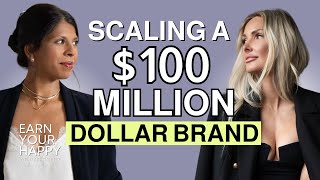
Michelle Cordeiro Grant built Lively into a community-led apparel brand through email and ambassadors, then launched Gorgi, a fashion-forward wellness drink. She discusses how she raised money, priced for scale, and balanced in-person events with direct-to-consumer sales.
Questions this video answers
About 130,000 emails in 48 hours.
Approximately 165,000 brand ambassadors.
$2.99 per can.
Amazon (nationwide), Sprouts, Albertsons and other retailers including Whole Foods.
On Amazon: 52% repeat rate; 'loyalists' 72%; average repeat frequency ~ every 7.9 days.
Chapters
I think the mistake people make is they let it try to grow digitally. It's not going to happen. We like to be in real life, for sure. Touch each other, talk to each other, shake hands, hug all those things. They create endorphins. They create memories that are postable, shareable. On we go.
Michelle, welcome to the earn your happy podcast. I'm so happy to have you on the show today.
Yay. I'm so happy to be here. Thank you.
You know, it's fun because you and I had been two ships passing in the night at events, and every single time I would see your name at the event, I'm like, dang it. I was either just leaving or just coming. But I did get to catch you at the entrepreneur event, so I did get to hear you speak, and I was like, this woman has such an epic story. You have an amazing brand, delicious brand as well, by the way. Gorgi, you guys were going to be talking all about her journey, all about the brand, all about what the mindset is in order to be this woman that you are, which I just read your incredible bio. So I'm really excited to learn about your story from your eyes, because I think the first question I would like to know is, did. Is entrepreneurship like, something you saw growing up?
No, I didn't even spell the word or say the word. It just, like, wasn't me either.
I was like, lemonade stand? I don't know. Is that what it is?
I was like, why would you do that? It looks like a lot of work you could just do.
Okay, so tell me what that looked like growing up. What was your. What was your family like? What were some of the. What were some of the core beliefs in your family around, like, working or working hard? What did that look like?
Yeah, so my parents both immigrated here from India, and so, I mean, they worked so hard, and they had one job their entire career from the day that I was born in rural Pennsylvania. And you just kind of had this subconscious thought as the daughter of two Indian immigrant parents, that you were going to be a doctor, lawyer, investment banker. Um, and so our culture was like, work hard, study hard, make your family proud, and just be so grateful to be here in this amazing country full of choices.
Okay, so what were some of your. Did you have dreams at that point, or was it just, what were you thinking about what you wanted to be growing up?
Oh, my gosh. The day that I turned 14, I rode my bike, like, through the mom. Like, numerous cornfields, because we didn't even have A stoplight in my tent.
This is how I grew up. Okay. I'm. I'm digging, digging this.
Found the first business that I could find, which was a motel, not even a hotel. And they called my mom, and they were like, you've got to come get your daughter. She's trying to get a job here. I was just like, well, I thought you'd be 14 to get a job. Like, yeah, what's going on here? So I just wanted to make my own money, you know, from the day that I could. And I would trade my lunch money for bus tickets to New York City, and I would just walk up and down Fifth Avenue. My mindset really was there was one Indian family in my town. It was mine. And brands, like, looking back, were how I kind of fit into the community. They were wearing Calvin Klein. I was like, let's go to TJ Maxx and load up. Right. And so that was, like, the storyline of me growing up was like, how can I feel and look like everybody else? Which is really hard, but you don't. Luckily, the tables turned on that, you know, come 25. But, yeah, 25 years to figure that out.
Okay, so tell me about what were. What were some of the beliefs that you had growing up or heard growing up that you have had to break in order to do what you've done in business.
Yeah. I would say the first rule that I broke is there is no playbook and there is no set course. You know, I grew up thinking, okay, go to college after you get straight A's, get a really good job that you have forever. Be married with two kids by 27. Yeah. Did the college part. Didn't like any of the jobs I was interviewing for. Found my way into fashion and said, I'm just gonna do this for two years, and then I'll go to law school and get back on track, man. I literally went to law school for two weeks and called my dad and was like, I just want to go back to fashion. That's where I'm happy. Like, shocking. Found something that I love to do, but it wasn't part of the plan. And I think, like, anytime I went against the plan, I call, you know, I say, one day I'm going to write a book called Living in Beta. Every time I lived in Beta and tried something I wasn't supposed to, I loved it. That got me to where I am today. Every choice that I made that was against the grain was the right one. Every time I tried to move with the grain, I tried so hard. And Wanted it to happen. I'd get door shut, like, slammed in my face like, no, you can't have this job. You're kind of okay, you know? When I tried it differently, I started to shine.
What do you think allowed you in your brain to be able to do that? Because so many people are listening to this, and they're like, oh, my God, going against a plan like, that seems scary. It's like a. You know, were you afraid of disappointing your parents? And then also, you don't know what you're doing at all. Even more so when you don't go with the plan. So what do you think that was in you? Was that, like, a Nate, or was that something that you saw or how did you figure that out?
I think it's a combo of the two. I think my parents, you know, raised us in an environment where you worked hard and you were really thankful for every gift that you got. But when I did things a little differently, like asked to go to a different school, asked to, you know, try a strange job, I always loved it. And so I think, like, innately, I. I kind of saw that within myself as like, a young Leo. Like, I always wanted to try something that was slightly off the mark. And when I did, I found my sparkle. And I don't know where that came from, but like an athlete would, when you find something that you love, you do it more and more, and you get better and better at it. I mean, I drove a U haul to New York City. Anybody had to ask. My first job, my bosses, to introduce me to people to be my roommates. I'm like, I can't afford to live here. Not even Hoboken. Like, they're like, here's two girls. Go meet them.
That's so great. And how was that? Did you end up with those roommates?
Yes, I loved them. And then we, like, moved to 34th street because it was the only street we ever heard of in New York. Basically, miracle on 34th Street.
Like, great. Is this the only street that's so great? Okay, so you're like, the first thing that you really learned was, like, the. The willingness to just try and the willingness to fail. Like, how would you. How. So obviously, if you were trying new things, you were failing. Tell me about that experience. Like, would you just roll with the punches or what was. What was the thought around that?
Yeah, I mean, I'll give you some examples. Like, you know, I really wanted a job at this one fashion brand, and I would interview for it, and I just wasn't Getting it. Like, they would be like, oh, okay, okay. You knew they were seeing other candidates and I was like, relentless. I'm like, no, no, no. But I have to have this job. This is the next step in my career. Door slammed in my face. And I was so sad about it and realized I'm like, all of these things, they happen for a reason. They propel you to where the universe and some higher power God wants you to be and see. But if you don't take like the winks from them as an odds to move in a different direction, you're just stuck. And I was saying, like, I think so many people live in a state of like, this is okay versus, like, whoa. I could sail up here, but I gotta, like, dive down here to see what could be. I learned it, I think, through internships. When I would go sit in these, like, cubicles, right? And you would have this like, all day office job, I couldn't handle it. I would get my work done so fast and then I would just sit there in those fluorescent lights and just.
Be like, okay, yeah, how do I pass time?
Like, yeah, I just couldn't do it. I love example. I was in a company and they had been bought by a bigger company. They were like, all right, you just, you don't have any work to do for a couple months, and then we're going to give you six months severance. Everyone around me was like, this is the greatest day of our lives. Like, no, this is horrible. There's no impact. There's no challenge. Like, what? Sounds terrible.
Oh, my gosh. Okay, so let's, let's rewind a little bit. So let's chat about your story. I know that you worked for quite a few large brands. Tell us, tell us about that experience, how you got into it, and then we'll go into the segue of becoming an entrepreneur.
Yeah, I would say my first job, like, getting that job was one of the proudest moments I would say of my life. I, you know, went to the University of Pittsburgh and I just couldn't get a look from New York City, like. And so we literally started going to job fairs at colleges around New York City, even though we didn't go to college there. And I ended up landing an interview with Federated for their product assistant training program, which was like, oh, my God, this is in New York City for Macy's and Bloomingdale's. And they flew me into New York, put me in a hotel, and it was like, they gave me this like, fancy hotel. And I remember Being on the balcony and being like, oh, my God, this is the greatest. I made it. And after the interview, I was like, oh, my gosh. All these other girls went to design school. They have, like, all the pedigree. They look amazing. Look at their hair and their outfits. So I went home and I'm like, I have to stand out. And I. I made my thank you note out of a PowerPoint. It was like a PowerPoint presentation. It was like, so dorky and I was so proud of it. But I got the job and it was, holy moly, I'm going to New York. Goodbye, everything. Like, it was just such a great moment. That first job, you know, it was very monotonous, like entering purchase orders and that it up. But we had this community of girls and guys. We were all starting together. We're all still, like, a lot of us are still friends. But I always asked to, like, sit in meetings I wasn't invited to. Wanted to see how everything else worked. And once again, the next job was like, to go be a planner or something, you know, or work in the stores. I'm like, I don't want to do that. So I was like to go slightly against the grain, and I'm like, looking around to see what's next and doing that in my career. And, you know, I had female mentors that took me under their wing, brought me into new companies at roles. You know, I was 22, 23 years old, starting to work for vice presidents and presidents in New York City. It was amazing. But it was all because I was curious and constantly looking at, like, what's next? What else do you think it was?
You know, because somebody listening to this might be like, oh, my gosh, she just had, like, people who wanted to take her under her wing. But according to what you're saying, like, what were. What were some of the ways that you think you showed up so that people were interested in helping you? Because, you know, I know that you probably help a lot of people too, and it's not everyone that you want to help or can help. So what does that look like?
I think first you get done what is expected of you in your job. And that's just like table stakes where I feel like a lot of people are like, but I did everything I was supposed to do. Yay. No, no, no. That's just like getting in the door.
Yeah, you just.
That that's baseline. What other value can you bring? And in that environment, it was like, what information? What data? What could I see and connect and share? With my bosses and my peers. And whether it's in an adjacent space like design or in planning, like, you're there to bring impact to all these people. So I would be relentless about looking at the reports, figuring things out, connecting dots, and then sharing it with my boss so that she. And I think the one thing that they don't teach us in school with all these beautiful academics is the power of human connection. You need to have that first impression, look people in the eyes, remember amazing things about them, and constantly nurture that relationship. And that, frankly, that was a lot of it, too. People enjoyed the information I was sharing and the energy that I would bring to a situation.
I. I love that you share that, because I think that that's. It's really easy for people, especially now, to just be like, oh, I'm not getting picked.
And there's.
There's so. There's so many reasons to that. Because you. Like you said, just getting the work done is. You're still blending in with everybody. It's those people who I know in my life, and especially even in the past when I've, you know, been able to get mentored or excel at something, it's always because of what you said. Like, it's always thinking through the lens of, how can I add more value to this person? Like, how could I be irreplaceable to this company or these people? And it's actually not as hard as people would think. Like, and if you. If you. And what I'm hearing from your story that I love so much is, like, you find joy in it. Like, you find joy in excelling and doing the work.
Love it. Love it. Right. Like you have. And I think that's where entrepreneurs, like, really thrive, is we're so proud of the impact that we can create. And we don't see problems in the world. We see puzzles, and we're like, we solved it. Or, like, let's go solve it together.
Yeah, totally. Okay. What would you say that your absolute zone of geniuses, Maybe there's a couple of them. And then what would you say you're not good at? That you need to always delegate?
Yeah. I would say, you know, brand building and bringing, like, sparkle to a category that may not be the sparkliest. Right. So I would say, like, bras. Right. Why do women loathe bra shopping? That's so strange. It's the one category that's literally for us, and we wear them every day.
Yeah, true.
Yet we don't love it.
Right.
And that's what Lively was About, like, how can I make this category celebrated and fun and attainable and, like, one that we want to post on Instagram. That's not just about being provocative, but just being us. Right? Same thing with energy drinks. Like, why can't energy drinks be, like, fashionable and fun? And people are like, why does Gorgy have a magazine? I'm like, why not? Right? So I think, like, going beyond with things that are interesting to humans across the board and making that fit into the category that you're in is, like, where my sweet spot lies. And I do that by building community before building the brand, which I love. The things that I'm not great at, I would say is the monotony. Like, when things are very static, I get really antsy. I love to build, you know, And I think that piece is what I love of entrepreneurship, especially from the beginning, where you go from something that is, like, on a cork board and your iPhone to then all of a sudden, millions of cans are in the world, and, you know, people are starting their day with. I think hiring and building teams is really hard, and I enjoy it, but I also get, like, terrified of, like, are they happy? Am I a good leader? Are they learning, like, that stuff at night? I put a lot of pressure on myself on the fact that, like, I built a company and I hired these people. They better be happy and having a great family, personal life, just like I am.
So how did you. Like, how did you start figuring that out? Because somebody listening who's new might be like, well, I'm. I feel like I'm stuck in everything right now.
Right?
Like, I know even for me, like, I understand delegating and finding people who are better than you, but in the beginning, it's like, you're just. It's almost like you kind of have to have your hands and everything in the very beginning to understand it. So what would you say to that person? And also how quickly should you get out of kind of like, the. The daily grind of everything?
Right? I would say in the beginning, you're in. You're in the thick of all of it because you're building the personality and the Persona of what you want out in the world. And that's so fair. I think, for Lively, my first company, I was in it too long. I was just approving every caption, tag, image, grid, all of it. And I think that slowed the company down. Versus with Gorgi, I released. I, like, let that go after probably six months and was like, okay. I found people that I trust to take that on And I can kind of make sure that we're creating consistency and conciseness, but I can't be approving everything. Otherwise, I'll slow it down. And I think you have to be really comfortable with people sink and swimming, and when they sink, you got to let them know, like, hey, I just wouldn't have posted that. And that's okay. We can take it down and we can change it. But that's the part that I used to struggle with, was like, I never wanted to correct people. Now you just kind of have to. Right. And be comfortable letting them know that that will happen. But that's okay because 99% of the time, I trust you. Yeah. Yeah.
And it's an interesting. It's an interesting place because I think, you know, even when I was working for people in the past, it was like, I wanted to know if I was doing the job well. So actually, if we can come from that mindset and everything is like, okay, well, even if I get corrected, that's actually great because now I know what to do more, what to do less of. So it's. And it's hard to tell people, right? It's hard for me to tell people, too. But at the same time, I'm like, hey, just because, you know, we want to, like, be even more clear with this brand. Here's what we're. Here's what I would like to see.
Yes. And I think your point about, I. I try to more often tell people when I love something versus just like, hey, I would change this more. So I'm like, whoa, love this. More of this also. This is incredible. Wow. Hello, team. Amazing.
So what would you say is, like, the biggest challenge for you right now in what you're doing? Is there something that you're working on that just feels really big?
Yeah, I mean, I think. I think growth and, like, how much you want to grow, like setting your own bar for your company, I think really hard, right? Like, when you're in a public company, you're like 4% growth, 10% growth. Let's get after it. When you're a startup and we've already tripled last year, you're like, are we going to quadruple? Are we going to go for a 5xer? Like, what do we want to do? What do we want to do next year? And when you're planning that type of bar, you know, there's the way to think about it where, like, don't play in the bar too high because you want to overachieve. Then you're like, no, like, let's go for gold. So that mentality, as the company is growing is a more and more expensive decision. More growth, the more people, the more marketing, the more inventory, the more, more, more. And you can get caught in the mix. So find that sweet spot. And creating the agility to stretch for more when the light shines is currently what keeps me up at night.
That's so interesting. You know, in the beginning of this company, I was like, it was crazy to me because even though I did it with other things, it felt like there was so much more on the line because exactly what you said. Like in our, with digital products and things like that, you don't necessarily require as much staff when you even want to like grow. But with a physical product, it's like a whole other game. Just like picking a number from thin air and being like, is this sustainable? Can we actually do it? What does this look like in the future? That is mine. It's still mind boggling to.
And there's so many fixed assets and then like, they're variables, but are they like people and team? Like, there's just so many layers to it. And I enjoy it and love it, but I also take it so seriously. Like last night at like 10:30, my husband came in, he goes, you gotta stop thinking about it, right?
You're like, how, yeah, I'll be up in the middle of the night. To someone who's new, would you say like, fast growth at all costs or keep it sustainable the first couple years?
I, I live in an organized chaos, so I really believe in responsible growth. Like, cash is king, right? And so like, as an entrepreneur and a CEO, you can make clear decisions when you have cash in the bank. When you don't, then you start to feel vulnerable and you kind of go off the mark a little bit for me, right? So I do like to grow and I like to grow quickly, but I like to grow responsibly. Meaning, like, I know my team is going to be paid for the next year and so forth.
Is that something that you like to like, like looking ahead for the year? Like, hey, I always want to make sure we have one year of Runway for this.
I think people are our greatest asset. And so I always want to think about them, obviously, brand integrity and making sure we're making something that's incredible for the consumer in the world. And then how do we light it up?
Okay, let's go back. Let's go back to kind of the beginning of Gorgi. And I know that you had done this for other brands. But let's talk about, you know, what you created and then also, how did you decide what it was going to be? And I want to dive into messaging as well. So let's talk about Gorgi first. What is it?
Yeah. So Gorgi is an energy meets wellness drink. You know, really transitioning what the energy category could be in the day to day of society.
Did you drink energy drinks before this? Were you just like, oh, I don't like these, or what made you want to do it?
No, I was like, such a coffee girl. Like, I have a coffee bar in my bedroom.
Love you for that. Love you for that.
And I think, you know, I was an RBV girl when I first moved to New York back in the day. Good old Red Bull Vodka.
Yeah.
The last decade and a half have I been, like, in that, you know, space. So it really came from. After selling lively, I wanted to do something in CPG that brought fashion and fallen to a category that I felt was very, like, green and minimalist. Yeah. But I had grown to love as a consumer, and so I was like, wow. But I made something sizzly in this category. What could that be? Through, like, moving from cellular renewal to different other genres. I was surveying and going community first. The community was saying, like, michelle, we don't want a candy or a powder. We want a drink. And I was like, powder that can go in water. And they're like, that's great. Those are amazing. We want it ready to drink. I was like, expensive. Why?
Shipping is so much money.
Oh, my gosh. And I was so lucky that I was, you know, on this journey with Jason Cohen, who came from veggie straws and skinny Pop and Owen and so forth. And, you know, once we realized, like, energy was the space we wanted to go to because everyone was saying, they're making the better for you energy drink. Yet none of them I could buy in Whole Foods. And none of them were, like, truly female first. From my life as a female. And what if we could bring these two worlds together? And it just got so much love in surveys on TikTok that we're like, let's go. And if you look at the can, you'll see it's like, very much about the community telling us, what are the benefits? What are the. I love that everything is voted on. And.
Yeah, okay, before we go into messaging, because you said something a couple times throughout this is. You talked about how important community is. Did you have a community from something prior and how was that one built and what comes first? Like building that community before the product.
Tell me all about that community first. So Lively, not strategically or purposefully, was build community first. I started asking women on Instagram and in focus groups like, we loathe bras. That's so weird. Why? And what I learned through all of that was we love sports bras. We love swimwear. Interesting fact, 60% of the time, we wear sports bras, we're not wearing. It led me to literally cutting the waistband of a yoga pant and stapling it to a lace bralette. And that's how Lively was born. We started calling it Leisure A. We're like, what if athleisure and lingerie had a baby? You know, I think we would really like wearing that. And when we launched Lively, we ended up having about a thousand, maybe not even, maybe a couple hundred ambassadors. We put out our first splash page and email. We got 130,000 emails in 48 hours because everyone airing and shouting it. And then we shipped to every state in America in 45 days. You know, Lively became a community led brand. It had 165,000 brand ambassadors in America. And after that, I was like, well, let's do that again. But somewhere where I'm totally like, not in the know. And that was on cpg.
Okay, so how are you building community for this product? Totally different.
Yeah. Yes. Instead of Instagram, it's Tik Tok. Instead of, you know, we have a lot of events and constantly asking people what they think. We have a Geneva community with about a thousand people in it. And, you know, we have, like, humans and women. They'll drive like two hours when we have a store opening to celebrate us. Take content. But I think it's more about what the drink says and how it makes you feel. And if you look at like, like I said, we have a magazine, but in here we have, you know, articles and stories about, you know, how people that never even had caffeine. Like, this is called. I don't even know what this story is called, but it's basically about, you know, if you think energy drinks aren't for you, you're in good company. Right. How do you break the stigma of what this is? And now we have people that are like, I don't even buy coffee on my way to work in New York City. I go to Whole Foods and pick it up at the cooler. Or people gorgie from Juice Press and Equinox because they're realizing, like, I feel better with green tea. I feel better with the anine B6, B12. Same.
Yeah, totally. So what did that look like for you to get this in so many hands in the beginning, did you self fund? Did you fundraise? What did that look like?
I fundraised similar to Lively. I was fortunate enough that I met the right people at Lively. It was our suppliers, you know, top suppliers in the world for lingerie, invested in us and for Gorgi. We had a mix of previous investors from Lively with the best of the best in CPG believing in this mission. So that was like a huge, huge way for us to really come into the industry with the support of all of these successful, generous and like forward thinking humans. That's like a hard thing to do. Right? That's not statistically normal. Comes with like a lot of grit and like I said, human connection.
Yeah. What would you say to somebody when they're thinking of launching a product to think about in terms of like their skill set, their network, in their community. Like, what are the main things they would need to be thinking in order for it to be something that could grow for them and something that could launch to enough people to even, you know, keep it alive. What are those things?
I would first start with, like asking people if they're super interested in why. Right. Like I. She started with a Google survey and it wasn't supposed to be an energy drink, it was supposed to be a candy. And it evolved from candies to powders to drinks.
And where were you putting your surveys? Was that in a community you already had or how were you doing that?
No, it was a Google Doc. And I would try to get it to two degrees of separation. Meaning like I would send it to like my husband's cousin and be like, send this to everyone in your office or someone like babysat my kids. Like, send it to everybody in your college. Like, so try to get it to different genres of people so you can get like statistical. Totally. And put it on social media. I think a lot of people are afraid to share their ideas. Like someone's going to steal it.
Yeah.
Does anybody care? Right. And I think that just put it out there. Right. I also make like brand boards, like they're going out of style, postcards, stickers, all these things to see if I can get stickiness to happen. Can you get brand stickiness? Can you get people to care? Yeah.
The, the thing about, you know, we did a ton of surveys for our product too, and I, I wasn't concerned about people taking the idea because I was like, do you know how hard it is to even get something started. I was like, okay, if you take this idea, go you like go get it.
Anyone can make website. Can anyone make a product, market the product, sell the product, follow up with the customer and make sure everything feels good. Harder.
Much, much harder. Okay, let's talk about like finding that or like really honing in on your ideal client and getting clear on the messaging. What did that look like?
Yeah. So you know, as an entrepreneur that wants to do something like, you know, I think big and grow, you want to go in a space that is in my opinion, multimillion, ideally for me, multibillion and love categories that have legacy brands that are leaders with sincere market share but maybe aren't on the cusp of to where society is. Right. And so Red Bull Monster, all these amazing brands. Amazing, right? Or a secret amazing brand. What's being posted on social media? The same, not the same. And so like you think about bridging that disconnect. That's where I like to build brands. Right. Like and I want to make an energy drink that society is going to be really excited about. Well, there's probably three things that it needs. It needs to be a can that's postable like a beauty product. It needs to be dual gender. No more, by women, for women, by women for all. And it obviously needs to be better for you. And you know, I think playing in that space and deciding the hierarchy in which you want to own those messages is really hard but really critical. And I would say the last thing that's important to me is that it's attainable. That all these benefits, all of these like amazing ways to make it more relevant. America can still afford it lively with $35 bras. Didn't matter if it was a lace bralette or a push up. Cost me different. Cost you the same. And gorgi is the same story. You want better energy, you want to feel better throughout the day. You can also get it for 2 99.
You really think about the pricing of the product first. And also like you probably back into it with your margins and all that fun stuff to see what you're capable of doing.
Yeah. What gorgy cost for a case versus today you're talking 2.5x.
Yeah.
Know that you can get there but you don't want to make your consumer pay for it up front. Ideally. Hence why I raise money first.
Yeah, that's so smart. I think you know, in the beginning when people are really excited, I know something that I did that we're having to kind of like Rethink right now is you are like, well, I want to create this product and I want it to be the best. So you do all these premium ingredients and packaging, and all of a sudden you have something that people can't buy because you've priced yourself out of. Of like, you know, any realm where people understand why they would pay for that much. Even though it's. Even though people say they want the best product, they can't afford the best product. So it's trying to figure out how to not have to put everything in a product and get really clear on that messaging. That's a. That's a whole other thing.
And is it scalable? Are the ingredients, like, lively? We end up having, you know, basically factories dedicated to us, but we were really clear that we had two base fabrics. That was it. And you can mix and match it across 72 styles, 2200 SKUs, because you had that many sizes. Of course, there's so many amazing ingredients and sweeteners and all these different things you can use. But are they scalable?
Yeah. This is stuff you absolutely do not think about unless you are talking to people who have been in it for a long time or you're like, you know, you've been in it for a little while, or you just. I think it's one of the most important things you can do is.
Is.
Is understand if your product is scalable from the beginning, and then getting re excited about a new product that could be maybe like, amazing in a different way, or maybe it has less ingredients. And let me just tell you, that's even something that's great for marketing is like, sometimes less is actually more because it's a more clear message always.
Yeah. I would say the other thing too. I think for anyone that's building, and if they're in New York or la, sometimes you build for your neighborhood. Right. You could be building a product for the crowd of New York City. You could be building a product for the crowd of la. Is it a product for America? If you want it to scale. Right. Growing in the D2C environment, you saw a lot of amazing brands that would grow and then cap out because middle America didn't connect with it or couldn't afford it. And so we really like to build brands from the middle out.
Yeah, that's so true. I mean, I'm originally from the Midwest, and it's funny that there are so many things I see where I'm like, oh, that is such a coastal thing that's only gonna stay right here. Like, Nobody gets the CMOs, you guys. Like, we. When I go back to the Midwest, it's so funny.
We.
We boat a lot in the summer and like, truly comments are like, oh, let's like, let's bottle this up and sell it to Californians like the LG in the water. Because they just.
It's a.
It's such a different mentality there that I think that that's genius going. If you dependent upon what you really want to do with your company, those are such important questions to ask and hence your surveys and all the things like that are huge.
Yes.
Yeah. Okay, so tell me, you know, you've built a. Had huge ambassador programs included in a lot of what you do and really using it looks like, you know, ambassador influencers, all the things. Tell me how those programs work and how you got them started.
Yeah, I would say for Gorgi, you know, we really think about it in different buckets. Right. We have, you know, humans that we connect with just by interacting on social media. We never let a DM go. We're constantly. And then using those in real life moments again, human connection to foster a relationship that can live digitally and physically. And when you spend that time that you can't measure the ROI on, unfortunately, you'll find your brand stickiness will start to propel over time. I always, the first year, you should just be out there sharing and shouting your brand and cultivating a sticky community. And that's just. Could be a crowd of 12, totally 40. You're packing a snowball tight. And once that snowball's tight, you're going to know you and you can let it roll. But that's how in my opinion, like ambassador communities, like true communities exist. I think the mistake people make is they let it try to grow digitally. It's not going to happen. We like to be in real life for sure. Touch each other, talk to each other, shake hands, hug all those things. They create endorphins. They create memories that are postable, shareable. On we go.
I love that. So how do you get other people excited about your brand? You know, if you're thinking in terms of, oh, there's this event coming up, how can I add value to that event? Not just like pimp the brand out, you know, how can I. How do you show up to things that adds value and not just like about the brand? Because I know even some podcasts, you know, we'll see founder podcasts come through that. I'm like, oh God, I don't want to do it because I feel like, they're only going to talk about, like, the thing and sell the whole time. So can you tell me how you approach that so that you've been able to create this beautiful thing that feels like a value add?
I think this is going to sound a little absurd, but you go the complete opposite direction. In fact, Lively was bras. Nobody wanted to go. Raw event. Yeah, same. And I remember we had our first event. We had a happy hour that we basically posted on Instagram. We're like, just come for wine and cheese. No mention of bras. And in that event, I just listened to what everyone talked about. That's what you do when you're with friends. And at that time, it was like Soul Cycle and arts, like succulents and things like that. That's what the event should be. And so we would just go to SoulCycle and host a happy hour there with Wolfer Day, because that's what everyone liked. Yes, it was by Lively. Were we selling the bras there? No, we were trying to create a connection, a bond that they would then attribute back to us. Right. I mean, that is like the old school way of brand building. Right. Like Ralph Lauren at all these events, they're not selling sweaters. Every time that they have a billboard or they're hosting or they're part of something, they're trying to be subconsciously part of it. And so we do that on a much smaller scale. And we kept doing that. Never sold the bras. Never. And people just loved coming to our events because they were so engaged. And then it got to the point where they're like, can you just have the bras there? That's when we started having pop up, which actually led to our retail stores. I never even thought we needed that event. Drove us there.
Okay, that's amazing. And so for people who maybe they haven't raised money or maybe they've raised a little bit of money, do you have any ideas for, like, how can you do this on a bit of a budget? But getting into the community, like, would you just go, like, asking different people who own workout studios, or how would that all look?
One of the best times that we did it was we went to Dallas and we made a list of all the places that we knew, you know, based on social. People love to go. Bird Bakery. At the time, it was Soul Cycle, Outdoor Voices, et cetera. And we went to all of those companies. We're like, can we just, like, have an hour or two and we'll bring our community and drive traffic to your store? It doesn't cost a lot of money. It's just your time. Right. Doing that and doing it. Then we got to the place where we're actually offering landlords rev shares on empty spaces. Like, I remember we old Kendra Scott space in the West Village. We're like, we'll give you 10% of everything we make. And we're going to drive a line outside the store, so someone's going to want to rent it. Nashville, you can get scrappy and make it sparkly.
Totally.
Gorgie's first event was these stickers behind me. They literally say, gorgy girls of Philly and postcards. And I said to, you know a girl in Philly, I was like, invite all of your friends for happy hour. It's like, 12 girls. I'll pay the tab. That was our first event.
I love that. I mean, it's so great. But that's how it starts. Like, that's how so much of my stuff has started too. And I love hearing it. It's such a great reminder. I'm doing that with this new company and I'm like, whoa, I'm back. Like, boots on the ground in small rooms, small community. And it's. It's also magical. Like, it's the best feedback. Like, you can't get that online. Like, I can't connect to the community. Like, I can. When you're in a room with people. Yeah, just like talking to those people who've been taking it a while, and you're like, oh, wow. You know, I love hearing how people use it and what they're doing and just seeing it in their hands is like, it's magical for the. The founders and the people involved too. It just like, really makes you feel so tied to. To why. Why you're doing it.
And again, to your point, it's like you receive so much back as a gift, as a founder, and you got to make it slightly different. Like, we were just at a. A quote unquote trade show, right, on Saturday with our sprouts con, and we had an ice luge and everyone's like, why do you have an ice lose here? I was like, why not? Like, tell me one person that doesn't smile when they see an ice luge and a disco ball, right? Like, hero relevance to energy drinks. Now everything to me about energy drinks, we could not keep people. There was like, lines of people that wanted to have our drink because it came through. Yeah.
Oh, my God, how fun, right?
And then you hear store associates be like, that's. You're The Gorgy girl. Like, they're calling each other Gorgy girls and guys because they all love the drink. Right? You walk out of there as an entrepreneur and you're like, yes, it's happened. They're seeing what I wanted to put out in the world. Like, when you see that circle happen, boom.
That is that it's so great. And I think people just. They have a different idea of how things actually get started. And I think it also. The really, really good brands, I feel like just get. They get in there with the community. Like, they're not will or they're willing to get, you know, their hands dirty. Like, they're willing to go no matter who it is. Like, you've obviously been successful in other companies, but you'll still go get in those rooms and talk to the customer.
Totally. Oh, my God. I. My kids are like, mom, really? Again? I'm like, yeah, we're going to put a cooler out front of this restaurant and give it to everyone that walks by.
Yeah, exactly. Exactly. It's so. It is so fun. And you're making people's day, too. It's so great. So are you doing, like, what are some of the other ways that you're marketing? Do you do Facebook ads? So Ambassador sounds like it's a really big part of it. You do retail?
Kind of.
Tell me what that's looking like for you right now.
We're not huge on, like, Meta or Facebook yet. You know, we're just, like, toying around there. I think, you know, digital is a good piece of our business, but a lot of our focus is in real life and really being old and getting people to know we exist. Right. I think that's really what beverage is. Our repeat rates are like bananas. You know, on Amazon, for example, it's like 52%, and then loyalists are 72, and they repeat every 7.9 days. You're like, Whoa, used to be 14. And I was like, we've arrived. But, like, those data points, when you realize you ship to every state in America every three weeks, you're like, okay, the things that really excite me is when we get mail. Like, we'll get cards and invites and all of those things. When people are spending time writing a handwritten note to you, your drink, you're like, okay, better.
What do you think? Do you think Gorgy is going to stay the energy drinks? Or is this a bigger brand? Or what are you. What are you thinking?
You know, I always believe in trademarking adjacent categories purely for retention, because I think, like, lively we were a brand vested in bras and undies. However, for our repeat customers, we had swimwear and, and sleepwear, fanny packs and a fragrance. Like, all these things that you could, like, kit your life with. Same thing for Gorgi. But what we want to be known for and we want. What we want our legacy to be is bringing energy like no other to everyone globally.
Okay. I love that. And that can be done in multiple modalities too, which is exciting. What would you say is something for you, like, personally in your, like, personal life that you feel you've had to either bridge or is a challenge between what you're doing with your work and what you do in your, you know, having a personal life.
Yeah. I mean, I don't know if you feel this way. I just love what we do so much. Like. Like too much.
Yeah.
And it's like, it's a quote unquote work, but it's hard for me to not think about it and care about it and nurture it. And I have the most incredible husband, the most phenomenal children, and to be able to, like, turn it off and focus and be present for them even if I'm physically next to them, not think about the can and the brand and be focused on them is truly the hardest thing for me. They are the most important thing to me, actually. The fun of building and the importance of creating is so great. I think it's really difficult for us to get our brain to shift.
So build something fun.
Build something that you love and you have to love it. Otherwise, I don't know. I don't know if I could ever do it.
I know, I know I have to love it. And I have to. For me, especially with a consumable too. I have to be the person who drinks it every day, like, or who consumes it every single day. Like, when we were thinking of what we were making, and probably for you too, it was like, no, I have. Like, this has to be a part of me so that it feels natural for me to market it, because I'm doing it every single day.
Thousand percent. Like, I only wear lively. Still, even years after selling the company, if you ever see me at a workout class, it's only lively and. Yeah. And this drink is always in my hands first thing in the morning when I'm leaving to go exercise or be in the world. And it's like Pavlov second. I open it, I'm like, happy.
Oh, that's so amazing because you created it out of a need and a want that you had as well. That's so awesome. All right, so tell me about, you know, do you talk to a lot of entrepreneurs? You're in a lot of these rooms. What do you say when people say, well, I'm. I'm afraid it's not going to work. I'm nervous. Like, all of the different things that come up around not doing the thing.
Yeah, yeah. I mean, I feel like it sounds hokey, but you gotta believe that you can succeed and know that. You know, I always think about all the things that exist in the world that seemed impossible but now are possible. We live on iPhones. Like, I had a connected to the wall, okay? Like, think about all the things that have changed in the course of our lives just are. Right. And how monumental some of those things are. And I'm just putting liquid in a can. I can do this. Right. The thing that really made me an entrepreneur, honestly, was having my daughter. I didn't know anything about being a mother. I wasn't like the girls, like, I'm dying to be a mom. When I had her, I was like, whoa, I created a human being. I mean, like, epic. And also, what else can I do?
Yeah, totally.
And that's why I started a company, right? So anytime that I start to doubt myself and I'm like, I don't know if I can do this anymore, I stop and I look at what we've already done. We've created a hokey board into a beautiful brand that has shipped millions, millions of products around the country and most importantly, have brought smiles to people's faces.
Do you think that you. That motherhood has made you a better entrepreneur? And why?
Well, factually, yes. Because it's forced me to prioritize and delegate. Before I was a mother, I was the last person to leave the office, always, because I just loved. I love work. I was skipping to Victoria's Secret, hanging out at Thrillist. You know, just like, just love the environment, love. Creating love. Motherhood forced me to put guardrails and realize there's life. The business is never going to love you the way that your family and your significant other are. Fact, everyone.
True story.
Oh, man.
In fact, you're like, do you. Do you care for me? Please love me back. Why won't you love me back Sometimes? Okay, what. What do you tell people?
Especially?
I mean, I find myself in this situation all the time, but I always am trying to meet new, you know, mentors and get in the rooms with people who have done what I want to do and built what I want, build what would you say to people who are really like, they're new in something they don't have, have all the answers? How do we ask those people the questions that we want to be asking? Like, do we need to be getting in the rooms to them? Is there a proper way of doing it through DMS or email or what does that look like?
Yeah, I think, like, you want to be really human about all of it, right? Just like when you're making new friends and when you're dating, you're not like coming in like super hot and aggressively. I think you need to get to them as a person first, establish like that human connection, right? And then move into the things that were like, truly on your mind and what you need. But think about how you can be value add to them. Right? Because that's just like how we work. Like, we want to give and take and give and take. Right. There's got to be that inertia. But when it comes in hot, like one way, your, your first reaction is to move back.
Yeah, totally.
Yeah. So I would say that I also would start with people that are your peers. You know, I had this incredible experience when I was building lively Shopify and Tony Robbins and, you know, all these people brought us together. Eight entrepreneurs, me, Ben from Gymshark and Fanjoy, etc. We were being mentored by these phenomenal entrepreneurs. Tim Ferriss, Marie Furleo. However, the other seven entrepreneurs, boom. We learned so much from each other and are still very connected. Reason I share that story is spend time with peers with founders and entrepreneurs at the same stage. And there's so many communities. Entrepreneurs is one of them where you can do that. You're going to get so much fuel, momentum and like, tangible thoughts to act on.
Totally. Oh, my gosh, I love that. That's same for me. I've joined so many different masterminds and, you know, at first you think you're joining for the person who's running them and you learn really quickly, like, oh my God, it's the people I can lock arms with and they're in the trenches with me figuring it out. And we can really help each other too. Like, those are your, those are your best partners because they're also very willing and excited to partner with you where, like, brands that are more established, like, they're not going to love jumping at the chance of, you know, partnering with a very small company because there's not a huge value add there for them. So, yeah, that's where I, like always found a lot of success. Which is awesome. Okay, so what's most exciting right now, and what's an ask that you have for all of us?
Oh, I would say, I think right now is just the way that Gorgi is, you know, getting into the hands and more and more people. You know, we just came off of our Air1 smoothie in August for us, and then we're partnering with Jaclyn Hill on a custom flavor right now. My ask is that you all go out and try it, feel it, and share it, and that's it.
Yeah. You're like, just drink it, enjoy it. Get all the great energy from it.
Right.
Tell your friends and we can get it. We can get it in. It sounds like Whole Foods Amazon. Okay.
Amazon nationwide at Sprouts and Albertsons and all, you know, your favorite stores nearby. That's for sure. Amazing.
Okay, tell us some of the flavors, because let's make everybody's mouths water.
Okay. I mean, watermelon, by far, number one all across America. And then behind me, you see this, like, beautiful color palette. Turquoise is my favorite. It's our punch. The peach is like a nice little nostalgic tea. Peach tea vibe. Mango for your vacation vibes and lime for go golf. Get it.
So fun. Okay, so your number one flavor is watermelon and then tropical punch.
Yeah. Okay.
So cool. Okay, guys, try those. Try those first. You're going to love them. I'm so grateful for you. Thank you so much for coming on the show. We'll make sure to connect all the goodies down below in show notes. You guys definitely go follow Gorgia. I believe it's get Gorgi Amazing on Instagram. Amazing. You guys go check it out. You know, even if you're like, oh, I'm not huge in energy drinks, go give it a try. And also, you're all entrepreneurs or wannabe entrepreneurs and big dreamers. I'm telling you, one of the biggest, most important things that I have done is gone and follow women like you with brands like yours, because you get to see the playbook and what's working. So you guys go and check it out just to even see what that looks like for a brand that's really doing incredible out in the world. So thank you again so much for coming on. And everyone, until next time, earn your happy.
Bye.
Bye.










