In this in‑person coaching session, Mark Ottobre demonstrates and verbally cues a trainee (Speaker B) on optimal bench‑press mechanics. He emphasizes expanding the chest, keeping the thumb down, driving the heels into the floor, and aligning the elbows so the lifter meets the bar rather than the bar dropping onto them. Mark introduces a progression of skill layers, culminating in paused reps to enforce control before adding heavy load. He stresses consistent visual cues—aiming for a single, clean line on the chest across reps—and warns against premature heavy weight. Breathing technique is highlighted: nasal breathing and breath‑holding to increase intra‑abdominal pressure, with a demonstration of a full‑breath hold while stabilizing the bar. Throughout, Mark provides hands‑on feedback, compares rep quality, and uses a confident, instructional tone to ensure the trainee feels stronger, steadier, and more controlled.
Chapters
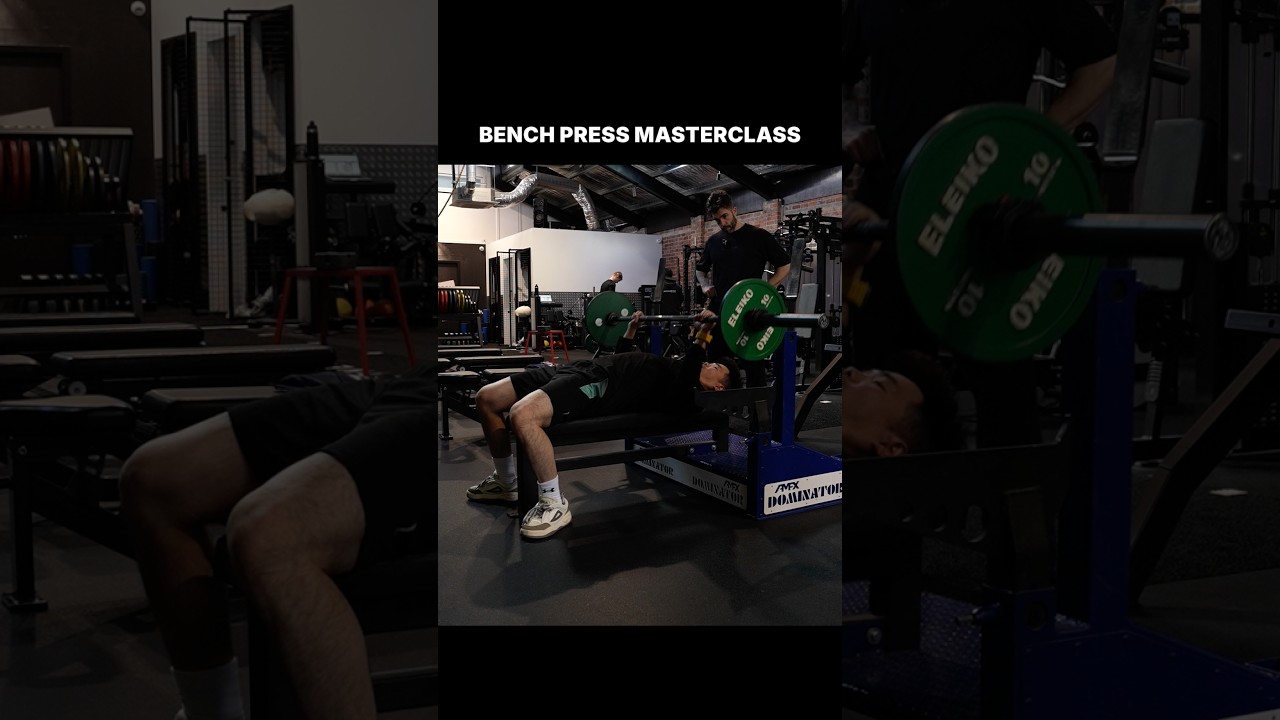
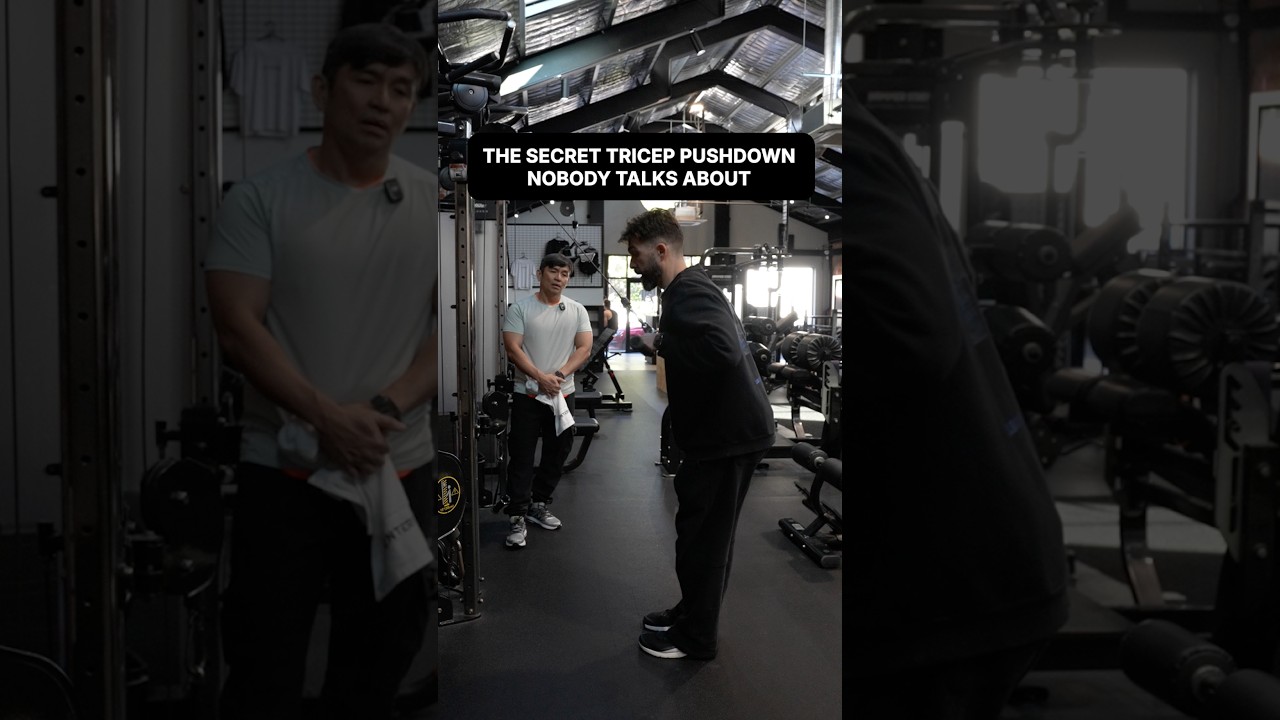
You show me how you bench press. I'm going to teach you some technique stuff. I want you to expand your chest and push up aggressively. So what do I mean by that? Put your hand on my chest. All right, so if I go like this, right? Oh, no good. You push against me. Push.
Yep.
The more I have to push against you.
Okay.
See how my chest is?
Yep. I'm not. It, it never collapsed.
Thumb down. Chest up, chest up. Feel that tightness? That's where I want you.
Wait, hold on, I feel like I'm gonna cramp.
Good, good. When you're ready. Much, so much better. 1. There. How do I feel?
100% different. There's no stress in my left shoulder blade now.
Next layer, we layer skills. I now want your heels to push down. You don't have to be here. Yep, you can be here, it's fine. See where my elbows are? I'm coming up to the bar. I want you to meet rather than it come down to you. You're going to lift yourself up to the bar. Push yourself up. One more. Push yourself up. How do you feel?
Strong.
We're going to do something next set. You're not going to like it. You're going to do pauses. You haven't earned the right to put 70 kilos on the bar.
Okay. All right.
You'll hurt yourself.
Yeah. Okay.
And the reason why I say that is because your technique from rep 1, even rep 2, looks different. And I'll show you. I'll prove it to you.
He's always been tough. What are we What are we gonna do?
My point is made. You have 6 lines on your chest. You should have 1. When I look at rep 1 to rep 6, I want them to look the same.
Oh my God.
But let's have a look at what pause the bench press is.
2 slow seconds? Yep. All right. 1, 2.
I eat my own cooking, right?
Yeah, yeah, yeah, yeah. I wasn't expecting that.
So I'm not, I'm not just making shit up, right? If I can't do it, then why am I telling you to do it? Two, one.
It was better than the one before.
Much better than the one before. How'd that feel?
Steady, stronger.
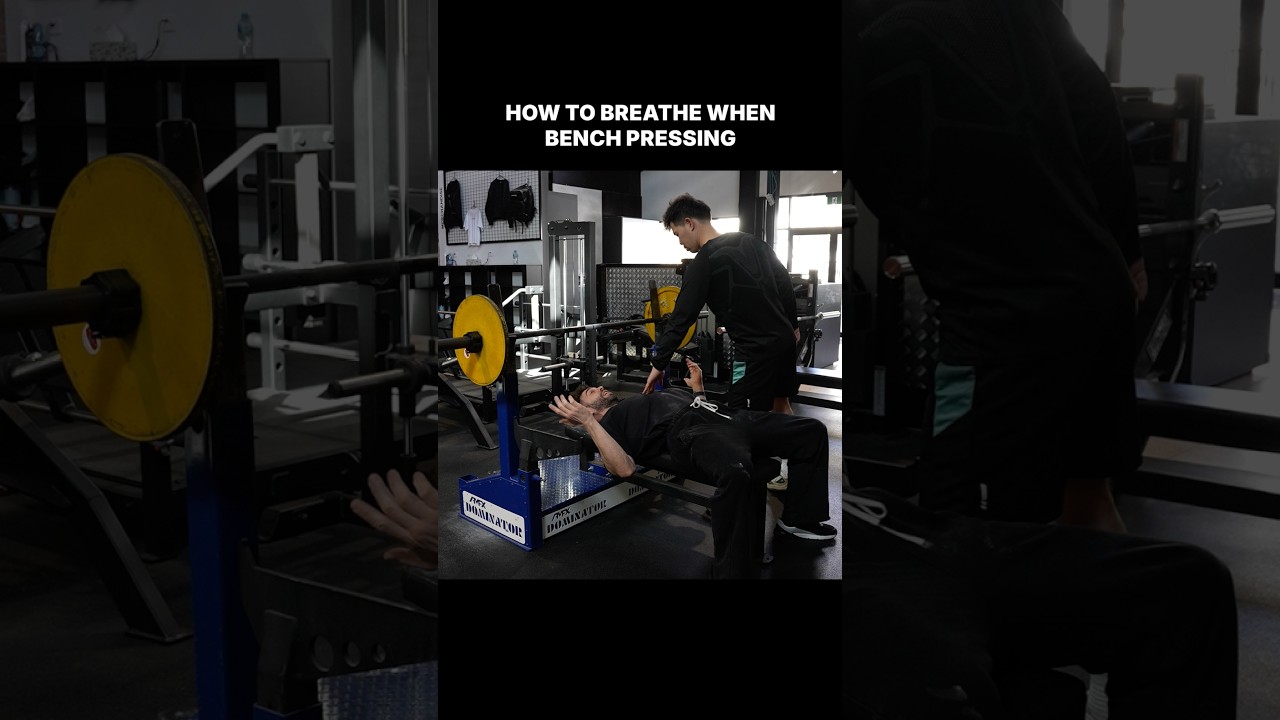
I need to talk to you about the way you breathe. Stop breathing through your mouth. You need to breathe through your nose. Breath on your bench press. What it does is it increases intra-abdominal pressure. Put your hand on my chest. If I do that, push against me. Like it's hard to hold, right?
Yeah, yeah.
If I do this. That was all one breath. No breathing. Let's see how stable I am. That's what you want to do depending on what rep work, and obviously the weight will have a big factor how long you can hold your breath for. As in, the heavier you go, the harder it is to hold your breath. But when you're doing max work, you need to hold your breath. If I have to breathe, I'll breathe here. Breathe into my hand. 2, 1. So much better. How'd that feel?