A trainer coaches Lauren through low-bar, high-bar, and front squats, focusing on hand placement, upper-back engagement, lat depression, and knee band work to build stability and eliminate back and knee pain.
Chapters
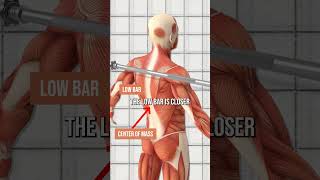
low bar, high bar, and even the front squat. I'm going to do some tweaking of Lauren's technique to make this more effective. You just pop that on below your knees. So hands pretty tight, pretty close. The upper back is nice and engaged. Good. So really the main things that we've done for Lauren right here is we've increased stability, bringing her hands in tighter so she's not losing any energy. She's much more stable through the spine. Bringing the hands in tighter and depressing through the lats. Well, the other stability piece is the band around her knees that's forcing her to externally rotate from the pelvis and stay stable using the glutes, offering that sensory feedback. Let's look at the low bar squat. What the low bar position does also, for the folks who are new to it, is the high bar is further away from our center of mass. The low bar is closer to our center of mass. It's a more mechanically advantageous position to lift load. Your hands can go a little wider. Hips, hips, hips and knees, and back up. Good. So this position right now for Lauren is unfamiliar. Spread your knees, spread your knees, spread your knees, spread your knees. So the biggest constraint here that you see with Lauren is that upper back position, and I'm going to say that's mainly due to weakness. So you're going to get this position and you're going to be holding like that. So this is a much better approach than using that, because if we use the cross arm approach, it's not going to activate and engage our upper back. So squat through and bring those elbows up. Good. The abs are certainly working, core's certainly working, and we've got that thoracic extension. So that's a nice