Alex Mytton: Fame, Addiction & His Spiritual Awakening
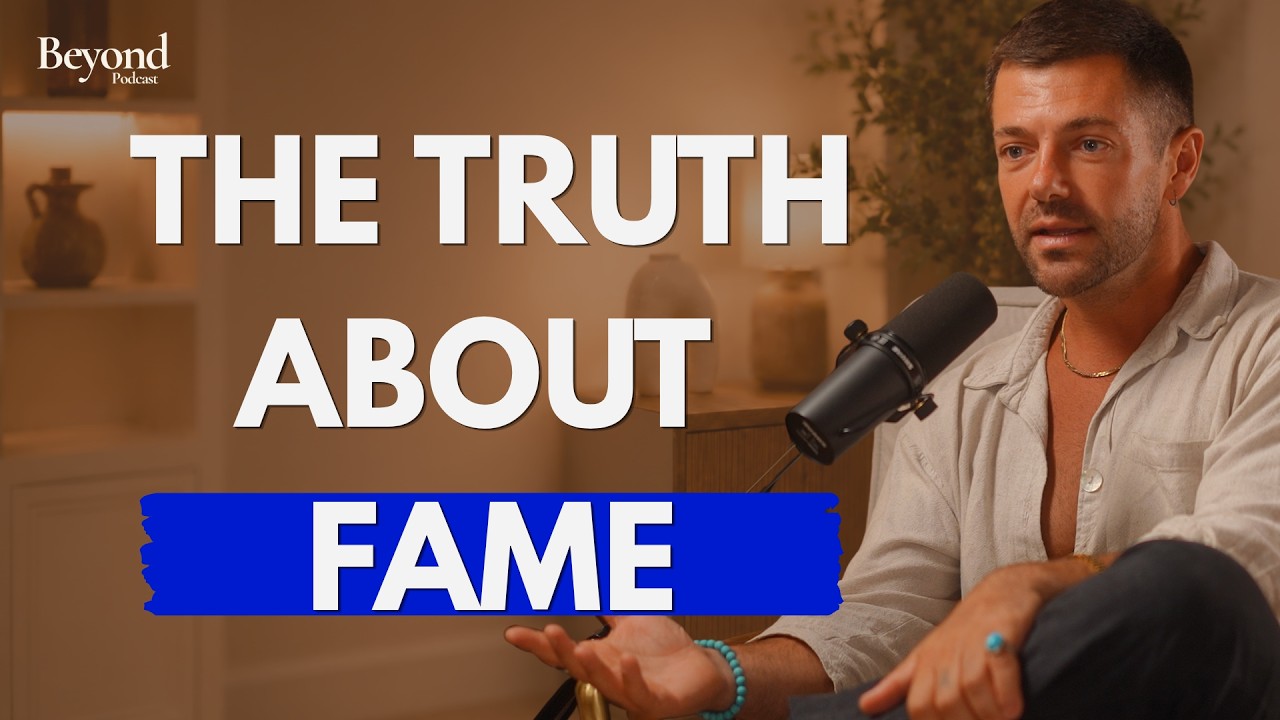
In this extensive interview, former Made in Chelsea star Alex Mytton discusses how reality‑TV fame amplified drama and self‑destructive behavior, leading to heavy drinking, ketamine use, and a series of personal crises. The death of his mother from brain cancer triggered a rock‑bottom moment that pushed him toward a solo ten‑day Vipassana retreat in India, where he faced intense silence, physical hardship, and deep inner work. He also recounts psychedelic experiences, including a DMT session and a blindfolded sound‑healing practice that produced vivid visual phenomena, telepathic orbs, and Kundalini‑like sensations, reshaping his worldview. After these awakenings, Alex transitioned from TV personality to healer, creating a range of community‑focused offerings: an informal underground hiking club that brings strangers together in nature; immersive week‑long retreats combining breathwork, ice‑baths, and inner work in remote locations such as Wales, the Dolomites, Morocco, and South Africa; and "Frolic" conscious parties that blend electronic music, sober dancing, and intentional community without alcohol. He reflects on the challenges of hosting events—balancing ego, promotion, logistics, and personal neurotic care for participants—while emphasizing authenticity, compassion, and the healing power of shared vulnerability. The conversation also touches on social media perception, the importance of storytelling in natural settings, and future plans to merge retreats with conscious parties, aiming to provide both deep inner work and joyful celebration. Throughout, Alex stresses the need to step back, observe life as a movie, and choose compassionate responses over fear‑driven reactions, encouraging listeners to seek space beyond immediate stimuli.
Chapters
The more dramatic the show, the better it did. And the more dramatic you were, the better you did. So there was this weird synergy between your romantic life, the drama in your life, and your financial well-being. It can make you an asshole. I didn't treat women very well. I cheated a lot whilst I was on those shows. You create chaos, you got rewarded for it.
What was that like in your 20s?
You're putting your whole life onto a platform for it to be kind of like feasted upon and regurgitated. Yeah, it was a very strange period of my life, in a sense, quite an existential experience.
What do you think was that huge change?
Yeah, it was a turning point, isn't it? Wow.
I'd sort of hit rock bottom. I was drinking a lot. I was taking ketamine. I'd become quite hooked on ketamine. It was through drinking and excessive sort of drug taking that I hit this rock bottom moment where I was like, there's got to be something else out there.
You had an experience, didn't you?
Yeah, it's so funny. It took me a while to be able to publicly talk about this. My being was transported to a place that the laws of physics and time were Very different to here. This was very real. It was structured. It wasn't like a— what felt like a sort of creation of the mind. That really shifted my belief structure. I realized that I couldn't carry on living the way that I was living. So I quit everything I was doing and I booked a ticket to India to go and do something called Vipassana. I squared up to my thoughts and to my brain. It was like I got my hands back, got my fist back. I just felt a deep sense of love. I traced it back to a moment when I was 3. So yeah, it was, it was a very— we're gonna get, we're gonna get deep.
Um, Alex Mitten, welcome to Beyond.
Hello.
It is great to have you on, isn't it?
Really excited.
I am really excited to have this conversation with you. We actually met last July, didn't we? Synchronistically at Paradis Festival.
Down in Cornwall.
Down in Cornwall.
In a field.
In a field. We both did a talk on alternative days, didn't we? And this is where I, I We'll talk about this in a moment. I've known you for a long time. You haven't known me necessarily, but I loved your story, which I want to get into. Now we've got obviously listeners tuning in from all over the world. So for anyone finding you for the first time, Alex, how would you describe what it is that you do today?
Oh God, drop me right in it. First of all, congratulations guys. Oh, thank you. On starting the podcast, it's a big thing. I love this space. I feel it's like very presidential. I feel like we could be like, it's like the inauguration.
Yeah, right, exactly. It's cozy.
To answer your question, what do I do? If I was to simplify it, I share things that have helped me as openly and honestly as I can with other people.
Mm-hmm.
And so I had a sort of former life, which was very hedonistic. I was in TV and the music industry, and I kind of reached a point of, I guess, dissolution and just not really understanding what I was doing. Some things happened in my life. I went through, kind of experienced grief and went through a period of quite intense chaos. And then after very nearly breaking or potentially actually breaking, I then found some things that really helped me. And there's this kind of magic thing that happens when you're in such a low place and you're really struggling, then you find some stuff and it works for you. You just want to go and share it.
Yeah.
And you want to go and scream it from the rooftops, which I tried to do. But you end up saying it like sounding like a maniac for the first couple of years because you don't have the rhetoric and the way to approach it. You just grab your friends and family by the scruff of the neck and you're like, you need to do this. And you just sound like a nutter.
Yeah, I can resonate with that. Can you?
I think it's also part of the evolution of society and where we're at now. The conversations are a lot easier. I was sort of in hiding for quite a while.
I've gone off track here.
So Essentially, what I do is I share my life, I share the things that have helped me with the intention of it helping others.
Yeah.
And I try not to dress it up in any kind of form of grandiose sort of nature or a place of authority. It's literally like, I did this, I experienced this, This is what happened. Come try some of these things out. And so, yeah, I've ended up hosting retreats and running workshops, and just any way that I can reach people is where I've landed, really. I love that. So it was a very convoluted way of answering your question.
No, it was the best way of answering that question, wasn't it?
Yeah.
You, of course, mentioned a former life. Which, That Life is how I think I found you for the first time, of course, being on Made in Chelsea. Talk us through That Life. When did you— how did that fall into your life? What was going on at the time?
Well, I was the bastard ex-boyfriend, like a lot of people that went on that show, I think, were. It was a very strange period of my life. it's a very, in a sense, quite an existential experience. I'm sure a lot of people watching have watched reality shows. You're putting your whole life onto a platform for it to be kind of feasted upon and regurgitated. And it was— I have no regrets. It was an amazing time in some regards. It was very difficult in others. to live your life out on a grand scale like that. And, you know, when you're in— I was in my early 20s, you're still really trying to, you know, work out life.
Exactly.
I mean, I think we always are, but especially in your early 20s, you really don't know what's going on. You're kind of really just grabbing at the world and just trying to kind of make sense of things. And that's being televised, right? So it can be really difficult. It was a hard experience in many ways. I got to travel the world. I got to kind of do things that I wouldn't have been able to without doing that show. It granted me a very gifted experience. It was beautiful in many ways, what it allowed me to do. But it's been a real learning curve, actually, because— it puts the human being into a greater sense of perspective because I think with fame and money and notoriety, you can really lean into some of what we would label as the bad sides of the human being.
Yeah.
It can make you lazy, it can make you an asshole. I didn't treat women very well. I cheated a lot whilst I was on those shows. And it was an era of kind of— it propagated that behavior almost. That was its currency. Its currency was drama.
Was that?
The more dramatic the show, the better it did, and the more dramatic you were, the better you did. So there was this weird synergy between your romantic life and the drama in your life and your financial well-being. It was like if you you create chaos, you got rewarded for it.
Interesting.
It was a very different era. It's like we've come a long way, I think. I think I'm starting to see now on social media, there is this kind of what feels like a knee-jerk reaction, a different way of seeing reality TV, where they're kind of calling out the bullshit and being like, hang on a second, why are we continuing to support these shows that That are exactly—
Yeah, that's it.
That kind of, you know, push a narrative and they, you know, they condition people essentially to think that it's all right to act in certain ways.
So how do you cope with obviously having something on telly? Everyone then thinks they know you. Everyone thinks they've got a certain perception of you or they've come up with an opinion. So how do you then cope with the fact that that obviously is no longer who you are? Like, times change, growth. things happen. How do you cope with that? Because I know that that's a definite thing that I think a lot of people struggle with.
Yeah, I think I've been lucky in a sense. I was always able to maintain a decent amount of awareness to the thing itself and the ridiculousness of it.
Yes.
Like, you know, I was always able to be like, this is really—
This is mental.
This is so weird.
Am I really doing this?
Like, is this my life?
Yeah.
And it's something actually, I've been like that for most of my life. I've always felt like, even though from an outsider's perspective, I look like I'm very much on the inside and part of something, but actually internally, I always feel like I'm on the fence. And that really helped me because I didn't attach so firmly to the thing, which can happen to other people that do these shows. They become the star. They really like— that becomes their life. I was always able to kind of be like, this is so weird.
So, was that you behind the scenes saying, this is so weird?
Yeah, I was just able to to understand the absurdity of it all, which really helped me.
Interesting.
So moving forward and then trying to move into different places, it can be difficult, right? Especially if you've become known for something. There's this thing with the human psyche where it seems to compartmentalize that person.
Absolutely.
And as soon as that being tries to do something else, this jerk reaction comes out and goes, no. I'm not accepting that person. I know them for this. How can they then be doing this? So to shift can be quite difficult at first. And I think people will experience this in normal day-to-day life. It's like when people sometimes try and help themselves or they go away and they go to a retreat or they just try and do something that's different, their friendship group will initially be like, what the fuck are you doing? That's not you.
Yeah.
Yeah.
Until eventually they keep doing this stuff and then their life changes and then they become evidence for this, the things that they've been doing. And eventually the friendship group go like, oh, okay, I kind of, I get it now. So it's, yeah, it can be tricky to answer your question, to move away from something that, you know, I was on TV for nearly 10 years.
Was it 10 years in the end?
Yeah, it was near 10 years.
I've always wanted to know this. I mean, I think you've answered the question, but How much of that show is scripted? Were you just being yourself? Like you mentioned the cheating and—
I wish I could say that it was preordained and I had to follow a script, but no. So it's a scripted show in the sense that they have an idea of where they want things to go.
Right. Okay.
But we're not reading from a script. So they kind of like get a bit of a picture of what people are like and how they want that series to play out. It's kind of then their role as producers to facilitate that to happen.
Would that though then feed your behavior accordingly, especially if you knew that you'd be rewarded by being a certain way? Yeah.
I think for some people, yes. I think I was inherently just a bit of an idiot anyway. And I was at that time in my life where I wasn't able to control myself. I was— That's really normal though. No, it isn't.
We have to normalize that. Yeah. Well, you're saying that.
You're just another guy. But doing stuff that other people will probably be doing, it's just televised, right?
Yeah, yours is just being shown.
And yeah.
You're in The Truman Show really, aren't you? Without knowing you are.
There's actually positives in that as well, because you really have to stare that behavior starkly in the face, right? Because it's being shown on the TV quite literally, but then you've also got thousands of people commenting on it afterwards. So it's like, It can force you to— I don't want to say grow up, but it really forces you to start to observe that behavior. And it's really interesting. I've been thinking about this a lot recently, what that did to me and what the lasting impacts are. And it's definitely had some lasting impacts for sure. What would you say? Both good and bad. I think living a life like I did, it allowed me to lean into into habits, into bad habits that took and are still taking me time to unpick.
Interesting.
But on the other side, it taught me a lot. It taught me how to— I'm naturally very introverted. That show taught me how to hold myself in quite extroverted environments, which I was always so grateful for. And the one thing that I was— where I really was like, there's a reason that I did this, was at my mum's eulogy. I was able to stand up and deliver that from a place of pride, and I wasn't shy. I mean, there was still— I was just able to deliver it, which I don't know if I would've been able to do. It was like I could kind of activate that place that the show had sort of pushed me out of my comfort zone, you know?
Yeah.
Gave you those strengths. I mean, it must have been so weird just reflecting back at the same time. We're probably a similar age, but you're in your 20s, you're doing this show, you're traveling the world, You know, it's probably one of the biggest shows. I mean, I remember watching every one of those early sort of series. I loved it at the time. Did you— were you able to dream about a career at the time? Do you remember that? Or do you remember just being like swept into the moment and just going with the flow? What was that like in your 20s? Yeah, most people are driving for like a career.
And it's a really good question. I was always— I've looked back retrospectively, I was always like, Kind of acting unconsciously. I was just doing stuff. I didn't really have a plan. I didn't know where I was headed, to be honest with you. I was kind of just showing up each day. And the thing about doing a show like that is it keeps you quite comfortable.
Right.
Financially, it's not enough for it to be long-term, stash away money and I'll be fine for the rest of my life. It keeps you going from month to month and you're like, oh, this is sweet. It's decent money. And so, I wasn't forced to make a plan. It was like—
Interesting.
Which has been an interesting insight into the way I operate. Often, I don't make a plan or enact change unless I really have to. Things have to blow up in my face for me to go like—
I need to change or make a plan.
It's time to do something here. And I've learned that the hard way many times in my life, um, and I'm slowly learning.
And was that the show though that made you that, or do you think prior to going into the show you were the type of person that would go with the flow and not make a plan? Do you remember that?
Oh, that— it was a behavior that I adopted very early. Yeah.
Okay.
I mean, because I've done quite a lot of, uh, self-inquiry and work on myself, I've traced it back to— we're gonna get, we're gonna get deep. Um, I've traced it back to a moment when I was 3.
Really?
Wow. I got a caveat. I think it's very easy to maybe associate things that happen in your past with current behaviors, and who knows? But it feels like this could be the beginning of this behavior. You know when you're told information by a therapist or you read a book that says, this could be this, and you go, oh my God, you make the connection. But who really knows? But this makes sense to me. When I was 3 years old, my parents had a very kind of I guess a big argument. And it was quite violent. Not towards one another, but there was kind of blood. My dad put his hand through a window. And I remember distinctly sort of being aware of what was happening and it being so sort of painful and scary, the easy thing to do was to look away, was to hide, was to go like that, was to avoid. And so I kind of learned this metric very early on, and I think it's where I picked up chewing my nails, this kind of the nervous boy was born. It was to look away from the hard thing and to avoid it. And that has manifested in later life.
Show me— what is the term? Show me a boy aged 7 and I'll show you the man, isn't it? Those first 7 years.
I do believe it can be quite know, crucial into what we then play out in later life. And it has manifested again for me. It's like, you know, drinking and drug-taking when things got difficult. It's like just doing what you can to just try and— like the little boy, it was just to look away, turn away from the pain rather than sit with it and experience it.
And are you then saying you have the duality of being in this show, but at the same time still suffering and turning to drink and turning to drugs to hide at the same time.
Yeah, yeah. I mean, being on a show like that, um, it's— if you want it to, you can really lean into that behavior because it allows it, you know?
Yeah.
It was an era where drinking was—
Trendy.
It was a big thing, you know? Like, we were all still— it's funny how much it's shifting now, which I think is really good. But yeah, you know, we were drinking so much, and it was kind of— I think in a way it was a coping mechanism.
Yeah.
Because it was tough, it was awkward. It was like, it was a weird thing to do, especially if you're introverted. I remember the first scene, or one of the early scenes, I had to go and chat up Lucy Watson at a bar. And I was just nervous. I was like, there's a room full of cameras. I've got to walk in there. And you know, it's like when you're walking, crossing the street, and loads of people look at you, suddenly you can't walk right. I was like, oh man, this is so intense. So I ended up just like—
Wow.
Nailing loads of drinks to kind of, you know, to feel calm. And yeah, you just pick up these sort of coping mechanisms. And I think a lot of people on these shows did the same thing back then. It was just easy.
It's a bit like, you know, back at school when they'd say, right, we're going to do drama today. And you think, oh, no, you'd have to stand and do like some performance. Oh, my God.
Still scarred from having to do McDonald's, McDonald's, can I take a fried chicken? We're doing that now.
We're like, so bad.
I had to do that on stage. And maybe that was where the trauma lives.
I mean, yeah, that's where they're trying to send you. Yeah, yeah, yeah.
It's crazy, isn't it, how to— it's real life, like you've said, but at the same time scripted, and like you're being an actor as well though, aren't you, having to perform and be a certain way. So there's all these weird sort of like elements going into this, isn't this, to create this identity called Alex?
And what do you think was that huge change where you were just like, something happened in your life that completely changed?
Yeah, there's a turning point, isn't there? Yeah, yeah.
Well, losing a parent, it's like a knife that cuts through the reality that you're living in, and it crystallizes what's real, and it cuts away all the bullshit. And so, yeah, I lost my mum very sadly to brain cancer in 2019, so just before COVID Wow. It was a very, very tough time for me. I really struggled with it. On the face of it, I took it very well because that was what was expected. People were like, oh, you seem to be doing well. And yeah, I held it together, but behind the scenes, I didn't allow myself to process. I actually ended up talking about loss and grief on the show, which was kind of a—
Oh, wow.
It felt a bit weird for me to do that. I was in two minds. I didn't know whether I should do that. It felt kind of odd to present something so real and so painful on essentially what is a stage, like performative. But I decided to do it. And I'm really glad that I did because it opened up a conversation that a lot of people resonated with. And the amount of messages I received on Instagram it was kind of like a double-edged sword. On the one hand, it made me so sad to hear how many people also, similar ages, younger, older, were going through the same thing. But then also hearing that they'd found comfort and solace in what I was saying, because they said like, oh, well, no one else in my local vicinity or community is talking about this stuff. I've just been suffering on my own. So there was this kind of notion of speaking out and Saying what's going on authentically, even if it's hard.
Was that just like a strong intuition that I just have to, I have to say this, even if I don't feel like it's the right setting, I just feel like I need to?
Being totally honest with you, it was probably the pressures of being on a show that wants really juicy nuggets.
Okay.
They want, you know, for them, it was probably this big viewership to watch. So that was probably a part of my mindset. And then there was just this, yeah, like you say, overriding kind of sentiment of like, this is what you're going through.
You share it.
Just talk about it. And that actually was a big turning point for me because I realized that when you share openly like that, it makes your life and things very different. And it's something I've really taken forward, especially with social media. For years, I didn't know what to do with it. Had this following. I didn't know, what the fuck do I do? Because I didn't really connect with it. Unlike what you've built, you sort of built it through an intention. Mine just sort of appeared from having done this show that I wasn't really sure why I was doing. So I was like, fuck it. Do I sell?
But then you have this platform to help people.
Yeah. What do I sell? What do I do?
Yeah.
But it was very difficult because I didn't know what— I just didn't know how to connect with it. But then through that process of speaking very honestly, I was like, oh, actually, that is a really great way to— and actually enabled me to start using it. I was like, I'll just talk about what's going on, talk really openly rather than trying to put on this performance. And I did a post about this recently because I've not been that active on Instagram for a while because it's almost gone the other way. It's like every post now feels like it's got to have this incredibly deep—
I know the post you're going to talk about.
It's like, it's really deep, like, you know, this realization. And I'm like, you have 4 of those in your life, not fucking 4 a week. Do you know what I mean? And that's what it feels like we're having to sort of push out to get people to— again, it's another double-edged sword because on the one hand, people, you know, you connect with people when you speak authentically and openly. But then there's this like, it's like, you know, being whipped to bring out authenticity, at some point it's going to start to kind of haze things.
I think a lot of people wear a mask and that's what you're so good at. Your mask's no longer on. I mean, in just the short time we've been speaking, I just love your authenticity and just how pure you are. I mean, I can resonate. Of course, I lost my mum from brain cancer 2 years before. Question for you is, because I resonate with how you dealt with that, did you have much warning to prepare before your mum passed away? Like I had 18 months at my end. Did you know it was coming?
It was a very confusing time, and my memory is really bad from that period.
Is it?
Yeah, I think it's a protectionism thing.
Right.
I don't know whether my mum wanted to protect me and so didn't. So what happened was she— they noticed something on the cortex, like a small growth, quite a few years before, and apparently had said it wouldn't be an issue. They were going to continue to monitor it. I don't know if that's the true story, um, or if that was a, a way to protect me from them being told a diagnosis, but, um, I, I'll take it as, as truth. So they, they detected something. They said it wouldn't grow. She was then involved in a car crash and, and had a bit of whiplash. So they, they did a scan a couple of years later, and it was through doing that scan that they, they realized that they were wrong about the, the growth and it, it had spread. I mean, it was quite rapidly spreading and it was like, Pretty bad prognosis or whatever the word is from there. It was like a couple of months type thing. So it felt quite fast.
Right.
It felt quite fast. Yeah, quite immediate.
And this turning point, I loved the story you shared last year because losing my mum was this turning point for me. What happened to you? You had an experience, didn't you, if I remember you sharing?
Yeah.
Which I was fascinated to listen to. What happened, Alex?
Yeah, it's so funny. It took me, it took me a while to be able to publicly talk about this because it was so out there and so beyond my realm of understanding and knowledge. So, um, I had always been quite explorative, experimental, was into psychedelics, and, and, um, I think, I think it was actually one of the reasons I often the last at the afterparty or the one who was always chasing the high was because I was subconsciously or maybe on a soul level, was trying to connect with this deeper layer of reality. And my conscious mind thought that it was at the end of that bottle or whatever. It was just trying to find it. It was trying to break through. But anyway, I'd sort of hit rock bottom. I wasn't expressing my grief. I wasn't allowing myself to process it. So I Kind of ended up self-medicating. So I was drinking a lot. I was taking ketamine. I'd become quite hooked on ketamine. It was a drug that I had found use in the party world. It was something that I'd always enjoyed. I then realized that when I did it at home, it took away the pain for a very brief moment. And so something I already had an attachment to, Um, through kind of fun, it then became this medication. And, um, yeah, it became, it became a problem. Um, but it was kind of, it was through, I think, drinking and excessive sort of drug taking that I hit this rock bottom moment where I was like, there's got to be something else out there. There can't just be, there can't just be this.
It can't just be ketamine.
But it's so funny because like, I think back to my mindset and I genuinely didn't know anything else. Whereas like now, you know, we talk about all these different methods and childhood regression and all of these things. I was like, oh, I'll just drink my way through it. It's kind of simple in a way, actually.
Yeah, yeah, yeah.
But also, it does work to a degree. It's short-lived and it will probably lead to some repercussions, but it works. There's a reason you keep going back to it. It gives you that short-term relief. But anyway, I'd started experimenting with meditation. A couple of months previously, I had smoked DMT for the first time, um, which was an incredibly sort of life-shifting moment for me.
I bet it was.
Because I had done psychedelics before, but for me that felt like a kind of— it put a layer over existence, and I was still aware. I was under— maybe I would lose a bit of time and things would get pretty warped and strange, but I was still in this realm. Um, I did DMT and, and I, you know, my, my being was transported to another place almost. It was a place that the laws of physics and time were very different to here. And I'd always had a scientific and rational mind in a sense. And when I went into this place, I was like, this feels very tangible. This isn't like I'm just tripping balls. I was like, this feels very real. It feels structured. It wasn't what felt like a creation of the mind. So I had that. That really shifted my belief structure. And then obviously going through grief and loss, that was another. I always say it was like pulling down the walls of reality. So smoking DMT pulled down one of the walls, going through grief, loss, and then COVID, I think, was the third wall because it was such an abrupt disruption to normality.
Right.
That suddenly, I was just sat there going like, what the fuck? Like, what is going on? Do you know what I mean? I think those 3 things together, um, led to this just dissolution of, of reality. Anyway, I, I had been experimenting with, um, with, with meditation and, um, I was compelled one evening to, um, put an eye mask on and listen to this because I love sound healing and, and music. I had been kind of finding, uh, really interesting frequencies on, on YouTube and I found this one that was like DMT activating because I'd obviously done DMT. So I was like, yeah, let's, let's, let's try this out. And, um, I, I did a, I did a little bit of ketamine as well because, um, just to help. Well, I'll come on to, to kind of the, the interesting part about that afterwards. Um, the, the hard thing actually was when I was trying to relay this experience to people, they go, well, did you take drugs? And I was like, yes. And that immediately would, you know, nullify anything I said, which, which was quite Difficult.
Yeah.
Which was difficult. Luckily for me, uh, I had a strong history of taking drugs, so I was like, guys, this is— that was not taking— like, I know what that does. This was not what happened. But anyway, so, so I, I sat down, I blindfolded myself, listen, I was listening to this frequency. It's in a very, very calm meditative state, very conscious. It wasn't— I wasn't like, you know, out of it. And I had 2, 2 weeks previous to this moment, I had been noticing energy. I was seeing energy literally coming into the room. I was in bed with my ex-girlfriend at the time, and I'd be like, babe, can you see the sort of like the black oscillating smoke that's coming into the room that would then like turn into like deep fuchsias and like different colors? And she'd be like, no. And I'd be like, no, great, me neither. I'm just going to close my eyes. And I closed my eyes and it would still be there. And I'd be like, fuck.
What's happening to me?
What's happening? And it was during this peak COVID fear-spreading time, and I was like, oh, maybe I've caught this virus and I'm losing my mind. Were you thinking that? Yeah, I was like, shit, this is maybe me. I'm cooked. So yeah, this process was happening and it was really interesting to me. And then anyway, so I end up blindfolded listening to the frequency, and it was this process that it was like kind of, I could feel my consciousness sort of almost like coming up and out of my third eye. At the time, I didn't really have the terminology to sort of—
Of what is that?
Talk about these things. I mean, I remember my mum mentioning the third eye when I was a kid, but that was kind of my only reference to it. And I was still aware of my body, but my consciousness was very much taken to another place. But I felt very aware. It wasn't like I was tripping balls. My consciousness was in this realm that again felt very real, very different to what the DMT did. The DMT state. And it was like I was being shown. My consciousness was almost being guided. I wasn't in control of where I was being taken. And I was shown all this, what looked like very ancient architecture, these very grand structures, but it's almost with a bit of a haze over it. Like, it wasn't like super crystal clear HD. Um, anyway, I'm being shown around this— these, these big ancient structures, and then I'd sort of go into like weird kind of energy. I don't even know, it's still hard to describe.
What were you— you weren't in your body, so can you remember how that felt? And were you with a being? What was guiding you? Can you remember that?
At that point, no. I, I was— I didn't— I didn't know what was going on, to be honest. It was very strange to me. I didn't really have time time to process at that point. Yeah, I was, I was just in it, and it felt okay. It felt incredible. Yeah, it felt amazing. I was like, like, although it was kind of scary, I was like, this is, this feels incredibly peaceful.
Is there any part of you that wanted to take the eye mask off, or were you just like, no, no, this—
I was, I was too, I was too kind of in it to think about that. Anyway, I'm being shown around this, this dimension, um, and it felt like the experience was kind of like reaching a pinnacle, I think to do with frequency because it kind of oscillates. It's designed to kind of lift you almost. And eventually I hit this kind of like what felt like this plateau. And as I did that, these 2 orbs came over to my being, um, and they just started communicating telepathically. And it's funny because I've not told this story in a while. I feel mad retelling it. No, no, because it's very real. And they just started communicating with me telepathically.
Yeah, as they do.
Yeah.
And they just repeated the same question, which was, what can I do? What can I do? And I didn't immediately grasp what that meant. I think I felt what it meant. I didn't consciously understand what it was. I then sort of processed it and I was like, oh, it's me. I'm asking that of myself. It's like, what can I do to to help myself out of this situation? And then beyond that, what can I do to help the planet and people? That's what, that's what it felt like. It felt a little bit like I was like enlisted in that moment to, to do whatever I could to, to try and help. Um, that's what it felt like.
It's really strange because I, you know, I do a lot of research in OBEs, out-of-body experiences, or even near-death experiences too. Sounds like, not that you have one of those, but it's almost what happens in so many cases where people are sort of almost shown Go back and do this. You know, so talk us through this question then. What can I do? Um, what happens after? This story is amazing. Just a quick one. I find it amazing how many people are totally unaware that Coruscant and I have our own manifestation community called the Beyond Community. We launched it in early 2026 and it is by far one of the best apps that I personally use every single day. And I know if you've got a dream, you are going to love this community. I'm not here to sell you the resources, but just know that if you want to be in the best place to help you get towards whatever it is that you're seeking to manifest, you're going to absolutely love everything that's in this community— all the resources and all the people. So if you just look in the show notes below, you're going to see a link to a 7-day free trial. Just come on in, check us out, check out everything that we have to offer. And if for whatever reason this community isn't for you, no hard feelings. You can leave anytime within that 7 days. But if you have got a dream and you'd love all the help to get you there, you're going to absolutely love it. And with that said, back to the episode.
You're like, how are you vocalizing?
Yeah. So you're coming back into your physical body.
Yeah.
So after that, I sort of, yeah, I think I decided that I've probably, probably taken what I need from, from this experience.
Right. Okay.
And I come back into my body. take the blindfold off, and, and it was almost like time and space was like elastic around me for like about 10 seconds after that. I like touched the bedsheets and it was like, it was like making all these weird sounds.
Going back into The Matrix.
Yeah, no, literally.
Literally like being plugged back into the simulation.
You're so— Matt's so jealous of this, I can feel it.
I may. I was like, I want this experience.
Honestly, the most, like, way more, like, for me, way more impactful and crazy than, than doing DMT because it felt so conscious and controlled. DMT is like this transport. It's like boof, and you get hit in the face with a million years worth of data.
Whereas you're in control.
Whereas this felt like it was a build-up to it in a way. It felt intentional. DMT felt like I was like— I was like kicking the door into nirvana, I think is it. Yeah, yeah, it's a saying. Whereas this was like— this felt intentional. It felt like it was meant to happen. Um, but anyway, so I come back into my body, and I, I'm actually terrified, to be honest. The initial feeling was, was one of terror because I had just accessed and done something that I had no understanding of. And I was fucking scared. I'll be honest with you, I was really scared. So I sat at the end of the bed for about 5 hours with my head in my hands, just going like—
Did you?
What the hell did I just do? That was so real, so tangible. I'm now feeling very, very different. What have I just done? Have I gone mad? What was this? I just didn't know what to what terminology, how to even put together a story to try and start to speak to somebody.
Yeah.
Because it was just so beyond my understanding. I eventually was like, okay, I sort of need to start to piece this together. So I was like, you know, Googling, which is never a good idea. And I sort of landed on this idea of like a Kundalini awakening, actually, is what it felt like in my body. Because I was noticing sensation in the top of my scalp, in my head, fizzing and crackling in places I've never felt before. And I could just feel all this energy going through my body, and I felt amazing. So it was this very paradoxical experience where on the one hand, I was terrified, but on the other hand, I felt so good. And I felt almost like I had infinite energy. I didn't need to sleep.
Like you'd had an upgrade.
Something like that, yeah. And, and it was like synchronicities and all of these things that I wasn't fully, you know, in terms with at that point. But, you know, I would think of someone and they would message me straight away. And it was— and I felt really creative. I was just like, I just felt, I felt like it had opened this, this part of me that had been closed. And one of the best ways I, I love to describe it was I, I spoke to this, um, He was like a sort of online guru, uh, helping people through spiritual awakenings. I spoke to this guy and, um, I think it was the way he phrased it and I really enjoyed it. It was like, you know, we, I was 29 or 30 at the time. You go through your life, um, you're viewing the world or reality through, through the, these eyes, the same eyes, the soul, right? Um, but we have 30 years of experience. So a layer upon layer will start to form. So, you know, something bad happens to you, that layer Goes like that. Something good happens, you see a layer there. And eventually, after 30 years of life, you start to see the world through a slightly distorted vision. You've been quite conditioned. The experience I had, it just blew—
All the layers.
All the layers out of the way. And suddenly I was seeing the world like a child again. I would go and stare at a tree for half an hour and just be like, oh my God, it's insane. I was like, how?
What would you see? Just the energy around the tree?
I was just fascinated by how intricate and how beautiful nature was. And I just felt a bit ignorant. I was like—
It reminds me of Eckhart Tolle's story when he had his awakening and he just spent hours on a park bench.
Yeah.
Just looking at the trees.
It's amazing because suddenly the mundane became—
Fascinating, beautiful.
Beautiful and exploratory. And whereas I was living a life before where I wouldn't stop to look at a tree, I was so in the fast lane thinking that that was the direction and I very vividly remember actually when I was 27, I was living what a lot of society would've told you was this peak experience, traveling the world, doing all these things. It was very egotistical. And I remember looking out over the horizon. I was in this amazing place in the Maldives and I just felt completely numb. I was looking at this, what normally would've been a scene that would've really given me a lot of sensation. I'd be like, wow, this is gorgeous. I looked at it and I was like, I'm not feeling anything. fuck, this is a bit alarming.
I can get more from a tree.
Like, what's going on? And then obviously later down the line, this experience happens and blows all of those layers out the way. And suddenly I'm seeing the world like a child again. Um, so yeah, it was, it was a very, yeah, terrifying, but, uh, insanely beautiful experience.
Yeah.
So the analogy is almost you, you took the goggles off for a moment and you saw the totality of reality, so to speak. But when you put them back on, you start to see a different reality, so to speak. So how does that experience— because if I remember, correct me if I'm wrong, didn't you then go off and do some more exploring? Do you go over to India? What starts to happen here?
Well, so being a classic avoidant, this is what's so funny about humans. We're hilarious. We expect these sort of divine experiences to suddenly everything changes and it's like golden paths everywhere. And, you know, your life is just going to be this, you know, one of ease and you don't have to do anything. Now, unfortunately, you've got to fucking— you've got to do something.
Yeah, you can't just live with it.
I didn't know that at the time. I was like, oh, now life will just open its arms and it's going to be amazing. So yeah, took no action, ended up repeating the same patterns, was like back drinking and taking drugs and just being a menace again. And I was like, Dude, you've literally been shown the light. You've had this amazing experience and you're seeing the world and you're feeling the world in such a different way, but you're still doing this behavior. You've got to take some physical action. You really got to surrender to this new way of seeing the world. The way I used to describe it is it felt like I had one side of me, one leg was firmly entrenched in the old way of being, this kind of ego-driven—
Ego.
Because I was kept comfortable by that, you know?
Are you still in the show at this point too?
I was, yeah. Very quickly.
That's why that foot's still in there.
Yeah. Very quickly afterwards, I quit though, because I found it so hard to be in that environment. It was like the voice, the noise just got so loud. It was like, get out. Like, this is bonkers.
Surely you're doubling, like you've got one part of you that's like dragging you to come internal, Yeah, I've come back in within Alex and find Alex, but then you're living externally where it's like validation, you know, this, that, the other. Like, it's fighting 2 people, really.
Yeah, yeah, it felt like I was being pulled apart. It literally felt like I was being pulled apart. And I, until I came to the realization, I was like, I have to stop everything I'm doing and just step back because this isn't working. Um, and so ultimately it took me another go around the merry-go-round of being an idiot for me to finally take action. So I sort of surrendered and said to everyone, I'm really sorry, but I've got to step back for a bit. So I quit everything I was doing and just said—
Did you have a safety net at the time to fall back on when you quit? Obviously you haven't built a traditional career by that point, have you?
Do you know what? I was, unlike a lot of the other guys and girls on the show, I was just not as industrious. I didn't, you know, I didn't have this drive to start businesses, to stash away money. I was very foolish. I sort of just lived like that money would always be coming. I had a bit, I had a roof over my head as well, you know, so way better than a lot of people in that circumstance. I also had the benefit of having an Instagram account and all of these types of things.
Sure.
So, you know, on the face of it, very comfortable. But quite quickly after quitting, I realized that I couldn't carry on living the way that I was living. The math wasn't mathing after a while. And I spent 2023, I always call it my Jesus year because I— it's probably really— you might have to cut that out.
No, we're keeping that in. That's going to be—
No, but it was really weird. It was really weird. I'll come on to it. I just, I had fuck all money. I had, I had very little, like, you know, I had—
You're talking 3 years ago, right? Yeah. Yeah.
I had spent everything and I was still living at this rate, trying to, you know, carry on the lifestyle and I, and I just didn't learn. And so I had, I had, I had very, very little money and it was one of the best years of my life.
Was that also at the same time hard? Because, you know, I look at everyone else from that show who's gone off and built a company or started a podcast or, How did you deal with that?
It was difficult, really. It was really difficult, actually. It made me realize how humiliating the society that we live in is if you don't have money. It makes you feel like a piece of shit. And I've sworn loads on this podcast. I'm sorry. I'm probably the worst male person ever. You give us permission to swear.
And also, let's be honest, you're in a show called Made in Chelsea, so that comes with this stigma straight away of like, Like, you know, being a certain way, performing at a certain level, having a certain amount of money.
Yeah.
That must have been tough in 2023.
Yeah.
At the same time, it's your best year, but surely at the same time, you're also thinking—
It was very necessary, I think, for me to appreciate the value of money, you know, to go and have a pint and to go and have a pizza. And like, it just, it was a reset.
Simple.
It was a massive reset. Like, I just really appreciated stuff again.
Yeah.
deep down, I was like, I want to get to a place where I'm not fearing whether I'm going to have money next week. But whilst I was living it, I was like, you know what? This is actually good for me. This is a reset. It's good for me to understand the value of things.
I wonder if that's that part of you that's always sort of, like you say, gone with the flow a little bit. So one token is you sort of haven't got much money, but then And sort of going more with the flow and not—
And I like the ability to reframe it as well.
Yeah.
Like you just reframed that. Like most people would go, you like, no, do you know what?
Yeah.
Yeah. I mean, it was panic-inducing at times. It is difficult. I mean, you know, this is not, I don't want this to be woe is me because I am very fortunate compared to how a lot of people have to exist. And it's so funny, money is such a hard topic to talk about.
Sure.
For people listening, especially if they've watched the show and they hear me talking about this, they'll probably be like, oh, fuck him. What's he doing talking about money? But it was an interesting experience for me. And if shit had hit the fan, there's people I could have relied on. I had people around me, really, if I was like, yeah, destitute.
You're not going to be homeless.
But yeah, it was a really useful process. It was a really useful process.
And then what happens? Because you go off to India and have another—
I was just going to say, so you leave Made in Chelsea, you go to India.
So I quit everything and I And I booked a ticket to India to go and do something called Vipassana, which I had been told about kind of a year and a half previous. I heard it from one person and I thought, that sounds pretty weird, very extreme. Why would you do that? Then I heard it about a year later from another person and I was like—
Very extreme.
Hmm, kind of extreme. And then when my life got to where it was, I was like, that sounds like a great idea. We should go try that out. And so yeah, I flew off to India on my own. It was the first time I'd traveled solo and went to go and do this thing called Vipassana, which is essentially where you sit for 10 days in silence and you practice a form of meditation called Vipassana, which is all about kind of, rather than what I had been doing, which was quite etheric and leaving the body, it was about staying in the body.
Wow.
Which actually I say is a lot harder. Talk me through that.
What does that comprise? So you go, where are you in India? How many people do you live with? Just paint the picture.
I ended up booking, and I just did this by chance, a place called Tiruvannamalai, which is apparently the most spiritual place in India. So you've got all of these like really devoted yogis and like, you know, the way they've got these long fingernails and beards down here.
Oh my gosh, did you go there?
Yeah, yeah, yeah. So it was a really mad experience. And I felt very far from home.
I'm sure you did.
About to go and do something that was going to be very far from my experience of the world. It's an incredibly humbling experience. I arrived, I was quite naive. I didn't know much, which really helped me. So we get there. I assumed 10 days, you'd probably be in a room on your own, especially if you can't speak. I get there, go up to my room, and there's this guy stood there. I'm like, oh, fuck. With a rug? Yeah, little beds very close to each other. And it's basic, basic. So you're basically sleeping on essentially a hard metal bed with a rug that's about that thick. And so you roll over in the night and you wind yourself. And so it strips away all of the modern comforts that we're used to. And so you've got to go in there with a real volition to want to do it. And this is slightly gross, but there was no way of wiping your bum. I've still not worked this out. It's still a conundrum. So basically, all there was was the toilet and then a huge bucket. So I don't know if you're just supposed to splash your bum with the water from the bucket, but it was so big, the bucket, that I couldn't—
Move it around.
Lift it and pour it. it down my crack. So I, I just ended up, uh, wiping my ass with my hand. Um, and, uh, yeah, yeah, yeah. But—
This is staying in, by the way. This, this is a real—
But it was— the saving grace was that the diet was so clean that it wasn't really an issue. Like, I almost didn't need to wipe.
I mean, you can't get any more raw than that, can you?
Oh my goodness. Yeah.
So hang on, What I want to know is, is everyone else doing the same and washing their hands in the same place?
I don't know, because you can't ask them. Because you can't speak. But what colour's the water, is what I want to know.
Is it like a brown water?
Well, no, because there's only the two of us in the room, so— Oh.
So, this is like, I've—
Right. I could never get Coruscant to do that in India.
I'd love to. So, there is soap, and you've got sink, and—
No.
No, no.
So, there's a sink. You would advise to bring your own soap.
Right.
Or you could buy soap. But it had to be organic, non-chemical, because they try and keep the centre free from toxins and stuff. It was the best my stomach has felt in years. I felt insane afterwards.
So you couldn't ask anyone how to arrive? Yeah.
So how long are you meditating for then?
So you get woken up at 4:00 AM. They come around with a bell. I can still hear that bell very distinctly in my mind. They come around at 4:00 AM. You then have to be in the hall at 4:30. And you sit on a cushion from 4:30 in the morning till 9:30 PM at night. There's breaks, obviously. There's breaks for food and a couple of 5-minute breaks to walk around the gardens and stuff.
What period of time are you meditating for? So 4:30 till when? What would the breaks be?
So it's kind of in chunks of 2 hours, 3 hours, 2 hours, 3 hours. So it's long. It's very, very long. And it's incredibly challenging for the mind. The monkey mind starts to scream very loudly. It's like, Get out. You go out for a 5-minute break and it goes, don't go back into that hall. You've got to go and put yourself through that again. It's very difficult going from the way that we live now. Okay. It's bonkers. There's so much stimulus, so much stimulus, constant distraction, constant doing, doing, doing. We're like crazed maniacs. You go and sit down and suddenly change from that mindset to just sat there for 3 hours with your own thoughts, with your eyes closed. It's loud and it's hard in there. It's difficult to be there, like really hard. I would cry. On day 3 and 4, I got very emotional because it's just a difficult experience. The way I best describe it is like being a boxer in a boxing ring with his arms tied behind his back and he's just getting punched in the head by his own thoughts.
By his thoughts.
And he'd try and duck and dive, but it wouldn't help. And I got to this point on day 5 where I was like, why are you Part of my literal anatomy, like my brain, my body, why are you bullying me? Why are these thoughts so painful? Why is there this disconnect? And it was one of the most amazing things, almost as profound as the experience I had. I squared up to my thoughts and to my brain. It was like I got my hands back, got my fist back. And immediately all of these things that I was feeling pain, and sorrow and these things I was trying to run away from, I just felt a deep sense of love and acceptance for them. And this white light came over me and it was like this deep sense, this sigh. I just let out this like, ah, and I felt really at peace with all of these things that I'd been running from. And it was an incredibly transformative moment to experience that. And yeah, it made incredibly aware of how silly we are. We're constantly trying to run away. And it's not the things, it's not the trauma, it's not losing someone, it's not the actions, it's not the things that happen, it's our response. And my response was always to run and to hide. And it only makes the boogeyman bigger.
It does.
If you don't, you know, in like scary movies, when you finally see the boogeyman, actually not that scary. It's when you can't see them.
You really return to pure essence in that moment. I always say to people, if you're aware of the thoughts in your head, who's the one listening? And you were the listener for the for those 10 days. What was it like day 5 to 10? Was it pure bliss by this point? This white light's come over you, you've sort of accepted it.
It's still hard day 5 to 10. You start to get into a rhythm though. By like day 7, 8, 9, you're starting to go, I quite like this.
I bet.
I quite like it.
Time going really quickly.
I quite like, well, I just quite like not having stress. Like I'm sort of feeling a bit more at peace in my mind. I don't have my phone. to, to stress me out. I'm feeling pretty good.
Could you not— you couldn't touch your phone?
You can't. So you can't read or write, you can't exercise, can't masturbate, can't use your phone, can't speak. Um, you, you— all you can do is, is practice. What a healing experience.
It's—
I, I, I recommend it to people who feel they've got the volition to, to, to sit through it, because it is a tough— it is a tough experience. How many of you are there doing I think there's probably about 50 of us total.
There's a film, I can't think of it now, but I'm pretty sure it's portrayed in the film.
I'd have to, it'd come to me. Isn't it Eat, Pray, Love?
Yes, it is.
Which I've never seen.
It's a great film. Of course, it's a true story, which I love. Yes, it is well done. It is in Eat, Pray, Love. I know exactly.
Yeah, so I was just thinking then, this is very similar to the story. Like you get to that 10th day and you're like, it's pretty good.
Yeah.
I'm pretty, I'm enjoying this.
I wanna stay here forever.
I've gotta go back.
Yeah.
They say, it's so funny. Yeah, hold on. So I like Robbie Williams. Never been like a massive fan, but for some reason, every time I would go outside and I'd have a break, I'd have his song Feel. I got so much love running through my veins. And I don't know why. It was really weird. I just had that song and it really aligned with how I was feeling. Because I was like, I've got so much love running through my veins. I feel really good. Anyway, after getting out and sort of coming back to normal life and DJing and seeing people again, I kept playing that. There was a short grace period where they were like, yeah, yeah, we'll get on with it.
We need to get that song trending on Instagram.
Yeah, it is a banger. It's his best tune.
So, um, wow. Okay, so talk us through it because this is leading up to who you are today.
Yeah.
Did you know that on October 3rd and 4th of 2026, I'm going to be live in Barcelona hosting a 2-day manifestation workshop. And for the first time ever, I haven't taught this in the detail that I'm going to teach it in October. I'm revealing a formula and a map that is going to help you understand the probability of actually manifesting the very thing that you're looking to manifest. This isn't a generic tool that you're going to go away and use. This is going to be specific for your own manifestation. This is something that I've been researching throughout 2026. This hasn't been taught by any other teacher on the planet when it comes to this formula that I'm teaching. And there are certain areas of this formula that will help you understand exactly what you need to personally work on in order to increase the likelihood and probability of the very thing that you're manifesting. And with that said, it's a deep dive over 2 days about everything I know about manifestation. As well as being in a room with hundreds of like-minded people. And we all know that when people come together, there's a very real thing called collective energy that amplifies your own intention. So that is October the 3rd and 4th in Barcelona this year, 2026. The link to come and buy your tickets is below in the show notes. And if you can make it, I'm going to love to see you there live this October. Anyway, Back to the show. So you get back, talk us through that. You've got to build something now, right? You've just, you've lived in India for 10 days, you've faced your demons.
Yeah, so I, I think it was kind of during, during that experience that it started to crystallize in my mind that when I came back to normality, back to the UK, I wasn't going to go back to what I was doing because there was still, you know, some doubts in my mind. I was, maybe I'll go back to, to what the work that I was doing and Yeah. During that experience, I was like, do you know what? I really just want to go and share these things, share all of this weird and wonderful shit that I found. I didn't know how to. I wasn't trained. I was just a bloke who'd done TV for 10 years and had been playing music. And so I didn't know where to start. I had been walking quite a lot when I was in India. I would just get up in the morning and I would go off for a 6, 7-hour walk just off into the middle of nowhere. And I felt of incredibly cathartic. And there was this moment where I was like stood looking over the horizon and I was like, this is really nice. I love doing this. I really want to share this feeling. I just had such an overwhelming sense of joy and like it just felt good. So I was like, I really want to share this. So when I got back to the UK, actually I was in Portugal at the time, I was like, do you know what?
Fuck it.
I'm just going to, and people might think I'm weird, but I'm just going to put up a story I'm gonna be like, I'm going for a walk this Saturday. I remember you posted that and I was thinking, what's he doing?
Because no one has the context at this point.
No, no, no.
And I was scared. Alex Mitten now all of a sudden saying, who wants to join me on a walk?
I know. And this was always the joke and I always end up talking about it in talks at festivals. I was like, the dogging community are going to be big on this. I was scared. I was nervous because I was like, what are people going to think? They're going to think, oh, he's lost his mind, you know, he's meeting up with people in the woods. But I was like, I— this is what I want to do. I feel really good. I want to meet up with people and I want to go for a walk because I've been enjoying it so much. So I put this story up, I was like, oh God, put my phone away. And then it was like one of the most replied to things I've ever put up. I think a lot of people were coming out the other side of the madness of COVID this sort of almost like rubbing the eyes and a lot of awakening going on, a lot finding a deep appreciation for nature and wanting to get out, meet people. And so, yeah, thousands of people replied to this thing being like, yeah, I love the sound of that. Please do more of this. And I was like, okay, wow, people feel the same way as I do. And I was like, this is really cool. It went so far the other way from what I was expecting. And so, yeah, I ended up launching a hike club, which It's still not phrased as that, but that's essentially what it is. Um, and yeah, I continue to— I've been a bit crap this summer. I'm like, I've not done it for 2 months. Um, but have done it every month for 3 and a half years.
Every month?
Yeah, yeah.
We just— Where do you do it? Do you do it all over?
All over the UK, yeah.
And if someone wanted to join you on a hike, do they just follow your stories on Instagram? Is that how you— Yeah.
Do you know what? There's something I need to get better at is, uh, systems.
Yeah. Ah, okay.
I'm very off the cuff.
I'm Who wants to join me on a hike?
Yeah, literally just put up a story. My expectations need to shift a bit. But I am creating better systems.
I mean, I'd love to join you on a hike.
It's one of the best things I ever did. And this is why I always encourage people to push themselves out of their comfort zone and just go and do that slightly odd thing where you're putting yourself out there. And there was moments where I'd have one person turn up and that would attack my ego. It was funny. Everything is a lesson and I would really observe what the ego would be doing, be like, mate, like, don't you remember, like, you used to be this, like, guy on TV and now you're walking in the woods with one person turning up? Like, look at you now. But then I was like, no, do you know what? Like, actually, this is what it's about. It's about carrying on even when the one person shows up and just following what you want to do. And then, you know, even if what you do doesn't massage the ego, you're happy anyway because you're doing something that you love.
And you'll never forget that one person, will you?
That first person. We were both insanely hungover and hadn't really had much sleep. And it was a rainy day in November. But do you know what? I felt amazing after the walk. So yeah.
Do you get all types of people that come along to this walk?
We get such a wide variety of different people from all over the UK. And it's just really, it's just a really lovely way to meet up. It's very informal. There's no frills attached. I mean, I'm a terrible guide. I often get lost. So it's just nice. You chat, you get to know some people, you meet strangers, and then we finish at the pub sometimes. And, uh, yeah, it's, it's really nice.
So you start a hiking club, not officially, but we're calling it that.
So yeah, it was underground. It was illegal. Illegal hiking club.
Before we wrap this podcast, right, you've— there's several other elements that we have missed. You know, you host retreats.
Yes.
Um, you're a DJ. You've got Frolic, I think, if I'm saying that right. So just sort of talk us through, like, how— what are we seeing today with, with Alex? Like, what is it that people can expect if they—
Yeah. So I'll quickly segue in from the hikes because it leads to what I'm doing now. So, it was through realizing that there's all these people that wanted to get out there and do things differently and meet people that it gave me the confidence to want to kind of take it one step further. And that was to build a full experience where I could get a week away with people and I could just share all of the stuff that I'd found. And I felt like a bit of a kid. I was like, guys, just come and try some of this stuff out. Come and give breathwork a go. Come and give ice baths a go. Come and just try any of these weird and wonderful things that I've I've done and taken a lot of use from. So again, pushed myself massively out of my comfort zone. I was like, right, let's just book one in, in the middle of nowhere in Wales. Really, really beautiful location, but it pissed it down with rain intensely. The noise in my head was very loud. It was like, dude, what have you done? You're in the middle of nowhere in Wales.
Really?
With 12 strangers off the internet. What are you doing? And then we sat around and we did this session of breathwork, and immediately that ego noise got shut off. And it was like, that's just you worrying about yourself. You've got 12 other humans here. They've come for a reason. And we sat around and we shared why we'd come on the retreat. And suddenly I heard all of everyone's stories and people were going through stuff. And that was when the light bulb went off. I was like, it's not about me. It's about creating this space where people can come and share and— Oh, that's beautiful. And just talk about what's going on because we We don't do it as much as we should.
Do you find, because we spoke off camera before this, didn't we? We've recently got into doing retreats ourselves and we've just come back from New York where we had 32 people. They all know you, don't they, when they come? So there's that sort of central pillar, but they don't know each other. Everyone's a stranger to them. Most of them are either solo or come with a friend or a partner. But do you find yourself that this magic happens within a very short period of time, almost like 24 hours, At the end, you just feel like you're a family, almost like a unit. Do you find that as well at yours, that people—
Yeah, yeah, hugely, hugely. Yeah, you create such connection. And, um, I think it's for often for a lot of people, it's the first time in maybe in their life or for a very long time that they've shared openly and honestly. And it just breaks down barriers. It makes people really open and receptive to, to meeting new people. And, you know, every retreat for me really restores my faith in humanity because you You see strangers just really supporting each other and helping each other out, and they didn't need to do that. But people are actually very compassionate beings inherently. We've just had it conditioned and bullied out of us. Life makes us a bit hard and not want to, but actually when you put people in a safe container, you see the true side of them. They're very lovely generally. They want to help out.
Yeah.
And I think that is our true— the true human nature is one of compassion and love.
And storytelling, you know, storytelling stories is something that we don't do enough of, especially in that raw natural environment where perhaps we're doing it barefoot with our phone that's a mile away from us and we're around a fire or we're eating together. There's just something so nice about that, isn't it? Yeah. That we just don't do enough.
Yeah. Yeah. I'm in love with hosting retreats. It's a nightmare as well. I will caveat.
Do you find?
Well, it's like hosting a party at your house every day for 6 days. I really care about people's experience. And so I go a little bit neurotic. I'm like, are you having a good time? Sure, you're having a good time. I just want to make sure.
Have you eaten? Have you got toilet paper?
Yeah, literally. And so, yeah, I'm a bit of a mess during the experience, but it's one of the most rewarding things every time. And also in the buildup, it's like running an event essentially. You've got to try and sell spaces and do all this stuff.
And that challenges your ego again.
I'm a bit of a promoter and I'm like, well, what am I selling people here? They're quite far apart, these worlds, this one of coming together and compassion and community and then selling. It's a strange merge. And so in the buildup, I'm going like, oh man, I'm never doing this again. This is hard work. And then I do the retreat and I'm like, right, let's book in another 10.
Yeah.
That was the best thing I've ever done. And they're just wicked. I love doing them. I really love doing them. And I think for a while, people would always go like, what's your niche? What is your niche? And I said, I don't really know. My niche is I'm sharing as openly and honestly as I can all of the things that I've discovered. And I encourage people to come and give them a go. And if it resonates, amazing, carry on with it. If it doesn't, do something else.
And I'm going to highly recommend it myself just because of the experience. And I'm sure you'll agree, Don't you find that even though you host the retreat, there's so much we get from it too? Because it's what we get from those people too. It's healing ourselves as well. And it's just this beautiful experience for everyone, this collective energy that you feed off others. Now you've got some really exciting ones coming up, haven't you? Where are you the next few months?
Yeah, we've got loads. I think this will go out probably mid-September. So we would've just— oh no, the Dolomites we're doing. So there's been a bit of a shift recently in the intention of my retreats. And I'm still doing the core retreats, which were, I guess, born out of a lens of grief and of exploring the deeper parts of ourselves. I'm still doing those, but I've started to launch a few that are kind of— the focus has shifted a little bit. So we're focusing purely on hiking.
Oh, nice.
On this one in the Dolomites. We will still be doing some of the internal work, but the focus is more on hiking. So we've got the Dolomites coming up. We've then got Morocco, which is this slightly deeper experience. We still get out and we hike and we go up the Atlas Mountains, and go to the souks and all of these things. And it's amazing. It's such a beautiful place, very peaceful. So we've got Morocco in November, and then we've got South Africa at the end of the year in December.
And the Dolomites is end of—
Dolomites is end of September. That is unfortunately fully sold out.
Well done. But people can come to Morocco if they're listening.
People can come to Morocco. We've got loads on next year as well. My big thing, so I've also launched a sort of like a conscious party is the way I like to— I love my electronic music, come from like festival DJing background. And it felt like there was a bit of a gap between kind of like ecstatic dance and that sort of partying, which I'm sure you've— wherever you've been to, it's kind of like—
You be your natural animal and just let go of the ego.
Yeah, it's great. Like I took a lot of use out of it, but I knew that 95% of the UK is too far a leap at this I was like, they're just going to see it and they're going to switch off. I mean, I remember the first time I went, I was glued to my chair.
They go crazy, don't they?
They came up with a drum and I was like, get that fucking drum away.
Matt dragged me to it. No idea what I was going to see.
I didn't tell her what it was.
And I'm just sat there thinking, right, okay. Yeah. Just, you know, straight into it.
People are so amazing once you get into it.
Amazing. But yeah, difficult if you're not pre-prepared. Yeah.
I don't know if you can pre-prepare yourself. But I realized there was a bit of a gap between normal partying and that world. And so I essentially was like, I'm just going to create a party as though it is normal, inverted commas, but I'm just not going to serve alcohol there and just see what happens. And it's been amazing. People actually really show up and engage. And I saw people talking and connecting on a dance floor like I've not seen in so long.
That's amazing.
And actually dancing more than I've seen as well. People just really having it. And I think the difference is when everyone is on that same energy.
Yeah. And they're conscious.
Yeah, they just— you just get on with it. Where it's difficult is when you go somewhere where half the people are wasted or everyone's wasted and you're sober. That can be really difficult to kind of gel with. You're like, oh, just— you're operating on a different frequency. And I'm not fully sober. I still go out and party from time to time. But for me, it's been about finding that balance and being able to go and partying and going to festivals and being sober. It's like being able to do that and having it in the locker.
Not making it such a chore.
Well, because it just becomes a chore otherwise if every time you go, you've got to get wasted. It's like, no, I actually want to be able to go and have the choice. And it's been very freeing for me. So one of the big things that I want to start doing more of next year is integrating the world of Frolic, which is these conscious parties and the retreats.
Oh, you've got to.
So kind of creating weekend-long experiences where we do some of the internal work and we do breathwork and we go out hiking, but then we party as well. Because I think like a lot of people, I experienced the last 5 or 6 years, it was very internal, it was very deep, there's a lot of learning and healing and introspective. And I came to this realization that actually you've got to have fun as well. Got to get out, got to dance, got to go and meet people, got to go and live like we were. But I want to be able to do that in a way that's slightly more conscious and isn't going to destroy my life. And so I'm very keen on merging these worlds and making it more functional, which is a word I don't love.
Yeah, no, No, sign me up because I've actually been experimenting myself. I haven't had a drop of alcohol since December and it was purely just, it wasn't deliberate necessarily, but I'm really enjoying it personally myself. And I just know from hosting my own events what happens in a room when you have hundreds of people that aren't drinking obviously at an event, but they're tuned in and doing, let's say, meditation. There is a very real thing called collective resonance in a room that you You can feel, and that's why I wear a Whoop because it picks up that data on my HRV, you can feel the energy. So I can only imagine that these conscious parties that you're doing, it's the exact same energy just tweaked up slightly because people are partying. Whereas if you've got someone that's drinking alcohol, they're on a different frequency very simply, aren't they? So no, look, I've loved this conversation. I have as well. It was a fascinating story.
Thank you.
And also, I'm sure the listeners would agree, thank you for just being so honest as well. Yeah, and authentic. Yeah, the world needs more of that. I always say that they did this great experiment in a Faraday cage where they measured the fastest emotion and people thought it would be love. And actually, when they asked people to truly be themselves, the fastest emotion was authenticity. Vibrates higher than pretty much anything. And that shines through you, and I think that's why people love you. And just thank you for being here and sharing your story with us because it was great to listen to and healing also. I think when you give people that space, when you're authentic, people heal themselves through.
Yeah, because you give people permission as well to honor your journey and honor each experience rather than seeing it as like a— I really feel that off you. In fact, things that I've done, I've gone, oh, okay, day because of things you've just said now. So everyone makes mistakes.
Yeah, yeah, yeah.
We're here to learn, we're here to experience, and, and we don't learn through a plateau.
No, you're right.
You know, that it's got to have ups and downs. You know, you learn when you come off the path.
Um, and we always finish the podcast with the same question. Yeah. And I, I find it interesting, just other people's responses, but obviously the podcast is called What does it mean to you to go beyond?
To go beyond, to me, I think where my mind's going actually is going back to where we were talking about this moment where I was able to see a deeper layer of reality, which granted me this this ability to be the observer of my experience. And I've been listening to this book recently by a guy called RJ Spina based out in the States.
What's the name of the book? Do you know?
You Are the Sun.
Oh, okay.
And he describes it really well. He's like, what we truly are, you're the sun. You're not the weather that's coming in front of the sun. You're not You sit behind all of that, your true essence, right? And so, for me to be granted that ability to just observe has been so powerful for me because it takes the sting out of life. Because essentially, we're watching a movie, right? We're watching a movie. And for a lot of my life, I thought I was the movie. I was glued to the screen like that. You were the character in the game. And it's just hitting me in the face. And I was like, Didn't know that actually, no, no, no.
Take a step.
You're just watching the movie, and that doesn't mean to become numb or to disassociate really, but it just gives you a bit of space to see the humor, and it gives you space to give yourself compassion when you understand that you are just watching the movie. You're not it. So I think, yeah, when you say beyond, I think that to me, it just gives me that ability to just see beyond the immediate. And I think we're at a stage on the planet where we all need to see beyond what we're fed immediately and try to find— because the world, the way that we experience now, we're just fed all this very intense stimulus, very painful stuff, and it's designed to get that immediate response from us, that knee-jerk reaction, because it is so deep and painful what we're being shown. And so I just really encourage people and myself to find that space. You still experience it, but you get the choice on how you respond to it. And I think it leads to a better outcome when we give ourselves a little bit of space to respond and we don't immediately go like— Hatred is just trying to find another host. Like it likes angry people, right?
Right, exactly.
So they show you hatred, they show you anger. What does that do to your resonance and your frequency? It makes you become hatred and anger, and then the hatred, it goes, oh, that's a nice host, I'm going to come into you. And then you then— we are this homogeneous being, and I think for a long time we have been conditioned to fear. And to fear one another and to fear the future and to fear these parts of ourselves. And it's just fear everywhere. And I think the more that we can surrender and realize that we're okay, the better, which is so hard to do. You often hear these spiritual leaders saying this stuff and you're like, yeah, but come on, man.
Yeah.
I've just crashed my car and my wife's left me. And that hasn't happened, by the way. And these very immediate things, but I think the more that we can try and lean into that, the better.
What a great answer.
Yeah, I love that.
Thank you, Alex. And one final question for people that want to find you. Instagram, what's your website? We'll put the links below in the show notes, of course.
So I've got a new website being built as we speak. The first website I ever built, I did whilst I was cycling to Ibiza. I missed that. There's been so much I've not spoken about. And we've not even got into the mechanics of manifesting. I'm livid. We're gonna have to—
we'll do round 2.
We'll have to do another edition. Yeah. So if you want to find me, Instagram is the main one really, which is @alexmytton, which is Alex M-Y-T-T-O-N.
Amazing. Yeah.
Alex, thank you.
Yeah, thank you.
Thank you. Thank you.
More from Matt

We Were Invited to Sit Front Row At A Dr Joe Dispenza Retreat — Here's What Happened


BBC & Sky Broadcaster: The Secret Mindset Behind the World’s Top Achievers | Gavin Ramjaun


Colour Expert: What Your Clothes Are Subconsciously Attracting | Kate Harrison
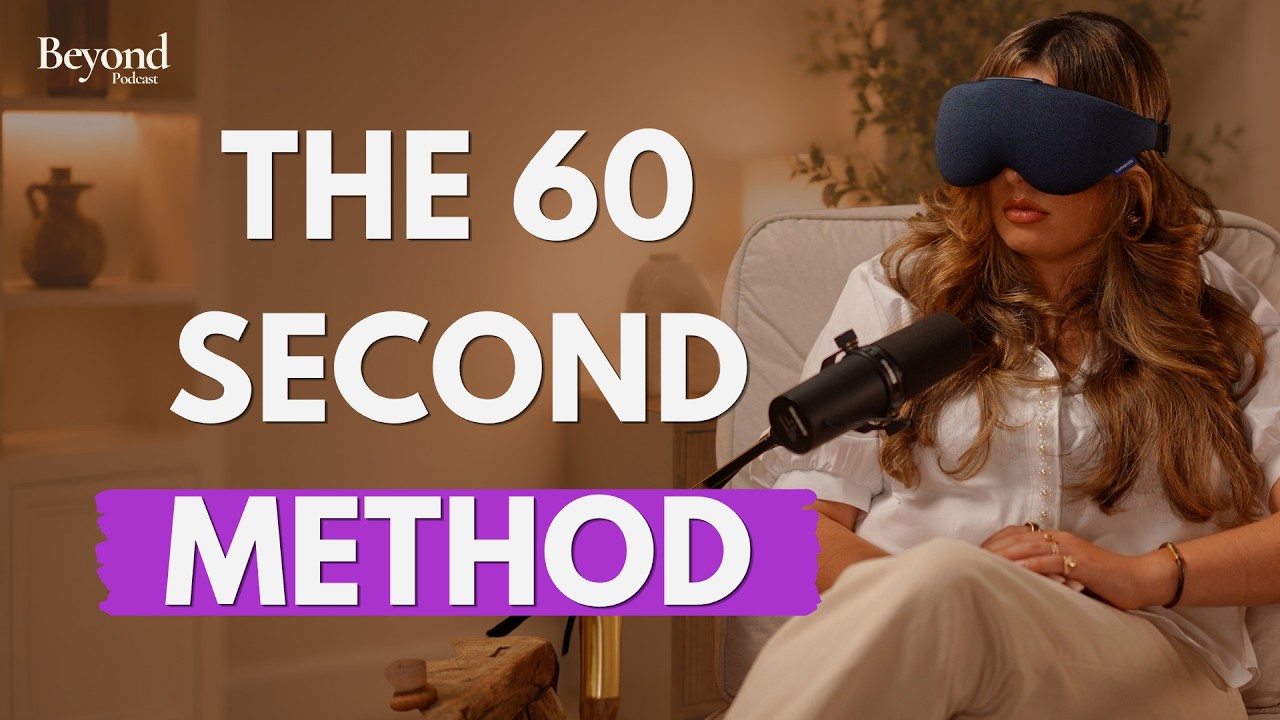

Former British Vogue Editor: The Intuition That Led Her to Found a Wellness Brand | Kelly Gilbert