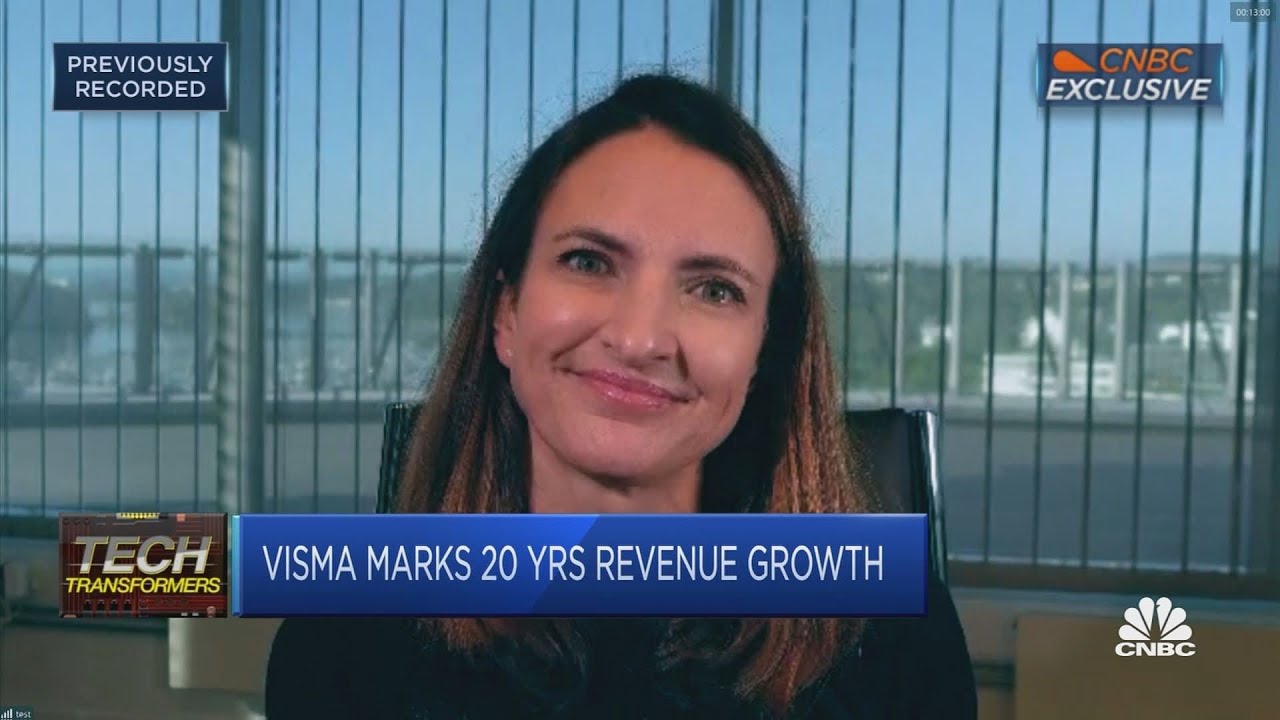
AllemaalDigitaal Special: The Future of Accounting: Visma's Vision with Merete Hverven
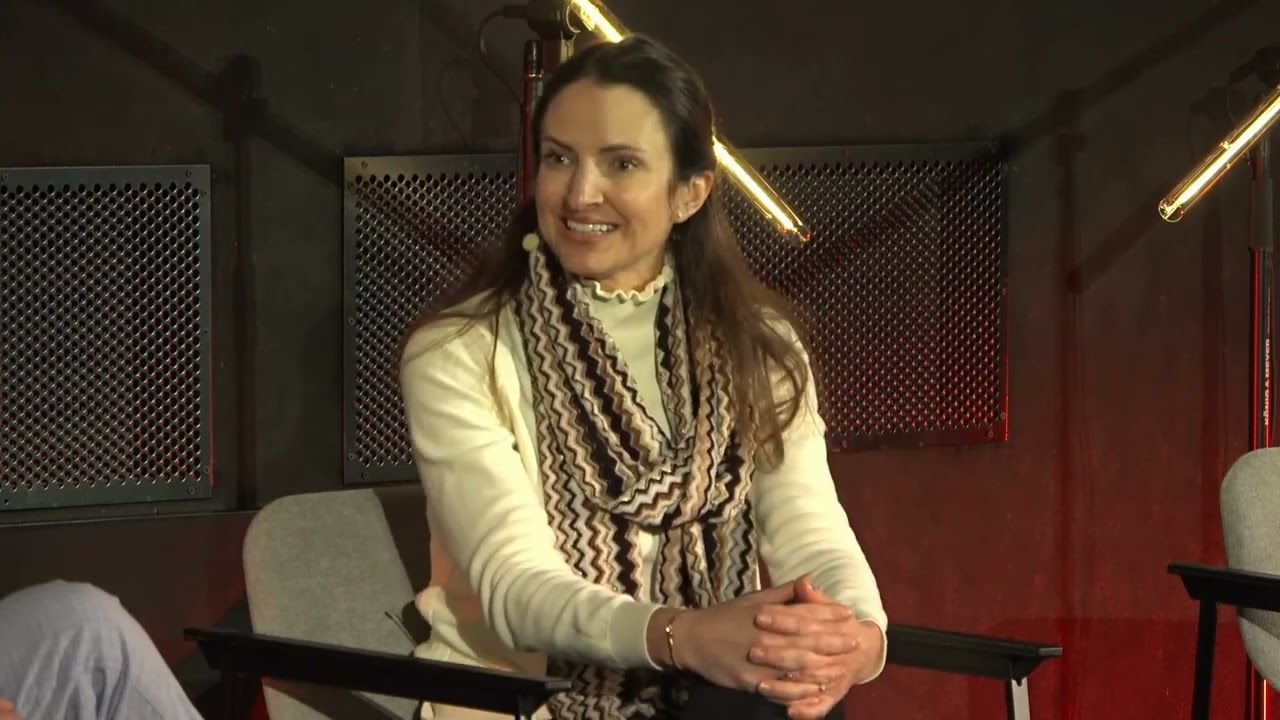
In this interview, Merete Hverven, CEO of Visma, explains the company’s unique federation model of 184 cloud‑software businesses operating across 28 countries with 15,500 employees. She describes Visma’s growth strategy, which emphasizes acquiring successful cloud‑first startups, investing heavily in technology (over 20% of revenue), and fostering a “Rule of 50” performance metric rather than cost‑cutting synergies. Hverven details the firm’s focus on cybersecurity, AI experimentation (200+ projects), and a shared infrastructure that gives each company freedom while providing scale. The discussion covers geographic expansion, highlighting why Belgium and the Benelux region were chosen for cultural and technological alignment, and how Visma evaluates cloud readiness when entering new markets. She also talks about talent development through competence centers and internal startup initiatives, especially in AI. Looking ahead, Hverven outlines the future of accounting: a shift from Excel‑based processes to cloud, mandatory e‑invoicing in Europe, and AI‑driven efficiency gains. She frames change management as providing security and simplicity to accountants, positioning Visma as the driver of digital transformation.
Chapters
Okay, no breaks. We just switch instantly to English because we will invite Merete Herve from from Visma to the stage. So you had someone in your ear the whole time, so you have been.
I have been following, yes, that's
right. Well, I asked the question at Peter, I asked the question at Joris. CEO of FISMA, what do you do all day?
That is a very good question. Well, first of all, I would say, objectively speaking, I have the best job ever.
Really?
Because together with me, we are more than 180 companies. So I am the CEO, but I am accompanied by more than 180 other CEOs, a federation of CEOs, Europe's largest entrepreneurial network, working together, learning from one another. And yeah, making sure that we are shaping the future of society through technology. So we want to just make sure that the world is a better place. That's a pretty cool statement. Yes, it is.
Well, that's the vision. So what's actually the strategy of Visma?
Yeah, because that's the question that everybody has. Why are they doing what they are doing right now? What is their strategy?
Yes. Well, first of all, we make sure that we simplify and automate business processes. We provide mission-critical business software to all of our customers. And we invest massively in technology to make sure that it is simplified and automated for the future. In total today, we are 15,500 people. As I mentioned, we are 184 companies actually. Today, I know that several of the companies that we have acquired are here. Out of the 184 companies, we have 9 companies in Belgium. Yuki was our first entry into Belgium, which is an amazing accounting software. And in the end of last year, we acquired Silverfin. They are also here, which is an amazing post-accounting platform. And our recent, our latest acquisition is also here, accountancy software. Yeah. So we're really, really happy with that development. And what we do is we look for tomorrow's cloud stars within accounting and payroll.
Okay.
And we find companies that already are successful startups and we help them scale together with our federation. So we're definitely not a one-size-fits-all company. We are a federation of cloud software companies. coming together with shared infrastructure and shared services. So typically, naturally, we are owned by lots of private equities where HG is our majority owner. Naturally, they want to make sure that we have our financials in control. So we have a consolidation motor and we have good, good control of our numbers.
So the rule of 40, it's okay?
Actually, in the latest meeting I had with HG, the new rule is rule of 50. So Always raising the bar, I can say. But I think if you look back, starting a company has become easier because it's easier to enter into the markets. And in general, when you start a company, only 2 to 3% of all startups, they're successful. So it's risky business creating a product and actually commercializing it. We look for the stars that already have been successful in the market. But growing from a startup to scale-up, that's actually quite difficult in today's market. If you just look at cybersecurity, I mean, Visma, we're probably tried and attacked 40 times a day. Mm-hmm. So we invest massively in tech security. The moment a startup and a company enters into Visma, they're onboarded into the Visma security program. We have 40 people and also lots of AI consistently going through codes, more than 2 billion code lines. As I'm sitting here now, currently we're scanning that, making sure that there are no abnormalities. This is very difficult if you're alone and if you're driving a startup because cyberattacks, they're here to stay, unfortunately, and they do become more professional as time goes by. So we have the power to naturally invest a lot across all of our 180 companies, and that is difficult if you're alone. We also create a lot of help with regards to tech stack. So we're passionate about how we build our technology, but what to build, we leave that to the amazing companies that are a part of Visma. We operate in 28 different countries where there are local rules, local regulations, local cultures, languages. I've been listening in Belgium the whole day, now in English. We're very passionate and humble to the fact that each country is different. You need to tailor it differently. And in order to be successful in our deliveries, you need to stay close to the customers. And our entrepreneurs, They know what to build. They stay close to the customers. And that has been a huge success for Visma. And then we represent Europe's largest entrepreneurial network. I'm happy to say I'm really proud that more than 70% of entrepreneurs, they're still in Visma after 5 years. So I do believe that we're getting the balance right on what we need to do together as mandatory and actually all the freedom. And then we come together Lots of employees experimenting every single day. Now that AI has come and is making a massive difference, we see that already. We have more than 200 experiments going on and then we celebrate successes, share it so that companies can learn from one another. And at the same time, we share very frequently also our failures because it's all about failing fast. So investing more than 20% of our revenue in technology to create the best products for our customers.
Okay. Now, you mentioned already 28 different countries. I looked at the Q4— really, I did— in the Q4 2023 report, if I saw the breakdown of all the different revenues, Nordics and then Benelux, 25%. So actually, Nordics and Benelux together. And then you have like your go-to or geo. I don't know what the right phrasing was. But why Benelux? Why Belgium? Why not first go to Germany or to France or to Spain or to Italy? Why Belgium?
Very good question. I think if you look to Visma, our legacy is from the Nordics. And if you look to Europe, the Nordics is seen to be the Silicon Valley of Europe. So it's always been, you've had to pay a lot for each individual, and therefore it has been worthwhile to invest in technology. So for a lot of reasons, we have been at the forefront of the technological development. And to a large extent, we've seen what is coming in other countries. And then when we wanted to step out of the Nordics, we looked to other countries that were also very far ahead. And looking at Netherlands, looking at Belgium, definitely in these countries, you are very far ahead. I would say if you compare Germany to Belgium, they're probably 6 years behind. Will they take 6 years to catch up? Probably not, because what we do see is definitely that everything is just happening quicker and quicker. But we also look to countries that we see are close to the Nordic culture as well. And then as we've grown now in 28 countries, and we're still growing not only in Europe but also in Latin America, Making sure that from a cultural perspective, we have values. We are responsible, we're dedicated, we're entrepreneurial and inclusive. But at the same time, we do see a fact that cultures are different. And that's why every time we enter into a new country, it's all about finding the right strategic fit, which we've found in Belgium with all the amazing companies here. And then also the right cultural fit.
And if you compare those countries, what kind of metrics do you use? Because if I look at Germany, for example, you say Visma is a cloud-first company or the companies that are there, they're cloud. If you go to Germany, cloud isn't a thing that they very much embrace yet. Is that also one of the metrics that you compare then over those countries?
Yes. So in general, when we acquire companies, we look for tomorrow's stars.
Right.
We look for companies that have created products that are already in the cloud. And if not all the revenue's coming from cloud, because as you're rightly stating, it's not as simple finding a lot of cloud stars in Germany. But if we find an amazing company in Germany where a portion is on-prem, but we do see that a portion is in cloud, and we acknowledge that the cloud product is good, it's great for the customers, we see a way of actually transforming them into cloud, well, then that can be interesting as well. But I would say I always find it quite interesting. I've told the board this as well, that in general, when you speak to investors, everyone is looking at the financial results. But the financial results are actually just a consequence of you pushing the right growth drivers. So in Visma, naturally, we're passionate about financial results. passionate about Rule of 50 and top-line growth and all of that. But first and foremost, we're focused on investing and also monitoring what drives that growth. And first of all, it all starts with the people. So I would say winning in this business and also in the accounting business, it's more about having the right people than anything else. So we make sure and we monitor that people are happy and engaged, because if you have the right people on the bus, then that actually coincides very nice with performance. The other thing that we focus on is we need customers that enjoy our products. We need to invest massively to make sure that we're close to the customers all the time, looking at features that actually are fit for purpose. And if you look across the board of, of Visma, so many of the entrepreneurs, they started a product because they didn't see that there was any product for the entrepreneurs or for the accountants that would actually help and simplify everyday life. And I love that passion. And that's very much something that we invest in and also monitor, making sure that we actually focus on the right things for the customers. And last but not least, we invest heavily in tech and we monitor how often are we good at actually putting out new features. When we talk about AI, it's about how can we embed that in our products? Making the customer life easier, simplified, so they can focus on their business and not focus on business administration. You need business administration not only to monitor your current cash position, but also planning ahead. More than 20% of our revenue goes into actually investing in tech. We have those muscles, and that is also why I believe that we're doing well as well, because we really, really focus on these 3 key E drivers to make sure that we contribute to society.
Okay. Well, we had a pre-call a few weeks back and then we were talking about synergies because it's very atypical, I would say, because normally when you hear about an acquisition, one of the most drivers is like cost efficiency, cost synergies. You said no. Yeah. I have a total different definition of synergies. So here you go.
Here I go. It's like you say, I think there are 2 ways of driving a business. One way is acquiring a lot of companies and creating cost synergies by removing FTE, making sure that it's one size fits all, everyone on the same ERP, on the same tech stack, doing the same stuff. Yeah, that's one strategy. It works for a lot of companies. I would definitely say that we are the opposite. We find amazing companies and we invest in them to create growth, making sure that we actually are not one size fits all. We build and we help the companies that are a part of our portfolio to really, really scale. One example from Norway, I guess I can go back to Norway since we've been there quite some time. We acquired a startup company in 2016. At that point in time, they, they had €5 million of revenue, and today they have €120 million of revenue.
Okay.
And the first year they were part of Visma, they were spending 15% of their revenue on tech. And when they joined, I said, I want you to spend 30% of your revenue on tech because this is an amazing product and we need to build the features. We need to invest more this year to actually get ready for the growth to come. So these— this is just one example, but, but we definitely believe in investing in the companies naturally all the time, getting growth, investing in our people, our customers, and our tech, making sure that we do right by by our customers, having things that are mandatory, but at the same time giving a lot of freedom out to the companies that really know their customers.
I was actually wondering because you have 188 different companies.
184.
184. Maybe by the end of the day.
Maybe
at the
end of the day.
Let's see tomorrow. Exactly. Now, but I was wondering because, so you have a lot of collaboration, you have often moments where you come together. Has there, among those 184, are there actually newborn Visma companies? Does that exist? So you only acquire companies, but is there actually new companies that are starting within Visma as well?
Yes, a few. I can't say that we have a lot of them, but we do have a few, especially within AI. We have some startups where you typically have previous entrepreneurs or graduate coming together where they really want to bring to life a new idea that we believe in, and then we invest in that. So we have that as well. But for the most part, I would say that most of the companies, they are acquired through entrepreneurs that we find already successful. Where we have grown organically, that is within our competence centers. I think everyone knows it's difficult to find talents, and sometimes we see that it's We're not able to find enough talents where we're situated. So therefore, we have amongst our 15,500 employees, we have 2,000, close to 2,000 employees in our competence centers, where we have found pockets of amazing competence that can typically then work across the different companies where we don't find sort of the right competence within that country.
Okay. So it's like kind of a project office that then It's like your internal, how do you say it, we call it an interim office, but I— temp, that's the temp office of Visma there.
Yeah, like we have 500 people in Romania, and we started there organically recruiting these people. They are 100% part of the teams and the companies that they're working for. So we work hybrid, we work virtual, and this is an amazing area of finding great talent if you just look across borders. I think after COVID, you definitely saw that you don't really necessarily always have to be situated locally, but to make sure that you create the right products for the right customer segment, you need to stay close in the local country.
Today we are talking about accountancy. What is the kind of evolutions that you see within Visma? Or if you look at the accountancy world, how do you see it evolve? And is there Because a lot of companies asked us as well, is there an endgame for Visma?
The sky is the limit, right? So no endgame there. I think even though we've come quite far with regards to digitalization, there is still a far, far way to go. We started on our digital or cloud journey, I would say, in 1990. At that point in time, 2% of our revenue was on cloud. Today, 90% of our revenue is on cloud. So we've definitely made the transformation. But if you look to Europe, still 40% or more than 40% are still doing their accounting in Excel or in a Word document. So you definitely see that, yeah, there is room to grow. I do believe that even though COVID came with unprecedented challenges. It definitely also helped society with regards to digitalization. Researchers state that in a period of 3 weeks, we actually took a digital leap in society that otherwise would have taken 10 years. So that was actually a massive shift. We saw that because suddenly all of us had to work from home. You had to do your schooling from home. A lot of hospitals needed to do things also from home. You had to do your work from home. So in that period, we were helping all of our clients, more than 1.7 million clients, do that transformation really quickly because we were there and we had the benefit of helping them. And then you can definitely see that the next hype, which has already been spoken about today, is AI. Bill Gates has stated it will be the same impact as internet had. Let's see. Early days. But I can definitely say from a Visma standpoint, we already— we've been working with AI many years. But definitely with the introduction of OpenAI and ChatGPT, you do see a lot more work cases. You see that developers that are great at using it, they become much more efficient. And we also see with AI in our products how big effects and efficiency gains that is for our customers. And that's what it's all about. So we will definitely see a huge shift there. If you look to the future, I know all of us know that mandatory e-invoicing, that is coming, I believe, in Belgium in 2 years, in 2026.
Yes.
The rest of Europe, 2028. Already in Hungary and Romania, they're already doing that. We're situated there. see the shift. All of these things are creating a massive boost where everyone needs to be on cloud. That is sort of the new way of working. And we just want to help all of our customers become competitive so they don't have to spend time on monitoring their business, their cash flow, their invoices, their payroll. They can use this software to plan ahead so they can spend time making great decisions, giving great advice, and also spending time on their business. So I do believe that accountancy as we see it today, it will be very different in the future.
And is that a problem or do you have a solution for that? What is Visma going to do to help the accountancy, the accountants then? Because that's one of the biggest obstacles, I think, that Change is always a thing that's especially for accountants not that easy.
Improvement. Improvement. Don't call it change. Improvement.
Improvements. Oh, geez. So how is Visma helping there?
Yeah, well, first of all, when you talk about change, I know if you read research, you will always see that 97% of people don't like change. But I actually would challenge that fact and state that the reason why people don't like change is that they can feel insecure. So it's about making sure that people feel secure when you're doing the change. I would say the stability in Visma is change, but we're in the forefront of that change. We're always in the driver's seat. And if you're in the driver's seat making the change, trying to figure out if you want to go to left, take the left or take a right, you're quite comfortable actually making the changes because you're in the lead. We will continue to invest massively to help the accountants, to help accountancy in that change. There will be lots of great opportunities, great value creation for the customers, for the accountants. And it's being bold enough to be in the front seat making the changes. We want all of the customers that are ready for that, all the accountancies, all the entrepreneurs who actually want to be in the front seats together with us. And there will be massive opportunities, and we will do our utmost to make everyone feel secure in that change. And then you have to make it simple. And you have to make it easy, and that's what we're all about.
Okay, I think that we conclude for here because I think the time is up. Thank you very much to come down all the way from Oslo. Merete. Thank you.
Thank you very much.
Thank you.
More from Merete

Merete Hverven and Mark Schneider | Panel discussion | Investment Conference 2025
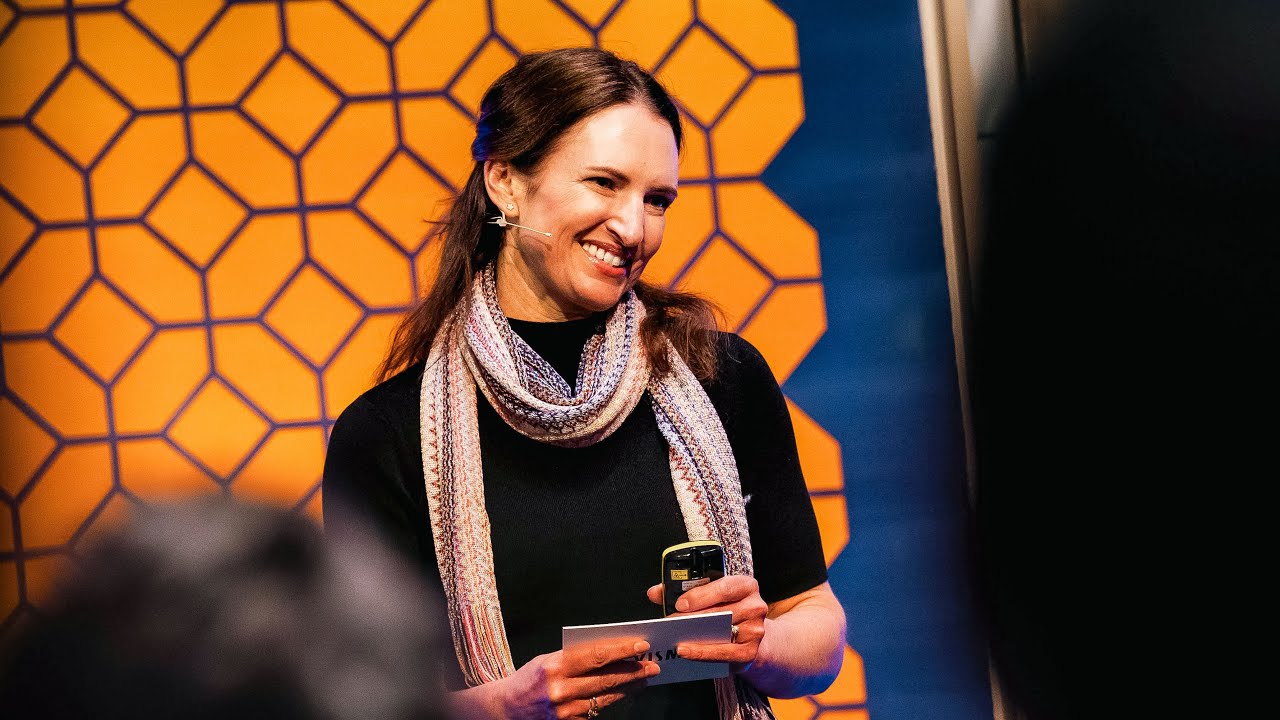
Merete Hverven - Visma | Investment Conference 2025 | Norges Bank Investment Management

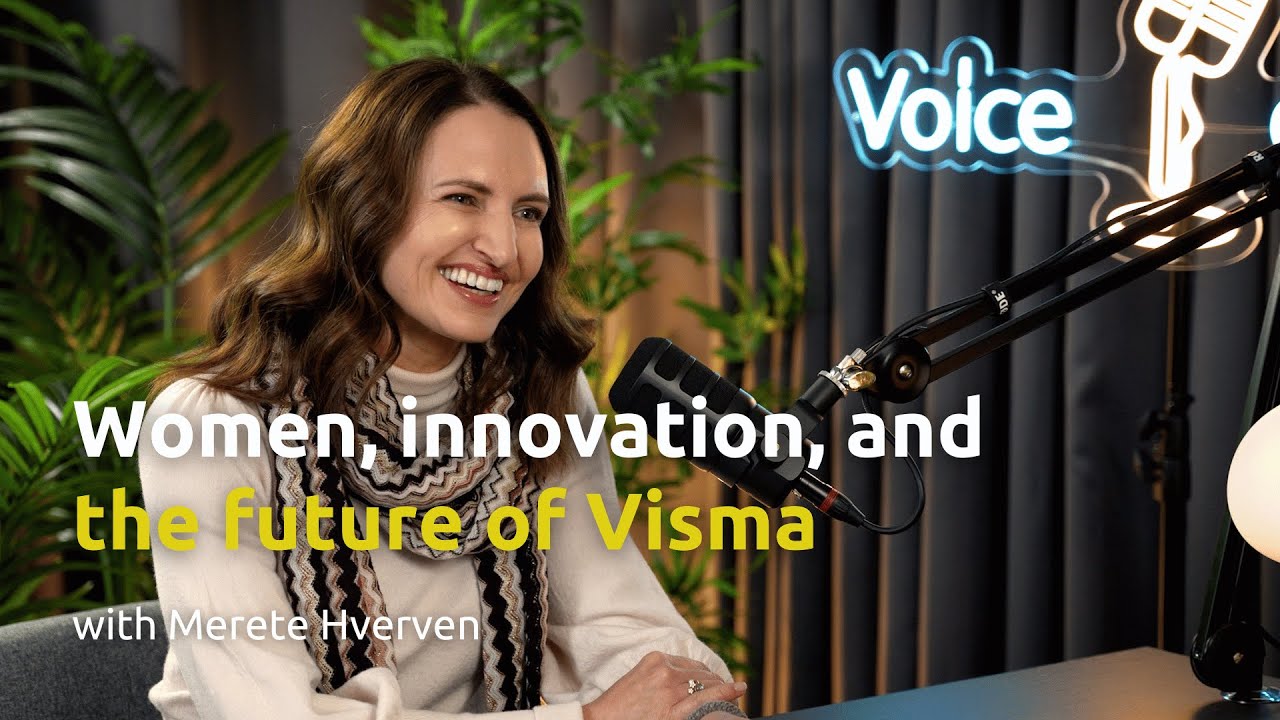
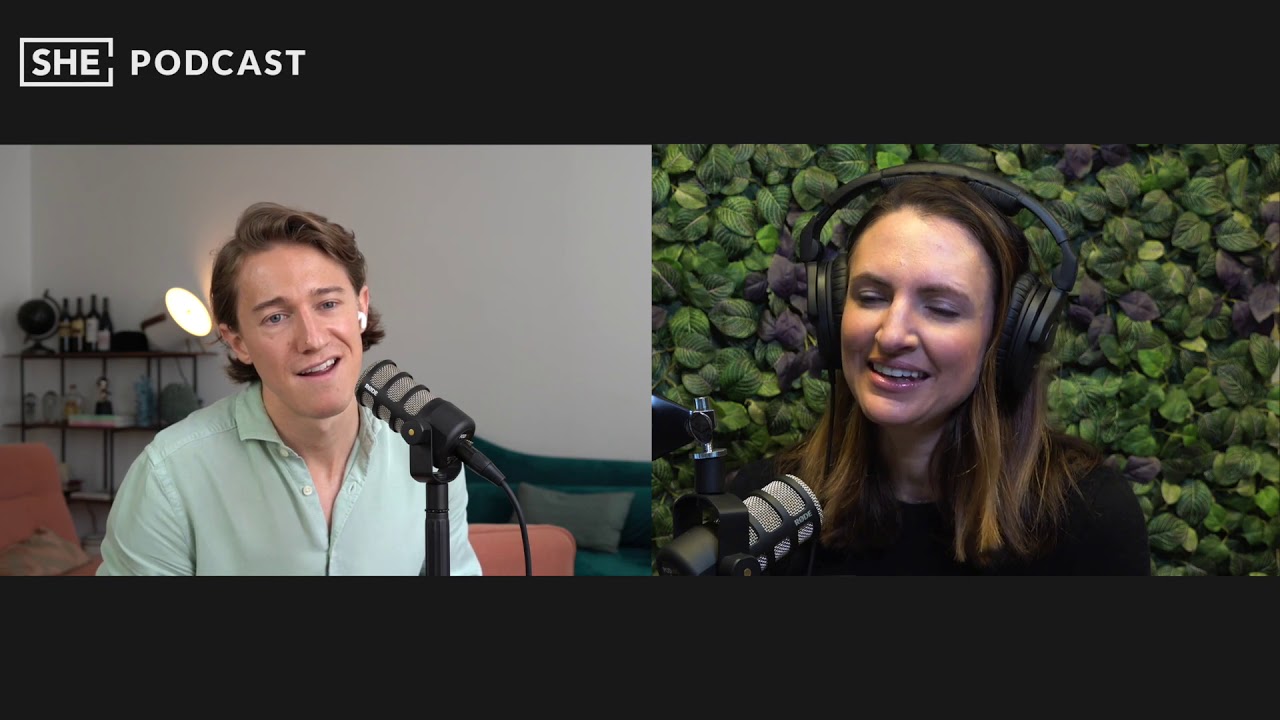
Ep 14: Women, innovation, and the future of Visma with Merete Hverven | Voice of Visma