Scaling Through Experiments: Visma CEO Merete Hverven | Hg

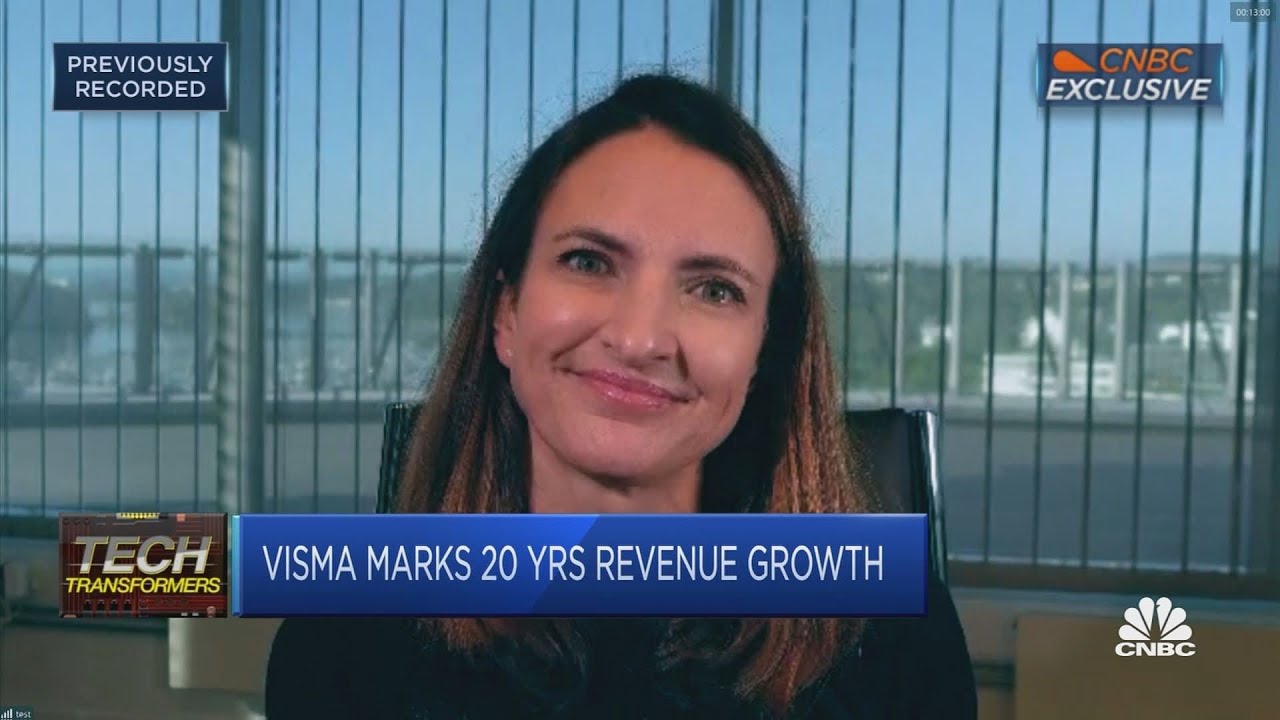
Merete Hverven, CEO of Visma, runs the company through hundreds of small experiments across 180 subsidiaries in 32 countries, generating €2.5 bn ARR. She tracks leadership with a leadership index (currently 74) and monitors employee engagement bi-monthly. One-third of Visma's products now embed AI, with 85% of developers using it daily and reporting higher productivity.
Chapters
Where we have had success, we showcase that to all of the other businesses. Where we've failed, we also showcase that to all of the other businesses. So instead of all of them having to do lots of experiments, we're doing simultaneous experiments across. And then when we learn from that, it is by far the largest entrepreneurial network that we have in Europe.
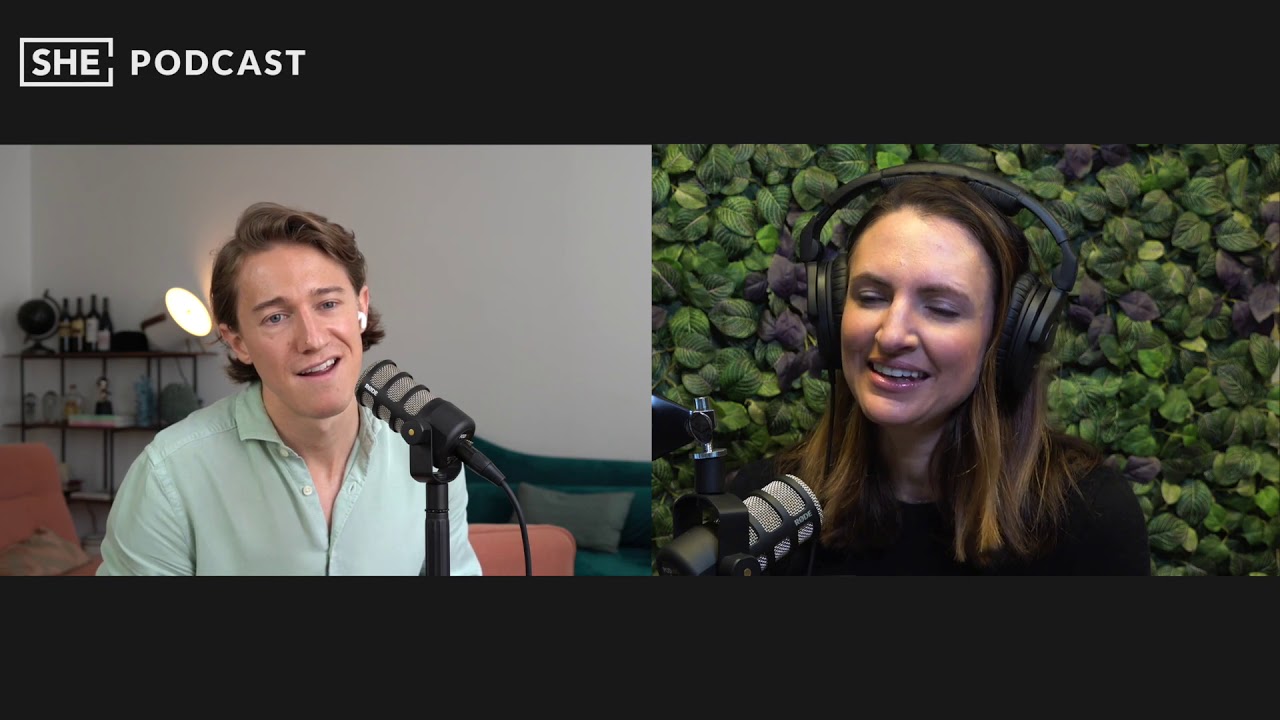
Welcome to Orbit, the HG podcast series where we speak to the leaders of some of the most successful software businesses on the planet about how they built and scaled those businesses. I'm Nick Humphries, the Senior Partner of HG, and I'm delighted to be joined today by Merete Hverven, the CEO of Visma. As one of HG's longest and frankly one of the partnerships that's been closest to my heart, Visma has excelled over the past 2 decades plus, pioneering software as a service, and they're no doubt poised to excel in some of the upcoming tech revolutions that might happen over the next few years. So thanks for joining me, Merete.
Thank you for having me.
This is actually your second appearance on Orbit, so thank you for that as well.
It is.
Last time we spoke a lot about why the Nordics are such a great place for kind of technology businesses. How would you say that the Nordics in general are positioning themselves for the next kind of few decades from a technology point of view?
Wow, it's a really good question. It's a big question. But last time I was here, I stated that in the Nordics, salaries are quite high.
Yeah.
And in general, it's always been also quite low unemployment rate. That continues to be the case. All the countries are really small, so to stand out, we have to continue to invest and focus, learn and grow based on the new technologies coming our way. We have to be massively productive. And I'm really proud to say that even in the last survey that was carried out worldwide, the Nordics, even though very, very small, very few inhabitants, rank in the top 15 across the globe. Wow. with regards to being highly digitized and continue to be so also.
Yeah.
So I think we'll continue as we have in the Nordics, and it's been working so far, so I guess we'll continue with that journey.
I guess one of the other features I've seen, which is slightly away from tech, is because the local economies are great, but they're not big enough to sustain really big businesses in their own individual kind of country, right?
Yeah.
I think it just creates this kind of mentality of— I mean, I think about yourself and your own background and family background. Think about a lot of the other kind of managers and senior team at Visma. People kind of have this kind of like international and expansionist mindset, you know, from a pretty early age. I don't know whether that was kind of part of your background or whether it was part of like career, but that seems to be something that is inherent in a lot of people.
Yeah, I think you're right. We have small countries, we could never manage on our own. We have to look outside of the countries and learn from the best of the best. So, an example, when ChatGPT comes, of course, everyone is taking that into account, but we've always been the front runners. Yeah. Looking outside of the countries, looking for technologies and other ways of working to be productive and actually be able to scale coming from the Nordics and then going external than actually just having to look at your own hometown. Because it won't scale. It's not big enough.
So if you don't mind, Merete, I'm going to take us back a little bit, because one of the things that I observed, you know, sitting on the board of Visma back in 2009, 2010, was that you were the first company that I was aware of in Europe that really thought seriously about cloud and SaaS technology and really embraced it in a way, I guess, reminiscent of the innovator's dilemma. At the time, you were a scaled business. you were mostly on-prem, but you seemed to kind of, like, dive headlong almost into kind of SaaS and do that in a way that I found to be very unique. And I've tried to kind of, like, take that experience and help other businesses I've been involved with to kind of think about new technologies in the same way. I'm thinking of those kind of, like, multiple experiments, you know, why did you do that? Why not just pick one way of doing things? So, anything you can elaborate on from that period of time about almost the culture of how you think about embracing that kind of disruptive change would be really interesting.
Yeah, I think you're touching the heart of Isma. I usually say we are the opposite of one size fits all. So, in order to be a tech leader, and especially within our culture, we never know what is the right bet, but we know that if we make lots of small bets, most of them actually historically have gone really well based on our competence coming from the Nordics, which is seen as the Silicon Valley of Europe. Yeah. We were at the forefront of the technological development. So with that knowledge, we have been able to look for companies that we believe will be the market leaders of tomorrow. And they are typically entrepreneurs taking a big risk. We look for the companies that already have seen success from a commercial perspective. And then we've been good at finding them, finding these startups, and then scaling them up. Have all of the experiments gone well? Are all of them successful? No, they are not. But most of them are. And in general, our culture, I think it's just a part of who we are. If you never make a mistake, you're too slow.
Yeah.
And instead of thinking about one way of getting to the goal, using one technology, that's not right. It's at least not right for us. If we would only have one supplier of technology, first of all, you give that supplier a lot of bargaining power because you are in massive need of them. So, we don't want that. We want to be spread across. And like everything else in the world, All of the different technologies, they can be the best depending on what problem you want to be solved. Yeah. So we are very open. Our tech stack is open as long as it's good technology used for the right problems, experimenting, failing along the way. And we're good at also gathering all this data. Today we have 180 companies in Visma, and we have made 16 acquisitions so far this year. So we are definitely growing, not only organically but also inorganically. And making use of all that competence where we have had success, we showcase that to all of the other businesses. Where we've failed, we also showcase that to all of the other businesses. Yeah. So, instead of all of them having to do lots of experiments, we're doing simultaneous experiments across. And then when we learn from that, it is by far the largest entrepreneurial network that we have in Europe. That's what makes us fast. And it's also what makes us a success in the market, I believe.
Yeah, I'm reminded, um, Jim Collins, Good to Great. Um, one of the kind of key principles there was kind of, I think it was fire bullets and then cannonballs. So do lots of kind of small experiments, the bullets, and then when you find the ones that really work, you can put a huge amount of effort behind them. And it seems to be that kind of same kind of philosophy. As you say, you've got the huge advantage that you don't have to kind of top-down dictate what those experiments are. You've got 180 entrepreneurs that are running independent businesses that they can themselves be experimenting.
Yes, and then we gather the experiments because they're highly competitive and everyone wants to win. So when they see what works, they actually tend to copy that, but they're making that choice themselves. We're not telling them to do it, and that's a very— it's a large difference, I would say. And I also think a lot of people often ask, so how do you create that culture where you do these experiments and actually you can fail along the way? It's also important to make sure that you don't only celebrate success, but you also celebrate failure. Yeah. Failure is a part of sort of doing business. And every time someone makes a mistake, it's important to not finger point and look for who made the mistake. But come together and sort of reason around, okay, we're here now, what do we do, what did we learn, and let's make sure no one else does this.
Yeah.
It's a very different way of working. If you always fingerpoint and if it's terrible to make a mistake, you will not have entrepreneurship, you will not be innovative in the same way, and you won't experiment.
Yeah.
And in general also, I think going back to what you mentioned on the bullets and also sort of shooting with small guns. I think it's also important to sort of split when it's a project and when it's an experiment, because not everything can be an experiment.
Yeah.
I don't think you guys would be really happy with us if suddenly our top line and bottom line just dropped because all the experiments were unsuccessful. So in general, I say that a project, you can compare it to a budget. In general, you cannot make experiments which actually end up that the budget is totally off balance.
Yeah.
But we experiment within a budget, and there's always room in the budget to make a lot of experiments.
Yeah.
And then there are— so just differentiating between what is a project, where can you not go wrong, and what is an experiment. And challenging experiments can be quite large. I would say some of our acquisitions have maybe been an experiment. Let's say 95% of them have been great, 5% have not been so great, and then you naturally have to fix that as well.
Yeah. I think you're helped a lot by the fact that the numbers aren't 95-5 as well, by the way. So, it's very easy to kind of, like, look at the ones that haven't worked when it's a very small proportion. So, well done from that point of view.
Thanks.
Visma has gone from strength to strength. And I mean, to put some rough numbers on it, €2.5 billion of annual recurring revenue.
Yeah.
One of the biggest ARR businesses on the planet, never mind in Europe at this point, and continuing to grow at very attractive, like teens-plus organic rates. As that scaling's happened, it's not only happened from a pure revenue and numbers point of view, but it's also happened across many, many kind of countries, many geographies. You can probably update us on exactly how many because it changes almost every day.
32 countries.
Which is one more, I think, than last time we chatted with M&A. So what kind of crosswinds do you kind of come up against as you think about breaking into kind of new markets and new countries? And, you know, one of the obvious questions would be, is tech just so ubiquitous that it doesn't matter? Tech is just agnostic to kind of countries and cultures. It's okay, everything's just the same.
I would love to say yes, it is, but the answer is a clear no. I think every time we enter into a new country, we are very humble to the fact that countries are different. There are large differences with respect to, naturally, culture, legacy, habits, how you go about being together with other people. So I usually say that when you cross borders, common sense is not so common.
Yeah.
And being very thoughtful and humble to that fact, not entering into a new country stating that, yeah, based on my experience, and we're in 32 countries, we know what's the right thing to do. We always enter in and we actually spend quite a lot of time understanding how does it work here. So our strategic positioning, yes, I would say that you can see similarities on how to actually create great products, but what kind of interface the users would like, what kind of colors they want, what the competition looks like, it also has a huge impact. How the people work together and how they find their way, very, very different. So, every time we enter into a new country, we do make quite swift analysis and get some expert advice, naturally. But I also read up. I love the book When Cultures Collide. I always read up, getting the dos and the don'ts and how to negotiate, how to get to know people. So, of course, there are crosswinds. But I do believe that the crosswinds, they become minor when you're humble to the fact that you're entering into a country that you do not know.
Yeah.
And you want to be interested in getting to know them. So in general, another thing I usually say is don't try to be so interesting, try to be interested. And if you are, and if you have great conversations, you are let in quite, uh, quite swiftly if you sort of play along the lines of the games that are played in that country.
Yeah, it's a great experience because 32 countries is, you know, lots of people claim to be kind of multinational and all those kind of things. It can often mean the US and the UK, or the US and the UK and France. 32 countries with very different cultures, from kind of Latvia to kind of Romania to Sweden, Norway, Spain, Portugal. There's some very, very diverse cultures there.
Definitely very different ways of working. And even the countries that are very, very close to one another, like a lot of people think that Nordics is Nordics.
It's just one place, isn't it, the Nordics?
Right, right. Just the differences between Norway and Sweden, I could talk about that for 8 hours.
Yeah.
And I guess I've been maybe lucky to that fact because I've always traveled a lot, always since I was small. Sort of born in the States, came to Norway. I've lived and worked in Switzerland and Denmark and Sweden, back in Norway again. I've always found it to be very interesting to see how you work and how you're successful in different ways depending on the country that you are in. Yeah. So it's fascinating, and if you just find your way, even though we always look for new companies that fit our strategic position, we also say that it needs to fit our culture. That doesn't mean that the culture across Visma is exactly the same, but there are some things that really bind us all together, like our values. I could naturally talk a lot about that, but we probably don't have time. Our values are being responsible, being entrepreneurial, being dedicated, and being inclusive. Loving the fact that people are different and how to actually explore those differences to create even better results. And these things are something that we look for when we acquire companies, making sure that it is a cultural fit. Because there's lots of go-to-market freedom in Visma, that means we don't have time for political games. We don't have time for people saying one thing and doing something else. Making sure that what you see is what you get. Very open, very transparent, quite direct for what we want. We will walk away from the deal if it is not a cultural fit.
Yeah.
If the founders want to do another strategy with their company than we would, we wouldn't acquire it. We would be open to the fact and step away. So, there's lots of things that really sort of bind us together. which needs to be in place to have that much freedom that all of our entrepreneurs have.
I think one of the things I've seen that ties into that kind of theme as well, and it's something that took me a while to learn, you know, coming as a Brit from a probably a, you know, just from history, a slightly more hierarchical culture. I don't think I'm particularly hierarchical, but I come from— You are not. A country that is, but just the kind of extreme— I regard it as extreme relative to kind of other cultures. kind of— I think it's probably Norwegian as much as anything else— view that competency is what matters more than anything else. And when you make that statement, it seems completely obvious. Everybody would say, well, competency matters more than title or age or, you know, gray hair or whatever it may be. But I think it's really, really embraced. Is that a Norwegian culture thing? Is it a Visma culture thing? But it seems to be such a powerful enabler of the group.
Yes, I think it is highly Norwegian, but also across the Nordics. It's like people don't care for the title that you put on your shirt. It's more about who are you, what do you know, do I respect your competence, and also do I respect the person that you are. Yeah. And then naturally, we all know that a leader, and where the culture comes from, Visma coming from Norway, and me as a leader, you have an important role to play. You have to sort of How I act, it actually has a significant impact on the rest of the group. And when we look for new companies and when we look for new leaders across the firm, we look for people that actually like a flat hierarchy, that like to make sure that, yes, you have to be smart and create good strategies, but they're worth nothing if you don't have followers. So if you're not able to engage with impact, you don't get anywhere. And you especially do not get anywhere in Norway. And that is something that we push across the group. And a lot of the entrepreneurs coming in from other countries where the hierarchy is very different—
In the UK.
In the UK, for example. In the beginning, they really don't understand it. But after a very close time, they do. acknowledge it, and they come to like it and love it. And I actually think that that is also one of the reasons why we're able to be so innovative, because I get graduates in the office stating, why are you doing that? I would think differently. And we love that. We want that. We encourage that. And our engagement is sky-high. Yeah. It's amongst the top 5% in the tech business. And I think that this culture So much empowerment, so flat. If you like it, you love Visma. I'm
going to get slightly nerdy here and go slightly off script, but you mentioned kind of the leadership index, you mentioned kind of employee engagement. Can you just talk a little bit about how you measure those things and how disciplined you are about that? I know obviously we see that reported on a regular basis to the board. I think it's unique in the sense of kind of how you're able to kind of view what is, in theory, a soft issue, people skills, but actually view it through a kind of fairly analytical and measurable lens as well. So, if you can share anything around that, that'd be hugely helpful.
Of course. And I like that you put that forward because I believe, in general, the financial results are just a consequence of you focusing on what really drives the business. And people, they are a massive driver of the business. Naturally, you have the customers and you have tech and everything. You have to measure it. You have to get the numbers in order to work with it. So looking to state that if you look at Visma and many other businesses, I would say that winning in this business is more about having the right people than anything else. In order to make sure that you actually have the right people on board and that they're massively engaged, you have to measure it. So we measure engagement and the engagement net promoter score. We measure that every other month for all of our employees. all the businesses, and then they can, if they want, measure every month, and actually 70% they do. Right. It's a very short questionnaire, and it is research-based questions that are linked and correlated to engagement, which again is correlated to performance and financial results. And in addition to naturally following the overall feedback that the employees are engaged in Visma, And if I were to just pick one question which correlates with all the others, it's, I would recommend Visma as a great place to work.
Yeah.
In addition, you know that the leaders have the largest impact on the business. That's why we also, every other month, we measure all of our leaders. They get feedback, all of them that have 5 reports or more, because it needs to be anonymous, actually, who is answering, naturally. And we measure that, our leadership index is 74.
Yeah.
That's also top 5% in the tech industry, where each leader gets a report. Everything is automated, it's just on the screen, and they get a report from their employees stating how well they are leading their group, how much potential they're getting out of the group. And we actually follow down the red leaders, how many there are. I can say that today we have 7 red leaders out of 1,450. And of course, a red leader, you can be that, but not more than 6 months, because when you're changing—
Yeah.
You're not always— being a leader is not a popularity contest. You can't be popular all the time. But in general, if you have the right leader in place, that will actually drive a massive amount of engagement, which again drives results. So I cannot afford to have a leader that is not in the right place for a long period of time because you will see the results drop down.
Yeah.
So, yes, I'm very passionate about this and I follow this. And it's— when I entered into HR many, many years ago, a lot of people said, I don't understand, why are you moving from being a financial consultant, an analyst, going to people? It's soft. It doesn't have anything to do with business results. And I thought, I will show you, we will measure it, and I will show you that it actually correlates with business results. And I guess just looking at Visma, we've made a stand that it does.
Yeah, yeah. And it's very clear to me, kind of, when you joined Visma, you know, the way we could actually kind of put into real proper kind of tangible kind of results what was happening in the kind of people side of things as the business was scaling made a vast difference to our success over the last decade or so.
And then actually, I think it's important to say when you measure it, that's not enough. And actually, when you do measure it, you create expectations amongst the employees. So you have to deliver as well. So we, of course, have lots of leadership trainings. Most people that become leaders, they're highly— they have lots of knowledge within the field, but they haven't usually learned how to be a great leader.
Yeah.
So we have lots of leadership trainings. coming together workshops. So we do a lot of things to really equip the leaders and help them become great.
I think that's a huge differentiator from what I've seen as well. There's so many companies in which basically you can have highly productive experts or kind of functionally great people get promoted into a leadership position, and they probably deserve that, and they're probably capable of doing kind of things over time. But if they're not given training and development and understanding of the difference between being a great salesperson and a great sales leader, for example. Huge differences between those 2 things.
Yeah, and it's also a huge difference if you lead a startup from leading a scale-up. So our entrepreneurs that come in, maybe they have a company with 30 employees, and then they're supposed to scale that business to have 550 employees. It's a totally different way of leading that group as well. So understanding that the leadership phases also are different and helping them and equipping them with those kind of competencies. That is an investment.
So you do a lot of acquisitions.
Yes.
When you do those acquisitions, you've obviously got entrepreneurs typically that are running those businesses because they're not typically huge businesses. They're maybe kind of $5, $10, $15 million of revenue or so. What are the results? You know, like, cast yourself forward kind of 3, 4 years. You know, are those entrepreneurs all gone? Have they been replaced by professional managers? If they haven't gone, what are they doing within the business? Do you think that's important or not? You know, kind of talk us through kind of like how you've created a culture that either embraces that or— a lot of people talk about integration, and for integration they mean absorption of the product, and then, you know, everybody has to functionally be managed in a certain way. So, just an interesting kind of question to think about how Visma thinks about that with, you know, 20 or 30 acquisitions being made every year.
Right. We definitely want to keep the entrepreneurs within Visma. So typically, we look for very successful companies that fit our strategic positioning. Yeah. And the reasoning behind their success is, to a large extent, the entrepreneurs and the people that are in that business. So when they come on board, we don't integrate, we onboard them. And of course, there are things that matter that we need need to help them develop and also that are mandatory within Visma, going back to what you actually have to pinpoint and follow through with regards to financials, people, tech, and customers. So there are some things naturally that are mandatory. But other than that, we make sure to look for what makes that company a success and not change that around. And that's why there's also a lot of go-to-market freedom for the entrepreneur because they know their market, they know their product, they know their customers. We need them in place. And I'm happy to say that after 5 years, 70% of the entrepreneurs, they're still within Visma. Most of them are still leading their companies, but some of them actually have gone into new positions. We have entrepreneurs, I think 20% approximately, have moved around between companies in Visma. So typically, one entrepreneur has maybe then moved to an even larger company than what they came from. And also, some of them have stepped into the role as being a business area director. And what is that? Well, we have 180 companies. You have to have some sort of leadership around those 180. So even though The company in itself has the P&L responsibility. Naturally, the managing director or the CEO of that company reports to a chair. That chair has 10 to 15 other companies that are like-minded, those products that are actually within that space, and that is a business area director.
Yeah.
So out of my 18 business area directors today, 16 of them They were former entrepreneurs leading their own company. So not only do we keep them in place, they also find other ways and other pathways to Visma where they can bring their knowledge and their expertise also to other companies.
Fantastic. One of the other things that I know from a kind of people and organisational point of view is somewhat unusual is the experience and the age of the senior management team. Do you want to just talk very briefly about those 2 stats maybe the sources of some of that kind of very senior management team within Visma as well?
Yes, so currently I don't have the average age, but it is slightly below 40. So the average age in the top management team is very low compared to others, and I think it's going back to what you mentioned. It's not about how many years experience you have, but it is about being highly talented and with a lot of experience that we need The team is highly diverse, so I have people from several different countries. My CTO might be a good example. He doesn't have a master's degree, which you would expect from a CTO. He is self-learned, but naturally has taken a lot of courses and is by far one of the people I have met in my career which is extremely equipped from a knowledge point of view within engineering and tech, highly operational. So he's just amazing at looking at the latest trends and operationally knowing what to do to push that out across the different businesses. Yeah. So of course, we have quite a good comparison also if you look at females versus males. We are 3, 3 ladies in the top management team. So in general, very diverse, quite young. And a couple of us, we have been externally recruited like me. I was 10 years in EY before I entered in. And then we have a couple of them who came from being a management trainee. So their whole career has been in Visma. And then the rest have been entrepreneurs and then come into these positions.
But I think that combination of kind of like relatively young management team, slightly below 40, but average tenure of 10+ years in Visma, the kind of combo of those 2 things is really interesting.
More than 10 years. That's good as well. So young, but quite experienced if you look at sort of the number of years in Visma. And I think in general, Visma is a complicated animal to understand because we do change every single year. Not only do we acquire a lot of companies, we also sometimes divest what is not core of the core. So, being able to figure out and monitor and find your way in the top management team with as little structure as possible, because that's what really works for the entrepreneurs and for all of us. You have to know the business and what makes it tick.
Fantastic. Thank you so much for talking about that because it's a pretty unique business from a People, people management kind of point of view. I'm going to change tack slightly and talk a little bit about Visma's scale to $2 to $3 billion of ARR and kind of $20 billion plus of kind of enterprise value. First time I've directly experienced that in my career.
Me too.
So if I take the kind of start of 2024, Visma partnered with UNICEF to support youth entrepreneurs and kind of vulnerable children. And it's really trying to kind of understand, is there a moment in a company's life, do you think there's a kind of point at which that kind of move towards those kind of projects becomes appropriate? You know, is there a point to which it's just a natural extension of your mission around people? Just kind of interested why then and not 5 years before, or why not in 5 years in the future, really?
Yeah, I think in general, When you scale and when you become sizable, you are able to make long-term investments, not only within the business, but actually for someone as well. So, with regards to UNICEF, I would say we have given money here and there to UNICEF and others the whole time. We always have believed that we need to give to people that are less fortunate, than ourselves. But as we have been growing, our muscles get larger and we're able to make these larger, more long-term deals like we did with UNICEF. Because I know, and of course, probably a little bit partnered up with my people focus as well, but in general, we all know that if UNICEF has an amount of money that they know that they will get every single year in the time to go, they can plan long-term. That makes the investment even create more value for more children, more education, and that's what it's all about. I love to help others, but I want to make sure that we are creating as much value as we can with the amount of money. So that allows us to do that. And yeah, 5, 10, 15 years back, we didn't have the muscles and the size maybe to do that. So I do think that there is a time in a company's lifecycle where you're ready for that. But naturally, we have other sponsorships as well, as you know. I don't know if you want us to talk a little bit about those as well.
Yeah, no, I'd love to. Yeah, I was going to take us back probably 5 or so years before that because there's a, maybe in some ways a similar analogy, which is, you know, Visma moved into kind of sponsoring ski classics in the Nordic region, to sponsoring kind of then Team Jumbo-Visma, now Team Visma, from a cycling point of view. Again, that was the first time I'd seen that in my career, a sponsorship of that scale. Just kind of harking back, kind of why make the decision then? How do you think about the benefits that accrue to the business from those kind of decisions? Just an interesting kind of point in the business's lifecycle, really.
Definitely. So if you go back to when we invested in Skis Classics, At that point in time, we were, I would say, almost like a true, pure Nordic player. And the Ski Classics, I think in the Nordics, all of us wear skis almost coming out into the world. So being there had a lot of branding value and also being a great opportunity to bring customers and also to meet customers in Ski Classics. So it was actually sort of a really— it was a bet that we made back in the days to really, really push forward from a customer perspective and a branding perspective of Visma in the Nordics.
Yeah.
And then later on, as we have expanded our footprint and continuously expand, we were looking for a new sponsorship which helped build our brand outside of the Nordics. And then cycling came into play. What I truly love about cycling is, and when we found the team now, Visma-Lisa Bike, we looked for a team that naturally won in cycling. It is a team sport. If not everyone is sort of on top, we will not win.
Yeah.
And that's the exact same form as we use in Visma. I think this particular cycling team showed last year that they won based on working together. And even though we won the 3 Tours, first time in history, there was a different person from the team winning the Tour. That's also purely aligned with Visma's culture. That's how we win. Not just putting everything—
And completely unique. That had never happened in the history of the sport.
Never happened in the history of sport. And them actually rooting for different people in the different tours, not just rooting for one.
Yeah.
Not the one size fits all and not the one champion, but everyone is champion, just pushing their best to get the best one up. That also resonates. So, so, and naturally, of course, cycling across the globe, there is a lot of interest. And if you also look at the 32 countries which we're in, Definitely, if you look at Netherlands, Belgium, France, Italy, there is just so much interest. So, this is also definitely helping build our brand.
Fantastic experiences that a number of our companies, as they scale, are starting to think about. So, hopefully very relevant to kind of a number of people listening. So, to wrap up, it couldn't possibly be an interview with somebody in technology and software without talking about AI.
Of course.
We're somewhere probably not quite at the peak of the hype cycle. We're probably somewhere slightly down the other side. But how do you see the AI revolution? How relevant is it to Visma? Just generally, how are you thinking about the applicability of kind of AI into Visma's business model?
It definitely changes things around, I would say. In general, I would say the first digital transformation was moving to cloud. The next is moving to public cloud. Yeah. And then the third is AI. Bill Gates stated that AI will be larger than the introduction of internet. Let's see. But from a Visma standpoint, we've been working with AI all the way back since in our products in 2015. But the massive shift that came with the introduction of ChatGPT, that's when it really, really took off. So if I just go back looking at how many products Visma had using AI, how many developers we had, how many in customer support using AI in the launch of ChatGPT and compared to today, you can't compare it. I would say maybe 5 products Maybe 10 developers, no one in customer support. Today, we have one-third of all of our products have AI features within the product. 85% of our developers, and we have 5,500, use AI functionality daily.
Yeah.
And 85% are stating that they are much more productive. or more productive than if they didn't use it at all. In customer support, we see revolutions with regards to AI assistants and what they can do. It's definitely changing the way we work. It's massively increasing the efficiency and automation in our products. So this is a game changer. We don't know how much it will change the game, but it has already changed massively. So the only thing we know, in Visma we've stated all since sort of the introduction, it's all about stating that we embrace it with caution. We need to make sure it's secure, of course. But currently it's been a massive change. And the only thing we know is that the new AI models are coming. They're coming faster and faster. We're looking out for them all the time. Because for every new release, They solve more complicated problems, they make us even more automated and even more efficient, and we will make use of this to boost our products and give our customers a competitive advantage.
And back to, at the start, I guess, firing a whole bunch of bullets and then being prepared to kind of fire cannonballs later, i.e., lots of experiments, lots of different products using them. Most will succeed to some degree, a few will fail, but that's kind of entrepreneurial spirit.
Definitely. We have currently 250 initiatives going, continuously gathering the data, sharing with all the others, and changing around because there will not be a one-size-fits-all with AI as well. And AI is not the solution for everything. You need to find the right models and use them for the right people, and that's when you get the success.
Brilliant. Merete, thank you so much for your time yet again. Really appreciate it.
Thank you.
Cheers.
Thanks for listening to Orbit, the HG podcast. If you'd like to find out more about HG and our work building enduring enterprises, subscribe to our newsletter at hgcapital.com/newsletters.
More from Merete

Merete Hverven and Mark Schneider | Panel discussion | Investment Conference 2025
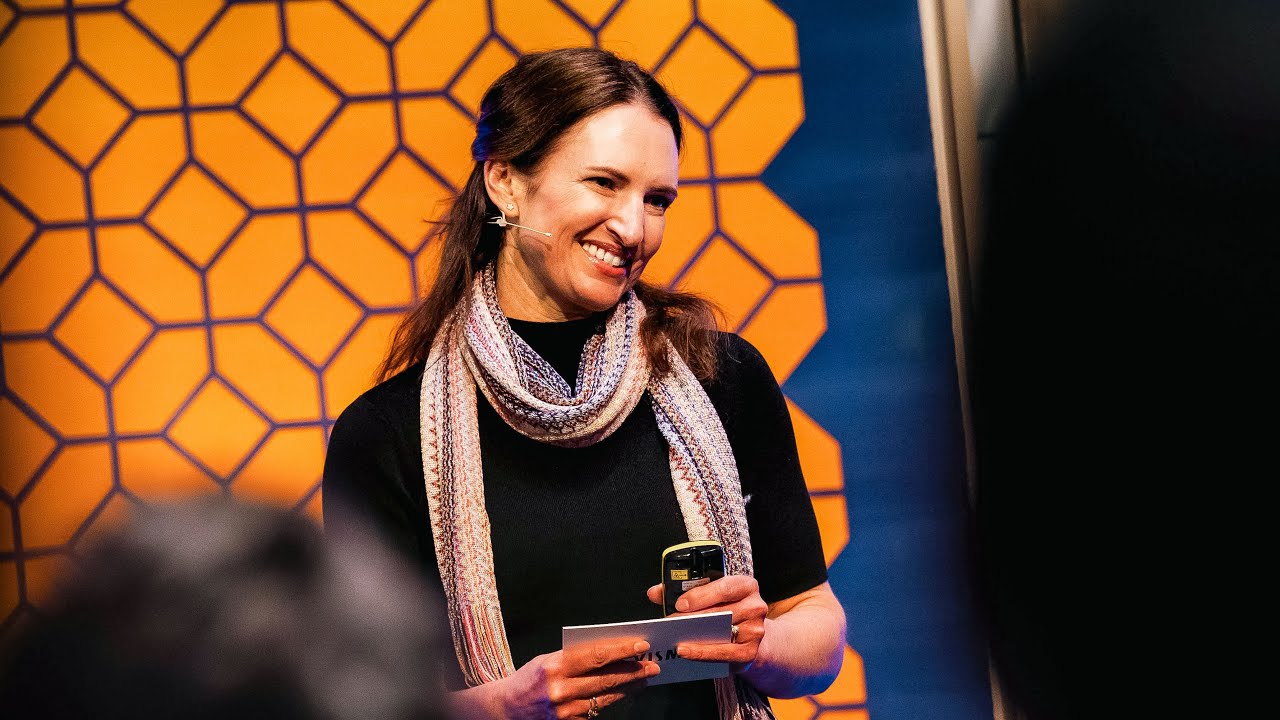
Merete Hverven - Visma | Investment Conference 2025 | Norges Bank Investment Management
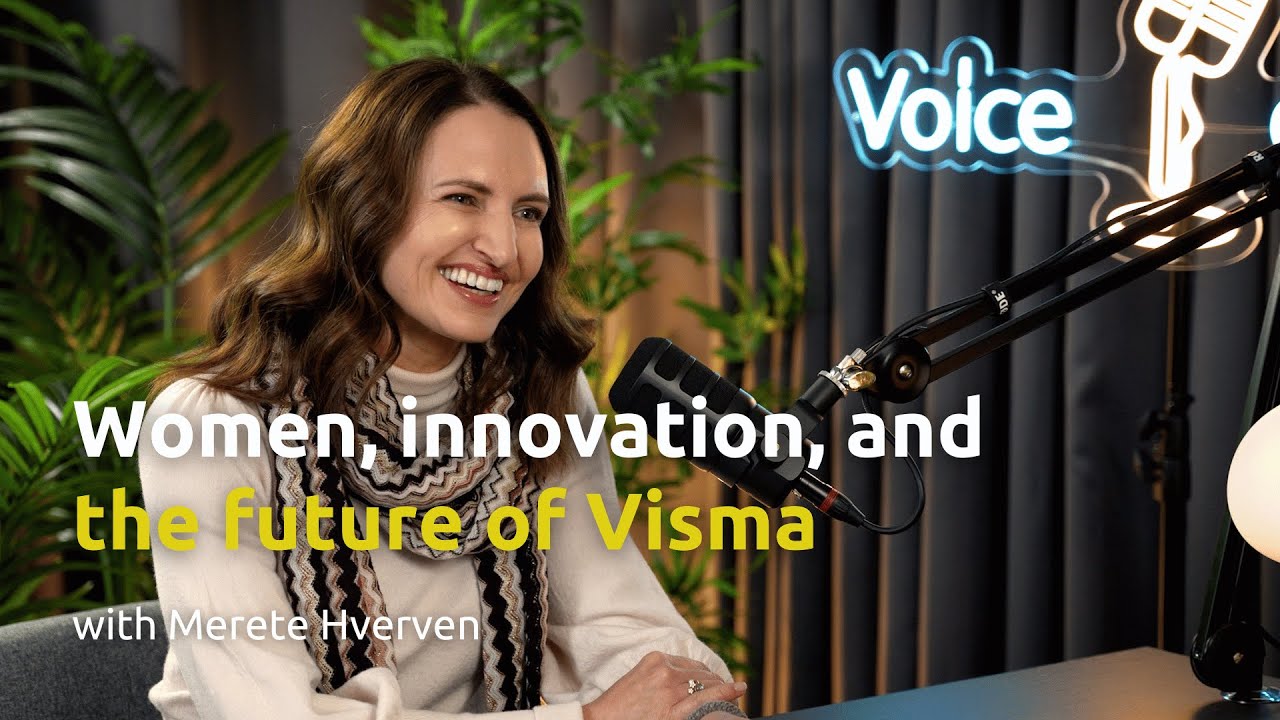
Ep 14: Women, innovation, and the future of Visma with Merete Hverven | Voice of Visma

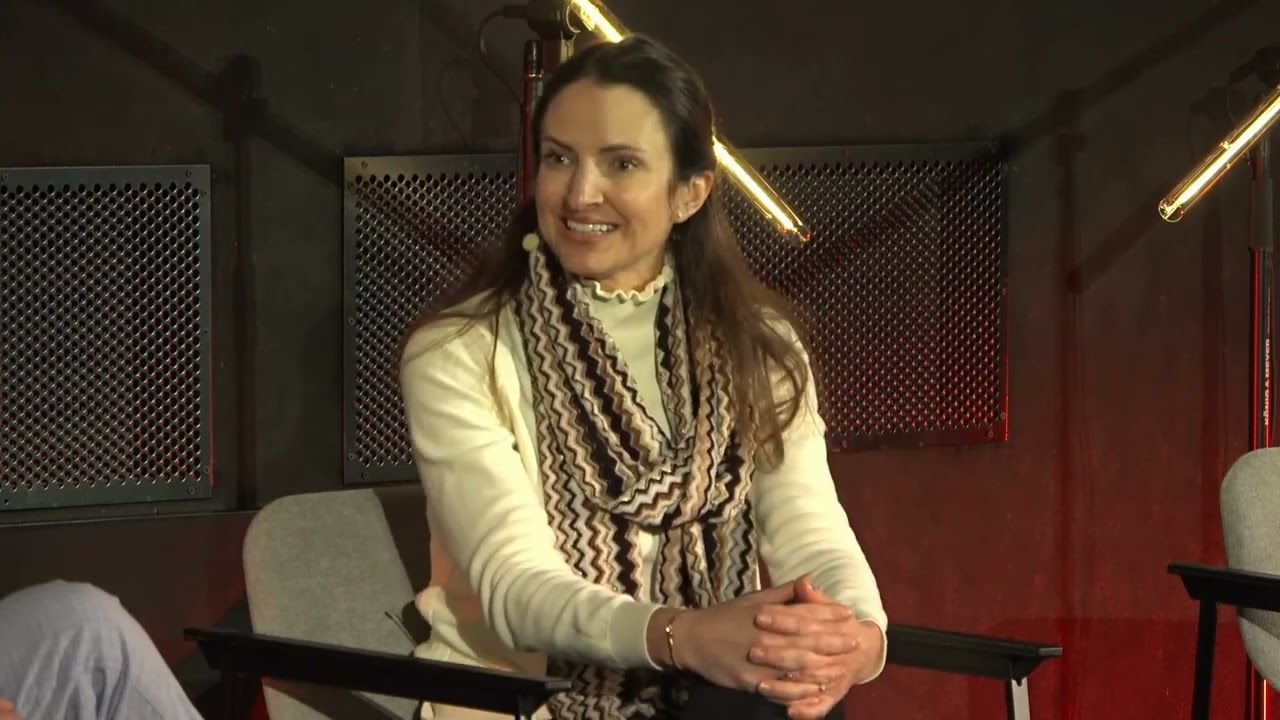
AllemaalDigitaal Special: The Future of Accounting: Visma's Vision with Merete Hverven