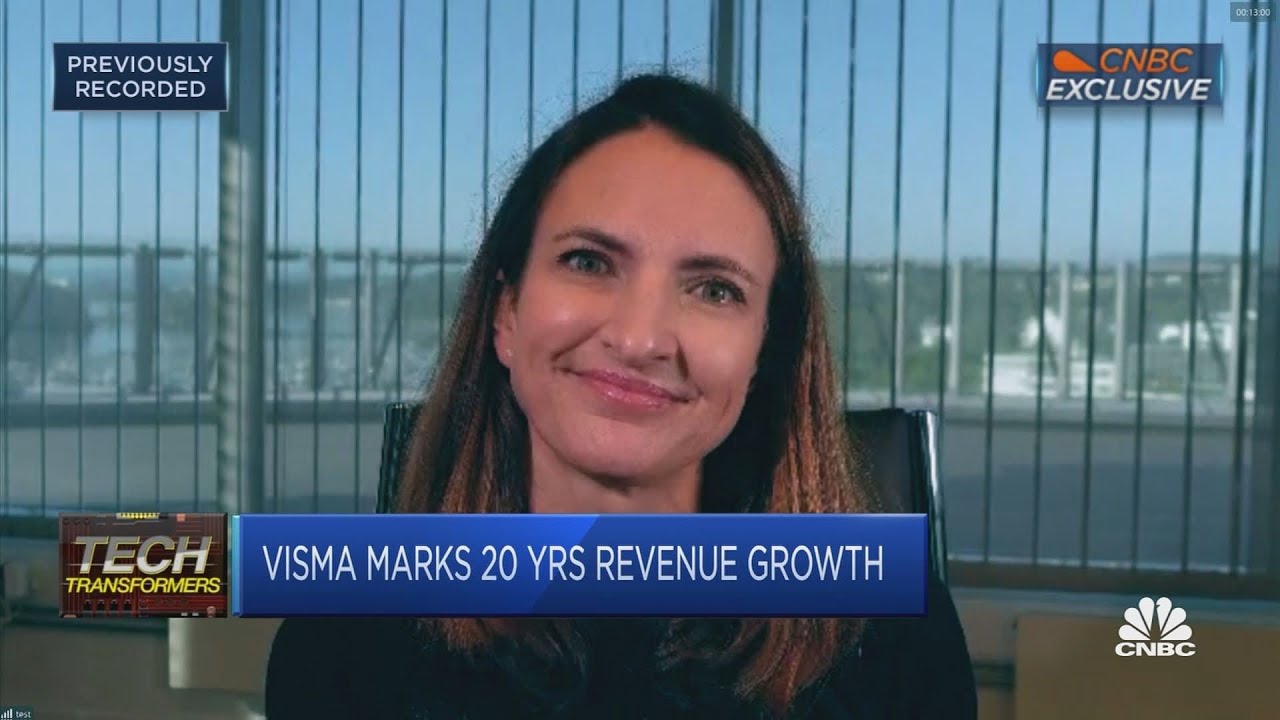
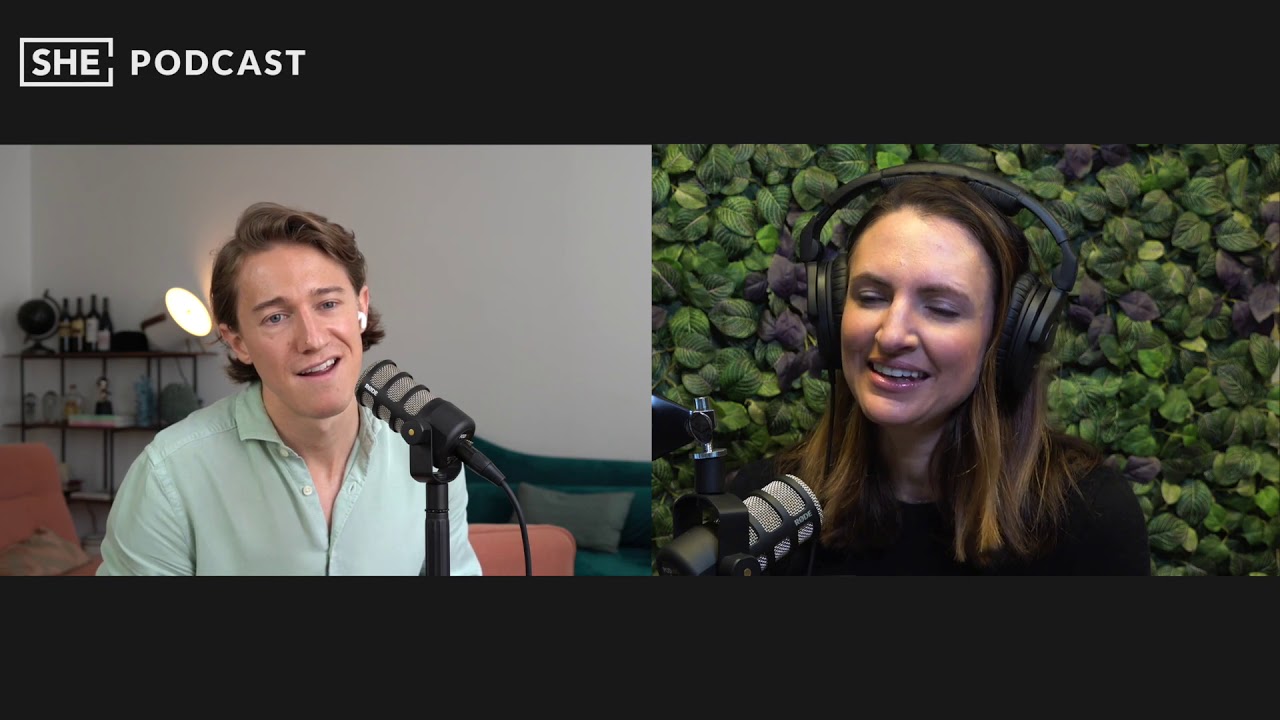
Leiderschap in onzekere tijden met Merete Hverven [EN]

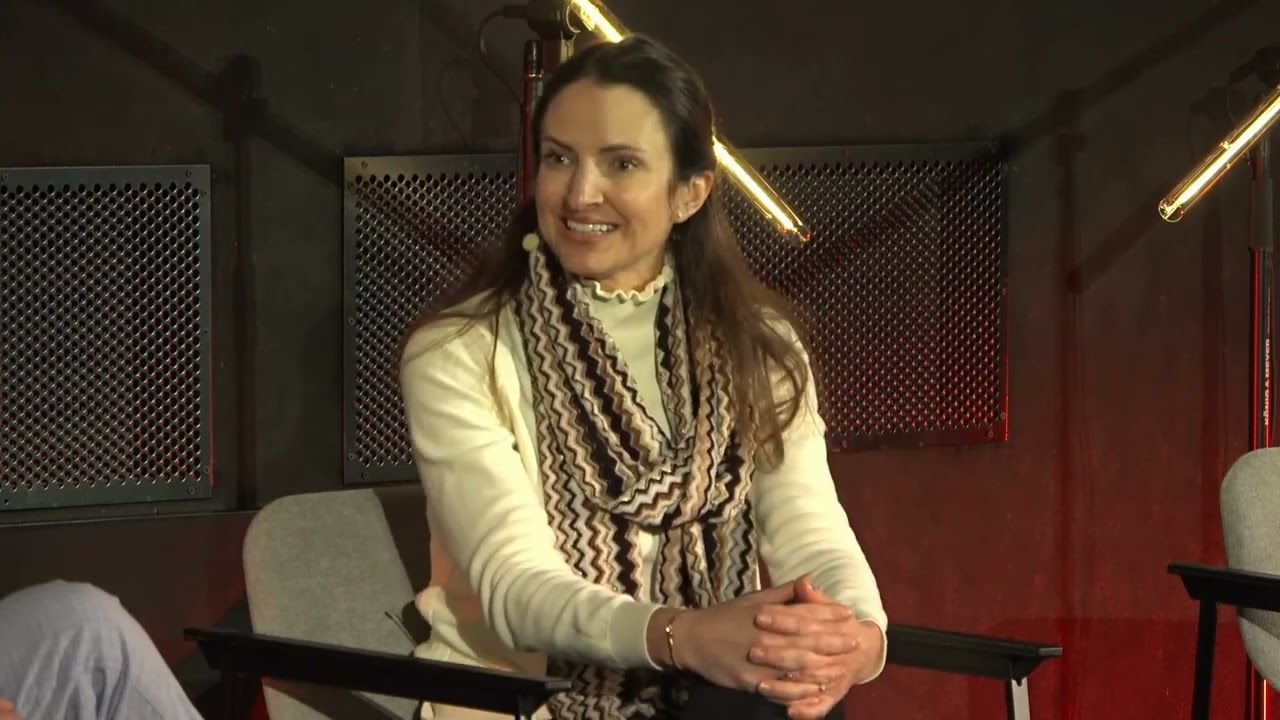
In a live interview at the Work Smarter event in Utrecht, Visma CEO Merete Hverven discusses how leaders can navigate today’s heightened uncertainty. She frames uncertainty as a continuation of historic crises, emphasizing that leaders must focus on employees, customers, and local communities to create a stabilising "safe haven". Hverven stresses the importance of personal morality and core values—truthfulness, straight‑talk, dedication, responsibility, entrepreneurship, and inclusivity—as the foundation of culture. She outlines practical steps for risk preparation: continuous market listening, data‑driven decision‑making, building an agile workforce, and treating downsizing with transparent, respectful communication. Drawing on her own evolution from a micromanaging newcomer to a collaborative leader, she highlights common pitfalls such as over‑control and under‑communication, and notes that both introverts and extroverts can lead effectively if they leverage their natural strengths. Hverven advocates a long‑term, five‑year vision (the "tanker" analogy) while allocating daily time for strategic thinking. She also reflects on ego, describing her own humility and decentralized leadership model with 200 CEOs under Visma. Finally, she underscores the value of live events for human connection and ends with a simple billboard message: "Be kind to yourself and to others."
Chapters
Well, when we are leading in uncertain times, I think we have to take a step back and have a decent look at where can we have an impact as leaders. We can't change the world. We can try to make the world a better place, but we have to focus on our employees, on our customers, and our local communities. People often say that risk is what is left when you have analyzed and think that you know everything that's coming, and then something comes your way. Visma is doing really well. We're growing, engagement is sky-high, we have great products, but there's so much more to do.
Welcome to the Work Smarter Podcast. In this podcast, we help you get the most out of yourself and out of your business. We are recording live from the Work Smarter event in Utrecht, the Netherlands. So if you hear any background noise, now you know why. I'm joined today by Merete Verven. CEO of Visma, and as a CEO, Merete is responsible for 16,000 employees in 33 countries and an expected turnover of €2.8 billion this year. And that's €2.8 billion. And we are here today to talk about leadership in uncertain times. Merete, welcome to the podcast.
Thank you.
Uncertain times, that's where I want to start off. Well, obviously, President Trump just got elected, so the timing for this keynote is very spot on, I think. But let's first explore what that means, uncertain times, because it implies that back in the days, everything was stable and okay, and there were no disruptions. Is that true? Or, I mean, are we really living in uncertain times? How do you know?
Yes. So, of course, it's never been total stability. But if we look at everything that's going on in the world today, if you look at the economical and political uncertainty, we actually have to go more than 50 years back, ranging back to the Second World War too, where we had similar times. We have the war in Ukraine, Gaza, Sudan. The list is unfortunately way too long. We have more than 300 million people that are in need of Humanitarian aid. So, and you mentioned, yes, the election yesterday as well. So there is more uncertainty today than we have had for the past 50 years, unfortunately.
Yeah. Okay. And that brings us to leadership, because in your opinion, leadership is different in uncertain times, or how should we act as leaders?
Well, when we are leading in uncertain times, I think we have to, of course, take a step back and have a decent look at where can we have an impact as leaders. We can't change the world. We can try to make the world a better place, but we have to focus on our employees, on our customers, and our local communities. And in uncertain times, I do believe that people need someone to look to. that creates some sort of stability, even though there are uncertain times. So, being a leader in times like this, you need to pay more attention to your leadership skills, to your employees, to create that safe haven that everyone is looking for.
Yeah. What about morality? Is it important to have an opinion on what a better world looks like?
I think so. I think so. Every day when I go to bed, I make sure to sort of think about that if anything would come in tomorrow's newspapers, I would stand strong. Because even though you're a leader, you're still a person with your values. You have to stay true to who you are. And you have to make decisions that you can stand for, that your kids can read in the newspaper and you have an understanding as to why you did that. Morality is extremely important. And as leaders, we're culture barriers. So, the culture you want to create in your company, that's the way you need to act.
Yeah. And what are some values that stand out for you? Are there one or two things that really are like non-negotiable?
Yes, I think it's very simple. Think straight, talk straight. I have a clear principle. I never lie. I always tell the truth.
But that can be hard because lying— Lying can be attractive sometimes to talk around things or to have a hidden agenda. But you say talk straight and—
Think straight, talk straight.
Yeah. Okay. Yeah.
I think, yes, in the short term, maybe you would like to sort of put forward a lie because it's easier. But in the long term, it doesn't last. So, of course, as leaders, we can't say everything to everyone. But what we say, it needs to be the truth.
Yeah, yeah, interesting. So, what about values for smaller companies? Because if you're a bigger company, you usually have more resources to strategize, to think ahead, to think about these big subjects and big themes. But for a small company, You think they also need values?
I definitely think so. So, either you have 2 employees or 16,000 like we have, you have to think about what kind of culture you want to create. And culture, it might sound extravagant, but at the end of the day, culture is just the result of actually who you have recruited and who you have in place in the company and what they aspire to be. So, being very clear, like, our values are that we're dedicated, we're responsible, we're entrepreneurial, and inclusive. And we live by those every single day. That's important.
Yeah. If we go back to the topic of leadership in uncertain times, there's a saying, winter is coming. You might have heard of it. How can we prepare for winter or for bad times? Do you have any hints?
I think it's very important to prepare. People often say that risk is what is left when you have analyzed and think that you know everything that's coming, and then something comes your way. So, of course, we have to pay attention as leaders to the markets. What do the customers need today? What do they need tomorrow? Keep them close, gather data. We have to make sure that we take care of our employees, definitely. Definitely in uncertain times as well. And then you have to adapt proactively. You have to be aware that things might happen. None of us saw COVID coming. None of us knew that the war in Ukraine was coming. The list is long. When it happens, you have to have created a culture where you adapt to the shifting circumstances. And then you have to create a workforce that is agile and that feels secure in times of change. Change might be the new stability.
Yeah. And what about downsizing?
Well,
if you need to let people go, I mean, that can be very painful.
That is very painful. Uh, definitely.
Have you been through that? Or, cause you're always expanding and growing and acquiring and getting bigger and better, but—
Yes. So in Visma, I would say too, for the most part, being in a growth business is, uh, A lot more fun than being in a business where you suddenly have a turnaround. But I also have experience from being in turnarounds. And of course, if you— if things happen where actually the business is in a rough spot, that happens, of course. Mm-hmm. Well, then you have to gather the employees. You have to tell them what's happening, why it's happening. And then you have to treat everyone with respect in that process because If you have to downsize, if you wouldn't, well, maybe you would go out of business. So, it's all about doing right by your customers and employees in the situation you're in.
Yeah.
Yeah.
Okay, clear. What about entrepreneurship and leadership? Because as I told you when we were preparing this interview, I think a lot of entrepreneurs, they just start a business and then They start growing and then they find themselves in front of a group of people and then they're supposed to be leaders. So, everybody's looking to them for answers. What are your observations about that or your— what's your advice for those entrepreneurs?
Yes. I think actually either you're an entrepreneur or you lead larger companies. Most of us that become leaders, we haven't done that education. So you have to learn along the way. And I think it's fair to say, don't be so hard on yourself. Nobody's perfect. I can promise you the first time I was a leader, it's more than 20 years ago, I was a terrible leader. I micromanaged. I felt like everything had to be perfect. All emails that my employees sent, I wanted to be on CC. I'm the exact opposite today.
Okay, wow.
But I had to do a lot of learning to get there.
Yeah. So, you were micromanaging and what role was that?
Well, actually, my first leadership job was that I was leading, I was leading a small team to recruit graduates from the school back in the days in EY. Yeah.
So, if we go a little bit further back in time, do you think that as a kid you were also already a leader or? Do you believe that there are like natural-born leaders?
I believe that a lot of people can become leaders, but it's about being interested in getting the most out of the people around you and all the time learning and treating people the way they want to be treated. So, I think my development as a leader, for the most part, I'm very passionate about leadership. Read a lot of things, research. I also have taken several educations, coaching, leadership certifications. But at the end of the day, I have a lot of leaders around me who I've helped, who I've coached that don't have any of that. But what they do have in common is their passion to get the best potential out of their employees and to create a culture where people dare to give them feedback. And then, they learn from the feedback that they perceive.
Yeah. Yeah. What about common mistakes? What do you see?
A common mistake is micromanagement. I think the first time people become a leader, they feel like, now I have to know everything. As you stated before, when people come up to you in the beginning, you think you have to have the answer. As you become a more educated leader, you know that there's not one right answer. You don't have to have all the answers. You actually develop people a lot more if you help them to find the answer, not always tell them the answer. So, just not being so hard on yourself and actually not as hard on your employees. Let them try. Let them fail. Let them learn. That's much more inspirational. And they actually grow their potential much larger.
Yeah. What about introverted people?
I have seen many introverted people that are great leaders. So I'm extroverted myself, but in general, it's more about if you're an introverted leader, the difference between introvert and extrovert is just where do you get most energy. Introverts get more energy by reading a book and being more alone than extroverts. They get more energy by being surrounded by people.
Yeah.
Both of them can be great leaders, but you have to make sure that you find room to get the energy. It just takes a little bit more energy, but you can still be an amazing leader. leader. Introverts are more often better at listening while the extroverts are better at talking, but they also get energized from talking with people. So, there's whatever style you have, you can become a great leader, but you have to be passionate about developing people around you.
Yeah. And what about undercommunicating? Because I'm an entrepreneur myself, this is one of the big critiques I always got. Like, you never really say what's in your mind because I'm an extrovert. But I forget to take people on board and commit them to my plans.
And that is a very common mistake. I can feel that myself as well. I have one basic rule: communicate, communicate, communicate. And when you feel like you've repeated yourself an enormous amount of time, communicate some more. Because when we tell people about the strategy, where we're going, We've already been thinking about it for quite some time. It's been going on in our heads. So, you're sort of finished with it, and you just want to tell people. Well, they also need time to get it in their heads and to think about it several days and then hear it once more. So, reminding ourselves that they just work exactly the same as we do. So, give them time and repeat.
How far in the future do you look? Because this is another common critique I got, like, I was too much in the here and now. I was leading a group of 20 people and the critique I got was like, one day we're going left, the other day we're going right, and then the next day it's the other way around. That doesn't really work well. So, people want a, like, a clear vision of this is where we're going.
Yeah.
But usually as an entrepreneur, there's a lot of shit coming your way. You have to fix all these problems and you get caught up in the daily hustle. And then you forget about the bigger vision.
The long-term picture. Yes, I understand. And I can feel that also myself, that too much of the day goes by where you're just trying to handle your to-do lists, whatever comes your way that you need to handle. So I try to set aside 1 hour every day where I need to focus on the long-term. So my perspective is a 5-year focus. I usually look at Visma as a tanker. You have to have a very clear end to where you're going. But on how you get there, you can move left or right in the small things. But if you're moving left and right with a long-term 5-year strategy, that does not work. So, you have to sort of look at the differences from going to the left and right on a day-to-day basis, but the tank ship always has to move in one direction.
Hmm. Clear. Is there anything you are still working on as a leader?
Oh, all the time. All the time. I can still be better at communicating. Being at an event like this, Work Smarter Today, I get so energized being able to meet lots of employees, but also lots of customers giving feedback how we can do better. So, I usually say Visma's doing really well. We're growing, engagement is sky high, we have great products, but there's so much more to do. Also, with respect to my Yeah.
And what about ego? I'm not sure if we speak the same language. I mean, the word ego can mean a lot of different things to different people. But in general, you see, like this Trump guy, I mean, obviously, that's like the big ego. It's all about him. And maybe men in general are a bit more like this. That's a different topic maybe. But would you comment on ego?
Yes, of course, I can comment on ego.
How to balance it?
Well, I think as a leader, if you want to become a leader because you want to be in the lead, you want to be seen, that's not the best way to actually be a leader. Personally, I never had a goal of becoming a leader. My goal was to create value and get the best out of the people around me throughout my whole career. When we needed a new CEO, I did not apply. I did not think that I was the right one because I've always worked on making others look good. I really don't have to be the one in front being the face of Visma. And I think that that is one of the successes of Visma. Even though I'm the CEO, I have 200 CEOs in Visma. And I love being in dialogue with them. I'm not hierarchical at all. And I think that is the way of the future, especially in a company that is driving lots of amazing companies that are entrepreneurs. We don't like to be told what to do, but often with the right data, if people show you some data points, you find out what's right to do. So, I don't have a large ego, and I'm actually quite happy about that.
Yeah, because people want to take a picture with you, and they look up to you like you're the, you're the The big decision maker.
Yeah. But even though I'm the big decision maker, I'm not perfect. And in general, I think people want connection, not perfection.
Nice. Well, talking about connection, we are here on a live event and that's, that's special because we're living in a digital world. I would like to get your quote on live events. So why should people come to Work Smarter? What value is created here in your opinion?
I think I would say what I just mentioned. People love connection. That's what they want, not perfection. So today, being able to come together and meet, get to know one another, that's when magic happens. During COVID when society was locked down, we were much more productive on average as a society. But I do believe that we were productive on our to-do list. All the innovation, everything that you wouldn't put down on a to-do list, the long-term thinking, the creativeness, that happens when we meet.
Yeah.
So that's what's going on here today.
Yeah. You have to zoom out and connect with people and that brings you further.
Yes, it does.
I have a closing question for you. You are invited to put a message on a billboard. So we're going to put a billboard by every highway in Europe or maybe in the world, and you can send out a message to all entrepreneurs. Is there something that stands out? And you can take your time.
Well, being an entrepreneur is difficult. There's lots of responsibility. You have lots of day-to-day tasks and the world is changing. So on the billboard, I would write, be kind to yourself and to others.
That's beautiful. Thank you, Merete. And that's a wrap for this episode. And if you were watching or listening, thank you for your attention. Be sure to check out the other episodes of this podcast. And till next time, thank you again, Merete.
Thank you.
More from Merete

Merete Hverven and Mark Schneider | Panel discussion | Investment Conference 2025
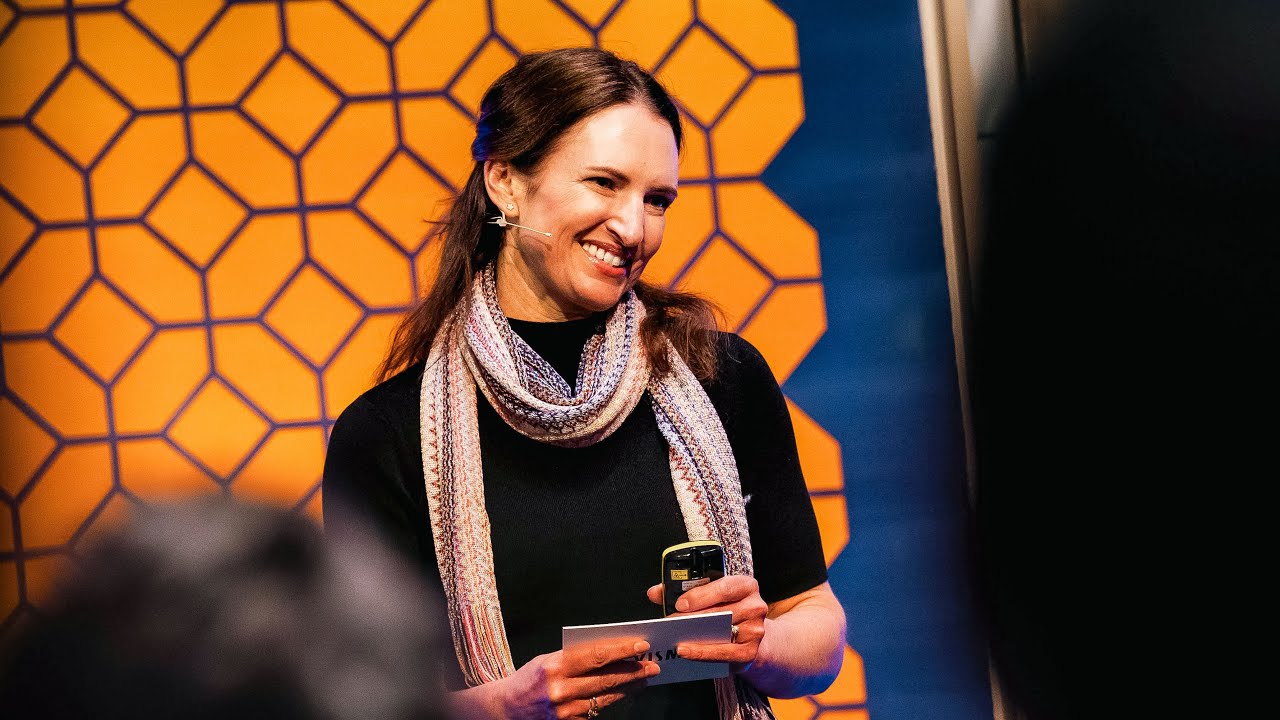
Merete Hverven - Visma | Investment Conference 2025 | Norges Bank Investment Management

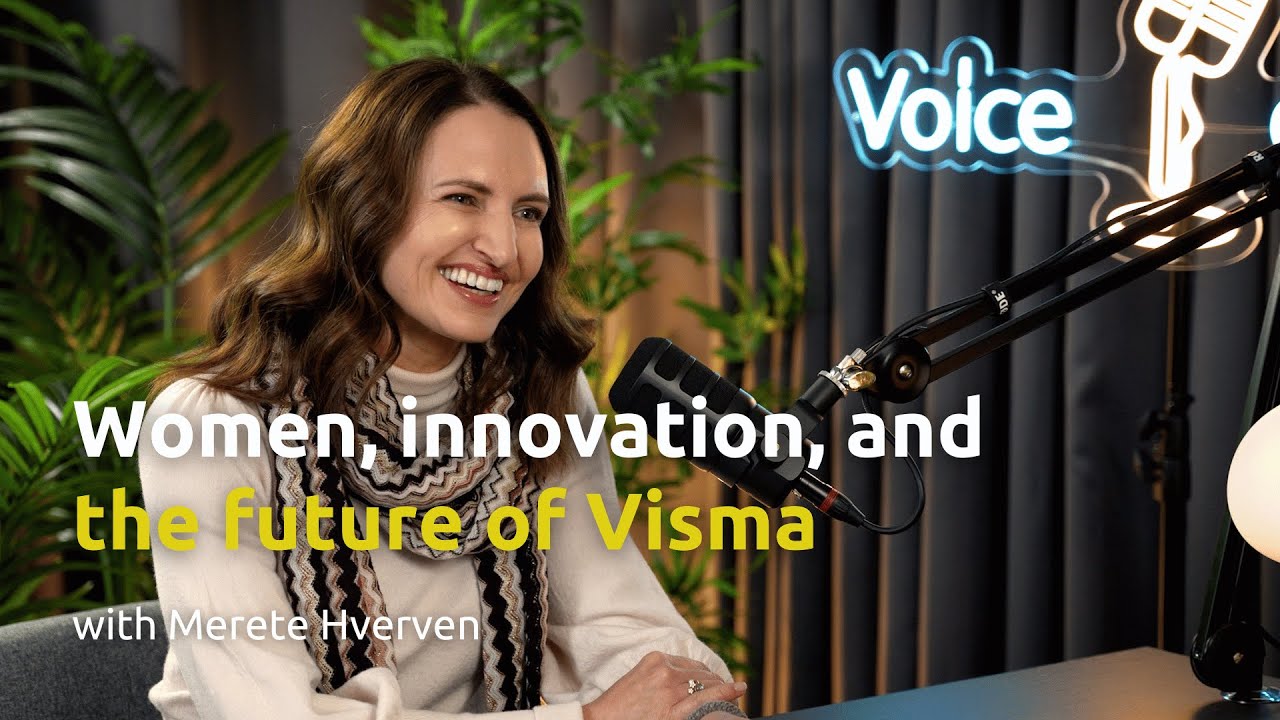
Ep 14: Women, innovation, and the future of Visma with Merete Hverven | Voice of Visma
AllemaalDigitaal Special: The Future of Accounting: Visma's Vision with Merete Hverven