SalesLabX Webinar: Salesforce+Pardot 2023 Planning
In this 2022‑10‑25 SalesLabX webinar, Milton Antony guides marketing, sales, and operations professionals through best‑practice planning for Salesforce and Pardot in 2023. He begins by establishing a clear marketing‑to‑sales funnel framework, defining essential KPIs such as website visitors, prospects, MQLs, SQLs, opportunities, and closed‑won revenue, and explains how to calculate conversion rates and velocity at each stage. The session then dives into the sales‑marketing handoff, emphasizing lead assignment rules, qualification criteria, and shared visibility. Milton details the Pardot‑to‑Salesforce data flow, covering UTM capture, the distinction between leads and contacts, page‑view and completion actions, and how these feed into Salesforce campaigns and multi‑touch attribution models. He outlines how to build effective sales cadences with real‑time lead status tracking, and demonstrates Pardot Engagement Studio automation, highlighting common pitfalls and optimization tips. Reporting and analytics are covered through recommended dashboards that unify Pardot and Salesforce data for executive insight. An implementation checklist and a list of frequent mistakes provide a practical roadmap for teams preparing for the new year. The Q&A segment addresses audience questions, notably the inability to send SMS directly from Pardot and the recommended workaround using third‑party plugins that trigger SMS via Salesforce fields. Milton closes by promoting the Pardot Prodigy training course, thanking participants, and encouraging continued community engagement. The webinar equips attendees with a comprehensive, actionable plan to align marketing automation with sales outcomes for 2023.
Chapters
And then I will pause and ask. I love the two way interaction. I love the cameras on. If you have any questions, feel free to raise your little hand. If you do have your hand raised, maybe you can, you can put them back down so I don't have to take an extra Adderall this morning. And then we can. And then we can go ahead and get started here. So let me go ahead and share my screen. I am. Because I usually forget the sales pitch. I am not a big slide deck guy so I am going to kind of like use it tangentially. But if you have any questions about the deck, the deck will be sent out and the recording will be sent out too. Cool. Awesome. So I'm going to go ahead and get started here. Everybody can see my screen.
Yeah.
Okay. Awesome. So my name is Milton Antoni. I work at Sales Lab X here in Austin, Texas. Sales LabX is a certified Salesforce partner. So we work very closely with them on staff. We have certified Salesforce admins, certified Pardot admins, certified Salesforce architects, and Pardot specific designers and coders for things like landing pages, email templates, forms, infographics, things. Thanks Rosa. Austin. I can. But then I can't see y' all because it takes over my whole screen here. How about that? A good compromise in the middle and then maybe I can hide this. But yeah. So where we're a little different from others in our space is we don't actually do hourly or project based work. We think that's the wrong incentive when it comes to automation and attribution and all the stuff that we're talking about now. So we actually have a flat rate subscription model where you pay one flat rate every month and you get unlimited access to all of that talent to design, strategize and execute in your live environment. So not just strategy, but also execution of things like landing pages, emails, forms, infographics, attribution reports, sales queues, zoom info to Salesforce to part out integration, all that fun stuff. But instead of paying by a project or by the hour, we actually have a subscription basis where you have unlimited access to all the talent. We think it's a much better aligned economic incentive and with our growth rate, we think the market agrees too. Okay, last pitch before we get started. If you all like what you see here. Next week we do have Pardot Prodigy starting. I will be teaching. It's a six week master course where we go through start to finish everything Pardot. You also get unlimited one on one sessions with me for the entirety of the six weeks. So, you know, I think Lynn, who's the sales rep who will be following up after this with the recording will be giving will be giving you a little special coupon code. So if you do want to get started next week, all the sessions will be recording. It'll record it. It'll be at the same time every day for the next six weeks except I think for Thanksgiving. If you're in the U.S. do how do we get, when do we get your contact info? I don't know, Steve. That sounds like a dangerous thing. I don't know. You will get information after this sent to you with the recording. You'll get Lynn's contact information. I am a horrible email replier but I do jump on sessions all day long. So we'll be reaching out and you'll have our contact information. Cool. Sales pitch over. That's the end of the sales pitch. So Lynn, I got it out in the beginning. So today we're going to talk about a couple of my favorite things. It's going to be very high level. If you all have any questions about what I'm saying, feel free to raise your hand and I'll get to you or ask me in the chat. I'm a big proponent of words of affirmation. That's my love language. So feel free to like give me some compliments in the chat if I say something that's entertaining to you. Okay? Okay. So today we're going to get into a couple of things that I think is super critical for Salesforce and Pardot. This is mostly for marketers, sales and operations roles. So because we're in this unique position where we're actively managing millions of Pardot prospects and Salesforce leads and contacts for accounts around the world, we have a unique data set of what's working, where friction is for growth in most organizations, et cetera. And what I'm doing today is I'm going to go through some of the things that we've found that is the biggest inhibitors for growth. Okay, so what we're going to talk about now is we're going to talk about defining KPIs. What are the KPIs you should be tracking, how you should be tracking them and why the definitions are so important. One of the fundamental things that we see with Salesforce, Pardot, Marketing and Sales is that, and you know, I'll say that over 96% of our accounts are B2B with extended sales cycles, multiple decision makers. So we kind of have a narrow band of proficiency, but we Help all sorts of people using Pardot and Salesforce. But in that unique audience, what we've noticed over and over again is that sales and marketing a lot of times is used to this legacy way of selling and discovery where sales and marketing lives in a silo. Sales does its thing, marketing does its thing and then the both two worlds onely collide. Maybe you know, QBR once a quarter. Right. So one of the first things that we want to do is that we want to what we call have definition sessions. Right. So everybody's using the same language. You would be surprised how much can can be solved by just everybody having the same definition of an mql. Right. So we're going to go through what we think those definitions mean. We're going to talk about tracking attribution in the different stages of the sales cycle. First touch attributions, last touch attribution, all that fun stuff. And then the handoff between sales and marketing. And then if we have time, we'll talk about automation and experimenting at scale. The big tools I'm going to be using today is Salesforce reporting. I'm a big data nerd so everything that I talk about is going to be coming from the place of data. You know what we've noticed is marketing in a lot of orgs is very data driven. Like extremely data driven. Maybe a little bit too data driven a lot of times. Right. In their quantitative analysis and in sales sometimes it becomes a black hole of data. It's a very gut driven industry. It's a very. And you know I've run sales ops and sales teams before so I'm talking about myself here too. So we really believe that Salesforce repeat of reporting can really bridge that gap. We're going to talk about Salesforce campaigns which is crucial to everything that we're talking about here. No matter your industry. I don't care if you're a nonprofit. Salesforce campaign. Salesforce campaign. Salesforce campaigns. If you take one thing away from this whole conversation today, it's set up. I don't, you know, it doesn't matter how large or small or lean of an organ you are. Make sure you have Salesforce campaigns set up and make sure you have multi touch attribution modeling turned on in Salesforce. Multi touch attribution modeling turned on in Salesforce.
Cool.
We're going to talk about UTMs and lead source as far as top funnel and then if we have time we're going to get to automation through engagement studio. First step, let's all talk about the same KPIs right? To me, this is the whole game right here.
Right?
This is the whole game. No matter what your discovery journey is, no matter what you're selling, you need to have a really good understanding. And it doesn't really matter so much what you call these words. I need you to have a good understanding of these data sets. I'm going to use my definition that I use. So everybody's speaking from the same language here, but I want you to maybe raise your hand and say if you have a different definition of this internally, visitors, I call anonymous traffic to your website. Anybody who comes to your website top funnel, right? Prospects in a very traditional sense is somebody who gives you their email address. MQL Marketing qualified Lead. This is somebody who marketing has deemed that they have done a hand raising event and they have said I would like to have. I am qualified for sales to talk to me. Because the whole name of the game is protecting human beings. Bandwidth and sales reps. You have a certain amount of bandwidth that the sales reps can do every day. And what marketing's job is to do is to make sure that that bandwidth is protected. And marketing is only like raising to the top the leads that are highly qualified for marketing to be reaching out for sales to be reaching out to that signifier we're calling marketing qualified leads. Now there's two big things to marketing qualified leads. One is activity based, so that's called scoring, usually what somebody has done. And then there's what we call grading. That's who somebody is. If somebody is coming from an organization that is two people. And your ICP is like your minimum spend is a million dollars. That person isn't somebody your sales reps needs to talk to. Not because they haven't done the activities required for your sales rep to talk to them because they're not your ideal customer. Right? So usually MQL takes both of those into consideration. Is this person my ideal Persona? And is this person has, have they done enough hand raising events in order for them to be deemed quality for sales to be reaching out to them? Does anybody have any questions or concern on defining what an MQL is for themselves? I would love to hear some of that. You can raise your hand or there's a disagreement between what marketing considers an MQL and what sales does? How do I come up with my MQL criteria? Any of those standard questions so the group can hear that they're not alone in this conversation. Pro ship, I see your hand raised. I don't see your Name but I see your hand raised. Did you? Okay, Pro ship I am going to go to the next person with the hand raised. JK
Hi Anthony. It was a good session. So I just wanted to understand when we talk about the marketing qualified leads, what through Pardot we qualify a lead, let's say a prospect. Similarly, there are possibilities of the SQL so Salesforce qualified lead, will there be any kind of a clash between these two?
Okay, so the definite. So I'm going to put away what market, what Pardot considers MQL and what Pardot considers SQL for a second. Right. We're going to use what your org defines as an MQL and SQL. Jk, what do you consider an MQL in your organization? Or do you want to talk about Cardot's definition?
Yeah, in part our definition if customer is showing an interest on our product.
Okay.
So there are certain parameters. So we have certain parameters that we take from the customer where we qualify that particular prospect. So in a way we identify that customer seems to show more interest on that based on the activities. The way that he goes into the website looks into as many times to that product and we qualify that customer as a qualified lead.
And what about an sales accepted lead or SQL sales qualified lead, which is what you were calling.
Well, so that is where we have the bridge between these two is pretty much not straightforward. So that's the reason why I asked you question how are we going to. So let's say for sales qualified the criterias are different from the product request parameters that has been sent. So how are we going to patch these two? Bridging is kind of broken there. So how are we. So how is Pardot is considering this?
Okay, cool. I'm going to get to that. When we talk about the marketing sales handoff I think I have a good understanding and then I'm going to also. So just to frame for everybody else. Right. Basically hey, marketing is deciding this is marketing qualified sales has a criteria of when they want to start working on it. Is there a disconnect sometimes? Or how do we have a unified language where both are agreeing on what something is and the key JK is having a feedback loop with marketing and sales. So it's an iterative model. There's no answer to this. Right. There's two opinions to this and we need to have make sure that we have our reporting structure in place where we can actually track and we can iterate on this because like you know, marketing lies, sales lies, numbers don't. Right. So we need to make sure. That we have. We're all singing from the same hymn book and we have a feedback loop. And I'm going to show you how we can set up that objective feedback loop.
Cool.
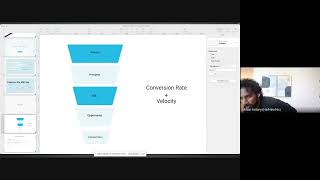
Okay. Because I bet you that's what everybody has that question to. I'm going to keep going. Nina, I see your hand raised. Leave your hands raised. And I'm going to answer and Unified cloud. I'm going to answer a couple of questions and I'm going to come back to you. Okay, cool. Now, so we have MQLs. This is when, like JK was saying, marketing has decided that somebody is qualified enough for sales to start talking to them. Then we have the golden conversion metric. Right. The big kahuna or whatever. I don't know. That is right. But MQL to opportunity. This is the big. This is the big thing. This is the huge thing. This is where it goes from marketing's hunch to revenue in the pipe. This is where sales gets all hands on deck. This is where it becomes real. Right. This is where we actually start hitting revenue attribution. So this is when a. Usually what happens is when sales has deemed this enough for them to start actively working the deal. And I'll talk about that here in a second. What does it mean by actively working a deal? Okay, so that's an opportunity. This conversion is a huge deal. I would say one of the most important deals. Then when somebody gives you money or they buy or they donate, whatever that criteria is, whatever that revenue criteria is, that's usually considered a closed one. Opportunity. Now, these are the five levers that I want you to have a deep, thorough understanding of and I want you to have visibility to. When somebody comes to you and tells you, I need revenue to go up or I need MQLs to go up, or I need better leads or I need blah, blah, blah, blah, blah. That's noise, right? So take that out of your head. And then I need you to deconstruct it and think, what part of this funnel are they asking for? And there's two things that I want you to have a thorough understanding of in every stage of this. One is conversion rate. How many people land on your website and out of those people, how many people give you their email address? That's your conversion rate from visitor to prospect. How many people give you their email address? Oh, I love the questions already. What's a good ratio from MQL to op? Let's go. Okay, so then I'm going to answer all of these in the next couple of Slides. Then we have prospect to mql. Basically this is, they've done enough hand raising events where marketing has deemed it okay to send it over to sales. This is, it could be booking a demo, it could be downloading a white paper, it could be watching a YouTube video, it could be any of that. Then it's, that's. So how many people who give you their email address convert into an MQL? How many MQLs convert into an opportunity? How many opportunities convert into a closed one? So that conversion rate is the first layer of the whole game. You want to keep increasing that conversion rate. The second thing is what we call velocity. That's the speed at which it goes from here to here to here to here to here to here. When somebody comes to me and they tell me, hey Milton, we have a long sales cycle. And I say how long is it? And they tell me, well, it could be anywhere between three months and three years. Let's normalize some variables there, right? How do we take the, and I'll talk about that. But basically how do you shorten that, that, that, that velocity. So everyone's job, no matter what role you're in, is always two things. It always comes down to two things. Increasing your conversion rate and increasing your velocity. Now somebody asked a really good question in the chat, which is what is a good MQL to OP ratio? I'm not going to answer that right now. But what I'm going to do is I'm going to show you an example of a bad opportunity to close one rate, right? And then I'm going to talk about why it's bad. So here you can see I'm using Salesforce data and I'm using Analytics Studio, which is included in Pardot plus or higher, right? But then here's the thing that I'm. You see this right here? This account has a 50 closed win rate. To me, usually when I have above a 30 close win rate, that's a red flag in B2B above a 30 closed win rate. And what, how I'm measuring close win is of the opportunities that have been closed, either closed, lost or closed one, I take the total and I divided by the closed 1 number. Why is it bad when I have a 2? Like I love when I, I do sales trainings with sales reps all the time that's included in our subscriptions. What I do and they tell me, Milton, I have a 70 closed one rate. Why that's bad is what that means is that they're not putting deals into the pipeline early enough, they're not converting leads into opportunities early enough. Meaning that marketing doesn't have visibility to that deal till it's way down in the sales pipeline. If you, I can run one report. If you haven't done it in your sales org right now, run the average close time. If you see a bunch of deals that are closing the same day they open. Right. Or a week within the open, what that rep is doing is they're sandbagging their, their pipeline. They don't want, they don't want to put visibility to leadership till they know the deal is going to close because they don't want to get pressured on that deal. So they're not actually putting it in their pipeline until it's too far down the pipe. But that means that marketing is losing revenue attribution for a huge percentage of the opportunities that could be coming in. So too high of an opportunity conversion rate or too low or is still bad or still gives you an opportunity conversion rate opportunity for growth. But in average, anything above or below a 30% on B2B is what I want. What I call a yellow flag. I'm going to stop there and I'm going to ask for any questions. Unified cloud, did you have a question and Nina too? I did, but I think, I think, I think I got it. Okay, beautiful. We can come back to it and then. Nina, go ahead. My favorite.
Yeah, I'm gonna keep you busy today. We have multiple resources or multiple sources of visitors, if you will. And each one of those has a different type of definition for moving to Prospect or moving to mql. Can, can we do that with Pardot? Can we, can we handle that? Is that a different calculation or is that kind of something that we're going to have to go outside of Salesforce for reporting that?
No, you can do that. You can do that. I'll talk about if I have some time. In the end, I'll talk about how to have a more nuanced content based strategy on MQL criteria.
Okay, great.
Thank you, Barbara. Anything that I show you right now, I like to zoom out and zoom in. So Barbara's asked me, am I going to go deep into Salesforce and Pardot system? I am, but I want to give you high level and then hopefully people raise their hand and ask how to implement that. And then I'll dig into the Salesforce par dot system. But if you have any specific questions, feel free to ask them too. And Jose, I will come back to you in a second. So as far as defining KPIs and planning for 2023, I want you to do a very simple exercise before you get started, right. If leadership has given you a revenue target, I love pulling up a little Google sheet right here and building out a quick visualization of what if the goals are attainable or not. Right? So here you can see I need to get $157,000 in revenue. My ASP is $3,000, meaning my average opportunity value is $3,000. Right? So in order to get my $157,000 in revenue, I need to get 52 closed one ops. If my closed win rate is 30%, that means I need to have 175 ops in order to get that $157,000 in order to get my 157 ops. If I have a 35% conversion rate from lead to opportunity, I need to have 500 leads, easy, right? So if somebody asks you, I need to get $300,000 in revenue, double my revenue year over year. All you have to do is get me a thousand leads. If they tell you we don't have budget for new top funnel, then you need to go to mid funnel and say, okay, let's say that we increase this to 600, but we can increase that lead to opportunity conversion rate from 50 to 50%. So I would. And I know this is very simple stuff for a lot of y', all and it's very, it's very like you maybe have the data, but I love the exercise that they're simplifying it and playing with these levers. Because what this allows you to do is where is the lever in this sales cycle where you're going to get the lowest hanging fruit and the biggest ROI? Right. Why? Pardot is restricted to 15 attributions for completion actions. So really like 800 form fill, since the majority are bots or bad leads. Okay, I got some good technical questions there. I'll get back to cool. So I would love if y' all could do this exercise year over year and then maybe look at the number that you did for 2022 so far. If leadership comes to you and say, hey, we want to increase your goal, your revenue attribution goal by 20%. But like, but you know, top funnel ad spend isn't going up by 20%. You know the levers you need to be pulling and need to be efficiency in.
Cool.
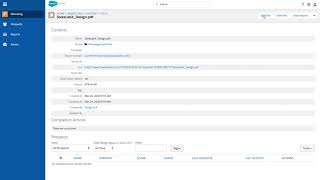
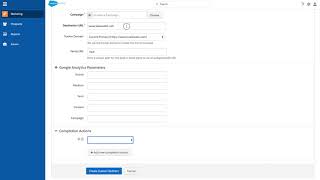
And I see your question about lead and contact person. I'll get to that here in a second. So the question here in the chat was, does lead Equal contact or future opportunity. A lead, usually somebody who has not yet converted to an opportunity. So I would say future potential opportunities, what I would consider a lead if we want to use those terms. Right. And I'll, I'll go a little bit deeper into the Pardot Salesforce model here, right, Because I know a lot of y' all use those two tech stacks, right? So this is usually what the flow looks like from the majority of orgs. Okay. Prospect comes in, right? Prospect comes into Pardot and then UTM parameters you're going to use in order to know what that lead acquisition source was or email acquisition source. Where are you getting those email addresses from? How are you going to get that data is going to be through UTM parameters. If you don't know what UTM parameters or UTM sources are set up a one on one session, we can chat about it. But your first touch is going to be knowing where your lead sources are coming from. Lead source is one of those like vaguely defined thing where I've heard a million different definitions of lead source. I like to call it instead of lead source, email acquisition channel. How did I acquire that email address? Okay. And usually the way you can tell that is through your UTM parameters. Pardot automatically captures first touch attribution using UTM parameters. You don't need any third party systems, you don't need anything like that. PAR. Using native Pardot forms will automatically catch UTM parameters for first touch attribution. That to me that's going to give you lead source, what I call email acquisition source. How did I get that email address then? So, so it's going to come in through UTM source to Pardot. Now marketing is going to send emails, do nurtures, do all of these things, right? Then what's going to happen is marketing is going to say this is a lead now or an mql. And what it's going to happen is that it's going to marketing assign it to a lead owner in Salesforce. When you assign it to a lead owner in Salesforce, then it gets sent to Salesforce as a lead. So your first thing is like we talked about up here. Okay, perfect. I will share a little bit about the connector. We might not time to go direct into such nuanced questions. But you know, you can always set up a session with us afterwards and Lynn will send you some information about how to do that. But okay, so now we send the leads over to Salesforce as a lead and now what's going to happen is sales is going to follow up with these leads or SDRs, which are like before sales. Right. This right here is what I call the black hole of data. Right this right here is where I lose almost a lot of my visibility. What is the sales follow up to those mqls that marketing is sending over? Is it three touch points over two weeks? Is it seven touch points over seven weeks? Is it one touch point? What is the sales cadence follow up? We've seen in general, it takes seven touch points from sales in order to convert an MQL to a opportunity. Seven just to even qualify that. Now what we notice a lot of times what what is happening is this is sent over to sales and then you're waiting basically to see how many convert into an opportunity and that's the end of that. But you don't have any visibility to what's happening between when you send an MQL to when it converts into an opportunity or not or when it's marked as dq. What I like to do is I like to set up a flow in salesforce and then set up either set up a salesforce flow or use a tool like outreach Sales lost salesforce, high velocity sales. All of these tools are basically sales cadence tools. And I want to build the cadence programmatically. So you can prescribe what a sales rep does based on what their source is. Right. So I forgot who was asking. I think Nina, my friend, was asking, right. What happens if somebody comes in through a webinar versus what comes in through a white paper? What I would do is either I would set up a salesforce flow or I would set up a, you know, purchase a tool like outreach or sales loft or Apollo and I would build a cadence of sales outreaches based on yes, this will be recorded and you'll be getting it afterwards. I would build a series of sales outreaches based on the source that they're coming in on. Then what I would do is I would build what's called an exception report. If the expectation from marketing to sales is marketing is going to send over x amount of mqls and sales was involved in deciding what that MQL criteria was. And, and, and, and you all have both shaken hands on that. Now you need to set expectation with sales on what sales follow up is going to be on that. So if sales follow up is going to be, I'm going to follow up within 24 hours and I'm going to have seven touch points for the next seven weeks. You need to be setting up a report in salesforce using tasks where you can see which sales reps are not following up in that cadence, then what you can do in Salesforce is you can set up an exception report where sales leadership or marketing leadership can get an email automatically once a week. With all the sales reps who are not following up with the cadence, there's no way for you to effectively track going back to jk, what is your conversion rate and if it's effective or not. Your MQL criteria. Unless you normalize what the conversion or what the process is after an MQL is sent to sales. Because if one sales rep is like saying, oh, this is a Facebook ad and the sun is shining too hot, I'm not going to follow up on this lead. And if another sales rep is saying, oh, Gmail addresses never follow up, your conversion rate is not going to be normalized. And it's very hard for you to get a real feedback loop on if that lead source is accurate or not. Once. Once. Once a lead is sent to Salesforce, Sales is going to follow up on that lead. That does not mean that marketing stops. To me, usually marketing is a full funnel partner. Seth, that's a great question. Basically Seth is asking, what is the statistically significant amount of data before it actually becomes important or not to track something? Let me get back to that. That that's a really good thing. A lot of times I see people like trying to analyze data sets of like 100 people or something and it's like you're. It doesn't really help. Set percentages are cool as long as the volume makes sense. I'm answering the questions in the chat, but okay, so now sales follows up on those leads. We need visibility to this right here. If you don't have it right. But marketing is still helping with deals with. With the funnel here, right? Marketing is still helping. Increasing velocity by stages and opportunity. Once a lead gets sent over to Salesforce, lead source no longer becomes important. My phrase, my phrase, my opinion. Sometimes I have a. I have a. I have a tendency of saying my opinions as a fact. But in my. In my head, once a lead gets sent over, right, we need to start using campaigns religiously every single time. Salesforce campaigns, right? And here let me get into a real world example of this because I told Lynn I was going to talk about Taylor Swift once in this conversation. Give me a second. Because that album was just geez. And the rollout strategy. So let me give you an example of the level of nuance I want y' all to have when we're talking about Campaign attribution things, right? So for us, a big thing that we've noticed that actually drives clicks is email signatures and sales reps and email signatures across the board. Email signatures, right? So if somebody clicks on an email signature, I want to see what type of traffic and the revenue impact that's having. Because marketing or Ops or whoever maybe built a white paper or a comparison doc and you're having sales put it on every email signature. I want to track the effectiveness of that because I spent time working on that. So what I'm going to do, you can see right here, my email signature. Y' all can see it says, ask me about my latest obsession, right? And it has a link here. Okay? What I've done here is in Pardot, if y' all are using Pardot, right? This is very easy to understand. I've gone into Pardot, I've created a custom redirect for that, right? So every time somebody clicks on this custom redirect, they get sent to this new Taylor Swift music video, which I love, okay? Now, because we live in peak capitalism and no part of my personality cannot be monetized, right? What I'm doing is that you see how I have a completion action here. I've created a Salesforce campaign to show leadership that my personality is actually a value add and not a deterrent, right? So what's happening is when somebody clicks on that custom redirect, I'm adding them to a Salesforce campaign. Now when I go to Salesforce, let me show you my Salesforce campaign. I built a Salesforce campaign. And anytime somebody clicks on that custom redirect, they're automatically added to that Salesforce campaign. And now if any opportunities ever are influenced, either before the opportunities open or after the opportunities open, that campaign and that custom redirect click gets credit for it. You see how all of this happens automatically. I'm not asking the sales rep to like, like track something or anything like that, right? This is happening all automatically. If you are asking your sales rep to add people to campaigns, you're doing it wrong. So now I get multi touch attribution on this campaign and I can tell how many do custom redirects track visitors to 100%. So I can tell how many people clicked on it, who clicked on it, how often they clicked on it, and if clicking on that influence an opportunity, no matter where in the sales cycle, that clicking on that or watching that Taylor Swift video influenced them. If I sent you an email and you're going to purchase a subscription from us, make sure you click on that first, right? So that that level of nuance is there. Is that this the only way to link part out data with Salesforce data? Absolutely not. Look at one more thing I'm doing here. Page actions, right? So you see right now we have the pricing pay, we have a wait list right now as you can imagine, with everybody moving to automation. Right? Let me. So we have this waitlist page, right? Our designers spent a lot of time on it. Marketing spent a lot of time on it. We built this waitlist page, right? Anytime somebody visits this waitlist page, we have what's considered a page action on our Pardot instance that it automatically adds them to a campaign that's called wait list just by them visiting the page. Right? So that's another way you can sync Pardot with Salesforce data. A question that I love is what JK said, which is what if an existing lead is converted to an OP and is a winning stage, who gets credit? The really cool thing about Salesforce and that magic word I told you, which is multi touch attribution modeling, right, Is that there are four different models that Salesforce has out of the box. Let me see if I can find you this, right? One of the models is what we
call
multi touch attribution, right? That multi touch attribution. What that does is if I'm part of four campaigns, no matter where in the sales cycle I am, all four campaigns get credit for that. And see, when you have an extended sales cycle, the sales journey or the discovery journey is no longer linear. People are not. No matter how leadership wants to believe that somebody goes to a conference and buys the next day, that's not how that happens, right? People go to a conference, then they see a web paper, then they go to a webinar, then they see a LinkedIn review, then they maybe purchase. Nina is asking, do all four of those touch points get equal credit? Yes, all four of those get equal credit. Or you can decide which one gets unequal credit if you want. That's called a custom data model. But out of the box, like one flip of a switch. Even distribution model, all four get credit. If you're not doing that right now, you need to do that right now. Today. Very easy. It's literally one flip of a switch, you get four equal distribution variable. I'm going to talk about gdpr. Cool. So everything after lead is going to be considered campaign attribution. One of the things I want you to do today, if you have not already define what all of these words mean to with sales what is a lead? Jk, you're already a little bit ahead of it. What. What is an mql? What is influence considered? You see that example I just showed you where somebody visited the page and marketing got credit for that? You think that should happen? Here, let me show you something else we're about. We send out a newsletter every. Everybody's like, yes, yes, yes. Right here. I can tell we have a lot of marketing people in the room. JK Objective. I like it. You see every time we send out a par email here, let's see. View report here. This just went out. So open rates are not finalized yet. You see how we have a completion action. When somebody clicks on an email, they get added to the Salesforce campaign, meaning that this Salesforce campaign gets credit. Now we can also. Okay, now we can say. I love the comments. Sorry. We could also decide, hey, we don't want it to be just when somebody clicks, but also when somebody opens. You know, that's going to be a lot more. Should an open count as marketing attribution or should a click count as marketing attribution? There's opinions to this, right? Both. Everything. Looking at the website the wrong way, you know, it's so funny. I. I know I have some Salesforce reps on here, so I'll make fun of them. If you go to the Salesforce website, I do this out of love. Salesforce reps. If you go to the Salesforce website and you look at the website the wrong way, your rep is going to call you, you know, because they have page action set up where if you visit a page on their website, their AC or their AE gets a notification. If you have an open opportunity with us, and that opportunity is over 90 days in one stage, one of your sales rep will reach out to you using a page action. Couldn't you take both numbers against your balance race? Yep, you totally could. Guys, I think we're gonna run out of time, but I think we'll do a follow up because I want to go more into the details, but this was supposed to be a very high like kind of like setting the stage with criteria. But I have some awesome questions if you all do want to go a deeper dive into everything. Part of our Prodigy starts next week. We go deep dive into every single thing that I talked about right here and implementation and you have unlimited one on one sessions with me to go back and forth, but I don't know if we can get that deep into it. Okay. Oh great. We already have some future Prodigy guests here.
Cool.
Okay. Before I get, before I finish here actually I'm gonna go into one thing. I'm gonna open questions. Okay. So if you don't already have, if you don't have on, I want you all to go into your opportunity record, right? And if you are an enterprise sales motion or a B2B sales motion and if you open your opportunity record and you do not see these fields in here, I want you to think about how sales pipeline management is doing. Right? You see this on our Salesforce instance. Every opportunity has to have these fields built in budget. Yes, we will be sharing it. We'll be sharing the recording. If you want to go deeper, dive part our prodigy next week, please sign up. I'll be teaching. You have unlimited one on one sessions, right. If you do not have this qualitative data in your opportunity record, I would definitely, definitely think about adding that for 2023. This is a great feedback loop of what lead sources and what like MQL criteria are actually helping you push the sales cycle down. Bant analysis. Exactly right. You got banned. And now because so many VC firms are like pressing all these enterprise sales motions. They're here. Yes. Free text fields required based on stage Liam required based on stage salesforce level. Jk.
Right,
last thing I'm going to show before asking for questions and if anybody wants to stay after I have a couple of minutes. I love lucidchart. It's a free flowchart maker. Right? Please, please, please. You know we talked about that full marketing is a full, full funnel partner. Please map out. It doesn't need to be this complicated. Your full end to end discovery journey. This is a free tool. You can use Visio, you can use whatever you see right here we have top funnel sources. We have what happens when you come in through those sources. Right. And then we have mid funnel. What happens after, you know, 21 days in an opportunity. And then we have bottom funnel. What happens at certain stages of the opportunity. What we do at Sales Lab X is we help document this and we also build these funnels out. We will, I'll send you, I'll add a screenshot jk. We'll remove some data. Right? But would you share this chat? Yes, we can. People love this, right? So yeah, I can share this. I have hundreds of this. So it's less of a novelty to me. Right. But yeah, so like the first thing we do, like, like I said, I literally have hundreds of these funnels built out. So I document this and it makes it so much and I actually tie each one to an asset and I link it to the Salesforce report,
right?
So if anybody ever tells me, Milton, conversion rates are low, I just go in here and I open this up for any of my clients that I actively manage their accounts for. Cool. And this is a great way to uncover technical debt. Because the dirty little secret is like, a lot of people are working on all of this stuff, but they don't know that there's a random flow that's changing your MQR criteria every morning on a random cadence. Right? So I'm going to stop right there and I am going to, for the last 10 minutes here, I am going to raise your hand, first come, first serve, and I'm going to answer any question you might have, as long as it's not too nuanced. Let me see. Yeah, let me see. Go ahead, Jose. Your hand's been up for a while. Yes, thank you. Thank you, Milton, for the time. I'm very new to marketing. I just recently knew a change of role in my company and I just wanted to understand, like if you have a prospect from the website, the same and they fill up a sample request, would you consider that MQL right away before moving it to a prospect? Let me ask you this question, Jose. When it's an mql, does a human being follow up? I'm sorry, when it's an mql, does it require a human being to follow up on it when it converts to an mql? Well, we have defined that. See, here's the thing. In the end of the day, it's based on human being bandwidth, right? So if MQL requires a human being to follow up, and you know that the amount of human being bandwidth you have is 20 new leads per day, right? And you have four reps, that means you can handle 80 mqls per day. Okay? If you're getting 80, if you're getting 100 demo request forms, I don't care what you want to call it, you don't have the bandwidth to follow up on it. Right? So like the definitions are so arbitrary, right? And I really blame cheap capital coming from VC firms who to blame for a lot of this. But like that. Because like what I would focus more on is like what is the expected behavior after the MQL and what is the conversion rate and is it worth the bandwidth? Right. But people don't like my nuanced answers. So I'm going to give you the answers. I would, I would think a human being should follow up on that in my. Because if that's such a hand raising. I would say either an sdr, bdr if you don't have the headcount or the budget. I would hire someone, you know, low level to kind of like follow up on that within the next 30 minutes. Definitely do an auto reply from a human being. Okay, thanks. Yep. Let me open up my queue here. Jk, go ahead.
Well, Anthony, it was a nice session. So I just have a quick question on. Let's say a lead is generated in Salesforce and that's been converted. And there's another existing prospect coming through Pardart which is going to update the contact. So how is this going to be addressed for a sales. Sales process?
Okay, perfect. So basically what you're saying is somebody fills out a form, right. They go into Salesforce as a lead.
There's an expression of interest.
Yeah, expression of interest. They go into Salesforce. Now that same person with the same email address as. That's what Pardot uses, a unique identifier.
Yeah.
That same email address goes in, they fill out a webinar thing. You're asking what happens?
Yes. So there is already existing lead that has been converted. So usually Pardot is going to sync first with the contact object. Right. So it's going to. It's just going to do an update. So how is that can be addressed? So what is the best approach, do you think? So should it perform creating an opportunity or how is that the salesperson would, you know, get to know?
So every touch that you want attribution for after a lead is converted is going to be campaign. Right.
So.
So you can see right here the webinar that we just did. Right. Anybody who fills out this form gets the webinar gets added to this campaign. So now that contact is going to be added to a campaign and that campaign is going to get credit.
Oh, okay. Okay. So, but how is that going to be again a different opportunity of that particular prospect?
Great question. Every time a prospect is associated with the opportunity, every campaign automatically gets associated with that opportunity. So as long as that prospect, as long as that contact is associated with another opportunity, that credit will go across. As long as. As long, you know, there's an attribute.
No, I. I'm not talking about that credit goes to the campaign. But I wanted to know. This is going to be a touch point where the customer needs to be touched again in the opportunity level.
Oh, you want to send a notification to the sales rep that this person needs to be followed up on. Yeah, task.
Okay.
So I'm giving very simple answers But I know it's harder to implement. Okay, but that's when tasks come into play or campaign member objects, campaign member
statuses, or is there any alternative way of creating a lead? Again, when there is a touch on
the do not do that, don't do
that, don't do that. You strongly recommend that, right?
Don't do that, don't do that. Anytime you do that. Like, I mean, you know, I'll give my head my best here. It all depends on your instance. You know, every use case is different. But don't do that, don't do that. You're creating so much technical debt. It'll keep somebody like me employed for the rest of my life if you do that.
Thank you very much, Anthony. Thanks for your great idea.
Thank you.
Yeah.
Okay, go ahead, Seth. Go ahead. Awesome.
I'm going to try to make this very concise. So I'm building out a funnel drip campaign for someone that would submit a form for a specific content. Like, and so what I'm, I'm a recent hire, so I'm finding that the BDRs and the, you know, marketing team, we were manually handing these over. Right. And so I want to be able to do what you're saying and like categorize people, put them in the right list and tag them with whatever characteristics. But what, what we're having is people will fill out the chat and they'll get into the drip campaign. And now they're getting double messages because they were impatient and they did both.
And your users like that. Seth, I'm kidding, right?
I mean, that's how it is. But we also have the BDRs. They actually can't get into the true automation aspect of it because these people will do one or two of the first touch points and then they'll jump out and then they want to jump back in, actually. So what do we do about somebody that is. I want them to just live in like a non not need to be touched drip campaign. And what would be like good data to qualify them to either push them out or be able to bring them back in halfway through this same funnel.
So there's not an easy answer to that because it's so dependent on your use case. But I'll give you the technical answer on how to implement a strategy. I don't think I can go into the strategy, but basically what I would do is I would have global tags if you haven't already, and I would have suppression lists on your engagement studios. So if somebody reaches a certain status, you want to tag Them and then you want to make sure that that tag is added to a dynamic list. This is being reported so you can go back and watch it because I know it's a lot. That tag is being added to a dynamic list and then now that's being used as a suppression list globally. And then you need to triage and prioritize what the method of communication that needs to be the first one. And then what the fallback needs to be.
Can I, can I put an expiration date?
Yeah, you can.
So it would like automatically remove that tag after like a week and then
that would just kick them back in 100%. There's no. Whenever I say yes that I mean, I mean yes. Like with building a flow and automation rule in a custom field. You know what I mean? Like possible. You know, I always say yes to everything, but yes. And I like your idea. That is how you should do it. Time based. Same thing with scoring. It should be a degradation model that's based on time. Barbara, I got the core group here, that's 100 people. So still a core group. Barbara, go ahead after this. If y' all want to talk about Taylor Swift's rollout strategy. Good day. Anthony, I have a question about the gdpr, about the campaign. If it's allowed in European by the European law. Yeah. So I cannot give legal advice. So I can't give any legal advice or anything like that. What I can tell you is that Pardot does have cookie monitoring built in. Right. So if somebody does not want to be tracked, like those page actions I showed you. So like if somebody visits the page, you don't want them to be, you don't, you don't want them to be. They don't want to be tracked using that. There is a, you know, there is a cookie tracking thing in here where you can say that people from EU or GDPR countries or whatever you want can get that little. Ask me not to track and then they won't be tracked with the cookies. Does that answer your question? Maybe. Barbara, I'm asking a little bit already, thank you. Are you asking like is it allowed in gdpr? Yeah, because the regulations are getting stricter every year, especially next year.
So that's why I'm asking.
Indeed. Yeah. All I can say because I'm not allowed to give legal advice is that Pardot does have a built in GDPR compliant, they say opt out mechanism. So if somebody, you know that little banner that pops up part of has that built in. If somebody says do not track me, that removes them from being tracked using their web activity. Okay, thank you. Roundabout answer because it's recorded. I'm kidding. Okay, go ahead. ML. Hey, just Milton. Just want to say straight up a strong session, dude.
Really, really love this and I'm probably
going to make you very busy over
the next six weeks.
Thank you so much.
I really.
Yeah. Are you on the part of Prodigy session? I'm on here?
I'm. I'm anticipating so I'm looking forward to learning more and closing a learning curve.
But I want to say thank you. Yeah. Oh, that's it.
That's it, bro.
That's it, man. I appreciate it. Thank you. I'm writing that down in the journal tonight.
Thank you.
Thank you all. Nina?
Yeah. Is that opt out based on the par dot screens that you can add into your website or is that in using the web? We just added it in, so I'm not quite sure the terminology, the web hooks that you have to connect to your. Like we have the tracking on the website and then we've got another thing that we can hook up to our forms. So is the opt out part of if you use the par doc forms but not. Not if you use other forms for people to sign in and ask for information?
Yeah. So basically you're a little nuanced there, but basically you're right. Right. If somebody fills out a part native form, they get cookied with a pardot form and that's what tracks them.
Right.
So this is only for the pardot tracking cookie. So if somebody fills out a part of form and then after they get immediately cookie. Right. And then after that, if you don't want, that's the cookie that's being blocked. If they say no.
Okay, great. That's what I thought. Thanks.
Yeah, of course. Ined.
Hi.
You were saying about using a task so like if somebody comes back as an existing contact, they do a new action.
I.
Is there a way to assign that task to the assigned user in general? Because the way I'm looking at it in my org, I can only pick a specific person. I'm not sure if I have to build a whole process around that or if there's a way to generalize and say assign a task to the assigned user of that existing contact you're using.
Pardon? Right.
Yeah.
Okay. That's exactly what you should do. Don't assign it to a user. Here, let me show you. That's actually built in functionality. Here you go. So you see here when it says like let's imagine somebody clicks or fills out a form or Whatever it is. Right. Then you can say add new completion action. You can do create Salesforce task.
Yeah.
And then do assign to CRM owner whoever the leader Contact Owner is also
CRM owner is the owner of that contact.
Yeah.
Okay.
I used to be a third party system, so they still use we are terms.
Okay, perfect. Yeah, that. That threw me off because I wasn't sure if that was an admin in the back end or if it, if it was the contact own. So that's perfect. Thank you so much.
Just laziness. I'm getting Salesforce reps that are listening. I need leads. Okay. Any other questions?
I have a question, but it's not related to Pardot. It's through the Lightning email templates and Salesforce emails. So we started a campaign in August and we usually have a very great open rate, but we're finding that the open rate is extremely low. And our Salesforce rep that helps us out is saying that if the recipient does not choose to download the photo in the email, that it's not marking it as red because they're saying that like in order to track an open email, something needs to tie back to Salesforce and they do that in with the photo like the header of our email.
So you know that's, that's accurate, not the head. So basically what happens is just for everybody too, right? And open rates right now, I'll tell you for a while now, are negligible, right? Meaning that like they're directionally accurate, but I would not make actual decisions off of it because I would say like upwards of 30 of open rates are bought opens and the other 30 probably are not opens because of exactly what you said. Right? So basically what happens is that there's a little pixel like this one by one image that gets added to every email that any email provider sends out. And when somebody views that picture, then that counts as an open. What Apple has been doing, because Apple, I love Apple, but they are a monopoly. Jk no, jk. They are a monopoly. But what they're doing now is that because they want to sell their own ads is that they're opening every email on their server and then they're sending a cached version to the end user. So if you send to Apple Mail, every single person counts as an open. If you send to Outlook and that Outlook says that hide images on load, then none of those count as open. Right? But here's the thing. Don't let that nuance get away from or become an excuse for why your open rate has declined. Right. Because there could be an actual issue with your IP reputation and sometimes people don't want to dig into that. So they just say bots. Right. Because like if you're open rate, all bots included was 20 and now it's 8%. Something happened because that unless you're sending to a whole new audience that was never sent to before. Right. So I would do two things right if I were you. One is I would go to and this is all in part of our product if you haven't signed up. Look, Lynn, I'm pitching what is the thing that's called, what is that tool that I always recommend for my ex part out people? Basically. Oh, NX toolbox. So I would go here, right. MX Toolbox, they have a we'll send this recording out later today. Right. So I would put your domain in
here
and it'll tell you for free if it's on any blacklist.
Okay.
Right. So if you have sales sending a bunch of emails out or you yourself, then all email providers have hive intelligence now. So if you end up in one email blacklist, you'll end up in all the email blacklists, meaning that you don't even get past quarantine. So obviously open rate is going to be down.
Okay.
Right. So you're not even getting placed in inbox.
Wow.
Okay.
And that's difficult for us because then we wanted to use the open rates from that campaign as a suppression list on PAR emails. But if it's not accurate, then we can't do that.
See, what I say is you can still play the game. Just make sure that the email following up is like if somebody really open or they didn't open, it still applies to them.
Okay.
Right. Like make it generic. The second thing I want you to do when you test out that you're also test out your sending IP here. Right. So if you're using Pardot on any mass mail servers, a lot of them have what's considered a shared IP. So there's like a 10 or 20 other companies that are all sending out emails using your same PAR IP address. So if another one is like sending out spam now, your domain reputation or your IP reputation could get blacklisted.
Got it.
Okay.
Pardot should be testing this on a regular basis, but you know, trust but verify. So I would take the IP here and dump it in here to invalidate that. The IP isn't blocked either.
Okay, thank you so much.
Last step. Oh, shout out to Salesforce. Our IP does seem like there is a little bit of a Blacklist here. So now we have to put in a ticket with Salesforce us to have them remove us. Remove their IP from their blacklist. You think that will not. I'm not gonna make any comments. Please send me leads. Okay, then you can. One more thing I would do is I would also check and make sure your email sending. I'm not gonna get too much into it, but I would make sure your email sending domain is all verified. Those are the three things I would do whenever your open rate drops substantially. Cool. Two minutes. Any other questions? Thank you, Larry. I'm gonna record this and send it to my wife. Okay. Any other questions? Any tips for moving part out to a new Salesforce instance, as in changing the connector? So many tips. But I don't know if you have that much time to get into it. In two minutes, Lynn will send you my contact information. If you all want to chat, get a SLX subscription. We can do this on a regular basis. Any other questions? Man, 60 people stayed all the way through. No. Okay. Well, I enjoyed it. Google reviews and LinkedIn. Awesome. If you need anything else, feel free to ask. Next time I'll put less topics in there and then I will go deeper in. Sit. Yeah, go ahead, Seth.
So right now we're. We have like the bdrs all cover different areas and I want to have like the immediate like. So it's gonna be a form fill. I want to have that immediate like thanks for. Thanks for filling that out, you know, and then probably the first two pieces of the drip are going to be from like no one yet before they. They get put into the right locations. So I'm wondering as far as like an email address that should be coming from like the team wants to use like a marketingcompanyname.com and I'm like, I think we should make it a person or something like that. What do you suggest?
Okay, great. Part of Prodigy, sign up for it. We're gonna go deep in it. But basically there's two options that you have. You can always send an email from a person like miltonaleslabx.com or you can say marketingaleslabx.com right? To me, that Milton app, that person email address should be strictly saved. Like keep the illusion alive, basically for your audience. That person email address should only be used for emails that look like it came from a person. Meaning three sentences. Yeah, three sentences or less. Maybe a cent from iPhone on the bottom. Maybe a misspelling. Right. You should look like it came from a person. So as long as you do that I think you could, but the person email address is always going to have a higher open rate because human beings like other human beings being.
That's all I needed to hear.
Well, but don't abuse it because you lose diminishing rate of return if you keep using it. Throw in some marketing branded emails in there too. Otherwise they're just going to start like ignoring your plain text emails. If you just have a bunch of plain text emails coming at them.
Gotcha.
Cool.
All right. It's part.it's part of. Yeah. End to end full thing we go through.
Sorry, Last, last quick question.
Yeah.
Can we do SMS with Pardot? Send out sms?
You cannot. But what you can do is there's a lot of plugins that we can talk about. There's a lot of third parties that do Salesforce and then you use Pardot to trigger a field in Salesforce to trigger the sms. So kind of. But work around.
Cool.
All right, Nina, I might stop by the office since you let me do that. Thank you. All right, thanks, y'. All.
Coffee,
I need coffee. All right, bye. Thank you all. Bye, Milton.
Thank you, Milton.
Thank you.
More from Milton


Unlocking Success: Accelerating Conversion for More People #SalesLabX #salesforce #pardot #shorts
A SALESLABX WEBINAR: UTMs & Salesforce Campaigns: Effective Attribution Tracking