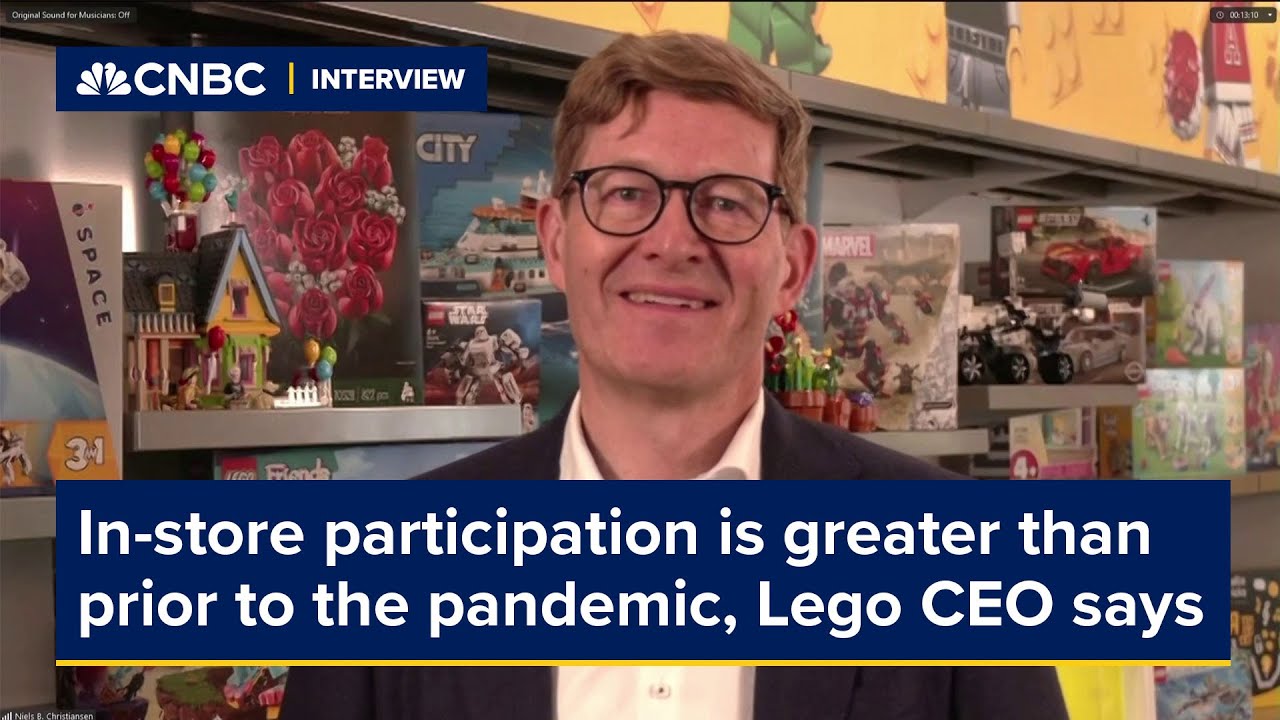
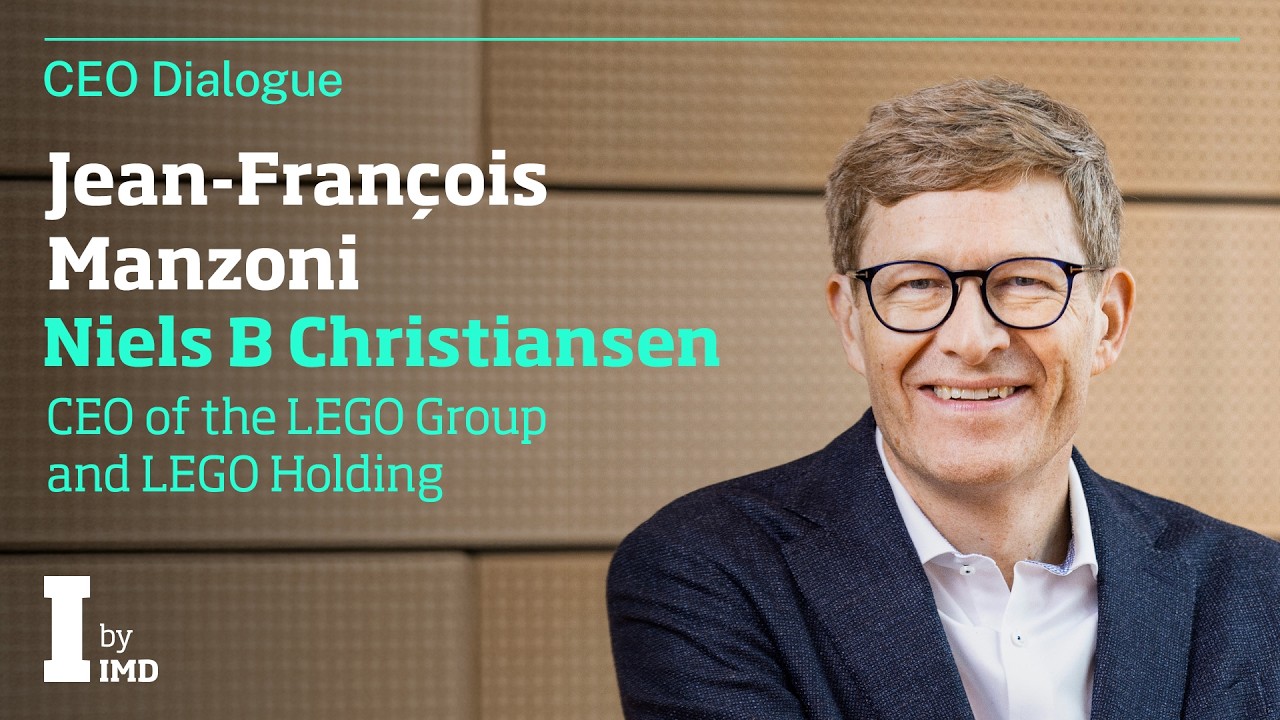
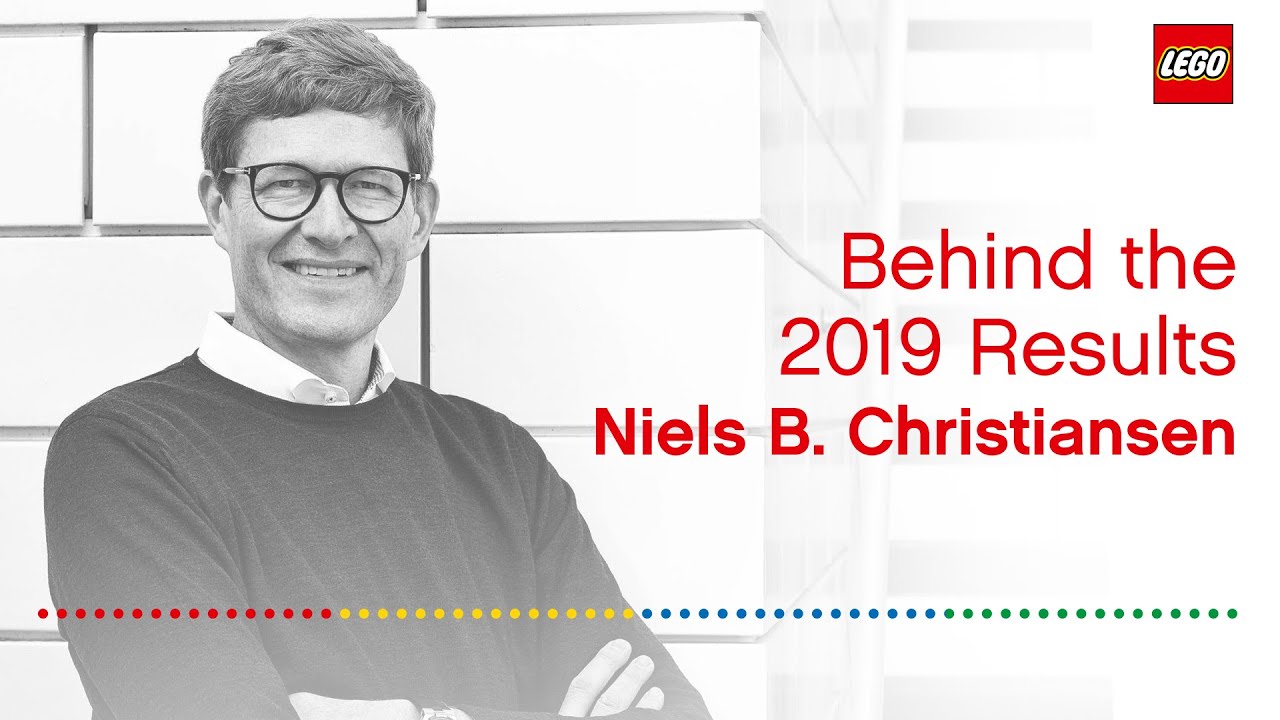
In a YouTube interview, LEGO CEO Niels B. Christiansen discusses four core pillars of LEGO’s post‑pandemic strategy. First, he confirms that physical retail remains a critical brand‑experience channel, noting that LEGO opened 147 new stores in 2023, now operates over 1,000 worldwide, and plans roughly 100 more in 2024 (about 40 in China). Store traffic has risen above pre‑COVID levels, reinforcing the decision to keep expanding brick‑and‑mortar locations. Second, he outlines LEGO’s sustainability roadmap: after testing more than 600 candidate materials, the company is using certified mass‑balance plastics, which accounted for 18% of total material purchases in 2023, translating to roughly 12% renewable content in each brick. LEGO aims for 100% renewable or recycled material in bricks by 2032. Third, he highlights circularity, emphasizing that 96% of LEGO bricks stay in active circulation through family hand‑offs and resale, leaving only 4% at risk of waste. LEGO runs replay and recycling programs in the US, Canada, and the UK, and plans to scale these globally. Finally, he addresses competition from digital entertainment, explaining LEGO’s strategy to stay relevant through the LEGO Life app, a partnership with Fortnite, and other digital touchpoints that complement the physical play experience. Overall, the interview paints a picture of a brand leveraging physical stores, material innovation, high‑reuse rates, and digital engagement to sustain growth and meet ambitious environmental goals.
Chapters
TranscriptAuto-generated · 6 min
Your stores in particular, because you're one of these brands that keep opening stores, 147 new ones last year. You have more than 1,000 stores across the globe. So how does that sit within your strategy? Because I know you're using that to expose your brand and make it more of an experience. But can I ask you how important it is within your strategy to have those stores?
Now, it's exactly like you say. It's actually— it is a very important mechanism to, to allow consumers and kids to get into the LEGO brand and really experience it. And it's a bit against the trend in the sense that we are opening stores. We will be opening another 100 stores, we believe, here in 2024. And, you know, it's not unusual that you go into a city and then you see a queue outside a LEGO store because it's really attractive to get there. We have more traffic now in LEGO stores than we had before the pandemic. So in that sense, yes, people went online for a period, but they really come back to experiencing also our brand in a physical way. So it's super important. And that gives us also the, yeah, the need to continue to open stores. And I think it will continue.
So you will continue to open stores at the same pace as you did, for example, last year?
Yeah, in China we will go about it a little bit lower pace. But by and large, yes, same outside China, same pace. China a little bit slower, but still opening, I think, another 40 stores in China next year or this year.
So can I ask you about sustainability? Because of course it's incredibly important. I know you mentioned your communiqué that there's been a 60% increase in spending in environmental initiatives just last year. But also last year, you did ditch your test, your effort to stop using some oil-based plastic bricks. You said that in the end, the new materials that you came up with was actually producing more carbon emissions. So I just want to ask you, how difficult is it to come up with new materials? Are we ever going to see a sustainable LEGO brick?
I think we are. So I think it's a clear yes to the last part of your question, but it's very difficult. We've actually tested more than 600 materials to see if can find a material on the market that could allow us to make 100% sustainable brick today. It doesn't exist. So what we are doing now is we are leaning into certified mass balance material. Mass balance material is a material that is not 100% sustainable, but a big chunk of all the elements that go into the material are actually sustainable or renewable, so made out of non-fossil-based materials. These mass balance materials we've been We've been purchasing 18% of the totality last year. Was that— it actually means that on average, 12% of a LEGO brick is actually out of renewable or recycled sustainable materials. Now, that's already in 2023. We are looking to up that amount so that we can keep driving also the industry in the direction of getting better and better materials. Mass balance materials or certified mass balance will not be the end of the game, But it is very important for us to take this step to invest into the industry to help accelerate the movement towards the segregated materials that we believe will be the solutions. And by 2032, it's our ambition to be 100% renewable in terms of the materials for the LEGO brick. And I think we have a good chance of getting there.
Can I ask you also about the circularity and recycling aspect of the equation? I know you're thinking about making customers bring back some of the bricks that they're not using so you can recycle them or reuse them in new sets. So how important would that be as part
It is important, but I think there's one thing that's very, very special about the LEGO bricks. The fact that whenever we research, 96% of all the bricks out there, they're actually kept in replay. So in the family, they're giving on to family or even sold off to somebody near you. So it's only 4% of the bricks in circulation that actually has a potential risk of ending up as waste. And obviously, we want to make sure that we get those recycled. And we have replay programs in the US and Canada, now also in the UK, where we can take bad bricks, bricks, we can actually clean and sort and whatever, we can bring them back into circulation. We've done a lot of that through donation. Over time, we need to do even more for that, and we need to do it more globally. But the special thing about the LEGO brick is that most bricks stay in circulation. They get replaced. So actually the best form of recycling by itself. That's why we have so much focus on making them out of renewable materials in the first place. If you can do that, it really becomes really strong sustainable materials replayed for a long, long time, and then potentially some program taking care of the tail that could end up in waste. That's our philosophy for the long run, hence also the strong focus on sustainable materials.
Can I ask you, who do you consider as your main competitor? And I'm asking this because we see kids spend more and more time on social media, on video games, so in this sort of virtual digital world, which just kind of feels like the complete opposite of the LEGO brick. And I know you're trying to reach out to these customers through your LEGO Life app, through deals like you have with Fortnite. But I just want to ask you, how do you stay relevant in a world where we see kids spend more and more of their free time in this kind of digital world?
Yeah, it's a super good question. The way we think about it is actually that we are competing for children's time and attention. which is also why we're driven by this fact of being relevant and being where kids are. So LEGO Fortnite is a super good example of being where kids want to spend their time. If they're not playing physically, they're typically there. And they really enjoy also being able to type into the LEGO fun and the LEGO magic and also in the digital space. So we are there to provide the universe to get them into the LEGO brand and give them the experiences and the learning that it takes from there. Ideally also that the day it gets to Christmas or birthday or whatever, we would be to find on their wish list and we could also then provide them with the learning coming out of a physical play. We just want to be and need to be in place everywhere where they are with something that's exciting.